
Yes, hostas can grow in Texas, but "grow" and "thrive" are two very different things depending on where in the state you are. In the cooler, shadier parts of North Texas, hostas can do reasonably well with the right setup. In Houston, the heat and humidity create a constant battle. In Central Texas, you're working against both brutal summers and alkaline soils. The short version: hostas are survivable in Texas, but they are not low-maintenance landscape plants here the way they are in the Pacific Northwest or the upper Midwest. If you go in with that expectation, you can absolutely make them work.
Do Hostas Grow in Texas? Zone Tips for Houston, North Texas

Marcus Hartwell
11 Apr 2026
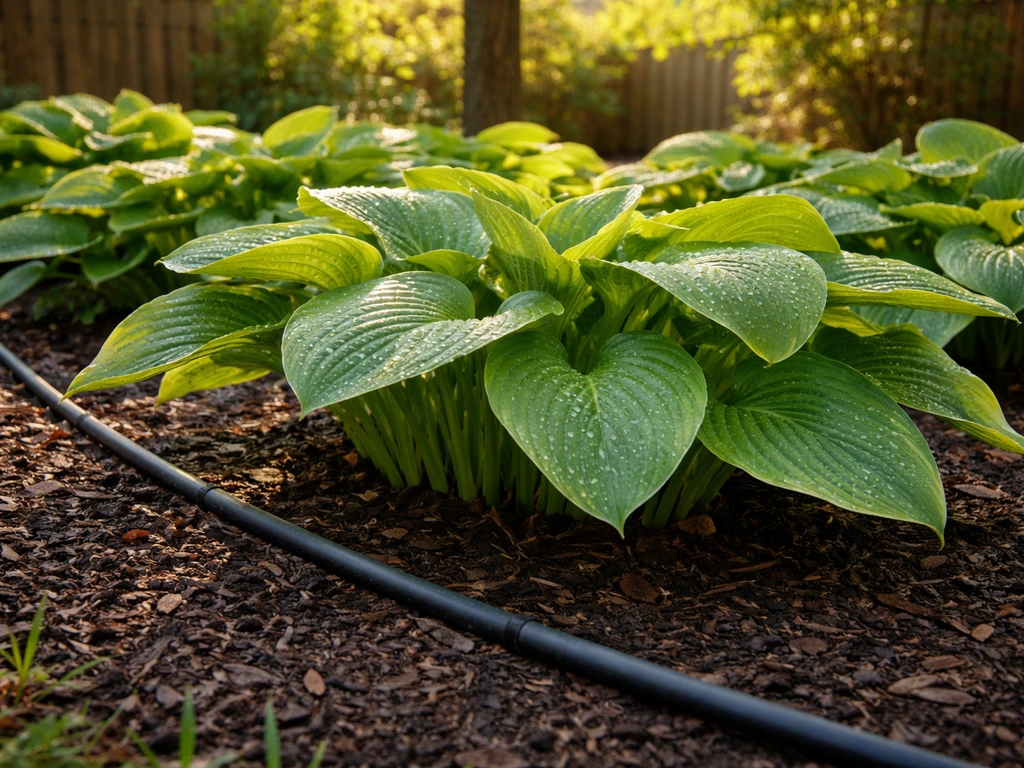
Is Texas actually a realistic climate for hostas?
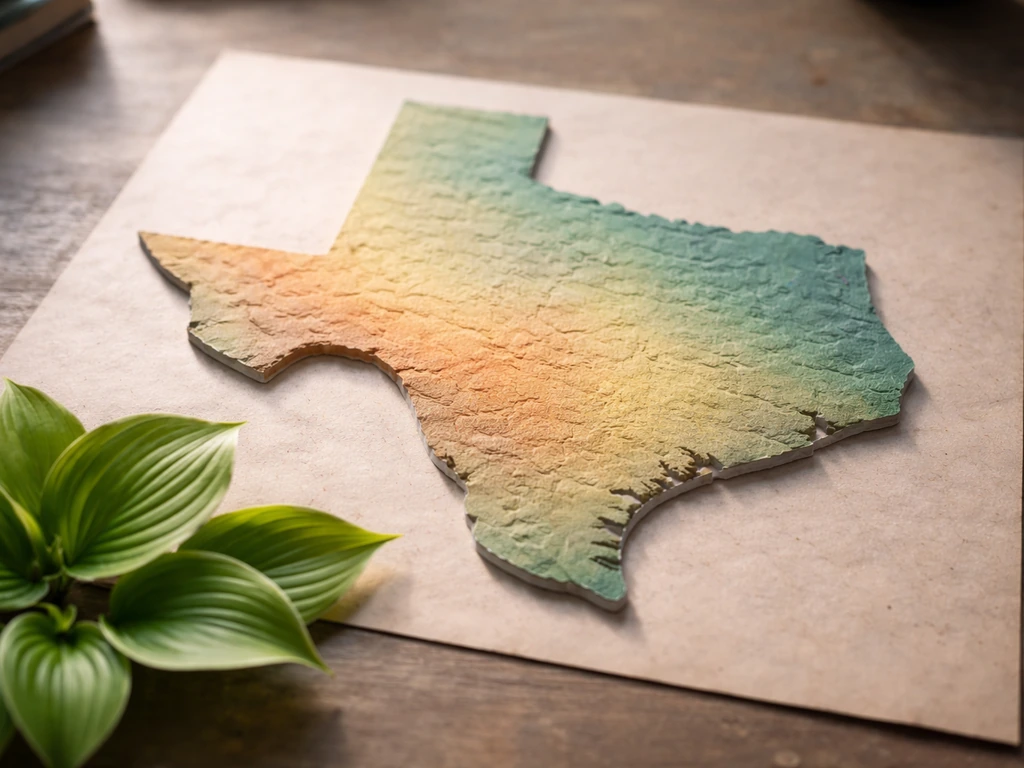
Hostas are technically cold-hardy perennials, rated for USDA Zones 3 through 8 (and some varieties push into Zone 9). Most of Texas falls squarely in Zones 8a and 8b, which puts you right at the edge of what hostas can handle on the heat side. Dallas is Zone 8b (average extreme minimum temperatures around 15 to 20°F), Fort Worth is Zone 8a, and Austin sits in Zone 8b as well. That means winter cold is not really the limiting factor for Texas gardeners. Hostas can handle your winters just fine. The real problem is summer.
Hostas originate from temperate regions of Asia where summers are warm but not relentless. In Texas, you're looking at months of 95 to 100°F days, often with high humidity in the east and dry, baking heat in the west and central regions. Hostas go dormant in winter, which is fine, but they need a relatively cool, moist growing season in spring and fall to build energy. In Texas, that window is short. Summer essentially pauses or sets back the plant rather than letting it flourish. So the question is not whether hostas will survive, it's whether they will put on enough growth and look good enough to justify the effort.
Houston vs North Texas vs Central Texas: where do hostas actually stand a chance?
Texas is too big and too diverse to give one answer. Where you live makes a real difference in how your hostas will perform.
Houston and East Texas
Houston is Zone 9a in most classifications, which already pushes past the typical hosta comfort zone. The bigger issue though is the combination of heat, humidity, and heavy clay soils. Hostas in Houston tend to struggle with root rot, fungal leaf diseases, and a general reluctance to put on the lush growth gardeners expect. You can grow them, but they will look ragged by midsummer. If you are set on hostas in the Houston area, your best bet is deep, dappled shade, excellent drainage, and treating them almost like annuals that you replace every few years as they decline.
North Texas (Dallas/Fort Worth)
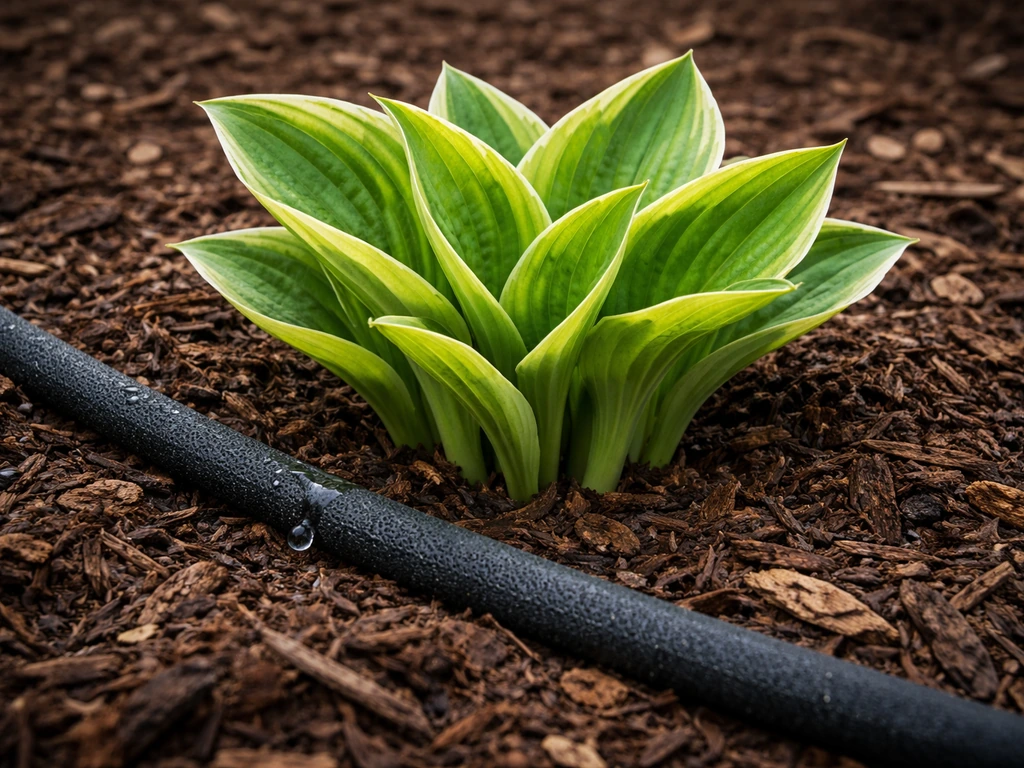
North Texas is probably the most realistic part of the state for growing hostas. Dallas and Fort Worth sit in Zones 8a and 8b, which is the upper limit of hosta territory, and the drier air compared to Houston actually reduces fungal disease pressure. You still get brutal summers, but a well-sited hosta in heavy shade with consistent watering can look genuinely good in spring and fall. Gardeners in North Texas report the most success of any Texas region, particularly in shaded north-facing beds, under large trees, or along the shaded side of fences. This is where hostas come closest to performing like they do in cooler parts of the country.
Central Texas (Austin and the Hill Country)
Central Texas adds a layer of difficulty beyond just heat. Austin's Zone 8b climate can handle hostas in theory, but the thin, rocky, alkaline soils of the Hill Country are not what hostas want. They prefer slightly acidic, organically rich, well-draining soil. Austin's alkaline limestone-based soils require real amendment work before hostas will be happy. On top of that, the intense sun and afternoon heat mean shade placement is non-negotiable. Austin gardeners who succeed with hostas are usually working in heavily amended beds in deep shade, almost like creating a microclimate that doesn't naturally exist there.
Which hosta varieties actually work in Texas heat?
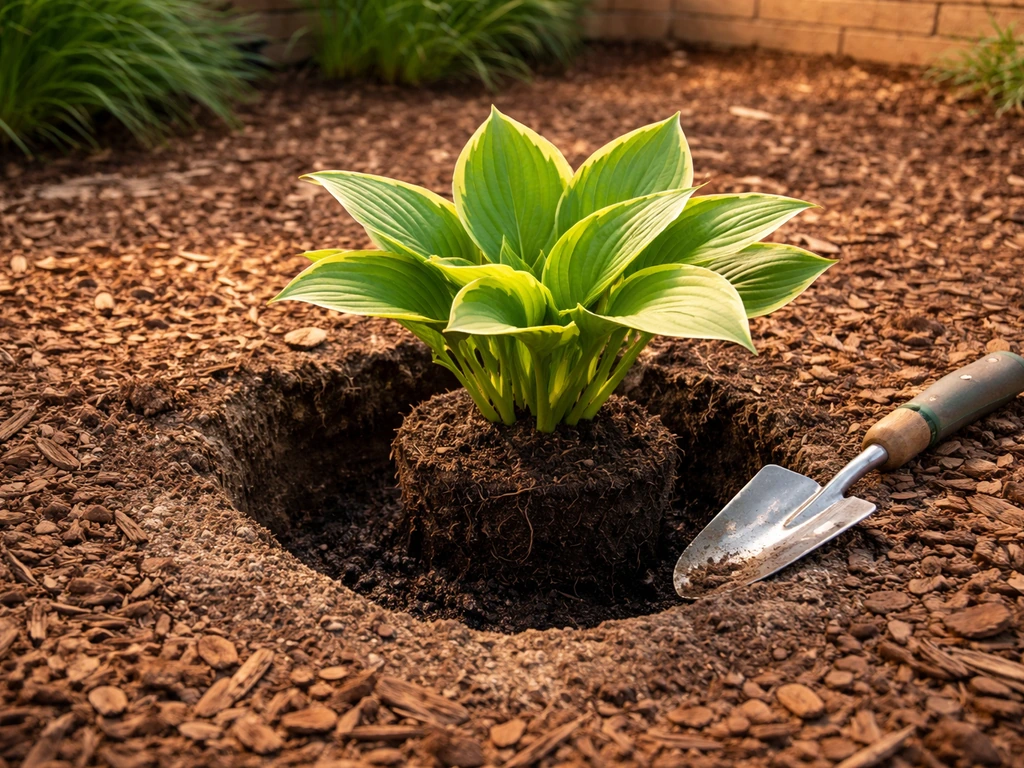
Not all hostas are equally heat-tolerant, and this matters a lot in Texas. Selecting the right variety is one of the biggest factors in whether your hostas survive or slowly melt away each summer.
- Sum and Substance: One of the most heat-tolerant hostas available, with large golden-yellow leaves. It handles Texas summers better than most and still looks impressive even after some stress.
- Guacamole: A fragrant variety with good heat tolerance and attractive chartreuse foliage. It performs well in partial shade across much of North Texas.
- Halcyon: A blue-leafed variety that holds up reasonably well in heat, though the blue color fades in too much sun.
- Francee and Patriot: Both are classic white-edged green hostas with decent heat tolerance. They're widely available and a solid choice for beginners in Texas.
- Fragrant Bouquet: Good heat tolerance and fragrant flowers, which is a bonus in Texas where you want every advantage you can get.
- Stained Glass: A newer variety with better sun and heat tolerance than many traditional hostas, useful in spots with morning sun and afternoon shade.
On the sun side: in most of the country, gardeners experiment with "sun hostas," but in Texas, even sun-tolerant varieties need afternoon shade protection. Morning sun (before 11 a.m.) is generally fine and actually helps with color and vigor. Any direct afternoon sun in a Texas summer will scorch leaves badly, even on supposedly sun-tolerant varieties. Always err on the side of more shade in Texas, not less.
When and how to plant hostas in Texas
Timing is one of the most overlooked parts of growing hostas in Texas. The best planting window is late winter to early spring, ideally February through March in most Texas regions. This gives the plant time to establish roots before summer heat sets in. Fall planting (October to November) is also a good option and often underused. The mild Texas fall gives hostas several weeks to settle in before going dormant, and they come back stronger the following spring.
Avoid planting in late spring or summer. A freshly planted hosta dropped into the ground in June or July in Texas is fighting an uphill battle with heat stress before it has any root establishment. Most early-summer planted hostas either die outright or spend so much energy just surviving that they don't establish properly and look terrible the following season too.
For site setup, choose a location with no afternoon direct sun, ideally under the canopy of large trees or on the north or east side of a structure. Amend the soil before planting: mix in generous amounts of compost (aim for at least 4 to 6 inches worked in to a depth of 12 inches), and if you are in Central Texas with alkaline soils, add sulfur to gradually lower pH toward the 6.0 to 6.5 range hostas prefer. Make sure the bed drains well. Hostas do not tolerate standing water or consistently soggy soil, particularly in summer heat.
Watering, mulch, and fertilizing in the Texas heat
Water is the single biggest management variable for Texas hostas. During the growing season (spring and fall), hostas need consistent moisture but not waterlogged conditions. In the peak of summer, even a well-established hosta in full shade may need watering every two to three days during heat waves. A good rule of thumb: water deeply (soak to 6 to 8 inches) and less frequently rather than shallow-watering every day. This encourages deeper root growth, which helps the plant access cooler, more stable moisture levels in the soil.
Mulch is not optional in Texas, it is essential. Apply 3 to 4 inches of organic mulch (pine bark, hardwood chips, or shredded leaves) around hostas, keeping it a couple of inches away from the crown to avoid rot. Mulch does three critical things in Texas: it retains soil moisture, moderates soil temperature (which can get extremely high in bare soil during summer), and adds organic matter as it breaks down. For gardeners dealing with alkaline soils in Austin or Central Texas, pine bark mulch has the added benefit of gently acidifying the soil over time.
For fertilizing, less is more with Texas hostas. A slow-release balanced granular fertilizer (something like a 10-10-10 or similar) applied once in early spring as growth emerges is usually sufficient. Avoid fertilizing after July. Late-season fertilizing pushes new tender growth that gets hit hard by heat and then can't harden off before fall. If your hostas look pale or yellow despite good soil, a light application of iron chelate can help in alkaline soils where iron becomes unavailable to plants.
Pests and diseases to watch for in Texas
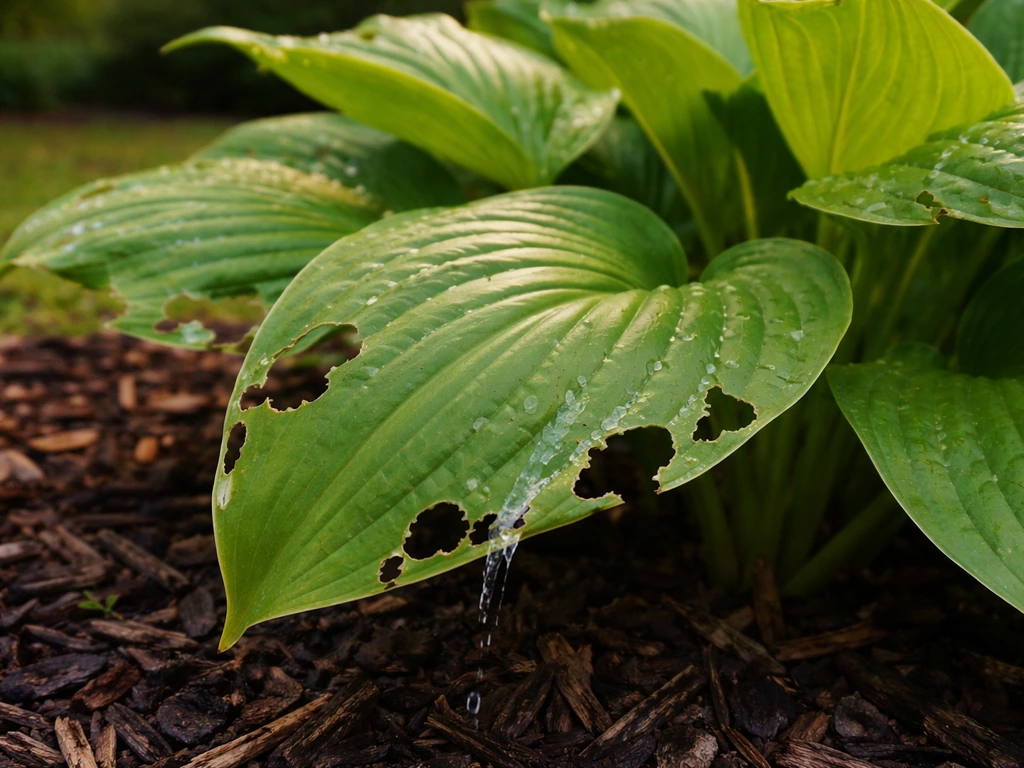
Texas hostas face a specific set of threats that gardeners in cooler climates rarely deal with at the same intensity.
| Problem | What It Looks Like | Texas-Specific Risk Level | What To Do |
|---|---|---|---|
| Slugs and snails | Ragged holes in leaves, slime trails | High in Houston, moderate elsewhere | Iron phosphate bait, remove debris, diatomaceous earth around crowns |
| Crown rot | Plant collapses at base, mushy crown | High, especially in poorly drained soil | Improve drainage, avoid overwatering, remove affected plants promptly |
| Foliar nematodes | Brown streaks between leaf veins | Moderate to high in humid East Texas | Remove affected leaves, avoid overhead watering, no cure once established |
| Fungal leaf spot | Brown spots or lesions on leaves | High in Houston and humid areas | Improve airflow, avoid wetting leaves, copper-based fungicide if severe |
| Deer | Entire leaves eaten, stems chewed down | High across most of Texas | Deer repellent spray, physical barriers, or avoid hostas if deer pressure is heavy |
| Southern blight (Sclerotium) | White fungal growth at soil line, plant collapse | Higher in warm, wet conditions | Remove infected plants and surrounding soil, solarize bed before replanting |
Slugs deserve special mention because they are the number one hosta pest across Texas and are especially bad in Houston and areas with heavy clay soil that retains moisture. If you come out in the morning and see holes in your hosta leaves with no obvious insect present, slugs feeding at night are almost always the culprit. Iron phosphate slug bait is safe around pets and wildlife and is genuinely effective. Apply it consistently, especially after rain.
What to realistically expect, and how to troubleshoot when things go wrong
Here is the honest truth about hostas in Texas: they will not look like the lush, magazine-worthy specimens you see in Pacific Northwest gardens. In Texas, hostas are spring and fall plants. They emerge beautifully in late February or March, look great through April and May, start to look stressed and tatty by July and August, then often rebound a bit in September and October before going dormant. That is a normal Texas hosta cycle, not a sign of failure. If you can accept that your hostas are a seasonal feature rather than a year-round showpiece, you will be much happier with them.
If your hostas are failing to come back in spring, the most likely causes are crown rot from winter wet, slugs that destroyed the crown during the growing season, or plants that simply were not established enough before summer hit. For preventing Hosta Sclerotium crown rot, CAFA at UMass Amherst recommends avoiding overwatering and providing good drainage, including using raised beds as a drainage approach crown rot from winter wet. Make sure your bed drains well through winter and that you are not mulching directly against the crown.
If leaves are scorching brown at the edges or turning crispy, the plant is getting too much sun or not enough water, or both. Move the plant in fall to a deeper shade location, and step up your watering frequency during heat spikes. If leaves are yellowing uniformly, check soil pH (especially in Austin), drainage, and whether you are overwatering rather than underwatering. Toledo Indoor Garden notes that iron availability decreases under alkaline conditions, and this can lead to iron chlorosis check soil pH (especially in Austin).
If hostas just are not working in your Texas garden after two or three seasons of trying, it is worth asking honestly whether you are fighting your climate too hard. Texas has excellent alternatives for shady spots: cast iron plant (Aspidistra), liriope, inland sea oats, and Louisiana iris all tolerate Texas shade with far less fuss. That said, if you are in North Texas and willing to give hostas the shade, the moisture, and the amended soil they need, you can absolutely make them a legitimate part of your landscape.
Texas gardeners are not alone in wrestling with hostas at the edge of their climate range. If you are curious how neighboring states compare, it is worth knowing that hostas in Arizona face even more extreme conditions, while growing hostas in Las Vegas is one of the most challenging desert scenarios of all. On the other end of the spectrum, hostas in Colorado benefit from cooler summers and perform noticeably better than in most of Texas.
For comparison within the South, hostas in North Carolina thrive in the Piedmont and mountains, and hostas in South Carolina face similar heat challenges to Houston. If you are thinking about a move or a garden in the West, hostas in California vary wildly by region, with coastal areas being some of the best hosta territory in the country.
Bottom line for Texas: hostas are a yes with an asterisk. North Texas gives you the best shot, Central Texas requires real soil work and commitment, and Houston demands you keep expectations low and drainage high. Pick heat-tolerant varieties, plant in deep shade, water consistently, mulch heavily, and go in knowing that spring and fall are your hosta seasons. Do all that, and they can absolutely be part of your Texas garden.
FAQ
What is the easiest Texas region to grow hostas in, realistically?
North Texas is usually the most reliable. Areas around Dallas and Fort Worth give hostas the most favorable balance of winter cold (not too harsh) and summer conditions (less constant humidity than Houston). Even there, expect the best look in spring and fall, and plan for extra shade and deep watering during heat spikes.
Can I grow hostas in Texas if I don’t have a north-facing bed or deep shade?
It will be difficult, especially in summer. If you only have partial shade, use morning sun only, then block direct afternoon rays with a taller plant, trellis, or repositioning. Many “sun hosta” labels are based on cooler climates, so in Texas you still need afternoon protection to prevent edge scorch.
Do hostas in containers do better than in the ground in Texas?
They can, but only if you manage water and drainage very carefully. Containers dry out faster in summer, which can cause leaf damage, while poor drainage can trigger rot. Use large pots with multiple drainage holes, a high-quality potting mix, and consider partial afternoon shade or even relocating the pot during peak heat.
How can I tell if my hosta problem is drought stress versus too much water?
Drought stress often shows as crispy, brown leaf edges and a plant that wilts despite the soil feeling dry. Too much water or poorly drained soil more often leads to crown rot symptoms, where the base looks mushy or collapses, and leaves may yellow while the plant declines quickly. In Texas winters, drainage and avoiding crown-to-mulch contact are the deciding factors.
Should I cover hostas during Texas freezes or cold snaps?
Usually no in most of Texas because hostas are generally hardy enough for your typical winter lows. The exception is when plants sit in poorly drained soil or you planted recently in late fall, because cold plus wet increases crown rot risk. If you do cover, do it briefly and avoid trapping moisture against the crown.
What’s the best way to pick a heat-tolerant hosta variety for Texas?
Look for varieties marketed as tolerating sun or heat, but still plan on afternoon shade. Also consider hosta size and leaf thickness, with thicker leaves often holding up better to Texas conditions. If you want an extra margin, start with proven performer types in your local nurseries, since labeling varies widely by climate-testing.
How often should I water hostas during Texas summer heat waves?
In peak summer, even shaded hostas may need watering every two to three days during very hot stretches. Use deep watering (so moisture reaches 6 to 8 inches) rather than quick daily wetting. The mulch layer helps reduce frequency, but it doesn’t replace watering when you have prolonged dry heat.
Can I fertilize hostas more than once in a Texas growing season?
Generally, one early-spring application is enough. Avoid fertilizing after July because new growth can be tender and get damaged by heat before it hardens off. If leaves turn pale in alkaline soils, a targeted iron chelate can help, but don’t keep boosting nitrogen without addressing pH and drainage.
What’s the safest slug control method that won’t harm pets or wildlife?
Iron phosphate slug baits are a common safe choice, and they work best when applied consistently, especially after rain. Place bait according to label instructions and keep it away from where pets will eat it directly. In Houston and other clay-heavy areas, also inspect plants early in the morning for feeding that happened overnight.
How do I prevent crown rot in Texas winters?
Focus on drainage and spacing. Ensure the bed drains well, avoid planting too low in the landscape where water collects, and keep mulch a couple of inches away from the crown. If you get heavy winter wet, consider improving soil structure with compost and coarse organic matter so the crown stays drier.
When should I move or divide hostas in Texas?
Late winter to early spring is usually the best time, similar to initial planting timing. Dividing too late (for example, mid-summer) can weaken roots right when heat stress peaks. In fall, you can sometimes move hostas, but aim for early enough to establish before the hottest part of the next growing cycle.
If my hostas only look good in spring, is that failure?
Not necessarily. In Texas, many hostas naturally perform as a seasonal plant, emerging strongly in late winter or early spring, looking best through April and May, then thinning or getting ragged by midsummer before rebounding in September or October. If they consistently return and regrow from the crown, that’s often normal adaptation rather than disease.