
Yes, hostas grow well in North Carolina, and across most of the state they're a reliable, low-maintenance perennial for shaded spots. That said, where you live in NC matters a lot. Mountain gardeners have the easiest time, Piedmont gardeners get reliable results with the right variety and a good shade spot, and coastal plain gardeners need to be a bit more selective, leaning toward heat-tolerant types and full shade during summer.
Do Hostas Grow in North Carolina? Best Types and Care

Marcus Hartwell
4 Jun 2026
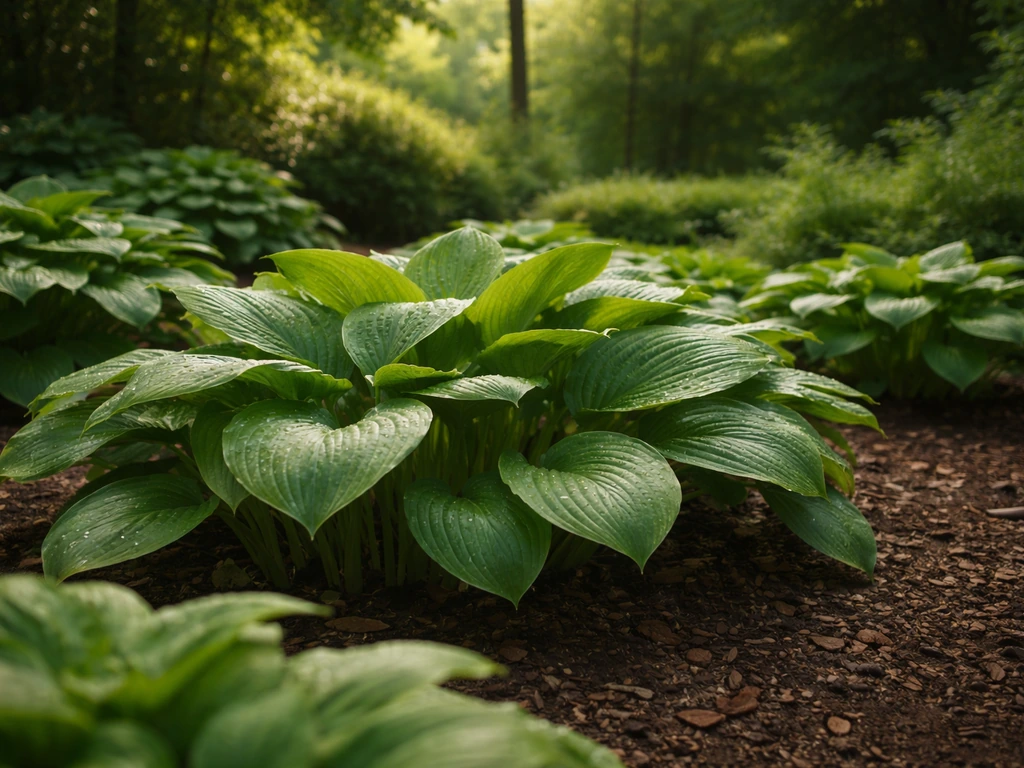
If you're wondering whether hostas will thrive in South Carolina too, the main factors are summer heat, humidity, and choosing a shaded spot. The main challenges aren't winter cold, which is rarely brutal enough to kill an established hosta, but summer heat, humidity, slugs, and the occasional drought. If you’re wondering can hostas grow in California, the answer is yes, but you’ll need to manage heat, sun exposure, and drainage for your specific microclimate.
In Arizona, hostas can also grow, but you need the right shade and heat-tolerant varieties to handle dry heat do hostas grow in arizona.
How North Carolina's climate affects hostas
North Carolina spans USDA hardiness zones 7a through 8b depending on where you are. Most hostas are rated hardy to zones 3 or 4, so even the warmest parts of NC (coastal areas in zone 8b, where average winter lows bottom out around 15 to 20 degrees F) are well within a hosta's survival range. Cold winters aren't the problem. Hostas actually need a period of cold dormancy to reset each year, and NC provides that everywhere.
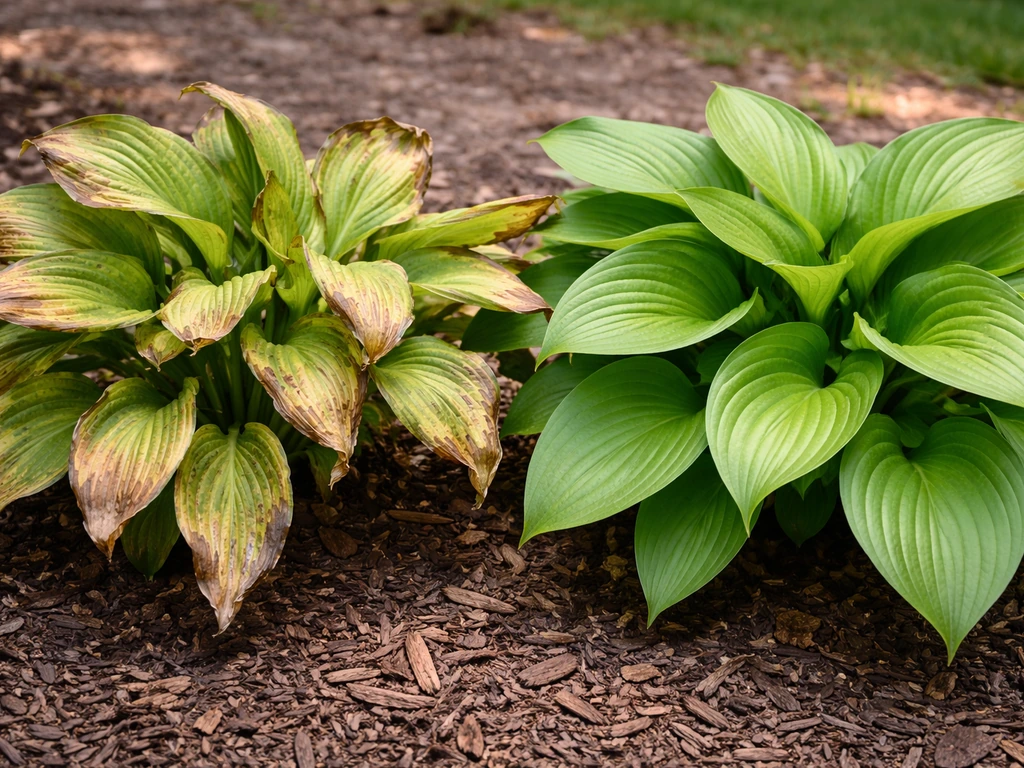
What does stress hostas in NC is the summer heat and humidity combination. Hostas evolved in cooler, woodland climates. When temperatures consistently push into the 90s and humidity stays high for weeks at a stretch, some varieties start looking rough by August. That heat stress is compounded by the risk of crown and root rot if your soil doesn't drain well. NC's summer rainstorms can dump a lot of water fast, and soggy soil around the crown is one of the fastest ways to lose a hosta plant.
Hostas by NC region: coastal plain, Piedmont, and mountains
Think of NC as three different gardening climates stacked east to west, and your hosta strategy should shift accordingly.
Coastal plain (zones 8a to 8b)
This is the toughest zone for hostas in NC. Summers are long, hot, and muggy. Last spring frost dates in eastern counties can be as early as late March, which means hostas leaf out earlier here and get exposed to more heat overall. You'll want to stick to full shade, choose heat-tolerant cultivars (more on those below), make sure your drainage is excellent, and mulch heavily.
If you are wondering can hostas grow in california, keep in mind California gardeners face similar challenges around summer heat and drainage, even if the climate zones differ make sure your drainage is excellent. Hostas can and do survive here, but they won't look as lush in August as they do in cooler parts of the state.
If your neighbors in coastal NC are having great luck with hostas, look at where they planted them, almost certainly under dense tree canopy or on a north-facing wall.
Piedmont (zones 7b to 8a)
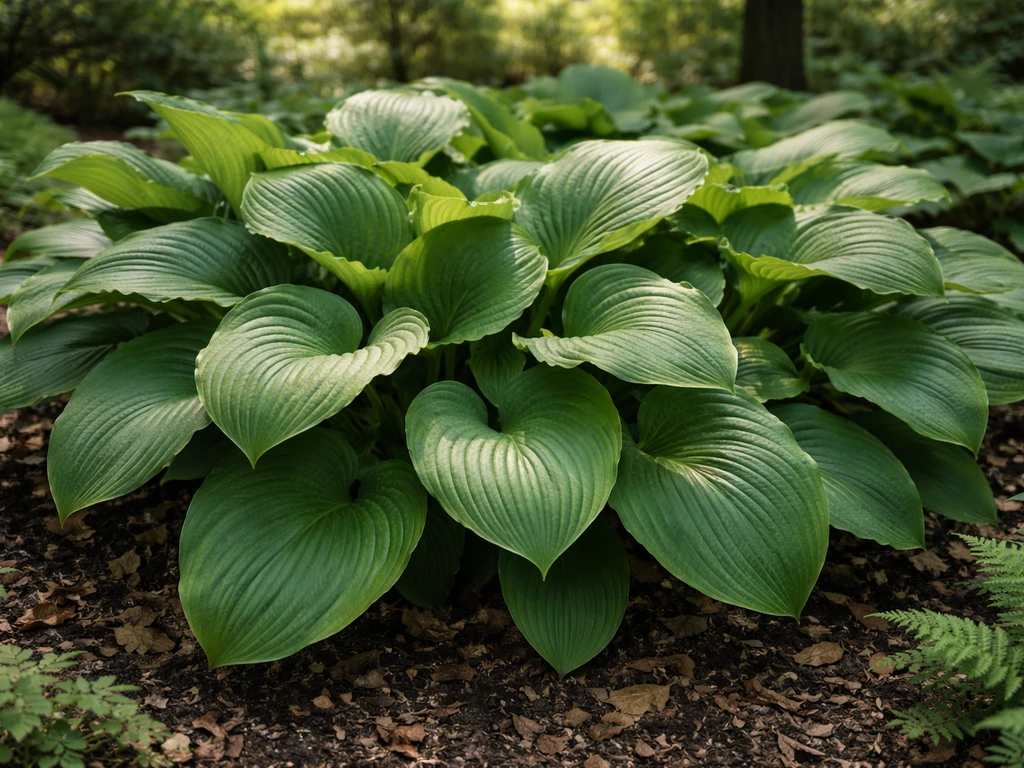
The Piedmont is the sweet spot for most NC gardeners. Cities like Raleigh, Charlotte, Greensboro, and Durham sit in this zone range, and hostas are a staple of shade gardens here. Summer heat is real but slightly more manageable than the coast, and winters are cold enough to give hostas a good dormancy without being harsh enough to threaten established crowns. Plant in dappled or full shade, keep the soil consistently moist but not waterlogged, and most hosta varieties will thrive.
Mountains (zones 6b to 7a)
Western NC's mountain counties, Asheville and surrounding areas, are basically hosta paradise. Cooler summers mean less heat stress, and the higher elevation keeps humidity from feeling quite as suffocating. The tradeoff is a slightly higher freeze risk and later last-frost dates, so planting timing matters a bit more. Winter lows in mountain valleys can dip low enough that a sudden late freeze catches early-emerging hosta tips, but established plants handle this fine and push back out. If anything, Appalachian NC is where hostas look their absolute best, and you can grow a wider range of varieties successfully here than anywhere else in the state.
Best hosta types and cultivars for North Carolina
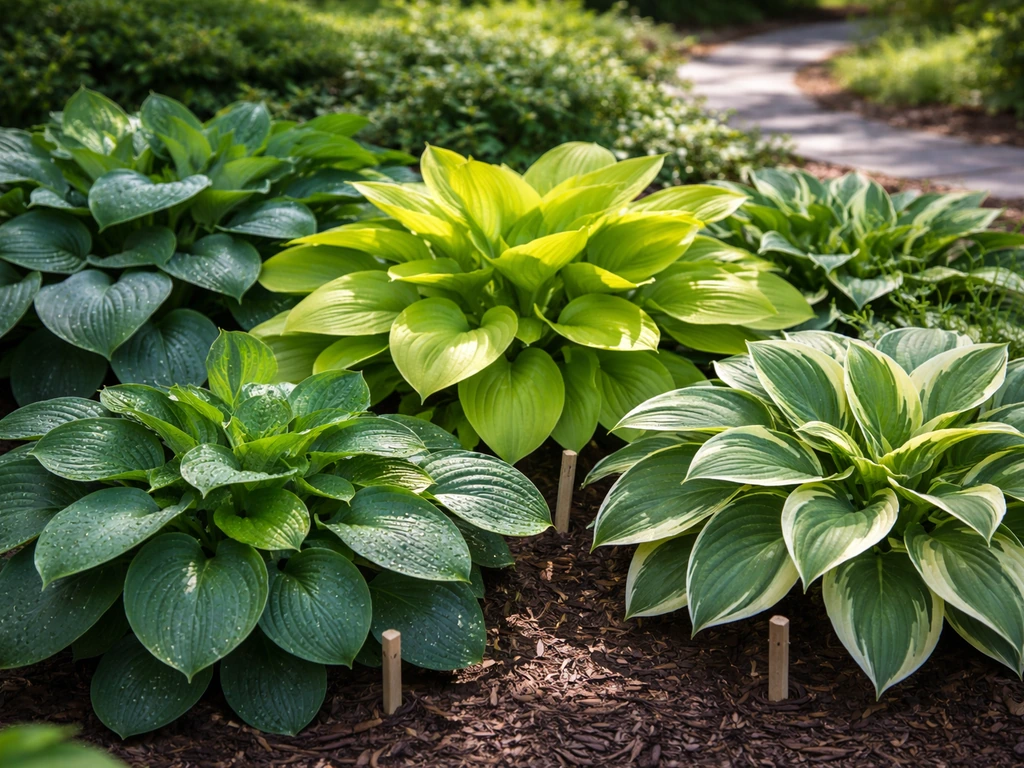
For most of NC, especially the Piedmont and coastal plain, your variety choice matters more than it would for a gardener in Minnesota. The standout heat-tolerant species is Hosta plantaginea, the fragrant plantain lily. NC State Extension and Clemson Extension both point to this species as the most heat and sun-tolerant of the hostas, able to handle up to three-quarters of a day of sun where other varieties would scorch. If you're in a warmer part of NC or have a spot that gets more sun than ideal, start here.
Beyond that species, here are some cultivars and types that consistently perform well across NC's climate zones:
- Hosta plantaginea and its hybrids (August Moon, Royal Standard): heat-tolerant, fragrant white flowers in late summer, handles more sun than most
- Halcyon: a classic blue-green hosta for dappled to full shade, reliable performer in Piedmont shade gardens
- Sum and Substance: large gold-green leaves, good heat tolerance, thrives in bright indirect light
- Patriot and Francee: white-edged green varieties that are vigorous and adaptable across NC zones
- Stained Glass: gold-centered with green margins, shows good heat resilience and adds brightness to shaded spots
- Krossa Regal: upright habit, blue-green, performs well in zones 7 and 8 with consistent moisture
In general, blue-leaf hostas are the most susceptible to leaf burn in NC's summer heat because their waxy coating (what gives them that blue color) melts away in sustained high temperatures. UF's resources discuss that plantaginea and other hostas can show leaf burn or scorch under sustained high heat and sun conditions, so choosing heat-tolerant varieties helps reduce this problem leaf burn in NC's summer heat). Save the blue varieties for the coolest, most shaded spots, or grow them in mountain NC where summers are gentler. Gold and green varieties tend to hold up better in warmer conditions.
Planting and care basics for NC gardens
When to plant
In NC, you have two good planting windows. Spring is the most popular, and for NC specifically, early May is a reliable target. That gives roots time to establish before summer heat peaks. A source specifically referencing North Carolina planting timing puts early May and late August as the best windows. Late August works well for fall planting because cooler temperatures are on the way, the plant can put down roots without heat stress, and it'll be ready to explode out of the ground the following spring. Avoid planting in June or July if you can. Summer establishment in NC heat is hard on new plants.
Soil and drainage
Hostas want rich, moist, well-drained soil. In NC, 'well-drained' is non-negotiable. The heavy clay soils common across much of the Piedmont hold water poorly and can create the soggy crown conditions that lead to rot. Before planting, work in compost or organic matter to loosen clay and improve drainage. If you have a spot that pools after rain, either fix the drainage or pick a different location. When planting, set the crown at or just slightly above soil level so it's not buried, and keep the emerging leaf tips visible above the soil surface.
Watering
Hostas in NC need consistent moisture, especially in their first season and during summer dry spells. Water at the base of the plant rather than overhead when possible. If you do use overhead irrigation, water in the morning so leaves dry out before evening. Wet foliage sitting overnight in NC's warm, humid summers is an invitation for fungal problems.
Mulching
Mulch is one of the most important things you can do for hostas in NC. A 2 to 4-inch layer of organic mulch (shredded leaves, pine bark, or wood chips) keeps soil moisture consistent, moderates soil temperature during summer heat, and suppresses weeds. Apply it after the soil warms in spring. Keep the mulch pulled back slightly from the crown itself so you're not creating a moist, dark hiding spot right at the base of the plant, which is prime slug territory.
Common problems to watch for in North Carolina
| Problem | What you'll see | NC risk level | Fix |
|---|---|---|---|
| Heat stress / sunscorch | Brown, crispy leaf edges or bleached patches on leaf surface | High in coastal plain and Piedmont summers | Move to deeper shade, increase watering, switch to heat-tolerant cultivars |
| Crown and root rot | Yellowing, wilting, mushy base even when soil seems moist | High in heavy clay or low-lying spots | Improve drainage before planting, avoid overwatering, don't bury crown |
| Slugs and snails | Large ragged holes in leaves, especially near margins and between veins | High statewide, especially in wet periods | Iron phosphate bait, reduce mulch depth near crown, check under mulch at night |
| Deer browsing | Entire leaves or stems bitten off, often overnight | Moderate to high depending on location | Deer repellent sprays, physical barriers, or accept occasional damage |
| Freeze damage on new tips | Blackened, mushy emerging tips after a late frost | Low to moderate, mainly in mountains and early emergers | Protect with frost cloth if a late freeze threatens after leaves emerge |
Slugs deserve special mention because they are a real and persistent problem in NC. The state's warm, wet summers create ideal breeding conditions for slugs and snails. You might not see the culprits (they feed at night), but you'll see the holes in your hosta leaves by morning. Iron phosphate slug bait is effective and safer around pets and wildlife than older metaldehyde products. Check under mulch and boards near the garden at night if you want to confirm the source of the damage.
Deer are unpredictable by location in NC. If you're in a suburban area with deer pressure, hostas are unfortunately a target. A deer-deterrent spray applied regularly or a simple fence around the bed can save your plants. Some gardeners in deer-heavy areas have success mixing hostas with deer-resistant plants to make the bed less attractive overall.
When to expect growth and where to find plants
In NC, hostas start emerging from the ground in early to mid-spring, typically March in the coastal plain and warmer Piedmont, April in the cooler Piedmont and foothills, and April to May in the mountains. If you are wondering whether hostas can also do well in a hot desert city, see how to answer whether will hostas grow in Las Vegas.
The full flush of lush leaves usually peaks in late spring and early summer before heat starts to take a toll. By late summer, some leaf tipping and minor browning is normal, especially in hotter locations. Once temperatures cool in September, plants often perk back up before going dormant after the first frost.
NWS Raleigh points gardeners to the NC State Climate Office freeze and frost maps for normal freeze threshold dates (including 36°F and 32°F, and also 28°F) freeze and frost maps for normal freeze threshold dates (including 36°F and 32°F).
For the first year after planting, don't expect a huge show. Hostas follow the old gardening saying: 'sleep, creep, leap.' Year one they establish. Year two they put on some size. By year three, a healthy hosta in a good NC location will be the statement plant you were hoping for.
Where to buy healthy hostas in NC
Your best local options for finding healthy, acclimated hosta plants are local independent garden centers and nurseries, which often stock region-appropriate varieties better suited to NC conditions than big box store selections. NC cooperative extension offices sometimes offer plant sales or can connect you with local plant societies. Hosta specialty nurseries exist online and ship bare-root divisions in spring, which is a good way to access uncommon cultivars not found locally. If you go the mail-order route, plant bare-root divisions promptly when they arrive and keep the soil moist during establishment.
If you're already dealing with a struggling hosta, the first things to check are shade level and drainage. Most NC hosta failures come down to one of those two factors. Move a sun-damaged plant to deeper shade in late August (a good natural transplant window), and amend the soil with compost before replanting if drainage is the issue. A plant that looks rough in August can fully recover the following spring once it's in the right spot.
NC's climate is genuinely friendly to hostas when you match the right variety to the right location, and once established, they'll come back reliably for decades. Yes, hostas can grow in Colorado, but success depends on choosing cold-hardy varieties and managing shade, moisture, and winter conditions do hostas grow in Colorado.
FAQ
Will hostas grow in North Carolina if I only have partial shade, not full shade?
Often yes in the Piedmont and mountains, but aim for dappled shade or morning sun and afternoon shade. If leaves are getting pale, scorched at the edges, or the crown dries out, shift the plant deeper into shade rather than adding more fertilizer.
Can I grow hostas in North Carolina in containers, or is that only for the ground?
You can, and it helps with drainage, but you must prevent the pot from drying out in summer. Use a well-draining potting mix, keep the crown at the same height as in-ground planting, and water consistently during heat waves, since container soil heats faster than garden soil.
How do I tell if my North Carolina hosta issue is too much sun versus too much water?
Sun stress usually shows as crispy, tan leaf edges and fading color while soil may look normal. Water stress, especially in clay, often comes with slow growth, mushy base, and leaves collapsing near the crown. If water sits after rain, drainage is the first fix.
What’s the best mulching practice for hostas in North Carolina to avoid rot and slug damage?
Use 2 to 4 inches of mulch but pull it back slightly from the crown so the base stays airy. Replenish mulch in spring after the soil warms, and avoid piling fresh mulch directly against the crown where it stays damp.
Are slugs always the cause of holes in hosta leaves in North Carolina?
Not always. Heat and wind can also cause tearing, but slug damage is usually irregular holes and ragged edges that show up overnight. If damage appears after dark and you see slime trails or clustered bites near the base, use bait like iron phosphate and check under mulch or boards.
Do hostas need fertilizer in North Carolina, and what should I avoid?
If your soil is amended with compost, heavy feeding often isn’t necessary. Avoid high-nitrogen, late-season fertilization because it can trigger soft new growth that struggles with summer heat and can reduce dormancy readiness in fall.
When should I divide hostas in North Carolina?
The safest timing is typically late summer to early fall, after the worst heat but before growth fully slows. In hot coastal areas, aim earlier rather than later so divisions establish before peak humidity and rainfall patterns create crown rot risk.
Can I transplant a hosta in North Carolina during summer if it’s struggling?
Yes, but do it in late August as a practical window. Choose a cool day, keep the root ball intact, and water well for the first couple of weeks. Don’t bury the crown deeper during replanting.
How much cold do hostas in North Carolina actually need to return each year?
They need a dormancy period with cool temperatures, not a specific single number. North Carolina generally provides this statewide, but if you have a sheltered microclimate that stays unusually warm (like a south-facing wall), plants may emerge early and be more vulnerable to late freezes.
What’s a good watering schedule for newly planted hostas in NC?
For the first season, water deeply enough to moisten the root zone, then let the top inch of soil dry slightly before watering again. During drought weeks, it’s better to water at the base early in the day than to do frequent light overhead sprinkling.