
Rhododendrons can grow in Texas, but only in the right part of the state and only with the right setup. East Texas is your best bet, where the climate is humid, soils lean acidic, and there's enough natural shade to buffer the brutal summer heat. The farther west or south you go, the harder it gets. In Central Texas, West Texas, and South Texas, the combination of alkaline soils, intense sun, and heat-driven drought stress makes reliable rhododendron growing genuinely difficult without significant soil work and a near-perfect microclimate.
Will Rhododendrons Grow in Texas? Zone, Care Tips, Best Types
Marcus Hartwell
28 May 2026
What Texas climate actually means for rhododendrons
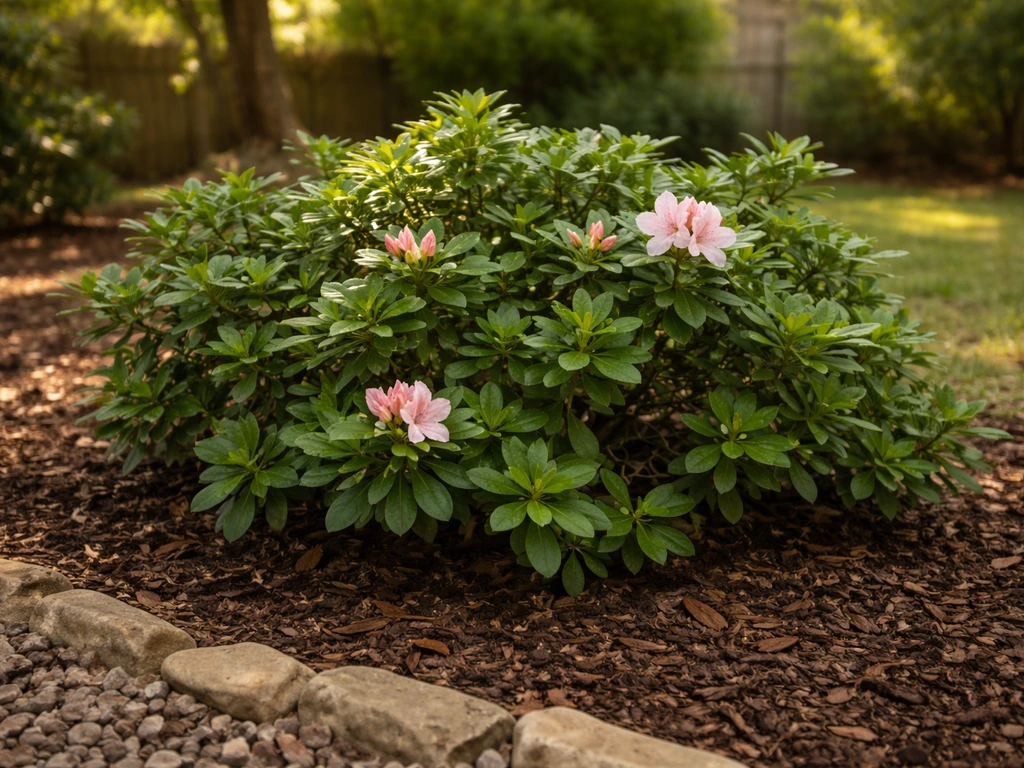
Texas spans USDA hardiness zones 6a through 10a depending on where you are. Most rhododendrons are happiest in zones 6 through 8, which lines up reasonably well with East Texas and the Piney Woods region (roughly zones 7b to 8b). That part of the state gets cold enough in winter to satisfy dormancy requirements without the extreme freezes that damage buds, and the humidity is closer to what rhododendrons prefer.
The trouble is that Texas winters can swing wildly, and that's genuinely problematic for rhododendrons. A warm stretch in late fall or early spring followed by a sudden hard freeze is one of the most reliable ways to kill flower buds. The buds start to deacclimate during warm spells, then get caught off guard by the cold snap. Gardeners in North and East Texas have seen this wipe out an otherwise healthy plant's entire bloom cycle in a single bad week.
Soil chemistry is the second big issue. Rhododendrons demand acidic soil in the pH 4.5 to 6.0 range. East Texas pine forest soils often fall naturally in that range, which is a huge advantage. Central Texas soils tend to be alkaline, often running above pH 7.0 and sometimes higher near limestone bedrock or concrete structures. When soil pH climbs above 7.5, rhododendrons can't properly absorb iron and manganese, leading to chlorosis and eventual decline. If that's your soil, you're fighting an uphill battle before you even put a plant in the ground.
Rhododendron types most likely to survive Texas
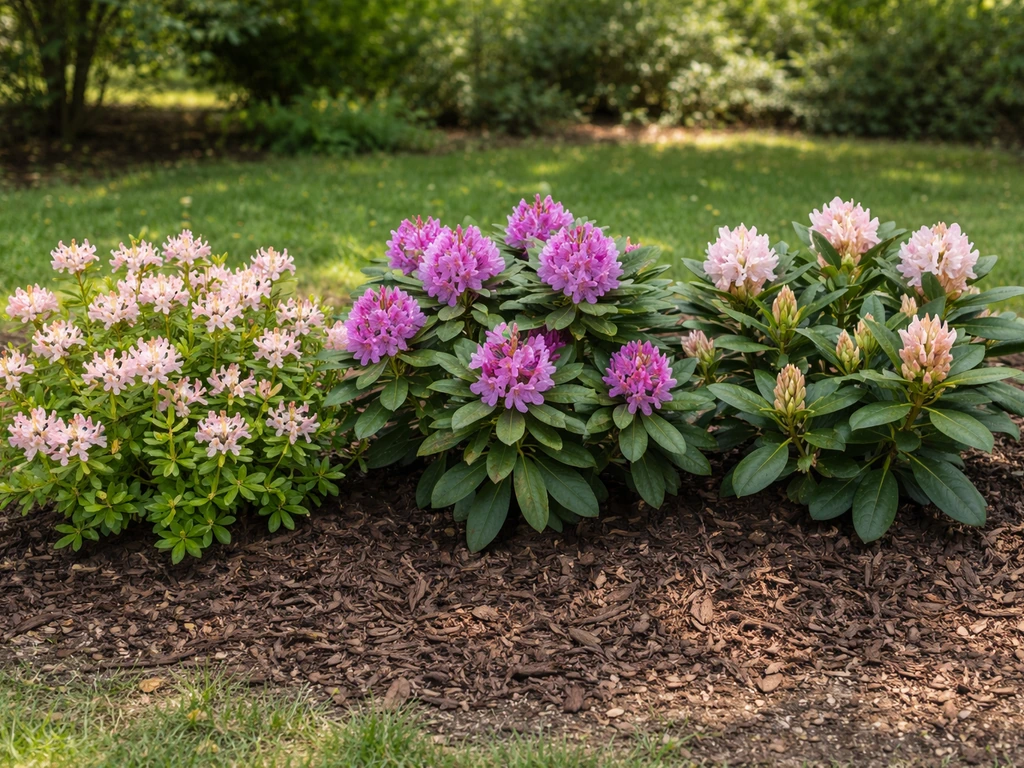
Not all rhododendrons are created equal when it comes to heat tolerance. The species and hybrids that hold up best in Texas conditions are the ones bred or selected specifically for warm, humid climates. Here are the best options to look for:
- Texas Azalea (Rhododendron oblongifolium): This is the native option and the most reliable choice for Texas gardeners. It's naturally adapted to sandy, slightly acidic soils in the pH 4.5 to 6.0 range, thrives along wooded stream banks, and handles East Texas conditions better than any introduced cultivar. If you want something that genuinely belongs here, start with this one.
- Encore Azalea series: These repeat-blooming hybrids are bred for heat tolerance and have proven themselves in the Southeast. They're technically azaleas within the rhododendron genus, and in East Texas they're a much more dependable choice than large-leaf rhododendrons.
- Southern Indica Azaleas: Long grown across the Gulf South, these are tough, heat-adapted, and perform well in East Texas with proper soil prep and shade.
- Heat-tolerant rhododendron hybrids like 'Southgate' series or 'Orbit': These are selected for warmer climates and offer the classic large-leaf rhododendron look with better heat resilience than traditional Pacific Northwest varieties. Look for plants specifically labeled as heat-tolerant or rated for zone 8 or higher.
- Inkarho rootstock rhododendrons: These plants are grafted onto roots that can tolerate more neutral soil pH, which gives you slightly more flexibility in Central Texas if you're determined to try. They're not magic, but they buy you wiggle room.
Avoid shopping for rhododendrons based on what looks beautiful in a Pacific Northwest catalog. Many of those classic hybrids are bred for cool, moist summers and will struggle badly the first July they face in Texas.
Where to plant and how to prep the site
Light and shade
In Texas, shade is not optional. Rhododendrons need dappled light or morning sun with afternoon shade at minimum. Full sun in a Texas summer will scorch the leaves and stress the plant beyond recovery. Position them on the north or east side of a structure or under a canopy of tall pines or hardwoods. Avoid west-facing walls and unshaded spots near concrete driveways or sidewalks, both of which radiate heat that amplifies moisture stress in summer.
Soil prep
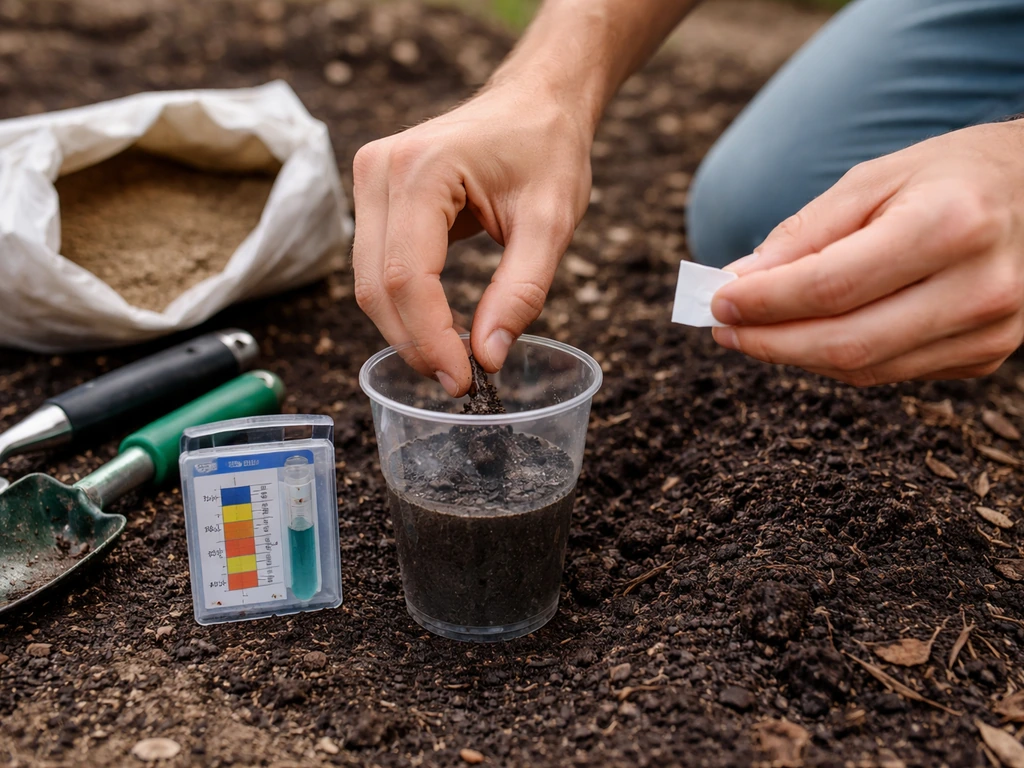
This is where most Texas rhododendron failures happen. If your native soil is alkaline, clay-heavy, or poorly draining, do not just dig a hole and drop the plant in. You need to build the right environment. Raised beds are your best friend here: mix 50% or more fine pine bark into your planting bed to improve drainage, lower pH naturally, and create the loose, airy root zone rhododendrons need. That high pine bark content also helps suppress Phytophthora root rot, which is a real risk in heavy Texas soils that hold water.
To lower pH at planting time, work in wettable sulfur or ferrous sulfate as directed. Test your soil first so you know how far off you are. If you're near a concrete foundation, keep rhododendrons at least a few feet away because concrete leaches lime into surrounding soil and can raise pH to damaging levels over time.
Planting depth and drainage
Before planting anywhere, dig a hole about 6 inches deep, fill it with water, and watch how fast it drains. If it's still sitting there after an hour, you have a drainage problem that will kill rhododendrons. Plant them in raised beds or elevated mounds in that case. When you do plant, set the rootball so it sits about half an inch to one inch above the surrounding soil line. Planting too deep is one of the most common rookie mistakes and leads to root suffocation and rot.
Watering, fertilizing, and mulch in Texas heat
Watering
In East Texas summers, azaleas and rhododendrons need about an inch of water every two weeks when rain isn't doing the job. What you don't want to do is water lightly and frequently. Light, shallow watering encourages shallow root systems that are far more vulnerable to heat and drought stress. Water deeply and less often using a soaker hose or drip irrigation so moisture reaches down into the root zone. Check newly planted shrubs at least once a week during the first summer.
Mulch
A 3-inch layer of organic mulch is one of the single best things you can do for rhododendrons in Texas. Pine straw, ground leaves, pine bark, or compost all work well. Mulch keeps the root zone cooler, retains moisture through the heat, and breaks down over time to help maintain soil acidity. Keep it year-round, but don't pile it up against the stems, especially heading into summer. Stem rot is a real risk when mulch contacts the crown.
Fertilizing
Use a fertilizer formulated for acid-loving plants, applied in late winter or right after flowering in spring. Timing matters a lot here: do not fertilize after mid-July in Texas. Late-season fertilizing pushes tender new growth right when it needs to be hardening off before fall, which sets up the plant for bud damage or dieback if temperatures swing. Less is more with rhododendron fertilizing generally. Excessive feeding damages roots and leaves, and it's an easy mistake to make when a plant looks like it's struggling.
Common Texas problems and how to handle them
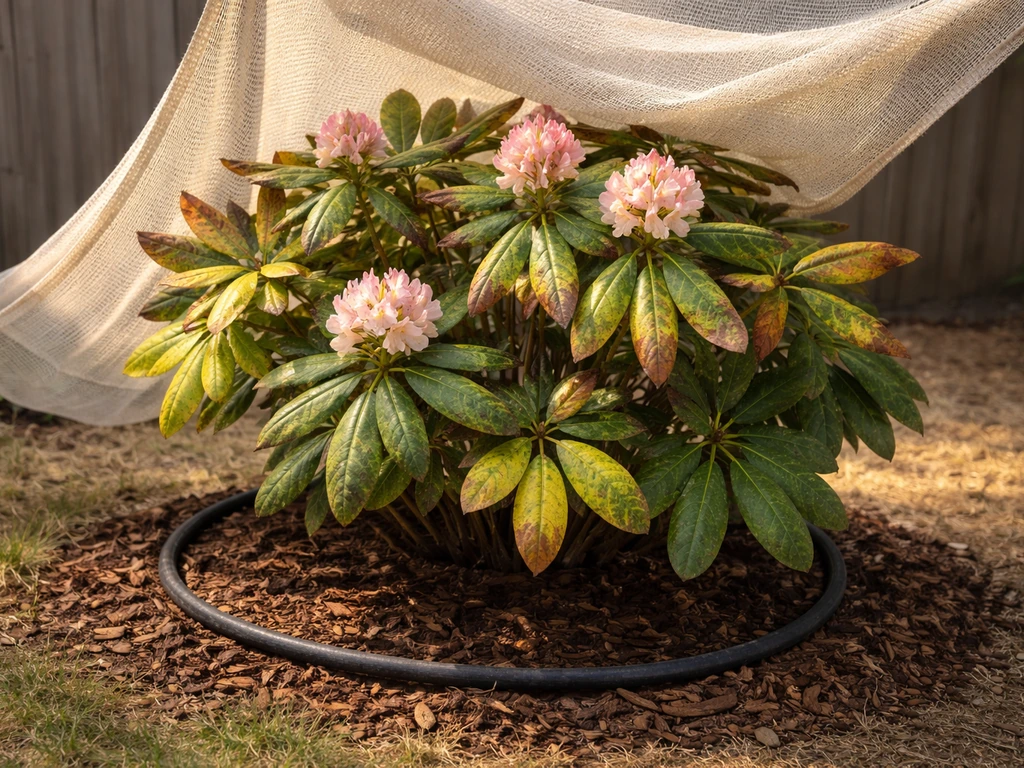
| Problem | Cause in Texas | Fix |
|---|---|---|
| Leaf scorch | Summer heat, drought, and afternoon sun combined | Increase shade, water deeply, add mulch to keep roots cool |
| Chlorosis (yellowing leaves) | Alkaline soil blocking iron/manganese uptake | Test and lower soil pH with sulfur; use acid fertilizer; avoid planting near concrete |
| Bud damage or no blooms | Sudden temperature swings in fall or late spring | Choose cold-hardy, heat-tolerant cultivars; avoid late fertilizing; consider physical protection during freeze events |
| Root rot (Phytophthora) | Poorly draining soil holding moisture too long | Improve drainage; raise planting bed; incorporate 50%+ pine bark; avoid overwatering |
| Dieback | Heat stress, root rot, or late freeze injury | Prune dead wood back to healthy tissue; address underlying drainage or pH issue |
| Lace bugs | Common in stressed plants in the South | Inspect leaf undersides; treat with horticultural oil or insecticidal soap; a healthy plant in good site conditions is more resistant |
Leaf scorch is the most common complaint from Texas gardeners trying rhododendrons. Brown edges or brown patches spreading from exposed leaf surfaces usually point to the plant taking on more sun and heat than it can handle while also dealing with dry soil. RHS notes that wind scorch in winter is driven by cold, drying winds combined with difficult soil conditions, and exposed or windward sides are worst. It's an environmental problem before it's a pest or disease problem, so look at your site conditions first.
Better alternatives if rhododendrons aren't realistic for your spot
If you're in Central Texas, West Texas, or South Texas, or if your soil is stubbornly alkaline and you don't want to commit to major bed-building, there are plants that give you a similar lush, flowering-shrub look without the fight. Gardeners in similar hot-climate states like Southern California sometimes face an identical dilemma with rhododendrons, and the same alternatives tend to come up. If you’re wondering about other southern states too, you may also be asking do rhododendrons grow in South Carolina. Southern California is a good example of that kind of hot-climate pressure, so the same substitute plants can work well there too.
- Texas Azalea (Rhododendron oblongifolium): Worth repeating here as an alternative to introduced rhododendrons because it's genuinely different in toughness and adaptability. Native, reliable, and beautiful.
- Encore Azaleas: Multi-season bloom, heat-adapted, and sold widely at Texas garden centers. A practical swap for anyone who wants the rhododendron family look.
- Camellia (Camellia japonica or C. sasanqua): Thrives in East Texas, handles acidic soil beautifully, and offers large, showy blooms in fall and winter when almost nothing else is flowering. One of the best rhododendron alternatives in the Gulf South.
- Oakleaf Hydrangea (Hydrangea quercifolia): Native to the Southeast, tolerates Texas heat better than most hydrangeas, prefers partial shade, and offers big flower clusters plus attractive fall foliage.
- Loropetalum (Loropetalum chinense): An underused shrub with dramatic foliage and fringe-like flowers, highly adaptable to Texas conditions, and available in sizes from compact to large.
- Mountain Laurel (Sophora secundiflora): For Central and West Texas, this native produces stunning purple blooms and handles heat, drought, and alkaline soils with ease. It's a completely different plant but fills the 'show-stopping flowering shrub' role very well in tough Texas spots.
The honest takeaway is this: if you're in East Texas with pine-forest-adjacent soil, go ahead and try rhododendrons using the right cultivars and the site prep outlined above. Rhododendrons can grow in Minnesota too, but you still need to match the variety to local winter hardiness and provide the right soil conditions. Whether you can keep rhododendrons thriving in Canada depends mostly on your local hardiness zone, winter lows, and the amount of winter rain or humidity can rhododendron grow in Canada. Your odds are genuinely decent. If you're anywhere else in Texas, lean into the native Texas Azalea or the alternatives above first, and only attempt rhododendrons if you're willing to build a dedicated raised bed with engineered soil. In Colorado, do rhododendrons grow is possible in select locations, but you still need the right cold tolerance, shade, and soil acidity do rhododendrons grow in colorado. They can be done, but they won't be low-maintenance, and in a tough summer, even a well-placed plant can struggle.
FAQ
Can I grow rhododendrons in Texas in containers instead of the ground?
Yes, but only if you can create the right microclimate. Put pots in bright morning light with afternoon shade, keep the root zone consistently moist (not soggy), and use an acid mix such as pine bark-based media. Also, protect the buds from the warm-spell then hard-freeze pattern by moving pots to a sheltered area during late fall and early spring cold snaps.
What can I do to prevent Texas winter freeze damage to rhododendron buds?
Late fall warm weather that tricks buds into deacclimating is a major risk, so the most useful protection is site and timing, not just watering. Cover plants during forecasted hard freezes (especially when the temperature is dropping fast), and avoid adding fertilizer or doing heavy pruning in late summer or early fall so the plant does not push tender growth.
How often should I water rhododendrons in East or Central Texas, and what’s too much?
Water deeply during dry spells, but avoid constantly wet soil. Overwatering in heavy, poorly drained Texas soils can trigger root rot even when humidity feels high. A simple test is the drainage check (water in the planting bed and see if it clears within about an hour), then use drip or soaker irrigation only long enough to moisten the root zone.
My rhododendron has brown leaf edges in Texas, how do I tell if it is sun stress versus soil problems?
If your plant is getting afternoon sun, you may still need more sun control even when you follow the basics. Brown leaf edges that worsen during hot spells usually mean excess heat exposure combined with a dry root zone. Adjust placement first (north or east exposure, eliminate west-facing walls), then verify soil drainage and moisture delivery.
Will any rhododendron variety work across Texas zones, or do I need zone-specific cultivars?
Yes, but choose locations carefully because the risk is not just winter kill, it is bud damage from temperature swings. Look for cultivars noted for heat and humidity tolerance as well as winter hardiness for your specific Texas zone. When in doubt, start with one or two plants in the best microclimate you have, such as near pine canopy or a shaded foundation.
If my rhododendron turns yellow (chlorosis) in Texas, what should I do first?
You should not “chase” chlorosis with extra fertilizer. When leaves yellow while veins stay darker, the cause is often iron availability blocked by high pH, not a simple nutrient shortage. First confirm soil pH, then correct the root zone (raised bed with high pine bark and, when appropriate, wettable sulfur or ferrous sulfate), and give it time for the pH to shift.
How should I mulch rhododendrons in Texas to prevent rot and keep roots cool?
Mulch should stay off the crown, and the timing matters. For Texas summers, maintain a 3-inch layer but keep it from touching stems, then refresh the mulch before the hottest months if it has thinned. Mulch piled against the crown can contribute to stem rot.
Can I propagate rhododendrons successfully in Texas, or is buying plants the better option?
It can be difficult and slow in Texas conditions. If you do it, take cuttings when plants are actively growing and keep humidity high under controlled shade, but expect lower success rates in summer heat. Layering or buying a properly adapted cultivar is usually more reliable than relying on propagation trials during Texas conditions.
What are the most common planting mistakes that cause rhododendron failure in Texas?
Yes, and the biggest mistake is planting too deeply. Set the rootball slightly above the surrounding soil line so it does not suffocate as soil settles. Also, if you have alkaline or limestone-driven soil, plan on amending a dedicated raised bed rather than expecting sulfur or amendments to fix the entire yard.
When should I prune rhododendrons in Texas, and is heavy pruning ever a good idea?
Pruning is best kept minimal. In Texas, heavy pruning can reduce the plant’s leaf area when it needs that canopy for cooling, and it can also remove buds you were counting on. Focus on removing dead or damaged parts after winter risk has passed, and avoid pruning late in the season when growth needs to harden off.