
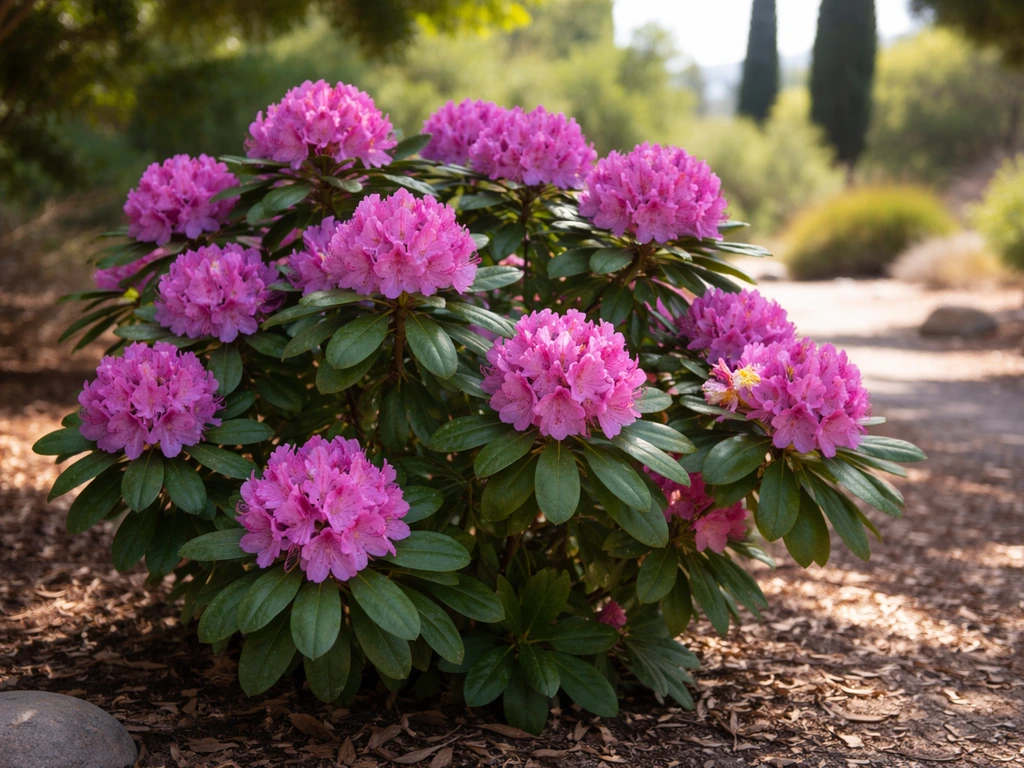
Rhododendrons can grow in southern California, but only in the right spots, and those spots are fewer than most people expect. Coastal areas with marine influence, cool mornings, and afternoon shade give you a real shot. Inland valleys and hot desert-adjacent zones are a much harder fight, and in most of those places, you will lose that fight no matter how much you water. The honest answer is: your zip code matters more than your enthusiasm.
Can Rhododendrons Grow in Southern California? Feasibility Guide
Marcus Hartwell
8 Jun 2026
Quick answer by southern California subregion
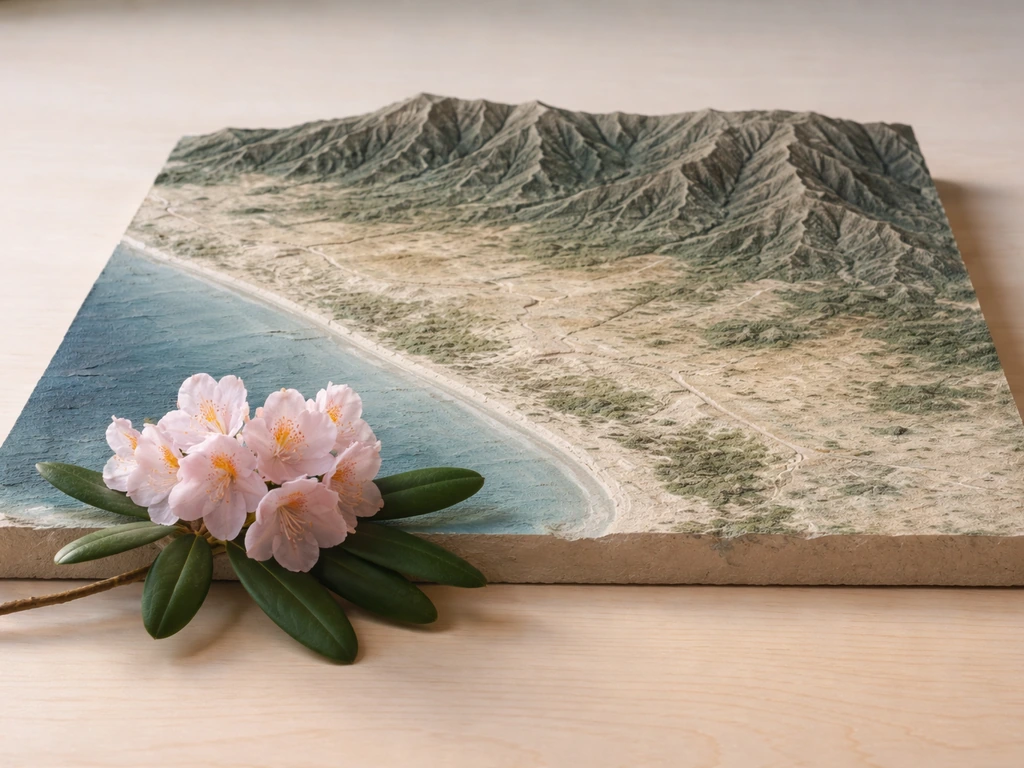
| Subregion | Feasibility | Key reason |
|---|---|---|
| Coastal (Santa Barbara, Malibu, Laguna Beach, San Diego coastal strips) | Yes, with proper site prep | Marine cooling keeps temps manageable; filtered shade is achievable |
| Inland valleys (San Fernando, San Gabriel, Riverside) | Difficult to marginal | Summer highs frequently exceed 90°F, low humidity, alkaline soils common |
| High desert / Inland Empire (Palm Springs, Victorville area low elevations) | Not recommended | Extreme heat, very low humidity, alkaline soils, no marine influence |
| Mountain elevations (Big Bear, Idyllwild, Julian area) | Yes, often better than coast | Cooler temps, higher rainfall, more acidic native soils in some spots |
| South coastal (Encinitas, Carlsbad, Oceanside) | Good potential | Consistent marine layer, relatively mild year-round temps |
If you are on the coast or at elevation above about 4,000 feet in the mountains, you have workable conditions. If you are in a hot inland valley, you are looking at a high-maintenance plant that will likely disappoint. That is not defeatism, it is just the honest geography of southern California.
USDA zones and microclimate factors for rhododendrons
The 2023 USDA Plant Hardiness Zone Map is based on weather station data from 1991 to 2020 and tells you the average annual extreme minimum temperature for your location. That number matters for winter survival, but for rhododendrons in southern California, winter cold is rarely the problem. Your biggest challenge is summer heat, not winter freeze.
Southern California spans an enormous range of zones. San Bernardino County alone includes everything from Zone 6a in the high mountains down to Zone 10b in the lowest desert valleys. Coastal strips sit mostly in Zones 10a and 10b. Most standard rhododendrons are bred for Zones 4 through 8, which means the coast is technically warm enough year-round to keep them alive through winter, but summer conditions are where the trouble starts.
The USDA is also upfront that the zone map cannot capture microclimates smaller than the map's resolution. This matters a lot in southern California, where a north-facing canyon wall in Pasadena and a south-facing slope three blocks away can have drastically different growing conditions. Your actual microclimate, the shade patterns, the marine layer reach, the afternoon wind, is what determines success more than any map zone number.
- Marine layer reach: If morning fog burns off by noon and afternoon stays below 85°F most days, you have rhododendron-friendly conditions
- Afternoon sun angle: South and west-facing exposures bake plants during the hottest part of the day; north and east exposures are far safer
- Wind exposure: Dry Santa Ana winds desiccate leaves fast and can cause sunburn even on otherwise suitable days
- Elevation gain: Moving up into the San Jacinto, San Bernardino, or Laguna mountains changes your effective climate dramatically
How to choose rhododendron varieties that handle southern CA
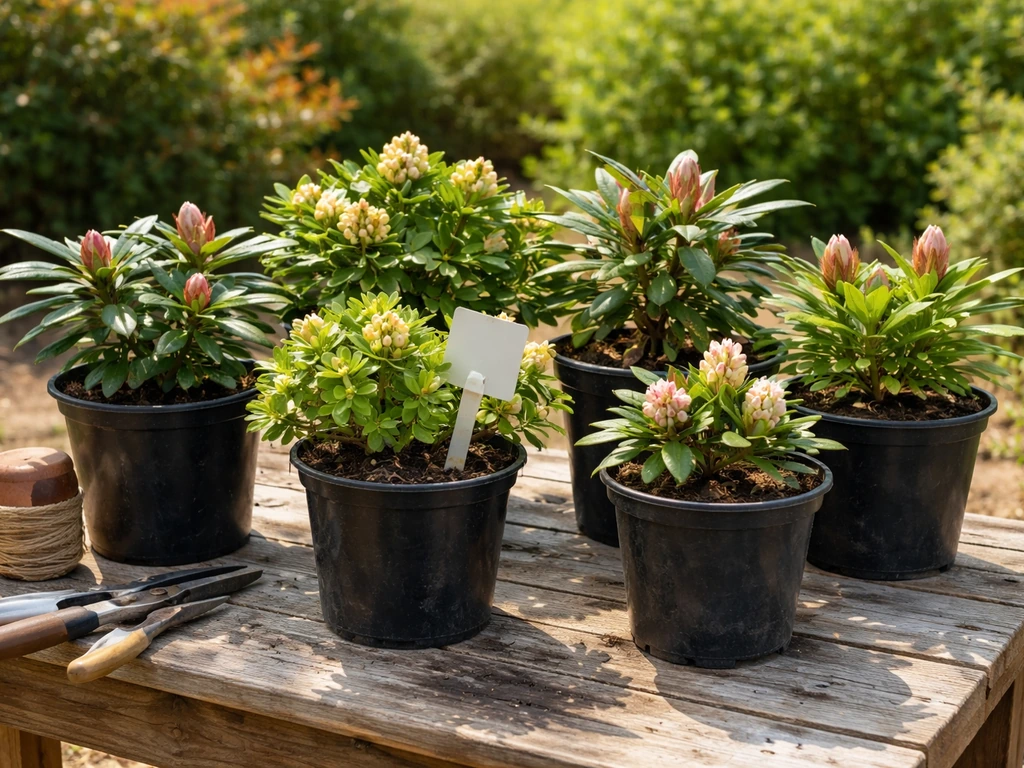
Not all rhododendrons are created equal when it comes to heat. Most of the showy hybrids sold at big-box stores are bred for the Pacific Northwest or the Southeast, not for southern California. Picking the wrong cultivar is a fast way to waste money.
Rhododendron chapmanii, commonly called Chapman's rhododendron, is cited by the USDA Forest Service as the most heat-tolerant rhododendron species, described as truly heat resistant and easy to grow. It is native to the southeastern US lowland gardens and performs far better in warm climates than standard hybrid varieties. If you are in an inland valley and you really want a rhododendron, this is the species to start researching.
The popular 'PJM' rhododendron is a hardy, compact hybrid often listed for blank" rel="noopener noreferrer">Zones 4 to 8. It handles cold very well, but Zone 8 is about the upper limit of its heat comfort. On the southern California coast in Zone 10, it can survive but will need careful siting. It is not a plant you want to put in a Temecula backyard and forget about.
Evergreen azaleas, which are close relatives in the Rhododendron genus, are a middle ground worth considering. They share the same acid soil and drainage requirements, but many Southern Indica and Encore azalea varieties handle more heat than true rhododendrons. If you are on the edge of feasibility, exploring heat-tolerant azalea cultivars is a smarter starting point than chasing marginal rhododendrons.
- Prioritize species or cultivars specifically described as heat-tolerant or suited to warm climates
- Look for plants sold by California or southern US nurseries rather than Pacific Northwest specialty growers
- Ask the nursery which zone the specific plant was grown in, not just rated for
- Avoid large-leaf tropical-looking hybrid rhododendrons, which almost always need cool, humid conditions
- Consider compact or dwarf varieties, which generally handle heat stress better than tall, large-leaf types
Site and soil requirements that make or break success
Even if you pick the right variety, the wrong site will kill it. UC Statewide IPM is very clear on this: rhododendrons need filtered shade, consistent irrigation, and excellent drainage. Miss any one of those three and you are setting yourself up for failure.
Shade and sun exposure
Morning sun with afternoon shade is the ideal setup. In practical terms, that means an east-facing or north-facing position. The American Rhododendron Society specifically recommends northern exposures over southern exposures in hot climates, and that advice applies directly to southern California. Avoid any spot that gets direct western sun from 1pm onward during summer. A location under a high-canopy tree that lets filtered light through works well, as long as the tree roots do not compete aggressively for water.
Soil pH is non-negotiable
Rhododendrons need acidic soil with a pH between 4.5 and 5.5. Most southern California soils, especially in inland areas, trend alkaline. Once soil pH climbs above about 6.5 to 6.7, iron becomes chemically unavailable to the plant. You will see it as yellowing leaves with green veins, a condition called iron chlorosis, and no amount of liquid fertilizer will fix it long-term if the pH is the root cause. Get a soil test before you plant. And stay away from spots near concrete foundations or concrete block walls, which leach lime and push soil pH up over time.
Drainage and water
Rhododendrons have shallow, fibrous root systems that rot quickly in waterlogged soil. Excellent drainage is not negotiable. Before planting, dig a hole about 12 inches deep, fill it with water, and time how long it takes to drain. If it sits for more than an hour, you need to amend heavily or choose a raised bed. At the same time, the root zone needs to stay consistently moist, never soggy, never bone dry. In hot, dry southern California summers, that balance is genuinely difficult to maintain without a drip irrigation system on a timer.
Common failure reasons and how to prevent them
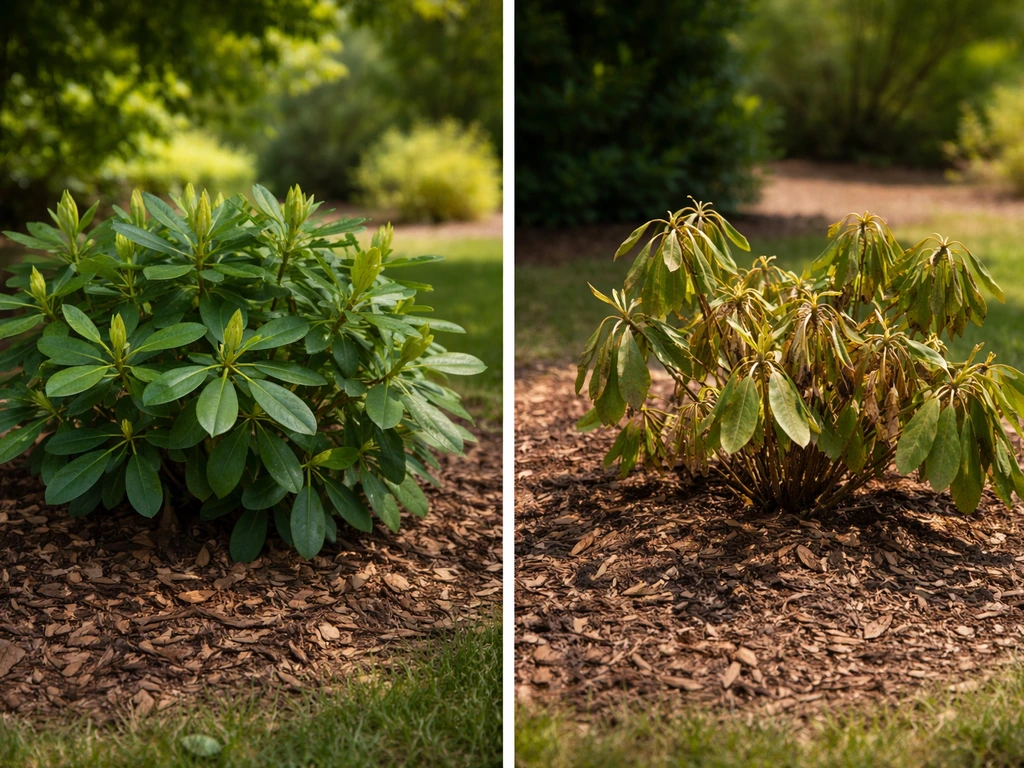
Most rhododendrons in southern California do not die dramatically. They just slowly decline, lose leaves, stop flowering, and eventually give up. Here is what usually goes wrong and how to get ahead of it.
| Failure cause | What you see | How to prevent it |
|---|---|---|
| Sun scorch and heat stress | Bleached, brown-edged, or papery leaves, especially on south/west-facing sides | Plant on north or east exposure; avoid direct afternoon sun on days above 90°F; keep root zone moist |
| Iron chlorosis from high pH | Yellow leaves with dark green veins, poor new growth | Test soil before planting; amend with sulfur to reach pH 4.5–5.5; avoid planting near concrete |
| Root rot from poor drainage | Wilting even when soil is wet, black or mushy roots, sudden collapse | Confirm drainage before planting; use raised beds if needed; never let roots sit in standing water |
| Desiccation from Santa Ana winds | Leaf curl, browning tips, sudden dieback after wind events | Plant in a sheltered location; use windbreak plantings or fences on the windward side |
| Inconsistent irrigation | Leaf drop, bud failure, stunted growth in summer | Use drip irrigation on a timer; mulch heavily to retain root-zone moisture |
The sunburn failure pathway is worth understanding specifically. It is not just about air temperature, it is the combination of direct sun exposure, air temperatures above 90°F, and low soil moisture in the root zone all hitting at the same time. You can tolerate one or even two of those factors, but all three together is when you get leaf damage that does not recover. Southern California inland valleys regularly produce all three conditions simultaneously in July and August.
What to do next: check your location and pick alternatives if needed
Before spending money on plants, spend ten minutes on the USDA Plant Hardiness Zone Map at planthardiness.ars.usda.gov. You can click directly on your address and get your official zone. Then think critically about your actual microclimate, not just the zone number. Does your yard get afternoon shade? Can you achieve and maintain acidic, well-draining soil? Do you have a sheltered spot protected from drying winds? If you can say yes to all three honestly, you are a reasonable candidate for rhododendrons, especially on the coast.
If you are in an inland valley or hot area and the conditions just do not line up, that is genuinely useful information because it saves you money and frustration. Southern California has no shortage of beautiful acid-loving shrubs that are better adapted to your specific conditions. Azaleas, particularly heat-tolerant Encore or Southern Indica varieties, share the same pH preferences as rhododendrons and tolerate more sun and heat. Gardenias offer fragrant blooms with similar soil preferences. Camellias thrive in the same filtered-shade, acidic-soil setup and are genuinely well-suited to southern California coastal and mild inland climates.
The geography question is the same one that comes up for gardeners asking about rhododendrons in other challenging climates, whether that is the heat of Texas, the cold of Minnesota, or the variable winters of Colorado. Do rhododendrons grow in Minnesota? The same logic applies to Wisconsin, where cold winters and summer conditions determine whether rhododendrons can thrive Do rhododendrons grow in Minnesota? .
It depends on your local winter cold, but many gardeners struggle without very cold-hardy varieties and good site conditions cold of Minnesota. Rhododendrons can be grown in Texas only in the right microclimates and with careful attention to shade, soil pH, and drainage will rhododendrons grow in Texas. In Canada, success depends on finding a cold-hardy rhododendron variety that matches your region and microclimate rhododendrons in other challenging climates.
For Colorado gardens, the key question is whether your site offers enough cool, shaded, acidic conditions for rhododendrons to thrive variable winters of Colorado. The answer always comes back to microclimate, soil, and whether you can realistically provide what the plant needs. In southern California, the coast gives you a fighting chance. Inland, you are working against the fundamentals, and there are better plants for that fight.
In South Carolina, rhododendrons can work in the right microclimate and with the acidic soil and filtered shade they prefer do rhododendrons grow in south carolina.
- Look up your USDA zone using the official interactive map at the USDA ARS website
- Do a soil pH test before buying any plants (inexpensive kits are available at any garden center)
- Do a drainage test in your chosen planting spot before committing
- If you are coastal: look for heat-tolerant cultivars or Rhododendron chapmanii at a California specialty nursery
- If you are inland: seriously evaluate Southern Indica azaleas or camellias as a more realistic first choice
- Whatever you plant, plan for a drip irrigation system with consistent summer watering, not hand-watering when you remember
FAQ
If I’m in Zone 10 on the coast, will most rhododendrons survive without extra protection?
Yes, but plan for a higher failure risk inland and manage site exposure aggressively. A north-facing or east-facing planting under a high-canopy tree is typically safer than open south or west exposure, and you should assume you may need additional shade cloth during the hottest weeks (especially July and August).
Can I grow rhododendrons in a pot if my yard soil is not naturally acidic?
Planting in containers can work better than planting in the ground when your soil is too alkaline. Use an acidic, well-aerated mix, water with a consistent drip schedule, and make sure the pot drains freely. Container rhododendrons still hate heat, so you may need to move the pot into the coolest light or provide afternoon shade during heat waves.
My rhododendron is yellowing with green veins, what should I check first?
If you see yellow leaves with green veins, test soil pH before you add more fertilizer. Rhododendrons often respond poorly to “more food” when iron is chemically unavailable due to high pH. The fix is usually adjusting soil acidity (for example, by amending with an appropriate acidifying strategy) and improving drainage rather than relying on liquid iron products alone.
When is the best time to plant rhododendrons in southern California?
Wait until you can establish consistent moisture, usually with a drip system on a timer, then prioritize drainage and shade over fast growth. Early fall through cooler months is often easiest for root establishment, while late spring heat can trigger stress. Even if your winter is mild, summer is the real test in southern California.
How important is wind protection compared with shade for rhododendrons in southern California?
Don’t overlook wind exposure. A sheltered spot protected from drying, hot winds can be the difference between slow decline and healthy flowering, even if your yard otherwise meets shade and pH needs. If your garden is exposed on a hill or near a corridor, consider a windbreak that does not block light.
What does “doing everything right” look like, and what early signs tell me I’m failing?
Expect slower growth, fewer blooms, and gradual decline rather than sudden death when conditions are borderline. Common warning signs include reduced flowering, leaf thinning, scorched or crispy edges after hot spells, and persistent yellowing. Address the limiting factor quickly, usually heat exposure, root-zone moisture consistency, or soil pH.
Can I make up for poor drainage or inconsistent watering with more frequent irrigation?
Yes, rhododendrons can be a bad fit if you cannot keep the root zone evenly moist without waterlogging. If a site drains too slowly, shallow fibrous roots can rot; if it dries too much, heat stress can cause sunburn-like damage. Your drainage timing test and a drip plan are the practical deciding factors, not your optimism.
If rhododendrons seem too hard for my yard, which is the closest alternative with similar soil needs?
Look for azalea varieties that are specifically described as heat-tolerant, then compare their sun tolerance and mature size to your space. If your yard does not reliably provide afternoon shade and acidic, well-draining soil, switching to an evergreen azalea is often a more reliable “same-family” option than forcing a rhododendron.