Yes, rhododendrons can grow in Wisconsin, but you have to be selective about which ones you buy. The species sold at big-box stores are often rated for zone 6 or 7, which means they'll die in most of Wisconsin's winters. Stick with cultivars hardy to zone 4 or better (and zone 3 for northern Wisconsin), plant them in the right spot, set up the soil correctly, and you can absolutely have rhododendrons blooming every spring in this state.
Can Rhododendrons Grow in Wisconsin? Zone, Care, Success Tips
Marcus Hartwell
1 May 2026
Wisconsin winters: what rhododendrons are actually up against
Wisconsin isn't one climate. The 2023 USDA hardiness map now shows the state covering zones 3 through 6, which is a wider range than the 2012 map that mainly showed zones 3 through 5. That shift matters for plant shopping. The warmest strip is zone 6a along the western Lake Michigan shoreline, from the Kenosha area up through parts of southeastern Sheboygan County, where minimum winter temps can stay as mild as -5°F to -10°F. Madison and the Lake Winnebago area now fall into zone 5b (-10°F to -15°F) after a westward expansion. Head north and you're quickly into zones 4b and 4a, where winter lows reach -20°F to -30°F across most of northern Wisconsin.
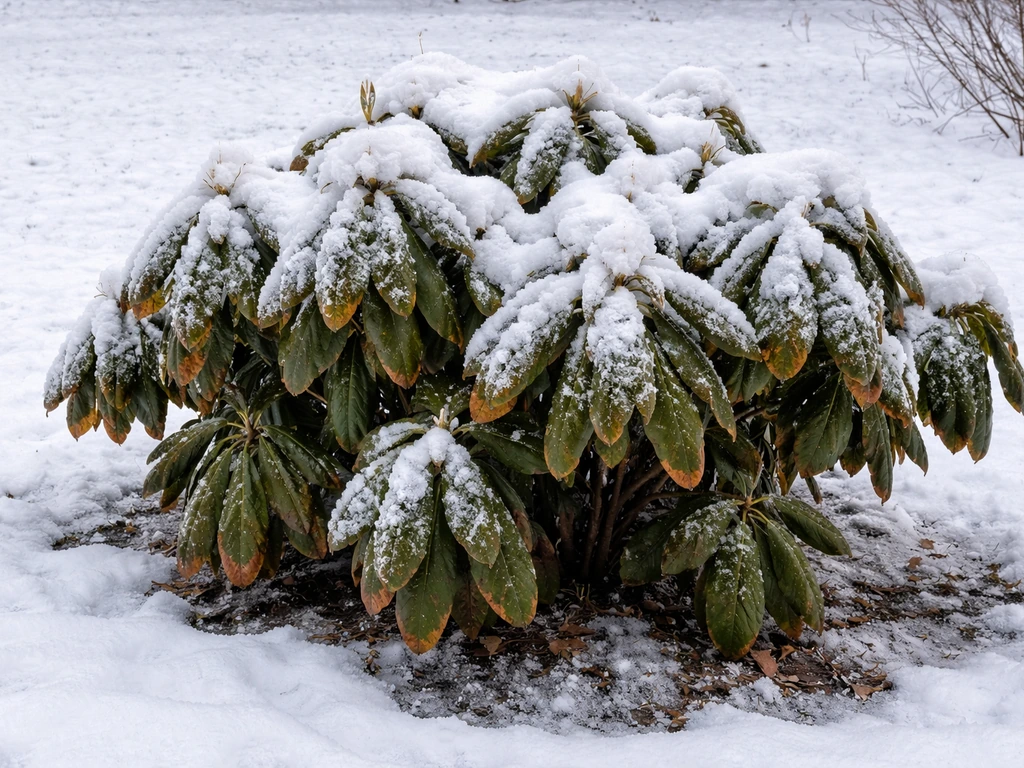
The cold itself isn't the only threat. Wisconsin winters also bring wide temperature swings, desiccating winds, and long stretches of bright winter sun reflecting off snow. That combination causes winter burn on rhododendrons even when the roots survive just fine. So feasibility here isn't just about surviving the cold number on the thermometer. It's about finding plants tough enough to handle all of that.
Picking the right cultivar for your part of Wisconsin
This is where most Wisconsin gardeners go wrong. They see a beautiful rhododendron at a nursery or in a catalog and buy it without checking the hardiness rating. 'Rhododendron' covers thousands of species and hybrids, and their cold tolerance ranges from zone 4 to zone 9. That's a massive spread. For Wisconsin, you need to be deliberate.
| Wisconsin Zone | Example Areas | Minimum Winter Temp | Rhododendron Hardiness Target |
|---|---|---|---|
| Zone 6a | Kenosha, southern Lake Michigan shore | -5°F to -10°F | Zone 5 or 6 cultivars workable; zone 4 is safer |
| Zone 5b | Madison, Lake Winnebago area | -10°F to -15°F | Zone 5 rated minimum; zone 4 strongly preferred |
| Zone 5a | Green Bay, Wausau area | -15°F to -20°F | Zone 4 or colder required |
| Zone 4b/4a | Most of northern Wisconsin | -20°F to -30°F | Zone 4 minimum; zone 3 cultivars for reliability |
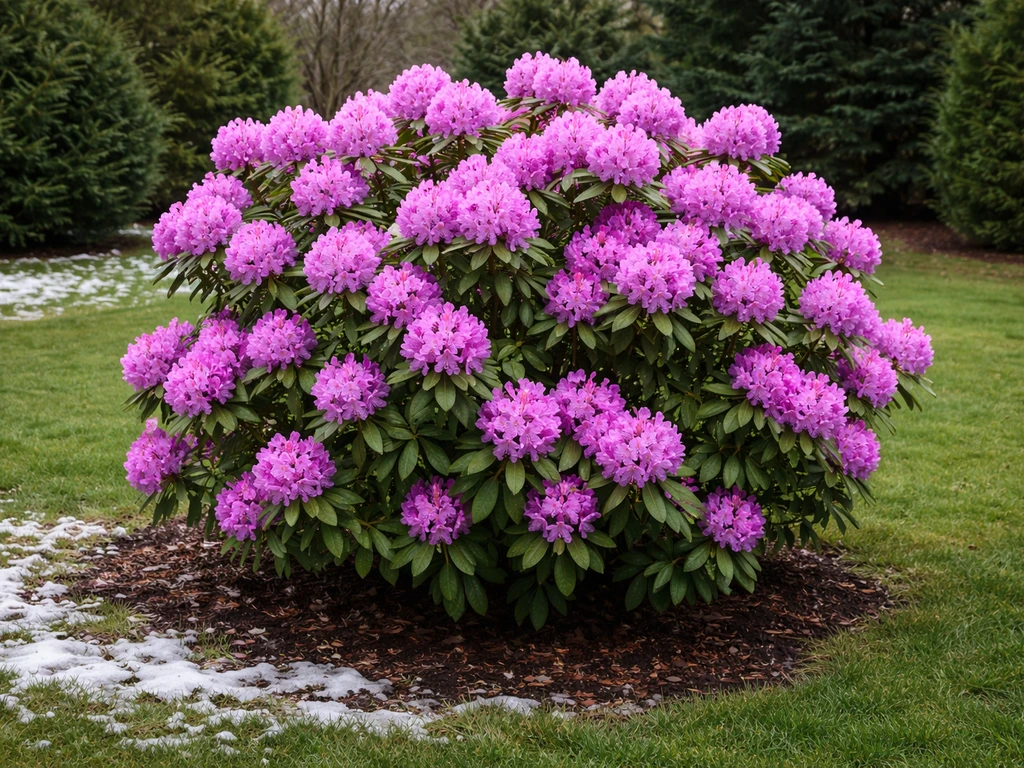
For zones 4 and 5, the PJM Group hybrids are the workhorses. PJM Elite and PJM Compact are rated to zone 4 and often survive zone 3 winters in sheltered spots. They're compact, bloom early with lavender-pink flowers, and handle Wisconsin wind better than large-leafed species. The Northern Lights series, developed at the University of Minnesota, is another excellent choice and some cultivars like Rosy Lights and White Lights are rated to zone 4b. For zone 6a along the Lake Michigan shore, you have more options including some of the iron-clad rhododendrons like Boule de Neige and English Roseum, both rated to around zone 4. In northern Wisconsin's zone 3 pockets, you're honestly limited to the hardiest PJM types and should consider treating rhododendrons as an experiment rather than a guaranteed success.
Where to plant them on your property
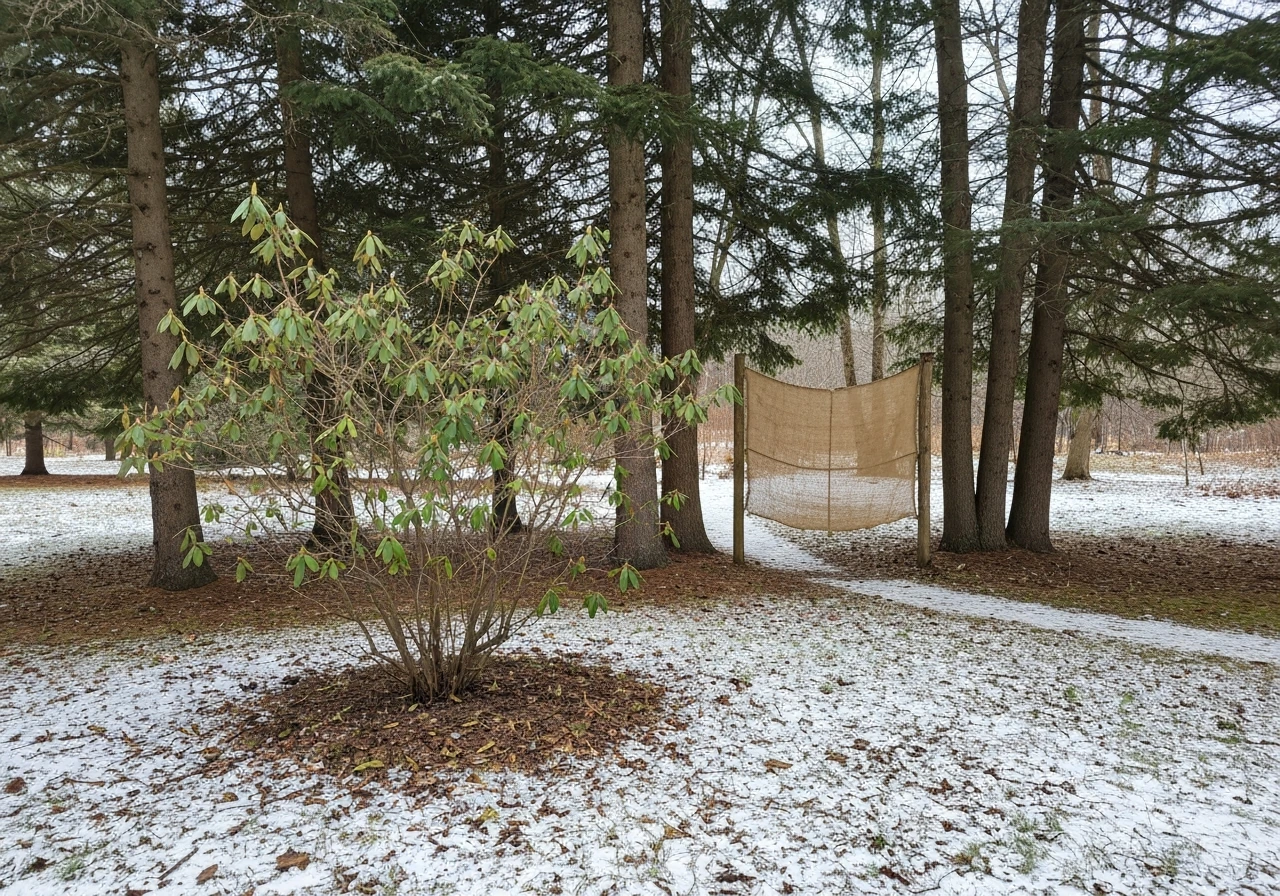
Site placement is as important as cultivar choice in Wisconsin. In southern California, you can still grow rhododendrons, but you need to pick heat-tolerant cultivars and give them the right light and moisture conditions Site placement is as important as cultivar choice in Wisconsin.. Rhododendrons want filtered light or morning sun with afternoon shade. A spot on the north or east side of a building or under tall deciduous trees is close to ideal. Avoid planting where they'll get baked by afternoon summer sun or blasted by west and northwest winds in winter. Wind in winter is one of the main culprits for winter burn, which is when the leaves lose moisture faster than the frozen roots can replace it.
Winter sun is also trickier than it sounds. Bright winter sunshine reflecting off snow and hitting the leaves can scorch them even in January. A location where the plant gets some shade or wind break from a fence, building, or group of evergreens on the west and northwest side makes a real difference. If you're in a more exposed yard, burlap wrapping in late November is worth the effort for the first few winters until the plant establishes.
Getting the soil right before you plant
Rhododendrons are picky about soil and Wisconsin's native soils often need significant amendment. They need acidic conditions, ideally a pH between 4. OSU Extension guidance for acidifying soil for blueberries and ornamental plants recommends aiming for a rhododendron soil pH of about 4.5 to 5.5 a pH between 4. 5 and 6.0. Most Wisconsin soils run more neutral to slightly alkaline depending on the area, so get a soil test before planting. Your local UW-Extension office can do this cheaply and give you actual numbers to work with rather than guessing.
To lower pH and improve texture, work in generous amounts of peat moss or aged pine bark fines. Sulfur can also lower pH, but it works slowly so incorporate it well in advance of planting if possible. The other non-negotiable is drainage. Rhododendrons absolutely cannot sit in wet soil. Their roots rot in poorly drained spots, and Wisconsin's heavy clay soils in many areas are a real problem. Raise the planting bed 8 to 12 inches above the surrounding grade if drainage is questionable. A raised bed with a 50/50 mix of native soil and acidic organic matter is a solid setup.
Planting and keeping them alive: the practical stuff
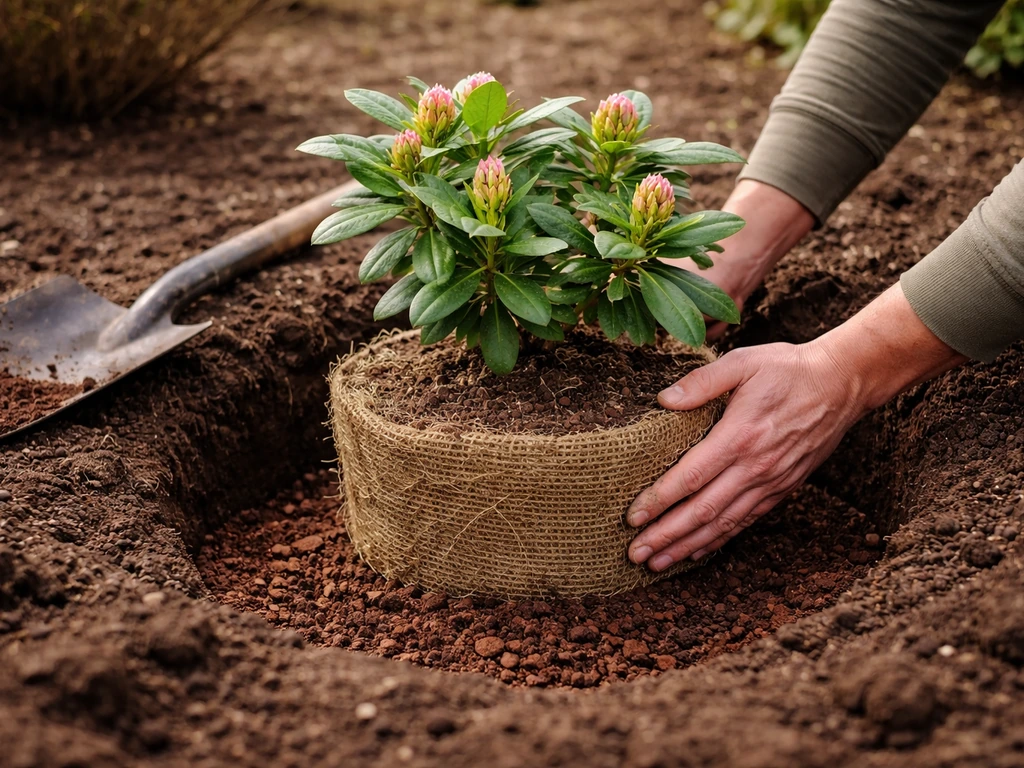
Plant rhododendrons in spring once the ground has thawed, ideally in May in most of Wisconsin, which gives them a full growing season to establish before their first winter. Fall planting can work but late-fall planting in zones 4 and 5 is risky because new root growth has less time to anchor the plant before freeze-up.
- Plant the root ball so the top is at or slightly above grade level. Planting too deep is a very common mistake and suffocates roots.
- Mulch with 3 to 4 inches of shredded leaves, pine bark, or wood chips, keeping mulch a few inches away from the stem to prevent crown rot.
- Water thoroughly at planting and keep the soil consistently moist (not soggy) through the first growing season. Rhododendrons are shallow-rooted and dry out faster than you'd expect.
- Space shrubs based on mature width, typically 3 to 5 feet for compact PJM types and up to 6 to 8 feet for larger cultivars.
- Avoid fertilizing after mid-July. Late-season fertilizing pushes tender new growth that gets hammered by early Wisconsin frosts.
In November, before the ground freezes hard, give the plants one final deep watering. OSU Extension notes that watering during dry late-fall periods can help reduce winter dehydration risk for evergreen shrubs and trees give the plants one final deep watering. This tops off the moisture reserves in the leaves and roots going into winter and genuinely reduces winter burn. It's one of the simplest things you can do and most people skip it.
What goes wrong in Wisconsin and how to read the signs
Winter burn is the most common problem, showing up as brown, crispy leaf margins or entire leaves that look scorched. It typically appears in late winter or early spring. If the damage is only on the leaves but the buds are still intact and green, the plant usually recovers fine once temperatures warm and the roots start functioning again. Just resist the urge to prune everything off immediately. Wait until late May or early June and see what leafs out before cutting anything.
If the flower buds are brown and dead but the leaf buds survived, you likely had a late freeze after the buds swelled but before they opened. That's frustrating but not a sign the plant is dying. If both leaf and flower buds are dead and the stems snap dry, the plant didn't survive the winter and you either had the wrong cultivar for your zone or it was planted in a too-exposed spot.
Slow or stunted growth with yellowing leaves (especially between the veins) usually points to soil pH problems. If the soil is too alkaline, the plant can't take up iron and other nutrients even if they're present. Retest the soil, adjust pH, and consider a foliar iron supplement while the soil amendment takes effect. Chlorosis from high pH is extremely common in Wisconsin rhododendrons and is almost always fixable.
Rhododendrons in Wisconsin that are planted in heavy clay and consistently wet spots often just decline slowly over a few seasons. If a plant is stunted and dropping leaves from the bottom up, check drainage first. That scenario looks a lot like other problems but soggy roots are frequently the real cause.
How to shop smart and plan your next steps
Before buying anything, look up your specific ZIP code on the USDA's online hardiness zone lookup tool to confirm your current zone from the 2023 map. Zones shifted in the 2023 update and what was zone 5a on older maps may now be 5b, which changes what's available to you. This matters because nursery catalog ratings are based on the same USDA system.
When you're at a nursery, ask specifically for the hardiness zone rating on the tag, not just the catalog description. If the tag doesn't have a zone listed, ask staff. Any reputable independent garden center in Wisconsin should be stocking cultivars appropriate for your area. Locally owned nurseries in your region are often your best filter here because they tend to stock what actually survives locally. Big-box stores frequently carry inventory from national suppliers and may have zone 6 or 7 plants mixed in with hardier ones, especially in spring.
For zone 4 and 5 Wisconsin gardeners, ask specifically for PJM Group cultivars, Northern Lights series, or iron-clad hybrids like English Roseum or Nova Zembla. For zone 3 areas in northern Wisconsin, have an honest conversation with your local nursery about realistic expectations. It's worth comparing notes with gardeners in similar cold climates too. Rhododendrons that grow in Minnesota (another state with serious zone 3 and 4 coverage) are often a useful reference point for what works on Wisconsin's northern end. Can rhododendron grow in Canada too? Check the hardiness zone and choose cultivars suited to colder winter conditions. Colorado conditions are different, so the same rhododendrons that thrive in colder parts of the Midwest may not be the best match there.
Your local UW-Extension office is another underused resource. They can confirm your microclimate, help with soil testing, and often have lists of plants that perform well locally. That knowledge is far more valuable than a generic national guide when you're making a real investment in landscape plants. If you're also wondering will rhododendrons grow in Texas, the answer depends heavily on heat, humidity, and whether you can match their ideal site conditions.
FAQ
Can I plant rhododendrons in fall in Wisconsin, or is spring always better?
Yes, but in Wisconsin it is usually riskier than spring for zones 4 and 5. If you do it, plant as early as you can, before growth slows and before the ground starts to cool sharply, then mulch heavily. Even with good timing, late-fall planting has less time for root anchoring, so expect slower establishment into the first winter.
Which rhododendrons handle Wisconsin’s winter winds best?
PJM Group types and compact Northern Lights cultivars are the most dependable choices for winter wind exposure. Large-leaf species are more likely to suffer winter burn, even if they survive the cold minimum. If your yard is windy, prioritize a north or east building side, or add a physical windbreak before you plant.
What else can I do besides watering in November to reduce winter burn?
For winter burn prevention, a single late-November deep watering helps, but you should also keep mulch from blocking the plant’s drainage. Apply an acidic mulch layer (like shredded pine bark) but avoid piling it directly against the stem base. Check moisture during mild spells in winter, because very dry periods can worsen leaf desiccation even when the soil looks “frozen.”
My rhododendron leaves are brown after winter, when should I prune?
If leaves look scorched but the buds are green, do not prune right away. Wait until late May or early June so you can tell which buds and stems actually survived, then cut back only the dead tissue with clean tools. Removing healthy growth too early reduces the plant’s ability to recover and refills less energy for next year’s blooms.
What should I do if the flower buds died but the leaves survived?
Prune the dead flower stalks or dead stems only after you confirm which parts survived, usually when new growth is clearly underway. If buds were brown but leaf buds lived, you can still get normal leaf growth and some recovery, but you may not get flowers that season. Focus on restoring health first, not forcing flowering.
How can I tell if my problem is soil pH versus something else like poor drainage?
Yes, because soil pH is only one part of the nutrient picture. Wisconsin alkaline or neutral soils commonly cause iron-related chlorosis, which shows as yellowing between veins. Retest the soil before changing directions, then correct pH with slow amendments and consider a temporary foliar iron treatment to bridge the gap while the soil adjustment takes effect.
My rhododendron is declining slowly. Should I change fertilizer or fix drainage first?
First check drainage and watering history, because soggy roots can mimic many other issues. Look for declining growth from the bottom up, persistent yellowing, and leaf drop combined with consistently wet soil after rain. If soil stays wet for days, raising the bed (8 to 12 inches) and improving acidic organic matter can be more effective than fertilizer changes.
How do I use USDA hardiness zones correctly when shopping locally?
Use the USDA zone for your exact ZIP code to compare against the plant tag rating, not just the cultivar name. Since Wisconsin includes multiple zones, two gardens a short distance apart can require different hardy selections. If the tag says zone 6 or 7, assume it is not a good match for most of the state unless you have a very sheltered microclimate.
Does burlap wrapping work in Wisconsin, and when is the best time to wrap and unwrap?
Winter burlap can help, but it is meant for wind and sun shielding, not for heat trapping. Wrap loosely after late November, remove in spring when temperatures rise, and make sure you do not create a moisture pocket that stays wet for long periods. In very exposed yards, combining a windbreak site choice with burlap gives the best results.
Should I retest soil after adding peat or sulfur before planting or after planting?
Yes, especially for very common Wisconsin issues like chlorosis from high pH. Recheck pH after you amend, because peat or pine bark can shift conditions over time but do not instantly correct alkalinity. Aim for the target acidic range consistently, and avoid overcorrecting with fast-acting products that can overshoot.
Can I propagate rhododendrons myself in Wisconsin and expect the same hardiness?
Propagation is possible, but Wisconsin gardeners usually get the best results by starting with proven, zone-rated cultivars rather than experimenting with uncertain seedlings. If you try cuttings or layering, start with a hardier parent plant and expect lower success rates in colder zones 3 and 4. For reliable blooms, choose named cultivars first, then consider propagation once your site conditions are working.