Yes, rhododendrons can grow in Colorado, but it takes some honest planning and the right variety selection. With the same kind of cold-hardy, well-sited planning, you can often grow rhododendrons in Wisconsin too can rhododendrons grow in wisconsin. Colorado is not the Pacific Northwest, and most of the rhododendrons you see at big-box garden centers are bred for wetter, milder climates. Plant the wrong one in the wrong spot and you will almost certainly lose it by February.
Do Rhododendrons Grow in Colorado? Conditions and Tips
Marcus Hartwell
18 Apr 2026
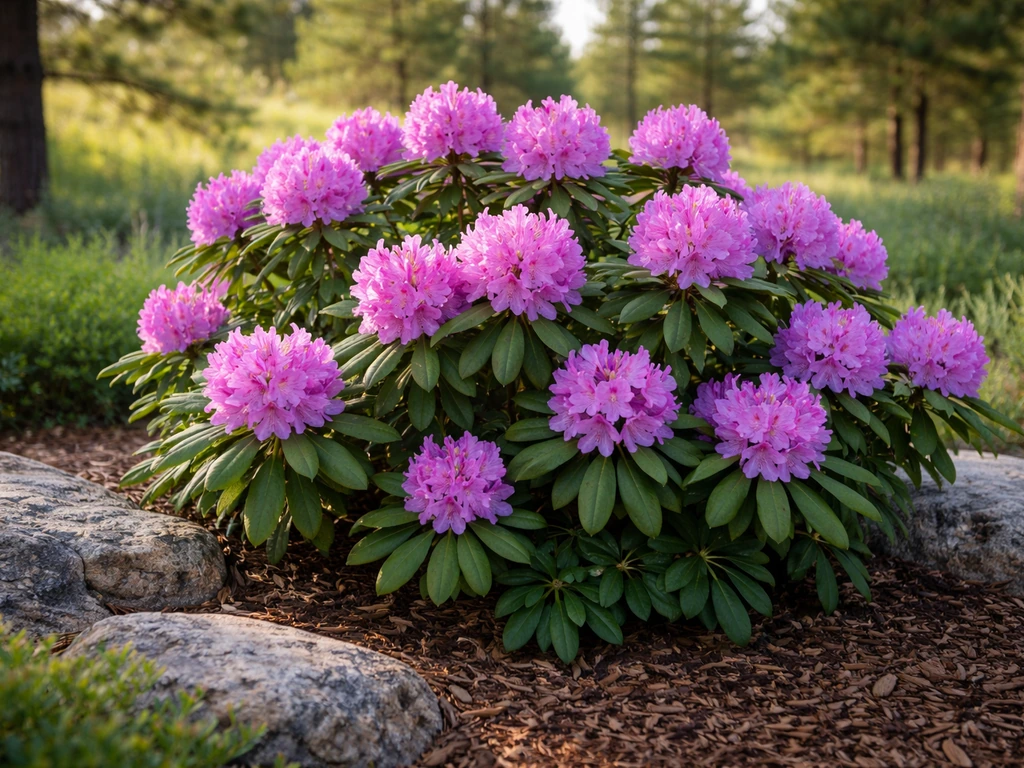
Plant a cold-hardy variety in a protected, well-amended site and you can absolutely get flowering rhododendrons to thrive, even at moderate elevations. The key is matching the plant to your specific part of Colorado, not treating the state as one single growing zone.
What Colorado's climate actually does to rhododendrons
Rhododendrons are broadleaf evergreens, which means they keep their leaves all winter. That sounds fine until you factor in what Colorado winters actually involve: bright sun, dry air, freezing temperatures, and chinook winds that can pull moisture out of leaves faster than frozen roots can replace it.
UNH Extension explains that broadleaf evergreens lose water through their leaves in winter, and wind plus sunny or warm spells can accelerate dehydration even when the soil is frozen bright sun, dry air, freezing temperatures, and chinook winds. This is the classic one-two punch that kills rhododendrons here.
The mechanism is called winter desiccation, and Purdue Extension describes it well: extreme cold combined with high winds is especially brutal on broadleaf evergreens because water keeps evaporating from leaf surfaces even when the soil is frozen solid and the roots cannot rehydrate. You end up with browned or purplish foliage, curled and rolled leaf margins, and in bad cases, complete dieback.
Cold hardiness alone is not the full story in Colorado. Even a Zone 4-hardy variety can suffer if it sits in a wind-exposed location on the Front Range where January chinooks hammer it for days. Bud kill, where flower buds freeze before they can open in spring, is the other common complaint. Plants survive but never bloom because the buds take the worst of a late-season temperature swing. Colorado's rapid temperature fluctuations, especially at lower elevations and on the Front Range, make bud hardiness just as important as cold hardiness when you are choosing a variety.
Colorado's growing zones and what they mean for rhododendrons
Colorado spans roughly blank" rel="noopener noreferrer">USDA Hardiness Zones 3b through 7a depending on elevation and location. Denver and the northern Front Range corridor sit mostly in Zones 5b to 6a. The Western Slope around Grand Junction runs warmer at Zone 6a to 7a but brings dry heat and alkaline soils. Mountain communities above 7,000 feet drop into Zone 4 or even Zone 3 territory. Each of these situations calls for a different approach to rhododendron selection.
| Colorado Region | Typical USDA Zone | Main Challenge for Rhododendrons | Feasibility |
|---|---|---|---|
| Denver / Front Range | 5b–6a | Winter desiccation, wind, alkaline soil | Possible with hardy varieties and site prep |
| Northern Front Range (Fort Collins, Loveland) | 5b–6a | Temperature swings, drying winds | Possible with protected siting |
| Western Slope (Grand Junction area) | 6a–7a | Dry heat, alkaline soil, low humidity | Difficult, needs aggressive soil amendment |
| Mountain towns 6,000–8,000 ft | 4b–5b | Deep cold, short season | Possible with Zone 4-hardy selections |
| High elevations above 8,000 ft | 3b–4a | Extreme cold, late frosts | Very challenging, only hardiest varieties |
The rhododendron varieties that actually hold up in Colorado
Most generic rhododendrons sold in Colorado nurseries are rated Zone 6 or Zone 7. Those will limp along on the warmer parts of the Front Range in a good year and die in a hard one. For dependable results you want varieties specifically rated Zone 4 or Zone 5. The American Rhododendron Society maintains regional "good performer" lists that help identify cultivars that consistently succeed in cold climates similar to Colorado's, and those lists are worth consulting before you buy anything.
The most reliable starting point for Colorado gardeners is 'P.J.M.' and its compact sibling 'PJM Compacta'. 'P.J.M.' is rated to USDA Zone 4 or 5a depending on the source, and 'PJM Compacta' is documented as hardy to around -25°F with wind protection, which is serious cold tolerance. Both are small-leafed hybrids that handle temperature swings better than large-leafed varieties, and they produce lavender-pink blooms in early spring. The Morton Arboretum lists 'P.J.M.' as a Zone 4 plant and notes it benefits from organic mulch to moderate soil temperature swings, which is exactly the condition Colorado gardens dish out.
Beyond PJM types, look for other Northern Lights series azaleas (which are technically deciduous rhododendrons bred at the University of Minnesota specifically for Zone 4 hardiness) and cold-hardy cultivars like 'Olga Mezitt', 'Landmark', and 'Helsinki University'. Deciduous azalea hybrids in the Northern Lights series lose their leaves in winter, which actually removes the desiccation risk entirely and makes them a more forgiving option for high-elevation Colorado gardens or exposed sites. For Denver-area gardens that want a true evergreen rhododendron, stick to small-leafed Zone 5 cultivars and give them a sheltered spot.
Soil and moisture: the hardest part about growing rhododendrons in Colorado
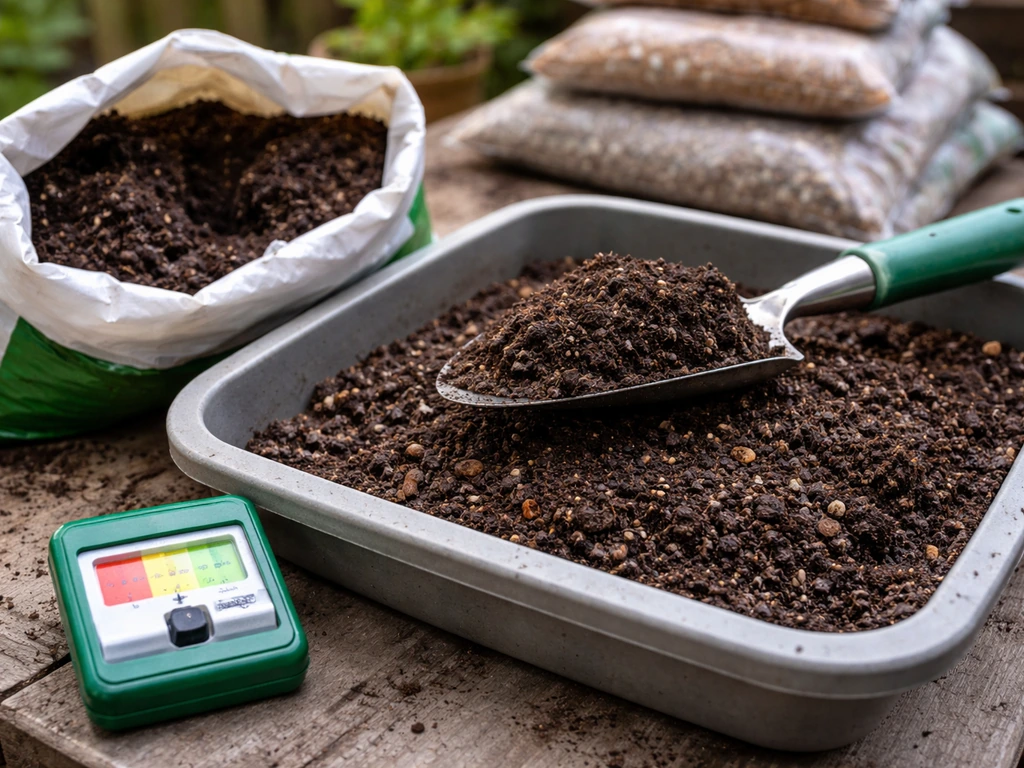
Soil is honestly where most Colorado rhododendron attempts fall apart. Rhododendrons need acidic soil, with a target pH of roughly 4.5 to 5.5. Colorado's native soils are typically alkaline, often sitting at pH 7.5 or higher, especially on the Front Range and Western Slope. Alkaline soil does not just limit growth, it causes iron chlorosis, where the plant cannot absorb iron and the leaves turn yellow between the veins while the plant slowly declines. You cannot just stick a rhododendron in native Colorado soil and expect it to survive.
The standard recommendation from rhododendron specialists is to build a planting bed with amended soil rather than trying to fix native ground. A good mix blends sphagnum peat moss with pine or fir bark fines and compost or aged leaves. This combination lowers pH, improves drainage, and creates the loose, airy root environment that rhododendrons need. Their roots are shallow and very sensitive to compaction and waterlogged conditions, so drainage matters as much as acidity. Never plant rhododendrons in a spot where water pools after rain or irrigation.
Moisture management is the other ongoing challenge in Colorado's dry climate. Rhododendrons want consistently moist soil, not wet, but never drought-stressed. The critical window for Colorado gardeners is autumn. Deep watering before the ground freezes in fall is one of the most important things you can do to prevent winter desiccation.
When the roots go into winter fully hydrated, the plant is in a much better position to survive the cold and dry months ahead. A 3- to 4-inch layer of organic mulch, like shredded bark or pine needles, over the root zone helps retain that moisture through winter and also moderates the soil temperature swings that Colorado excels at producing.
Colorado State University Extension notes that cover and windbreaks help reduce winter desiccation risk in landscapes by improving the winter microclimate cover and windbreaks reduce winter desiccation risk.
Where to put them: sun, shade, and site selection
Site selection in Colorado is not a minor consideration. It is often the deciding factor between a rhododendron that survives and one that does not. The goal is to replicate the sheltered, partially shaded woodland edge conditions that rhododendrons prefer in nature.
- Choose a spot with morning sun and afternoon shade. Colorado's afternoon sun at higher elevations and in drier air is intense enough to scorch leaves and accelerate moisture loss.
- Avoid south and west-facing exposures. These get the worst combination of winter sun and drying winds, which is the leading cause of winter burn on Colorado rhododendrons.
- Look for wind protection. A north or east-facing wall, a fence, or the north side of large evergreen trees provides the buffer that broadleaf evergreens need through Colorado winters.
- A north or northeast-facing slope or the sheltered east side of a building is often the single best location on a typical Colorado residential lot.
- Avoid low spots where cold air pools and frost settles, especially at higher elevations where late spring frosts are common and can kill freshly opened buds.
- Do not plant under roof overhangs where runoff will drench the root zone, and never in spots where irrigation keeps the soil constantly wet.
How to plant and care for rhododendrons in Colorado
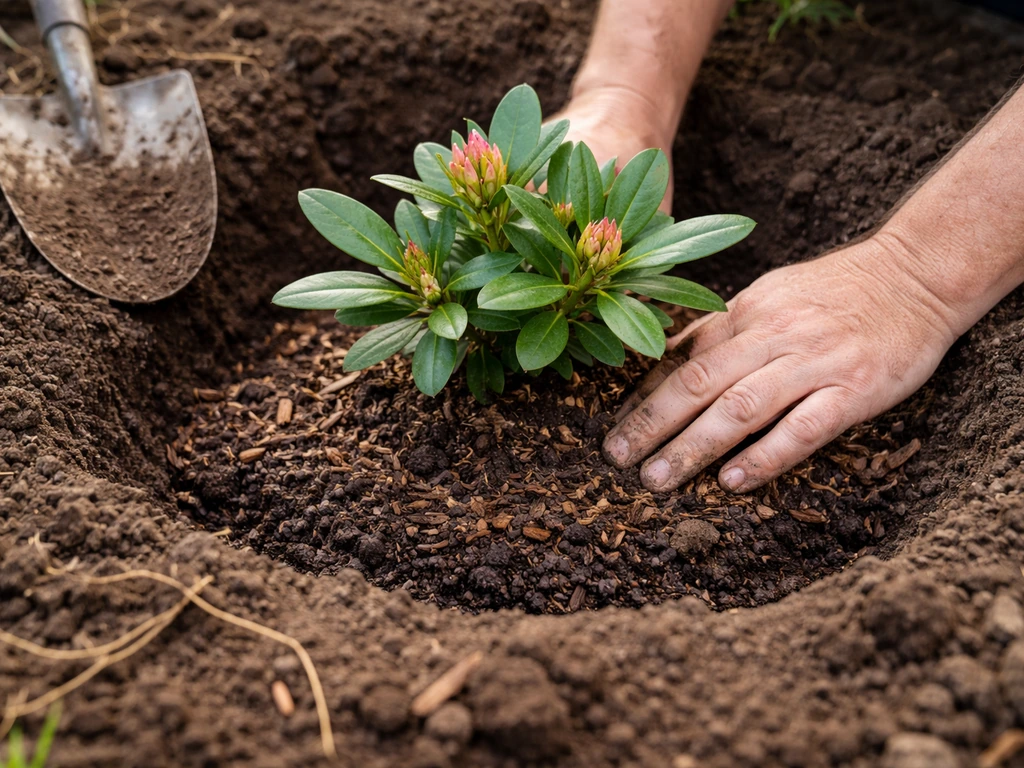
Timing matters. Plant in spring after the last frost date for your elevation, ideally giving the plant a full growing season to establish before its first Colorado winter. Fall planting can work in Denver-area zones but carries more risk at higher elevations because the roots may not have enough time to settle in before the ground freezes.
- Dig the planting hole wider than it is deep, about twice the width of the root ball but only as deep as the root ball itself. Rhododendrons are shallow-rooted and should sit slightly above grade to prevent crown rot.
- Backfill with an amended mix of sphagnum peat moss, pine bark fines, and compost rather than native soil. This creates the acidic, loose growing environment the roots need.
- Water thoroughly at planting and keep the soil consistently moist through the first growing season. Do not let a new plant dry out while it is establishing.
- Mulch with 3 to 4 inches of pine bark, pine needles, or shredded leaves, keeping mulch a few inches away from the stem to prevent rot.
- Deep water in late October or November before the ground freezes. This single step does more to prevent winter kill than almost anything else.
- In the first winter or two, consider wrapping the plant loosely in burlap or setting up a wind barrier on the windward side if it is in an exposed location.
- Fertilize lightly in early spring with an acidic fertilizer formulated for rhododendrons or azaleas. Avoid heavy feeding, especially with nitrogen in late summer, which pushes new growth that will not harden off before winter.
- Remove spent flower clusters by snapping them off just above the next set of leaves after bloom. Avoid heavy pruning, which is rarely needed and best done immediately after flowering if at all.
How to buy the right rhododendron for Colorado
The plant tag is your first filter. Oregon State University's plant evaluation guidelines explain that the hardiness temperature value on a tag represents the minimum temperature a mature plant can tolerate without serious injury. For most of Colorado, you want Zone 4 or Zone 5 rated plants. If a tag says Zone 6 or Zone 7, that plant is not rated for Denver winters and is definitely not rated for mountain communities. Do not let a beautiful flower color override that number.
Buy from local independent nurseries rather than big-box retailers when you can. Local nurseries in Colorado are far more likely to stock varieties that have been trialed and selected for regional conditions. Ask the staff specifically which rhododendrons they have seen perform reliably in your area over multiple winters. That kind of on-the-ground feedback is worth more than any catalog description. The American Rhododendron Society also has a Rocky Mountain chapter, and their recommended performer lists are a solid reference when you are comparing cultivar options.
The most common buying mistakes Colorado gardeners make are: choosing a variety based on the bloom photo rather than the hardiness rating, planting in full sun on a south-facing wall because it looks like a nice spot in spring, skipping soil amendment because it seems like extra work, and neglecting that critical fall deep watering. Any one of these can doom an otherwise good plant. All four together almost guarantee failure. The good news is that rhododendrons are genuinely possible in much of Colorado when you approach them with the right expectations and do the site and soil prep upfront. Do rhododendrons grow in Minnesota? Yes, especially with cold-hardy varieties and proper site protection.
If you have been exploring rhododendron feasibility in other challenging climates, Colorado actually sits in a middle ground compared to some regions. Rhododendrons can also grow in South Carolina when you choose suitable varieties and provide the right soil acidity and moisture do rhododendrons grow in south carolina. Rhododendrons can also be grown in Canada, but it depends on choosing cold-hardy varieties and matching them to your local conditions.
Growing rhododendrons in Minnesota or Wisconsin involves similar cold-hardiness concerns but without Colorado's drying altitude and alkaline soil. Because Southern California can be too warm and dry at times, rhododendrons there need special variety and site choices to have any chance. Growing rhododendrons in Minnesota or Wisconsin involves similar cold-hardiness concerns but without Colorado's drying altitude and alkaline soil do rhododendrons grow in minnesota. Texas and Southern California present the opposite problem: too warm and often too dry.
If you are wondering can rhododendrons grow in southern California, the key is choosing heat- and drought-tolerant varieties and providing protection from harsh sun and drying winds Texas and Southern California. With the right cold-hardy choice and moisture and soil setup, you can improve the odds of success when you are wondering will rhododendrons grow in Texas.
Colorado gardeners are working against both temperature extremes and soil chemistry at once, which is why variety selection and site preparation carry more weight here than in almost any other state.
FAQ
Can I grow rhododendrons in Colorado in a container instead of planting in the ground?
Yes, containers can help if you use an all-acidic mix (for example, peat-based or a rhododendron-specific potting mix) and keep drainage excellent. However, you must still protect from winter wind and prevent the root ball from freezing solid, since shallow roots dry out fast. Plan on heavier mulching and wind shielding than you would for in-ground plants.
What’s the best spot in Colorado, sun versus shade, for evergreen rhododendrons?
Aim for partial shade similar to a woodland edge, often morning sun with afternoon protection. In Colorado, a south- or west-facing wall can cause winter leaf scorch and bud loss due to sun and temperature swings, even if the plant is “hardy” on paper.
How do I know if my rhododendron is dying from winter desiccation versus soil problems like alkaline pH?
Desiccation shows up as browned or purple foliage with curled leaf margins after cold, windy periods, and the plant may look worse during or right after winter weather. Alkaline-pH problems tend to show up as gradual yellowing between veins (iron chlorosis), new growth looking stunted, and decline over months. A soil test clarifies pH, while timing and leaf symptoms help distinguish the winter moisture issue.
Should I prune rhododendrons in Colorado to prevent wind damage or to tidy them up after winter?
Light cleanup is fine, but avoid major pruning right before winter because it reduces the plant’s stored energy and can worsen exposure of inner buds. If you prune, wait until after the main bloom period (or late spring) so you do not remove developing flower buds.
How often should I water rhododendrons in Colorado, and what changes in autumn?
During the growing season, water deeply enough to keep the root zone consistently moist but never soggy. In autumn, prioritize deep watering before the ground freezes, because hydrated roots enter winter better able to withstand desiccation. After winter begins, reduce frequency if natural precipitation is enough, since overwatering can stress shallow roots in cold conditions.
Can I use fertilizer to fix yellow leaves on a rhododendron in Colorado?
Fertilizer can help if the plant is generally stressed, but it cannot correct chronic alkaline soil alone. If leaves are yellow with green veins, get a soil pH test first and amend accordingly. Use acidic, rhododendron-appropriate nutrition and avoid heavy late-season feeding that can push tender growth before cold weather.
What mulch should I use, and should I keep it away from the trunk?
Use organic mulch like shredded bark or pine needles to moderate soil temperature and conserve moisture. Apply a 3- to 4-inch layer over the root zone, and keep mulch from piled directly against the crown (leave a small gap) to reduce rot risk in wet periods.
Do rhododendrons need protection during extreme wind events like chinooks?
Wind protection often makes the difference on exposed sites. Use a windbreak (fence, shrubs, or a protective barrier) positioned to block prevailing winter gusts, and choose a sheltered planting location rather than relying only on fabric covers. For small plants, temporary shielding during the most severe cold and windy spells can reduce desiccation.
When should I expect blooms in Colorado, and what could prevent flowering even if the plant survives?
If the plant survives winter but buds are damaged, you may get little or no bloom. Bud kill commonly follows late-season temperature swings, not just extreme lows, so consistent shelter from winter sun, wind, and rapid warming-cooling cycles matters as much as selecting cold-hardiness rating.
Is it better to plant spring or fall in Colorado for rhododendrons?
Spring planting is generally safer because the plant has more time to establish before the first winter. Fall planting can work in some Front Range areas, but higher elevations carry more risk if the roots have not settled before deep freezes. If you plant in fall, focus on ensuring thorough pre-freeze watering and solid root establishment.
What’s the biggest “hidden” mistake people make when trying to grow rhododendrons in Colorado?
Planting them in native alkaline soil without building an amended acidic bed. Even if the plant survives the first year, iron chlorosis and slow decline often appear later. Another frequent mistake is trusting the bloom photo and ignoring the tag’s Zone rating, which predicts survival risk more reliably than looks.