
Yes, rhododendrons can grow in Minnesota, but it depends heavily on which part of the state you're in, which variety you choose, and how well you protect the plant from Minnesota's signature winter abuse. In the Twin Cities metro and southern Minnesota (zones 4b–5a), a well-sited rhododendron with the right cultivar can thrive for decades. In northern Minnesota (zones 3a–4a), your options shrink fast, and you'll need to stick almost exclusively to the Northern Lights azalea series or the toughest deciduous types. The good news: Minnesota gardeners are not stuck. You just have to be choosy.
Do Rhododendrons Grow in Minnesota? Zones, Types, and Tips
Marcus Hartwell
9 Jun 2026
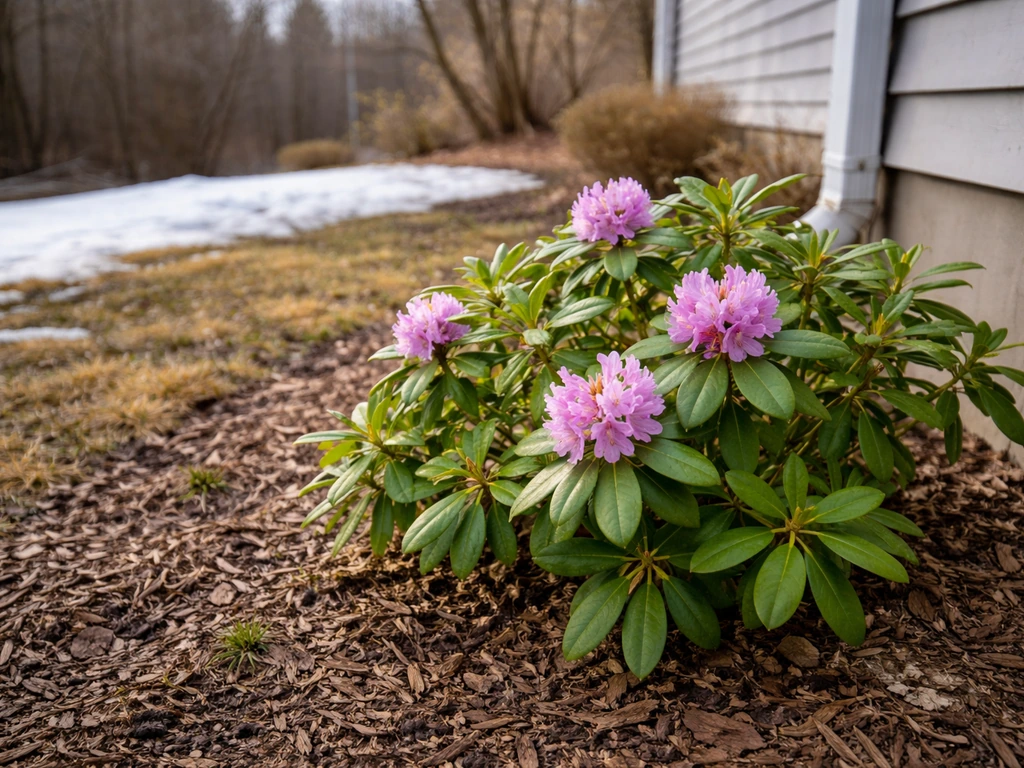
How to tell if it'll work for your specific location
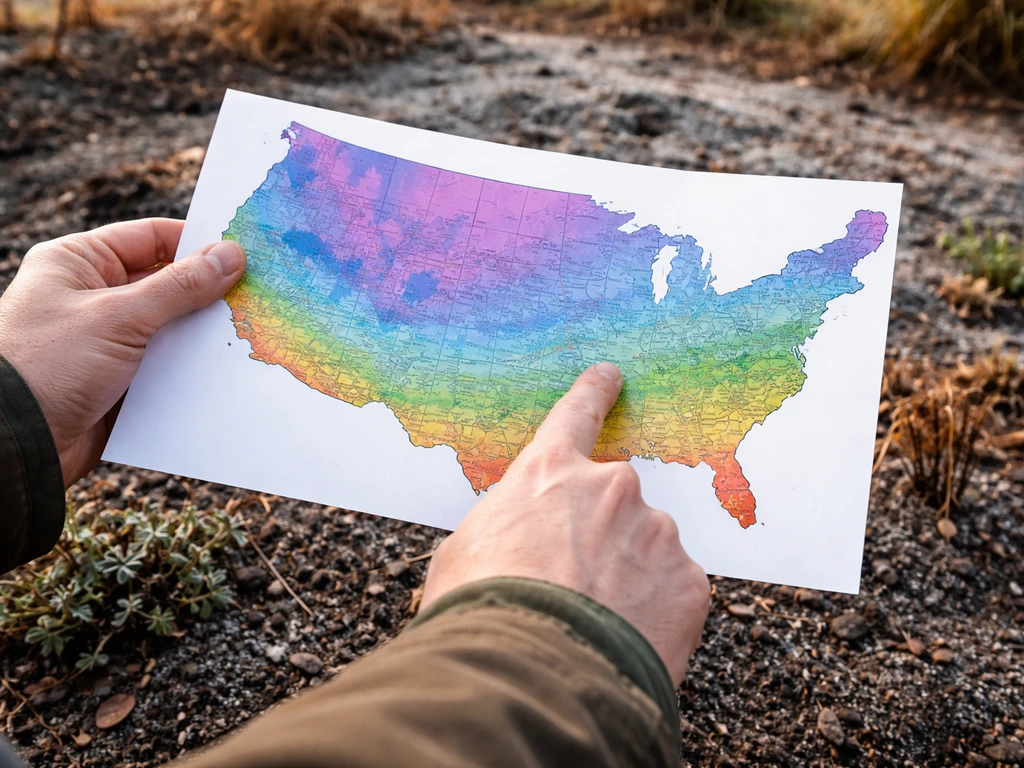
The first thing to check is your USDA hardiness zone, which is based on the average annual minimum winter temperature in your area. Minnesota spans zones 3a in the far north (think International Falls, where lows can hit -40°F) all the way to zone 5a in the southern metro suburbs. That's a dramatic range, and it makes a real difference in what you can plant. Look up your zip code on the USDA Plant Hardiness Zone Map to get your precise zone before you buy anything.
Beyond your zone number, pay attention to your microclimate. A sheltered south or east-facing spot near a house foundation or fence can be a full zone warmer than an exposed open yard 50 feet away. In southern California, the biggest hurdle is heat and dry conditions, so matching the right cultivar and giving reliable shade and moisture matters. If your garden has a natural windbreak from evergreen trees or a structure, you're working with a built-in advantage that a rhododendron will appreciate. If your yard is wide open to northwest winds, that's a warning sign regardless of your official zone.
Minnesota growing zones and what they mean for rhododendrons
Most standard evergreen rhododendrons (the big-leafed, showy types you see in Pacific Northwest gardens) are hardy only to about zone 5 or 6. That eliminates them for most of Minnesota right away. However, some specific cultivars push further. The 'PJM' rhododendron is a standout: it's rated hardy to around -25°F, which puts it solidly in zone 4 territory and makes it one of the few true evergreen rhododendrons that has a real shot in the Twin Cities and some parts of central Minnesota.
| Minnesota Region | Typical Zone | Rhododendron Viability |
|---|---|---|
| Far northern MN (e.g., International Falls) | 3a–3b | Very limited; Northern Lights deciduous azaleas only |
| Northern MN (e.g., Duluth, Bemidji) | 3b–4a | Northern Lights series; PJM marginal without protection |
| Central MN (e.g., St. Cloud) | 4a–4b | PJM and Northern Lights; careful siting required |
| Twin Cities metro | 4b–5a | PJM, Northern Lights, and some other cold-hardy cultivars |
| Southern MN (e.g., Rochester) | 5a–5b | Broadest options; still avoid tender evergreen types |
One thing worth knowing: hardiness zone ratings are guidance, not guarantees. A zone 4b garden that gets hammered by open northwest winds every winter will behave more like a zone 3 garden for a wind-sensitive plant like a broadleaf evergreen rhododendron. Purdue University notes that cold plus wind can desiccate rhododendrons, leading to symptoms like leaves that yellow and curl or roll. The zone map tells you about cold temperatures, but it doesn't account for desiccating winter winds, which are often the real killer in Minnesota.
Evergreen vs. deciduous: picking the right type for Minnesota
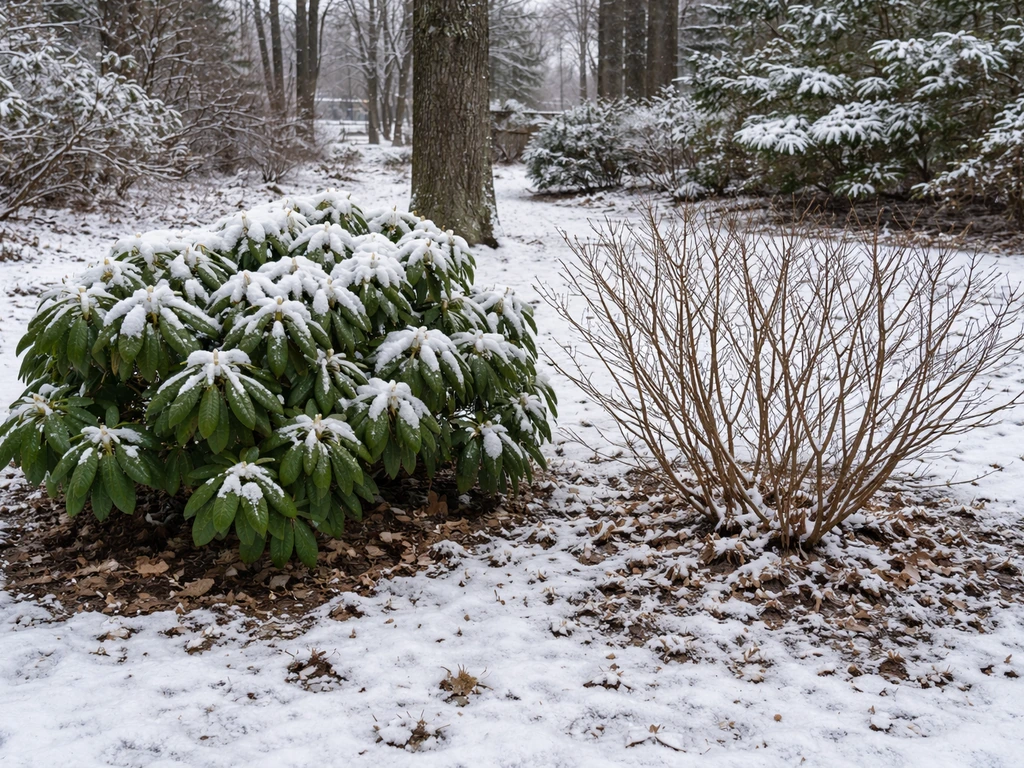
Here's a clarification that trips up a lot of gardeners: azaleas and rhododendrons are actually the same genus (Rhododendron). In everyday plant-shopping language, 'rhododendron' usually refers to the large-leaved evergreen types, while 'azalea' refers to smaller-leaved deciduous or semi-evergreen types. This distinction matters enormously in Minnesota, because deciduous azaleas handle cold far better than evergreen rhododendrons. The leaves drop in fall, so there's no foliage exposed to winter wind and sun damage.
The Northern Lights series: Minnesota's home-grown solution
The Northern Lights azalea series was actually developed in Minnesota, which tells you everything you need to know about its cold tolerance. These deciduous azaleas were bred specifically for bud hardiness in harsh northern climates and are rated for zones 3 and 4. Varieties like 'Rosy Lights', 'White Lights', and 'Lemon Lights' give you genuine rhododendron-family blooms in late spring without the winter survival anxiety. If you're anywhere in Minnesota, this series is your safest starting point.
Best cold-hardy picks at a glance
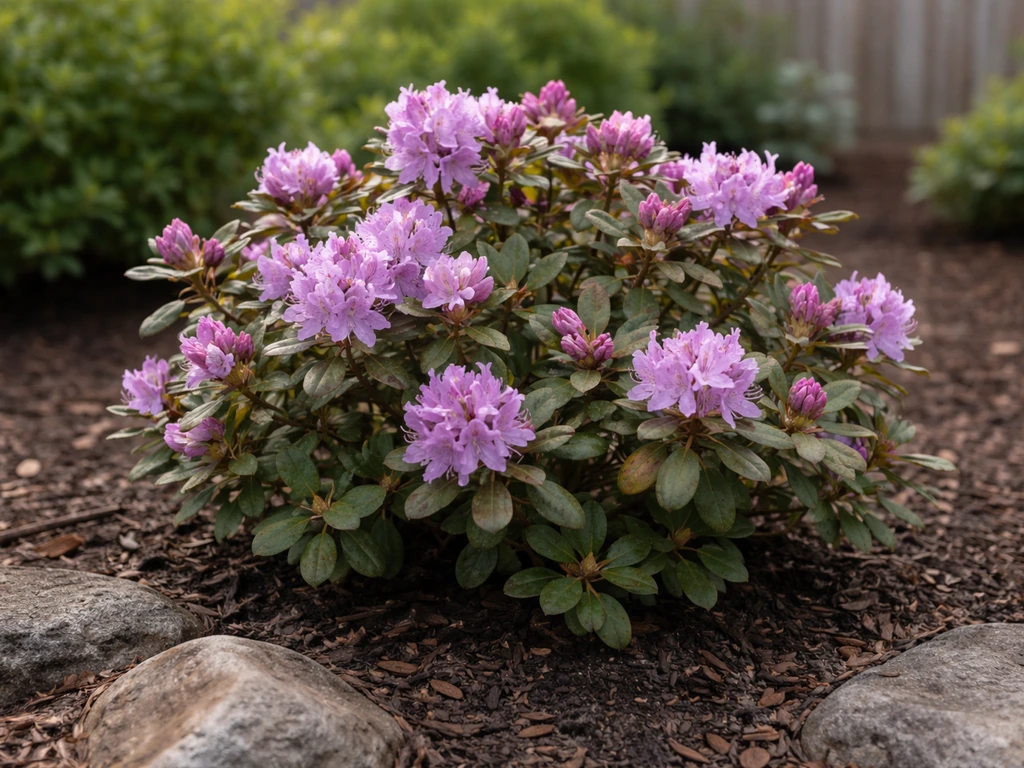
- 'PJM' rhododendron: Evergreen, lavender-pink blooms, hardy to about -25°F (zone 4); best for Twin Cities and central MN with a sheltered site
- Northern Lights series azaleas (e.g., 'Rosy Lights', 'White Lights', 'Lemon Lights'): Deciduous, zones 3–4, bred in Minnesota for bud hardiness
- Rhododendron prinophyllum (roseshell azalea): Native to North America, hardy to zone 4, fragrant pink blooms
- Deciduous azalea hybrids in zone 4b–5a: Slightly broader selection available in southern MN, but always verify the variety's actual rated low temperature
What your site needs to get right
Getting the variety right is only half the battle. In Minnesota, site selection can make or break a rhododendron just as surely as a cold snap. There are four things you need to nail: light, wind exposure, moisture, and soil pH.
Light and wind
Rhododendrons want morning sun with afternoon shade, or dappled light under high-canopy trees. Full afternoon sun in Minnesota can scorch leaves in summer and cause serious desiccation damage in winter when bright sunlight dries out foliage faster than frozen roots can replace the moisture. Wind protection is non-negotiable for evergreen types. Plant on the east or northeast side of a building, fence, or dense evergreen hedge. Anything that blocks the prevailing northwest winter wind is a plus.
Soil moisture and drainage
Rhododendrons have fine, shallow roots that are easily damaged by waterlogged soil. If your yard has clay soil that holds standing water after rain, you're looking at root rot risk. A practical test: dig a 24-inch hole, fill it with water, and see if it drains within 24 hours. If it doesn't, you need to amend the soil heavily or plant in a raised mound so the root zone sits above the wet layer. The American Rhododendron Society specifically recommends mounding in dense clay situations, and it's good advice for many Minnesota yards.
Soil pH
Rhododendrons demand acidic soil, ideally pH 4.5 to 5.5. Much of Minnesota's native soil leans neutral to slightly alkaline, especially in agricultural areas and anywhere near concrete foundations that leach lime. Do a soil test before you plant. UMN Extension recommends this as a standard first step anyway. If your pH is above 6.0, you'll need to amend with elemental sulfur or plant in a dedicated acidic mix. An alkaline soil will cause the plant to slowly yellow and decline no matter how good everything else is.
Why rhododendrons fail in Minnesota (and how to avoid it)
Most rhododendron failures in Minnesota come down to a handful of predictable problems. Knowing them ahead of time means you can design around them.
- Winter burn: Broadleaf evergreen rhododendrons lose moisture through their leaves all winter long, even when dormant. When roots are locked in frozen soil and can't replace that water, leaves turn brown or bleach out. You'll notice it most as snow melts in spring. The fix is a sheltered site, late-fall watering before the ground freezes, and anti-desiccant spray on evergreen types.
- Desiccating wind: This is the specific mechanism behind winter burn. Open, exposed sites funnel northwest winds directly across foliage. Even a zone-appropriate cultivar can fail in a truly wind-blasted spot. A physical windbreak is more effective than any spray.
- Wrong variety: Planting a zone 6 rhododendron in Minneapolis is a recipe for a dead plant by February. Always verify the actual minimum temperature rating of the specific cultivar, not just the genus.
- Poor drainage: Wet feet in spring and after rain events rot the fine roots quickly. If you've lost rhododendrons and can't figure out why, check the drainage first.
- Wrong pH: Alkaline or even neutral soil causes gradual decline. The plant may look okay the first year and then slowly yellows and stops blooming. A soil test costs very little and prevents this entirely.
- Planting too deep: Never bury the root ball deeper than it sat in the nursery container. Deep planting suffocates the shallow roots and sets the plant up for failure even before winter arrives.
Planting and placement: practical steps for Minnesota
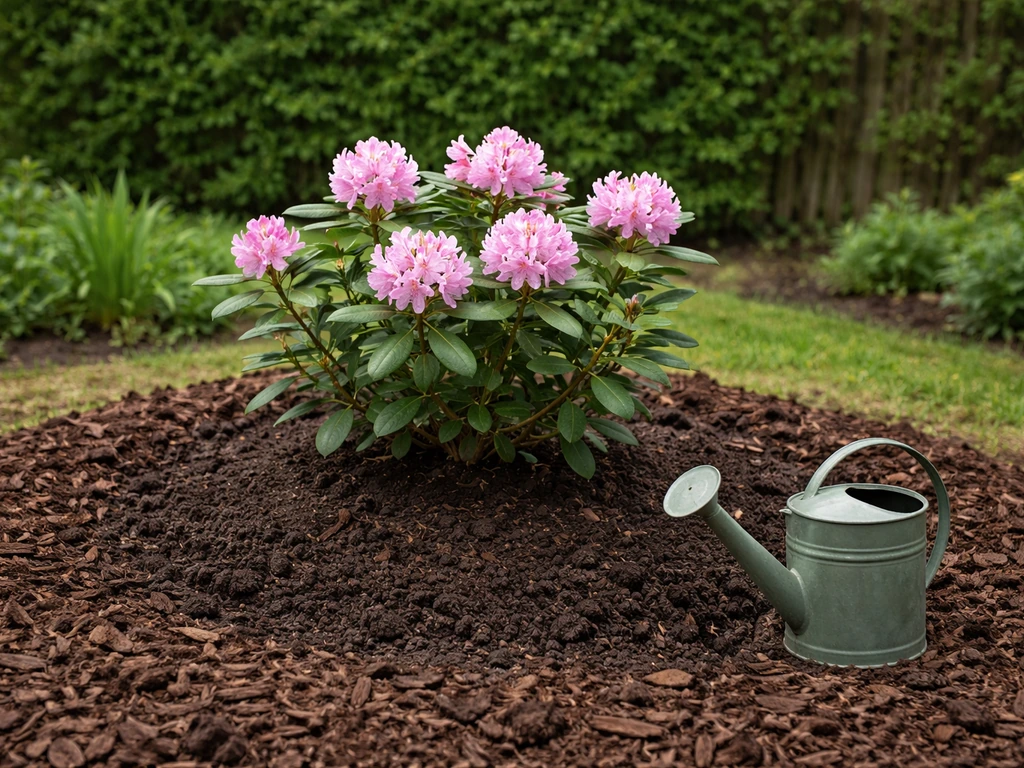
Plant rhododendrons in spring or early fall in Minnesota, giving roots time to establish before either summer heat or winter cold arrives. Choose a location on the east or sheltered northeast side of your house or an evergreen windbreak. Amend the planting area with acidic organic matter like peat moss or composted pine bark to bring the pH down and improve drainage at the same time. Plant at the same depth as the nursery container, never deeper. Water well through the first growing season.
Before winter, give the plant a deep watering in late fall after temperatures have cooled but before the ground freezes hard. This pre-winter hydration is one of the most effective things you can do to reduce winter desiccation on evergreen types. Add 3 to 4 inches of shredded wood mulch over the root zone (keeping it away from the stem) to buffer soil temperature swings and retain moisture. For young or borderline-hardy plants, a burlap windscreen on the windward side can mean the difference between survival and a brown shrub in April.
If you're in zone 4 and trying an evergreen type like 'PJM', consider the additional winter protection of a burlap wrap or A-frame structure for the first two or three winters until the plant matures and establishes a deeper root system. Established plants handle Minnesota winters better than newly planted ones.
If rhododendrons just won't work for your yard
Some Minnesota yards are simply too exposed, too wet, or too alkaline to make rhododendrons worth the effort. That's not a defeat. If you’re wondering about warmer climates, the answer to will rhododendrons grow in texas depends heavily on choosing a suitable cultivar and providing protection from heat and dry conditions. There are several native and cold-hardy shrubs that give you a similar ornamental effect without the frustration.
| Alternative Plant | Hardiness Zone | Why It Works in Minnesota |
|---|---|---|
| Serviceberry (Amelanchier) | Zone 2–3 | Spring blooms, fall color, incredibly tough, native to MN |
| Viburnum (Viburnum trilobum / lentago) | Zone 2–3 | Showy spring flowers, good fall color, extremely cold-hardy |
| Potentilla (Shrubby cinquefoil) | Zone 2–3 | Long bloom season, drought tolerant, thrives in MN summers |
| Itea virginica 'Henry's Garnet' | Zone 5 | Fragrant summer blooms, brilliant fall color; best for southern MN |
| Fothergilla (Fothergilla gardenii) | Zone 4–5 | White bottlebrush flowers, acidic soil lover, similar feel to azalea |
| Native pin cherry or chokecherry | Zone 2–3 | Spring bloom, wildlife value, bulletproof in Minnesota winters |
Fothergilla is worth singling out because it actually prefers the same acidic, well-drained soil that rhododendrons need, so if you've already amended your beds for pH, fothergilla will slot right in. It gives you that late-spring white bloom, spectacular fall color, and it won't make you nervous every March wondering if it survived.
Minnesota is a harder state for rhododendrons than neighboring Wisconsin, and considerably harder than the Pacific Northwest, but it's not impossible. If you're wondering about South Carolina, the key issues are choosing a heat-tolerant cultivar and making sure you have acidic, well-drained soil do rhododendrons grow in south carolina. Wisconsin can still be a good rhododendron-growing state, but the right variety and site protection matter just as much rhododendrons in Wisconsin. Can rhododendron grow in Canada depends on your province or region, your hardiness zone, and choosing the right cold-tolerant type. Gardeners in Colorado and other cold-climate states face similar tradeoffs when chasing these plants. The key is honest site assessment, the right cultivar, and a willingness to do the prep work. If you check those boxes, a 'PJM' or Northern Lights azalea can be a long-lived, spectacular part of a Minnesota landscape.
FAQ
What is the easiest rhododendron-family plant to start with in Minnesota?
If you want the highest chance of success with the least winter drama, start with deciduous Northern Lights azaleas (like Rosy Lights, White Lights, or Lemon Lights). They lose their leaves in fall, which greatly reduces winter wind and sun desiccation compared with evergreen rhododendrons.
Can evergreen rhododendrons survive in Zone 4a or 3a if I do everything right?
They can, but for Zone 3a you should treat evergreen rhododendrons as a higher-risk experiment. Even when temperatures are technically acceptable, Minnesota’s drying northwest winds can kill foliage and buds, so add wind shielding and plan extra protection for at least the first two or three winters.
Is a south-facing yard enough for rhododendrons in Minnesota?
Often no for evergreen types, because afternoon sun can scorch leaves in summer and trigger winter dehydration when bright light hits dried foliage. Aim for morning sun with afternoon shade, or use dappled light under taller trees, and keep the windward side buffered.
What should I do if my soil test shows pH above 6.0?
Don’t just add amendments and hope, reassess the numbers after you amend. For higher pH, you typically need a dedicated acidic planting mix or elemental sulfur incorporated into the planting area, and retest later to confirm the rhododendron root zone actually stays acidic.
Do rhododendrons need special fertilizer in Minnesota?
Use care with feeding, because they are sensitive to imbalances and high salts. Focus on correcting pH and drainage first, then use an azalea or rhododendron-specific fertilizer at label rates, and avoid late-season feeding that can encourage tender growth before winter.
How can I tell if winter damage is from cold or from drying winds?
Cold damage often shows dieback that progresses from tips and stems, while desiccation presents as brown or crispy leaf margins and foliage that looks “scorched” but not necessarily killed throughout. If the plant is in an exposed northwest spot, that strongly points to drying wind as the main cause.
Should I prune rhododendrons in spring or fall in Minnesota?
Generally, light pruning is best right after flowering, because pruning later can remove next season’s buds. For any winter-browned evergreen foliage, wait until spring to assess, then remove dead wood gradually so you can see what truly survived.
What’s the most common planting mistake that causes failure?
Planting too deep and planting in poorly draining clay. Rhododendrons have shallow, easily harmed roots, so match nursery depth and test drainage, if water sits or drains very slowly, use a raised mound or amend heavily before planting.
When is the best time to water rhododendrons before winter?
Do a deep watering in late fall after temperatures cool but before the ground freezes solid. This pre-hydration helps evergreen foliage draw less from already-frozen roots during winter, which reduces the chance of spring browning.