Yes, rhododendrons can grow in Canada, but not every rhododendron will survive every Canadian winter. The honest answer is that success depends almost entirely on which cultivar you pick and where you live. To see whether rhododendrons can grow in your yard in South Carolina, start by checking your local hardiness zone and matching it to a cultivar that tolerates your winter lows do rhododendrons grow in South Carolina. In Texas, the same hardiness-zone logic applies, so your success will depend on picking cultivars rated for your specific Texas location and growing conditions hardiness zone logic. Colorado gardeners can use the same zone and cultivar logic to see which rhododendrons are likely to survive their winters do rhododendrons grow in colorado. In milder zones like coastal British Columbia (zone 7–9), rhododendrons grow like weeds and can reach shrub-size in a few seasons. In much of Southern California, gardeners typically need to focus on heat, humidity, and afternoon shade as well as winter cold when choosing rhododendrons milder zones. In colder spots like the prairies (zone 2–4), you need to be very deliberate about choosing cold-hardy cultivars or you'll lose the plant by February. Most of Canada falls somewhere in the middle, and with the right variety, rhododendrons are absolutely a realistic choice.
Can Rhododendron Grow in Canada? Zones and Hardy Types
Can you grow rhododendrons in your part of Canada?
Canada stretches across an enormous range of climates, so a blanket yes or no doesn't serve anyone well. Here's a practical breakdown by region and approximate zone so you can immediately locate yourself on the spectrum.
| Region | Approx. Canadian Zone | Rhododendron Feasibility |
|---|---|---|
| Coastal BC (Vancouver, Victoria) | 7b–9a | Excellent — most species and hybrids thrive with little effort |
| Interior BC (Kelowna, Kamloops) | 5a–6b | Good — use proven hardy hybrids, protect from dry wind |
| Alberta (Calgary, Edmonton) | 3a–4b | Challenging — cold-hardy cultivars only; site and mulch carefully |
| Saskatchewan / Manitoba | 2b–4a | Difficult — very limited cultivar choices; significant winter protection needed |
| Ontario (Southern, GTA area) | 5b–6b | Good — wide cultivar selection, watch for wind exposure |
| Ontario (Northern) | 3b–5a | Marginal — stick to the hardiest PJM-type cultivars |
| Quebec (Montreal area) | 5a–5b | Workable — cold-hardy hybrids perform well with good siting |
| Quebec (North) | 2b–4a | Difficult — very few options; treat like the prairies |
| Atlantic Canada (Halifax, Saint John) | 5b–6b | Good — similar to southern Ontario; humidity helps |
| Newfoundland / Labrador | 2a–4b | Marginal to difficult depending on exact location |
The key takeaway: if you're in zone 5 or warmer, you have solid options and a reasonable selection at most good nurseries. If you're in zone 3 or 4, you can still succeed, but you need to shop deliberately and not just grab the prettiest plant at the garden centre.
The most cold-hardy rhododendron types for Canadian conditions
Not all rhododendrons are created equal when it comes to winter survival. The large-leaf, tropical-looking species you see in English garden photos are often only hardy to about zone 6 or 7. If you're in zone 5 or colder, you need to look at specific groups and cultivars bred for cold tolerance.
PJM Group (hardy to zone 4)
The PJM rhododendrons are the workhorses for cold-climate Canadian gardeners. They're a hybrid group that stays compact (usually 1.5 to 2 metres), produces bright lavender-pink flowers in early spring, and holds its small leaves through winter (they turn purplish-maroon in the cold, which is actually quite attractive). PJM Elite and PJM Regal are two common named selections. If you're in zone 4, this is your most reliable starting point.
Northern Lights Series (hardy to zone 4, sometimes zone 3)
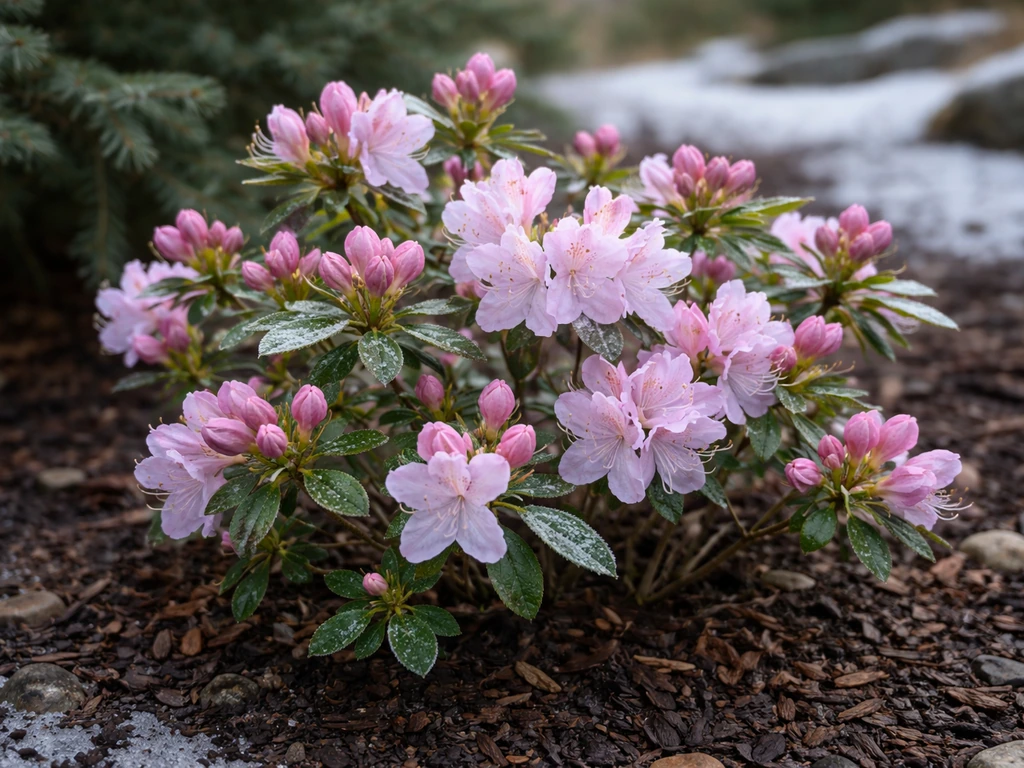
Developed by the University of Minnesota, the Northern Lights series are technically deciduous azaleas, which are a subset of the broader rhododendron genus. If you want fragrant, showy spring blooms in a colder zone, these are worth knowing about. Varieties like Rosy Lights, White Lights, and Lemon Lights can handle temperatures as low as -35°C in some cases. They lose their leaves in winter, which can look bare, but they come back reliably and the flower display in spring is spectacular.
Inkarho hybrids and Haaga
Haaga, a Finnish-bred cultivar, is rated to about zone 4 and is known for being one of the more reliable evergreen rhododendrons for cold continental climates. It has deep pink flowers and a tidy, compact habit. Inkarho is a rootstock system used by some European breeders that produces plants more tolerant of higher-pH soils, which is a bonus in many parts of Canada where soil tends to be alkaline.
Coastal BC: more options open up
If you're in the Lower Mainland or on Vancouver Island, you have access to a much wider range, including large-leaf species like Rhododendron macrophyllum (the native BC species), R. yakushimanum hybrids, and many English and Pacific Northwest garden hybrids rated to zone 6 and above. The challenge in coastal BC is more about selecting the right size for your space than worrying about cold hardiness.
Choosing the right cultivar for your Canadian climate
The single most important decision you'll make is which cultivar to buy. A rhododendron that's rated only to zone 6 planted in a zone 4 garden is going to suffer or die, no matter how well you mulch it. Here's the approach I'd recommend for Canadian shoppers.
- Look up your Canadian hardiness zone first using the official Government of Canada plant hardiness zone map at planthardiness.gc.ca. You can search by municipality, which is more precise than guessing by province.
- Once you know your zone, look for plants rated at least one zone colder than yours. If you're zone 5b, shop for zone 4 or 5a plants. This gives you a buffer for unusual cold snaps.
- Cross-reference the Canadian zone with the USDA zone on the nursery tag. Canadian and USDA zones are both based on minimum winter temperatures but are not identical systems, so don't assume they match directly. A Canadian zone 5 does not equal a USDA zone 5.
- Prioritize named cultivars over generic 'rhododendron' labels. Named cultivars (PJM, Haaga, Percy Wiseman, etc.) have documented hardiness ratings. An unlabeled or generically labeled plant from a big-box store may be rated only to zone 7 and won't tell you that.
- Ask the nursery specifically: 'Is this proven hardy in this zone?' A good local independent nursery will only stock what survives locally.
If you're comparing rhododendrons vs. azaleas: azaleas are technically rhododendrons, just a different subgroup. Deciduous azaleas (like the Northern Lights series) tend to be hardier than evergreen azaleas, and both tend to be hardier than large-leaf evergreen rhododendrons. If winter hardiness is your main worry, deciduous azaleas are often the smarter choice in zones 3 and 4.
Site requirements that make or break success
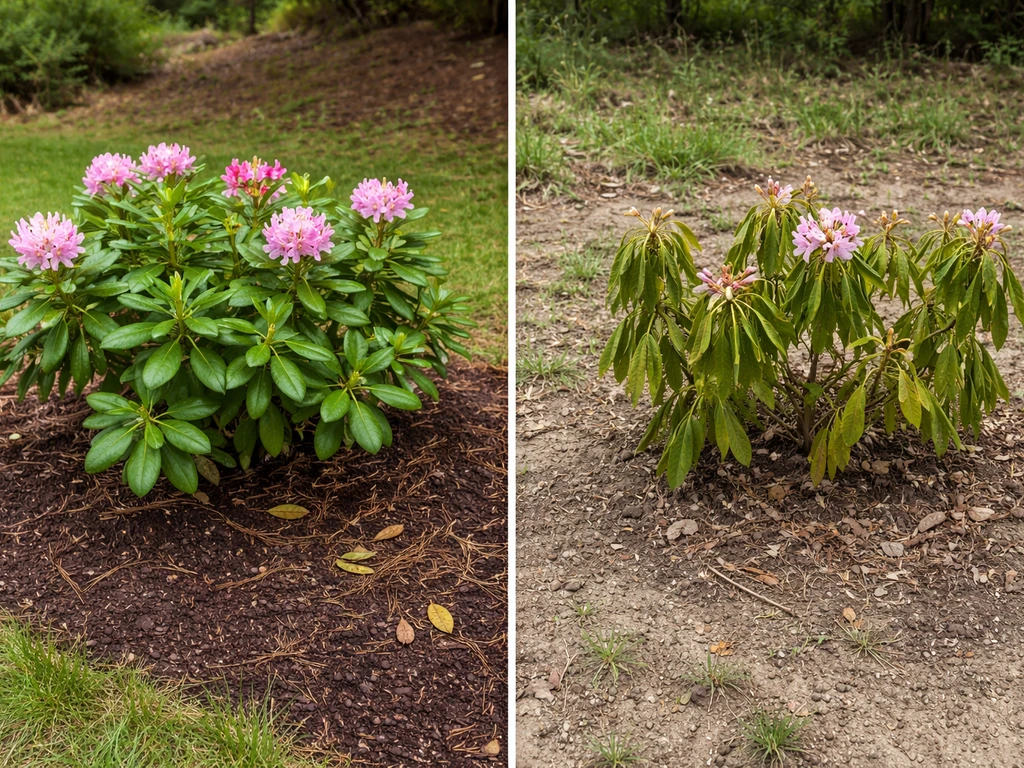
Picking the right cultivar is step one. But a cold-hardy plant in a bad spot will still fail. Rhododendrons are particular about their environment, and getting the site wrong is one of the most common reasons Canadian gardeners are disappointed with them.
Soil: acidic, loose, and rich in organic matter
Rhododendrons need acidic soil, ideally a pH between 4.5 and 6.0. Much of Canada's agricultural and garden soil sits higher than this, especially on the prairies, where pH can be 7.0 or above. Before planting, test your soil pH. If it's too high, you'll need to amend it with elemental sulfur and work in plenty of peat moss, pine bark fines, or composted leaf litter. Rhododendrons also have shallow, fibrous root systems that hate compacted or clay-heavy soil. If water pools anywhere near the planting site after rain, find a different spot.
Moisture: consistent but never waterlogged
Rhododendrons like consistent moisture, especially in their first two or three years while establishing. In drier parts of Canada (southern Alberta, interior BC), you'll likely need to water regularly through dry summers. But they absolutely cannot tolerate standing water or poorly draining soil, which rots the roots quickly. Good drainage is non-negotiable.
Sun and wind: filtered light, sheltered from winter wind
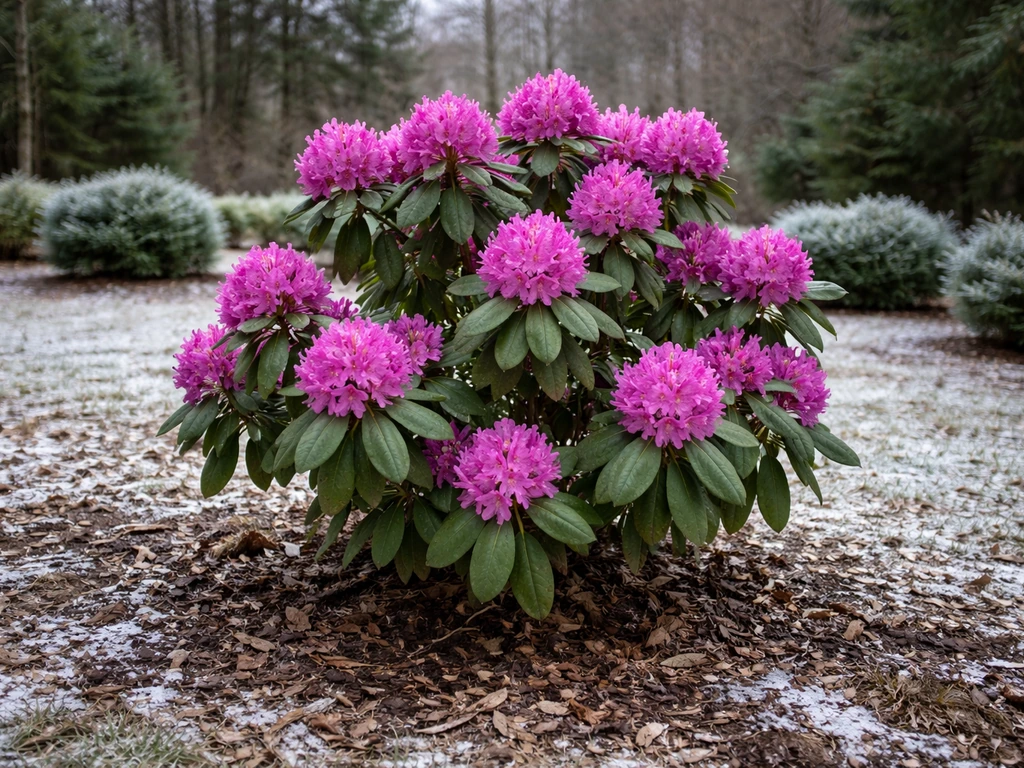
Rhododendrons do best in dappled or partial shade, especially in the afternoon. Full, hot sun dries the leaves and stresses the plant. But deep shade reduces flowering. In colder Canadian regions, the bigger threat is winter wind and sun together: this combination causes 'winter burn,' where leaves dry out and die because the frozen ground prevents the roots from replacing moisture lost through the leaves. A sheltered spot on the north or east side of a building, fence, or established hedge can make a significant difference in survival rates. This is especially true in Alberta and the prairies.
Why rhododendrons fail in Canada (and how to avoid it)
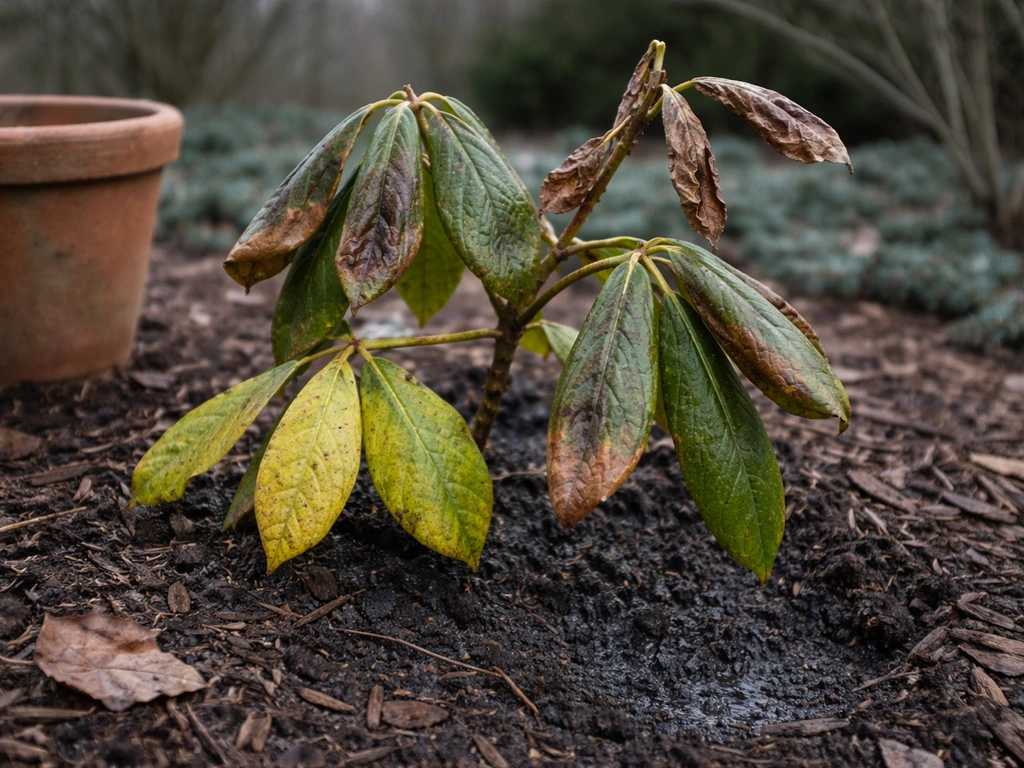
Most rhododendron failures in Canada come down to a handful of predictable problems. Knowing them in advance can save you real money and frustration.
- Wrong cultivar for the zone: Buying a beautiful plant rated only to zone 6 or 7 for a zone 4 or 5 garden is the number one reason plants don't make it through winter. Always check the hardiness rating before buying.
- Winter kill from desiccation, not just cold: In Canada, the bigger winter killer is often wind and sun drying out the foliage when the ground is frozen, not the cold temperature itself. A plant can be rated to zone 4 and still die from desiccation in a zone 5 location if it's sitting in a windy, exposed spot.
- Soil pH too high: Alkaline soil locks out the nutrients rhododendrons need, especially iron. The result is yellowing leaves (chlorosis) and a plant that struggles and eventually declines even if it never freezes.
- Poor drainage leading to root rot: Planting in a low spot, clay soil, or anywhere water sits after rain is a reliable way to kill a rhododendron within a year or two, regardless of its cold hardiness rating.
- Planting too deep: Rhododendrons should be planted with the root ball slightly above the surrounding soil level to ensure proper drainage and prevent crown rot. Many gardeners instinctively plant too deep.
- Skipping mulch: A 5–10 cm layer of mulch (wood chips, shredded bark, pine needles) over the root zone retains moisture, moderates soil temperature, and slowly acidifies the soil as it breaks down. Skipping this step is a missed opportunity, especially in the first few winters.
How to confirm fit before you buy
Here's a simple checklist to run through before spending money on a rhododendron in Canada. If you can check every box, your chances of success are high.
Step 1: Look up your Canadian hardiness zone
Go to planthardiness.gc.ca and search for your municipality. The Government of Canada's plant hardiness zone tool gives you the blank" rel="noopener noreferrer">official zone for your specific location, which is more accurate than guessing by province or using a general regional map. Use a hardiness zone lookup for your specific Canadian location, then compare USDA ratings for the plants separately rather than relying on a direct Canada-to-USDA conversion table blank" rel="noopener noreferrer">compare USDA-listed plant ratings separately (or use a reputable crosswalk if later found).. This takes about two minutes and is genuinely worth doing before you shop.
Step 2: Check the nursery label carefully
When you're at the nursery, look for these things on the tag before putting a rhododendron in your cart:
- A named cultivar (not just 'rhododendron' or 'hybrid rhododendron' with no further detail)
- A documented hardiness zone rating that matches or is colder than your zone
- Whether the zone rating is in Canadian zones or USDA zones (they are different systems; ask staff if the tag isn't clear)
- Mature size: rhododendrons range from compact 1-metre shrubs to plants that reach 3–4 metres; make sure the mature size works for your space
- Sun/shade preference noted on the tag, confirming it matches your planting site
Step 3: Talk to a local nursery, not just a big-box store
Independent garden centres that specialize in your region are your best resource. They typically carry only what actually survives locally, and staff can tell you what's been proven in your specific area. Big-box stores often source plants regionally and may carry varieties that are beautiful but marginal for your zone. If you're in Alberta or Saskatchewan, connecting with local horticultural societies can also point you toward cultivars that real gardeners in your area have had long-term success with.
If you're researching rhododendrons in other Canadian-adjacent or challenging climates, the feasibility picture has some similarities to what gardeners face in Minnesota or Wisconsin, where cold winters also demand careful cultivar selection. That same thinking applies to Minnesota, where cold winters make cultivar choice and site conditions especially important Minnesota or Wisconsin. The core logic is the same: hardiness zone first, cultivar second, site third.
FAQ
If my zone is borderline, how do I decide whether to plant a rhododendron or choose a different type in Canada?
Use the cultivar’s lowest winter rating as your deciding factor, not the nursery’s general “hardy” label. If your yard sits near the bottom end of a cultivar’s zone rating, lean toward deciduous azalea types (like Northern Lights) or a proven evergreen cold-hardy cultivar, because evergreens keep transpiring through winter and are less forgiving.
Can I grow rhododendrons from seeds in Canada, or should I buy established plants?
For most Canadian gardeners, buying named cultivars is the safer route. Seed-raised plants vary widely in cold tolerance and soil needs, so even if one seedling survives, siblings may not. If you do try seed, plan on several years of trial, and expect winter losses in zones 3 to 4.
Do rhododendrons need acidic soil in every part of Canada, or is it only a prairie problem?
Acidic soil matters across most of Canada, not just the prairies. However, alkaline pH is more common in some regions, so your odds improve if you test first. If your pH is high, elemental sulfur and organic amendments can help, but it can take time, so choose a site you can keep at a workable pH long-term.
What’s the most common mistake when amending soil for rhododendrons?
Mixing in peat or pine products without addressing drainage. Rhododendrons need both proper pH and excellent drainage, because roots rot in poorly draining or waterlogged pockets. If you amend only for acidity but the area stays soggy after rain, the plant usually fails anyway.
How much mulch should I use, and should I do it differently in colder Canadian regions?
Use mulch to steady soil moisture and temperature, but avoid piling it against the crown. In cold, windy zones, a thicker mulch layer can help reduce temperature swings, but drainage must remain good, so don’t create a dense, wet “blanket” in areas that already hold water.
Why do my leaves turn brown or look burned after winter, even though the plant didn’t die?
That pattern often points to winter burn, typically from winter sun and wind drying foliage while the ground is frozen. The fix is more about site protection than pruning, choose a sheltered spot (north or east side of structures or hedges) and avoid placing plants where they face harsh winter exposure.
Should I prune rhododendrons after winter if they got damaged?
Yes, but wait until new growth clearly shows what’s alive. Remove dead or damaged tissue after the worst winter conditions pass, usually in spring once you can see living buds, so you don’t accidentally cut back healthy wood early.
How much shade is ideal, and what if my yard has only full sun?
Aim for dappled or partial shade, with protection from hot afternoon sun. If you only have full sun, success depends on additional factors like consistent moisture and wind protection, and even then some cultivars will flower less or show more stress. Consider a site near taller shrubs or a structure that creates afternoon shade.
What watering schedule works best for young rhododendrons in Canada?
In the first two to three years, water for consistent moisture, especially during dry summers. Skip frequent light watering in favor of deeper soakings when the top layer dries, and stop if the site stays wet. The goal is moisture without standing water, poor drainage is worse than occasional dryness.
If water pools near the planting spot, can I fix it, or should I choose a new location?
Don’t “hope it drains later.” If water pools after rain, relocate or improve the site before planting, because rhododendrons have shallow, fibrous roots that dislike lingering wetness. Even with soil amendments, a consistently wet pocket usually leads to root rot.
Do rhododendrons need fertilizer in Canada, or will they do fine on their own?
They often do fine if soil is correctly amended and not overly alkaline, but they can struggle if nutrients are imbalanced or pH is off. If you fertilize, use products intended for acid-loving plants and follow the label timing, avoid heavy fall feeding, which can encourage tender growth that winter can damage.
Are rhododendrons more reliable than evergreen azaleas in Canada’s colder zones?
Not necessarily. In general, deciduous azaleas are often the most reliable when winter survival is the priority in colder zones, while evergreen types require more careful site selection due to winter transpiration. If you want evergreen foliage but live in zone 3 or 4, choose cultivars bred for those conditions rather than assuming all evergreens perform similarly.
How can I tell at the store whether a rhododendron is actually a good match for my Canadian yard?
Look for the cultivar’s specific hardiness rating and note whether it references Canadian or regional conditions. Avoid buying based only on a flower description or “zone 6” statement if your yard sits in zone 3 to 4, the mismatch can be fatal. If the tag is vague, ask the staff what has been proven locally or buy from a local garden centre that stocks region-verified plants.