Yes, rhododendrons can grow in South Carolina, but where you live in the state makes a real difference. Rhododendrons can also grow in Wisconsin, but success depends heavily on your local hardiness zone and winter protection can rhododendrons grow in wisconsin. With the same idea in mind, you should also check the local USDA hardiness zone before deciding can rhododendrons grow in southern California South Carolina.
Do Rhododendrons Grow in South Carolina? Zones and Tips
Marcus Hartwell
16 May 2026
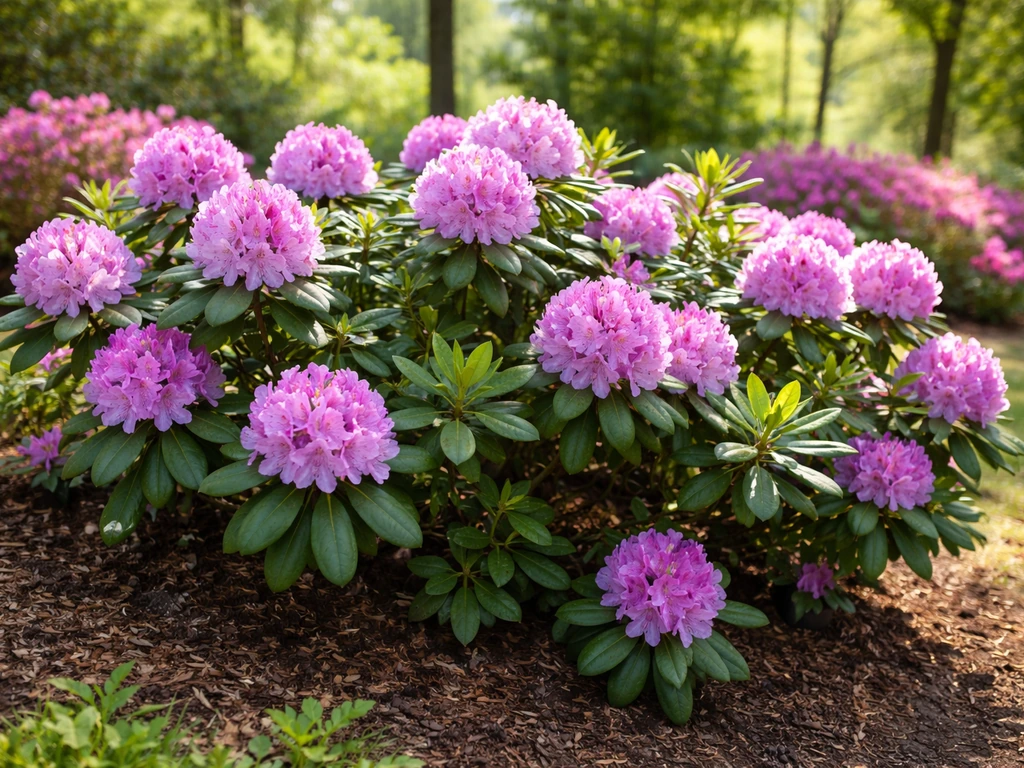
The Upstate region, with its cooler winters and mountain-influenced climate, is hands-down the easiest place to grow them successfully. As you move toward the Midlands and especially the Lowcountry coast, summer heat and milder winters start working against most standard cultivars. Pick the right type, get the soil conditions right, and rhododendrons can be a stunning part of your landscape. Get those wrong, and you'll be replacing a dead shrub within a couple of seasons.
How South Carolina's climate stacks up for rhododendrons
South Carolina isn't a single climate. The Upstate, including areas around Greenville and Spartanburg, sits mostly in USDA hardiness zone 7b. The Midlands, centered around Columbia, falls into zone 8a. The Lowcountry and coastal areas around Charleston and Hilton Head push into zone 8b and even zone 9 in spots. That range matters enormously for rhododendrons, which are cold-adapted plants that need a real winter to perform their best.
The USDA Plant Hardiness Zone map (updated in 2023 using 1991–2020 temperature data) breaks zones into 5°F half-zones, so knowing whether you're in 8a vs. 8b isn't splitting hairs. It's the difference between a rhododendron that survives and one that slowly declines. The practical takeaway: Upstate SC is your sweet spot, the Midlands is workable with the right cultivar choices, and the coast is genuinely difficult for most rhododendrons.
Which rhododendrons actually fit South Carolina
Native species with built-in local adaptations
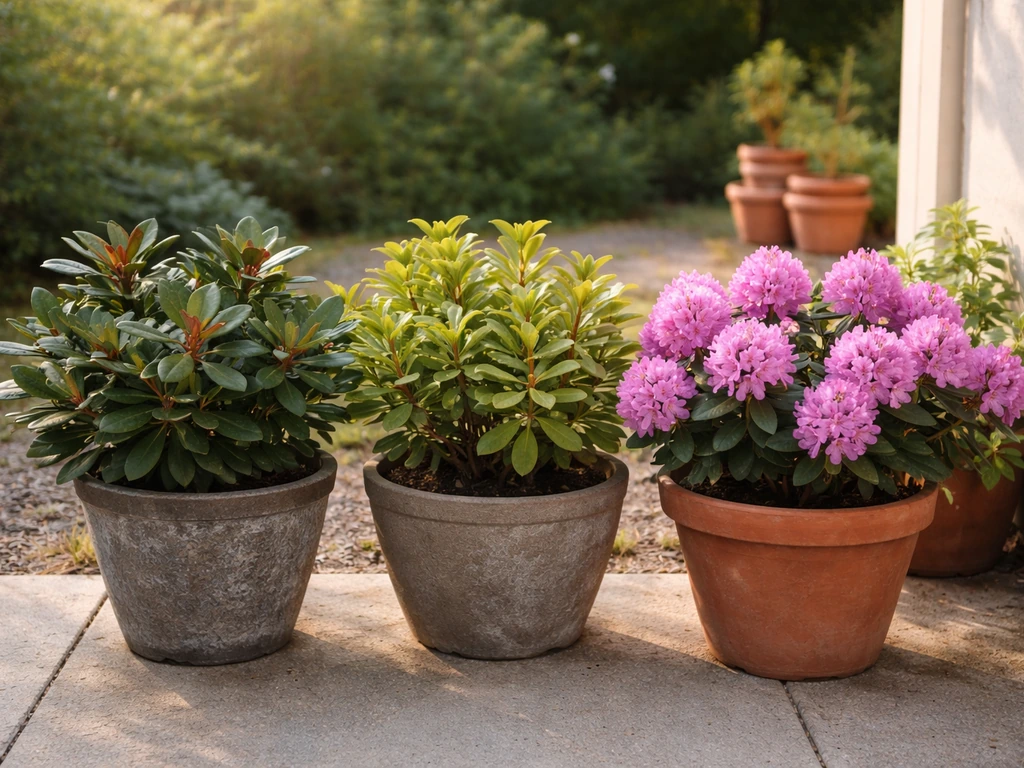
South Carolina has its own native rhododendrons, and they deserve serious consideration before you buy anything from a big-box store. Rhododendron atlanticum, the Atlantic azalea or dwarf azalea, is a South Carolina native that evolved in coastal understory conditions, making it naturally adapted to the soil chemistry and light patterns found here. Rhododendron carolinianum (Carolina rhododendron) is native to mountain slopes and ridges, thriving in acidic, well-drained soils at elevation. If you're in the Upstate and want something that genuinely belongs in the regional landscape, these native species are worth seeking out at a specialty nursery.
Cultivated types worth planting in SC
For most homeowners buying from nurseries, the go-to workhorse is Rhododendron catawbiense and its many hybrids. The Catawba rosebay is cold-hardy down to about -25°F and is rated for USDA zones 4 through 8, which covers the entire Upstate and most of the Midlands with room to spare. The cultivar 'Grandiflorum' is a classic example: reliable, cold-tough, and well-suited to the partial-shade and acidic-soil conditions the Upstate provides. For colder Upstate pockets, 'PJM' is another dependable choice with vivid spring flowers and proven cold hardiness. In warmer Midlands and Lowcountry areas, look for heat-tolerant hybrids specifically bred for zone 8 or warmer conditions rather than grabbing whatever's on the shelf.
| Type/Cultivar | Hardiness Zone | Best SC Region | Notes |
|---|---|---|---|
| Rhododendron catawbiense (Catawba) | Zones 4–8 | Upstate, Midlands | Cold-tough, widely available, parent of many hybrids |
| 'Grandiflorum' | Zones 4–8 | Upstate, Midlands | Classic cultivar; needs part shade and acidic soil |
| 'PJM' | Zones 4–8 | Upstate | Cold-hardy, vivid spring flowers, good for cooler pockets |
| Rhododendron carolinianum (Carolina) | Zones 5–8 | Upstate | Native mountain species; acidic, well-drained soils |
| Rhododendron atlanticum (Atlantic) | Zones 5–9 | Upstate, Midlands, coast | SC native; evolved for coastal understory conditions |
| Heat-tolerant zone 8 hybrids | Zones 7–9 | Midlands, Lowcountry | Seek nursery-confirmed zone 8+ ratings for warmer areas |
Sun, shade, soil, and moisture: getting the basics right
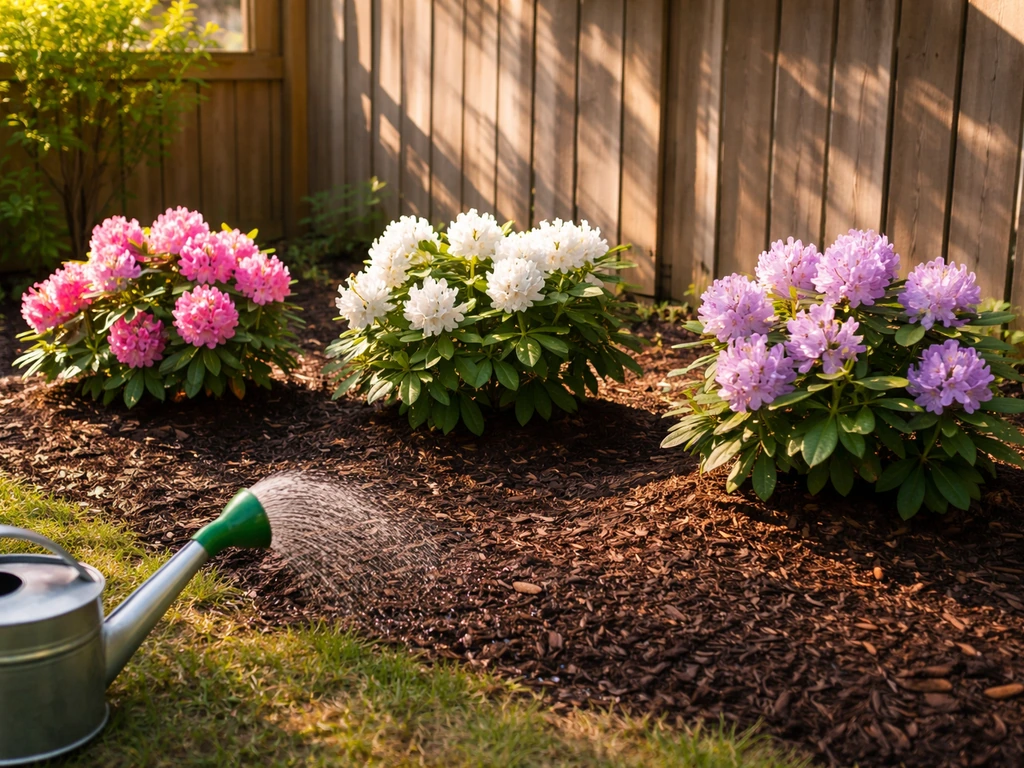
Rhododendrons want partial shade, and in South Carolina that means protecting them from hot afternoon sun. A spot with morning sun and afternoon shade from a building, fence, or mature tree is close to ideal. Clemson Extension is direct about this: avoid southern exposures and foundation planting situations that get blasted by hot afternoon sun. That exposure accelerates stress, increases winter injury risk, and shortens the plant's life in warmer zones.
Soil is where most failures actually start. Rhododendrons need a soil pH between 4. 5 and 6. 0.
South Carolina soils vary, but many areas, especially in the Midlands and Lowcountry, can drift outside that range. Get a soil test before you plant (Clemson Extension offers affordable testing). If pH is off, you'll need to amend before you put anything in the ground.
Clemson Extension soil-pH management guidance notes that azaleas, rhododendrons, and camellias are sensitive to soil pH and may need soil-pH adjustment based on soil testing [If pH is off, you'll need to amend before you put anything in the ground. ](https://www. clemson. edu/public/regulatory/ag-srvc-lab/soil-testing/pdf/ph-management.
pdf). Beyond pH, drainage is non-negotiable. Rhododendrons have shallow, fibrous roots that are extremely vulnerable to Phytophthora root rot in poorly drained spots. Never plant them where water pools after rain, near downspouts, or in compacted clay without serious amendment.
Moisture is the third leg of the stool. Rhododendrons need consistently moist soil, but not wet soil. That sounds like a contradiction, but it just means you want soil that holds moisture while still draining well. A 3- to 4-inch layer of organic mulch (pine bark or pine straw works great and keeps the pH acidic) helps retain moisture, moderate soil temperature, and protect those shallow roots. During the first growing season, water regularly and don't assume rainfall will cover it.
Where heat and winter cold create problems
Winter cold is a more nuanced issue than most people expect. In the Upstate's zone 7b areas, rhododendrons handle cold just fine, but bud kill from late cold snaps is a real risk, especially if plants broke dormancy early during a warm spell. The most visible symptom is buds that simply don't open in spring, which UConn Extension identifies as the classic sign of winter injury. Wind exposure compounds the problem by causing leaf scorch on evergreen types, so a wind-sheltered planting spot matters as much as the sun angle.
Summer heat is the bigger challenge for most of South Carolina. Standard cold-climate rhododendrons struggle when temperatures regularly push into the 90s with high humidity for weeks at a time. The Lowcountry's zone 8b and 9 conditions are genuinely tough. It's not impossible to grow rhododendrons there, but you'll need to work harder to provide shade, maintain consistent moisture, and choose cultivars specifically rated for warm climates. Compare this to a state like Texas, where rhododendrons face even more extreme heat constraints, and South Carolina's Upstate and Midlands start to look quite friendly by comparison.
What to look for when buying rhododendrons in South Carolina
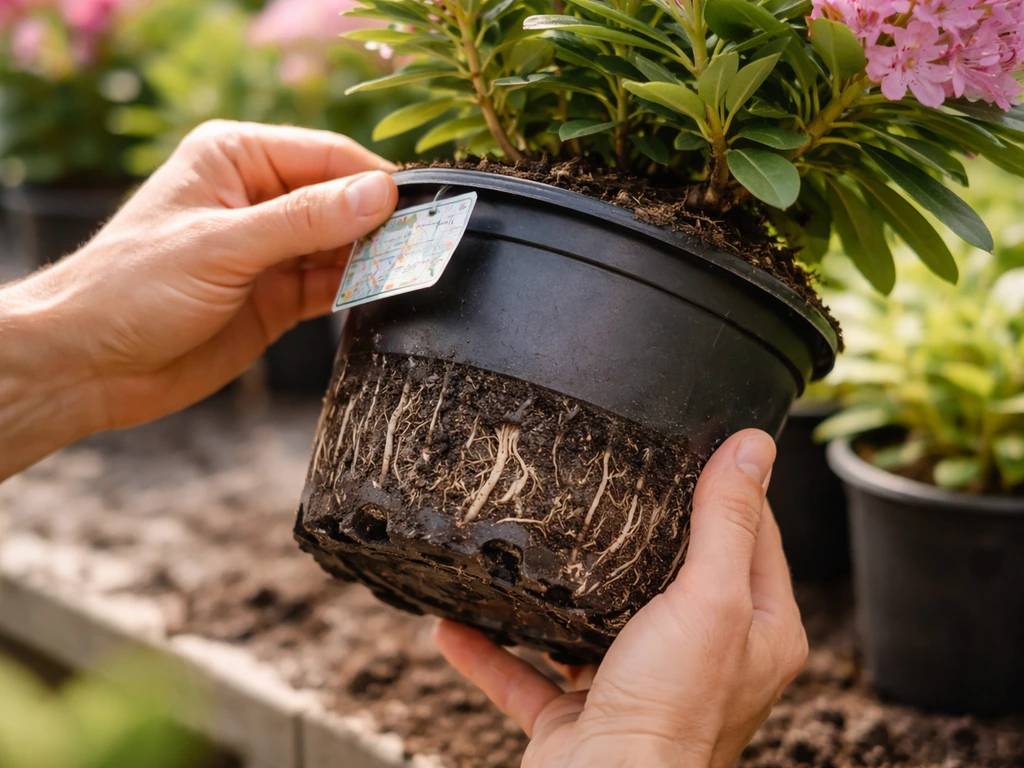
The biggest mistake I see is buying a rhododendron based on a photo of the flowers without checking what zone it's actually rated for. Before you buy anything, confirm the plant's hardiness zone range matches your specific SC location. Don't assume that everything sold at a local garden center is appropriate for your part of the state.
When you're at the nursery, look at the root ball quality. Avoid plants with circling or matted roots or any signs of black, mushy roots, which can indicate root rot is already underway. Choose a compact, well-branched plant over a leggy one. Ask the nursery staff specifically whether the cultivar performs in your zone, not just whether it's sold in South Carolina. A specialty nursery that focuses on native plants or acid-loving shrubs is often a better source than a general home improvement store, especially if you're in the Midlands or Lowcountry where cultivar selection really matters.
- Check the plant tag for USDA hardiness zone range and confirm it matches your SC zone (7b Upstate, 8a Midlands, 8b–9 Lowcountry).
- Get a soil test before planting and confirm pH is between 4.5 and 6.0, or be prepared to amend.
- Choose a planting site with morning sun and afternoon shade, away from southern exposures and heat-reflecting walls.
- Confirm excellent drainage at your planting site before digging. Avoid low spots, areas near downspouts, or heavy compacted clay.
- Inspect the root ball: no circling roots, no black or mushy roots.
- Plan to mulch 3 to 4 inches deep with pine bark or pine straw and water consistently during the first full year.
If you're comparing your situation to gardeners in other challenging climates like Colorado's cold winters or Southern California's dry heat, South Carolina's Upstate actually sits in a relatively comfortable middle ground for rhododendrons. The combination of adequate rainfall, acidic native soils, and moderate winter cold means the conditions you need to create aren't as extreme as in many other states. That said, if you're wondering do rhododendrons grow in Minnesota, the key is matching the right cold-hardy cultivar to your USDA zone and giving them a reliable, well-draining acidic soil. Match the right cultivar to your zone, fix the soil pH, provide afternoon shade, and these are genuinely rewarding plants to grow here.
FAQ
Can I grow rhododendrons in the Lowcountry or coastal South Carolina if I use afternoon shade and mulch?
Yes, but only if you match the cultivar to your exact USDA zone and your site’s microclimate. A coastal Lowcountry garden with 8b to 9b conditions can still grow rhododendrons if you provide stronger afternoon shade, maintain evenly moist soil with mulch, and select cultivars marketed as heat tolerant for zone 8 or warmer. If you only have full sun or the soil dries out between rains, container growth is usually more reliable than planting in-ground.
How can I tell if my rhododendron failure is from winter injury versus soil or watering problems?
It depends on the type of rhododendron. Many common evergreen rhododendrons need winter-protective care in the Upstate when bud kill happens after late cold snaps. If you see buds that stay closed in spring, that’s a sign of winter injury rather than a planting problem. Leaf scorch on evergreen foliage also points to wind exposure, so adding wind shelter can prevent repeat damage.
What planting mistakes most often cause rhododendron root rot in South Carolina soils?
Planting depth matters. Keep the root ball at or slightly above the surrounding soil level so shallow roots don’t sit in saturated ground. Also, avoid burying the crown, because that can worsen rot risk in poorly drained spots. If your site tends to pool water, raised beds or improved drainage are usually necessary before planting.
If my rhododendron is struggling, should I fertilize right away, or should I recheck soil pH first?
A soil test is ideal because pH issues can look like “general decline.” For example, a rhododendron with correct watering and partial shade can still thin out or stop flowering if pH is too high. If your test shows pH above your target range, amend before planting rather than trying to correct it with fertilizer alone.
How often should I water rhododendrons in South Carolina, especially in summer?
Frequent but shallow watering can be worse than deeper, steadier moisture, especially during establishment. In SC, aim for consistently moist conditions in the first growing season, then reduce frequency once roots are established, while still avoiding drying out during hot spells. Let the top layer dry slightly between waterings if you have good drainage, but do not let the root zone fully dry.
What’s the best way to use mulch for rhododendrons in SC without causing crown rot?
Mulch is helpful, but timing and placement matter. Keep mulch 2 to 4 inches deep and avoid piling it against the plant crown or trunk, since that can trap moisture and contribute to rot. In colder Upstate pockets, you may also want to keep an eye on whether mulch shifts or compacts after winter storms, since compaction can worsen drainage.
Can I fix rhododendron problems with acid fertilizer, or do I still need amendments?
Yes, but don’t rely on “any acid fertilizer” as a substitute for drainage and correct pH. Rhododendrons generally respond better to feeding that supports growth without driving soft, injury-prone flush. If your soil test is off, correcting pH first usually improves results more than adding extra fertilizer.
Are native rhododendrons like Rhododendron atlanticum and Rhododendron carolinianum easier to grow than hybrids in South Carolina?
Some growers have better luck with native South Carolina rhododendron types in the regions where they evolved. If you’re in the Upstate, Carolina rhododendron can be a strong choice for acidic, well-drained soils influenced by elevation. If you’re closer to coastal understory conditions, Atlantic azalea (dwarf azalea) is often a more natural fit. Still, check the specific cultivar’s sun and moisture needs.