
Yes, jasmine can grow in Wisconsin, but the answer depends almost entirely on which jasmine you mean. Winter jasmine (Jasminum nudiflorum) is genuinely cold-hardy and can live outdoors year-round in most of the state. True jasmine, like Arabian jasmine (Jasminum sambac), is a Zone 9-11 plant and will not survive a Wisconsin winter in the ground. If you buy the wrong one and plant it outside, you will lose it by February. Get the right one for your goals and you will have a jasmine that actually thrives here.
Can Jasmine Grow in Wisconsin? Types, Zones, and How to Succeed
Marcus Hartwell
25 Apr 2026
First, which jasmine are you actually talking about?
This is the most important question to answer before you spend a dollar at the nursery. "Jasmine" is a common name applied to several completely different plants, and the species matters enormously in a cold climate like Wisconsin. The three you are most likely to encounter are winter jasmine, common jasmine, and Arabian jasmine. There is also a fourth plant, mock orange (Philadelphus), that gets labeled as jasmine in some garden centers because of its fragrance, but it is not a Jasminum at all. Confederate or star jasmine (Trachelospermum jasminoides) is another non-Jasminum plant sometimes sold under the jasmine name. Knowing exactly what you are buying will determine whether your plant survives or dies come January.
| Common Name | Botanical Name | Hardy to Zone | Fragrant? | Wisconsin Outdoor Viability |
|---|---|---|---|---|
| Winter Jasmine | Jasminum nudiflorum | Zone 6 (some sources list to Zone 5 with protection) | No | Yes, most of southern and central WI |
| Common/True Jasmine | Jasminum officinale | Zone 7 | Yes | Marginal, southern WI only with protection |
| Arabian Jasmine | Jasminum sambac | Zone 9-11 | Yes (very strongly) | No, containers and indoor overwintering only |
| Pink Jasmine | Jasminum polyanthum | Zone 8-11 | Yes | No, containers and indoor overwintering only |
| Mock Orange | Philadelphus spp. | Zone 4-9 | Yes (similar scent) | Yes, reliably hardy across most of WI |
One thing worth flagging up front: winter jasmine does not have that classic heady jasmine fragrance. It is grown for its bright yellow flowers on bare stems in late January and February, not for scent. If fragrance is your main goal, winter jasmine will disappoint you, and you may want to plan around a container strategy with Arabian jasmine instead.
Wisconsin's climate reality: what jasmine is up against
Wisconsin runs through four USDA hardiness zones on the updated 2023 map: Zone 3b in a few small pockets near Hayward and northwestern corners, Zone 4 across most of the north and central interior, Zone 5 through a wide central band, and Zone 6a pushing into parts of the southeast corner including the Milwaukee and Kenosha area. Zone 3b sits at -30°F to -35°F average annual minimums, though the Wisconsin Extension notes it has nearly disappeared from the map as climate normals have shifted. Most Wisconsin gardeners are working in Zones 4 through 5b, which means lows that regularly hit -10°F to -20°F.
Those temperatures are the starting point, but the Wisconsin Extension is clear that zone ratings only tell part of the story. Wind exposure, snow cover, soil drainage, and unusual warm spells followed by hard freezes all affect whether a plant survives. A jasmine rated to Zone 6 might make it through a mild winter in Madison but get killed back to the roots in a year with an unexpected polar vortex. That variability is something every Wisconsin gardener has to plan around.
Can winter jasmine grow outdoors in Wisconsin year-round?
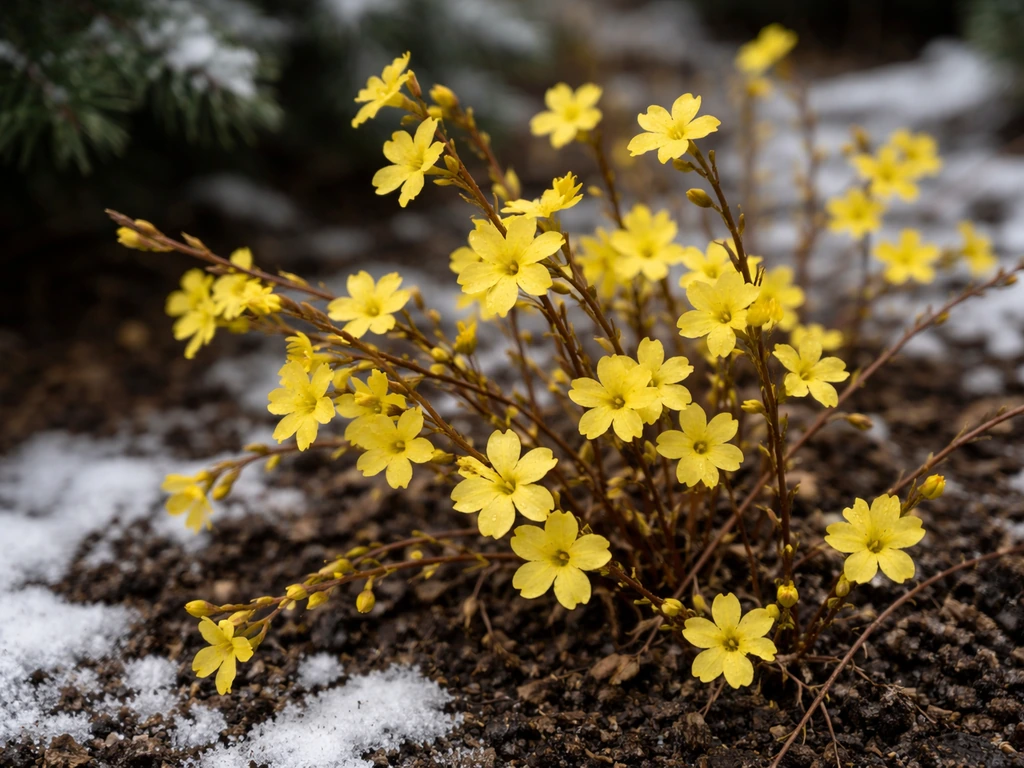
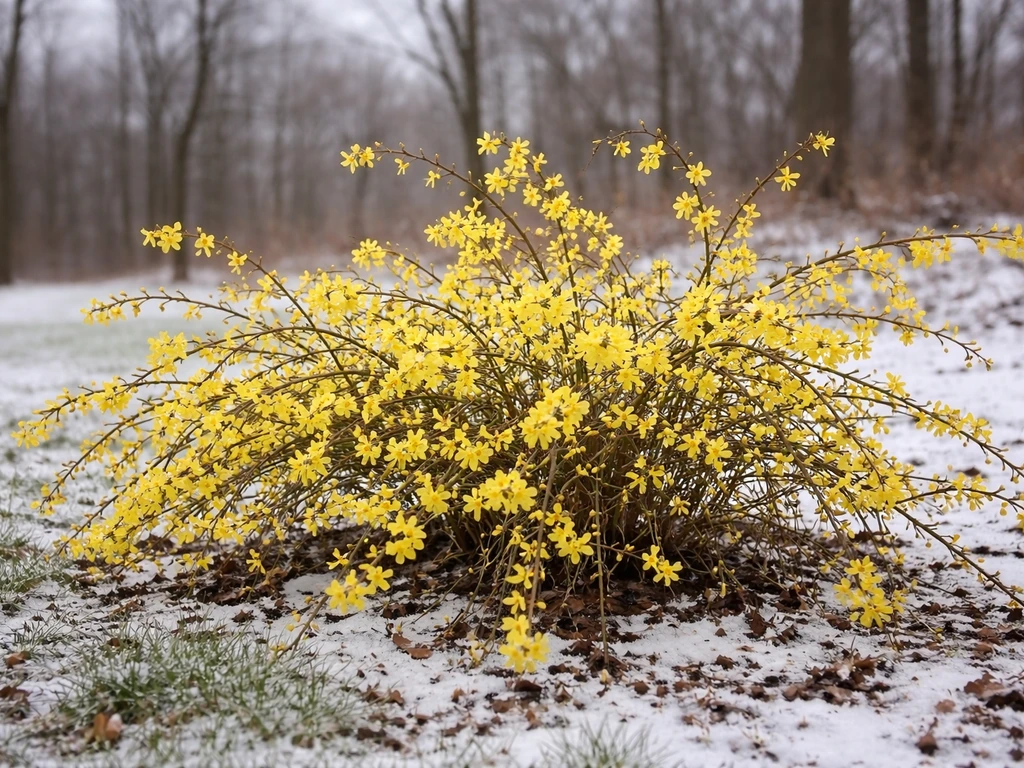
Winter jasmine is the most cold-tolerant of the Jasminum species and is listed as hardy to Zone 6, with some gardeners successfully growing it in protected Zone 5 spots. That puts it in a workable but not guaranteed range for Wisconsin. In the southern tier of the state, particularly the Zone 5b and 6a areas around Madison, Janesville, Racine, and Milwaukee, winter jasmine is a realistic outdoor shrub. It is a deciduous, sprawling plant with arching branches that can root where they touch soil, forming a wide cascading mound. It is often used to drape over walls or retaining structures.
The flowers appear in late January to February on bare stems before any leaves emerge (the species name nudiflorum literally means naked flower), which is striking in a Wisconsin February. But here is the practical catch: Wisconsin winters sometimes deliver a warm spell that triggers the buds, followed immediately by a hard freeze that kills those open flowers. You may get a great bloom year followed by a year where the flowers are wiped out entirely. The plant itself usually survives even if the flowers get knocked back, so you are not losing the plant, just the show. Factor that into your expectations.
In Zone 4 and Zone 3b parts of the state (think Wausau north through Rhinelander and beyond), winter jasmine outdoors is a long shot. You might get it through some years with heavy mulching and a sheltered microclimate, but die-back will be a recurring problem and it is probably not worth the effort when better-adapted plants exist.
Can true or Arabian jasmine grow in Wisconsin, and how do you make it work?
Arabian jasmine (Jasminum sambac) and pink jasmine (Jasminum polyanthum) are Zone 9-11 plants. They cannot tolerate freezing temperatures at all, full stop. The Missouri Botanical Garden is explicit about this: south of Zone 9, they are container or greenhouse plants. For Wisconsin, that means you can absolutely grow Arabian jasmine, but it lives in a pot, spends summer on your patio or deck, and comes indoors before the first frost in September or October.
Indoors, Arabian jasmine needs a bright window with as much sun as possible, or a grow light setup. It prefers loose, humusy, well-drained soil kept evenly moist. It is a vigorous grower and can bloom repeatedly through the year when conditions are right, and the fragrance is genuinely spectacular. Many Wisconsin gardeners treat it the same way they treat a patio hibiscus: outside from May through early September, then overwintered in a bright room or a greenhouse. It takes some work, but it is very doable and the plant rewards you.
Common jasmine (Jasminum officinale), the white-flowered fragrant summer bloomer, is hardy to around Zone 7. That means it is always going to be a stretch in Wisconsin, even in the warmest corners. You could try it in a very sheltered Zone 6a microclimate in Milwaukee or Kenosha with aggressive winter protection, but you are gambling. Most people find the container approach less stressful and more reliable for any of the fragrant true jasmines.
Where in Wisconsin jasmine is most likely to succeed
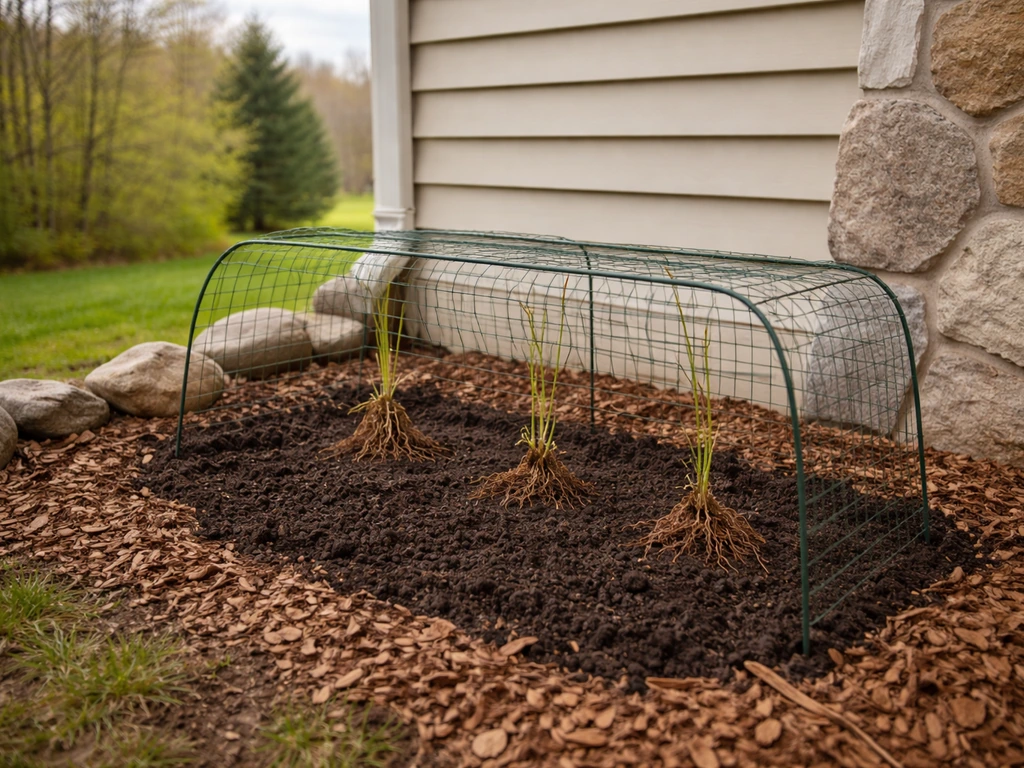
Southern Wisconsin, particularly the Zone 5b and 6a corridor from the Illinois border up through Madison and the Milwaukee metro, gives you the best shot at outdoor winter jasmine. The longer growing season, slightly warmer average lows, and availability of urban heat islands in places like Milwaukee make a real difference. If you are in that zone and you have a south or southwest-facing wall that traps heat, you have genuinely good odds with winter jasmine in the ground.
Central Wisconsin (Zone 4b to 5a, areas like Stevens Point, Wausau, and Wisconsin Rapids) is a gray zone for winter jasmine. It can survive some winters but will struggle in tough years. A sheltered microclimate like a courtyard, a planting bed against a south-facing brick wall, or a spot with consistent snow cover helps considerably. Without one of those advantages, expect periodic die-back.
Northern Wisconsin (Zone 3b to 4a, from Rhinelander up through Ashland, Superior, and the UP border) is not realistic for outdoor jasmine of any kind in the ground. Container jasmine brought indoors for winter is your only practical path. If you are in northern Wisconsin and comparing notes with someone trying jasmine in Minnesota, you are dealing with essentially the same situation: possible but only as a container plant.
What to realistically expect: bloom, growth, and common setbacks
Winter jasmine grown outdoors in southern Wisconsin will give you sprawling, arching stems that can reach 4 to 5 feet in height and spread much wider over time. The branches root where they touch the ground, so it spreads slowly on its own. Flowers appear in late January through February on leafless green stems, and a good bloom is genuinely impressive in the middle of a Wisconsin winter. In a bad year, a freeze after a warm spell wipes the flowers out but leaves the plant intact for next year.
One thing people are often surprised by: winter jasmine has no fragrance. If you are expecting that heady, sweet jasmine smell, you will not get it from this plant. It is a visual plant, full stop. The Arnold Arboretum calls it a dandy for winter color and recommends it cascading over walls and terraces, which is really its best use.
For container-grown Arabian jasmine, expect a vigorous vining or shrubby plant that blooms on and off through the warm months. Indoors over winter, growth slows but does not stop entirely if light is adequate. The most common setbacks are overwatering in low-light winter conditions, spider mites when brought indoors, and the shock of transitioning between very different environments. Give it a transition period in a sheltered outdoor spot before bringing it fully inside.
- Winter jasmine may fail to flower in years with erratic winter warm-cold cycles, even when the plant itself survives
- Wrong-type purchases are the number one reason jasmine dies in Wisconsin: a Zone 9 plant sold in a generic pot labeled 'jasmine' will not make it through one winter outdoors
- Poor site selection, specifically no wind protection and no heat-trapping structure nearby, is the second most common cause of failure for borderline-zone plants
- Container jasmines brought indoors too late will suffer cold damage even before a hard frost hits
- Overwatering indoors in winter is a leading killer of container jasmine
How to buy right and protect your plant through winter
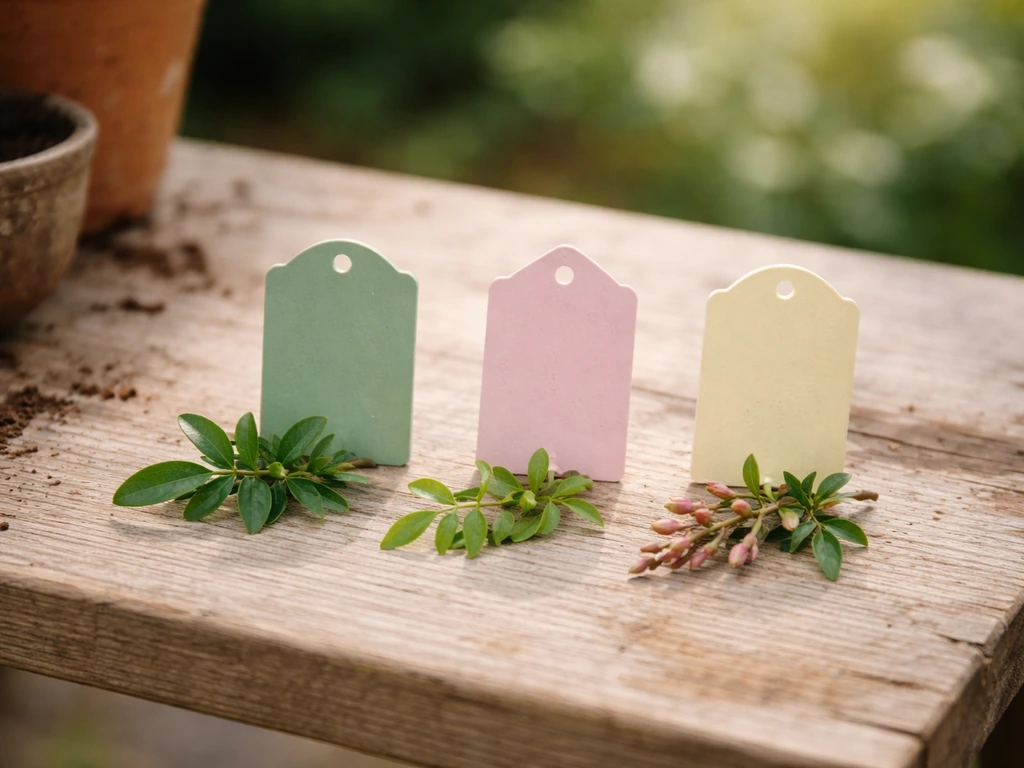
Before you buy anything, read the plant tag and confirm the botanical name. If it says Jasminum nudiflorum, you have winter jasmine and it is your best bet for in-ground planting in southern and central Wisconsin. If it says Jasminum sambac, polyanthum, or officinale, plan on container culture and indoor overwintering from the start. If the tag just says 'jasmine' with no botanical name, ask the nursery staff or look it up before committing.
For in-ground winter jasmine in southern Wisconsin, pick a spot against a south or southwest-facing wall or fence that will absorb heat during the day and radiate it back at night. Plant in spring after the last frost, give it a full growing season to establish, and do not expect much from it the first winter. A well-established root system is what gets it through tough winters.
Winter protection checklist for in-ground winter jasmine
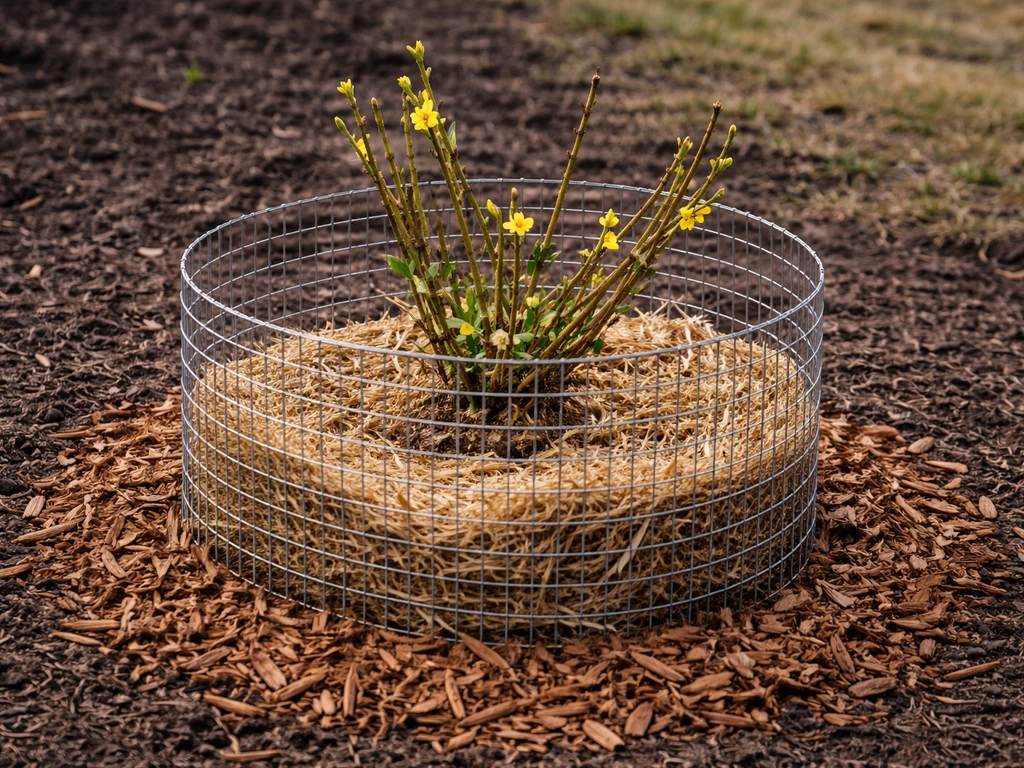
- Apply 3 to 4 inches of mulch (shredded bark or straw) around the base after the ground cools in late October or November to protect roots
- Choose a south or southwest-facing site with a wall or fence that provides wind protection
- Avoid low-lying frost pockets where cold air settles on still nights
- Do not fertilize after late July, which encourages soft new growth that is more vulnerable to early freezes
- Leave stems in place over winter rather than cutting back in fall; they provide some insulation and you can assess die-back in spring
- In Zone 4b and colder, consider a burlap wrap around the plant from November through March
- Cut back any winter-killed stems to healthy green wood in early spring, usually March or April
Winter protection checklist for container true jasmine
- Bring containers indoors before the first frost, typically by late September in northern Wisconsin and mid-October in the south
- Place in the brightest window available, ideally south-facing, or supplement with a grow light
- Reduce watering significantly in winter but do not let the soil dry out completely
- Check regularly for spider mites, which thrive on stressed indoor plants in dry winter air
- Start transitioning back outdoors in mid-May after frost risk has passed, beginning in a sheltered shady spot before moving to full sun
The bottom line: which jasmine should you grow in Wisconsin?
If you want a jasmine that lives in the ground and handles Wisconsin winters without fuss, winter jasmine (Jasminum nudiflorum) in southern or central Wisconsin is your answer. Site it well, mulch it, and you have a low-maintenance plant with February flowers that will stop people in their tracks. If you want fragrance, go the container route with Arabian jasmine: pot it, summer it outside, and bring it in. It is more work but the payoff is real. What you should not do is plant a Zone 9 fragrant jasmine in the ground and hope for the best. That is the one move that guarantees disappointment. Wisconsin gardeners dealing with similar questions in neighboring states face the same fundamental trade-off, whether that is someone in Minnesota wrestling with Zone 3 and 4 winters or a gardener in Michigan's southern tier trying to push Zone 5 limits. If you are wondering can jasmine grow in Michigan, the same rule applies: match the type of jasmine to your cold-hardiness zone or use a container approach gardener in Michigan's southern tier. If you are asking can jasmine grow in Chicago, you should use the same idea: match the jasmine type to your cold-hardiness zone or plan on container growing for tender types can jasmine grow in Michigan. If you are asking can jasmine grow in Pennsylvania, you will still need to match the jasmine type to your cold-hardiness zone or plan to grow it in a container can jasmine grow in Michigan. The answer is always the same: match the plant to the zone or commit to a container strategy. Can jasmine grow in Ohio? The key is the same: choose the right jasmine for Ohio’s cold-hardiness zones or plan on container growing for the more tender types.
FAQ
How can I tell at the nursery whether my “jasmine” will survive a Wisconsin winter?
If the plant tag lists Jasminum nudiflorum, you can treat it as an in-ground shrub in southern Wisconsin with winter protection measures like heavy mulch and a wind-sheltered location. If the tag says Jasminum sambac, Jasminum polyanthum, or Jasminum officinale, plan on pot culture, indoor overwintering, and no expectation of survival outdoors through February freezes.
Will winter jasmine die if the flowers freeze after a warm spell?
Yes for winter jasmine. Expect to lose some or all blooms in years when a warm spell pushes bud break, then a hard freeze follows. The plant typically survives and leafs out again, so the worst-case outcome is a bad flowering year, not the death of the shrub.
Can I grow winter jasmine outdoors in my zone if I have a protected yard?
Before planting, confirm your microclimate, not just your USDA zone. A south or southwest wall, consistent snow cover, and excellent drainage can make winter jasmine succeed in borderline areas, while exposed sites with persistent winter wind and waterlogged soil raise the risk of die-back.
Does winter jasmine spread on its own in Wisconsin?
Yes, because winter jasmine can root where stems touch the ground. If you want more plants, you can encourage this by lightly covering a low, arching stem with soil. If you want to keep it from spreading, use pruning and maintain spacing, since it can slowly widen over time.
What are the most common mistakes when overwintering Arabian jasmine in Wisconsin?
For the fragrant true jasmines (especially Arabian jasmine), the biggest mistake is leaving it outdoors during freezing weather or moving it indoors too abruptly. Use a step-down transition, place it in a bright sheltered spot first, then bring it inside once nights are reliably cool, and avoid overwatering in low winter light.
When should I prune jasmine in Wisconsin if I want February blooms?
Winter jasmine can be pruned, but timing matters. Since the flowers form on older wood and arrive in late winter, major pruning is best done after flowering rather than in fall, so you do not remove next season’s buds.
How do I water container jasmine in Wisconsin winters without causing root problems?
For container Arabian jasmine, “overwatering” often looks like healthy growth that suddenly wilts. Use a pot with drainage holes, let the top inch of mix dry slightly between waterings, and reduce water during the darker winter indoors while still keeping the soil from drying completely.
My winter jasmine blooms are inconsistent. Is there a way to improve the odds?
If you are repeatedly losing blooms on winter jasmine, don’t automatically conclude the plant is doomed. Try a better site first (more sun, less wind, and ideally some snow coverage), then accept that bud-kill years happen in Wisconsin, especially in the late-December to February swing between thaw and freeze.
Is there any scenario where Arabian or common jasmine can live in the ground in northern Wisconsin?
Yes, but only winter jasmine is realistic for in-ground growth across most of Wisconsin’s feasible range. In northern Wisconsin, the practical approach for any scented or tender jasmine is container culture with indoor overwintering, because ground survival through cold snaps is unlikely.