
Yes, jasmine can grow in Pennsylvania, but the honest answer depends almost entirely on which jasmine you're talking about. The state spans USDA hardiness zones 5b through 7a, and that range makes a huge difference in what survives the winter versus what you'll be replanting every spring. If you want a no-fuss, reliable jasmine vine outdoors in Pennsylvania, you need to pick the right species and the right spot. Let me break it down clearly so you don't waste money on the wrong plant.
Can Jasmine Grow in Pennsylvania Yes With the Right Type
Marcus Hartwell
12 Apr 2026
The quick answer: which jasmines can actually grow in Pennsylvania
Pennsylvania is split into several climate zones, and the plant that works in Philadelphia's urban Zone 7a is not the same plant that will survive a Pocono Mountains winter in Zone 5b. Here's the short version by jasmine type:
| Jasmine Type | Hardiness Zones | Viable in PA? | Notes |
|---|---|---|---|
| Star jasmine (Trachelospermum jasminoides) | Zone 7a–10b | Marginal (SE PA only) | Best with south-facing wall, sheltered microclimate |
| 'Madison' star jasmine (T. jasminoides 'Madison') | Zone 7–10 | Possible in SE PA / Philadelphia area | Most cold-hardy star jasmine cultivar available |
| Common jasmine (Jasminum officinale) | Zone 7–10 | Marginal in warmest parts of PA | Needs very sheltered site, may die back each winter |
| Winter jasmine (Jasminum nudiflorum) | Zone 6–9 | Yes, throughout most of PA | Hardy, early bloomer, no fragrance |
| Hardy jasmine (Jasminum humile) | Zone 7–10 | Possible in SE PA only | Semi-evergreen, less commonly sold |
| Arabian jasmine (Jasminum sambac) | Zone 9–11 | No (outdoor) | Container only; bring indoors for winter |
The takeaway: if you live in the Philadelphia suburbs, Chester County, or anywhere in southeastern Pennsylvania where zones tick up toward 7a, you have real options. If you're in central PA, Pittsburgh, or anywhere north and west, winter jasmine (Jasminum nudiflorum) is your safest bet for an outdoor, in-ground plant.
Star jasmine vs. other jasmines: which one you can actually grow
This is where most Pennsylvania gardeners get tripped up. Star jasmine, also called Confederate jasmine (Trachelospermum jasminoides), is the fragrant, glossy-leaved vine you see all over the South and on the West Coast. It is gorgeous. It also has a cold tolerance problem. Depending on the source, it is rated anywhere from Zone 7a to Zone 8 as its northern limit, which puts most of Pennsylvania right on the edge or just outside the safe range. Southeastern PA, especially the Philadelphia metro area and surrounding counties, sits in Zone 7a, which technically overlaps with the lower end of star jasmine's range. But 'technically overlaps' is not the same as 'reliably survives.' Zone 7a means average winter lows of 0°F to 5°F, and a single hard winter dip below that will kill an unprotected star jasmine to the roots.
The cultivar 'Madison' is the one to look for if you're determined to grow star jasmine in Pennsylvania. It is consistently cited as the most cold-hardy variety available, rated for Zones 7–10, and gardeners in southeastern Pennsylvania have had success with it against a south-facing wall with good drainage. If you're comparing your options in a neighboring state, the same cultivar logic applies when considering whether jasmine can grow in Ohio, where zone conditions are similarly marginal.
True jasmines in the Jasminum genus are a different story. Common jasmine (Jasminum officinale) is fragrant and a classic, but it shares a similar cold sensitivity. blank" rel="noopener noreferrer">Winter jasmine (Jasminum nudiflorum) is the standout here: it's hardy to Zone 6 and sometimes Zone 5 with protection, it blooms in late winter before anything else in your garden wakes up, and it will take a Pennsylvania winter without drama. The catch is that it has no fragrance. If scent is the whole point for you, that's a real trade-off to think about.
Pennsylvania's climate and why it matters for jasmine survival
Pennsylvania ranges from Zone 4b in the northern highlands to Zone 7a in and around Philadelphia. The middle of the state, including much of central PA and the Pittsburgh area, falls in Zones 5b to 6b. Pittsburgh's January average low temperatures hover in the low 20s°F, with cold snaps that push well below 0°F in hard winters. That's simply too cold for star jasmine without serious protection, and even then survival is not guaranteed year to year.
The northeastern corner of the state, including the Wilkes-Barre and Scranton region, experiences some of the harshest winter conditions in Pennsylvania. Average winter lows there regularly reach the single digits, and the freeze-thaw cycling in late winter is particularly brutal on semi-hardy vines because roots that have started to come out of dormancy can be killed by a late frost. Philadelphia's climate is meaningfully warmer, with winter extremes moderated by the urban heat island and the influence of the Delaware Valley, which is why southeastern PA gets talked about as the one realistic zone for outdoor star jasmine in this state.
The other climate factor worth mentioning is summer heat. Jasmine needs heat to flower well, and Pennsylvania's summers are warm enough for that, especially in the south and central parts of the state. The problem is never summer. It's always winter. Pennsylvania gardeners trying star jasmine face a similar challenge as those further north, which is why resources on growing jasmine in Michigan or jasmine in Minnesota all arrive at the same conclusion: choose the hardiest cultivar and protect it aggressively.
Best planting spots and microclimates in your Pennsylvania garden
If you're planting star jasmine or common jasmine in Pennsylvania, location is everything. A microclimate can easily shift your effective growing zone by half a zone or more, and in a marginal situation like this, that's the difference between a plant that survives and one that dies back to the ground every February. Here's what you're looking for:
- South or southwest-facing wall or fence: Masonry walls absorb heat during the day and release it at night, buffering the plant against hard frosts. This single factor is the most commonly cited reason why a Zone 7a gardener can keep star jasmine 'Madison' alive through a Philadelphia-area winter.
- Protection from north and northwest winds: Cold wind is more damaging than cold air alone. A fence, hedge, or building on the north side of your planting site dramatically reduces desiccation and freeze damage.
- Well-drained soil: Jasmine roots sitting in wet, frozen soil in January are going to rot. Amend heavy clay soils with compost and grit, or build up a raised bed to improve drainage. This is non-negotiable in PA's wet winters.
- Urban and suburban heat pockets: Gardens in Philadelphia, Allentown, Reading, or Lancaster city limits often run a half-zone warmer than the surrounding countryside. If you're in one of those urban cores, you're working with a small but real advantage.
- Avoid frost pockets: Low spots in the garden where cold air settles on calm, clear nights can be several degrees colder than a nearby slope or raised bed. If you've ever seen frost hit one corner of your yard first, that's a frost pocket. Keep jasmine away from it.
The south-facing wall strategy is worth emphasizing because it works. A brick or stone wall on a sunny exposure in southeastern Pennsylvania creates conditions that can make a Zone 7a site feel almost like Zone 7b for the plant roots and crown. Gardeners in the Chicago area use a very similar approach for marginally hardy plants, and you can read more about those techniques if you're curious how jasmine performs in Chicago's climate, which is comparable to central Pennsylvania in some respects.
How to get star jasmine through a Pennsylvania winter
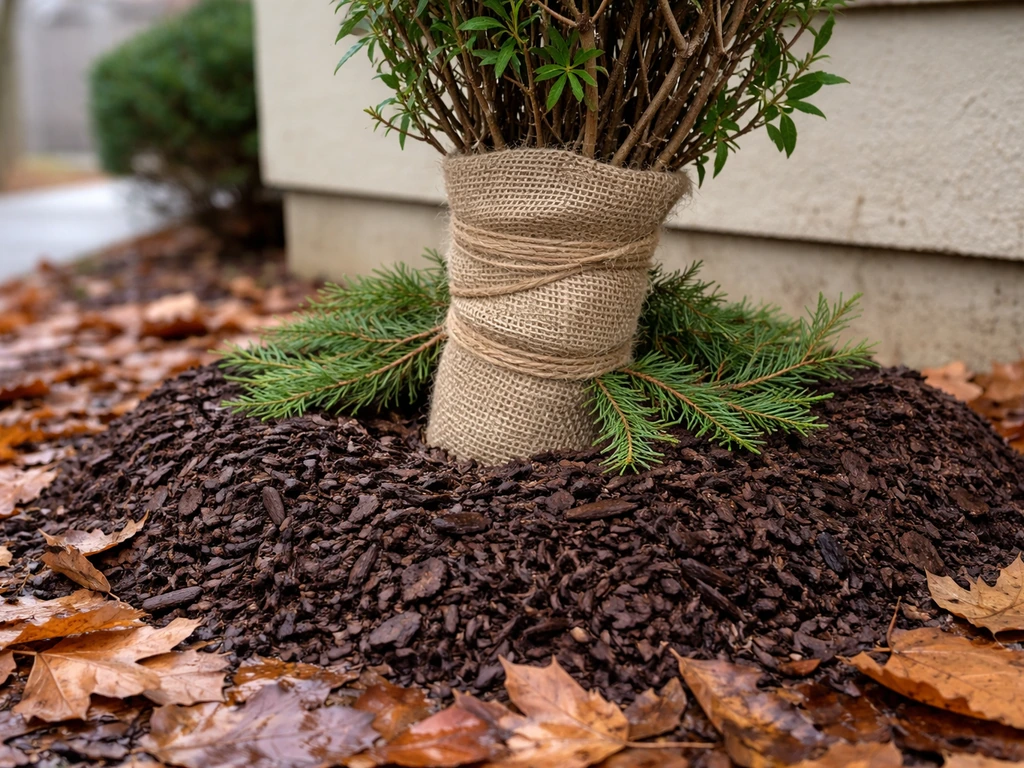
Overwintering is where most Pennsylvania gardeners lose their jasmine, and it's almost always preventable with a little preparation in fall. Here's a practical approach:
- Mulch the root zone heavily in late October or early November, before the ground freezes hard. Apply 6 to 8 inches of shredded bark, straw, or leaf mulch mounded around the base of the plant. This insulates the roots and crown, which is where the plant's ability to regenerate lives. Even if the top growth dies back, a protected root system can push new growth in spring.
- Wrap the vine loosely with burlap or frost cloth if you're in Zone 6b or colder. Don't wrap tightly because you want some air circulation to prevent fungal issues, but a burlap screen on the wind-facing side of the plant significantly reduces desiccation damage from winter wind.
- For container-grown jasmine, move the pot into an unheated garage, basement, or enclosed porch before the first hard freeze. Temperatures just above freezing (around 35–45°F) are ideal for dormancy without killing the plant. Water sparingly during this period.
- In late winter or early spring, resist the urge to cut back damaged stems immediately. Wait until you see new growth emerging from the base or lower stems, then prune away the dead material. What looks dead in February sometimes has life in the lower nodes.
- Plan for the possibility of die-back. Even in Zone 7a, star jasmine may die back to the roots in a hard winter and still recover. If you go into it expecting that, you won't be devastated when it happens, and you'll be pleasantly surprised in the years when it doesn't.
These same strategies apply across the colder parts of the Mid-Atlantic and Midwest. Gardeners wrestling with similar conditions can find relevant guidance on growing jasmine in Wisconsin or on the challenges specific to jasmine in New England, where overwintering protection is equally critical.
Getting jasmine to actually flower: sun, soil, water, and pruning
Surviving winter is one challenge. Blooming is another. Jasmine that is alive but stressed rarely flowers well, and Pennsylvania gardeners sometimes end up with a plant that lives but doesn't perform. Here's what it needs to bloom reliably:
Sun
Full sun, at least 6 hours of direct sun per day, is essential for good flowering. Star jasmine will tolerate part shade but flowers best in full sun. A south-facing wall site that protects it in winter also tends to be the sunniest exposure in the garden, so the placement works double duty.
Soil
Well-drained, moderately fertile soil with a slightly acidic to neutral pH (6.0 to 7.0) is ideal. Pennsylvania soils vary widely, from the heavy clay in parts of the Piedmont to the rocky, acidic soils of the highlands. Amend with compost before planting to improve drainage and fertility. Avoid planting in spots where water pools after rain.
Watering
Water consistently during the first growing season to establish the root system. Once established, jasmine is reasonably drought-tolerant, but in Pennsylvania's hot, humid summers it benefits from deep watering every week or so during dry spells. Avoid overhead watering if you can because wet foliage in humid conditions invites fungal problems.
Pruning
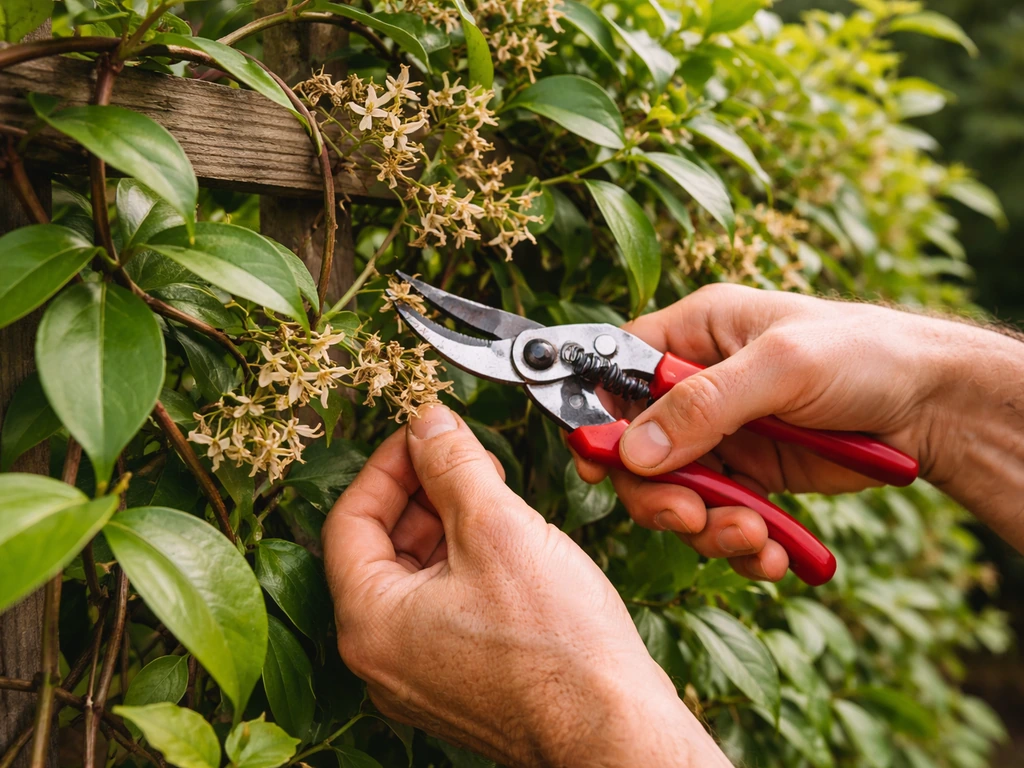
Timing your pruning correctly is one of the more important things you can do for flowering. For star jasmine and common jasmine, prune after the blooming cycle ends, typically in late spring to early summer after the flowers fade. Pruning too early in the season removes the buds before they open, which is a frustrating mistake to make. In Pennsylvania, where you may also be removing winter-damaged stems in spring, do that triage pruning first, then do any shaping after flowering. For winter jasmine, prune right after it finishes blooming in late winter or early spring since it flowers on the previous year's wood.
Where to buy jasmine in Pennsylvania and what to realistically expect
Finding star jasmine locally in Pennsylvania can be hit or miss. Large national nursery chains occasionally carry it in spring, but you're more likely to find Trachelospermum jasminoides at independent nurseries and specialty growers, especially in the southeastern part of the state. If you're looking for the 'Madison' cultivar specifically, call ahead before making a trip, because it's not on every shelf. Online nurseries and mail-order specialists are often the most reliable source for specific cultivars, and spring is the right time to order, once the risk of hard shipping frosts has passed.
Winter jasmine (Jasminum nudiflorum) is more widely available at Pennsylvania garden centers because it's genuinely hardy here. If your local garden center stocks jasmine at all, this is likely what they carry. It's sold in gallon containers in spring and is straightforward to plant. Don't expect fragrance, but do expect a very tough, early-blooming vine that turns bare winter stems into yellow flowers in February or March.
Before you buy anything, be realistic about your zone and your site. If you're in Philadelphia or the immediate suburbs, star jasmine 'Madison' in a sheltered south-facing spot is a reasonable experiment. If you're in Harrisburg, Allentown, or anywhere in central PA, you're stretching the limits of what star jasmine will reliably do outdoors. You can try it with aggressive winter protection, but go in with realistic expectations. The same honest calculation applies in other mid-Atlantic and northeastern states, and it's worth understanding how jasmine fares in Ohio as a comparison point, since Ohio gardeners face a nearly identical decision.
The short version: buy winter jasmine if you want something that will definitely survive and bloom every year anywhere in Pennsylvania. Buy star jasmine 'Madison' if you're in the southeast, you have the right sheltered microclimate, and you're willing to mulch and protect it each fall. Skip Arabian jasmine for outdoors entirely. And if you're still undecided, talk to a local independent nursery in your county. They'll know exactly what overwinters in your specific area better than any zone map can tell you.
FAQ
Can I grow star jasmine in Pennsylvania if I’m willing to cover it during winter?
You can try, but winter cover is not the same as guaranteed survival. If temperatures drop well below typical Zone 7a lows or if freeze-thaw cycles tear up the crown, you may still lose it to the roots. Use the thick mulch and plant in a sheltered south-facing spot, and consider treating it as a “survival with dieback risk” plant rather than a sure thing.
What’s the best way to protect star jasmine in fall if my site is marginal?
Focus on insulating the crown and keeping moisture balanced. Apply a deep layer of mulch after the first hard frost, avoid piling mulch directly against the trunk or crown, and ensure the planting spot drains well so roots are not sitting wet during cold snaps. If you use a protective wrap, remove it during warmer days in late winter to reduce trapped moisture and rot.
Will winter jasmine survive Pennsylvania winters if it’s planted in a container instead of in the ground?
Containers are riskier because the root ball freezes faster and warms faster than ground soil. If you keep winter jasmine in a pot, use an oversized container, keep it in a protected spot close to the building, insulate the sides of the pot, and water lightly during dry winter spells. In very cold pockets, overwintering in an unheated garage or cold frame can be safer than leaving it fully exposed.
Does jasmine need fertilizer to bloom in Pennsylvania?
Usually no in the first year if you amend soil with compost at planting. After establishment, heavy feeding can cause leafy growth without better flowering, especially for star jasmine. If you want to feed, use a light, balanced fertilizer in spring only, then stop well before late summer so new growth can harden off.
How can I tell if my jasmine is dying back from winter cold or just stressed?
Winter cold dieback typically shows as dead or blackened stems after temperatures return to normal, while stress shows up more gradually as weak regrowth, leaf drop, and fewer flowers. For star jasmine, also check the crown area and base of the plant. If new shoots emerge from the crown in spring, the plant likely survived.
Why isn’t my star jasmine blooming even though it seems alive?
The two most common causes are not enough direct sun and pruning at the wrong time. Make sure it gets at least 6 hours of direct sun, and prune only after the flowers fade in late spring or early summer. Overly nitrogen-heavy feeding and poor drainage can also lead to a plant that lives but refuses to bloom.
Should I plant jasmine near a fence or wall, and how much space does it need?
Yes, near a wall can help winter survival by warming the microclimate, but give airflow and avoid planting directly where rainwater constantly splashes the crown. Plan for enough room for the vine to expand, keep the base accessible for mulching, and train it gradually so you do not have to prune aggressively into the next season.
Is Arabian jasmine (or another white-flowered jasmine) hardy enough for outdoors in Pennsylvania?
No, Arabian jasmine is not a reliable outdoor choice for Pennsylvania winters. It is generally too cold-sensitive for most of the state, including areas where star jasmine might be attempted with protection. If you want outdoors and consistent survival, choose winter jasmine or the hardier options discussed for the right region.
When is the safest time to prune winter jasmine in Pennsylvania?
Prune right after the plant finishes blooming in late winter or early spring. Pruning too late can remove next season’s buds because it blooms on previous-year wood, and pruning too early can reduce flowers if blooms have not fully set.
Can late spring frosts in Pennsylvania damage jasmine even after winter survival?
Yes. Even if the plant survives the cold, new growth can be hit by late frosts, which reduces flowering and can trigger stem dieback. If you notice buds or tender shoots after a warm spell, use temporary protection during frost nights (like a breathable cover) and remove it when temperatures rise to prevent moisture buildup.