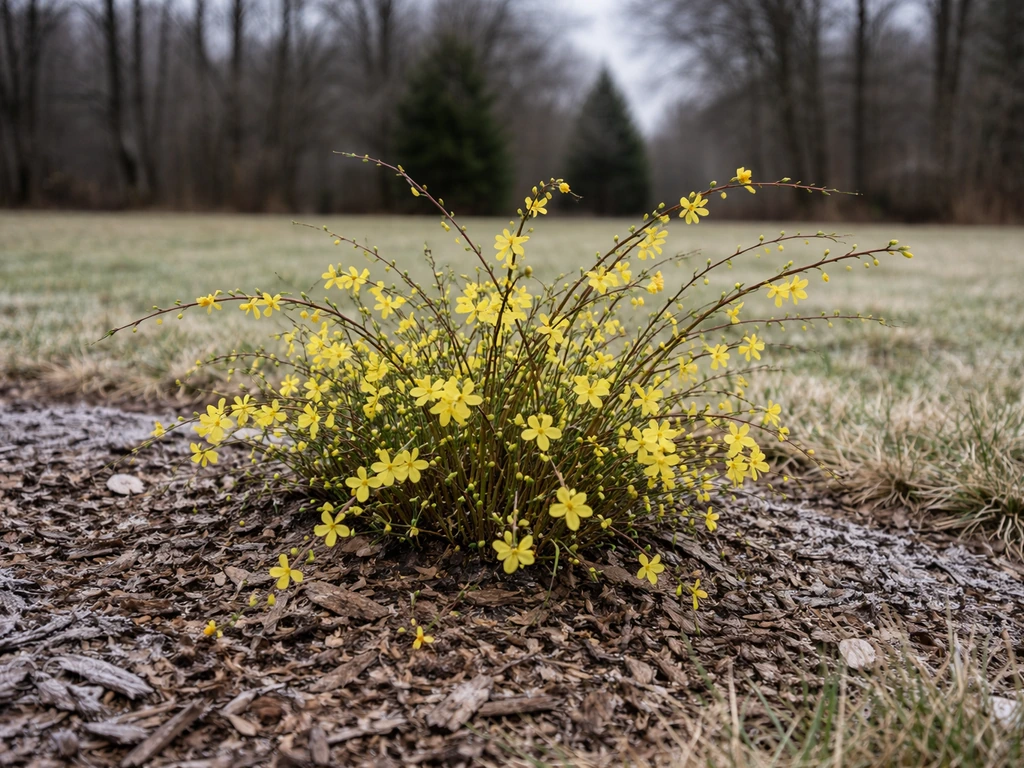
The short version: winter jasmine (Jasminum nudiflorum) is the most reliable pick for Ohio. Star jasmine (Trachelospermum jasminoides) is not hardy outdoors in most of the state unless you treat it as a container plant. Pink jasmine (Jasminum polyanthum) and Carolina jessamine (Gelsemium sempervirens) are marginal to unsuitable for most Ohio yards without serious protection or container overwintering.
Ohio's climate and what it means for jasmine
Ohio spans USDA plant hardiness zones 5b through 7a, based on the 2023 USDA Plant Hardiness Zone Map, which uses 30-year averages of the coldest single night of the year at any given location. [The 2023 USDA Plant Hardiness Zone Map](https://planthardiness. ars. usda.
gov/) bases its zone ratings on the average annual extreme minimum winter temperature, shown as 10°F zones and 5°F half-zones. Zone 5b means your average annual extreme low can dip to around -15°F to -10°F. Zone 6a runs -10°F to -5°F. Zone 6b, which covers cities like Akron and much of central Ohio, sits at -5°F to 0°F.
Zone 7a (a small sliver in the south, mostly near the Ohio River) averages extreme lows of 0°F to 5°F. Northeast Ohio has pockets of Zone 5b where winter temperatures are especially punishing. The takeaway: most of Ohio spends at least a few nights every winter well below freezing, and most "jasmine" plants sold at garden centers simply aren't built for that.
It's worth noting that hardiness zones describe average lows, not record lows. Real Ohio winters can and do push past those averages. A plant rated for Zone 6 will survive a typical Zone 6 winter, but it may not survive an unusually brutal one. That's why choosing a plant with some buffer below your zone, or using winter protection strategies, always pays off.
Which jasmine types work in Ohio (and which ones don't)
This is the most important part of the whole conversation. Here's a practical breakdown of the jasmine species and jasmine-adjacent plants you'll commonly find sold in Ohio nurseries and big-box garden centers.
Winter jasmine (Jasminum nudiflorum): your best bet
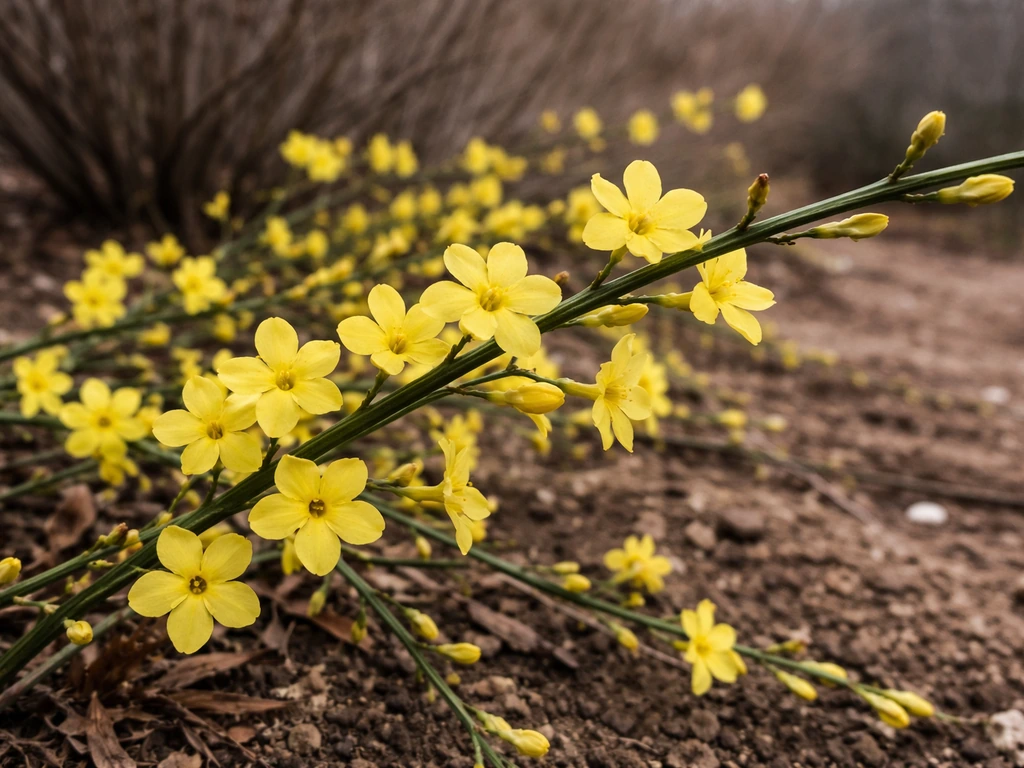
Winter jasmine is hardy to Zone 6 according to Oregon State University, and multiple commercial growers list it as reliable in Zones 6 through 10. That puts it solidly in range for most of Ohio's 6a, 6b, and 7a zones, and potentially workable in sheltered Zone 5b spots with some protection.
What makes it really interesting is that it blooms in late winter on otherwise bare green stems, often pushing out small yellow flowers before anything else in the yard has woken up. It's not a fragrant climber in the classic jasmine sense, but it's genuinely tough and will reward you with color when everything else looks dead. It prefers full sun to part shade and well-drained, loamy soil.
If you've had trouble with winter-damaged vines in the past, poor drainage is often part of the problem, so planting on a slope or raised bed helps a lot.
Star jasmine (Trachelospermum jasminoides): containers only
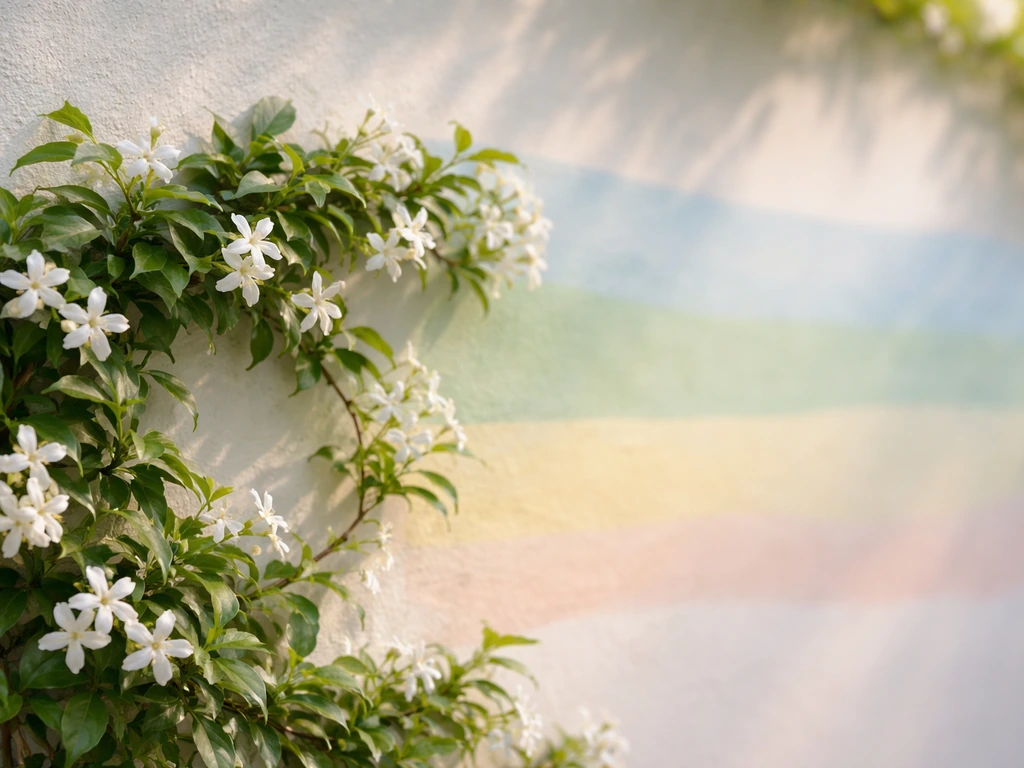
Star jasmine is the one with the intensely fragrant white flowers that everyone wants. Unfortunately, it's rated hardy only to Zone 7b through 10 or 11 depending on the source, with some references suggesting it might survive in a very protected Zone 7 garden with some winter damage. Ohio's Zone 7a is a narrow strip along the southern edge of the state, and even there it's a gamble outdoors.
For the rest of Ohio, zones 5b through 6b, star jasmine simply won't make it through a typical winter in the ground. The practical solution, which Monrovia and other growers recommend, is to grow star jasmine as a summer container plant: put it on the patio from late May through September, enjoy the blooms and fragrance, then bring it inside before the first hard frost and overwinter it indoors in a bright, cool space.
Pink jasmine (Jasminum polyanthum): not for Ohio winters
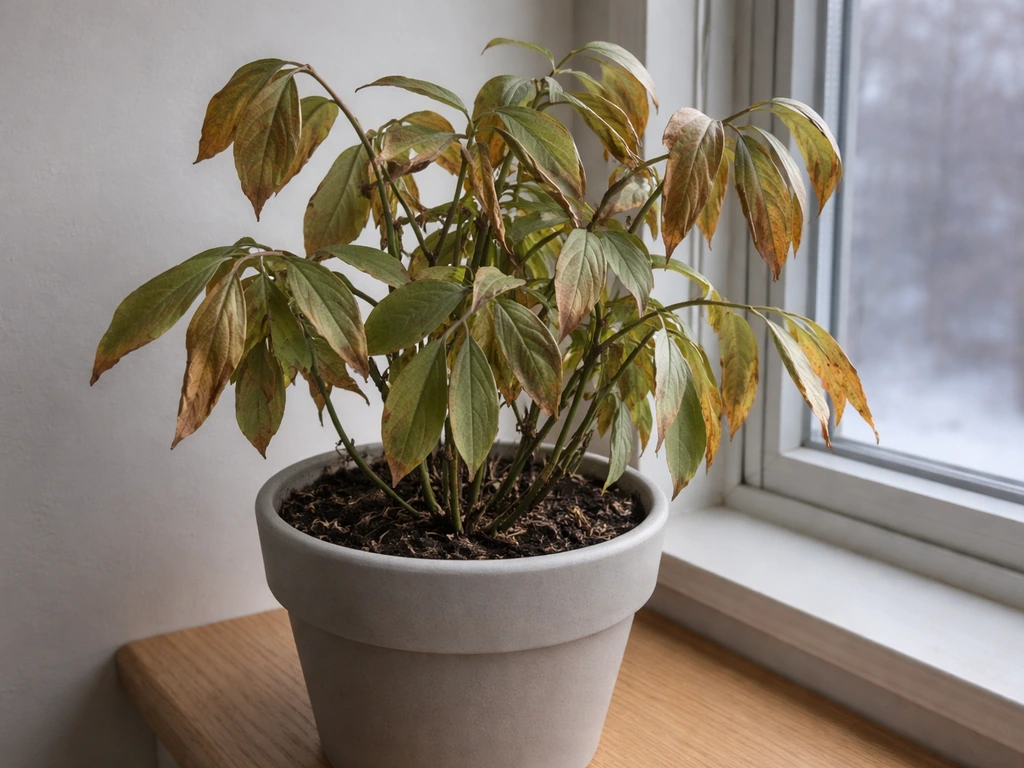
Pink jasmine is one of the most commonly sold "jasmine" plants at grocery stores and big-box retailers in late winter, usually blooming indoors in a little pot. It's rated for Zones 8 through 11 and explicitly cannot tolerate freezing temperatures. Ohio winters will kill it in the ground without question. You can enjoy it as a houseplant or a seasonal patio plant, but don't plant it in the yard expecting it to come back next spring.
Carolina jessamine (Gelsemium sempervirens): too tender for most of Ohio
Carolina jessamine is often grouped with jasmine because of its yellow tubular flowers and vine habit, but it's rated for Zones 7 through 10. Desert-Tropicals lists Carolina jessamine as suitable for about USDA zones 8b through 10 blank" rel="noopener noreferrer">USDA zones 8b through 10 for Carolina jessamine. That makes it marginal in Ohio's small Zone 7a strip and essentially unreliable in Zones 5b through 6b without a very sheltered, south-facing microclimate. It does need a protected position in full sun or light shade even within its preferred range, so if you're in southern Ohio and want to try it, pick the warmest wall on the property and be ready to protect it in hard winters.
| Jasmine type | Hardy to zone | Reliable in Ohio? | Best Ohio use |
|---|
| Winter jasmine (J. nudiflorum) | Zone 6 | Yes, zones 6a/6b/7a; marginal in 5b | In-ground vine or sprawling shrub |
| Star jasmine (T. jasminoides) | Zone 7b | No (ground); yes as container | Summer patio container, overwinter indoors |
| Pink jasmine (J. polyanthum) | Zone 8 | No | Houseplant only |
| Carolina jessamine (G. sempervirens) | Zone 7 | Only in Zone 7a with protection | Sheltered south-facing site in far southern OH |
Finding the right spot in your Ohio yard
Site selection is probably the single biggest lever you have for improving jasmine success in Ohio, especially if you're growing winter jasmine near the edge of its range in Zone 5b or 6a, or trying to push star jasmine or Carolina jessamine slightly past their comfort zone. The goal is to find or create a microclimate that stays a bit warmer in winter and absorbs more heat during the growing season.
- South or southeast-facing walls and fences: Masonry and brick absorb heat during the day and radiate it at night, raising the effective temperature around your plants by several degrees. This is the most reliable way to push a marginally hardy plant through an Ohio winter.
- Avoid frost pockets: Low spots in the yard, and areas at the base of slopes, collect cold air on calm nights and can be several degrees colder than the rest of your property. Plant jasmine on higher ground or mid-slope positions.
- Wind protection: Desiccating winter winds are tough on evergreen jasmine types even when temperatures are survivable. A privacy fence, hedge, or building on the north and west sides of the planting makes a real difference.
- Full sun is preferred: Winter jasmine tolerates part shade but flowers better in full sun. Star jasmine and Carolina jessamine both prefer full sun to light shade. More sun means more heat accumulation and better flowering.
- Well-drained soil: Poor drainage is a reliable way to lose any jasmine. Roots sitting in wet, frozen soil are far more likely to die than roots in well-drained loam.
If you're curious how gardeners in neighboring states approach the same microclimate challenges, the thinking is very similar for states with overlapping zone ranges. For instance, jasmine growing in Pennsylvania involves many of the same zone 6 considerations that apply to Ohio's interior, since both states have significant Zone 6 coverage with colder pockets to the north.
Getting jasmine through an Ohio winter
Protecting in-ground winter jasmine
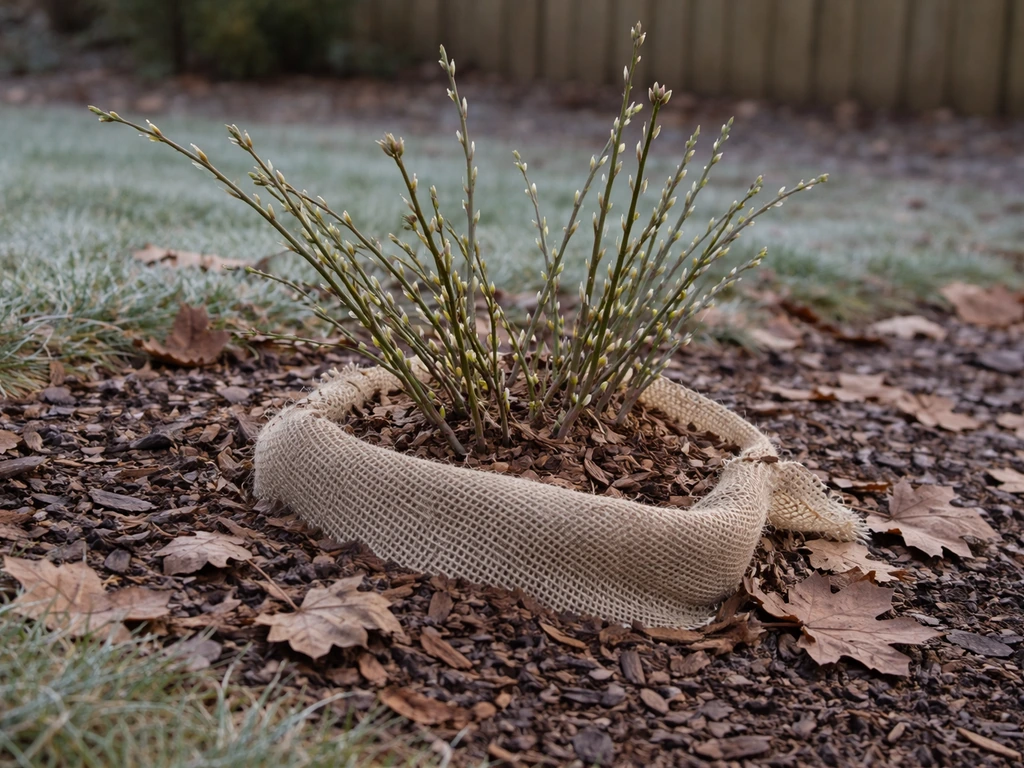
Winter jasmine is the only species you should count on for in-ground planting across most of Ohio. Even so, plants in Zone 5b pockets or those in their first winter benefit from a little extra care. A 3 to 4 inch layer of mulch over the root zone helps insulate roots from the worst cold. In very exposed sites, a burlap windscreen on the north and west sides keeps desiccating wind off the stems. Once established, a healthy winter jasmine plant in Zone 6 is genuinely tough and shouldn't need much fussing.
Overwintering star jasmine and other tender types in containers
If you want to grow star jasmine or pink jasmine in Ohio, containers are the way to do it. Move the plant outside after your last frost date (mid-May for most of Ohio) and bring it back inside before temperatures drop below 40°F in fall, typically late September to mid-October depending on your location. Overwinter the container in a bright, cool indoor spot: a south-facing window in an unheated garage or enclosed porch that stays above freezing works well.
Reduce watering significantly during dormancy but don't let the roots dry out completely. Gardeners dealing with similar cold-climate container challenges, like those asking whether jasmine can grow in Minnesota, use the same container rotation strategy because in-ground survival simply isn't realistic across those colder zones either.
What to do if your jasmine gets hit by a hard freeze
If a surprise cold snap damages your jasmine, don't panic and don't prune right away. Wait until late winter or early spring when new growth makes it obvious which stems are alive and which are dead. Cut dead wood back to live green tissue. Winter jasmine often pushes new growth from the base even after significant top dieback, so give it a few weeks before writing it off entirely.
How Ohio compares to nearby states
Ohio is actually one of the more jasmine-friendly Midwestern states because it has Zone 6b and 7a coverage that states further north don't. Gardeners researching whether jasmine can grow in Michigan are mostly dealing with Zones 5 and 6 with limited 6b coverage, making in-ground winter jasmine trickier statewide. States further west face their own challenges: jasmine in Wisconsin is an even harder ask given how much of that state sits in Zones 4 and 5.
And growing jasmine in Chicago means contending with Zone 5b and serious wind chill in an urban environment, making container growing almost the only realistic path for fragrant jasmine species. Even neighbors to the east like those researching jasmine in New England face wide zone variation, from Zone 7a coastal pockets to Zone 4 inland areas, much like Ohio's own north-south spread.
Before you buy: what to check at the nursery
The single biggest mistake Ohio gardeners make with jasmine is buying a plant based on the word "jasmine" on the label without checking the species name or the hardiness zone printed on the tag. Here's exactly what to look for before you hand over your money.
- Check the species name, not just the common name. Look for "Jasminum nudiflorum" if you want a reliably hardy in-ground vine. If the tag just says "jasmine" or "star jasmine" without a Latin name, ask the staff or look it up before buying.
- Confirm the hardiness zone range on the tag. It should say Zone 6 or lower for an in-ground Ohio planting. Anything rated Zone 7 or higher needs container treatment in most of the state.
- Ask about mature size. Winter jasmine can spread 4 to 7 feet wide and mound or trail rather than climb tightly. Make sure you have the space or plan to prune it.
- Know your own zone. Look up your specific city or zip code on the 2023 USDA Plant Hardiness Zone Map. If you're in Zone 5b in northeast Ohio, you're working with less margin than someone in Zone 6b near Columbus.
- Plan your overwintering setup before you buy tender types. If you want star jasmine for fragrance, make sure you have a bright indoor space above freezing where it can spend November through April.
What to realistically expect in an Ohio garden
If you plant winter jasmine in a well-chosen Zone 6 or 6b site in Ohio, you can expect it to establish in its first year without blooming much, then start producing its cheery yellow winter flowers in year two or three. It's not a big fragrant vine like the ones you see in Southern gardens, but it's genuinely tough, low-maintenance, and gives you color in February when there's nothing else happening.
If you're in Ohio and really want that classic fragrant jasmine experience, grow star jasmine in a large container and accept that it's a seasonal patio plant, not a landscape vine. Bring it in, keep it alive, and it will reward you with those white flowers every summer. The gardeners who get frustrated are usually the ones who tried to plant it in the ground and lost it to a January cold snap.
The approach that works best in Ohio is also what works well in other cold-winter Midwestern states. For example, jasmine in Minnesota follows almost the same playbook: lean on winter jasmine for in-ground planting and treat the fragrant tropical species as container plants. The zone numbers are different, but the logic is identical. Go in with realistic expectations, pick the right species for your zone, and you'll get a lot of satisfaction out of growing jasmine in Ohio.