The short answer: yes, some jasmine types can grow in New England, but not all of them, and the one most people picture when they say 'jasmine' will likely die outside in a Connecticut or Massachusetts winter. Your success depends almost entirely on which jasmine you're buying and whether you're planting it in the ground or keeping it in a pot. Let me break this down so you can make the right call before you spend any money.
Can Jasmine Grow in New England? Cold-Hardy Options
Marcus Hartwell
19 Apr 2026
First, which jasmine are we actually talking about?
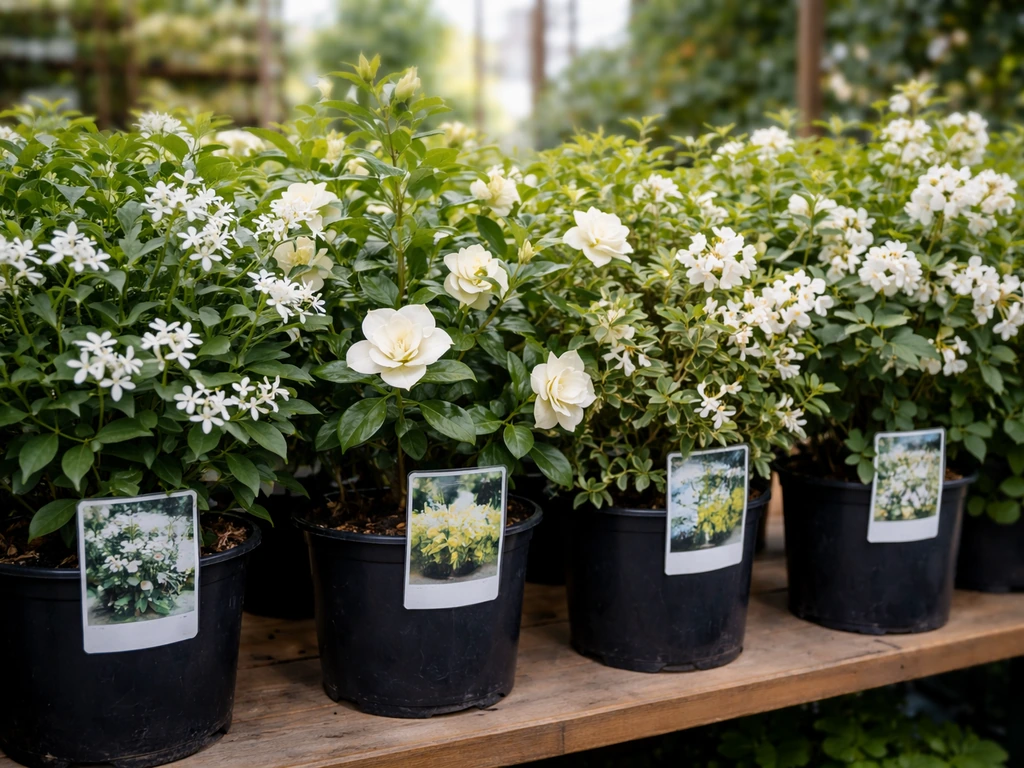
This is where most people get tripped up. Walk into a garden center or search online and you'll find plants labeled 'jasmine' that are completely different species with very different cold tolerance. The confusion is real and it matters a lot in a cold climate like New England.
True jasmines belong to the genus Jasminum. The most popular ones you'll encounter are Arabian jasmine (Jasminum sambac), Spanish jasmine (Jasminum grandiflorum), and Italian jasmine (Jasminum humile). These are the fragrant, tropical-to-subtropical types people often dream about. They're gorgeous, they smell incredible, and they are not hardy in New England winters. Most are rated for Zone 8 or warmer, which means they'll die if left outdoors from November through March in Connecticut or Massachusetts.
Then there's star jasmine, which is actually not a jasmine at all. Trachelospermum jasminoides is its scientific name, and it's a completely different plant that just carries the jasmine label because of its fragrant, star-shaped flowers. Star jasmine is hardy to about Zone 7 or 8 depending on the cultivar, which still puts it on the edge or outside the range for most of New England.
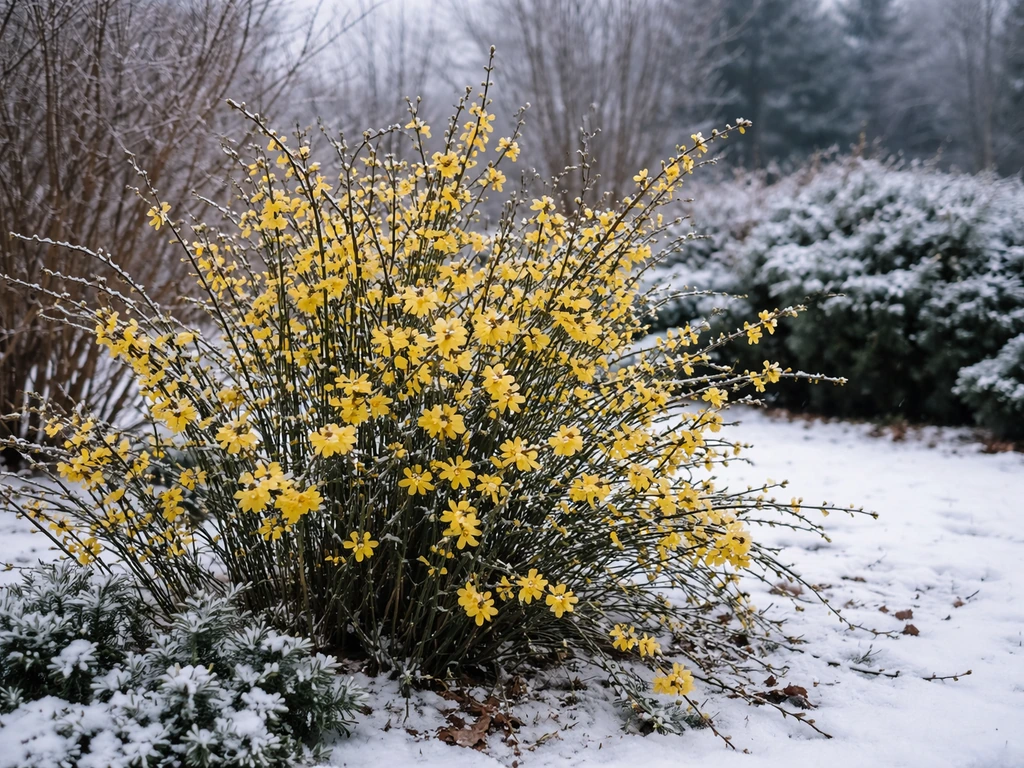
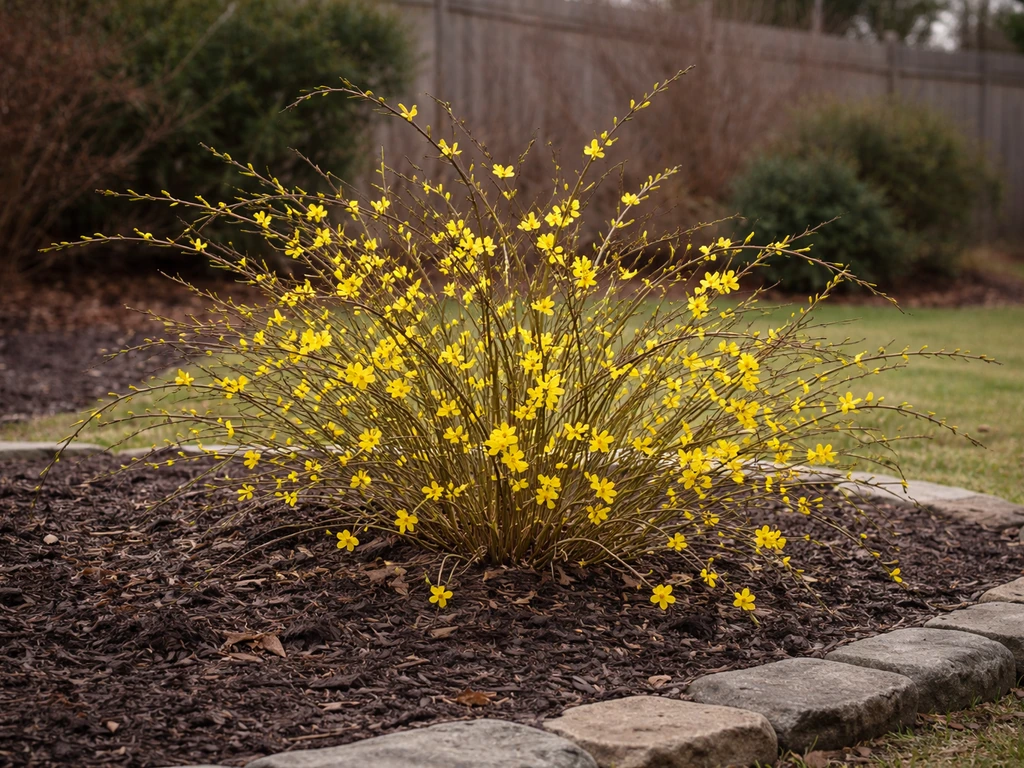
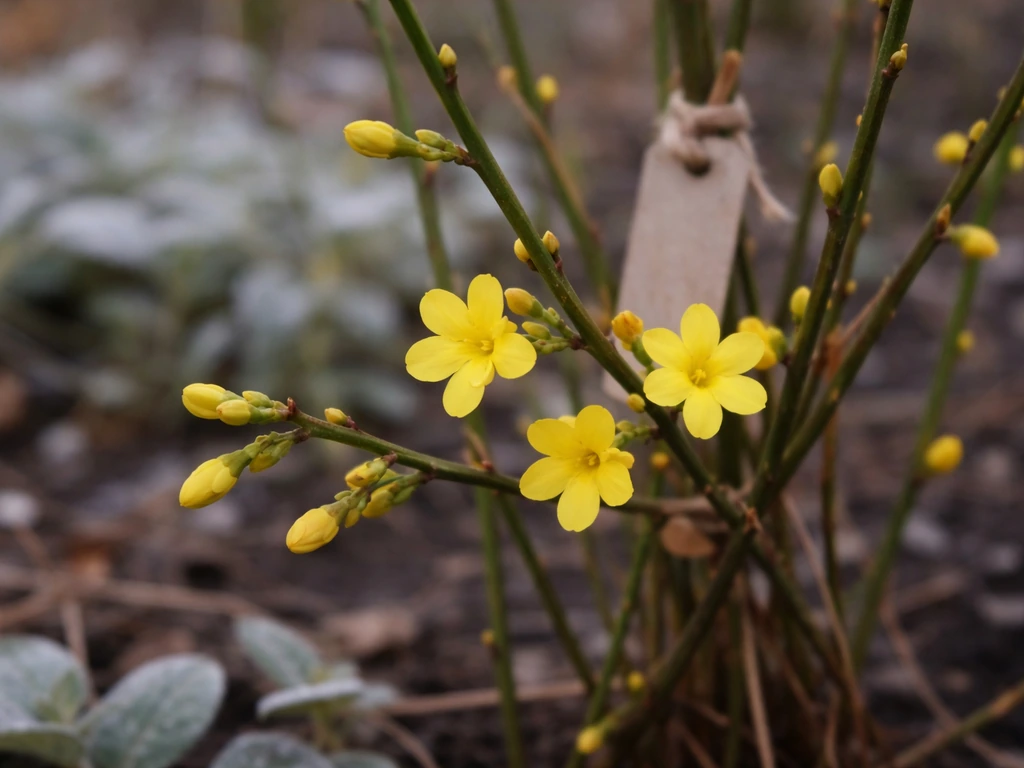
The one true jasmine that actually stands a chance in the Northeast is winter jasmine (Jasminum nudiflorum). It's cold-hardy down to Zone 6 and sometimes Zone 5 with protection, it blooms on bare stems in late winter, and it doesn't have the signature fragrance of the tropical types. NCSU Extension’s winter jasmine plant profile is an example of an authoritative extension plant database page that supports using such sources for hardiness claims. There's also common jasmine (Jasminum officinale), which can survive in Zone 7 with some protection and has the classic sweet scent. These are the two realistic candidates for outdoor growing in New England.
The cold-hardiness reality check for New England
New England covers a lot of ground, and the climate varies more than people realize. The USDA Plant Hardiness Zone Map assigns zones based on the average annual extreme minimum temperature at a location. In practical terms, that means it tells you how cold the coldest night of the year typically gets, which is the number one factor in whether a plant survives winter outdoors.
The 2023 USDA map update shifted things slightly warmer across parts of the region. Most of Connecticut is now in Zone 6, with a meaningful stretch along the shoreline upgraded to Zone 7. Massachusetts spans roughly Zones 5b to 7a, with the warmer numbers concentrated along the coast and Cape Cod area, and the colder numbers in the western highlands and the Pioneer Valley. Maine, New Hampshire, and Vermont are predominantly Zone 4 to 6, making outdoor jasmine almost entirely unrealistic there without serious protection.
The key thing to understand about hardiness zones is what they don't tell you. They don't account for wind exposure, snow cover, soil drainage, or the heat from a nearby building. A Zone 6b property with a south-facing brick wall and good drainage can behave more like Zone 7 in practice. That microclimate gap is where jasmine survival happens in New England, and it's worth taking seriously.
| Jasmine Type | Cold Hardiness Zone | New England Verdict |
|---|---|---|
| Winter jasmine (J. nudiflorum) | Zone 6 to 5 with protection | Viable outdoors in CT, coastal MA, milder pockets elsewhere |
| Common jasmine (J. officinale) | Zone 7, marginal in Zone 6 | Possible in CT shoreline and Cape Cod; risky inland |
| Arabian jasmine (J. sambac) | Zone 9-10 | Not hardy outdoors anywhere in New England; containers only |
| Spanish jasmine (J. grandiflorum) | Zone 8-9 | Not hardy outdoors; containers only |
| Star jasmine (Trachelospermum) | Zone 7-8 | Marginal at best in warmest CT zones; not reliable |
Can jasmine grow in Connecticut?
Connecticut is one of the more promising states in New England for jasmine, and that shoreline Zone 7 designation from the 2023 USDA update matters here. If you're in New Haven, Bridgeport, Stamford, or anywhere along the Long Island Sound coast, you're sitting in what is now officially Zone 7 territory. That opens the door to common jasmine (J. officinale) as a real outdoor possibility, especially if you can get it planted against a south- or west-facing wall where it gets reflected warmth.
Inland Connecticut, which is mostly Zone 6, is better suited to winter jasmine. If you are wondering whether jasmine can grow in Chicago, the same zone and microclimate logic applies, but cold winters usually push you toward winter jasmine or container growing can jasmine grow in Chicago. This plant won't give you the heady tropical fragrance you might be chasing, but it will reward you with cheerful yellow flowers on arching bare stems in February and March, often before the snow is gone. It's genuinely tough and performs reliably in Zone 6 without special coddling. In Minnesota, jasmine usually needs either a very cold-hardy type or container growing with winter protection can jasmine grow in Minnesota.
If your heart is set on the fragrant tropical types like Arabian or Spanish jasmine, the honest answer for Connecticut is to grow them in containers. You bring them inside before the first hard frost (typically mid-October in most of the state), keep them in a bright, cool room over winter, and move them back outside in late May. It's more work, but it's the only reliable way to keep them alive year to year.
Can jasmine grow in Massachusetts?
Massachusetts has a wider climate spread than Connecticut, which means the answer really depends on where in the state you are. The South Shore, Cape Cod, Martha's Vineyard, and Nantucket push into Zone 7a territory, and in those spots common jasmine outdoors is worth a try with good site selection. The greater Boston area is generally Zone 6b, where winter jasmine is the reliable outdoor choice and common jasmine is a gamble that depends heavily on your specific microclimate.
Western Massachusetts, the Berkshires, and much of the interior are Zone 5b to 6a. Out there, even winter jasmine may need some extra mulching and wind protection to reliably survive, and anything more tropical than that belongs in a pot. If you're in Springfield or Northampton, container growing for fragrant jasmine types is honestly the smarter path rather than fighting the climate every winter.
For container jasmine anywhere in Massachusetts, the strategy is the same as Connecticut: grow it in a large pot with good drainage, keep it outside on a sunny patio from late May through mid-October, and overwinter it indoors in a bright spot with temperatures around 50 to 60 degrees Fahrenheit. Arabian jasmine especially does well with this treatment and will bloom indoors with enough light.
The jasmine types that actually make sense for this region
If you're shopping for jasmine specifically for a New England garden, here's what to look for and what to skip.
- Winter jasmine (Jasminum nudiflorum): The most cold-hardy true jasmine. Yellow flowers appear late winter on bare green stems. No fragrance, but extremely tough. Good for Zone 6 and warmer. Works well as a sprawling shrub or trained against a wall.
- Common jasmine (Jasminum officinale): Fragrant white flowers in summer. Rated for Zone 7 but can survive Zone 6 in a protected microclimate. Best bet for shoreline Connecticut, Cape Cod, and the South Shore of Massachusetts. Look for the cultivar 'Fiona Sunrise' which has golden foliage and performs similarly.
- Arabian jasmine (Jasminum sambac): The classic fragrant jasmine used in leis and tea. Bring it in every fall. Great container plant for patios. Not a ground planting option anywhere in New England.
- Spanish jasmine (Jasminum grandiflorum): Intensely fragrant, popular in warmer climates. Container only for New England gardeners. Same overwintering approach as Arabian jasmine.
- Star jasmine (Trachelospermum jasminoides): Technically not a true jasmine but widely sold as one. Not reliably cold-hardy in New England even in Zone 7. Skip it for outdoor planting; the risk of winter kill is high.
Setting yourself up for success: site, sun, and microclimates
If you're going to attempt outdoor jasmine in New England, where you plant it is almost as important as which type you choose. UMass Extension has pointed out what experienced regional gardeners already know: the right microclimate can effectively push your planting conditions up by half a zone or more. A south-facing wall, especially brick or stone, absorbs heat during the day and radiates it back at night, reducing the duration and severity of cold exposure at the plant's roots and crown.
Wind is a major killer of marginally-hardy plants in New England, and it's underappreciated. A plant that might survive -10°F in still air can die at 0°F if it's exposed to constant northwest winds all winter. Planting jasmine on the south or east side of a building, fence, or dense evergreen hedge dramatically improves its chances. Avoid open, exposed corners and north-facing positions entirely for any jasmine you're hoping to keep through winter.
Drainage matters too. Wet roots in frozen ground are a death sentence for jasmine. Plant in well-drained soil, or amend heavy clay before planting. Raised beds on the south side of a structure give you both drainage and heat advantage at once, and they're one of the better hacks for pushing marginal plants in colder zones.
For container jasmine, site selection means choosing a patio spot that gets at least 6 hours of direct sun, ideally against a light-colored wall that reflects additional light. This maximizes bloom production during the outdoor season and helps the plant build the energy reserves it needs to survive winter storage indoors.
Your action plan: decide your path and verify your zone
Before you buy anything, spend five minutes looking up your exact hardiness zone. The USDA's 2023 Plant Hardiness Zone Map has a quick zip code search tool that gives you your zone immediately. Enter your zip code, see your zone, and match it against the table above. That one step eliminates a lot of guesswork and potential wasted money.
- Look up your zip code on the 2023 USDA Plant Hardiness Zone Map to confirm your zone.
- If you're in Zone 7 (coastal CT, Cape Cod, South Shore MA): common jasmine outdoors is worth trying in a protected, south-facing spot. Buy one plant, treat it as a test, and mulch heavily the first two winters.
- If you're in Zone 6 (most of inland CT and greater Boston area): winter jasmine is your reliable outdoor option. For fragrant types, go containers.
- If you're in Zone 5 or colder (western MA, most of NH, VT, ME): skip outdoor jasmine entirely. Go containers for any type you want.
- For container growing anywhere in the region: buy Arabian or Spanish jasmine in a 12-inch or larger pot, keep it outside from late May to mid-October, then bring it into a bright cool indoor space for winter.
- Assess your microclimate before planting: note which walls face south, where wind breaks exist, and whether your soil drains well. A good microclimate can make the difference between a plant that thrives and one that dies in its first winter.
New England gardeners in Ohio, Michigan, Pennsylvania, and other colder Midwest and Northeast states face similar jasmine challenges, so if you're comparing notes with gardeners in those regions, the same species distinctions and container strategies apply. For more specific guidance about Pennsylvania conditions, check out our full walkthrough on whether jasmine can grow in Pennsylvania New England gardeners in Ohio, Michigan, Pennsylvania, and other colder Midwest and Northeast states. If you are wondering can jasmine grow in Michigan, the short version is that it comes down to your hardiness zone and picking a cold-hardy type or using container growing Ohio, Michigan. The fundamentals don't change much once you're dealing with Zone 6 and colder winters. The cold is the cold, and the right jasmine for your zone makes all the difference.
FAQ
If my plant tag says “jasmine,” how can I tell whether it’s a true jasmine (Jasminum) or star jasmine (Trachelospermum)?
Look for the Latin name on the label. True jasmines list Jasminum plus a species name (for example officinale or nudiflorum). Star jasmine is Trachelospermum jasminoides, and even though it’s fragrant, it has different cold behavior and is often an over-optimistic “jasmine” choice for New England.
Can I grow winter jasmine in New England without any special protection at all?
In many Zone 6 locations it can survive with no fuss, but protection often determines reliability. If you face frequent wind, freeze-thaw swings, or have poorly drained soil, add a thicker mulch layer over the root zone and protect from drying winter winds (a simple burlap screen on the exposed side helps).
What’s the biggest reason a jasmine plant dies even when the zone looks “close enough”?
Moisture plus cold is a common killer. When soil stays wet and then freezes, roots and the crown can be damaged. The fix is choosing a fast-draining spot, amending heavy clay, and avoiding low pockets where meltwater and spring rain collect.
Should I plant in the ground in spring or fall for the best chance of survival?
For marginal-hardy jasmine, spring planting is usually safer because the plant can establish before winter. If you plant in fall, do it early enough that roots are growing before the first hard freeze, and prioritize a sheltered, south-facing location.
How large should a container be for jasmine grown in New England?
Use a pot that’s big enough to insulate the roots, not just to hold the plant. A larger container (often 12 inches or wider, depending on the size you buy) reduces temperature swings, slows drying, and makes it easier to overwinter indoors without the root ball drying out.
Do I need to bring container jasmine indoors even along the coast where winters are milder?
If you’re growing tropical types like Arabian or Spanish, yes. New England coastal zones are still too variable for reliable outdoors survival, especially during cold snaps and wind events. For winter hardy types, you may be able to keep them outside in a protected spot, but plan for colder years by having indoor space available.
When should I move container jasmine back outside in spring?
Wait until nights are reliably above freezing and the plant can handle sudden temperature shifts. A practical approach is to harden it off for about a week by moving it to a sheltered spot first, then gradually increasing sun exposure before leaving it outside full time.
Why does my jasmine bloom poorly outdoors or stop blooming indoors?
Most of the time it’s light. Indoors, jasmine usually needs a very bright window and enough hours of direct or near-direct sun to build bloom energy. Outdoors, too much shade or a patio spot that gets less than about 6 hours of sun can reduce flowering even if the plant survives winter.
Is it safe to plant jasmine near a foundation or against a wall?
It can be, but manage two issues. First, keep it a little distance from the wall so you’re not trapping stagnant moisture against the crown. Second, ensure the soil drains well, since foundations can channel runoff and create wetter zones that are risky in freezing weather.
Can jasmine be grown from seed or should I buy established plants for New England?
For most home gardeners, buy established plants. Seed-grown plants are unpredictable in hardiness and time to bloom, and jasmine varieties sold as “hardy” often don’t come true from seed. Starts give you the right species and a known growth habit much faster.
What’s a good winter plan for marginal plants in New England if I don’t know my microclimate?
Use a layered strategy: place the plant on the most protected side (south or east), mulch to reduce freeze-thaw stress, and add wind protection. If you’re still unsure, overwintering in a pot (or being willing to move the pot inside when a forecasted cold snap hits) dramatically improves outcomes.