
Yes, jasmine can grow in Minnesota, but only certain types and only with the right setup. If you buy the wrong jasmine, it will die in your first Minnesota winter, full stop. The key is matching the jasmine species to your specific zone and being realistic about what kind of care you're willing to give it. Here's exactly what works and what doesn't.
Can Jasmine Grow in Minnesota? Types, Zones, and Care Tips
Marcus Hartwell
16 Apr 2026
Quick answer by Minnesota zone
Minnesota spans a wide range of USDA hardiness zones, from Zone 3a in the far northern reaches down toward the Canadian border all the way up to Zone 5a and 5b in parts of the Twin Cities metro. Cities like Minneapolis and Bloomington land around Zone 5a, while areas like Albert Lea in the south also check in at Zone 5a. Go north toward the Upper Red Lake and Lake of the Woods region and you're in Zone 2 territory, which is genuinely brutal. The short answer by zone looks like this:
| Minnesota Zone | Outdoor Jasmine Feasibility | Best Approach |
|---|---|---|
| Zone 3a/3b (far north) | Very difficult, not recommended in-ground | Container only, bring indoors for winter |
| Zone 4a/4b (central MN) | Marginal, requires heavy protection | Container or heavily mulched in-ground in sheltered spot |
| Zone 5a/5b (Twin Cities metro, south MN) | Possible with the right species and protection | In-ground with winter mulch and windbreak, or container |
One important caveat: the USDA zone map is based on historical minimum temperature data, and those numbers don't capture every bad winter. Minnesota can and does throw brutal cold snaps that exceed zone predictions, so even in Zone 5, you should treat any jasmine as a plant that needs a backup plan.
Which jasmine types can actually handle Minnesota winters
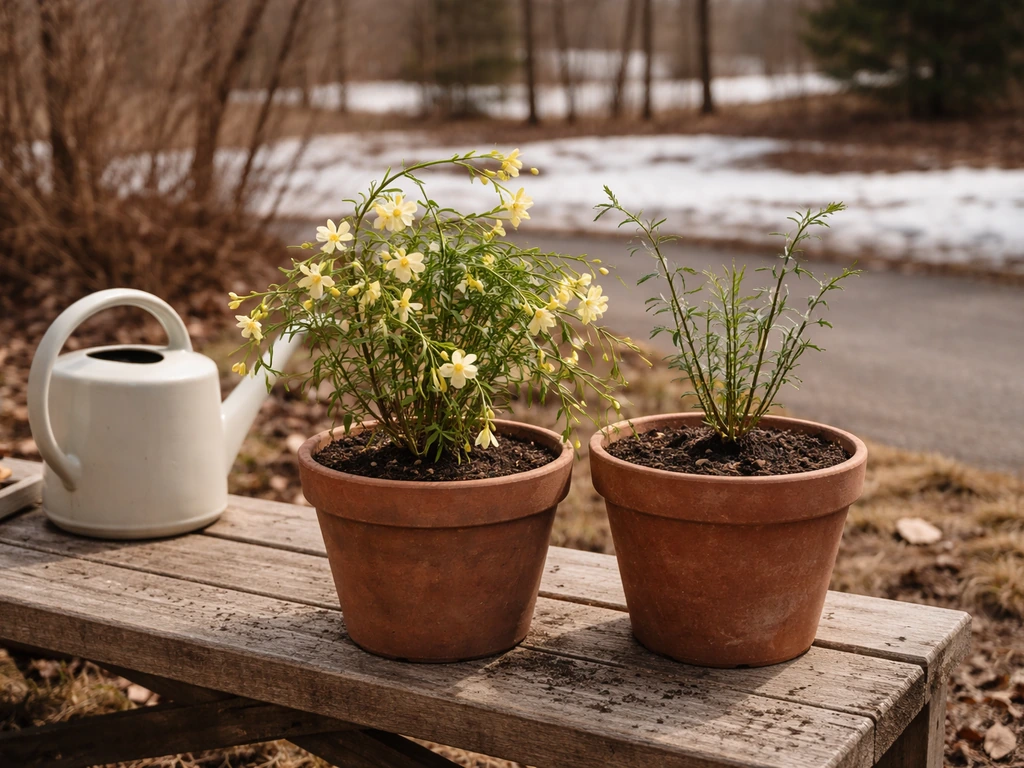
This is the most important part of this whole article. Not all plants sold as 'jasmine' are the same plant, and most of what's sold at big-box stores is not cold-hardy anywhere close to Minnesota. Let's break down the real options.
Winter jasmine (Jasminum nudiflorum): your best bet
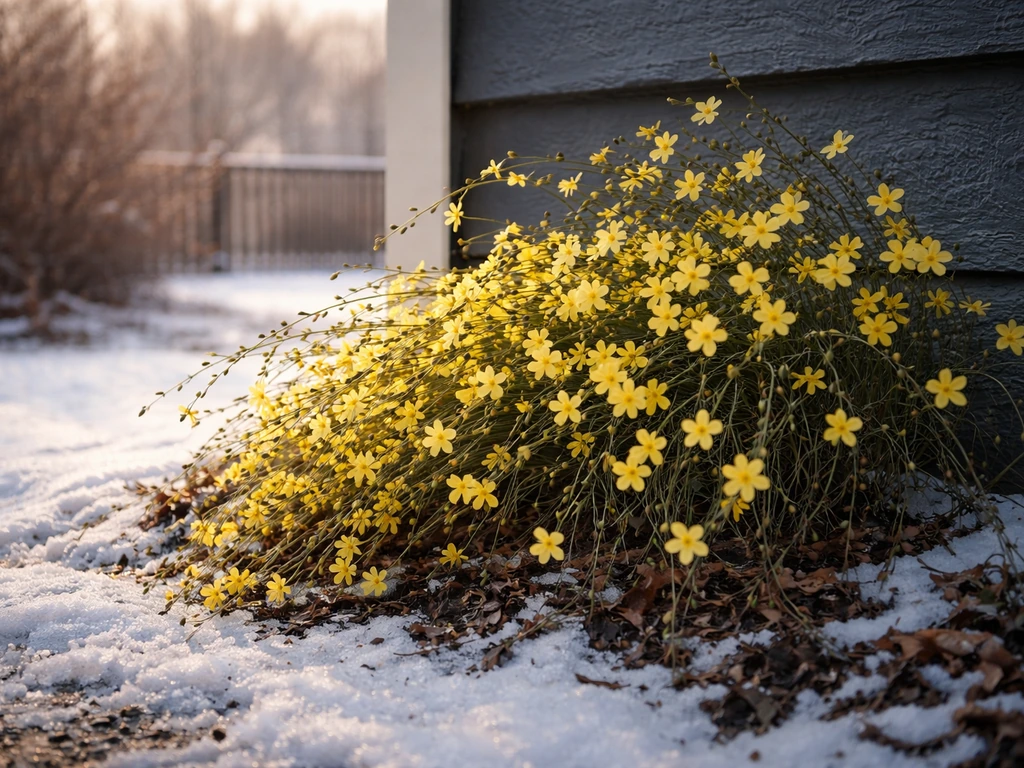
Winter jasmine (Jasminum nudiflorum) is the one true jasmine that comes closest to working in Minnesota, though it's technically rated hardy to Zone 6 by most extension sources. In the Twin Cities metro and the warmer pockets of southern Minnesota (Zone 5a), it can survive with meaningful protection. It blooms on bare stems in late winter or early spring before the leaves come out, which is genuinely beautiful after a long Minnesota winter. It's a scrambling shrub rather than a true climbing vine, so it behaves differently than what most people picture when they think jasmine.
Common jasmine (Jasminum officinale): marginal to risky
Common jasmine (Jasminum officinale) gets a hardiness rating of roughly -20 to -15°C on the RHS scale (their H6 group), which sounds cold-hardy but translates to conditions that Minnesota regularly exceeds in colder zones. The RHS also lists winter jasmine (Jasminum nudiflorum) as hardy in the UK and northern Europe, corresponding to about −20 to −15°C (H6) winter jasmine (Jasminum nudiflorum) is hardy to about −20 to −15°C (H6). In practice, this species struggles north of Zone 6 without serious protection. In the warmest Minnesota microclimates, like a south-facing wall in the Twin Cities, some gardeners have had success with it, but it's a gamble compared to winter jasmine.
Star jasmine, Confederate jasmine, and Asiatic jasmine: not Minnesota plants
Star jasmine (Trachelospermum jasminoides) and Asiatic jasmine (Trachelospermum asiaticum) are sold widely as jasmine but are not even in the Jasminum genus. They're rated hardy to Zones 7-10, which means Minnesota winters will kill them outright if left outdoors. They can work as container plants brought inside, but don't expect them to overwinter in the ground anywhere in Minnesota.
Where to plant for the best chance of survival
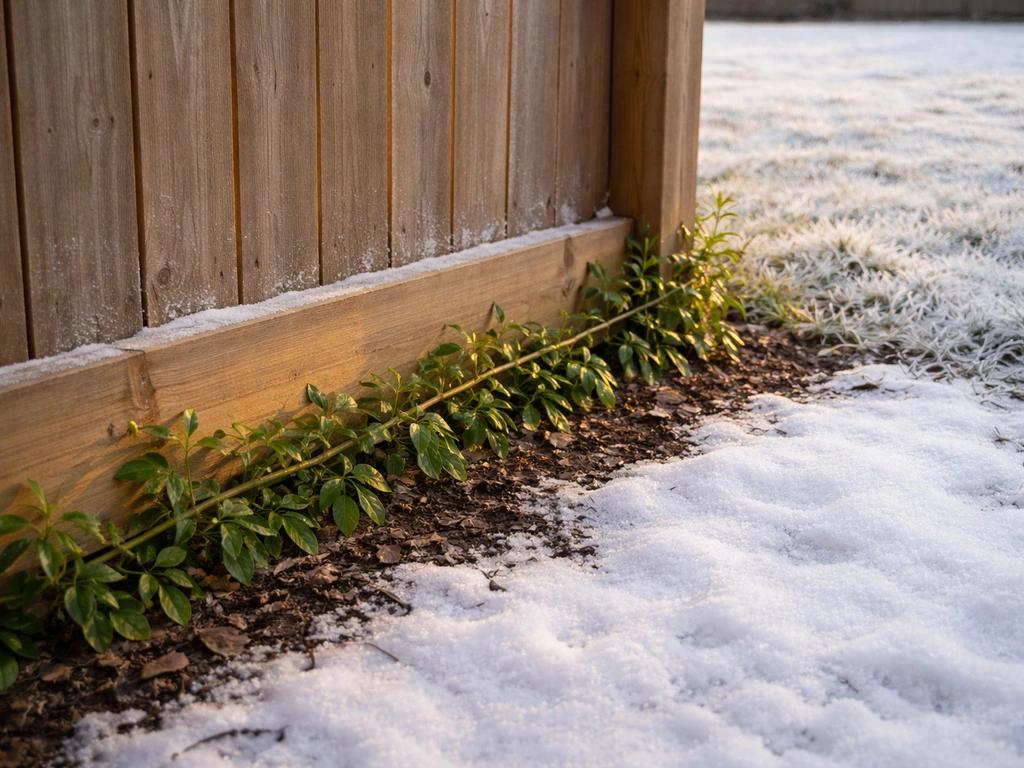
Location inside your yard matters almost as much as which zone you're in. Minnesota winters are brutal in the open, but a well-chosen microclimate can make the difference between a plant that survives and one that doesn't.
- South or southeast-facing walls or fences: These absorb heat during the day and release it at night, giving your jasmine a warmer buffer against hard freezes.
- Sheltered spots away from prevailing northwest winds: Wind dramatically accelerates moisture loss and cold damage in winter. A fence, hedge, or outbuilding on the northwest side is a real asset.
- Urban and suburban yards: The heat-island effect in the Twin Cities and other metro areas genuinely bumps effective hardiness up slightly, which is why Zone 5a plants sometimes survive there when they'd fail in a rural Zone 5a location.
- Full sun to partial shade: Jasmine generally wants at least 6 hours of sun for good bloom production. Less sun means fewer flowers, and in Minnesota's short growing season, you want every advantage.
- Avoid low-lying frost pockets: Cold air settles in low spots. Planting on a slight slope or raised bed helps cold air drain away from your plant.
In-ground vs container growing: which makes more sense for you
This decision really comes down to your zone and how much effort you want to invest each fall and spring. Both approaches can work, but they have very different trade-offs in Minnesota.
In-ground growing
In-ground plants benefit from soil insulation, which matters more than most people realize. Soil temperatures stay consistently higher than air temperatures even during cold snaps, and that buffer protects roots. The downside is you can't move the plant if a brutal cold stretch is coming. In-ground jasmine in Minnesota really only makes sense in Zone 5a and 5b, in a sheltered location, with consistent winter protection every year without fail. If you skip one year, you may lose the plant.
Container growing
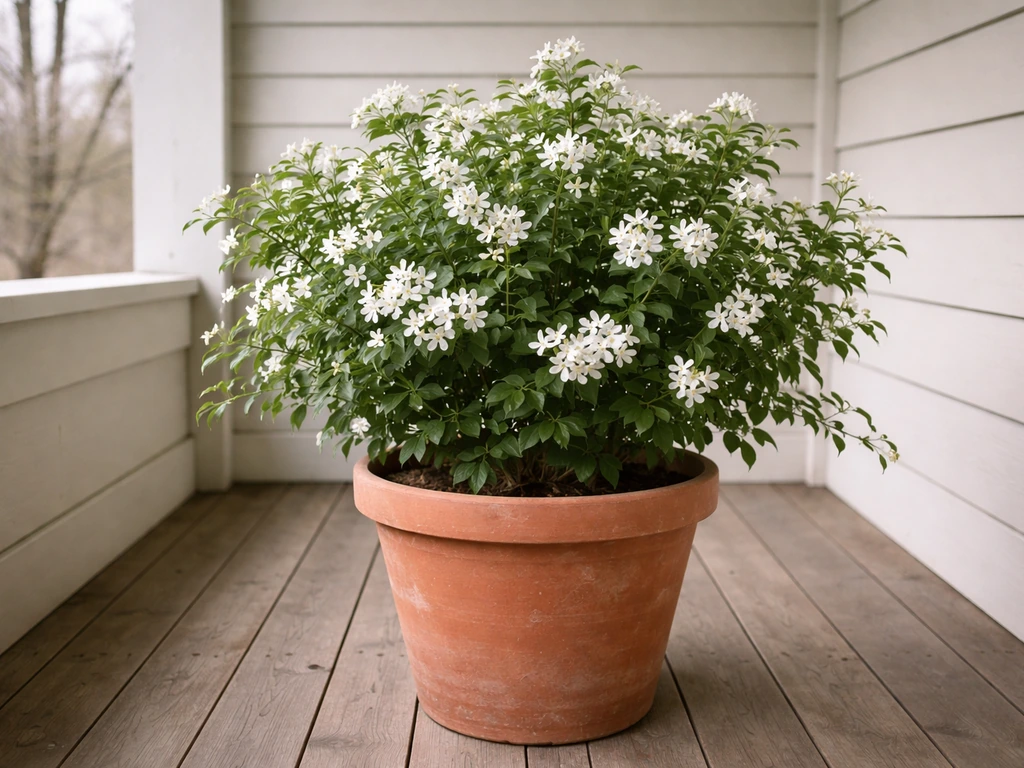
Container growing is honestly the more practical approach for most Minnesota gardeners, especially anywhere in Zone 4 or colder. You can grow a beautiful jasmine in a large pot, enjoy it on a patio or deck through summer, and bring it into a cool garage, basement, or enclosed porch for winter. The big risk with containers is temperature swings: containers don't have the soil mass to buffer cold the way in-ground plants do, so roots can freeze solid if left on an uninsulated surface during a hard freeze. When you bring a container jasmine indoors, keep it somewhere that stays above freezing but doesn't push it into aggressive new growth (a cool garage that stays around 35-45°F works well). Water it occasionally when temperatures above freezing allow, but don't keep it wet.
How to protect jasmine from Minnesota cold
If you're going in-ground with jasmine in Minnesota, a solid winter protection routine is non-negotiable. These steps come straight from University of Minnesota Extension guidance and are what experienced Minnesota gardeners actually do. UMN Extension’s winter-prep guidance also emphasizes that moist soil helps insulate roots, supporting plants through winter stress when paired with proper watering and protection UMN Extension guidance about winter protection.
- Water deeply until the ground freezes: Plants that go into winter well-hydrated survive better. Keep watering right up until freeze-up, usually late October or early November depending on your location.
- Stop pruning after September: Late pruning encourages new growth that is vulnerable to frost damage. Let your plant harden off naturally through fall.
- Apply 4 to 6 inches of mulch over the root zone: This depth is specifically recommended to prevent frost heaving and stabilize soil temperatures through freeze-thaw cycles. Shredded leaves, wood chips, or straw all work well.
- Wrap with burlap or set up a windbreak: A burlap screen or snow fence on the windward side protects against desiccating winter winds. Don't wrap the plant itself too tightly, which can trap moisture and cause rot.
- Avoid planting near roads or driveways where salt spray or runoff can reach the plant: Salt is a serious problem for woody plants in Minnesota, and jasmine has enough stress from cold without adding salt damage.
- In spring, remove mulch gradually as temperatures warm to avoid sudden exposure to late frosts.
For in-ground jasmine, the root zone is the most important thing to protect. Roots of most woody plants can die at temperatures at or below 0°F, and Minnesota absolutely reaches those temperatures. The mulch layer is your first line of defense. Don't skip it.
The jasmine mix-up problem and how to buy smart
This is where a lot of Minnesota gardeners get burned, sometimes literally (watching a tropical plant die in the first frost). The word 'jasmine' gets applied to plants from several completely different genera, and the hardiness ratings vary wildly. Here's what to watch for when you're shopping.
Always check the Latin name on the tag
True jasmines are in the genus Jasminum. If the tag says Trachelospermum, you're looking at a plant that's botanically unrelated to jasmine and almost certainly not cold-hardy in Minnesota outdoors. Star jasmine is commonly sold under its common name alone, and buyers don't realize they're getting a Zone 7-10 plant until it dies. The fix is simple: flip the tag over and look for the genus name before you buy.
Don't trust common names alone
'Star jasmine,' 'Confederate jasmine,' and 'Asiatic jasmine' are all commonly sold in garden centers in the Midwest, including in states with similar cold challenges. If you're researching whether jasmine can grow in Michigan or wondering how jasmine fares in Ohio, you'll find the same mix-up problem applies across the northern Midwest. The plant sold as jasmine at a garden center in May might be beautiful in the pot, but the USDA zone rating on the label tells you whether it will come back next year.
What to actually look for at the nursery
- Look for Jasminum nudiflorum specifically if you want an in-ground option in Zone 5.
- Ask the nursery staff for the botanical name and USDA zone rating before buying.
- Check that the zone rating on the tag matches or is colder than your Minnesota zone.
- If you're buying for a container that you'll overwinter indoors, a tropical jasmine like Jasminum sambac is fine, but go in knowing it's a houseplant for Minnesota winters, not an outdoor perennial.
- Avoid buying 'jasmine' from displays that don't include the full Latin name. It's a red flag that the seller may not know exactly what species they're selling.
This same buying advice applies whether you're in Minnesota or one of the neighboring cold-climate states. Gardeners asking whether jasmine survives in Wisconsin face almost identical conditions, and the same species selection rules apply. If you've ever looked into growing jasmine in Chicago, you'll know that even Zone 6 conditions require careful species selection and protection.
A quick decision checklist for your Minnesota yard
Use this before you buy anything. If you can check most of these boxes, you have a real shot at growing jasmine successfully in Minnesota. If you can't, a container approach or a different plant is probably the smarter call.
- What's your USDA zone? Look up your specific ZIP code. Zone 5a/5b gives you the best in-ground odds. Zone 4 and colder means container growing is the safer path.
- Do you have a south or southeast-facing wall or fence with wind protection on the northwest side? If yes, your microclimate may support in-ground jasmine even at the edge of a zone.
- Are you in an urban or metro area (like the Twin Cities)? Urban heat islands can bump effective hardiness slightly, which helps.
- Are you buying Jasminum nudiflorum specifically? If the tag says anything else and you're planning to leave it in the ground, research the species before buying.
- Can you commit to 4 to 6 inches of mulch each fall, stopping pruning by September, and deep watering through freeze-up? If the answer is no, in-ground jasmine will likely struggle or die.
- Do you have a cool (above freezing but not warm), somewhat sheltered space to overwinter a container? A garage or basement corner works well.
- Are you avoiding low-lying frost pockets and areas with road salt exposure? Both are serious jasmine killers in Minnesota winters.
Gardeners in neighboring cold-climate regions like Pennsylvania and New England face similar questions about jasmine feasibility, and the honest answer in all those places is the same: the species you choose and the site you plant in matter far more than wishful thinking. Minnesota is tough on plants, but with the right jasmine, the right spot, and consistent winter care, you can make it work.
FAQ
Can I keep “jasmine” alive in Minnesota by growing it indoors year-round?
Yes, but only under cold, dormant-friendly conditions. Star jasmine (Trachelospermum) and Asiatic jasmine (Trachelospermum/other mis-sold “jasmine” types) usually die if left outdoors, even if the seller lists a high zone. Indoors, keep them cool enough that they do not push rapid new growth, and water sparingly so roots do not stay constantly wet.
When should jasmine bloom in Minnesota, and what’s normal to expect after winter?
If your jasmine is winter jasmine and it is established, you may see blooms on bare stems in late winter or early spring, often before leaves. If it is another type that survived only because of heavy protection, blooming may be weaker or delayed due to winter stress, and some plants will appear alive but fail to form strong spring growth.
Is Minnesota winter jasmine a true climber like the jasmine I see in warmer climates?
Yes, winter jasmine can work, but it is not the same growth habit as most people expect from jasmine sold online. Winter jasmine typically scrambles along the ground or up a support like a vine, so plan for a trellis or some kind of contact points. If you want a twining climber look, you will usually be disappointed in Minnesota.
Why does a jasmine’s zone rating not guarantee it will survive in my Minnesota yard?
Great question, and it’s a common mistake. “Hardy to Zone 6” ratings and Celsius conversions on labels can be misleading because winter extremes and wind exposure matter. In Minnesota, treat any label as optimistic unless you can provide reliable protection and a sheltered microclimate.
What’s the best way to overwinter potted jasmine so it does not freeze or resume growth too early?
Start by placing the pot where it gets protected from wind and where the temperature stays above freezing but stays cool. Many gardeners do well with a garage or enclosed porch that holds roughly 35 to 45°F, then water only when the potting mix has a chance to dry slightly. Avoid leaving it in a warm, sunny window, since forced growth often fails once nights turn cold again.
Where in the yard should I plant jasmine in Minnesota to maximize survival?
In-ground jasmine in Minnesota depends on root protection, so choose a spot that reduces wind and traps some heat, such as near a solid wall with good snow cover. If your microclimate does not reliably get snow insulation, the odds drop even if the soil is otherwise good.
Can poor drainage kill jasmine in Minnesota even if I mulch correctly?
Yes, drainage matters a lot. For winter survival, you want roots insulated from cold snaps but not standing in water. Use well-draining soil and avoid low spots where meltwater pools, because freeze-thaw cycles plus soggy soil can kill roots even when mulch is present.
How can I tell early whether the “jasmine” I bought is likely to die the first winter?
It can. If you buy a plant that is actually star jasmine or Asiatic jasmine, it may look fine for months in summer, then decline rapidly after the first true cold spell. If the tag’s genus is not Jasminum, assume it is not a reliable in-ground Minnesota plant.
If I want to try planting in the ground, what backup plan should I have for harsh winters?
You can reduce risk by keeping the “anchor” choice flexible. For example, even if you plant in the ground, you can sometimes plan to use temporary, repeatable protection and a backup plan to bring a plant indoors if you have an unusually severe forecast. If you cannot commit to protection every year, choose a container instead.