Not all jasmine is the same plant
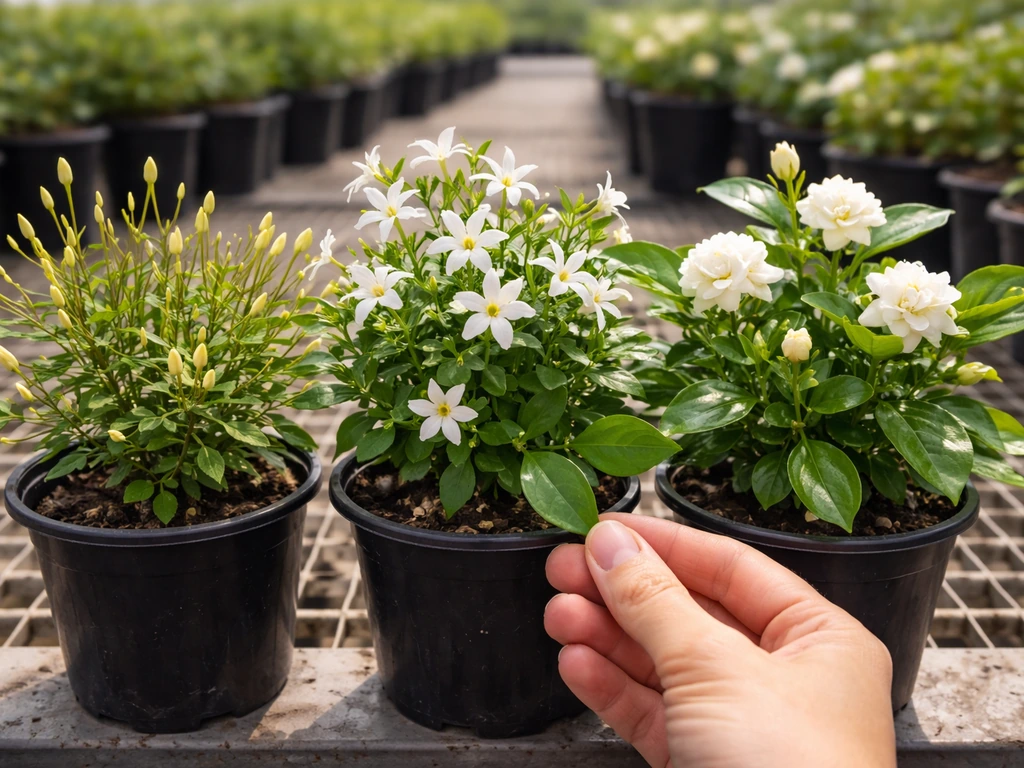
This is genuinely the most important thing to sort out before you spend a dime. 'Jasmine' at your local nursery could be one of several completely different plants with wildly different cold tolerance. True jasmines belong to the genus Jasminum, and the two most common are Jasminum officinale (common jasmine, also called poet's jasmine) and Jasminum sambac (Arabian jasmine). Both are beautiful and fragrant. Then there's what's often called star jasmine or Confederate jasmine, which is actually Trachelospermum jasminoides, a totally different genus that just happens to smell similar and gets the jasmine nickname. These plants behave very differently in cold climates, so knowing exactly what's in that pot matters.
Here's the quick breakdown of cold tolerance. Jasminum nudiflorum (winter jasmine) is the hardiest of the true jasmines, tolerating down to Zone 6 reliably and sometimes Zone 5 with shelter. Jasminum officinale is rated for Zones 7-10 by most sources, which already puts it outside Michigan's comfort zone for most of the state. Jasminum sambac is even more tender, best suited to Zones 9-11 and really only a houseplant in Michigan.
Star jasmine (Trachelospermum jasminoides) is generally hardy to Zone 7 or sometimes Zone 6 with protection, making it a stretch for most of Michigan. [The Royal Horticultural Society specifically notes that most jasmines beyond the two hardiest species are not reliably hardy](https://www. rhs. org.
uk/plants/jasmine/growing-guide) and need winter protection or indoor storage before night temperatures drop.
| Jasmine Type | Botanical Name | Hardy to Zone | Michigan Viability |
|---|
| Winter Jasmine | Jasminum nudiflorum | Zone 6 (some 5) | Southern MI possible; north needs protection |
| Common Jasmine | Jasminum officinale | Zone 7 | Container or annual in most of MI |
| Arabian Jasmine | Jasminum sambac | Zone 9 | Houseplant only in MI |
| Star Jasmine | Trachelospermum jasminoides | Zone 7 (some 6) | Sheltered southern MI only; mostly container |
| Cape Jasmine (Gardenia) | Gardenia jasminoides | Zone 7-8 | Houseplant/container only in MI |
Michigan's zones and what they mean for jasmine
Michigan spans USDA hardiness zones 4b in the Upper Peninsula all the way to 6b in sheltered spots along the Lake Michigan shoreline in the southwest corner of the Lower Peninsula. The majority of the Lower Peninsula sits in zones 5b and 6a. Detroit and the southeast corner reach 6a to 6b, which is the warmest gardening climate in the state. The zone matters because it tells you the average annual minimum temperature your plants have to survive. USDA ARS also explains that these hardiness zone values come from the average annual extreme minimum temperature over a 30-year period, and that zones can shift between map editions average annual minimum temperature your plants have to survive.
Zone 6 means minimum temps of -10°F to 0°F. Zone 5 means -20°F to -10°F. Zone 4 means -30°F to -20°F. For jasmine, those numbers are brutal.
Even winter jasmine, the toughest of the group, starts struggling below around -5°F without protection. That means if you're gardening in Lansing, Ann Arbor, or anywhere in the southwest shoreline corridor, you have a real window to try winter jasmine or a sheltered planting of common jasmine with good overwintering strategy. If you're in Grand Rapids, you're right on the edge. If you're north of that, think containers.
The Great Lakes do moderate temperatures somewhat, especially near Lake Michigan, which is why Traverse City and the Leelanau Peninsula sometimes get away with things that surprise people, but you still shouldn't count on it for tender jasmine.
Gardeners wrestling with similar cold-zone questions in neighboring states face much the same calculus. If you've looked into whether jasmine can grow in Ohio, you'll notice that Ohio's southern zones give it a meaningful advantage over most of Michigan. And if you're curious how Michigan stacks up against its northern neighbor, growing jasmine in Minnesota is an even tougher proposition, making Michigan look relatively favorable by comparison.
How to set up jasmine for success in Michigan
Picking the right spot
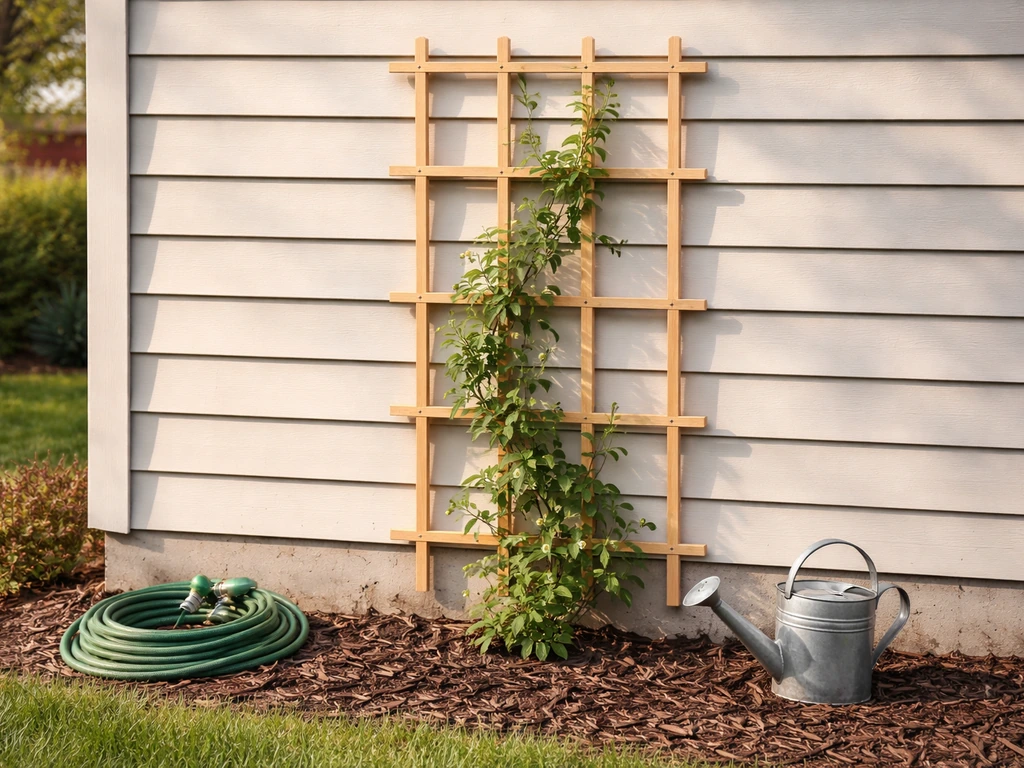
Site selection is your single biggest lever for success with jasmine in Michigan. You want a south or southwest-facing wall or fence, ideally with a structure behind it that absorbs heat during the day and releases it at night. A brick or masonry wall is ideal because it acts like a thermal battery. Avoid north-facing exposures entirely, and stay away from spots where cold air pools at the bottom of a slope, often called frost pockets. If you've got a spot that stays 5 to 10 degrees warmer than the open yard on a cold night, that's your jasmine corner.
Jasmine needs full sun, at least six hours a day, and ideally more during the summer to build the energy reserves that help it survive winter. Wind is a serious problem in Michigan, especially in winter when desiccating cold winds can kill even a hardy plant above the snow line. A windbreak, whether a fence, hedge, or building, on the north and west sides of your planting makes a measurable difference. This is one situation where planting jasmine in a slightly protected corner of a courtyard or against a garage wall genuinely changes the outcome.
Containers vs. in-ground planting
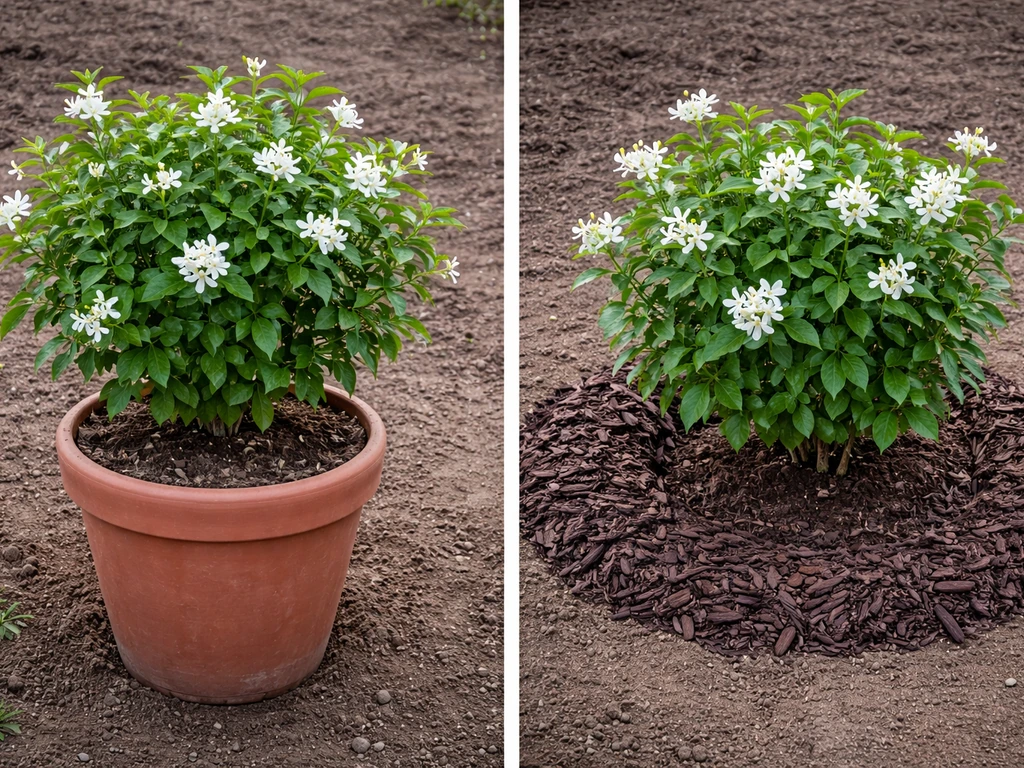
For most Michigan gardeners, containers are the practical choice, especially for common jasmine, star jasmine, and Arabian jasmine. A container gives you full control: you can move the plant to a sheltered porch in fall, bring it fully indoors before a hard freeze, and get it back outside once the last frost passes (usually mid-May for most of the Lower Peninsula). Use a large pot, at least 12 to 14 inches wide, with excellent drainage. Jasmine in a small pot dries out too fast and also doesn't have enough root mass to handle the stress of indoor-outdoor transitions.
If you're in Zone 6 and want to try in-ground planting with winter jasmine or common jasmine against a warm wall, go for it, but treat it as an experiment the first winter. Plant in spring so the root system has a full growing season to establish before facing the cold. A newly planted jasmine going into its first Michigan winter is far more vulnerable than a two or three year old plant with a deep root system.
Overwintering jasmine in Michigan: what you actually need to do
This is where Michigan gardeners either make or break their jasmine. The overwintering plan has to be in place before the cold arrives, not after the first hard freeze.
For container plants, the process is straightforward. Around mid to late October, when night temps are regularly dipping below 45°F, start moving tender jasmine species (common jasmine, star jasmine, Arabian jasmine) to a sheltered but unheated space like a garage or cool mudroom, or to a bright sunny window indoors. They don't need a warm room, and in fact a cool indoor spot (around 50-60°F) helps them rest. Reduce watering significantly through winter, but don't let the soil go bone dry. Resume normal care in late March and move them back outside gradually once frost risk has passed.
For in-ground jasmine in southern Michigan, apply a thick mulch layer, at least 3 to 4 inches of shredded bark or straw, over the root zone before the ground freezes. This keeps soil temps more stable and protects roots even if the top growth gets damaged. For the above-ground stems, wrap the plant loosely in burlap or frost cloth, especially for any planting that isn't fully established. Don't wrap tight or use plastic, which traps moisture and causes rot. Remove the burlap in early April when extended hard freezes are done. Even if the top growth dies back in a harsh winter, an established jasmine in a protected Zone 6 spot will often resprout from the roots in spring.
Timing matters. Don't wait until November or a surprise early freeze. The goal is gradual hardening, not shock. If you're also growing jasmine in a pot on a Chicago balcony just across the border, the overwintering approach for jasmine in Chicago is nearly identical to what works in southeast Michigan, since the zones are comparable.
Basic care once jasmine is in the ground
Jasmine isn't particularly fussy about soil as long as it drains well. Heavy clay soils common in parts of Michigan need to be amended with compost before planting, because jasmine sitting in wet, compacted soil through a cold Michigan winter is a recipe for root rot. Aim for a slightly acidic to neutral pH, around 6.0 to 7.0. If you're planting in a raised bed or amended border, you're likely already fine.
Watering is most important during the first growing season and during dry stretches in summer. Jasmine is somewhat drought tolerant once established, but in Michigan's sometimes dry July and August periods, don't let the soil go completely dry. A 2-inch layer of mulch around the base helps retain moisture and keeps the root zone cooler during summer heat.
Most jasmine species are vining and need support. A trellis, fence, or arbor works well. Tie stems loosely as they grow, training them in the direction you want coverage. Pruning is best done right after flowering, usually late summer for summer-blooming species, to avoid cutting off next year's buds. For winter jasmine, which blooms on bare stems in late winter, prune after flowering in early spring. Keep pruning light the first couple of years while the plant establishes.
If jasmine isn't the right fit, try these instead
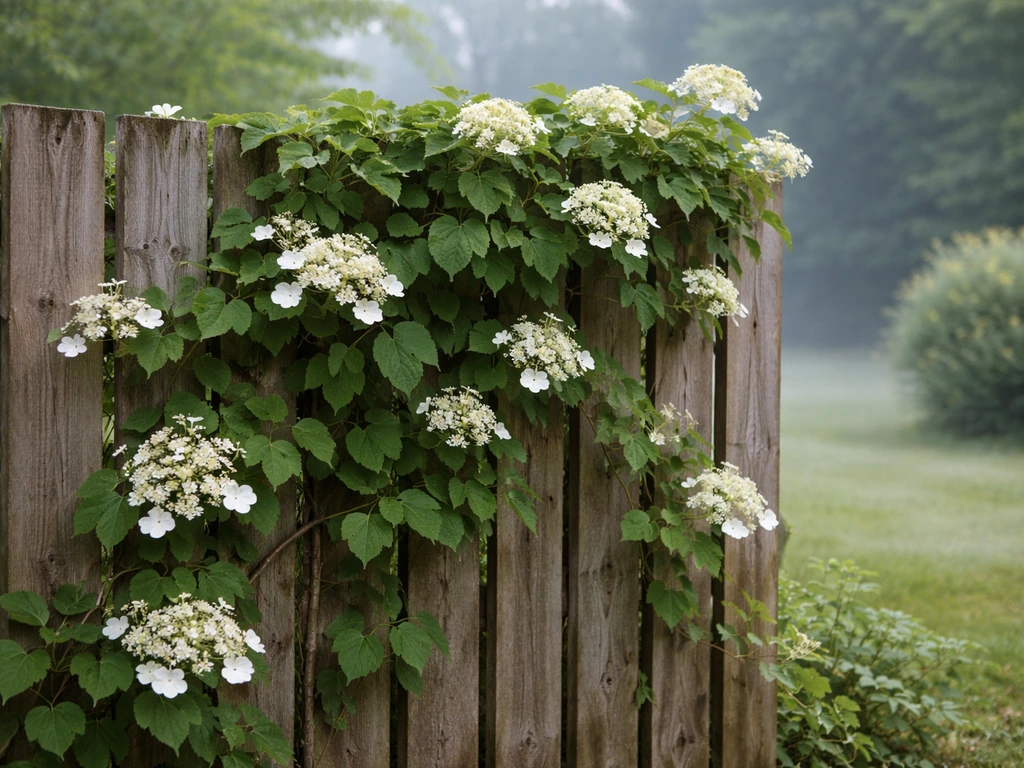
If you're in Zone 5 or colder, or if you just don't want the hassle of overwintering a tender vine every fall, there are plants that deliver the same landscape payoff, fragrant white flowers, climbing or arching growth, and summer color, without the cold-hardiness anxiety.
- Climbing hydrangea (Hydrangea anomala subsp. petiolaris): Hardy to Zone 4, produces large white flower clusters, clings to walls and fences, and is completely winter-proof in Michigan.
- Sweetautumn clematis (Clematis terniflora): Hardy to Zone 3, covers a trellis in small white fragrant flowers in late summer, dies back to the ground and returns every year with no intervention.
- Hardy roses (especially climbing varieties like 'New Dawn' or 'John Davis'): Zones 4-5 depending on variety, fragrant pink to white blooms, tough enough for Michigan winters with basic mulching.
- Honeysuckle (Lonicera): Native and hybrid varieties are hardy to Zone 4, produce tubular fragrant flowers, and climb vigorously on fences and trellises.
- Mock orange (Philadelphus coronarius): Zone 4 shrub with intensely fragrant white flowers in early summer, often described as one of the closest jasmine scent substitutes available.
- Lily of the valley (Convallaria majalis): Zone 3 perennial groundcover with white bell-shaped fragrant flowers, effortless in Michigan gardens.
Mock orange in particular is worth a serious look if fragrance is your primary goal. The scent is remarkably close to true jasmine and it's basically bulletproof in Michigan winters. It's a shrub rather than a vine, so it won't climb a trellis, but as a freestanding plant near a patio or entryway it delivers exactly the kind of fragrant summer experience people hope jasmine will give them.
Gardeners in the mid-Atlantic and Northeast face a similar set of trade-offs. If you've ever compared notes with someone trying to grow jasmine in Pennsylvania or New England, you'll find the same pattern: the milder-zone areas can push it, and everyone else leans on alternatives. The question of growing jasmine in Pennsylvania is relevant context here, since southeastern Pennsylvania's Zone 7 pockets give it an edge, while jasmine in New England runs into the same wall Michigan gardeners face, cold winters that simply don't suit most jasmine species without serious intervention.
If you're a Michigan gardener and a friend in Wisconsin asks you the same question, know that their situation is very similar to yours. Growing jasmine in Wisconsin follows the same logic: southern zones can try it with protection, northern zones are container territory, and alternatives like mock orange and climbing hydrangea are the reliable path to a great-smelling, beautiful garden without the annual gamble.