Yes, honeysuckle can realistically give you more than one meaningful flush of blooms in a season, but the honest answer depends almost entirely on which type you planted. Some honeysuckles bloom once and that's it. Others, especially certain Lonicera sempervirens and L. japonica cultivars, will rebloom through summer and into fall if you treat them right. Getting multiple harvests, whether you're after flowers, berries, or both, is very doable in most U.S. growing zones once you know your variety and give it the right conditions.
Is Honeysuckle Multi-Harvest in a Home Garden?
Marcus Hartwell
8 Jun 2026
What 'Multi-Harvest' Actually Means for Honeysuckle
The word 'honeysuckle' gets used loosely, and that matters a lot here. The Lonicera genus includes over 180 species, and they don't all behave the same way. When gardeners ask about getting multiple harvests, they're usually thinking about one of two things: repeated flushes of flowers across the season, or a run of edible or ornamental berries that shows up later in the year. These are two different events, and not every variety delivers both.
The most common types you'll encounter in American home gardens are Japanese honeysuckle (Lonicera japonica), coral or trumpet honeysuckle (Lonicera sempervirens), and various hybrid shrub honeysuckles. Japanese honeysuckle is the one most people are thinking of when they picture a vine smothered in fragrant white-to-yellow flowers, and it's also the one most likely to give you berries in fall. Shrub types like L. tatarica and L. maackii are bred more for their berry display than repeat flowering. Coral honeysuckle is the go-to for hummingbird gardeners in the Southeast and produces blooms on and off across a long season. Knowing which one you have is the first step.
When Honeysuckle Blooms and Fruits, by Type and Climate
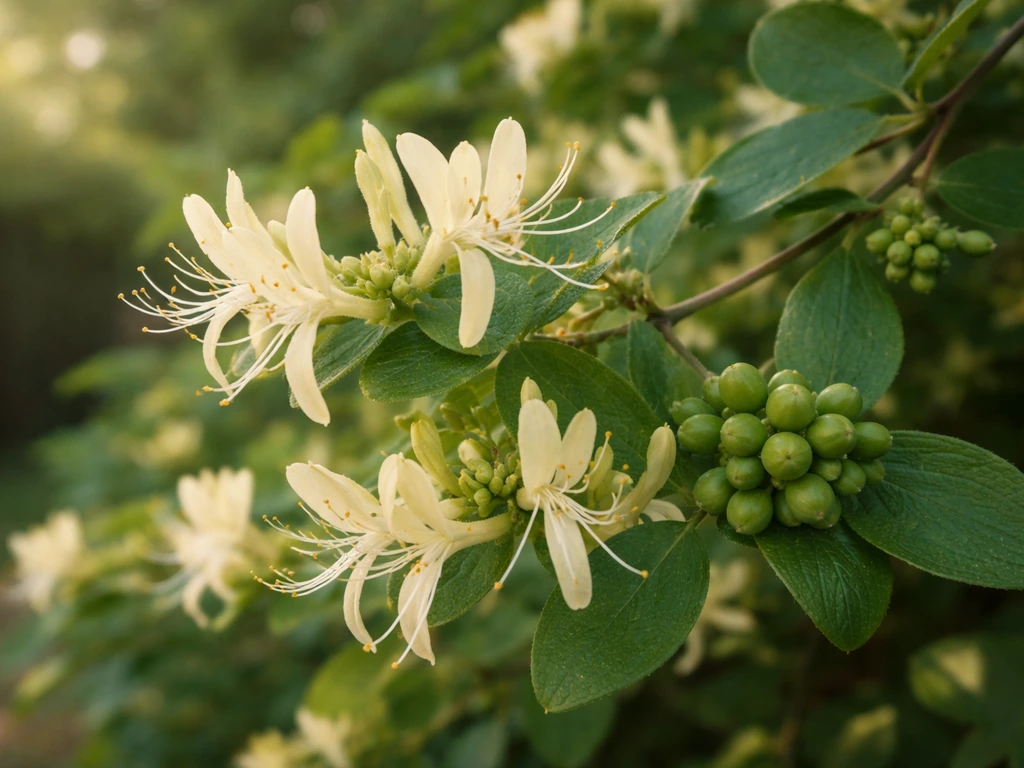
Timing varies by species, but here's what you can generally expect across typical U.S. growing conditions. blank" rel="noopener noreferrer">Japanese honeysuckle kicks off flowering in April through June across most of its range, according to Mississippi State University Extension research. Then the same plants produce glossy black berries starting in August that can persist all the way through March in milder climates, and UConn Extension notes those fruits often last through winter. That means with L. japonica, you're getting a spring-to-summer flower show followed by a completely separate fall-to-winter berry phase.
| Type | Bloom Window | Berry/Fruit Timing | Repeat Bloom? |
|---|---|---|---|
| Japanese (L. japonica) | April to June | August to March | Moderate, especially in heat |
| Coral/Trumpet (L. sempervirens) | March to September | Late summer to fall | Yes, strong repeater |
| Shrub types (L. tatarica, etc.) | May to June | Summer to fall | Generally once |
| Goldflame (hybrid) | May to frost | Sparse | Yes, reliable repeater |
In warm zones (7 through 10), the bloom season stretches noticeably longer and a second or even third flowering push is genuinely common. In cooler zones (4 and 5), you're more likely to see one strong spring flush with a lighter rebloom in late summer if conditions cooperate. Climate really does set the ceiling here.
Can You Actually Get Multiple Harvests, and How Long Do They Last?
For flowering, yes, certain varieties reliably push out two or three distinct waves. Coral honeysuckle is probably the most consistent performer here, often blooming from early spring through late summer in zones 4 to 9. Goldflame honeysuckle, a popular hybrid, is known for flowering from May right through until the first frost. Each flush typically lasts two to four weeks, depending on heat and rainfall. In a good year in zones 7 and 8, you can realistically expect three waves of flowers.
For berries, the picture is different. Most honeysuckles produce berries once per season, with the timing depending on when they flowered. blank" rel="noopener noreferrer">Japanese honeysuckle's fruit ripens from August onward and stays on the vine a long time, which can feel like an extended harvest even though it's technically one fruiting event. If you're wondering whether honeysuckle produces a prickly fruit in a garden, it helps to first identify the species, because not all honeysuckles set edible berries and their texture can vary. If you're growing for berries, that persistence is actually a plus. Birds (especially thrushes and cedar waxwings) are enthusiastic consumers, so if you want to actually see the berries yourself, keep that in mind.
Choosing a Variety That's Built for Repeat Production
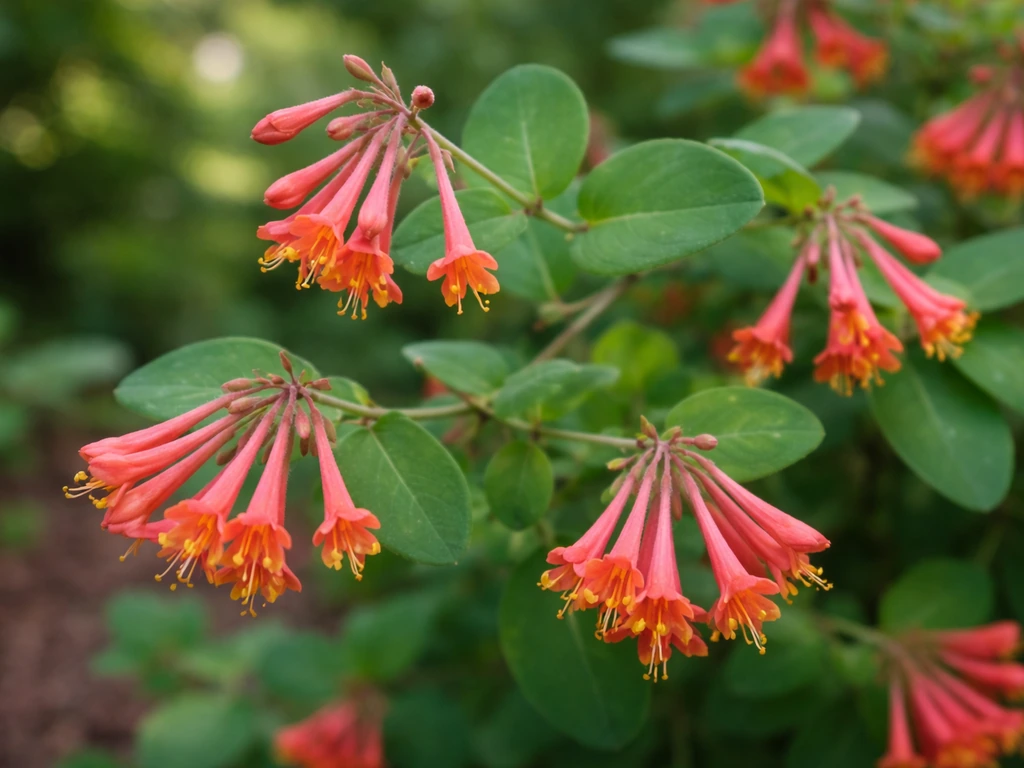
Variety choice is probably the single biggest lever you have. If repeat blooming is your goal, avoid the plain-species shrub honeysuckles (L. tatarica and similar) since they're one-and-done bloomers selected primarily for berry display. Instead, look for these known repeat performers:
- Lonicera sempervirens 'Major Wheeler': outstanding repeat bloomer, heat tolerant, minimal pest issues, works well in zones 4 to 9
- Lonicera sempervirens 'Alabama Crimson': especially strong in hot southern climates, blooms spring through summer
- Lonicera x heckrottii 'Goldflame': fragrant pink and yellow flowers from late spring to frost, widely available and reliable
- Lonicera japonica 'Halliana': vigorous Japanese honeysuckle cultivar with good rebloom and the added benefit of a long fruiting window in fall
- Lonicera periclymenum 'Serotina' (Late Dutch): popular in the UK and increasingly available in the U.S., blooms later in the season and extends the overall flower window
If you're in the market for both flowers and berries, Lonicera japonica is still your best bet for that double payoff, even though it's considered invasive in many southeastern and mid-Atlantic states. In those areas, Lonicera sempervirens is the native-friendly alternative that gives you reliable repeat blooms without the ecological baggage. It's worth thinking about what you actually value most before you buy.
Pruning and Training That Actually Encourage More Flushes
Pruning is where most gardeners leave repeat harvests on the table. The key thing to understand is that honeysuckle blooms primarily on new growth, which means if you encourage the plant to keep pushing fresh shoots, you keep getting flowers. Here's the approach that works in practice:
- Do your main pruning right after the first big spring flush fades, usually late June to early July in most zones. This removes spent growth and signals the plant to push new shoots.
- Cut back flowered stems by about one third, not all the way to the base. You want to leave some older wood as a framework.
- Deadhead spent flower clusters throughout the season if you want more flowers rather than berries. Leaving flowers means the plant puts energy into fruit instead.
- In late winter or very early spring (before new growth breaks), do a light tidy-up cut to remove any dead, crossing, or tangled stems. This improves air circulation and reduces disease pressure.
- Avoid heavy pruning in late summer or fall. New growth stimulated late in the season won't harden off properly before frost in cooler zones.
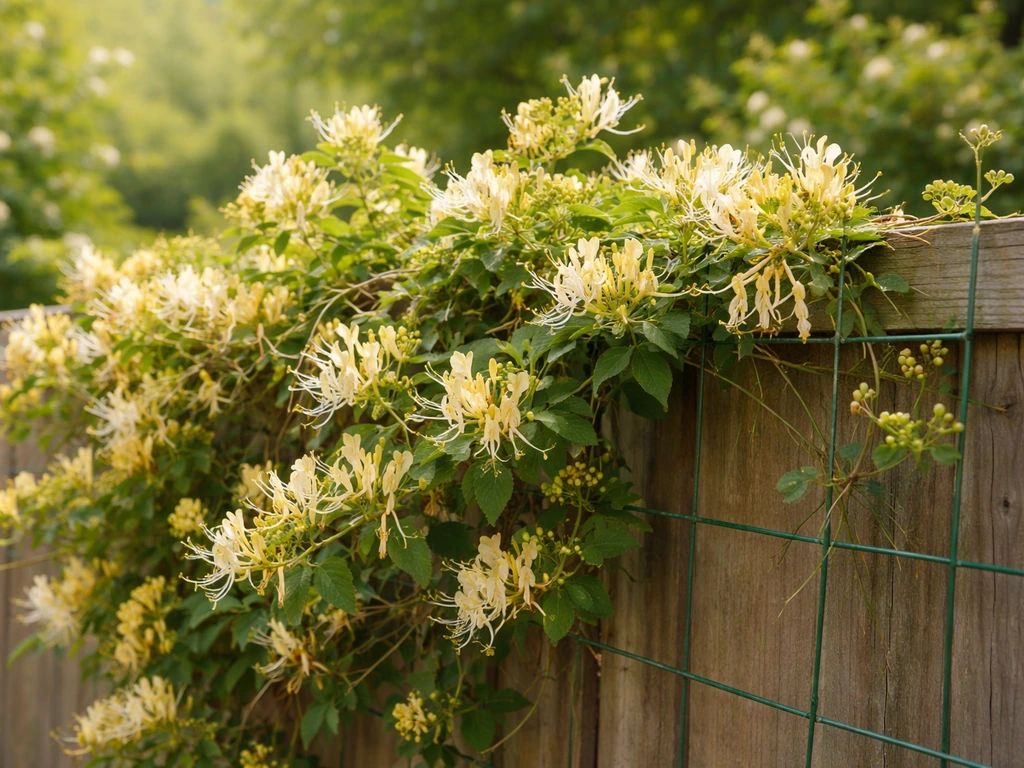
Training matters too. Vining honeysuckles (the types most likely to rebloom) perform best when trained horizontally rather than just allowed to climb straight up. When you spread stems out along a fence or trellis, more growth points get exposed to sunlight, which directly translates to more flower buds. I've seen vines that were simply trained more carefully on an existing fence double their bloom output in a single season compared to years when they were left to scramble vertically.
Where Multiple Harvests Are Most Realistic: Zones and States
Your growing zone sets realistic expectations. Here's the honest breakdown by region:
| Zone / Region | States (Examples) | Repeat Bloom Likelihood | Best Varieties |
|---|---|---|---|
| Zones 4-5 (Cool North) | MN, WI, NY, ME | One strong flush, lighter rebloom in late summer | Major Wheeler, Goldflame |
| Zones 6-7 (Mid-Atlantic, Midwest) | PA, OH, VA, NC, KS | Two reliable flushes, sometimes three | Major Wheeler, Alabama Crimson, Goldflame |
| Zones 8-9 (Southeast, Pacific Coast) | GA, FL, TX, CA, OR | Nearly continuous blooming spring to frost | Alabama Crimson, Halliana, sempervirens types |
| Zone 10+ (Deep South, Hawaii) | South FL, Hawaii | Year-round potential but heat stress in summer | Sempervirens cultivars in shadier spots |
Zones 6 through 8 are the sweet spot for getting reliable multiple harvests without fighting the climate. In zones 4 and 5, the season is short enough that you're really working with one primary bloom and whatever rebloom you can coax out with good timing. In zones 9 and 10, the challenge flips to managing summer heat that can suppress flowering mid-season even on vigorous vines. Gardeners in states like Georgia, Louisiana, and the Carolinas often see a brief summer slowdown followed by a strong fall rebloom, which is its own kind of multi-harvest reward.
Why You Might Not Be Getting Multiple Harvests
If your honeysuckle blooms once and then just sits there, one of a few things is usually going wrong. The most common culprits:
- Wrong variety: Shrub honeysuckles (L. tatarica, L. maackii) are typically once-bloomers. If that's what you have, no amount of pruning will turn it into a repeat bloomer.
- Too much shade: Honeysuckle needs at least six hours of direct sun for good repeat blooming. In part shade, you'll get one weaker flush and little else.
- Pruning at the wrong time: Cutting plants back hard in spring before they bloom removes the flower buds. Similarly, heavy fall pruning removes the stems that would carry next year's early blooms.
- Lack of pollination: For berries specifically, cross-pollination from another plant or good insect activity is important. A vine growing in an isolated spot with low bee traffic may flower well but set minimal fruit.
- Extreme weather: A late frost that kills early flower buds, or a prolonged heat spell above 95°F in summer, can knock out an entire bloom cycle. This is especially common in transitional zones 5 and 6 where late freezes are unpredictable.
- Young plant: Honeysuckle vines often don't reach their full blooming potential until their second or third year in the ground. A newly planted vine may give you a modest first-year showing that improves dramatically once established.
One thing worth checking if you're evaluating your plant's overall value in the garden: the questions of what it sells for, what rarity tier it falls into, and whether it's a good garden investment overall are all closely connected to how it performs across the season. If you are also wondering what rarity is honeysuckle in grow a garden, use the same idea here: the tier you expect should match the variety behavior you actually get across the season.
If you are wondering how much honeysuckle sells for, your variety and rarity level are usually the biggest factors that drive price how much honeysuckle sells for grow a garden. A honeysuckle that gives you only one flush is a much less compelling plant than one that earns its space with repeated color and possible berry display. That context matters when you're deciding whether to keep what you have or replace it with a better-performing variety.
Your Next Steps This Season
If you're not sure what type you have, take a photo of the leaves, stem structure, and flowers and run it through a plant ID app, or bring a cutting to your local extension office. Knowing the species narrows everything else down quickly.
If you already know you have a repeat-blooming type like coral honeysuckle or Goldflame, the move right now (especially in June) is to deadhead any spent blooms immediately and give the plant a light trim to push new growth. If you have a shrub honeysuckle that bloomed once and you want repeat performance, the honest advice is to consider replacing it with a vining cultivar known for multiple flushes.
The right plant in the right zone will do most of the work for you.
FAQ
What does “multi-harvest” mean for honeysuckle in a home garden (flowers vs berries)?
Gardeners usually mean either multiple flower waves or a longer berry display. The easiest way to plan is to decide which “harvest” you want, then match the variety to that goal, because many honeysuckles can hold berries for months but still only flower once per season.
If my honeysuckle reblooms, will the berries also come more than once?
Not usually. Most honeysuckles produce berries as a single fruiting event, so you may see flowers more than once but berry set typically follows the original main flowering period. Repeated blooms do not always translate into repeated harvests of fruit.
How can I tell whether I have a vining repeat-bloomer versus a one-and-done shrub?
Look at overall growth habit first, if it spreads and sends long flexible stems it is more likely vining. Second, check when and how it flowers, repeat-bloomers tend to keep pushing new shoots after the first flush, while shrub types often finish their show and then slow down.
When should I prune to encourage another round of blooms, and what mistake should I avoid?
Prune after a flush is finished, aiming to remove spent growth but not stripping all new shoots. A common mistake is heavy pruning too early in spring or right before buds form, which can wipe out the next flowering wave.
Does deadheading help honeysuckle rebloom, and how quickly should I do it?
Yes for many repeat-blooming types, removing spent flowers can redirect energy into new shoot growth. Do it promptly once blossoms fade, and then give a light adjustment to stimulate fresh growth points rather than waiting until the plant has set seed.
Will fertilizing boost multiple blooms, or can it backfire?
Too much nitrogen can lead to lots of leafy growth with fewer flowers. If you fertilize, use a light application and keep it focused on established vines, then let pruning and sunlight exposure do most of the work for repeat flowering.
How much sun do I need to actually get multiple bloom waves?
Expect better odds with full sun to at least 6 hours of direct light. If your vine is shaded, it may still grow but will struggle to generate enough new flower buds across multiple cycles.
Why does my honeysuckle stop blooming in mid-summer even though it’s a type that should rebloom?
Heat stress is a frequent cause in warmer regions, high temperatures can temporarily suppress flowering. Consistent watering during hot spells and avoiding late-season pruning that triggers tender new growth can help you maintain later flushes.
What training method gives the best chance of repeat flowering?
Train stems horizontally along a fence or trellis when possible. This spreads shoots and exposes more growth points to light, which is often the difference between a single display and multiple waves.
If I miss a pruning window, can I still get a second flush?
Sometimes, but it depends on where the plant is in its bud cycle. If the plant is already setting seed or has not produced new growth, you may get fewer or later blooms. Focus on gentle correction (minimal trimming, better light, regular deadheading) rather than drastic cuts.
Are all honeysuckle berries edible, and can I rely on them for an “extended harvest”?
No. Berry edibility varies by species, and even ornamental types may not be safe to eat. If your goal is visual enjoyment, you can still plan for persistence, but if you are harvesting for food, confirm the exact species first.
What should I do if my planted honeysuckle is “right variety” but still only blooms once?
Re-check three things: sunlight, pruning timing (do you remove spent growth without cutting off new buds), and whether the plant is actually vining repeat type. Also consider that newly planted vines sometimes underperform their second year while they establish, so give it time if it is less than one to two seasons old.
Is it worth replacing a one-and-done shrub honeysuckle if I mainly want multiple blooms?
Often, yes if you want repeat flowering rather than just seasonal berries. Switching to a known repeat-bloomer that matches your zone and growth habit (typically vining types for flowers across the season) usually produces a more reliable “multi-harvest” outcome than trying to force a shrub into repeating.