
Honeysuckle does not have prickly fruit. No matter which common honeysuckle species you're looking at, Japanese, Amur, Tatarian, coral, or twinberry, the fruit is always a smooth, round berry. You will not find spines, thorns, or any prickly surface on honeysuckle fruit itself. The confusion usually comes from other parts of the plant, from neighboring shrubs that get lumped in with honeysuckle, or occasionally from a specific hairy-leaved species that feels rough to the touch but still produces perfectly smooth berries.
Is Honeysuckle a Prickly Fruit? Identification Tips

Marcus Hartwell
7 May 2026
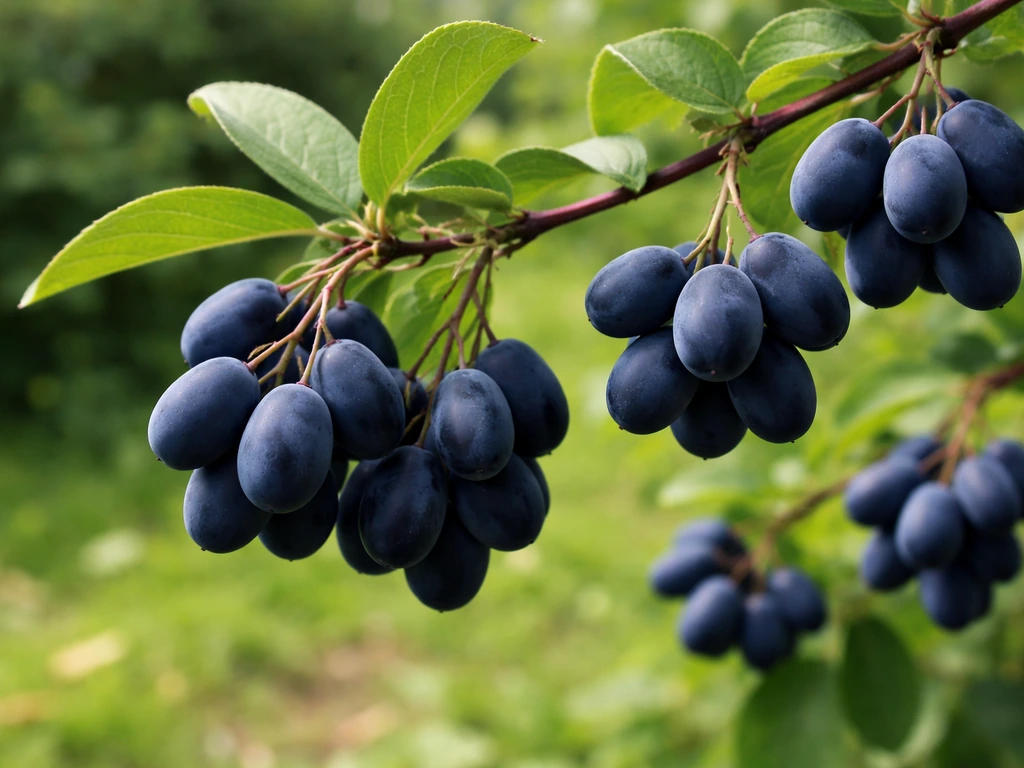
What honeysuckle fruit actually looks like
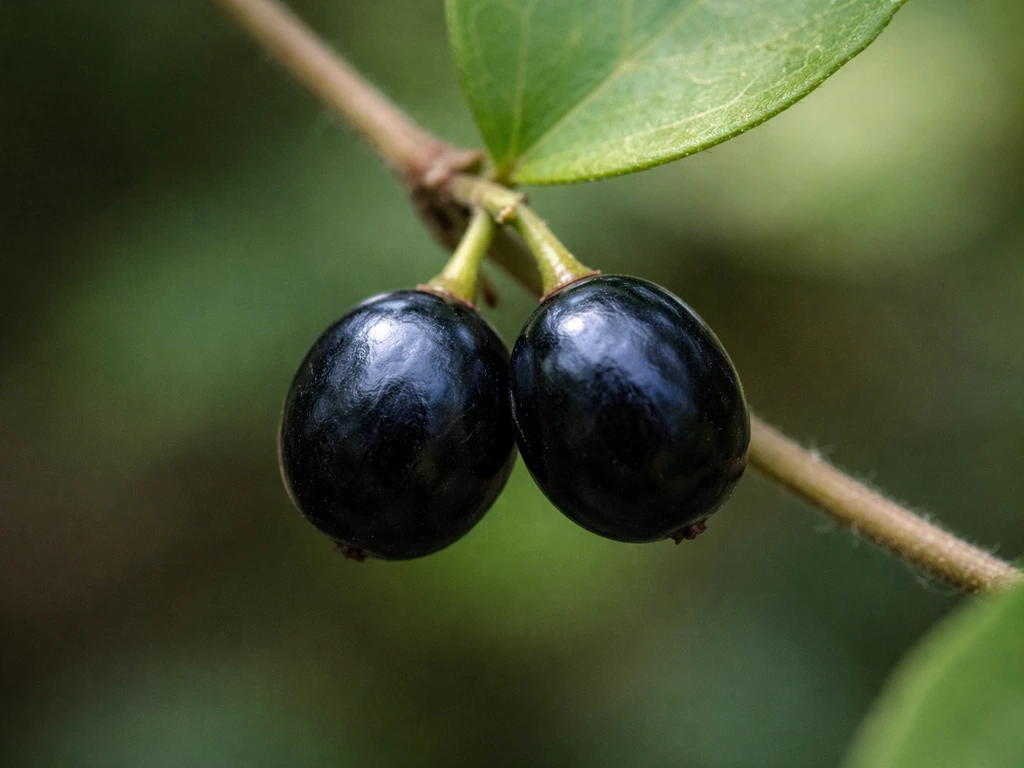
Honeysuckle berries are small, smooth, and fleshy, unmistakably berry-like. Japanese honeysuckle (Lonicera japonica) produces black or blue-black berries about 4 to 6 mm across (roughly a quarter inch), typically in pairs right where the leaves meet the stem. They ripen in fall and can hang on into early winter even after leaves drop, which sometimes makes them easier to spot. Amur honeysuckle (Lonicera maackii) gives you red berries of about the same size, also in pairs, ripening September through October.
Tatarian honeysuckle follows a similar pattern with red fruit appearing by mid-summer. Coral or trumpet honeysuckle (Lonicera sempervirens) goes a slightly different route, its fruit is egg-shaped and bright red, produced in whorls of two to four rather than solitary pairs. Twinberry honeysuckle (Lonicera involucrata) has dark purple to black paired berries framed by showy dark red bracts that turn almost as colorful as the berries themselves.
Across all of these, the fruit structure is consistently smooth and soft, not something you'd hesitate to brush past with a bare arm.
The berries are paired in most species, held close to the stem from leaf axils, and each contains anywhere from one to six small seeds depending on species. That paired, stem-hugging arrangement is one of the most reliable visual clues you have for confirming you're actually looking at a honeysuckle rather than something else.
Where the 'prickly' confusion comes from
The most common source of confusion is mixing up different plant parts. Honeysuckle vines can grow through and around thorny shrubs like wild roses or hawthorns, and it's very easy to reach into that tangle, feel something sharp, and blame the honeysuckle. The honeysuckle itself is thornless, most bush honeysuckle stems are described as having hollow, thornless twigs, but the company it keeps in a hedgerow can definitely draw blood.
Another source of the rough-texture complaint is hairy honeysuckle (Lonicera hispidula), a native species found mainly in the Pacific Northwest and California. This one has leaves that are softly pubescent, meaning they have a fuzzy, almost velvety texture on the underside and sometimes the top surface too. If you've run your hand along the stems or leaves of this species, you might describe it as rough or irritating, but again, the berries themselves are smooth. Fuzzy foliage and prickly fruit are two very different things, and this plant only has the former.
A third scenario: people sometimes mistake barberry, gooseberry, or other thorny fruiting shrubs for honeysuckle because they occupy the same weedy-shrub ecological niche. Barberries have spiny stems and bright red berries; gooseberries have prickly fruit capsules. Neither is a honeysuckle, but if someone planted a mixed hedgerow and isn't sure what's what, it's a reasonable mix-up.
| Plant | Fruit Type | Prickly/Spiny? | Common Confusion Cause |
|---|---|---|---|
| Japanese honeysuckle (Lonicera japonica) | Smooth black berry, ~6 mm | No | Grows through thorny shrubs |
| Amur honeysuckle (Lonicera maackii) | Smooth red berry, ~6 mm | No | Grows in weedy thickets |
| Coral honeysuckle (Lonicera sempervirens) | Smooth red egg-shaped berry | No | Sometimes mistaken for other vines |
| Hairy honeysuckle (Lonicera hispidula) | Smooth berry, fuzzy leaves | No (leaves are fuzzy) | Fuzzy texture misread as prickly |
| Barberry (Berberis spp.) | Small red berry | Yes — spiny stems | Occupies same hedgerow habitat |
| Gooseberry (Ribes uva-crispa) | Prickly capsule-like fruit | Yes — spiny fruit | Similar shrubby growth habit |
Is it safe to handle around kids and pets?
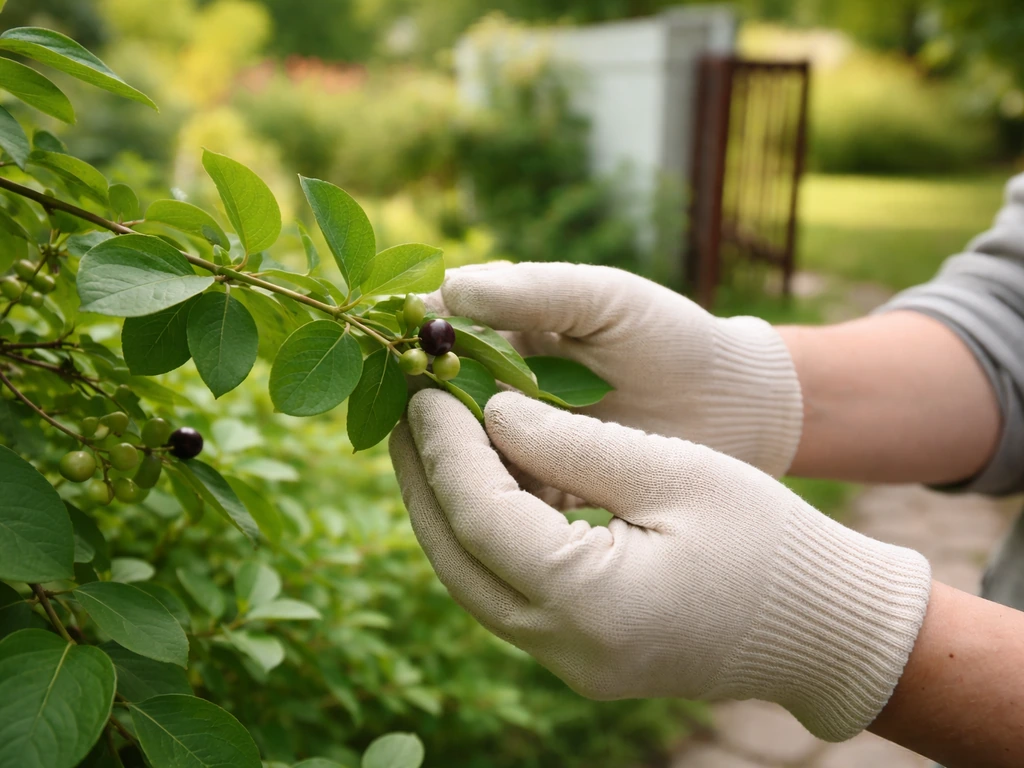
From a physical-handling standpoint, honeysuckle is not a concern. There are no thorns, spines, or irritating fruit surfaces on any of the common species. What you do want to keep in mind is ingestion. Young children and pets will sometimes eat the berries because they're brightly colored and accessible.
Most honeysuckle berries are mildly toxic if eaten in quantity, enough to cause stomach upset, and some twinberry species are described as notably bitter, which at least discourages repeat snacking. If honeysuckle berries are ingested or you suspect ingestion, call CHOP Poison Control for guidance.
Japanese honeysuckle berries are considered mildly toxic to people and some animals. If you have kids or pets who graze in the yard, it's worth knowing where your honeysuckle is fruiting and keeping an eye on it during September and October when most berries ripen. The physical handling risk (cuts, scratches, rash) is essentially zero. The ingestion risk is low but real, particularly for small children.
Which honeysuckle grows where you live
The good news for most of North America is that at least one honeysuckle species will grow in your climate, sometimes several. If you meant the rarity of honeysuckle in your garden, that can also depend on which species is common in your area, so it helps to compare what grows in your zone what rarity is honeysuckle in grow a garden.
The invasive species like Japanese and Amur honeysuckle are tough enough to thrive in zones 4 to 9, which covers most of the continental US. If you're in a cold-climate state like Minnesota, Wisconsin, or the Dakotas, Amur honeysuckle and Tatarian honeysuckle are both rated to zone 3, meaning they can handle serious winters.
In the South, zone 7 through 9, Japanese honeysuckle is practically indestructible and is actually listed as invasive in many states, so planting it deliberately is something to think carefully about.
For gardeners who want something that's well-behaved and regionally appropriate, coral or trumpet honeysuckle (Lonicera sempervirens) is the go-to native option across much of the eastern and southeastern US. It's a Florida native that also performs well through the mid-Atlantic and into New England, and it won't escape into your neighbor's yard. In the Pacific Northwest, native hairy honeysuckle and twinberry honeysuckle grow naturally and support local pollinators without the invasive drawbacks.
| Species | Hardiness Zones | Best Regions | Invasive Concern? |
|---|---|---|---|
| Japanese honeysuckle (Lonicera japonica) | 4–9 | Most of US | Yes — check your state |
| Amur honeysuckle (Lonicera maackii) | 3–8 | Midwest, Northeast, cold climates | Yes — widely invasive |
| Tatarian honeysuckle (Lonicera tatarica) | 3–8 | Northern states, upper Midwest | Yes — invasive in many states |
| Coral/Trumpet honeysuckle (Lonicera sempervirens) | 4–9 | Eastern US, Southeast, native-friendly gardens | No — native to eastern US |
| Twinberry honeysuckle (Lonicera involucrata) | 5–9 | Pacific Northwest, Western US | No — native to western US |
| Hairy honeysuckle (Lonicera hispidula) | 6–9 | California, Pacific Northwest | No — native to western US |
One thing worth flagging: if you're planning honeysuckle for the value it brings in a garden game context, knowing which species is viable in your zone still matters for real-world planting. The variety question also connects to how the plant performs across seasons, something worth checking if you're curious about things like its harvest behavior or sell value, since different species have different fruiting timelines and outputs.
If you're also figuring out how much honey from your garden setup you can realistically expect, that planning step ties into harvest timing and yield, so it helps to look at honeysuckle grow a garden how much as a related option. Harvest timing can vary by honeysuckle type, so if you want an answer to whether honeysuckle is multi-harvest, check your species' fruiting pattern across the seasons.
If you're wondering how much honeysuckle sell for when you grow it for sale, the species you pick and your harvest timing will make a big difference how much honeysuckle sell for grow a garden.
How to identify what you have and handle it safely
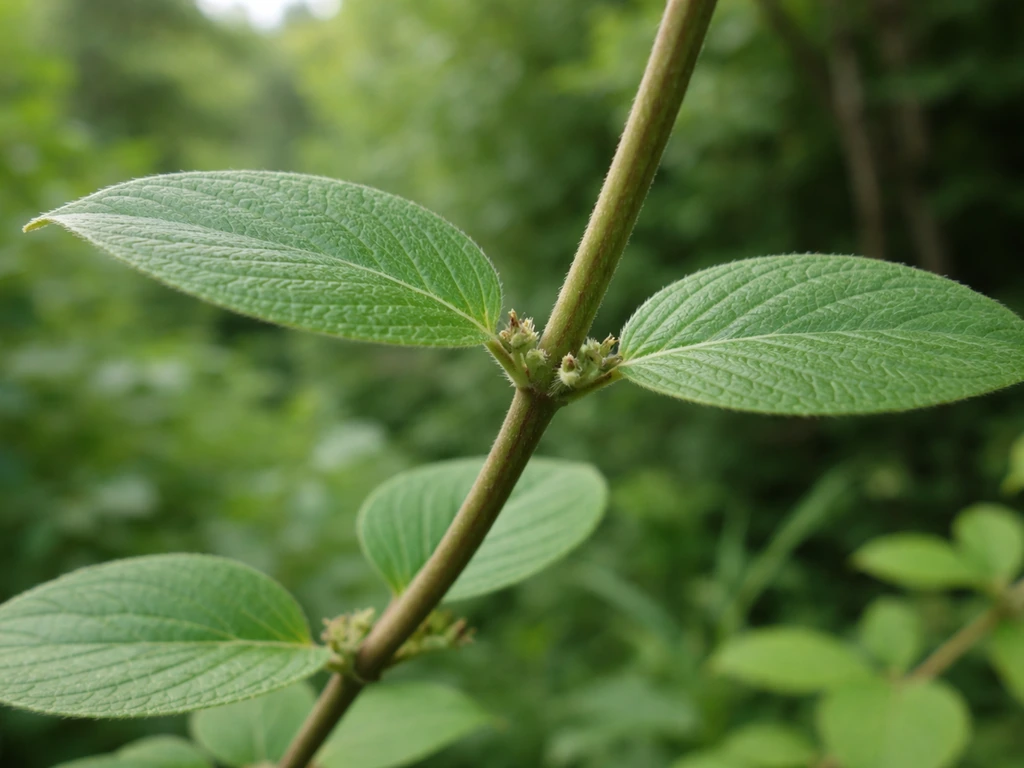
Start with the leaves. Honeysuckle species have opposite leaves, two leaves paired directly across from each other on the stem at each node. This is one of the fastest ways to separate honeysuckle from thorny impostors like rose and hawthorn, which have alternate leaf arrangements. Then look at the stems: no thorns, no spines, and on the bush types, the stems are hollow inside if you cut one.
Next, look at where the flowers and fruit form. On most honeysuckles, both appear in pairs right at the leaf axils (the angle between a leaf and the stem). If you see fruit that's not paired, not at leaf axils, or that has any kind of spiny, bumpy, or ridged surface, you're probably looking at something else.
For identifying fruit color specifically: black or blue-black berries point to Japanese honeysuckle; red berries in pairs suggest Amur, Tatarian, or coral honeysuckle; dark purple or black berries with prominent red bracts underneath are twinberry. Timing helps too, most species ripen September through October, with Japanese honeysuckle sometimes persisting through early winter.
Practical safe-handling tips for today
- Wear light garden gloves when working with hairy honeysuckle (Lonicera hispidula) specifically — the fuzzy leaf surfaces can be mildly irritating on sensitive skin even though the berries are smooth.
- If you're pruning or removing invasive species like Japanese or Amur honeysuckle, long sleeves help because you'll be reaching into dense tangles that often include thorny neighbors.
- Keep an eye on small children and pets during fall when berries ripen — the bright red or black berries are attractive and within reach of little hands and curious dogs.
- Use the paired-leaves and paired-fruit pattern to confirm you're dealing with honeysuckle before assuming anything about the plant's safety or identity.
- If you're buying a honeysuckle for your garden, ask specifically for Lonicera sempervirens (coral honeysuckle) or a regionally native species — you'll get the same beautiful flowers without the invasive risk, and the fruit is just as smooth and manageable.
The bottom line is that honeysuckle is one of the more physically safe plants you can have in a yard. No prickles, no spines on the fruit, no thorns on the stems. The main things to manage are invasive spread in regions where that's a concern, and keeping berry ingestion in check for young kids and pets during fall fruiting season. Once you know which species you have and what zone you're in, you'll have a pretty clear picture of what to expect from it year to year.
FAQ
If the berries feel rough in my yard, does that mean I have honeysuckle with prickly fruit?
Not if you are looking at the fruit skin itself. Honeysuckle berries are smooth and fleshy, so they should not feel sharp or spiny even when ripe. If the berries feel prickly, the plant is likely a different shrub whose thorns are on stems or calyxes, or it could be a neighboring prickly species growing through a honeysuckle tangle.
What’s the most common reason people think honeysuckle has prickly fruit?
Likely no. The most common “prickly” complaints come from thorns on nearby shrubs (wild rose, hawthorn) or from hairy leaves on hairy honeysuckle, not from the berries. A quick check is to gently separate yourself from surrounding vegetation and look at the berry surface itself, it should remain smooth.
How can I confirm honeysuckle if I only notice berry color?
If you’re trying to avoid mistakes, don’t rely only on berry color. Use the placement too, most honeysuckles form paired berries at the leaf axils, right where leaves meet the stem. Thorny impostors often have different berry attachment, different leaf arrangement, or spined stems.
Which plant feature is the fastest way to separate honeysuckle from thorny lookalikes?
Look for the leaf pattern and stem details first. Honeysuckle has opposite leaves, and the stems on many bush forms are described as hollow and thornless (you can sometimes see hollowness by cutting a small twig). Thorny fruiting shrubs usually show thorns on the stems or a different leaf arrangement, which is a more reliable clue than berry texture alone.
Could hairy-leaved honeysuckle be the reason berries seem prickly to me?
Hairy honeysuckle can feel irritating because the leaves may be fuzzy on the underside and sometimes the upper surface. However, the berries still remain smooth, so the texture cue should be from leaves, not from berry spines or bumpy spines on the fruit itself.
What are the main shrubs people confuse with honeysuckle berries?
Common thorny-berry lookalikes include barberry and gooseberry. Barberry typically has spiny stems, and gooseberry has prickly fruiting structures. If your “honeysuckle” has spines on stems or the fruit area itself, it is not honeysuckle.
If honeysuckle is not prickly, is it still unsafe to eat?
Yes, ingestion risk is real even though handling risk is minimal. Mild toxicity is reported for many honeysuckle species if eaten in quantity, and berries can be appealing to children or pets. If you suspect a person or pet ate berries, contact a medical professional or poison control for guidance rather than trying home remedies.
When is honeysuckle berry ingestion most likely to happen, and what should I do?
For supervision, focus on peak availability in fall, many species ripen around September through October, and some can linger into early winter. If you have kids or pets that snack outdoors, consider physically blocking access during that window or removing fallen berries from walkways and play areas.
Does choosing a different honeysuckle species change how risky it is to plant near kids or pets?
Species choice affects more than fruit timing. In places where invasive honeysuckle is a concern, planting non-invasive native species like coral or trumpet honeysuckle (region dependent) can reduce spread. Also note that fruiting behavior and how long berries hang around varies by species, which changes how often berries appear in the yard.
Could I still get scratched even if honeysuckle fruit is not prickly?
Sometimes. Honeysuckle can grow around or through thorny shrubs, so you might experience scratches without the honeysuckle itself being prickly. If you notice scratches during pruning or handling, use gloves and prune honeysuckle away from the thorny plants you see nearby, or remove access paths so you are not reaching into a thorn tangle.