
Honeysuckle typically sells for between $9 and $50 at retail, depending on the form you buy (bare-root, 1-gallon pot, or larger container), where you buy it, and which species you're after. In a discussion on r/growagarden about whether to keep or sell honeysuckle, one user claimed a “Value: 700 trillion” for a Honeysuckle in the thread. If you're shopping right now, a solid 1-gallon potted honeysuckle vine runs $9 to $27 at most nurseries and garden centers, while bare-root options from big-box stores land around $25 to $30. Larger 3- to 5-gallon plants jump to $37 to $50 or more. Here's the full breakdown so you know exactly what to expect before you hand over your card.
How Much Does Honeysuckle Sell For in Grow a Garden?
Marcus Hartwell
19 Apr 2026
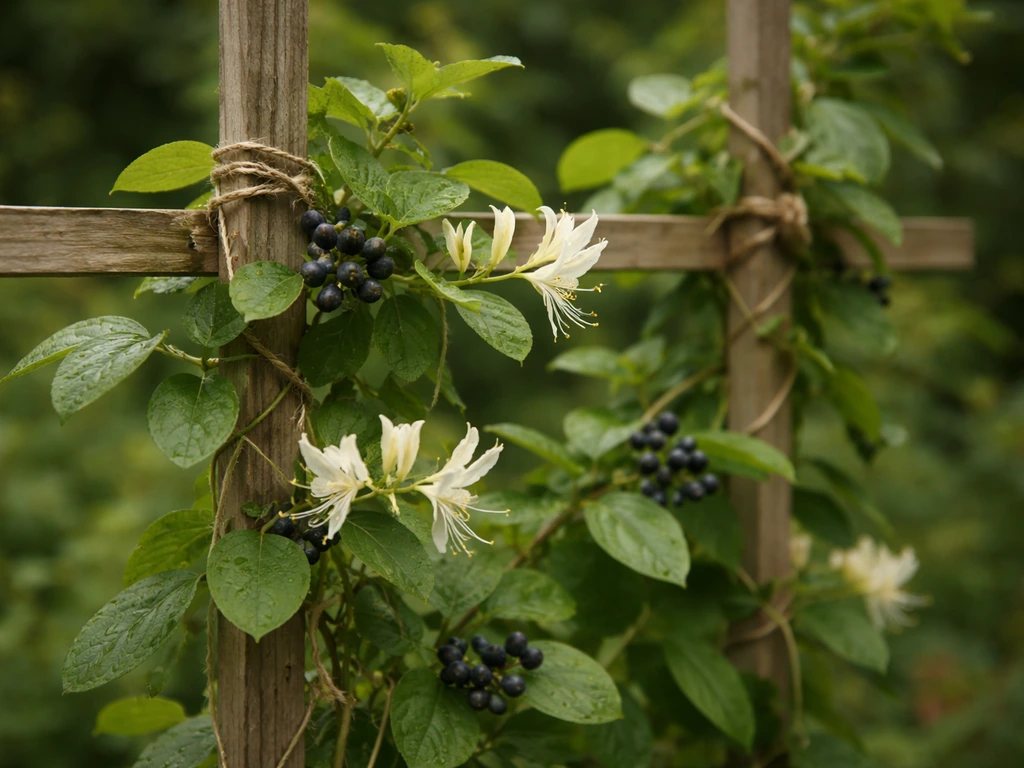
Typical honeysuckle price ranges by plant form and size
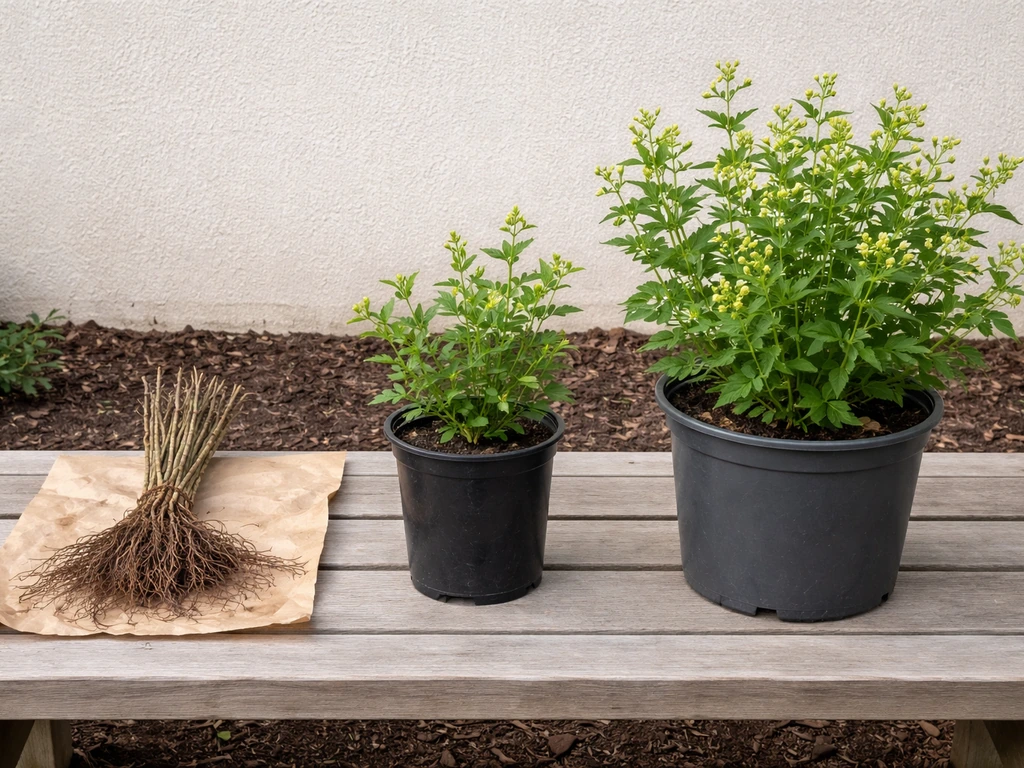
The single biggest factor in what you'll pay is the plant form. Bare-root plants ship dormant without soil, so they're cheaper to produce and ship, but they need more careful planting. Potted plants cost more because the nursery has already done the establishment work for you. Here's what you'll see at checkout across common sizes and forms:
| Plant Form / Size | Typical Price Range | Example Prices Found |
|---|---|---|
| 1 Gallon Potted (native/specialty nursery) | $9 – $15 | Coral Honeysuckle 1 gal. from $9.00; Yellow Coral variety $14.00 |
| 1 Gallon Potted (local garden center) | $25 – $27 | Honeysuckle Vine 1 Gal. at $26.99 |
| Bare-Root Shrub / Root Stock (big-box or catalog) | $24 – $29 | Goldflame Honeysuckle bare-root at $28.45; Pink Honeysuckle root stock at $24.99 |
| 3 Gallon Potted | $37 – $45 | Coral Honeysuckle 3 Gal. at $37.00 |
| 5 Gallon Potted | $47 – $55+ | Coral Honeysuckle 5 Gal. at $47.00 |
The takeaway: if you're buying from a native plant nursery or a regional specialist, you can land a quality 1-gallon plant for under $15. If you're picking one up at your local garden center or big-box store, budget closer to $25 to $30. Neither is a bad deal, but the cheaper native nursery plants are usually species that will perform better in your specific climate anyway, which makes them an even better value.
What makes honeysuckle cost more or less
Price differences in honeysuckle aren't random. A few consistent factors drive the gap between a $9 plant and a $47 one, and understanding them helps you decide where to spend and where to save.
Species and variety
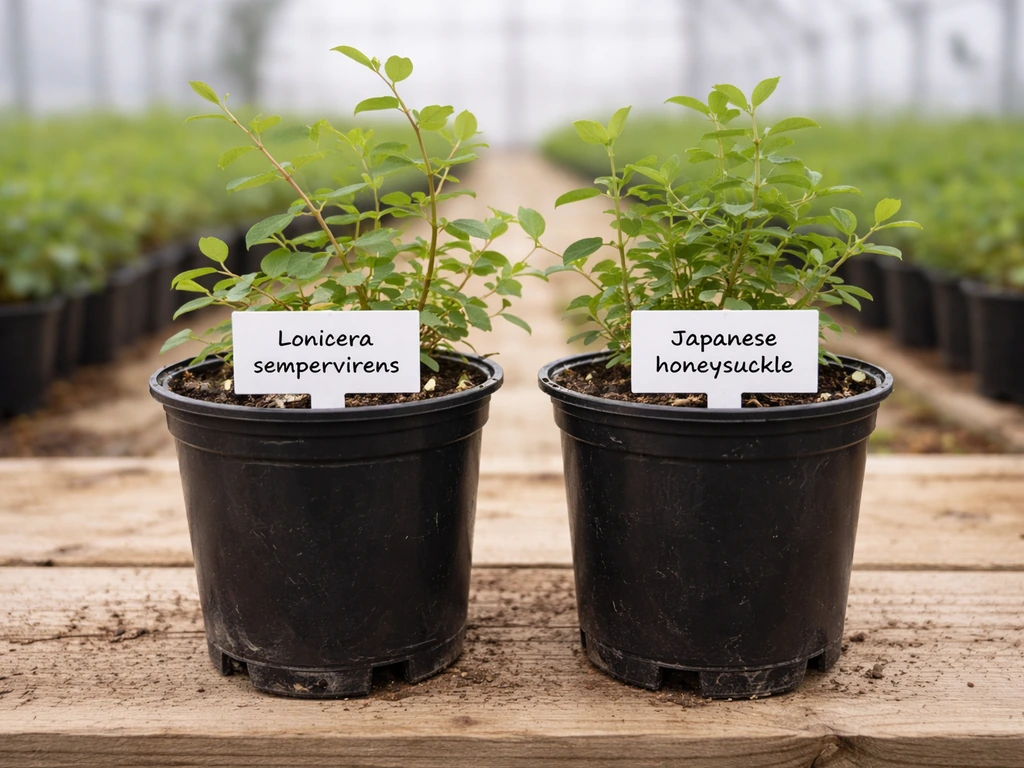
Native species like Lonicera sempervirens (Coral Honeysuckle) tend to be cheaper at native plant nurseries because those nurseries propagate them in volume specifically for regional gardens. A standard coral honeysuckle 1-gallon can go for as little as $9. Named cultivars and less common varieties, like the yellow-flowering 'Sulphurii' form, cost a few dollars more, usually $12 to $15 in the same size. Exotic or non-native varieties sold at general garden centers (Goldflame, for example) often carry a premium because they're marketed as ornamentals to a broader audience.
Container size and root development
This is the most straightforward price driver. A 1-gallon plant has been in a pot for one season. A 3-gallon plant has been growing for two or more seasons and gives you a head start in the landscape, but you're paying for that time. Going from a 1-gallon ($9 to $27) to a 3-gallon ($37) to a 5-gallon ($47+) roughly doubles and then triples your cost. For most home gardeners, a healthy 1-gallon plant in the right zone will catch up to a 3-gallon within one to two growing seasons, so bigger isn't always worth the premium.
Bare-root versus potted
Bare-root plants (like the Goldflame vine sold at Home Depot for $28.45 or the Van Zyverden root stock at Tractor Supply for $24.99) are sold dormant in spring and shipped without soil. They're reasonably priced but demand more from the buyer: you need to plant them promptly, water carefully, and wait for signs of life. Potted plants give you visual confirmation of health and are more forgiving of a delayed planting day. If you're a beginner or you're not sure when you'll get around to planting, the extra $5 to $10 for a potted version is worth it.
Live plant quality and source
A stressed, root-bound, or disease-spotted honeysuckle at a deep discount isn't a deal. Look for healthy green growth or, on bare-root plants, firm canes with no soft spots. Specialty nurseries and native plant markets (like regional spring native plant sales) tend to sell fresher, better-acclimated stock than plants that have been sitting on a big-box shelf through temperature swings. The SCNPS 2026 Spring Native Plant Market, for example, offers coral honeysuckle in 1-gallon sizes specifically sourced for regional conditions, which is exactly the kind of stock you want.
Where to buy honeysuckle today
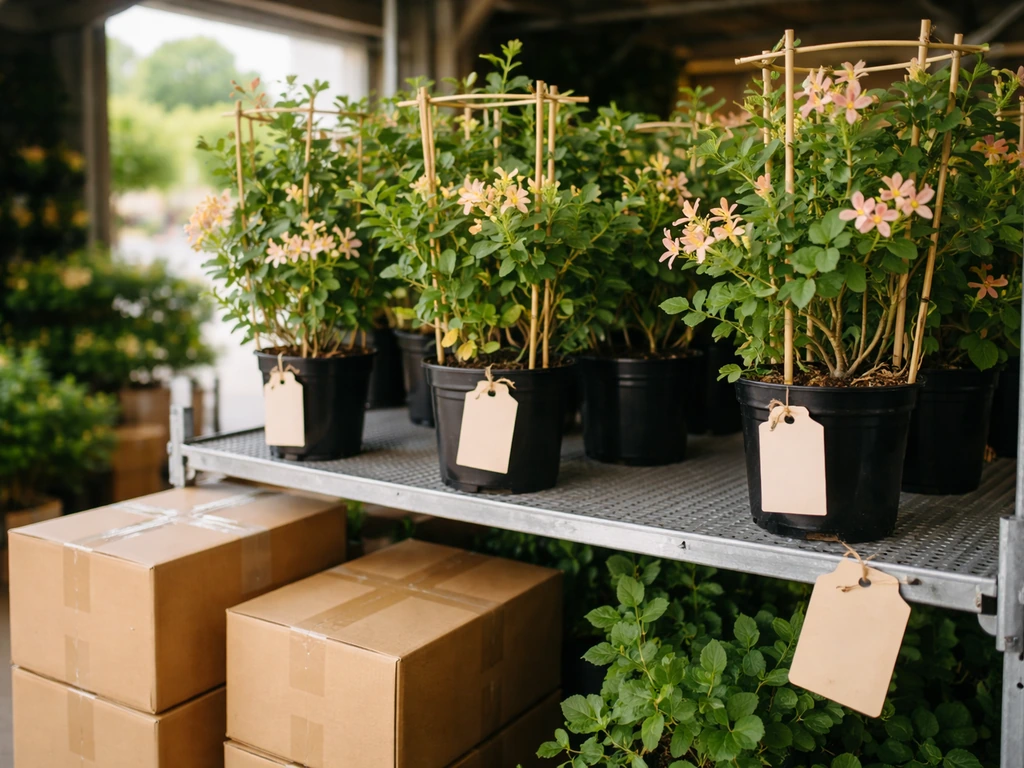
You have more options than you might think, and the right channel depends on your budget, your timeline, and how specific your climate needs are.
- Local independent nurseries and garden centers: Best source for plants already acclimated to your region. Expect to pay $20 to $30 for a 1-gallon. Ask specifically for native or locally grown stock.
- Regional native plant sales and plant markets: Often the best value and best climate match. Spring sales like SCNPS 2026 offer 1-gallon coral honeysuckle at low prices, and the plants are sourced for your area.
- Big-box stores (Home Depot, Lowe's, Tractor Supply): Convenient and widely available. Prices run $24 to $29 for bare-root or root stock. Quality varies by store; inspect carefully before buying.
- Online specialty nurseries (Mail Order Natives, Texas Tree Farms, One Green World): Good for sourcing specific species or native varieties that your local stores don't carry. Shipping adds to cost, so factor that in. Texas Tree Farms lists coral honeysuckle at $9 for a 1-gallon, which is an excellent price if their shipping zone works for you.
- Marketplace listings (Facebook Marketplace, Craigslist, Nextdoor): Local sellers often divide overgrown honeysuckle and sell rooted cuttings for $5 or less, sometimes free. Quality varies, but this is the lowest-cost option if you're comfortable with a little uncertainty.
How to get a fast, accurate local price for your zone
Online prices are a useful baseline, but your actual cost depends on what's available near you. Here's a simple process to get a real number in under 15 minutes.
- Search '[your city] + honeysuckle vine + nursery' and call or check the websites of two local independent nurseries. Ask what species they carry and in what sizes.
- Check Home Depot and Lowe's online with your zip code to see current in-store availability and pricing for honeysuckle.
- Search 'honeysuckle' on Facebook Marketplace set to your city, radius 25 miles, to see if local sellers have plants or cuttings available right now.
- Search '[your state] + native plant society + spring sale' to find upcoming regional plant sales, which often have the best prices on climate-appropriate stock.
- Compare what you find against the baseline ranges in this article to know immediately whether a listing is a fair price or overpriced.
This whole process takes less time than driving to a store and not finding what you need. In most metro areas, you'll find at least two or three price points to compare within a few miles, which gives you real negotiating power or at least a confident purchasing decision.
Which honeysuckle varieties actually thrive where you live
Buying honeysuckle at a great price doesn't matter if you plant a species that hates your climate. This is the piece most gardeners skip, and it's why some honeysuckle plantings fail in the first year. Here's a plain-language breakdown of which varieties fit which climate zones, so you don't waste your money.
| Honeysuckle Type | USDA Zones | Best Regions | Notes |
|---|---|---|---|
| Lonicera sempervirens (Coral Honeysuckle) | 4 – 9 | Southeast, Mid-Atlantic, South-Central, parts of Midwest | Native to eastern US; drought-tolerant once established; non-invasive; attracts hummingbirds |
| Lonicera sempervirens 'Sulphurii' (Yellow Coral) | 4 – 9 | Same range as coral honeysuckle | Yellow flowers on same tough native vine; slightly less common in nurseries |
| Lonicera japonica (Japanese Honeysuckle) | 4 – 10 | Widely adaptable across US | Highly fragrant but invasive in most eastern states; check local regulations before planting |
| Lonicera x heckrottii (Goldflame Honeysuckle) | 5 – 9 | Northeast, Midwest, Pacific Northwest | Showy pink-yellow blooms; good for cooler zones; not aggressive |
| Lonicera hispidula (California Honeysuckle) | 7 – 10 | Pacific Coast, California, Pacific Northwest | Native to the West; handles dry summers well; suited to California gardens |
| Lonicera periclymenum (Woodbine Honeysuckle) | 4 – 8 | Northeast, Pacific Northwest, Upper Midwest | European native; fragrant; performs well in cooler, moister climates |
The general rule: if you're in the Southeast or South-Central US, Lonicera sempervirens is your best buy, hands down. It's native, it's cheap through regional nurseries, it handles heat and humidity, and it won't take over your yard. If you're in the Pacific Coast region, look for California Honeysuckle (Lonicera hispidula) through specialty growers like One Green World. If you're in the Northeast or Midwest, Goldflame or Woodbine honeysuckle will give you the ornamental look you're after without the invasiveness risk.
It's worth noting that questions like what rarity honeysuckle carries in a planting context, whether it's a multi-harvest plant, or how it performs as a fruiting species are all separate considerations from choosing the right ornamental vine for your landscape. For most homeowners, the ornamental vine varieties above are what you'll find at nurseries and what you'll want to plant.
A quick value checklist before you buy
Before you hand over money for any honeysuckle plant, run through this checklist. It takes two minutes and saves you from buying a plant that will struggle or die in your garden. Grow A Garden lists Honeysuckle with an average, unmutated Crop Value of 100,000 Sheckles on its Crop Value section It takes two minutes and saves you from buying a plant that will struggle or die in your garden..
What to inspect on the plant
- Leaves are green and firm, not yellowing, spotted, or dropping off
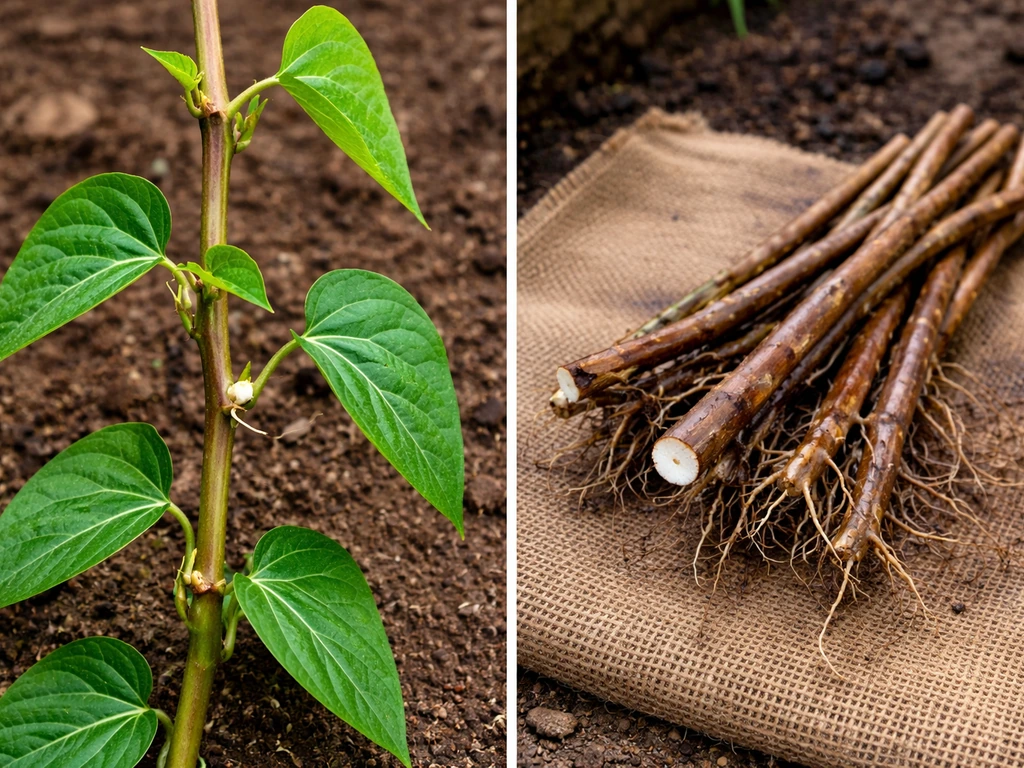
- Stems are flexible, not brittle or dry; bare-root canes should feel firm with no soft or mushy sections
- Root ball (if potted) is not severely root-bound; a few roots at drainage holes is fine, a solid mass of circling roots is not
- No visible aphid colonies, scale insects, or powdery mildew on leaves or stems
- Label clearly identifies the species, not just 'honeysuckle vine,' so you know what you're getting
What to avoid
- Avoid Lonicera japonica (Japanese Honeysuckle) in eastern states where it is listed as invasive; it can overtake a landscape and is restricted in many regions
- Avoid deeply discounted plants at the end of the season without knowing why they're marked down; pest or disease issues often drive those cuts
- Avoid buying a large, expensive container size (3 or 5 gallon) when a healthy 1-gallon in the right zone will establish just as successfully within a season or two
- Avoid unidentified 'honeysuckle vine' cuttings from unknown sources if you're in an area where invasive species are a concern
What to plan for before planting
- Confirm your USDA zone and match it to the species you're buying; a 30-second check online using your zip code gives you this instantly
- Plan for a support structure (trellis, fence, or arbor) since honeysuckle vines need something to climb; factor this into your total budget
- Know your watering situation; coral honeysuckle handles drought once established, but bare-root plants need consistent moisture for the first four to six weeks
- Check your local extension service or state agriculture department for any invasive species warnings specific to your county before buying Japanese honeysuckle
- Keep your receipt; Home Depot's bare-root honeysuckle comes with a 90-day return window, which is excellent insurance if the plant fails to establish
What you should expect to spend, and what's worth it
For most homeowners, a 1-gallon honeysuckle vine in the $10 to $27 range is the sweet spot. If you can find a native plant sale or a specialty nursery selling coral or California honeysuckle for under $15, that's an exceptional deal for a plant that will perform reliably in your zone. If you're shopping at a local garden center or big-box store and paying $25 to $30 for a bare-root or 1-gallon potted plant, that's still a fair price for a vine that will cover a fence or trellis within two to three seasons.
Spend more (up to $47 or more for a 5-gallon) only if you need immediate visual impact in an established landscape and can't wait a season or two for the plant to fill in. Otherwise, save the money, buy the right species for your zone, plant it at the right time, and let it do what honeysuckle does naturally: grow fast and reward you with flowers and fragrance for years. If you want to plan your planting and care schedule, focus on how to grow honeyuckle in a garden and how much space it needs to keep thriving grow fast. It helps to also consider is honeysuckle good in grow a garden before you buy, since the best choice depends on your climate and variety. Before you buy, it can also help to confirm whether is honeysuckle a prickly fruit in grow a garden, because some gardeners care more about fruit traits than just flowers. If you're wondering whether is honeysuckle multi-harvest, it helps to match the variety to your climate and intended use before you plant. However, whether honeysuckle is good for your specific garden depends on the variety and your climate, so choose a plant that fits your zone is honeysuckle good in grow a garden.
FAQ
How much does honeysuckle cost if I only need one vine, and what size should I start with?
If you want one plant, the typical practical starting point is a 1-gallon pot, since most nurseries list that size around $9 to $27. A 3-gallon will usually run about $37 to $50+, but it is mainly worth it if you need faster coverage, like hiding an unsightly fence right away.
Do honeysuckle prices differ a lot between buying online and buying locally?
Online listings are a baseline, but your final cost can jump due to shipping and local availability. In many cases, local nurseries have better “fresh stock” timing, which matters more than a small price difference, especially if you are planting soon after purchase.
Is bare-root honeysuckle ever cheaper than potted enough to justify the extra work?
Often, yes. Bare-root can be attractive when the savings are at least a few dollars and you can plant immediately after it arrives. If you might delay planting, a potted vine is more forgiving and can save you the cost of replacement if the bare-root dries out or loses vigor.
What should I check before buying so I do not pay for a stressed honeysuckle plant?
Inspect for sturdy, firm canes (for bare-root), no soft spots, and healthy new growth. If it looks root-bound in a pot or has leaf spots or wilting that does not recover when watered, skip it even if the price is tempting, since early stress often shows up later as weak flowering.
Do native honeysuckle varieties always cost less than ornamentals?
They are frequently cheaper at native-focused nurseries, but not always. Named cultivars and specific flowering colors can raise the price even within native groups, so compare the exact cultivar and size (1-gallon versus 3- or 5-gallon) rather than relying only on “native versus non-native.”
How much should I budget if I’m buying multiple plants for a fence or trellis?
Expect the per-vine cost to stay similar, but the total budget should factor in structure and spacing. If you are buying several, start with a consistent size like 1-gallon so your vines establish around the same time, which usually makes coverage look more uniform than mixing random sizes.
Can I save money by buying a smaller vine and waiting for it to catch up?
Yes, in many home gardens. The article notes a healthy 1-gallon often catches up to a 3-gallon within one to two seasons, so if you are not rushed, buying smaller and planting at the right time is usually the better value.
What is the price difference for honeysuckle because of climate suitability, not the retailer?
A variety that matches your climate tends to thrive and flower sooner, reducing the chance you will replace it. Even if two plants cost the same, paying slightly more for the right regional species can be cheaper overall because you avoid losing a season to poor adaptation.
Does the honeysuckle type matter for price when I only care about flowers and fragrance?
Yes. Ornamental forms often cost more than common native types, especially when they are marketed broadly at general garden centers. If you only want flowers and scent, choose the regional ornamental species that fits your zone, rather than paying a premium for a novelty trait you may not need.
Are “fruiting” or “multi-harvest” claims likely to change the price I should expect?
They can, but the key is matching the variety you are actually buying. Some honeysuckle selections are marketed for fruit traits, and those can carry a different price and performance pattern than purely ornamental vines, so confirm the exact variety and intended outcome before purchasing.