
Yes, honeysuckle can be a great addition to a garden, but the honest answer is: it depends on which honeysuckle you plant and where you live. Get this choice wrong and you could end up with a fast-spreading vine that takes over your yard, or worse, you could plant a species that's outright restricted in your state. Get it right, and you have a fragrant, pollinator-friendly climber that blooms for months and looks incredible on a trellis. This guide breaks down exactly what honeysuckle is, what you actually get from it, and whether it's a smart pick for your specific climate and zone.
Is Honeysuckle Good for Grow a Garden? Zones, Types, and Tips

Marcus Hartwell
3 Apr 2026
What honeysuckle actually is (and how it grows)
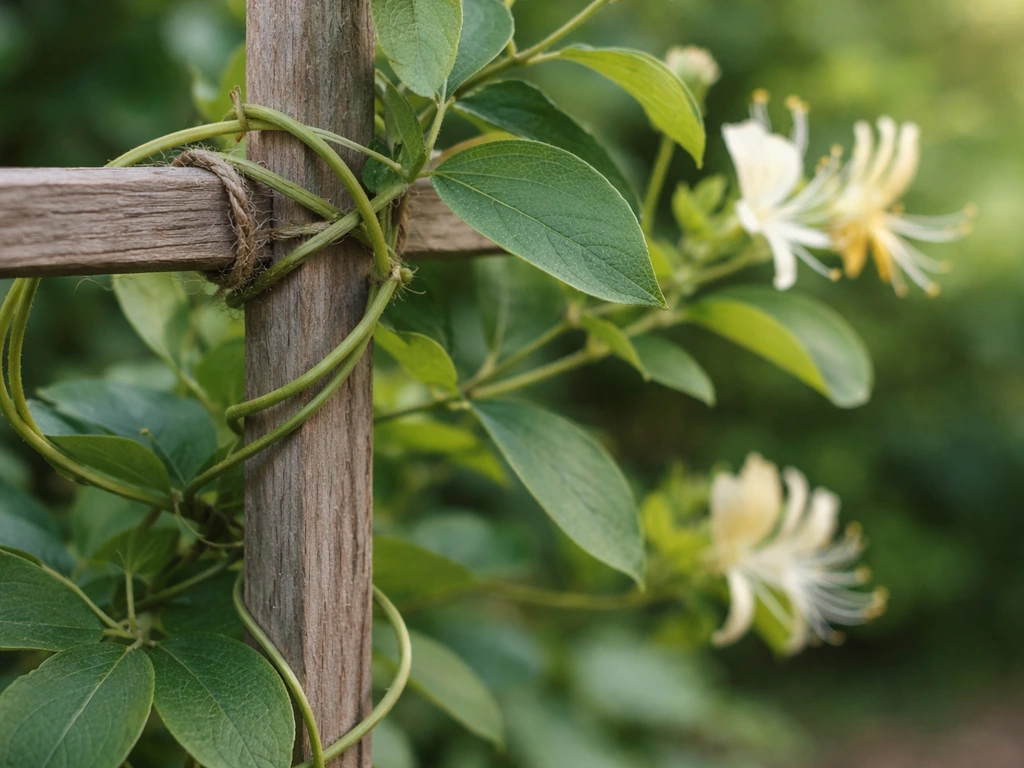
Honeysuckle belongs to the genus Lonicera, a large group of plants in the family Caprifoliaceae. Most of the species people mean when they say "honeysuckle" are either twining vines or arching shrubs. The vine types (like Japanese honeysuckle, Lonicera japonica) wrap around supports and climb aggressively. The shrub types (like Tatarian honeysuckle, Lonicera tatarica) grow more upright as a large deciduous bush with showy pink, red, or white flowers. Both produce berries, but the growth habits are completely different, which matters a lot when you're planning a landscape.
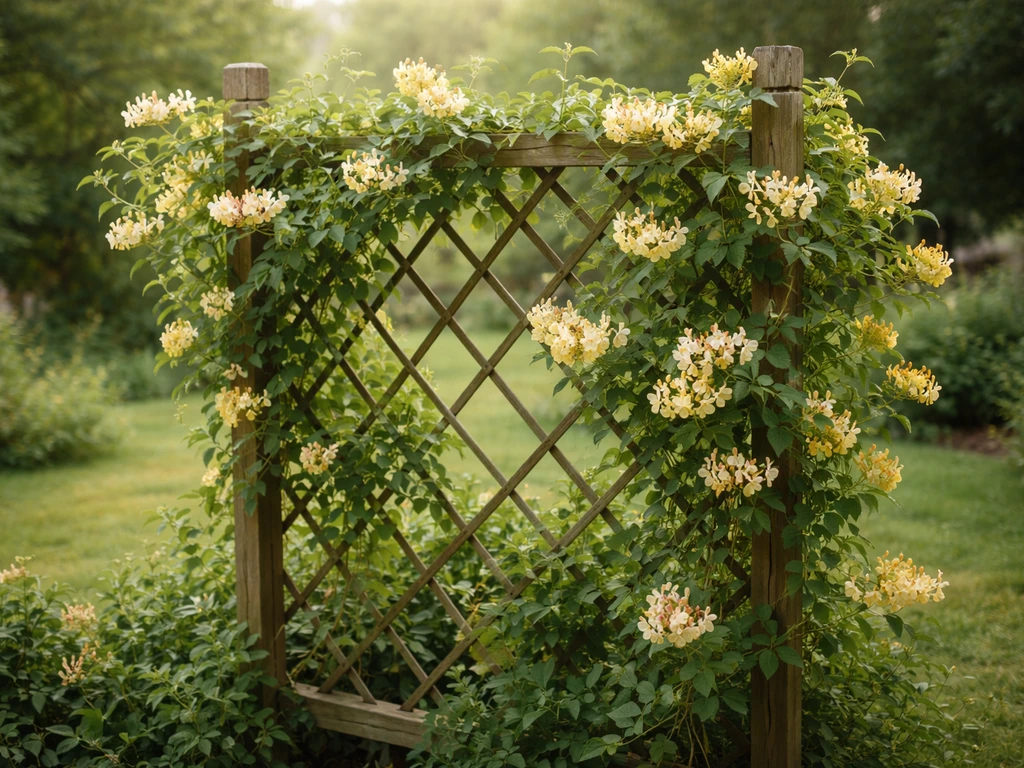
The vine types are the ones most gardeners picture: fragrant tubular flowers, twining stems, and a habit of climbing fences, arbors, and trees. Japanese honeysuckle specifically can push out 30 feet of new stem growth in a single year and will form dense ground-covering mats if it has no vertical support to climb. That's not a typo: 30 feet per year. It's a plant that rewards you with gorgeous flowers and punishes you with relentless growth if you're not paying attention.
Flower vs. fruit: what you're actually getting from honeysuckle
Most people grow honeysuckle for its flowers, and that's the right expectation to have. The blooms are the main event: fragrant, tubular, and excellent for attracting hummingbirds and butterflies. But honeysuckle does produce fruit too, and there's some confusion worth clearing up here.
Japanese honeysuckle (Lonicera japonica) produces small black spherical berries in fall. These are consumed by birds and wildlife but are not considered edible for humans.
Coral honeysuckle (Lonicera sempervirens) produces berries from summer through fall, and those berries are also inedible. Tatarian honeysuckle produces red to orange berries, again mainly useful for wildlife. If you're searching for a "honeysuckle fruit" you can actually eat, you may be thinking of honeyberry, which is a marketing name for Lonicera caerulea selections bred specifically as edible fruit shrubs. That's a different plant entirely from the ornamental vines most people grow.
whether honeysuckle is a prickly fruit in Grow a Garden is a common question, and the short answer is no: honeysuckle berries are small and smooth, not prickly.
So the practical takeaway: plant honeysuckle for its flowers and fragrance. Treat any berries as a bonus for local birds. If you want edible fruit from a Lonicera plant, look specifically for honeyberry cultivars, not the ornamental vine types.
Is honeysuckle tropical? What "tropical honeysuckle" actually means
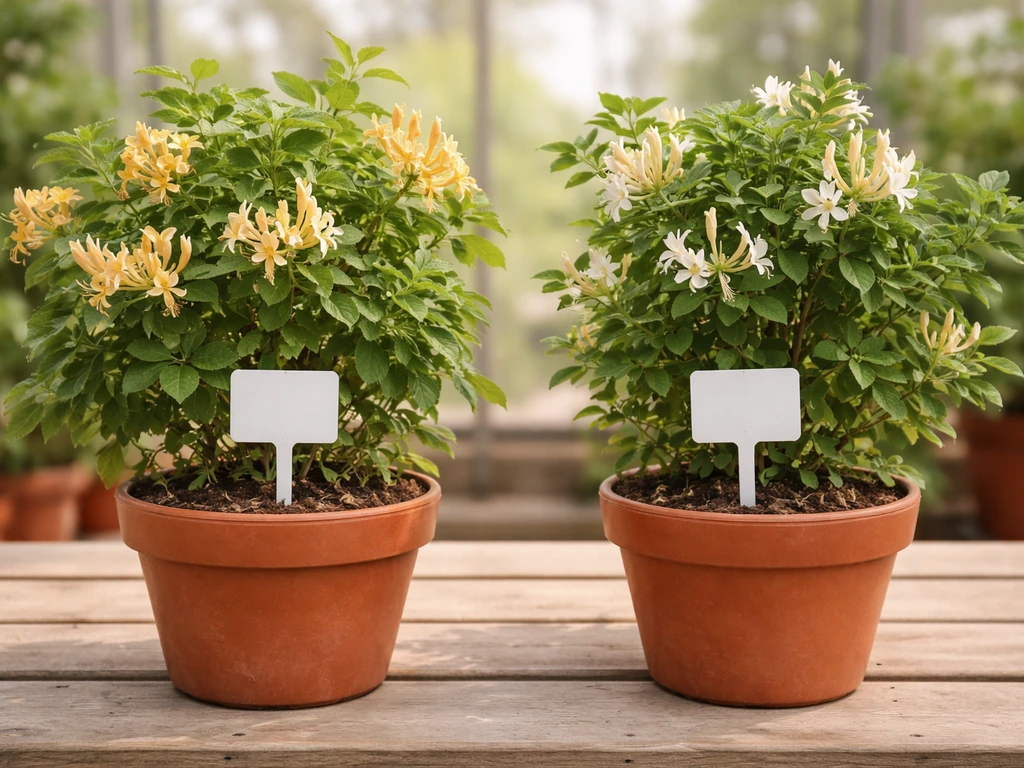
You'll sometimes see "tropical honeysuckle" in nursery catalogs or plant marketing, and it can cause real confusion. Standard honeysuckle species like Lonicera japonica and Lonicera sempervirens are temperate plants, not tropical ones. They're cold-hardy across a wide range of USDA zones and behave nothing like a tropical plant in terms of frost sensitivity.
"Tropical honeysuckle" is usually a marketing phrase applied to tender Lonicera species that originate from warmer regions of Southeast Asia. The best-known example is Lonicera hildebrandiana, sometimes called Giant Burmese honeysuckle, which has large, dramatically fragrant flowers but is not cold-hardy the way common North American honeysuckles are. If you're in a frost-prone zone and you buy something labeled "tropical honeysuckle," treat it as a tender plant that needs winter protection or indoor overwintering. It's not the same plant as the fragrant vine your grandmother grew over the back fence.
Will honeysuckle thrive where you live?
This is the core question, and the good news is that at least one honeysuckle species will grow in nearly every part of North America. The bad news is that the most cold-tolerant and easiest-to-grow species are also the most invasive, so where you live determines not just whether honeysuckle will grow, but which type you should (or legally can) plant.
| Species | USDA Hardiness Zones | Habit | Invasive Status | Best Use |
|---|---|---|---|---|
| Japanese honeysuckle (L. japonica) | 4–9 | Twining vine | Invasive in many states | Avoid unless legally cleared |
| Coral honeysuckle (L. sempervirens) | 4–10 | Twining vine | Native/non-invasive | Trellis, fence, arbor |
| Tatarian honeysuckle (L. tatarica) | 3–8 | Deciduous shrub | Restricted in some states | Hedge/screen (check local rules) |
| Giant Burmese honeysuckle (L. hildebrandiana) | 9–11 | Twining vine | Non-invasive (tender) | Tropical/warm climates only |
| Honeyberry (L. caerulea) | 2–7 | Upright shrub | Non-invasive | Edible fruit production |
If you're in USDA zones 4 through 9, coral honeysuckle (Lonicera sempervirens) is almost universally the right pick. It blooms from spring through summer, attracts hummingbirds and butterflies, produces berries afterward, and is native to much of the eastern United States. In Florida and other zone 9–10 gardens, it's widely planted and performs well through the heat. In colder northern zones (3–5), Tatarian honeysuckle can work as a shrub, but check your state's regulations first because it's a restricted noxious weed in Minnesota and restricted in other northern states too.
If you're in the Deep South or Southwest and worried about heat tolerance: coral honeysuckle handles zones up to 10, and in hot, dry climates like Arizona, you can still get good flowering by pruning it back in winter to stimulate new growth and more blooms the following season. Zone 10 and 11 gardeners in South Florida or Hawaii who want that "honeysuckle look" may need to explore Lonicera hildebrandiana or other tender species.
Can you still buy honeysuckle for your garden?
Yes, honeysuckle is widely available. Coral honeysuckle (Lonicera sempervirens) is stocked at most independent nurseries and sold online through major plant retailers. It's commonly marketed as a long-blooming, pollinator-friendly vine and is easy to find in the spring. Honeyberry selections (Lonicera caerulea), marketed for edible fruit, are also sold by name at specialty nurseries. how much honeysuckle sells for in Grow a Garden varies depending on the species and size, but expect to pay typical vine/shrub nursery prices, generally in the $10–$30 range for a one-gallon pot.
Where availability gets complicated is with the invasive species. Japanese honeysuckle (Lonicera japonica) and Tatarian honeysuckle (Lonicera tatarica) are prohibited from sale in Connecticut and restricted in Minnesota, and other states have similar rules. You might find them being sold informally or through out-of-state online sellers, but buying a restricted species and planting it is a real legal and ecological risk. Stick to coral honeysuckle or honeyberry if you're unsure about your state's rules, and you'll sidestep that problem entirely.
How good is honeysuckle in a garden, really
Honeysuckle has genuine appeal. The fragrance of a mature vine on a summer evening is hard to beat. Coral honeysuckle in particular is a genuine wildlife magnet and has a long bloom window. But it's not a zero-maintenance plant, and there are real gotchas worth knowing before you commit.
The pros
- Long bloom season: coral honeysuckle flowers from spring through summer, giving you months of color
- Excellent pollinator value: hummingbirds and butterflies are reliably attracted to the tubular flowers
- Wide zone adaptability: at least one species works in every major US climate zone
- Versatile structure: vine types cover fences, arbors, and trellises quickly; shrub types work as hedges or screens
- Fall interest: berries develop after bloom and provide wildlife food through winter
The cons and gotchas
- Invasive risk: Japanese honeysuckle can grow 30 feet of stem per year and root wherever stems touch the ground, creating dense mats that crowd out native plants
- Spread by birds: shrub honeysuckles spread their abundant fruit via bird dispersal, which means seeds end up in natural areas far from your garden
- State regulations: some species are legally restricted or banned from sale and planting in specific states
- Maintenance needed: even non-invasive coral honeysuckle benefits from annual pruning to stay tidy and bloom well
- Not an edible fruit plant: if you want something you can harvest and eat, standard ornamental honeysuckle isn't it
The biggest mistake I see gardeners make is buying Japanese honeysuckle because it's cheap, fragrant, and fast-growing, then spending years trying to control it. UConn IPM notes that Japanese honeysuckle spreads vegetatively through underground shoots (rhizomes), sprouts from the root crown, and forms aboveground runners that root at nodes [Japanese honeysuckle spreads vegetatively through underground shoots (rhizomes), root crown sprouts, and aboveground runners that root at nodes](https://ipm. cahnr. uconn.
edu/invasiveplantsjapanesehoneysuckle/). whether honeysuckle is multi-harvest in Grow a Garden is a question that comes up a lot, and the answer is yes in terms of flowers: a healthy vine will bloom repeatedly across the season. But that same vigor is exactly what makes the invasive types a problem. Fast regrowth is a feature and a flaw depending on the species.
Choosing the right honeysuckle type for your landscape
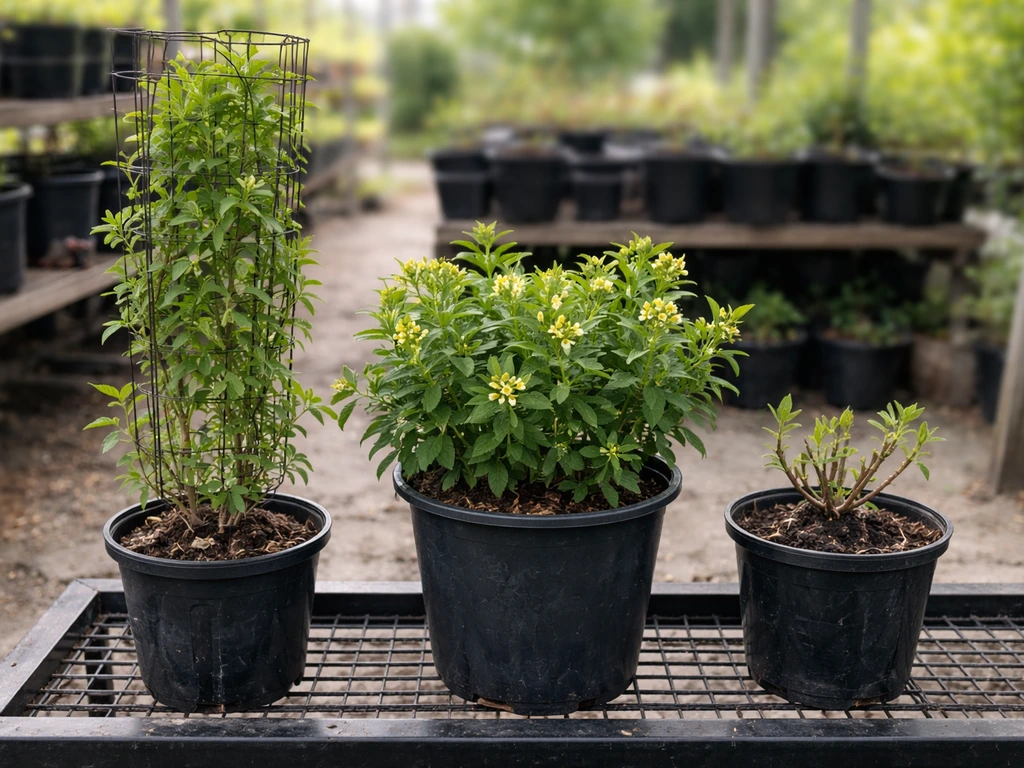
The best honeysuckle for your garden depends on three things: your USDA zone, your state's regulations, and what you actually want the plant to do. Here's how to narrow it down quickly.
- Check your USDA hardiness zone first. If you're in zones 4–10, coral honeysuckle (Lonicera sempervirens) is your safest, most broadly suitable choice. It's native, non-invasive, and reliably attractive to pollinators.
- Look up your state's invasive plant list before buying anything labeled Japanese honeysuckle or Tatarian honeysuckle. A quick search for your state's department of agriculture or DNR invasive species list will tell you what's restricted.
- Decide on habit: vine or shrub. If you want to cover a fence or trellis, go with a vine type (coral honeysuckle). If you want a privacy screen or hedge, a shrub type like a non-restricted Lonicera variety may work, but options are limited in regulated states.
- If edible fruit is your goal, look specifically for honeyberry (Lonicera caerulea) cultivars at specialty nurseries. These are bred for fruit production and are non-invasive.
- In zone 9–11 and want the dramatic tropical look? Lonicera hildebrandiana (Giant Burmese honeysuckle) is your species, but treat it as a tender plant in anything below zone 9.
If you're still figuring out the basics of honeysuckle's profile in your region, it helps to understand what rarity honeysuckle is in Grow a Garden and how that affects what you'll find at local nurseries versus specialty online sellers. Coral honeysuckle is common enough that most independent garden centers carry it in spring. Honeyberry and Burmese honeysuckle are more specialty finds that you may need to order.
For most homeowners in the eastern and central US, the answer to "is honeysuckle good in a garden" is a clear yes, as long as you choose coral honeysuckle and give it something to climb. It blooms reliably, handles cold down to zone 4, tolerates heat up to zone 10, and brings genuine wildlife value to the yard.
Just stay away from Japanese honeysuckle unless you're prepared for a serious containment commitment, and always verify your local regulations before you plant. Once you have the right species in the ground in the right zone, honeysuckle really does deliver on its reputation. If you want to dig into how much honeysuckle to plan for in your garden, that's the next practical step after you've confirmed your zone and species match.
FAQ
If I plant honeysuckle, how do I keep it from spreading into my yard or neighbors' property?
Start with containment by choosing coral honeysuckle (Lonicera sempervirens) rather than Japanese or Tatarian types, then limit spread by training it on a trellis and pruning off stray shoots each season. Check for regrowth at the base after winter, because fast re-sprouting is more common on the invasive vines you want to avoid.
Are honeysuckle berries ever safe to eat if birds eat them?
Do not assume edibility from wildlife. The common ornamental honeysuckles described in this article have berries that are not considered edible for humans. If you want edible fruit from Lonicera, you need honeyberry cultivars (Lonicera caerulea selections), and you should still confirm cultivar-specific safety and taste before eating.
Can I grow honeysuckle in containers if I’m worried about invasiveness?
Yes, but it is more reliable for non-invasive choices like coral honeysuckle, and you still must manage growth. Use a large pot (often at least 15 to 20 gallons for mature size), provide a sturdy support, and plan for heavier pruning in container culture because roots and stems can still become vigorous.
How much sun does honeysuckle need to bloom well?
For best flowering, aim for full sun to partial shade. In hotter climates (zone 9 to 10), a spot that gets morning sun and afternoon shade often improves bloom reliability and reduces stress, especially during heat waves.
What support should I use, and will honeysuckle damage fences or siding?
Use a trellis, arbor, or wire framework anchored securely, because vigorous growth can pull and weigh down weak structures. Honeysuckle typically won’t “cling” like ivy, but it can wrap tightly, so give it a plan (and access) for pruning away from siding, gutters, and tight corners.
How often should I prune honeysuckle, and when is the best time?
Plan on at least an annual pruning to shape the plant and keep it from wandering. A common approach is lighter pruning after the main spring bloom, plus a winter cleanup for plants like coral honeysuckle in hot areas to encourage fresh flowering growth. Avoid heavy pruning right before cold snaps in frost-prone zones.
Will honeysuckle attract pollinators even if flowers are sparse at first?
Yes, but establishment matters. First-year growth may produce fewer blooms, so expect a ramp-up over time. Provide a supportive trellis early and ensure consistent watering during the first growing season so flower production kicks in sooner.
If my nursery labels it “tropical honeysuckle,” can I treat it like normal honeysuckle in my zone?
No. Treat “tropical honeysuckle” as tender unless the label clearly states cold hardiness for your specific USDA zone. In frost-prone areas, you may need winter protection or indoor overwintering, and it will not behave the same way as temperate coral honeysuckle.
What should I do if I accidentally bought a restricted honeysuckle type?
Do not plant it outdoors. Contact your local extension office or the relevant state department for disposal guidance and whether removal is required. If you have it in a pot, keep it controlled indoors or in a contained area until you confirm legal next steps, since selling, transporting, and planting can be regulated.