Honeysuckle is not rare in most of the United States. In fact, for the majority of gardeners in USDA Hardiness Zones 4 through 10, the bigger challenge is not finding or establishing honeysuckle but choosing the right species and avoiding the ones that can escape your yard and take over. The practical question behind 'how rare is honeysuckle to grow' really comes down to two things: can it survive your winters, and can you legally plant it where you live?
What Rarity Is Honeysuckle in Grow a Garden By Zone
Marcus Hartwell
25 Apr 2026
What 'rarity' actually means for honeysuckle in your garden
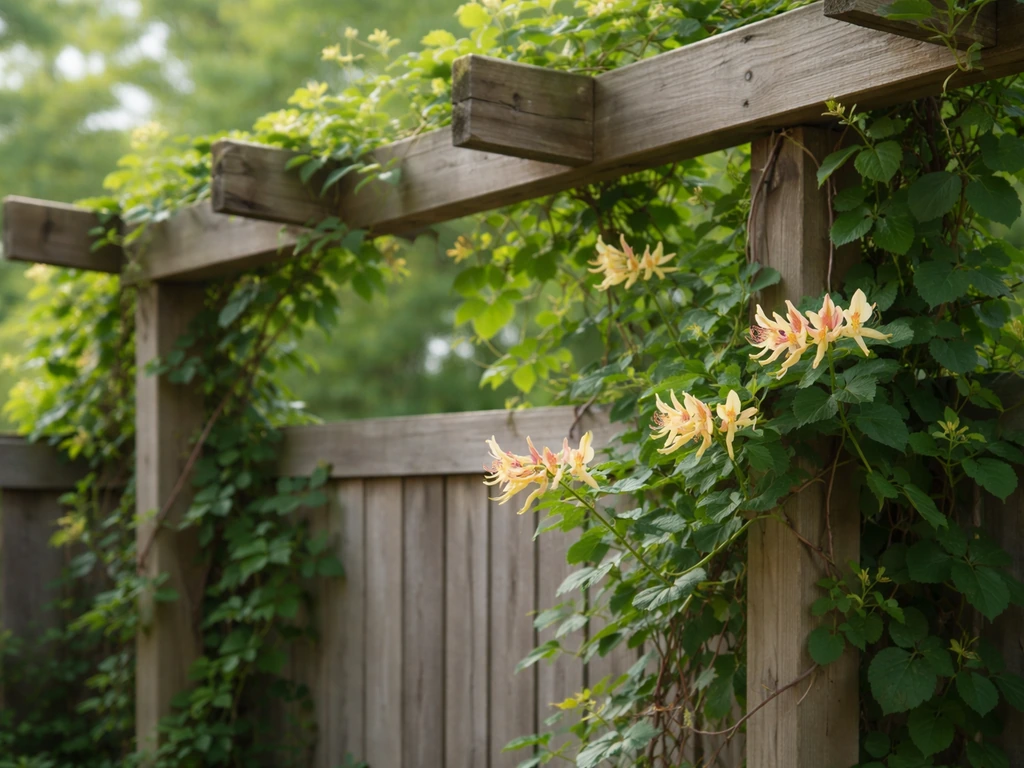
If you searched 'what rarity is honeysuckle in grow a garden,' you might have come across that phrase in a gaming or app context, where rarity describes how hard an item is to obtain. That's not what this article covers. Here, rarity means something more useful: how uncommon or difficult is it to successfully establish and reliably flower honeysuckle at your specific location? And the honest answer is that honeysuckle is rarely rare, at least in the sense of being hard to grow. The more relevant question is whether certain species are restricted or outright prohibited in your state, which directly affects what you can buy and plant.
Some of the most commonly sold honeysuckles, including Tartarian (Lonicera tatarica), Japanese (Lonicera japonica), Bell's, Morrow's, and Amur honeysuckle, are actually restricted noxious weeds in states like Minnesota and listed as invasive in Connecticut, Florida, and parts of the Northeast. Cornell's Woody Plants Database goes so far as to say Tartarian honeysuckle is 'seriously invasive almost anywhere in the United States' and generally should not be planted. So when gardeners in those states ask how rare honeysuckle is, the real answer is: the most common types aren't rare at all, they're restricted.
Quick zone check: is honeysuckle feasible where you live?
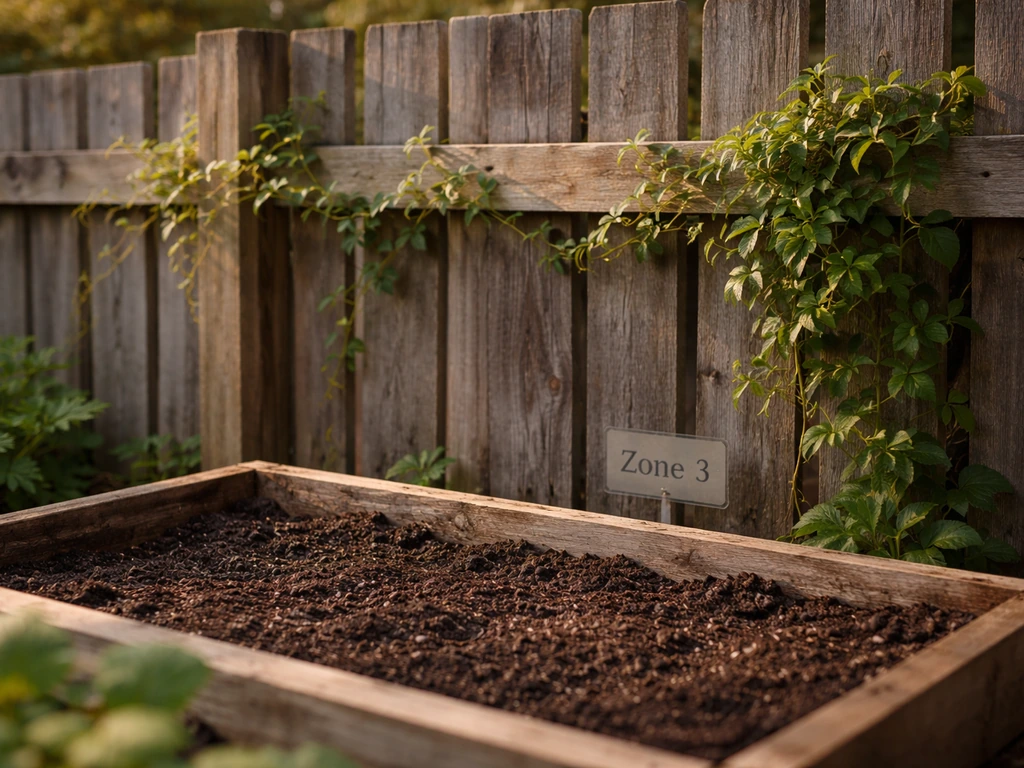
Start by finding your USDA Hardiness Zone, which you can do by entering your zip code at the USDA's plant hardiness map. Once you know your zone, here's the basic picture for honeysuckle feasibility:
| USDA Zone | Hardiness Feasibility | Key Consideration |
|---|---|---|
| Zone 3 | Possible (Tartarian, Dropmore Scarlet) | Most non-native types are invasive-restricted; choose native alternatives |
| Zone 4–7 | Very feasible for multiple species | Broadest selection; check state invasive plant list before buying |
| Zone 8–10A | Feasible for Japanese & coral honeysuckle | Japanese honeysuckle is a noxious weed in Florida and parts of the South |
| Zone 10B+ | Limited | Most species struggle with heat and lack of winter chill |
Japanese honeysuckle specifically is rated hardy from Zone 4 through 10A, which covers a huge swath of the country. Coral honeysuckle (Lonicera sempervirens) tolerates Zone 4 down to about -20°F (around -28.8°C), making it a solid native choice for much of the East and Midwest. If you're in Zone 3 in the upper Midwest or northern Plains, your options get narrower, but cultivars like 'Dropmore Scarlet' (Lonicera x brownii) have proven themselves in those cold climates.
Honeysuckle types and which ones fit different climates
Not all honeysuckles behave the same way, and picking the wrong one for your climate (or your state's plant laws) is the most common mistake I see. Here's a breakdown of the main species and where they genuinely perform well:
Coral honeysuckle (Lonicera sempervirens)
This is the one I'd point most gardeners toward first. It's native to the eastern US, hardy from Zone 4 to 10, and it won't run roughshod over your neighborhood. It tolerates a wide range of soils, from clay to sandy loam, and works in slightly acidic to neutral pH around 6.0 to 8.0. It can spread aggressively in ideal conditions, so give it a structure to climb and keep an eye on it, but it doesn't carry the invasive designation that plagues the non-native types.
Japanese honeysuckle (Lonicera japonica)
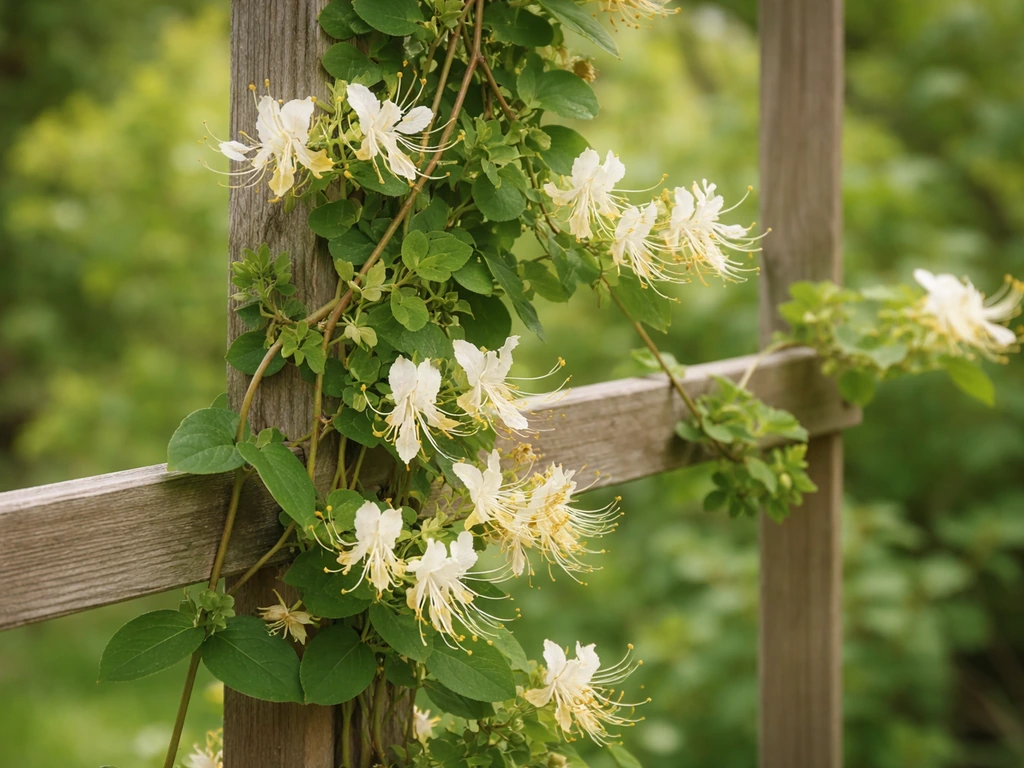
This vine is nearly impossible to kill in Zones 4 through 10A, which is partly the problem. It flowers June through July with fruits appearing September through November, giving it a long window to reproduce. UConn Extension flags it as aggressive and invasive in Connecticut. UF/IFAS lists it as a state noxious weed in Florida. If you're in the mid-Atlantic, Southeast, or Pacific Coast regions, check your state's current prohibited plant list before purchasing. In some states, nurseries are no longer legally permitted to sell it.
Tartarian honeysuckle (Lonicera tatarica)
Hardy all the way to Zone 3b and a late-spring bloomer, Tartarian is one of the toughest options for cold-climate gardeners. But it's restricted in Minnesota and labeled seriously invasive by Cornell across most of the US. If you're in a state where it's still legally sold, proceed carefully and never plant it near natural areas or woodland edges.
Dropmore Scarlet honeysuckle (Lonicera x brownii 'Dropmore Scarlet')
A hybrid vine with a bloom window stretching June through September, this one is well-suited to Zone 3 and above. It's a better choice than Tartarian for cold-climate gardeners who want the vine form without the invasive baggage. Pollinators love it, especially hummingbirds.
Fly honeysuckle (Lonicera xylosteum)
A shrub form rated to Zone 4, fly honeysuckle grows in full sun to partial shade and is sometimes available at specialty nurseries. It's less commonly sold than the others, which in one sense does make it 'rarer' to find, but it's not particularly difficult to establish once you track it down.
How availability varies by region
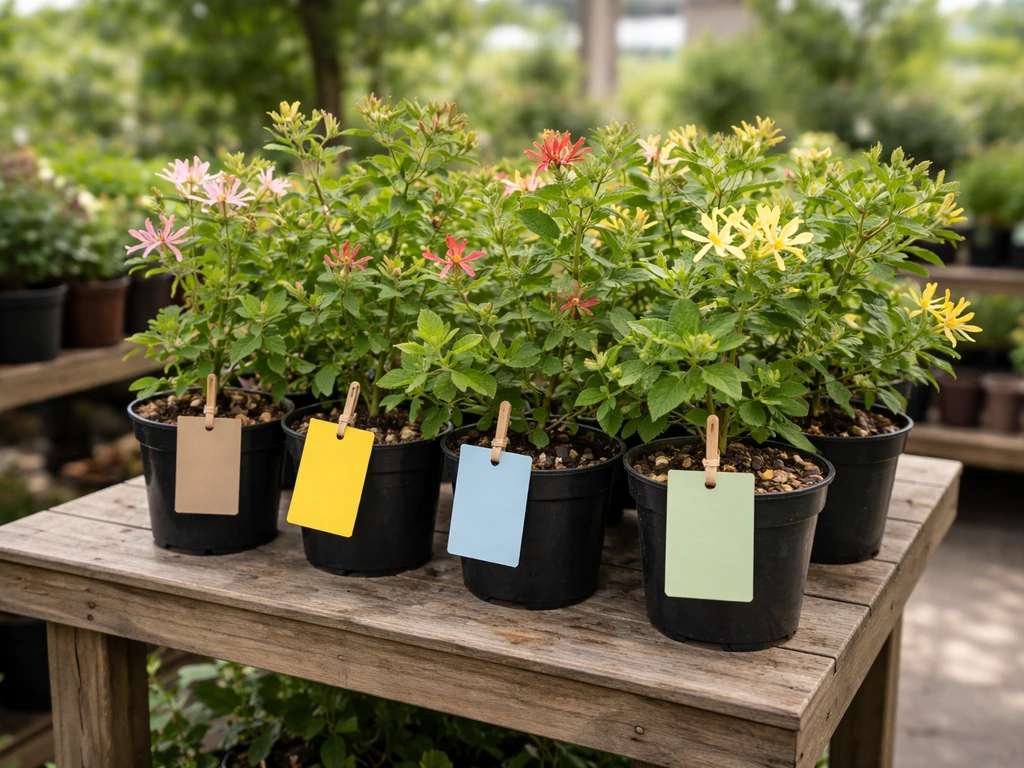
What you can actually buy at your local nursery or garden center depends heavily on your state's regulatory environment. In Massachusetts, the Department of Agricultural Resources maintains a prohibited plant list that blocks nurseries from receiving, propagating, or selling certain invasive species. When a plant hits that list, it disappears from shelves quickly. Similar frameworks exist in Minnesota (where exotic bush honeysuckles are Restricted noxious weeds), Connecticut, Florida, and several other states.
In the Pacific Northwest and Mountain West, availability is generally good across multiple honeysuckle types, and the invasive pressure is lower than in the humid East. In the Southeast, especially Florida, Japanese honeysuckle is a legal liability, and you're better off asking for coral honeysuckle (Lonicera sempervirens) specifically. In the upper Midwest and Great Plains (Zones 3 to 5), your nursery selection will lean toward cold-hardy cultivars, and staff may steer you away from the restricted types proactively.
The takeaway: honeysuckle is not hard to find in most regions, but the specific species available to you may be limited by local regulation. Always ask your nursery what's on your state's current invasive or noxious weed list before buying. If you are trying to budget, you can also look up how much does honeysuckle sell for grow a garden and compare prices to what is locally permitted. If you also want to plan your budget, check how much honeysuckle grow a garden how much before you pick a specific species, since availability and restrictions can change costs.
Growing reliability: what to expect for survival and flowering
For most gardeners in Zones 4 through 9, honeysuckle is not a finicky plant. The vine types establish quickly once planted in full sun to partial shade, and the shrub types tolerate a wider range of light. Flowering typically runs May through July depending on species: exotic bush honeysuckles bloom in May and June, Japanese and coral types peak June through July, and 'Dropmore Scarlet' extends into September. If you're not seeing flowers in year one, give it time. Honeysuckle often focuses on root establishment first.
Soil flexibility is another reason honeysuckle is rarely described as difficult. Coral honeysuckle handles clay, sand, loam, acidic, and slightly alkaline conditions. Most vine types do best with consistent moisture during establishment but are reasonably drought-tolerant once rooted. The main reliability issue isn't survival, it's containment. Honeysuckle that performs 'too reliably' and spreads beyond your property is a genuine concern in moist, humid climates. If you're interested in how honeysuckle performs as a multi-season plant, whether it re-blooms, or how its fruit and flower timing affects its value in the garden, those are separate questions worth digging into. Honeysuckle does produce berries, but whether they count as a prickly fruit depends on the species and how mature the fruit is. Whether honeysuckle is multi-harvest in the garden depends on the species and local growing conditions, so it helps to confirm what you can realistically expect multi-season plant.
If honeysuckle isn't a good match: what to plant instead
If you're in a state where the most common honeysuckle species are restricted, or if you just want something with similar ornamental appeal and fewer management headaches, here are the best zone-matched alternatives:
- Native bush honeysuckle (Diervilla lonicera): Hardy in Zones 3 to 7, this North American native has yellow tubular flowers and a similar shrubby form to exotic bush honeysuckles without the invasive risk. UMN Extension recommends it specifically as an alternative in Minnesota.
- Trumpet vine (Campsis radicans): A vigorous native climber for Zones 4 to 9 that produces large orange-red tubular flowers hummingbirds adore. Can be aggressive, but far more manageable than invasive honeysuckles.
- Crossvine (Bignonia capreolata): Hardy to Zone 5 and evergreen in warmer climates, with showy orange-red flowers in spring. A great swap for Japanese honeysuckle in the Southeast.
- Native clematis (Clematis virginiana or Clematis viorna): Hardy, attractive, and genuinely non-invasive climbing vines for Zones 3 to 9 depending on species.
- Spicebush (Lindera benzoin): For shadier spots in Zones 4 to 9, this native shrub offers early yellow flowers, fragrant foliage, and red fall berries without any regulatory concerns.
The right substitute depends on your zone and what function you want the plant to serve, whether that's a climbing vine for a trellis, a shrub for a border, or a pollinator magnet for an open bed. If honeysuckle's fragrance is what drew you to it in the first place, coral honeysuckle (if it's available in your area) genuinely delivers on both scent and visual appeal without the legal or ecological baggage of the invasive types.
FAQ
When people ask what rarity is honeysuckle, do they mean hard to find, hard to grow, or legally restricted?
In the grow-a-garden sense, “rarity” usually means either (1) your ability to establish it long enough to flower in your microclimate, or (2) whether nurseries can legally sell the species in your state. In many places, most commonly sold honeysuckles are easy to buy, but still not a realistic option if they are prohibited or regulated as invasive.
Why might honeysuckle grow but not flower, even if it matches my USDA zone?
A species can be winter-hardy on paper but still fail to bloom if it gets too little sun or suffers drought during establishment. For best results, plan for full sun to partial shade and keep the root zone evenly moist for the first growing season, then scale back watering once it is established.
If my zone matches, what location factors can still make honeysuckle fail in the first winter?
“Hardy” ratings often assume typical winter conditions, but wind exposure and placement matter. If you are in a colder edge zone, choose a protected spot near a wall or fence, avoid low areas where cold air pools, and consider a late-season mulch layer for the first year only.
If I planted honeysuckle this spring and got no flowers, what are the most common reasons?
Timing affects flowering expectations. Many honeysuckles focus on root growth in year one, so you may see limited or no blooms the first season. If you transplanted in heat, stressed the plant, or planted too deep, delays are also common.
How can I avoid buying the wrong honeysuckle or a regulated one by mistake?
Yes. Even when a plant is legal to own, local rules can change what nurseries sell, and some states restrict sale by species rather than by common name. The safest move is to confirm the botanical name on the tag (for example, Lonicera japonica versus a coral honeysuckle cultivar) against your state’s current list before purchasing.
What should I ask my nursery to confirm honeysuckle is permitted where I live?
One practical test is to check the plant tag for the exact cultivar and the species, then ask the nursery to tell you how it is classified locally (invasive, noxious weed, restricted, or approved). If the nursery cannot provide clarity, choose a different seller or a clearly allowed alternative.
If honeysuckle is common in my region, why might my local nursery still not sell it?
Honeysuckle availability can be “high” but still inconvenient if you only want specific types. If your area has restrictions, nurseries may carry only the regulated-safe species or none at all, so ordering through specialty growers might be the only option that also stays compliant.
What are realistic ways to prevent containment problems if I choose a vigorous honeysuckle?
Yes. You can reduce escape risk by controlling it early, using a trellis or training supports instead of letting vines sprawl, and routinely checking for volunteer sprouts near fences, driveways, and woodland edges. For any fast-spreading types, pruning schedules matter more than people expect.
How do I tell whether a honeysuckle problem is due to cold-hardiness versus establishment care?
If you are in a zone near the lower end for a species, a mismatch can show up as weak growth or dieback that looks like winter injury rather than full plant failure. Choose cold-tolerant cultivars when available, and treat the first season like a “settling-in” year with extra establishment care.
What should I consider if I want honeysuckle-like fragrance but fewer invasive risks?
If your main goal is fragrance and pollinator activity but you want fewer management headaches, coral honeysuckle is often the go-to in areas where the invasive vining types are restricted or discouraged. Still, confirm legality locally because availability and classifications vary by state and even by specific cultivar.