Most honeysuckle species bloom on old wood, meaning the flower buds form on stems that grew the previous year. If you prune those stems in late winter or early spring before the plant blooms, you cut off the buds and end up with a healthy-looking vine and zero flowers. But there are exceptions: trumpet honeysuckle (Lonicera sempervirens) and Japanese honeysuckle (Lonicera japonica) develop their flower buds on new growth produced after they break dormancy, which flips the pruning rules. Getting this right comes down to knowing which honeysuckle you actually have.
Does Honeysuckle Grow on Old Wood? Pruning Guide

Marcus Hartwell
31 May 2026
What 'old wood' actually means for honeysuckle
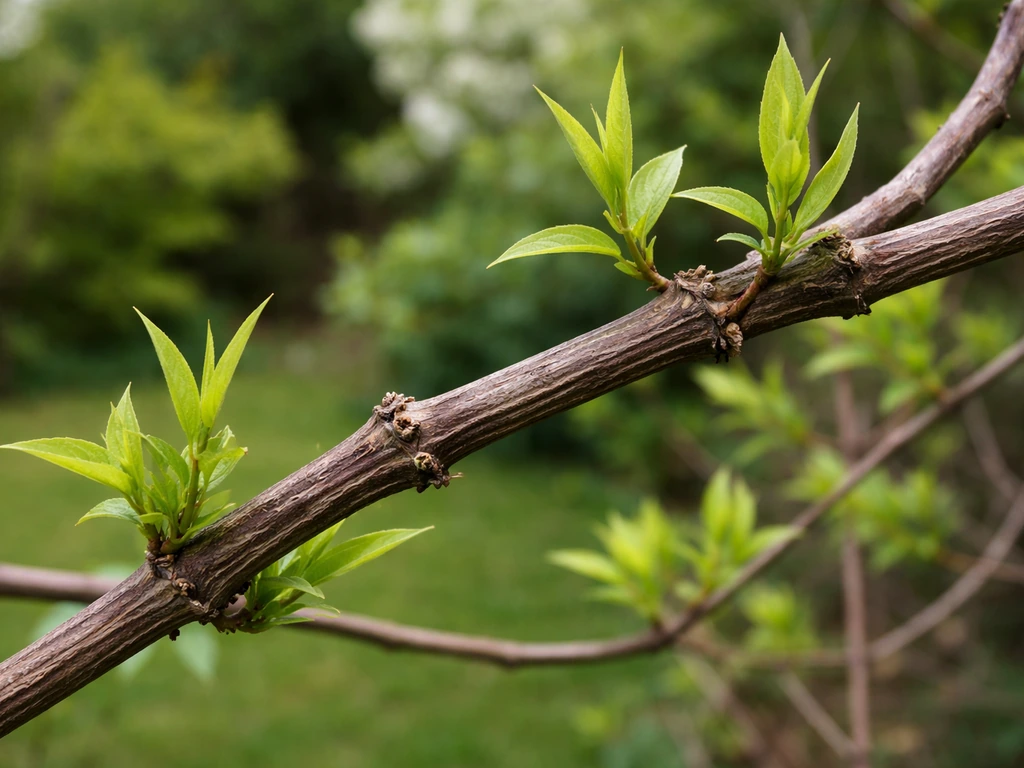
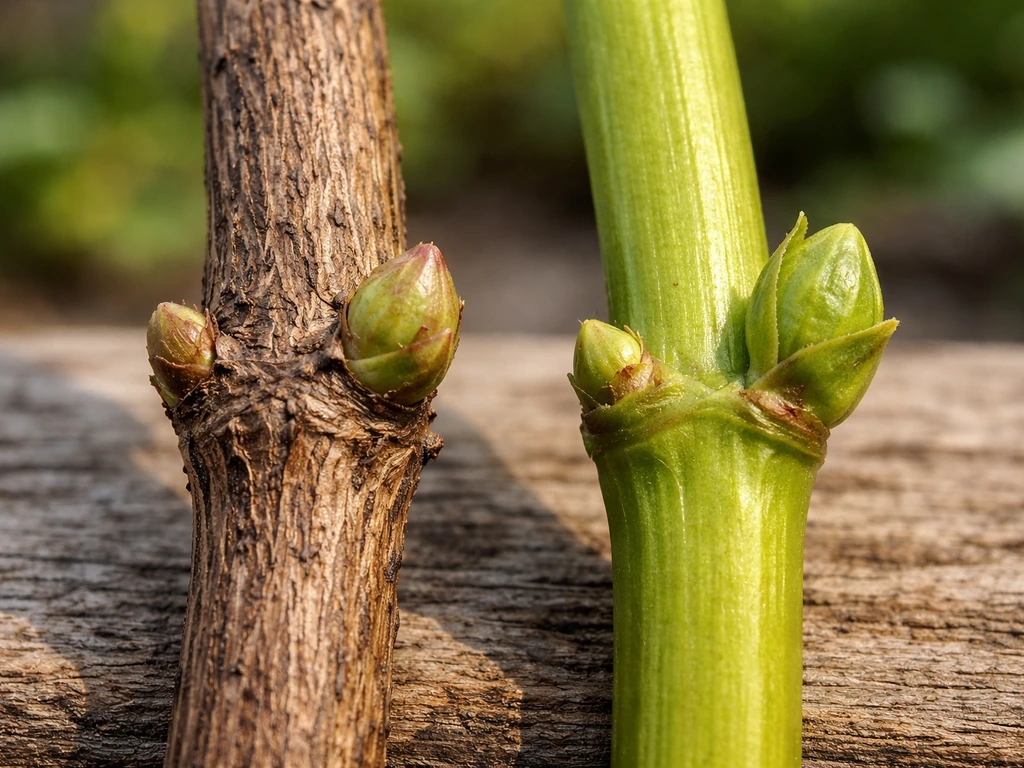
Old wood simply means last year's stems. The plant grew those stems through the current season, set flower buds on them in late summer or fall, and will open those buds the following spring or early summer. New wood means stems the plant produces after it wakes up from dormancy in the current season, with flower buds forming on those fresh stems before blooming later that same year.
For honeysuckle, the practical consequence is straightforward. Old-wood bloomers like common or woodbine honeysuckle (Lonicera periclymenum) carry next year's flowers on the stems you see right now. New-wood bloomers like trumpet honeysuckle and Japanese honeysuckle build their buds fresh each spring. Prune at the wrong time for either type and you'll be staring at bare stems where the flowers should be.
Different honeysuckle types and how they bloom
There are quite a few honeysuckle species grown across the country, and they don't all behave the same way. Here's how the main types split on the old-wood vs. new-wood question:
| Honeysuckle Type | Botanical Name | Blooms On | Bloom Season | Hardiness Zones |
|---|---|---|---|---|
| Woodbine / Common Honeysuckle | Lonicera periclymenum | Old wood (previous year's stems) | Early to mid-summer | Zones 4–9 |
| Trumpet Honeysuckle | Lonicera sempervirens | New wood (current season's growth) | Spring through fall | Zones 4–9 |
| Japanese Honeysuckle | Lonicera japonica | New wood (current season's growth) | Spring to summer | Zones 4–10 |
| Goldflame Honeysuckle | Lonicera × heckrottii | Old wood / mixed | Summer to late fall | Zones 5–9 |
| Tatarian / Shrub Honeysuckle | Lonicera tatarica | Old wood (previous year's stems) | Late spring | Zones 3–8 |
| Amur / Morrow's Honeysuckle (bush types) | L. maackii, L. morrowii | Old wood (previous year's stems) | Late spring | Zones 3–7 |
A quick note on Japanese honeysuckle: while it's technically a new-wood bloomer and grows vigorously in Zones 4–10, it's listed as invasive in many states including Illinois, Maryland, and parts of the Southeast. University of Maryland Extension flat-out advises against planting it and recommends replacing existing plants when possible. If you're deciding what to grow, trumpet honeysuckle (Lonicera sempervirens) is the well-behaved native alternative that performs in similar zones without taking over.
How to tell whether your plant blooms on old or new growth
If you're not certain which honeysuckle you have, you can figure out its bloom-wood type by watching the plant through one full season. But there are faster ways to narrow it down before that.
Look at when and where the flowers appear
Old-wood bloomers tend to flower earlier in the season (late spring to early summer) on stems that already have some woody character from the prior year. You'll notice the blooms appear on established stems before a lot of new leafy growth has pushed out. New-wood bloomers flower later or over a longer season, and the buds open on fresh, flexible stems that emerged after the plant leafed out that spring.
Check the stem structure
Old wood is typically darker, woodier, and less flexible than new growth. On shrub honeysuckles like Tatarian honeysuckle, you can even check the pith inside a cut stem: invasive shrub types (Amur, Morrow's, Tatarian) have hollow or papery pith, while native shrub species have solid pith. NPS (Cuyahoga Valley) describes bush honeysuckles such as Amur, Morrow, and Tatarian honeysuckle and notes identification details like how the flowers are positioned along the plant’s stems and how the flowers look. This pith test, outlined by Penn State Extension, helps you identify invasive types before deciding whether to prune or remove them entirely.
Note where flowers are positioned on the stem
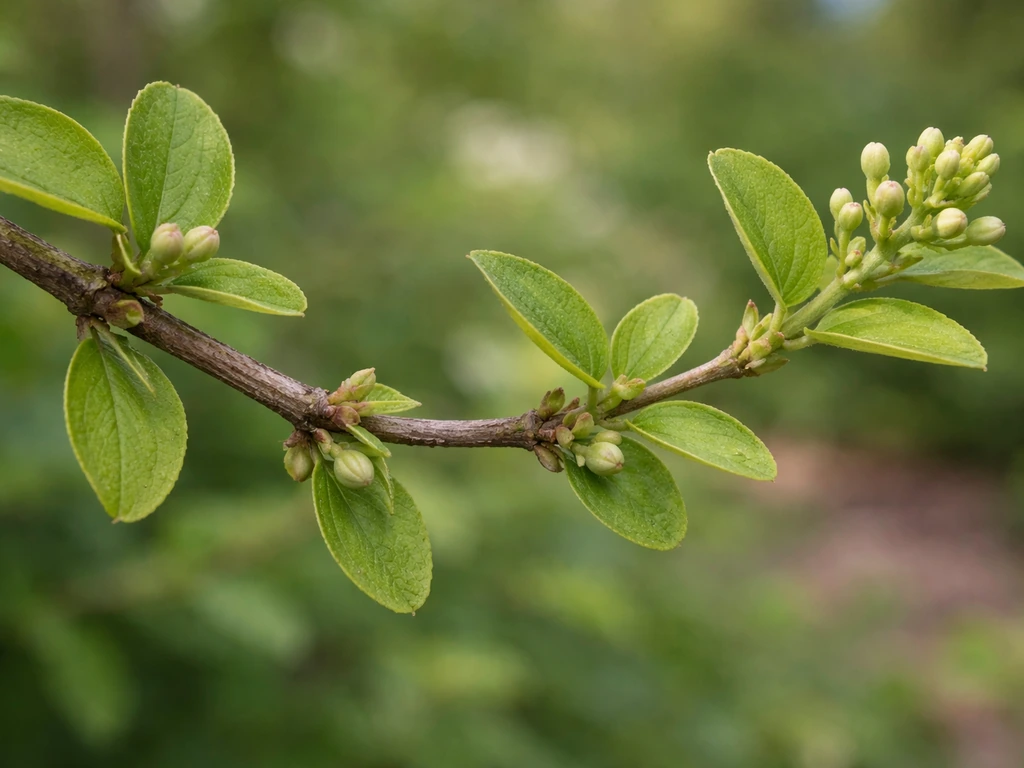
Tatarian honeysuckle produces paired flowers in the leaf axils along established stems, which is a classic old-wood trait. Trumpet honeysuckle produces clusters at the tips of new stems. If your plant blooms in clusters at growing tips in late spring through summer, it's almost certainly a new-wood bloomer.
Pruning timing: the rules that actually matter
The Royal Horticultural Society's pruning principle is simple: climbers that flower on old wood should be pruned after flowering, and climbers that flower on new wood should be pruned in late winter or early spring. Honeysuckle falls squarely into those two camps depending on species. Here's how to apply that in practice.
If your honeysuckle blooms on old wood (Lonicera periclymenum, shrub types)
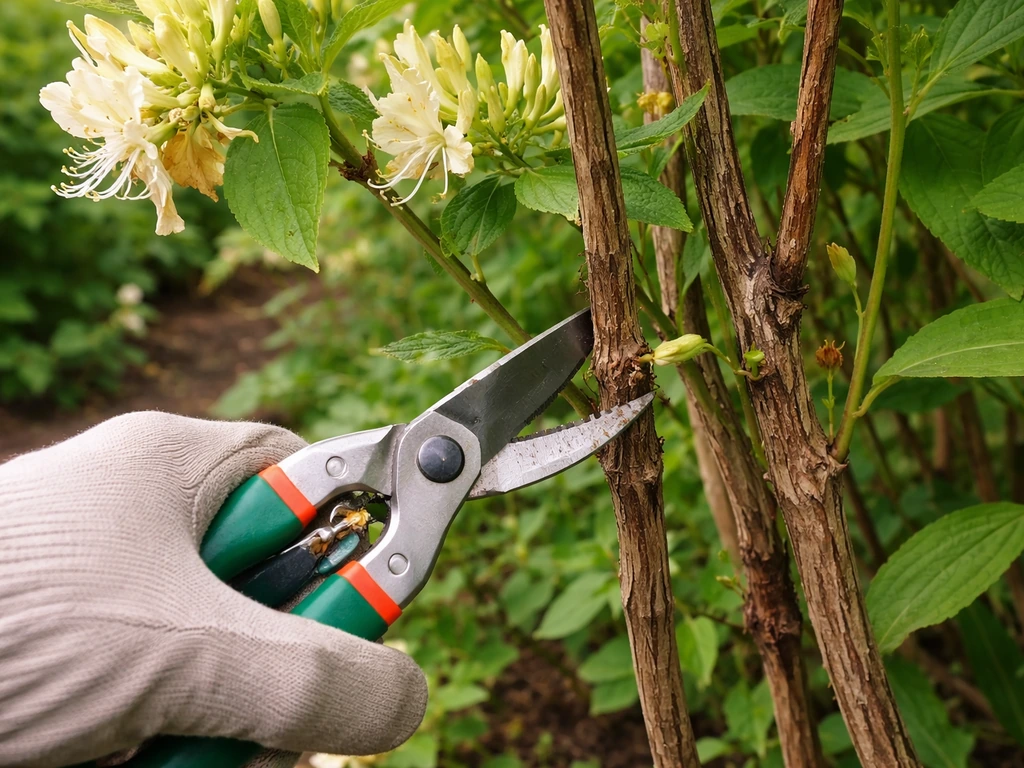
- Wait until the plant finishes flowering completely before you touch it. For woodbine honeysuckle, this typically means pruning in July or August after the main flush is done.
- Remove dead, damaged, or crossing stems first, then cut back long whippy stems to a healthy side shoot or bud.
- Do not prune in late winter or early spring. This is when the flower buds are sitting on those old stems waiting to open. Cutting then means no blooms that year.
- For older, overgrown plants, use a multi-year renewal approach: remove about one third of the oldest stems each year after flowering rather than cutting everything back at once. This keeps the plant productive while bringing in fresh structure.
If your honeysuckle blooms on new wood (Lonicera sempervirens, Lonicera japonica)
- Prune in late winter or early spring, before the plant breaks dormancy. This is safe because flower buds haven't formed yet.
- You can cut back fairly hard at this stage to control size and encourage strong new flowering stems.
- Avoid heavy pruning after buds have started to form in spring (usually once you see active new growth pushing out), as this is when trumpet honeysuckle's buds are developing on those fresh stems.
- Light tidying after a flowering flush is fine throughout the season.
One nuance worth flagging: ask any extension specialist about trumpet honeysuckle and you may hear that some varieties can bloom on both old and new wood depending on cultivar and climate. Ask Extension notes that trumpet honeysuckle can bloom on both old wood and new wood depending on variety, and warns that trimming before bloom begins can remove flower buds. The safe move is to do your major pruning in late winter and limit post-bloom cuts to light shaping.
Not getting blooms? Here's how to diagnose it
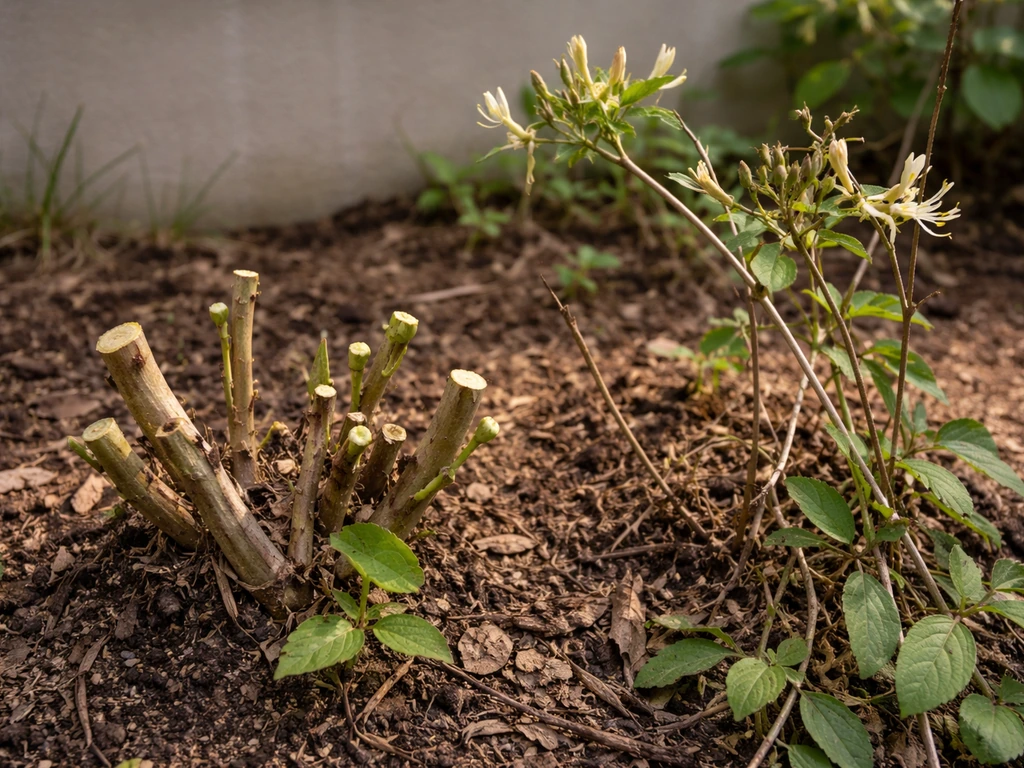
The most common reason honeysuckle fails to bloom is pruning at the wrong time. If you want to know when does honeysuckle grow and when it will bloom, timing and the type of honeysuckle you have are the key starting points. If you cut an old-wood type in late winter, you removed next spring's flowers. If you cut a new-wood type heavily after it started pushing growth in spring, same result. But there are a few other culprits worth checking.
Wrong pruning time (the most likely issue)
Think back to when you last pruned. If you cut an old-wood honeysuckle (like woodbine or Tatarian) any time between late summer and the following bloom period, you stripped the buds. The plant will recover and set new buds on this year's growth, but you've lost that season. Adjust timing and it will bloom again next year.
Not enough light
Honeysuckle needs good light to flower well. Most species want full sun to part shade. Goldflame honeysuckle is listed for full sun to partial shade, and Japanese honeysuckle is often described as tolerating part shade but flowering best in more sun. If you are pairing it with jasmine, check both plants' sunlight needs and pruning timing so they don't compete or miss their bloom cycles Japanese honeysuckle. If your plant is growing vigorously but not flowering, move it (if possible) or consider what's shading it. Dense growth from neighboring plants or even from the honeysuckle itself can reduce flowering at the interior of the plant.
Plant is too young
Young honeysuckle vines often put all their energy into establishing roots and framework before they start flowering reliably. A newly planted vine may take two to three seasons before it blooms consistently. If your plant is under two years old and not blooming, patience is the prescription.
Plant is overly stressed or competing for resources
Dense, tangled growth can shade out flowering wood in the plant's interior. Illinois Extension notes that Japanese honeysuckle can become so dense it out-competes itself in addition to surrounding vegetation. If the plant looks like a thick mat or tangle with no airflow, a hard renovation prune (done at the right time for the species) followed by better light exposure can restore flowering over the next season or two.
Quick diagnosis checklist
- Did you prune in late winter or spring? If so, and it's an old-wood type, that's your answer.
- Is the plant getting at least 4–6 hours of direct sun daily?
- Is it under 2 years old in its current location?
- Is the growth extremely dense or tangled with no light penetrating to the center?
- Has it died back significantly in winter? (Relevant in colder zones where cold-sensitive types can lose old wood, resetting bloom behavior.)
Will honeysuckle actually thrive where you live?
Whether the old-wood vs. new-wood question even matters to you depends on whether honeysuckle can reliably grow and bloom in your region in the first place. It is possible to grow honeysuckle in a hanging basket, but you need a trailing habit, a sturdy container, and enough sun to keep it flowering can you grow honeysuckle in a hanging basket. The answer is almost certainly yes for most of the continental US, but the right species matters a lot by zone.
Shrub honeysuckles like Tatarian and Amur are tough plants rated to Zone 3, which means they're viable across most of the northern US including the upper Midwest and much of the interior mountain West. Iowa State University Extension lists hardiness down to Zone 3 for several shrub honeysuckle species. The tradeoff is that these are the invasive types, so check your state's invasive species list before planting them.
Trumpet honeysuckle (Lonicera sempervirens) is rated Zones 4–9, which covers a huge swath of the country from New England down through the South and across the Pacific Northwest. It's a native plant with no invasiveness concerns, and it blooms reliably in heat and humidity, making it a good pick for the Southeast. For Colorado and the intermountain West, it can work in Zones 5–6 with some wind protection, though gardeners in those regions sometimes find success limited in exposed sites.
Goldflame honeysuckle (Lonicera × heckrottii) runs Zones 5–9 and blooms from summer into late fall, which is a longer show than most. Utah State University Extension recommends it for landscape use in full sun to part shade. If you're in Arizona or a desert Southwest climate, heat and aridity are the limiting factors more than cold hardiness, and Japanese honeysuckle's invasive status is a real management concern in those areas too.
In cold climates like Zone 4 and colder, winter dieback can complicate old-wood blooming because the old stems that carried the flower buds may not survive winter intact. When a plant dies back to the ground and regrows from the base, it behaves like a new-wood bloomer by necessity regardless of its natural habit. This is worth keeping in mind if you're in a cold zone and your honeysuckle seems to grow well but never blooms: the old wood may be dying before it gets a chance to flower.
If you're trying to work out whether honeysuckle fits your specific state or zone, the species selection question and the old-wood vs. new-wood question are really connected. Choosing a species that's well-matched to your climate means old wood has a better chance of surviving winter intact and delivering the bloom show you're hoping for.
FAQ
If I trimmed my honeysuckle this spring, will it still bloom next year even if I cut the wrong wood type?
Often yes, because the plant can re-form flower buds on later growth. The key is how much damage you did, and when you cut. Light shaping after the main flowering window is usually recoverable, while a heavy cut before buds form can delay flowers by a full year.
How can I tell old wood from new wood on my honeysuckle without waiting an entire season?
Look for stem maturity and flexibility. Old-wood stems are typically darker, firmer, and less flexible, while new wood is greener, smoother, and bends more easily. If you cut a few stems, the old ones will also have more woody texture along the length.
Does pruning in summer after flowering always work for honeysuckle that blooms on old wood?
Not always. For old-wood bloomers, major pruning in mid to late summer can remove the flower buds the plant forms later in the season for next year. If you prune then, keep it to selective deadwood removal or minimal shaping, and avoid cutting back large sections.
My honeysuckle is not flowering, but I pruned at the “right” time. What should I check next?
Check light first, then plant age. If it is crowded, the interior stems may not get enough sun to support buds. Also, young vines can take about 2 to 3 years to bloom reliably after planting, even with correct pruning.
In very cold winters, will honeysuckle act like it blooms on new wood even if it’s normally an old-wood bloomer?
Yes. If winter dieback kills the established flowering stems all the way back to the base, the plant regrows with new growth, and those new shoots become the only potential flowering wood. In that case, you may see reduced flowering compared with a protected site.
Can honeysuckle bloom on both old and new wood, or is it always one or the other?
Most species follow a clear old-wood or new-wood pattern, but some trumpet honeysuckle cultivars and local conditions can blur the rule. If you have a variety that seems inconsistent, use a conservative approach: do major pruning in late winter, then avoid aggressive cuts until after flowering.
Should I fertilize honeysuckle if it’s growing but not flowering?
Be cautious. Over-fertilizing, especially with nitrogen, can push leafy growth while reducing blooms. If you feed at all, do it sparingly and prioritize consistent light and correct pruning timing rather than heavy nutrients.
Is there a risk that pruning honeysuckle will make it spread more, especially with invasive types?
It can. Cutting back invasive shrub honeysuckles may stimulate new shoots and increase density if you do not remove regrowth over time. If you suspect an invasive type, follow your local guidance for removal and disposal, and plan for follow-up control.
What’s the best way to do a renovation prune on a dense, tangled honeysuckle?
First identify whether your plant is old-wood or new-wood, then renovate accordingly. For old-wood types, the safest renovation is usually right after flowering, or only light shaping in late winter, while for new-wood types late winter renovation is typically more forgiving. After renovation, improve sun and airflow because interior shading can suppress future buds.
If I’m growing honeysuckle in a hanging basket, does old-wood vs. new-wood pruning still matter?
Yes, the pruning timing still matters, but container conditions add another factor: limited root space and wind exposure can reduce vigor and flower set. Choose a species that matches your climate and provide strong sun so the plant can produce enough new shoots (the wood that will carry buds depending on the type).