
Honeysuckle typically starts growing in early-to-mid spring, but the exact timing depends heavily on the species you're growing and where you live. In a mild mid-Atlantic state like Maryland, Japanese honeysuckle can leaf out by mid-March. In cooler climates or northern zones, that same activity might not happen until late April or even early May. The short version: if it's before your last frost date and nights are still cold, your honeysuckle is probably just fine sitting there doing nothing.
When Does Honeysuckle Grow and Start Leafing Out
Marcus Hartwell
27 Apr 2026
Growth timing by honeysuckle type
Not all honeysuckles follow the same calendar, and the gap between types can be several weeks. The two broad categories to think about are vining honeysuckles and bushy (shrub) honeysuckles, and within each category there are native and non-native varieties that behave differently.
Vining honeysuckles
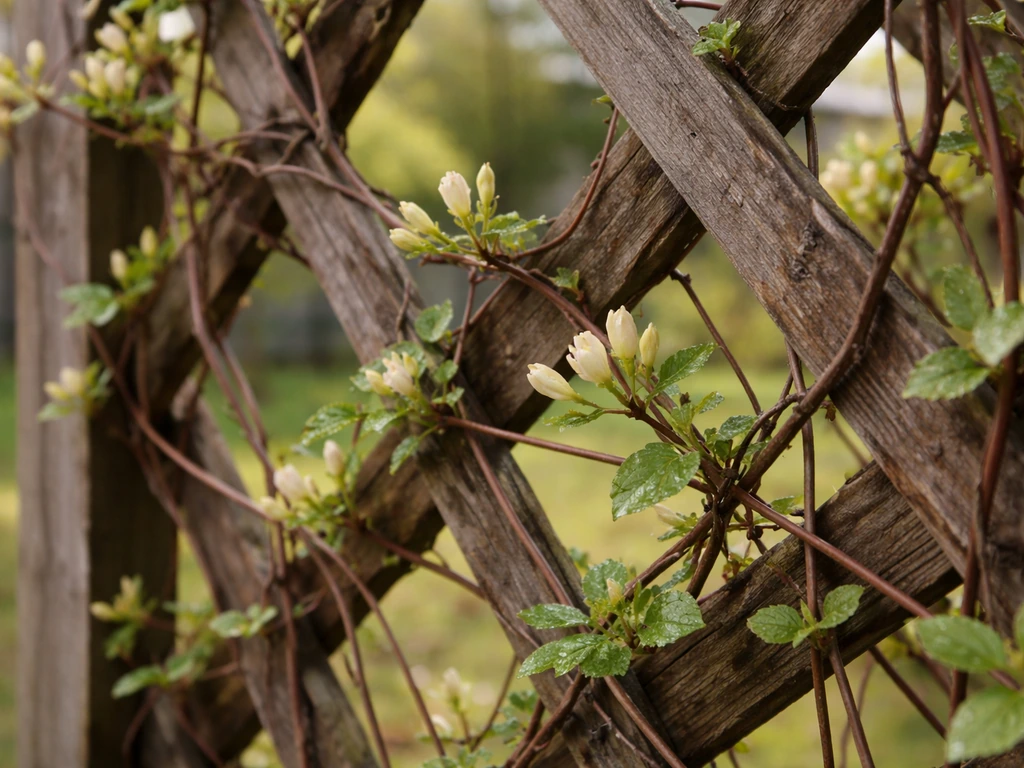
Japanese honeysuckle (Lonicera japonica) is the aggressive, semi-evergreen vine most people recognize from roadsides and fences. It's an early riser. In Maryland and similar Zone 6b-7 climates, it leafs out around mid-March, well ahead of most native deciduous trees. A purple-leaf cultivar like 'Purpurea' grown in the Pacific Northwest tends to push new leaves in mid-April, which illustrates that even within one species, cultivar selection and local climate shift the timing by several weeks. Trumpet honeysuckle (Lonicera sempervirens), the well-behaved native vine, is a bit more measured. It typically flowers in mid-spring, which means it's starting to push new growth a few weeks before that, usually late March to early April in Zones 6-9.
Shrub honeysuckles
Bushy types like Tatarian honeysuckle (Lonicera tatarica) and Amur honeysuckle (Lonicera maackii) follow a similar early-spring pattern but tend to flower later than the vining natives. Amur honeysuckle has a late-spring blooming period that lasts about three weeks blank" rel="noopener noreferrer">Amur honeysuckle blooms in late spring. Tatarian honeysuckle blooms in pairs in late spring, with fruit maturing by mid-summer. Amur honeysuckle shows noticeable variability even within a single region: one plant in your yard might start swelling buds while a neighboring shrub still looks fully dormant. That's normal.
| Type | Common Name | Typical Leaf-Out | Typical Bloom Window |
|---|---|---|---|
| Vining (non-native) | Japanese honeysuckle (L. japonica) | Mid-March to mid-April | Late spring through summer |
| Vining (native) | Trumpet/Coral honeysuckle (L. sempervirens) | Late March to early April | Mid-spring through summer |
| Shrub (non-native) | Tatarian honeysuckle (L. tatarica) | Early to mid-spring | Late spring |
| Shrub (non-native) | Amur honeysuckle (L. maackii) | Variable; early to mid-spring | Late spring |
How your zone and state shift the start of growth
Your USDA hardiness zone is the single biggest factor in predicting when your honeysuckle wakes up. The warmer your zone, the earlier growth begins. Here's a rough regional guide based on what zones typically experience:
| USDA Zone | Example States/Regions | Approximate Leaf-Out Window |
|---|---|---|
| Zone 5 | Northern Illinois, much of Ohio, parts of Colorado | Late April to early May |
| Zone 6 | Virginia, Missouri, mid-Atlantic states | Late March to mid-April |
| Zone 7 | North Carolina, Tennessee, parts of Oklahoma | Mid-March to early April |
| Zone 8 | Georgia, Alabama, Pacific Northwest lowlands | Late February to mid-March |
| Zone 9-10 | Florida, Arizona, coastal California | Late winter to very early spring |
In a state like Arizona, honeysuckle may be actively growing before most northern gardeners have even started thinking about spring. In Colorado, especially at elevation, you might be waiting until late April or beyond. If you're unsure of your zone, your county extension office can confirm it, or look up your zip code on the USDA zone map.
The real triggers: what actually kicks off spring growth
Honeysuckle doesn't watch a calendar. It responds to three concrete environmental signals, and until all three align, dormancy tends to hold.
- Soil temperature: Growth typically picks up once soil temperatures consistently reach 45-50°F at a depth of a few inches. Cold soil keeps roots inactive even when air temps are mild.
- Last frost date: Honeysuckle may push early growth before your last frost, but a hard late freeze can set it back. Japanese honeysuckle is more cold-tolerant and semi-evergreen, so it often weathers minor late frosts. Less established plants and native vines are more vulnerable.
- Sustained spring warmth: A few warm days won't do it. What really moves honeysuckle is a stretch of consistently warming nights, ideally with nighttime lows staying above 35-40°F. Weather swings, like a warm week followed by a cold snap, can stall or delay leaf-out even in otherwise appropriate zones.
Year-to-year weather variability matters more than most gardeners expect. A late-season cold snap in March or April can delay leaf-out by two to three weeks compared to a mild year, even on a plant that leafed out right on time the prior spring. This is normal, and it doesn't mean something is wrong with your plant.
What happens after growth starts: the leaf-out and flowering sequence
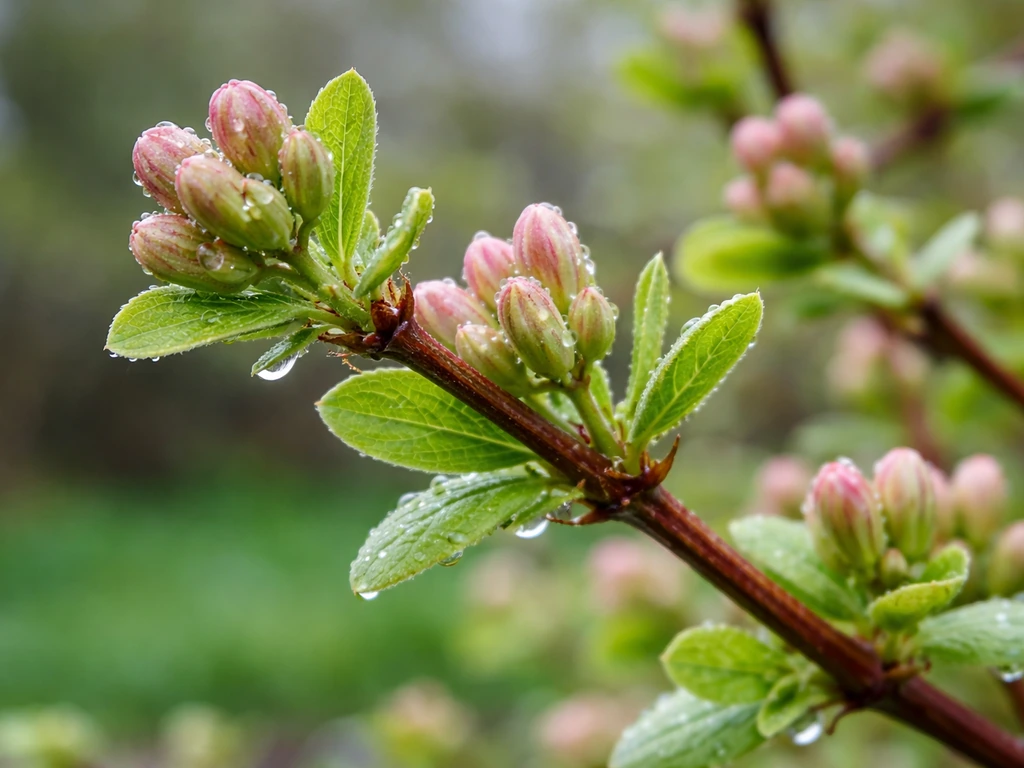
Once the conditions are right, honeysuckle moves through a pretty predictable sequence. Nature’s Notebook defines a leaf as “young/unfolded” once its entire length has emerged from the bud or node, which helps standardize how leaf-out is counted in phenology observations leaf-out is counted once its entire length has emerged from the bud/node. Here's what to expect from bud break to full bloom:
- Bud swell: The buds visibly plump up and may show a slight color change. This is not yet true leaf-out.
- Bud break: The tip of a leaf begins to emerge from the bud. This is the start of leaf-out, but the leaf isn't counted as fully out until the entire leaf length has unfolded from the node.
- Shoot extension: New shoots begin extending from nodes along older canes. This is where you'll see the most active growth and can confirm the plant is truly out of dormancy.
- Flower bud development: For Japanese honeysuckle and trumpet honeysuckle, flower buds develop on the new growth produced after dormancy breaks. This is important: blooms follow new spring shoots, not old wood.
- First bloom: Trumpet honeysuckle (native vine) typically hits its first bloom in mid-spring. Japanese honeysuckle follows with late spring flowering, then continues blooming through most of summer and into autumn.
If you miss early leaf-out, the first sign you'll usually notice is rapidly extending green shoots along existing canes. Honeysuckle can also be encouraged to keep leafing out when you manage how much old wood is left in place. The vine or shrub can look completely bare one week and be visibly leafy the next. Don't panic if you blink and miss bud swell, growth accelerates quickly once it starts.
Is yours "started" yet? How to tell normal dormancy from a real problem
This is the question most gardeners are really asking, especially in April when neighbors' plants seem to be moving and yours isn't. Here's how to sort it out.
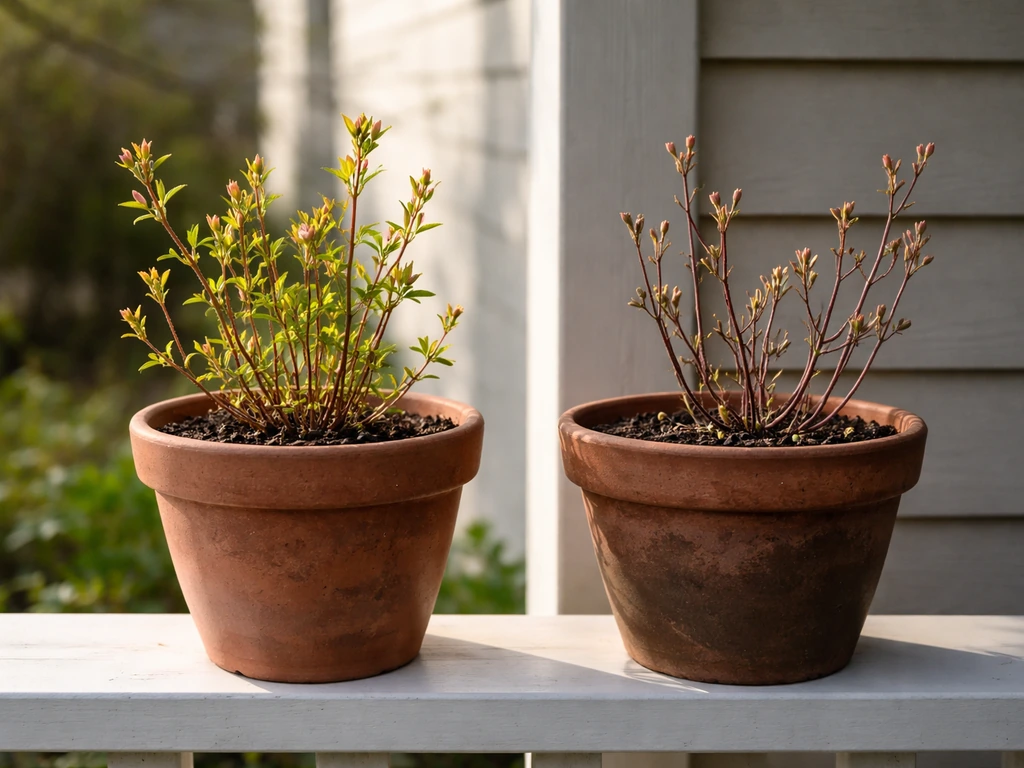
Signs of healthy dormancy
- Canes are still flexible when bent gently, not snapping dry
- Buds are intact, plump, and firm, even if not yet visibly swelling
- Bark color is consistent along the cane, no streaking or discoloration
- You're still within a week or two of your regional expected leaf-out window
Signs that something may be wrong
- Buds begin to swell, then stop and shrivel or turn brown: this is a classic sign of cold injury to the primary bud
- Canes feel hollow or snap drily when bent
- Discoloration or darkening appears inside the cane when you make a small nick with a knife (healthy tissue is green or cream; dead tissue is brown)
- Growth is patchy: some sections of the plant leafing out normally while long stretches of cane show nothing
Cold injury to buds and canes doesn't always reveal itself immediately. Sometimes the damage only becomes apparent in late spring once the plant starts pushing growth elsewhere and the injured sections simply never join in. Amur honeysuckle is a good example of a species where this patchy emergence is documented, with some canes dormant while others are already leafing. Give the plant a few extra weeks before concluding anything is truly dead.
What to do if yours seems late
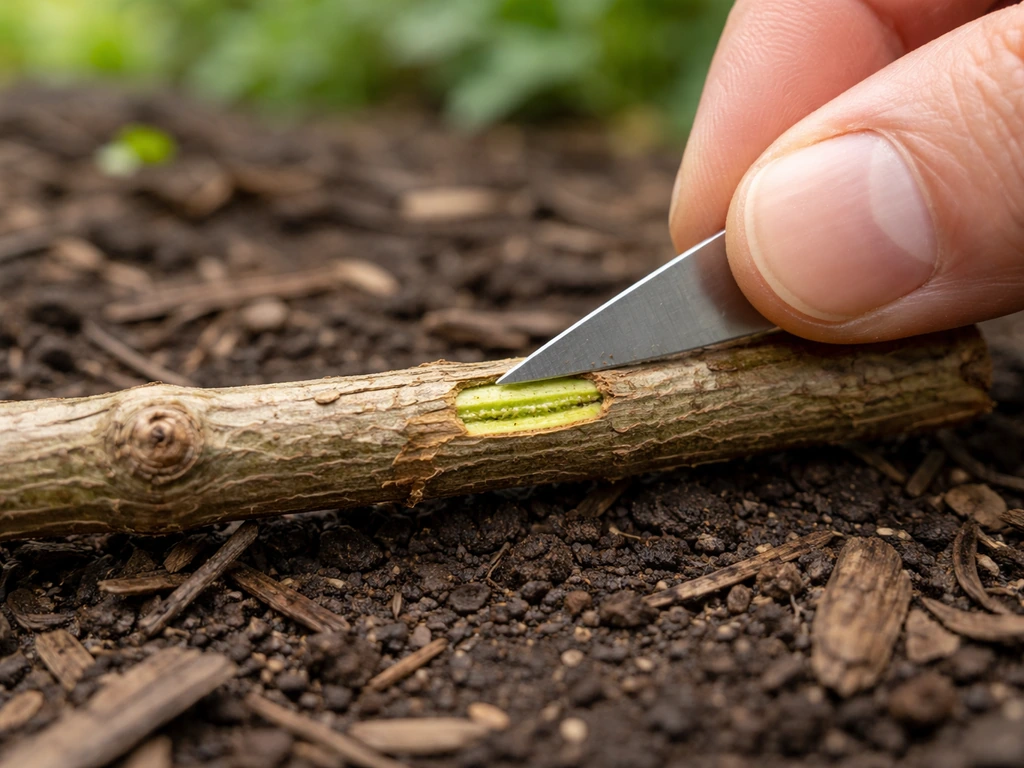
If you're past your expected leaf-out window and your honeysuckle still hasn't moved, run through these quick, low-risk checks before doing anything drastic.
- Check the cane: Use your thumbnail or a small knife to nick a cane just beneath the bark. Green or pale cream tissue is alive. Brown, dry, or mushy tissue is dead. Work from the tips toward the base until you find green tissue.
- Check the roots: If the plant is newly planted (last fall or this past spring), make sure the root zone isn't waterlogged. Sitting in cold, wet soil is one of the most common reasons for stalled spring growth.
- Water it: If your soil has been dry and cold, a deep watering can help bring soil temperature up slightly and signal the root zone to start activating.
- Wait two more weeks: Especially in Zone 5-6, if you're in mid-April and nights are still dipping below 40°F, waiting is genuinely the right call. Rushing to prune or fertilize a plant that is just cold-dormant can cause more harm than good.
- Cut back dead wood once you've confirmed it: Once you find the boundary between dead and living tissue, cut back to an inch below any visibly darkened or dead area. Make clean cuts and leave the rest alone to push new growth naturally.
One thing to avoid: pruning too aggressively before you're sure what's dead. It's easy to cut into what looks like dead cane only to find it was about to push a new shoot. Identify the dead zones first, then remove them cleanly. If late-season cold snaps are a recurring issue in your area (common in Colorado and parts of the high desert Southwest, for example), planting in a location with some wind protection and good sun exposure can shorten the lag each spring.
Growing conditions matter too. Honeysuckle in a shady or north-facing spot will consistently lag behind a plant in full sun by one to two weeks, simply because the soil and air warm up more slowly. If yours seems perpetually behind, a location change might be the real fix rather than anything you do to the plant itself.
And if you're exploring whether honeysuckle will even grow in your specific state or climate before investing in a new planting, that regional compatibility question is worth sorting out first. Can you grow honeysuckle in a hanging basket? It depends on the type and how you handle light, support, and watering. If you're planning a mixed planting, you may also wonder can jasmine and honeysuckle grow together in the same spot.
FAQ
How long after my honeysuckle leafs out should I expect it to start flowering?
For most garden honeysuckles, flowers typically arrive a few weeks after new leaves appear, not immediately. If you see steady leaf growth but no buds forming by late spring, the usual causes are insufficient sun or late-season cold stress, which can set back flowering even when leaf-out looks “on time.”
What’s the best way to tell if my honeysuckle is truly dead versus just delayed?
Check multiple canes, not just the ones that look worst. Scratch the bark lightly on several sections to see if there’s green underneath, and look for dormant buds along older wood. If only some canes are inactive, that often indicates cold damage or patchy dormancy rather than total loss.
Should I water differently before honeysuckle begins leafing out?
Avoid “drying out then soaking” cycles before bud break. Once temperatures are consistently above freezing, give deep watering if the soil is dry, but don’t keep it soggy, since cold wet soil can slow root function and delay the first growth flush.
Why does one honeysuckle plant in my yard leaf out earlier than another of the same type?
Microclimates can create different timelines even with the same species, especially sunlight exposure and wind exposure. A plant backed by a wall, near a heat-reflecting surface, or on slightly higher ground often warms earlier and breaks bud sooner than a shaded or low, frost-holding spot.
Does feeding or fertilizing in early spring help honeysuckle leaf out sooner?
Light feeding can support growth once the plant has resumed activity, but it usually cannot “force” leaf-out if cold conditions are still delaying dormancy. If your plant has not shown any bud swell, prioritize correcting conditions like sun and moisture rather than applying high-nitrogen fertilizer.
Can pruning help stimulate new shoots if my honeysuckle is late to leaf out?
Minimal, strategic pruning after you see what’s alive can help redirect energy, but aggressive pruning beforehand often backfires because you might remove buds that would have leafed. Wait until you’ve identified dead tips or until growth resumes enough to make confident cuts.
My honeysuckle leafed out but it looks thin or sparse. What could be causing that?
Common causes include reduced sun, root stress from overly wet soil, and winter dieback that leaves fewer healthy canes. If regrowth is only coming from one area, treat it like partial injury, then remove clearly dead sections after the plant fills in.
Will honeysuckle leaf out normally if it’s in a windy area or a sheltered area?
Yes, but timing can change. Windy exposed sites can increase cold injury risk to buds, which can delay or reduce the early flush even when temperatures rise. Sheltered locations typically warm slightly sooner and may produce more uniform leaf-out.
What should I do if my honeysuckle is in a container and seems late to grow?
Containers warm and cool faster than in-ground roots, so late frosts can delay activity more noticeably. Protect the pot from freeze-thaw cycles (for example, insulating the container and keeping it in a sunny protected spot) and avoid heavy pruning until you confirm which shoots are alive.
Is it possible honeysuckle leafs out later because I planted the wrong species for my region?
Yes. Some cultivars and species are less adapted to your local winter and spring conditions, which can lead to repeated bud delay or inconsistent regrowth. If your plants regularly lag by several weeks for multiple years, verify the species or cultivar hardiness and consider switching to a type that matches your USDA zone and typical winter minimums.