Yes, honeysuckle can grow in Colorado, but the type you choose makes all the difference between a thriving vine and a plant that struggles or, worse, causes problems. Colorado's native species like twinberry honeysuckle (Lonicera involucrata) are right at home here, and ornamental varieties like trumpet honeysuckle (Lonicera sempervirens) handle Colorado winters surprisingly well. Colorado Plants (Jefferson County) lists twinberry (Lonicera involucrata) with an origin field indicating it is native to Colorado. What you want to avoid are the invasive types like Japanese honeysuckle (Lonicera japonica) and Amur honeysuckle, which bring their own headaches. Pick the right species for your specific location in the state, and you'll have a blooming, happy plant.
Does Honeysuckle Grow in Colorado Can You Plant It?

Which honeysuckle types actually belong in Colorado
Not all honeysuckles are created equal, and in Colorado that distinction really matters. There are three broad categories worth understanding before you buy anything.
Native Colorado honeysuckles (your safest bet)
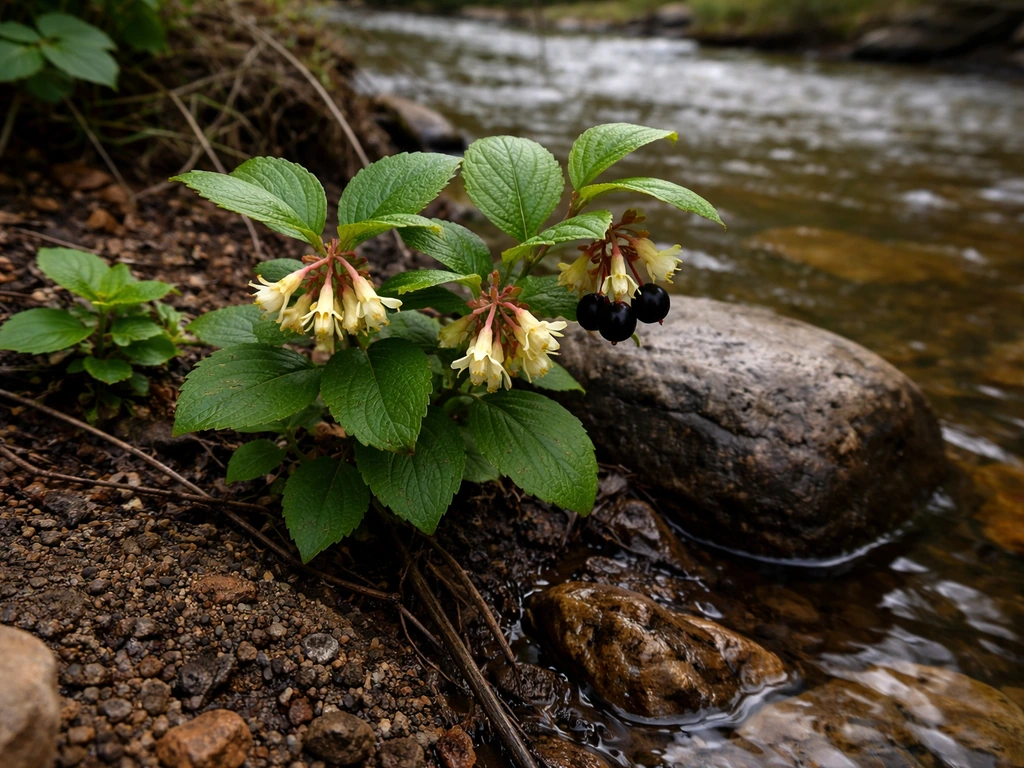
Lonicera involucrata, known as twinberry or bearberry honeysuckle, is a Colorado native that grows naturally along rivers and streams in the west-central and southwestern Rocky Mountains. USGS vegetation surveys actually list it as the most abundant understory shrub in certain Colorado riparian forest communities, so it is genuinely adapted to the state's conditions. Utah honeysuckle (Lonicera utahensis) is another native that shows up in mapped plant communities in Colorado. These native shrubs are cold-hardy, ecologically appropriate, and will not cause the invasive problems you get with non-native species.
Ornamental honeysuckle that performs well here
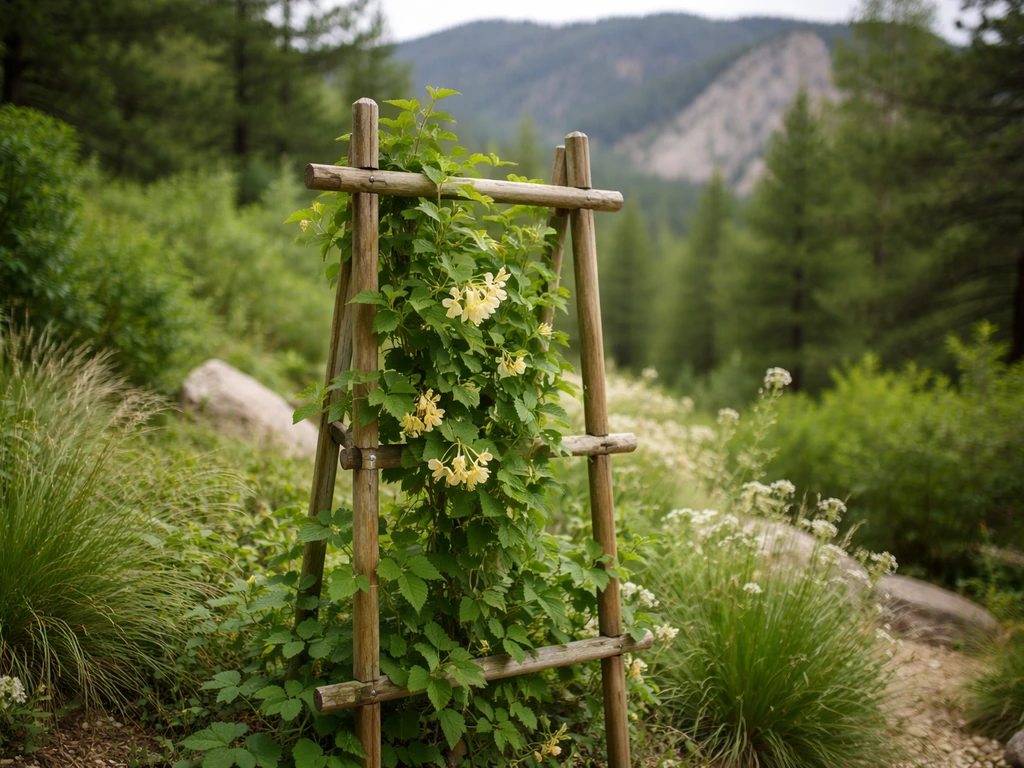
Trumpet honeysuckle (Lonicera sempervirens), sometimes called coral honeysuckle, is the ornamental vine most often recommended for Colorado gardens. CSU's PlantTalk Colorado specifically names it as a good vine choice, describing it as a rapid-growing deciduous vine with coral-pink flowers and attractive bluish-green leaves. It is hardy to USDA Zone 4a according to Cornell's woody plant database, which covers most of Colorado's populated areas. CSU Extension also lists Tatarian honeysuckle (Lonicera tatarica) on its FireWise plant materials list, meaning it's been vetted for Colorado landscapes.
Invasive types to skip entirely
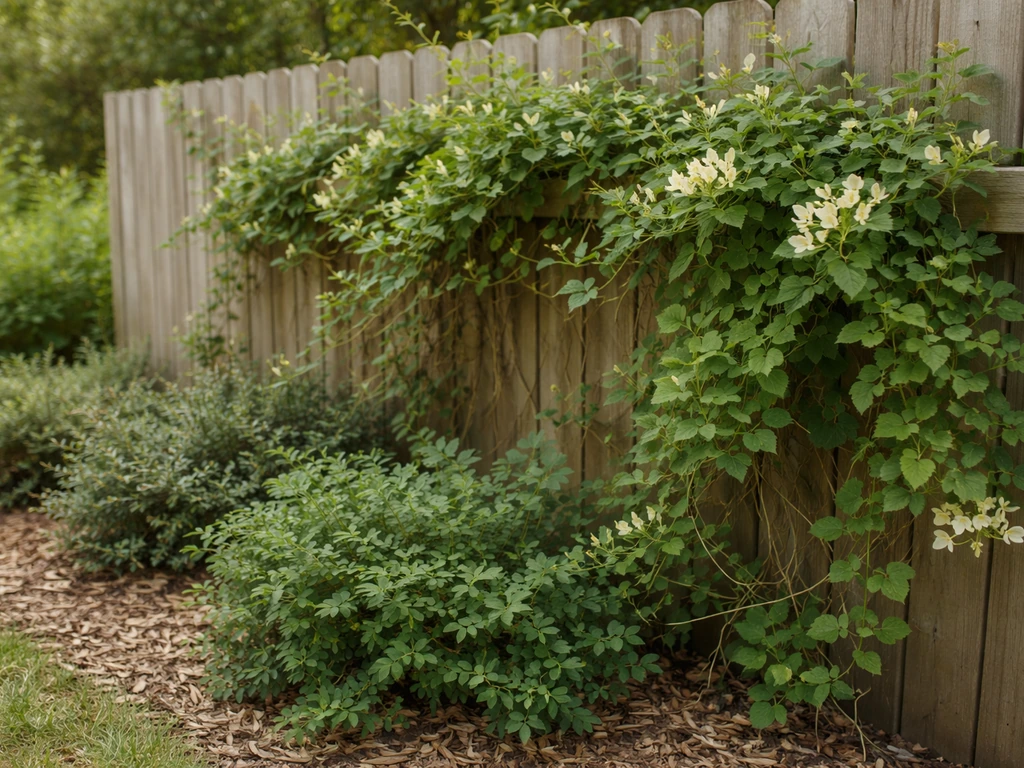
Japanese honeysuckle (Lonicera japonica) is cold-hardy enough to survive in Colorado (it tolerates down to Zone 4), but it's documented as invasive by the National Invasive Species Information Center and can form dense mats that outcompete native plants. Amur honeysuckle (Lonicera maackii) and Morrow's honeysuckle fall into the same category. The National Park Service and USDA Forest Service both actively recommend removing these from properties and replanting with native alternatives. Buying one of these at a big-box store is an easy mistake to make, so check the Latin name on the tag before you commit.
| Species | Type | Cold Hardiness | Good for Colorado? |
|---|---|---|---|
| Lonicera involucrata (twinberry) | Native shrub | Zone 3-4+ | Yes, highly recommended |
| Lonicera utahensis (Utah honeysuckle) | Native shrub | Zone 3-4+ | Yes, native to region |
| Lonicera sempervirens (trumpet/coral) | Ornamental vine | Zone 4a+ | Yes, CSU-recommended |
| Lonicera tatarica (Tatarian) | Ornamental shrub | Zone 3+ | Yes, with monitoring |
| Lonicera japonica (Japanese) | Invasive vine | Zone 4+ | No, avoid |
| Lonicera maackii (Amur) | Invasive shrub | Zone 4+ | No, avoid |
How Colorado's climate affects your honeysuckle
Colorado is not one climate, and that is really the most important thing to understand before buying any plant. The state spans USDA hardiness zones roughly from Zone 3 in the high mountain areas to Zone 7 in some sheltered lower-elevation pockets. The bigger challenge for honeysuckle in Colorado is not always the low winter temperature itself, it's the late-spring freezes, intense sun at altitude, and the dramatic temperature swings that can fool plants into budding too early.
Trumpet honeysuckle leafs out early, so a surprise hard freeze in April can set it back, though established plants usually recover. Trumpet honeysuckle is one of the earliest to break dormancy, so the question of when honeysuckle grows often comes down to your local zone and the timing of late-spring freezes when does honeysuckle grow.
The USDA's Plant Hardiness Zone Map is built on average annual extreme minimum temperatures using a 1991-2020 climate baseline. That number tells you whether a plant can survive the cold, but it doesn't account for Colorado's notorious chinook winds, sudden temperature drops, or dry winters that can desiccate evergreen foliage. For deciduous honeysuckles like trumpet or twinberry, winter desiccation is less of an issue since they drop their leaves. That's one more reason to lean toward deciduous species over anything evergreen in most Colorado locations.
Microclimates matter more than you'd think
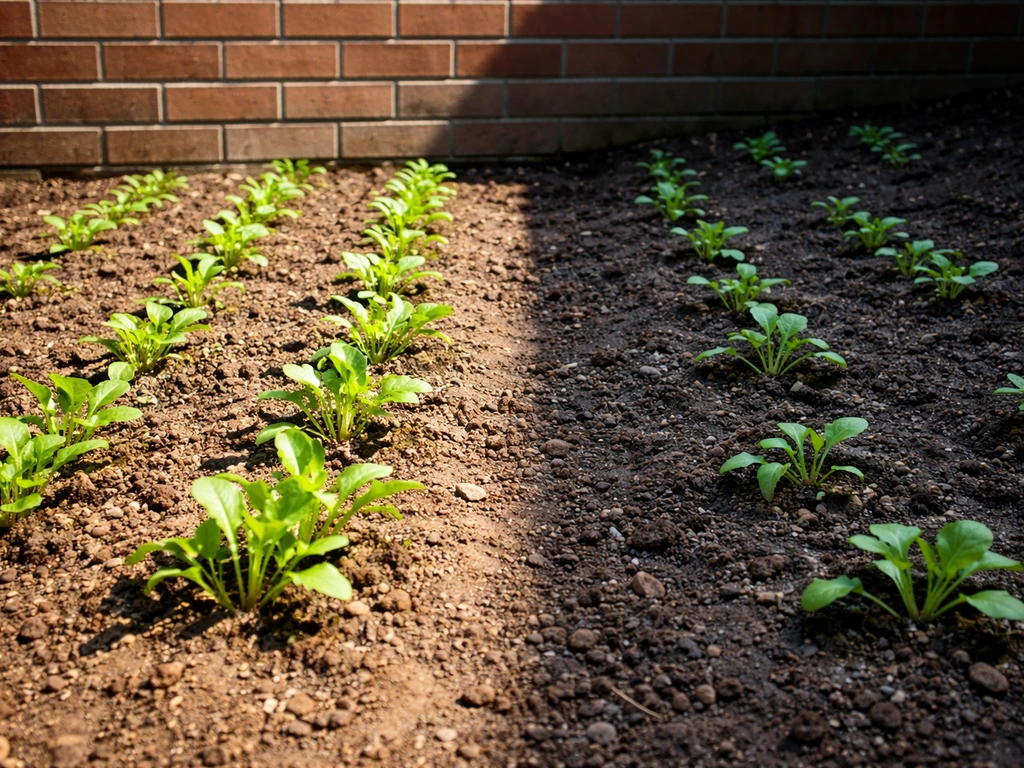
A south-facing brick wall in Denver creates a completely different growing environment than an exposed north slope in the same neighborhood, let alone the difference between Denver and, say, Steamboat Springs. The Front Range corridor, including metro Denver, Colorado Springs, Fort Collins, and Pueblo, generally sits in Zones 5-6, which is comfortable territory for trumpet honeysuckle and most ornamental varieties. The Western Slope communities like Grand Junction can run warmer (Zone 6-7), while mountain towns above 7,000 feet are often Zone 4 or colder. Twinberry honeysuckle is actually documented growing in those higher-elevation riparian zones natively, so it's the obvious pick for mountain gardeners.
Where in Colorado honeysuckle grows best
If you're on the Front Range, you're in a good position for the widest selection. Zone 5 and Zone 6 cover most of the populated Front Range, meaning trumpet honeysuckle, Tatarian honeysuckle, and twinberry are all realistic options. The Western Slope, especially areas around Grand Junction in Zone 6-7, can support these same varieties with less winter stress. Mountain communities in Zone 4 and below should focus on native species like twinberry (Lonicera involucrata), which is proven in those environments.
If you're wondering can you grow honeysuckle in a hanging basket, start by choosing a hardy vine type and giving it consistent watering and a sturdy support. The high alpine zones above about 9,000-10,000 feet are really too extreme for most cultivated honeysuckle, native or otherwise. If you're asking, does honeysuckle grow in Arizona, the short answer is yes, but choosing the right type and hardiness zone matters just as much as it does in Colorado.
- Front Range (Denver, Fort Collins, Colorado Springs) — Zones 5-6, most ornamental honeysuckles viable
- Western Slope (Grand Junction area) — Zones 6-7, excellent conditions for ornamental varieties
- Mountain towns at 6,000-8,000 ft — Zone 4-5, stick to cold-hardy natives and hardier ornamentals
- High mountain areas above 8,000-9,000 ft — Zone 3-4, native twinberry or Utah honeysuckle only
- Alpine elevations above 10,000 ft — Too harsh for most honeysuckle cultivation
Check your exact zone before you buy anything
The single best step you can take before purchasing honeysuckle is to look up your exact address on the USDA Plant Hardiness Zone Map. Once you open the USDA Plant Hardiness Zone Map, you can use its Quick Zip Code Search to find the hardiness zone for your location. The 2023 map uses the most current 1991-2020 climate baseline and lets you enter your zip code to get your specific half-zone. Colorado is a patchwork of zones, and knowing whether you're in Zone 5a versus 5b actually changes which varieties are safe choices. The USDA ARS hosts the official map, and plantmaps.com also has a Colorado-specific version built on the same mean extreme climate data.
Once you have your zone, check the plant tag at your local nursery against that number. Any reputable Colorado nursery, especially independent garden centers rather than big-box stores, will stock varieties appropriate for local zones and can tell you exactly how a specific honeysuckle has performed for their customers. CSU Extension's local county offices are also a fantastic resource. They deal with the specific microclimates in their county every day and can tell you things about your area that no national map can capture.
If your zone is marginal, here's what to do
If you're in a Zone 4 or borderline Zone 3 area and really want honeysuckle, lean hard into the native options. Twinberry honeysuckle is literally documented growing wild in Colorado's coldest riparian zones, so it's not a gamble.
For ornamental appeal in tough zones, trumpet honeysuckle (hardy to Zone 4a) is worth trying with some protection: plant it on a sheltered south or east-facing wall to buffer it from cold winds, mulch the root zone in fall, and give it a few seasons to establish. CSU Extension notes that established honeysuckle shrubs can be managed with renewal pruning on old wood, so even if a plant gets some dieback, it can often be brought back.
Renewal pruning on old wood can help established honeysuckle recover, even if some stems die back. The key word there is established, so buying a larger specimen gives you a head start in marginal zones.
If honeysuckle turns out to be too risky for your specific spot, there are similar flowering vines and shrubs that fill the same garden role in Colorado. Clematis (many varieties rated to Zone 4 and lower), Virginia creeper, and native currants offer color and structure without the cold-hardiness gamble. For gardeners interested in similar fragrant or climbing plants, it's also worth knowing how honeysuckle compares to jasmine in Colorado conditions, since jasmine is considerably less cold-tolerant and is generally a tougher sell in most of the state. If you're planning a mixed planting, you can jasmine and honeysuckle grow together is worth checking so you match their sunlight and spacing needs.
Your quick checklist before buying honeysuckle in Colorado
- Look up your zip code on the USDA Plant Hardiness Zone Map to confirm your exact zone
- Choose a species rated at least one full zone colder than your zone for a margin of safety
- Prioritize native species (Lonicera involucrata, Lonicera utahensis) if you're in Zone 4 or colder
- Check the Latin name on the plant tag to avoid accidentally buying Japanese or Amur honeysuckle
- Ask your local independent nursery which honeysuckle varieties they have seen succeed in your area
- Pick a planting spot with some wind protection and good drainage to give the plant the best start
- Contact your county's CSU Extension office if you want a local expert opinion on your specific microclimate
FAQ
Which honeysuckle is safest to plant in Colorado if I want to avoid invasives?
Start with Colorado natives like twinberry honeysuckle (Lonicera involucrata) or Utah honeysuckle (Lonicera utahensis), and only choose ornamentals if you can confirm the exact species on the tag. Avoid Japanese, Amur, and Morrow’s honeysuckle, since they can spread and create dense stands that displace native plants.
Can I plant honeysuckle anywhere in Colorado if it’s hardy to my USDA zone?
Not always. Colorado’s biggest failure points are late-spring freeze events and temperature swings that push early bud break. If you live in a pocket that regularly sees hard freezes after spring growth begins, prioritize later-budding varieties, choose a sheltered planting spot, and plan for stem dieback recovery.
When is the best time to plant honeysuckle in Colorado?
In most areas, spring planting is the easiest option so roots can establish before winter. If you plant in fall, do it early enough that the plant can settle before repeated freeze-thaw cycles. For marginal zones, avoid very late-season planting when the root system has little time to recover.
How much sun does honeysuckle need in Colorado, especially at higher elevations?
Most honeysuckles do best with full sun to part shade, but altitude can intensify drying and leaf burn. If you get strong afternoon sun and windy conditions, aim for morning sun with afternoon shade, or use mulch to stabilize soil moisture and reduce stress.
What should I do if my honeysuckle looks dead after a hard April freeze?
Check stem viability before you remove it. Wait for new growth to show, then prune back only to live wood. Trumpet honeysuckle may have top dieback after early leaf-out, but established plants often re-sprout if the crown and roots survived.
Does honeysuckle need a trellis or can I let it sprawl?
For most garden settings, plan on a support. Sprawling growth can become tangled and harder to manage, and it can increase disease pressure by limiting airflow. Choose a sturdy trellis or fence line, and guide new growth so you’re not fighting the plant later.
How often should I water honeysuckle in Colorado?
Water deeply during establishment, then transition to a lighter schedule once established. In Colorado’s dry winters, evergreen foliage on any evergreen-type honeysuckle can suffer from desiccation, so focus on consistent moisture in the first growing season and ensure good drainage to prevent root problems.
Is twinberry honeysuckle still a good choice for non-riparian gardens?
It can work outside of natural stream edges if you can mimic similar conditions, meaning steady moisture and not-too-dry soil. Twinberry is especially valuable for colder, wetter-tending microclimates, but if your site stays very dry or rocky, trumpet honeysuckle or another suitable ornamental may perform more reliably.
Can I grow honeysuckle in a hanging basket in Colorado?
It’s possible but limiting. Honeysuckle vines tend to get heavy and fast, so you need a larger container, strong support, and consistent watering to prevent rapid drying. Choose a compact, hardy type for your zone, and expect more frequent attention than in-ground planting.
Why won’t my honeysuckle bloom in Colorado even though it survives?
Blooming can fail due to late freezes that damage flower buds, insufficient sun, or pruning at the wrong time. If you prune too aggressively on older stems, you may remove next season’s bud sites. Adjust timing based on whether your plant blooms on old wood or new wood, and protect it from late frosts when possible.
Should I fertilize honeysuckle in Colorado?
Usually not heavily. Over-fertilizing with nitrogen can drive leafy growth at the expense of flowers and can weaken stress tolerance during swings in spring and winter. If your plant is struggling, use a light, slow-release approach after it establishes, rather than frequent high-nitrogen feeding.
What are good native alternatives if honeysuckle seems too risky in my microclimate?
If your site is unusually exposed to wind or has frequent late freezes, consider other climbing or shrub options that match your zone and bloom time. Clematis varieties rated for cold hardiness, Virginia creeper, and native currants can provide similar structure and flowers without the same invasive-species risk.