Yes, jasmine and honeysuckle can grow together successfully in most U.S. climates, but the pairing works best when you match the right species to your hardiness zone and give each plant enough space so neither one takes over. The biggest mistake gardeners make is treating both plants as interchangeable, there are several jasmines and several honeysuckles, and some combinations are genuinely great partners while others are a recipe for one plant smothering the other or dying in winter.
Can Jasmine and Honeysuckle Grow Together? Compatibility Guide
Marcus Hartwell
2 Jun 2026
The quick compatibility answer
Most of the time, yes. In zones 7 through 10, you can almost always find at least one jasmine and one honeysuckle that share enough overlap in sunlight, soil, and cold tolerance to live side by side. In zones 4 through 6, your jasmine options narrow significantly, star jasmine and pink jasmine will simply die outdoors over winter, so common jasmine (Jasminum officinale, hardy to zone 7) becomes marginal at best, and most gardeners in colder zones skip jasmine outdoors altogether. Honeysuckle, on the other hand, has options that reach all the way into zone 4. So the honest answer is: it depends heavily on which jasmine you want and where you live.
Species matter more than you think
When someone says 'jasmine,' they could mean four or five completely different plants with very different cold tolerances. Star jasmine (Trachelospermum jasminoides) is one of the most popular, but it only survives outdoors in USDA zones 8a through 11b, with cold tolerance down to about 15°F. Pink jasmine (Jasminum polyanthum) is similar, rated for zones 8 through 11 and can't handle freezing temperatures. Common jasmine (Jasminum officinale) is the hardiest of the bunch, surviving in zones 7 through 10 and blooming with white flowers from June through August. Arabian jasmine (Jasminum sambac) is essentially tropical and best treated as a houseplant outside of frost-free zones. Getting this wrong means you'll buy a beautiful plant at the nursery, put it next to your honeysuckle, and watch it die the first cold snap. If you are in Arizona, make sure the honeysuckle species you choose is cold-tolerant for your area and can handle the heat honeysuckle in Arizona.
Honeysuckle has the same problem. Japanese honeysuckle (Lonicera japonica) is the one most people picture, and it's incredibly vigorous, almost too vigorous. It's classified as invasive throughout much of the South and can push out 15 to 30 feet of stem in a single growing season under good conditions. Trumpet or coral honeysuckle (Lonicera sempervirens) is a much better-behaved native option, hardy in zones 4 through 9, and reaches a manageable 8 to 15 feet tall. Goldflame honeysuckle (Lonicera x heckrottii) is another excellent hybrid, easy to grow in average well-drained soil with full sun to part shade, though it can be iffy in zone 5 without some winter shelter. Goldflame honeysuckle is stated to do best in fertile, moist, well-drained soils and full sun, but it can adapt to various soils and tolerate some drought once established Goldflame honeysuckle (Lonicera x heckrottii) is stated to do best in fertile, moist, well-drained soils and full sun. Knowing which honeysuckle you actually have (or are buying) shapes every other decision you make.
How to match their growing requirements
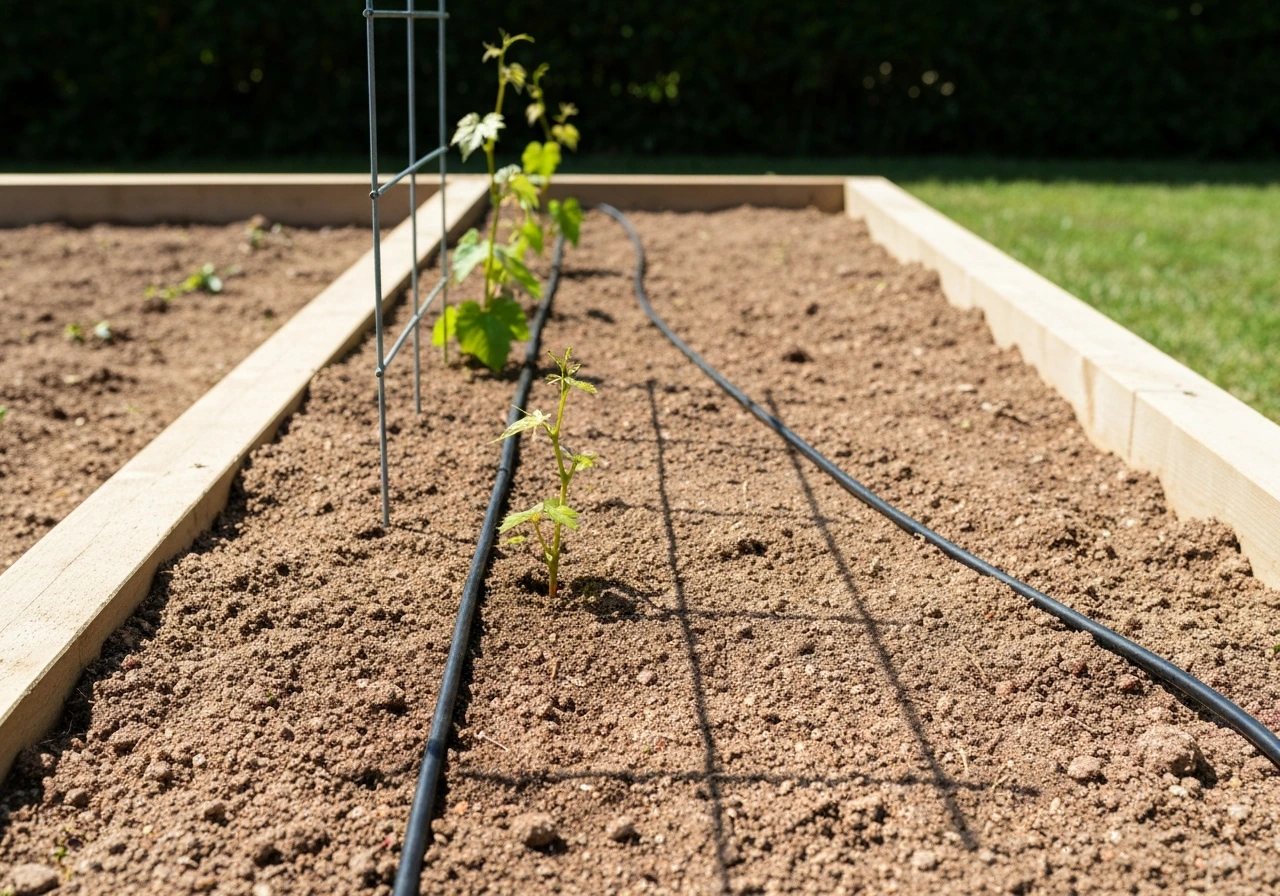
The good news is that jasmine and honeysuckle share a lot of common ground in what they want from a garden. Both generally prefer full sun to part shade, well-drained soil, and moderate consistent moisture. But there are enough differences that you should check before planting them right next to each other.
| Plant | Sun | Soil | Water | Hardiness Zones |
|---|---|---|---|---|
| Star jasmine (T. jasminoides) | Full sun to part shade (6+ hrs for best bloom) | Well-drained, adaptable | Moderate, avoid soggy | 8a–11b |
| Pink jasmine (J. polyanthum) | Full sun to light shade | Well-drained, moist but not soggy | Moderate | 8–11 |
| Common jasmine (J. officinale) | Full sun to part shade | Well-drained | Moderate | 7–10 |
| Trumpet honeysuckle (L. sempervirens) | Full sun to part shade | Acidic preferred (~pH 6), tolerates clay/sand | Medium to medium-wet, moderate drought tolerance | 4–9 |
| Goldflame honeysuckle (L. x heckrottii) | Full sun to part shade | Fertile, moist, well-drained | Medium moisture, some drought once established | 5–9 (shelter in zone 5) |
| Japanese honeysuckle (L. japonica) | Full sun to shade | Highly adaptable | Moderate | 4–9 (invasive in many states) |
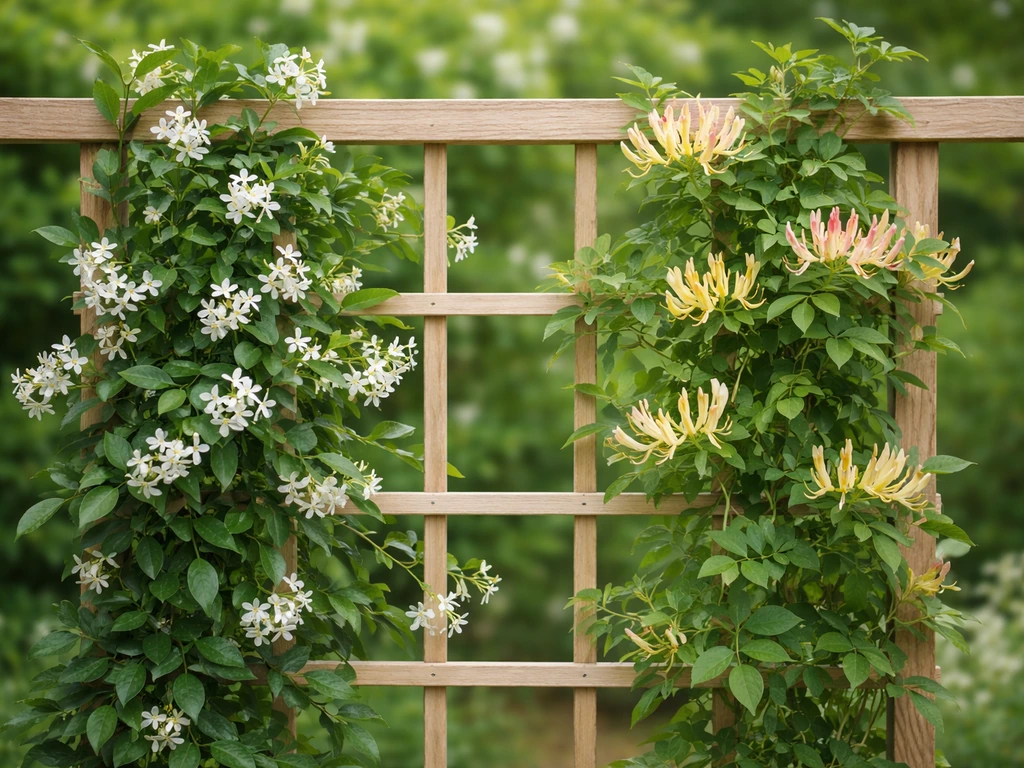
The best pairings on paper are star jasmine with trumpet honeysuckle in zones 8 and 9, or common jasmine with trumpet or goldflame honeysuckle in zones 7 and 8. Both plants in those pairings want similar light (full sun to part shade), similar soil drainage, and similar moisture levels. Where it can go sideways: if you plant Japanese honeysuckle next to any jasmine, the honeysuckle's explosive growth rate will almost always outcompete the jasmine for light and space within one or two seasons.
Growth habits, spacing, and training: keeping the peace on the trellis
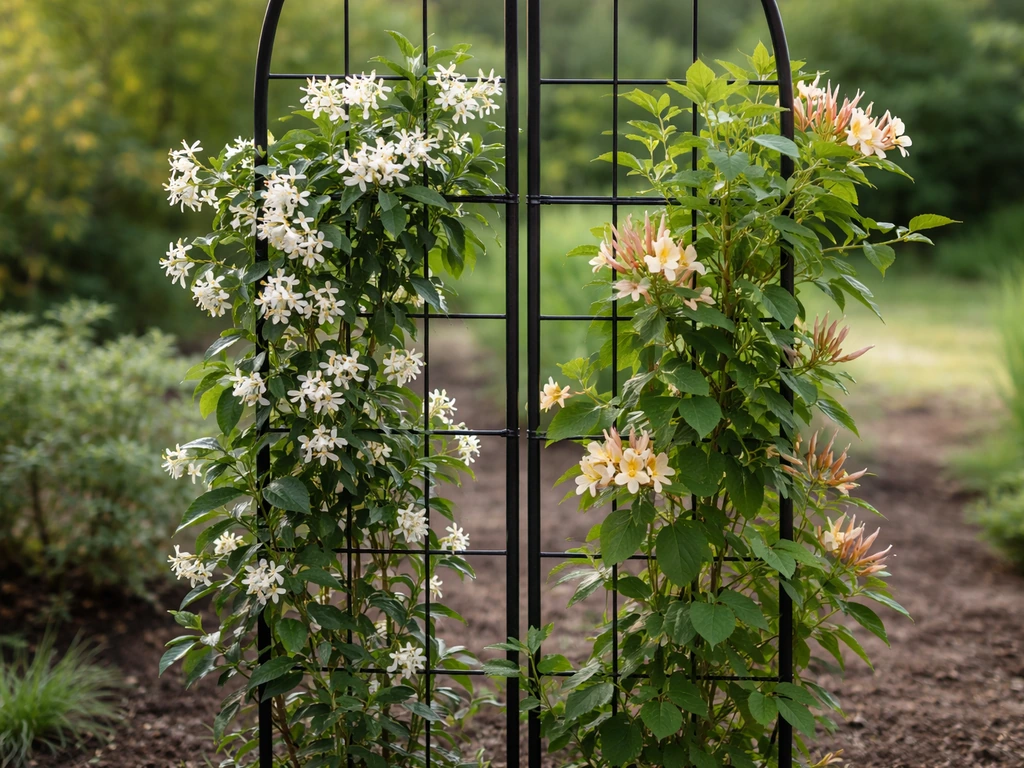
Both jasmine and honeysuckle are vining climbers, which means they will compete for the same trellis space if you plant them too close. The trick is to either give them a shared structure that's large enough for both, or plant them on separate panels of a fence with a gap between them. A sturdy arbor or pergola with at least 8 to 10 feet of width works well for pairing the two. Avoid a single narrow obelisk or small trellis, one plant will dominate.
For spacing, planting jasmine and honeysuckle at least 3 to 4 feet apart at the base gives each plant enough root and crown room to establish without immediately fighting. Trumpet honeysuckle tops out around 8 to 15 feet and spreads 3 to 6 feet wide, which makes it a reasonable companion for star jasmine or common jasmine that grow at a similar pace. You can also grow honeysuckle in a hanging basket if you choose a compact, well-behaved variety and provide enough support and pruning can you grow honeysuckle in a hanging basket. If you're working with Japanese honeysuckle, its 15 to 30 feet of new stem per season is a serious problem, even a well-positioned jasmine can get overwhelmed. If you're in a state where Japanese honeysuckle is flagged as invasive (most of the South and parts of the Midwest), skip it entirely and use trumpet or goldflame honeysuckle instead.
Training both plants matters, especially in the first two years. Tie new stems to the trellis regularly and prune each plant separately, don't let them knit together so tightly that you can't tell which stems belong to which. This matters a lot for pruning timing, because jasmine and honeysuckle may need to be pruned at different times of year depending on whether they bloom on old wood or new wood. Japanese honeysuckle blooms on the current year's growth, so you can prune it in late winter or early spring without sacrificing flowers. Many other honeysuckles bloom on old wood (stems grown the previous year), which means pruning right after flowering is the safe window. Star jasmine and common jasmine generally respond well to post-bloom pruning too. Keeping these schedules straight prevents accidentally cutting off next year's flower buds.
Regional feasibility: what to check for your zone
Your USDA hardiness zone is the single most important thing to confirm before buying either plant. If you don't already know yours, the USDA Plant Hardiness Zone Map is free to look up online, just enter your zip code. Here's how to read the results for this pairing specifically: Whether honeysuckle can grow in Colorado depends largely on the specific variety and your USDA hardiness zone does honeysuckle grow in colorado.
- Zones 4–6 (Northern U.S., Mountain West, upper Midwest): Most jasmines won't survive outdoors. Common jasmine (J. officinale) is marginal in zone 7 but not reliable in zone 6 and below. Stick with trumpet honeysuckle as a solo climber, or grow pink/star jasmine in containers that come indoors for winter. The article on whether honeysuckle grows in Colorado is relevant here — many Colorado gardeners face exactly this dilemma with tender companion plants.
- Zones 7–8 (Mid-Atlantic, Pacific Northwest coast, parts of the South and Southwest): This is the sweet spot for pairing. Common jasmine is reliably hardy, star jasmine works in zone 8 and above, and both trumpet and goldflame honeysuckle thrive here. This is where the pairing works most predictably.
- Zones 9–10 (Gulf Coast, Southern California, Arizona lowlands, Hawaii): Star jasmine and pink jasmine perform excellently here. Trumpet honeysuckle can handle the heat with some afternoon shade. Japanese honeysuckle also survives here, but check whether it's restricted or discouraged in your state before planting.
- Zones 10b–11 (South Florida, tropical): Star jasmine reaches its upper limit around 10b. Jasmine sambac (Arabian jasmine) thrives here but is essentially a different plant. Honeysuckle options thin out in true tropical zones.
Beyond your zone, think about your bloom timing. For a better sense of when does honeysuckle grow in your garden, also consider your local hardiness zone and the specific honeysuckle variety you chose. Trumpet honeysuckle typically blooms spring through summer, and jasmine generally peaks in summer (common jasmine June through August). In warmer zones with a long season, you can get sequential or overlapping blooms from both plants on the same structure, which is the real reward for getting this pairing right. Star jasmine is stated to flower best with at least about 6 hours of full sun blank" rel="noopener noreferrer">star jasmine flower best with at least about 6 hours of full sun.
Common problems with this pairing and how to avoid them
A few gotchas come up repeatedly when gardeners try this combination for the first time:
- One plant takes over: Almost always the honeysuckle, especially if it's Japanese honeysuckle. Its aggressive growth rate can physically smother a jasmine vine within a season. The fix is choosing a less vigorous honeysuckle species (trumpet or goldflame) and pruning both plants regularly, not just the one that looks crowded.
- Cold kills the jasmine: This is the most common disappointment. Gardeners in zone 7 or 7b buy star jasmine thinking it's similar to common jasmine, plant it next to their honeysuckle, and lose it in a hard winter. Always match your jasmine selection to your coldest expected temperature, not your average winter temperature.
- Competing for water and nutrients: Two thirsty vines on the same trellis will draw from the same soil. Mulch generously around the base of both plants and fertilize each separately in early spring. Avoid overwatering — both plants want moisture but not waterlogged roots.
- Pruning at the wrong time: If your honeysuckle blooms on old wood and you prune it in late winter along with your jasmine, you'll cut off an entire season of flowers. Tag your plants when you put them in and note their pruning schedule. Prune old-wood honeysuckle right after it finishes blooming.
- Invasive species concerns: Japanese honeysuckle is flagged as invasive across much of the South. It can twine tightly enough around jasmine stems to girdle and kill them, on top of the ecological concerns. If you live anywhere in the Southeast or Midwest, check your state's invasive plant list before choosing your honeysuckle.
- Mismatched sun needs: Star jasmine flowers best with at least 6 hours of full sun, but it appreciates afternoon shade in very hot climates. If your trellis gets only 3 to 4 hours of sun, the jasmine will grow slowly and bloom poorly while a honeysuckle may still perform reasonably well. Match your plant selection to your actual site conditions, not your ideal ones.
Your planting plan and next steps before you buy
Before you go to the nursery, spend five minutes on these steps so you don't end up with the wrong plants:
- Look up your USDA hardiness zone by zip code. This single step narrows your jasmine options immediately.
- Check your state's invasive species list for honeysuckle — specifically for Lonicera japonica. If it's listed, choose trumpet honeysuckle (L. sempervirens) or goldflame honeysuckle (L. x heckrottii) instead.
- Measure your trellis or planting structure. If it's less than 6 feet wide, plan to use it for one plant and add a second structure nearby for the companion plant.
- Count your daily sun hours at the planting site. Both plants want at least 4 to 6 hours, with more sun producing more blooms. Less than 4 hours is a setup for disappointment.
- Decide on your jasmine species based on your zone: zone 8 and above, star jasmine or pink jasmine are great; zone 7, stick to common jasmine; zone 6 and below, grow jasmine in a container.
- At the nursery, read the tag carefully. 'Jasmine' on a tag can mean five different species — confirm the Latin name before buying.
- Plan to plant both at the same time if possible, or plant the slower grower first by a season so it can establish before a more vigorous companion moves in.
The pairing of jasmine and honeysuckle is genuinely rewarding when you get it right, fragrant, colorful, and long-blooming on the same structure. The gardeners who struggle with it almost always skipped the species and zone check. Get those two things right first, choose a well-behaved honeysuckle variety, give each plant enough room to breathe, and you'll have a combination that looks intentional and performs season after season.
FAQ
Can I grow jasmine and honeysuckle together if they are different climbing habits (one is more aggressive than the other)?
Yes, but only if you choose a slower or well-behaved honeysuckle (like trumpet or goldflame) and dedicate separate training lines. If you accidentally pair jasmine with a highly vigorous type (often Japanese honeysuckle), it can occupy the trellis first and shade the jasmine even when both are technically hardy to your zone.
What spacing should I use if I want them on the same trellis but not competing for light?
Use a shared structure that is wide enough (at least 8 to 10 feet) and keep the crowns separated, roughly 3 to 4 feet at the base. Also, train each plant onto different sections or vertical cords, so one plant is not wrapped through the other during the first two growing seasons.
Will pruning both plants together accidentally remove next year’s flowers?
It can. Honeysuckle and jasmine types do not always bloom on the same wood. As a rule, confirm whether your specific honeysuckle blooms on old wood, then prune after flowering if needed, while jasmine is often safe with post-bloom pruning or late winter depending on the jasmine type.
Can I plant them side by side at the same time, or should I stagger planting dates?
Staggering can help if one plant is faster to establish. If you are unsure about vigor, plant the slower jasmine first and allow it to root and begin climbing before the honeysuckle gets fully established, especially in warm climates where honeysuckle can surge quickly.
Are there container options if my yard space is limited?
Yes for the jasmine, and sometimes for a compact honeysuckle, but it is tricky because vines need steady moisture and support. Use large pots, trellis support that does not tip, and plan for pruning and root control. Avoid putting a highly vigorous honeysuckle in a small container, it often becomes unmanageable fast.
Is Japanese honeysuckle ever a good partner for jasmine?
In general, it is a poor partner for both practical and control reasons. It can outpace jasmine within one or two seasons, and it is invasive in many regions. If you want this combination, choose trumpet or goldflame honeysuckle instead, and keep pruning and monitoring strict.
How do I choose which jasmine to buy if the nursery label is vague?
Check the scientific name and your USDA hardiness range, not just the common name “jasmine.” Star, pink, common, and Arabian jasmine have very different outdoor cold tolerance, and mismatching is the most common reason people buy a plant that looks healthy in summer but fails after the first freeze.
What should I do if my first winter kills the jasmine but the honeysuckle survives?
That usually signals a zone mismatch for the jasmine, not a training or spacing issue. Replace with a jasmine type that is hardy to your USDA zone (common jasmine can be marginal below its recommended zone), and consider adding winter protection only if the plant is truly borderline rather than far outside its tolerance.
Can I use them on the same arbor if it is narrower than 8 feet?
You can try, but it is higher risk for one plant to dominate. With narrower arbors, give more separation at the base, use careful training to keep separate stems in separate areas, and be prepared to prune more often to maintain airflow and prevent the plants from blending together.
How can I tell early on that one plant is taking over and will shade the other?
Watch for early signs within the first season, honeysuckle stems rapidly filling available vertical space, jasmine stops producing new leaders, and leaf drop or poor flowering. If you see that pattern, redirect training immediately and prune selectively to restore balance before the structure becomes fully covered.