
Yes, hibiscus will absolutely grow in Tennessee, but which type you plant makes all the difference between a thriving landscape shrub and a dead plant come March. Rose of Sharon (Hibiscus syriacus) and native hardy hibiscus (Hibiscus moscheutos) are both reliably perennial across the state. Tropical hibiscus (Hibiscus rosa-sinensis) can grow outdoors in Tennessee summers but won't survive winter in the ground, so it needs to come inside or be treated as an annual.
Will Hibiscus Grow in Tennessee? Types, Zones, and Winter Care

Marcus Hartwell
27 May 2026
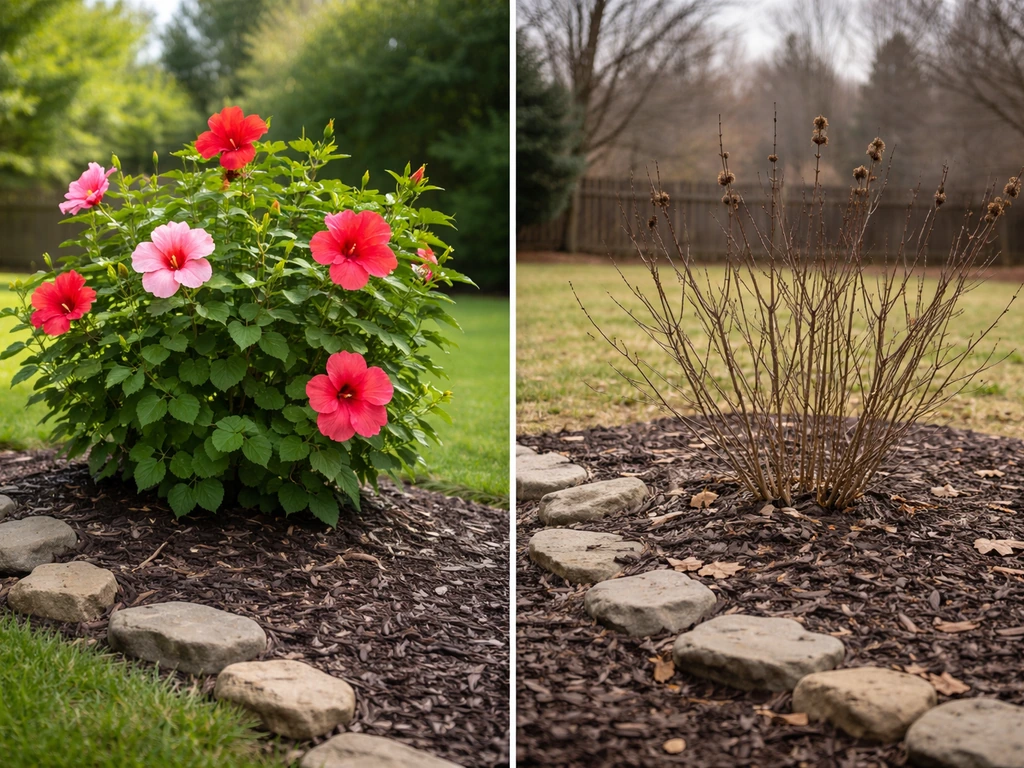
Which hibiscus types actually work in Tennessee
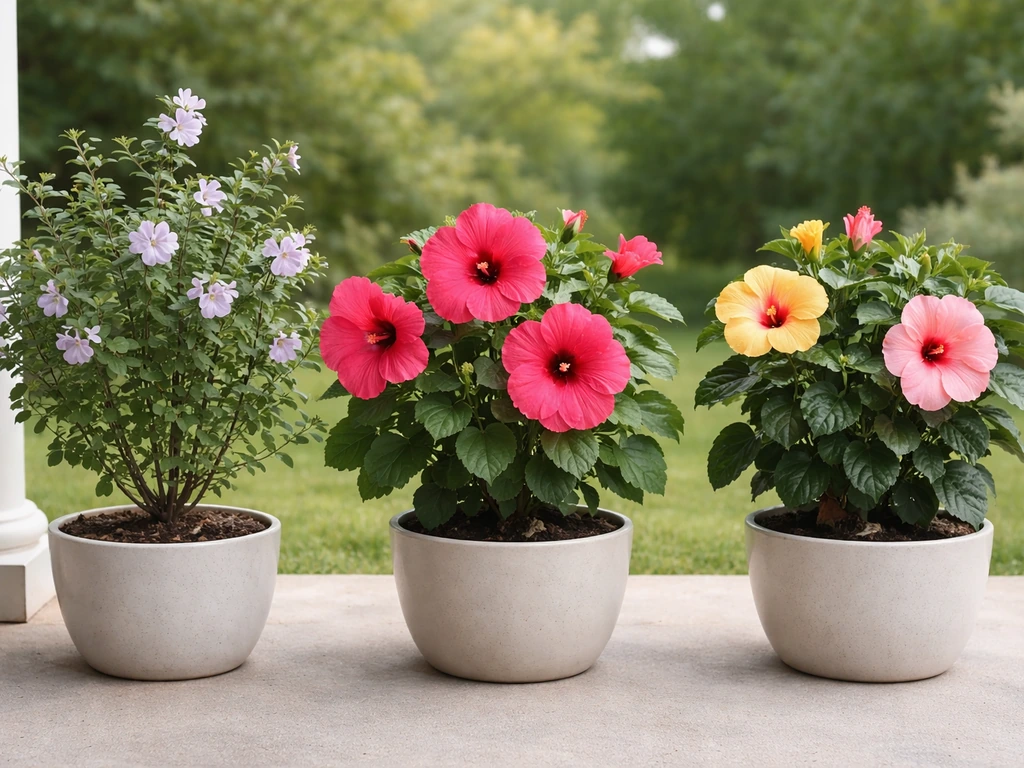
There are really three hibiscus types to think about for Tennessee, and they each tell a different story.
- Rose of Sharon (Hibiscus syriacus): A woody deciduous shrub that's cold hardy to around -10°F to -20°F. It's completely at home across Tennessee and handles everything the state throws at it, including ice storms, drought, and heavy clay soils. This is the one you can plant in the ground and forget about every winter.
- Hardy hibiscus / Rose mallow (Hibiscus moscheutos): A native perennial with dinner-plate-sized blooms. It dies back to the ground each fall and re-emerges in late spring. Hardy down to similar ranges as Rose of Sharon. Perfect for Tennessee, especially near water features or wetter spots.
- Tropical hibiscus (Hibiscus rosa-sinensis): Rated for USDA zones 9 to 11 only, meaning it cannot survive Tennessee winters in the ground. Temperatures below 35°F can damage it, and a hard freeze will kill it outright. Grow it in a container, bring it inside before your first frost, and enjoy it as a warm-weather patio plant.
Tennessee's growing zones: Memphis vs Nashville vs Knoxville
Tennessee spans USDA hardiness zones 6b through 8a, which is a bigger range than most people realize. That spread matters when you're deciding which cultivar to push your luck with.
| City / Region | USDA Zone | Winter Low Range | Tropical Hibiscus In-Ground? | Hardy Hibiscus / Rose of Sharon? |
|---|---|---|---|---|
| Memphis | 8a (urban core), 7b (suburbs) | 10°F to 20°F | No, still too cold | Yes, thrives easily |
| Chattanooga | 7b to 8a | 5°F to 20°F | No | Yes, very reliable |
| Nashville | 7a to 7b | 0°F to 10°F | No | Yes, both types perform well |
| Knoxville / Oak Ridge | 7b (valley), 7a or 6b (higher elevation) | -5°F to 10°F | No | Yes, mulch H. moscheutos in colder spots |
| East TN mountain elevations | 6b | -5°F to 0°F | No | Yes, but extra mulch for H. moscheutos |
Memphis is the warmest corner of the state and sits in zone 8a, which is closer to Mississippi Delta conditions than to the Smoky Mountains. Gardeners there can push tropical hibiscus a little later into fall before bringing it inside. Knoxville's valley floor is zone 7b, but if you're even a few hundred feet higher in elevation, you can drop into 7a or 6b, which means harsher winters and later springs.
Always look up your specific ZIP code on the USDA's interactive map, which resolves down to about a half-mile square, to get the most accurate read for your yard. If you're wondering can hibiscus grow in utah, the key is matching the variety to your local USDA zone and winter lows, just like in Tennessee.
Picking the right hibiscus for your Tennessee yard
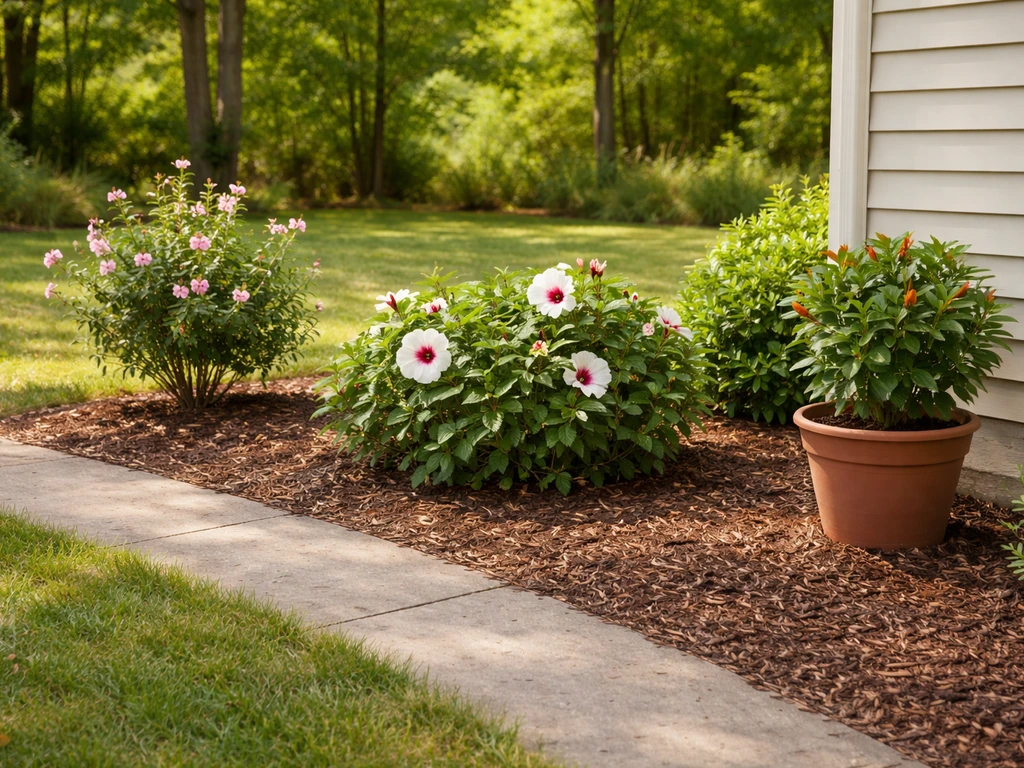
If you want zero stress and a plant you can ignore every winter, Rose of Sharon is your answer. It's the most forgiving of the three, tolerates a wide range of soils and pH levels, handles heat and occasional drought once established, and blooms reliably every summer. It's also deer-tolerant, which matters in suburban Tennessee where deer pressure is real.
If you want the big, dramatic, saucer-sized blooms that stop people in their tracks, go with Hibiscus moscheutos, the native hardy hibiscus. Cultivars like 'Cranberry Crush,' 'Midnight Marvel,' and the Summerific series are bred for exactly the heat and humidity Tennessee summers bring. It has high heat tolerance and does well in consistently moist soil, so low spots in your yard that other plants hate are perfect candidates. Just know it comes up late, often not showing growth until late May or early June even in Middle Tennessee, so don't panic and dig it up in April.
Tropical hibiscus is genuinely worth growing in Tennessee if you're committed to container culture. The flowers are stunning, and they bloom almost continuously from spring through fall. Grow it in a large pot on a sunny patio, enjoy it from May through October, then bring it inside before your first frost. Think of it as a long-season patio plant rather than a landscape shrub.
Planting basics that set Tennessee hibiscus up for success
Sun and site
All three hibiscus types want full sun to get the best bloom performance, meaning at least six hours of direct sun per day. Rose of Sharon and H. moscheutos will tolerate partial shade, but you'll notice fewer flowers and leggier growth in shadier spots. In hot western Tennessee summers, a little afternoon shade isn't the worst thing for tropical hibiscus in containers.
Soil
Rose of Sharon is the most adaptable, tolerating everything from clay to sandy loam and a wide pH range, including mildly alkaline soils. Hardy hibiscus (H. moscheutos) prefers moist, well-drained conditions and a slightly acidic pH. If you're in Middle or East Tennessee with heavy clay, amend the planting hole and make sure water doesn't pool around the crown. Neither type likes waterlogged roots for extended periods, even though H. moscheutos tolerates wet spots better than most.
Planting depth and spacing
When planting Rose of Sharon, set the crown at or just slightly above the soil line to avoid crown rot. Space shrubs 6 to 10 feet apart if you want them to fill out naturally, or closer if you're using them as a hedge. Hardy hibiscus clumps spread over time, so give them 3 to 4 feet of breathing room. For tropical hibiscus in containers, choose a pot with solid drainage and size up as the plant grows.
Overwintering your hibiscus when Tennessee temps drop
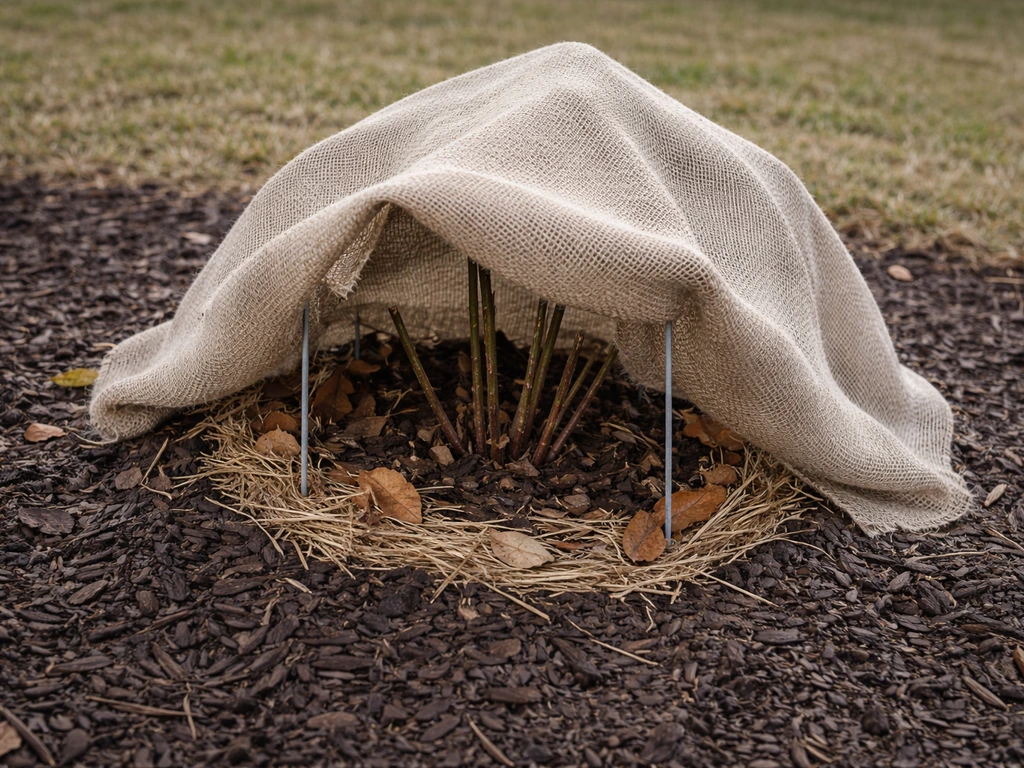
Rose of Sharon and hardy hibiscus: in-ground cold protection
Both Rose of Sharon and H. moscheutos are cold hardy throughout Tennessee and don't need fussing over in most of the state. That said, a few simple steps protect them in colder zones or in unusually brutal winters. A winter wrap approach like using dormant protection materials such as [burlap or evergreen boughs](https://extension.
unh. edu/resource/winter-protection-roses) can further help guard plants against harsh winds and extreme cold. Wait until after a killing frost to apply winter mulch, doing it too early can encourage tender late-season growth that gets damaged. Then apply 3 to 4 inches of wood chip mulch around the base, keeping it a few inches away from the crown.
In colder East Tennessee elevations (zones 6b to 7a), push that mulch layer to 6 inches over the H. moscheutos crown for extra insurance.
Rose of Sharon is a woody shrub and doesn't need crown mulching the way H. moscheutos does, but a light layer over the root zone helps moderate soil temperature swings during freeze-thaw cycles in late winter and early spring.
Tropical hibiscus: the container strategy
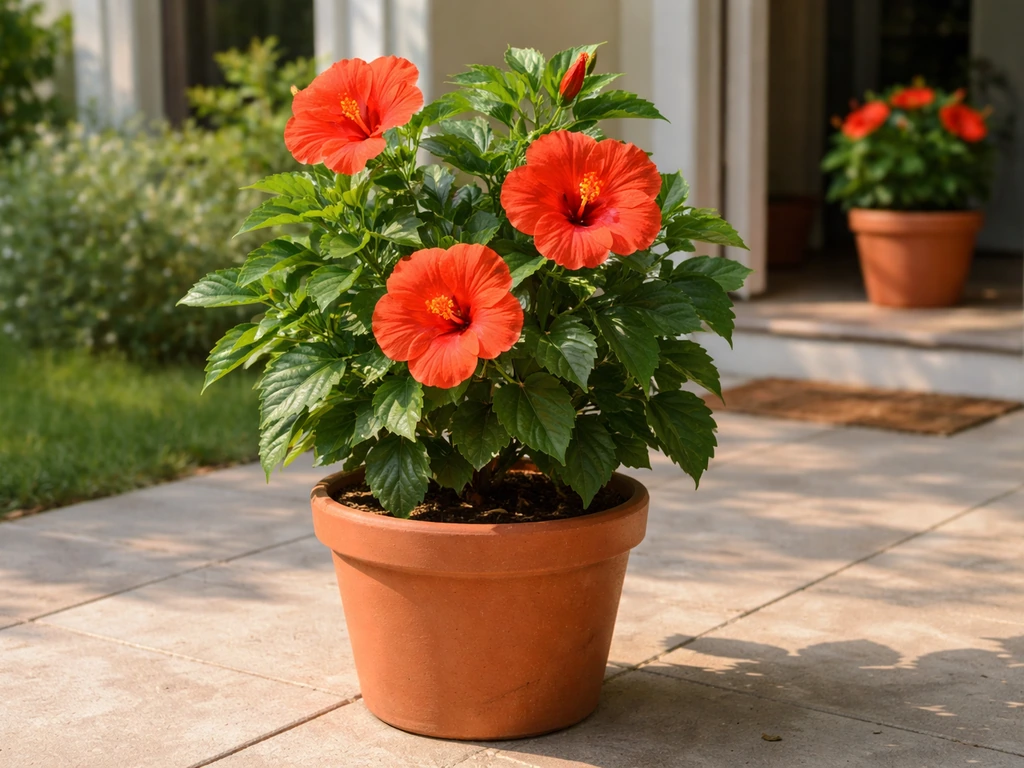
Tropical hibiscus shows stress damage at temperatures below 35°F and will die in a hard freeze. The rule of thumb: bring your container inside when nighttime lows are consistently hitting 50°F or below. In Nashville, that's typically sometime in October. In Memphis, you might squeeze into early November. Bring it into a bright, warm indoor spot, cut back watering significantly, and don't fertilize during the dormant indoor period. Expect it to look rough by February, but it'll wake back up as days lengthen in spring.
When to expect blooms in Tennessee
Rose of Sharon blooms mid-summer through early fall, typically July through September in most of Tennessee. It's one of the few flowering shrubs still putting on a show when summer heat has shut down everything else.
Hardy hibiscus (H. moscheutos) is a late starter. It dies back completely in winter and doesn't emerge until soil temperatures warm up in late spring, often not until late May or even early June in cooler parts of the state. Once it gets going, it blooms from mid-summer into early fall, roughly July through September. In a colder-than-normal spring, or if you had a particularly hard freeze, expect the bloom window to shift a week or two later than usual.
Tropical hibiscus in a container blooms nearly continuously from when you move it outside in spring (after last frost, typically mid-April in Memphis, late April to early May in Nashville and Knoxville) until you bring it back in. The flowers don't last long individually, usually just one to two days per bloom, but the plant keeps producing new ones throughout the season.
Troubleshooting common hibiscus problems in Tennessee
Leggy growth with few blooms
Leggy, stretched-out growth on Rose of Sharon almost always means too much shade. Move it or prune competing plants to open up the canopy. You can also prune Rose of Sharon hard in early spring (before new growth starts) to encourage dense, compact flowering growth. For H. moscheutos, leggy stems usually mean insufficient sun or over-fertilizing with nitrogen, which pushes leaves at the expense of flowers.
No blooms at all
If your hardy hibiscus isn't blooming, the most common culprits are shade, late emergence after a harsh winter (be patient through June), or a plant that's still getting established in its first season. Newly planted H. moscheutos sometimes skips blooming in year one and focuses on root development. Rose of Sharon that refuses to bloom is almost always a sun problem. Tropical hibiscus that won't bloom indoors or in a dark corner is simply telling you it needs more light.
Pests to watch for in Tennessee
Tennessee's heat and humidity create ideal conditions for a few pest and disease problems you should know going in. Fine Gardening notes that spider mite management can include horticultural oils, neem, insecticidal soap, or sulfur, and it also recommends using predatory mites as biological allies.
- Japanese beetles: A real threat to Rose of Sharon from late June through August. Hand-pick in the morning when they're sluggish, or use row covers during peak beetle season. Avoid Japanese beetle traps near your hibiscus, they attract more beetles than they catch.
- Aphids and whiteflies: Both love new hibiscus growth, especially on tropical hibiscus. A strong blast of water knocks aphids off immediately. For persistent infestations, neem oil or insecticidal soap works well without harsh chemicals.
- Spider mites: Most common on tropical hibiscus when it's overwintering indoors in dry indoor air. Check the undersides of leaves for fine webbing. Neem oil, horticultural oil, or insecticidal soap are effective treatments.
- Powdery mildew: Shows up as a white or gray powdery coating on leaves, especially during warm days and cool nights in late summer. Improve air circulation, avoid overhead watering, and apply a fungicide if needed. Some Rose of Sharon cultivars are more mildew-resistant than others, so look for those when buying.
- Leaf spots and fungal issues: Tennessee's humidity makes fungal leaf spots common. Remove and dispose of affected leaves, avoid wetting foliage when watering, and thin the plant if it's very dense.
Your simple decision framework for Tennessee hibiscus
Before you buy, run through these three questions. First, do you want a permanent landscape plant or a seasonal patio plant? If permanent, go with Rose of Sharon or H. moscheutos. Second, what's your zone? If you're in 6b or 7a in East Tennessee, H. moscheutos needs extra winter mulch but is still viable. Third, do you have a sunny spot? All hibiscus types underperform in shade.
| Your Situation | Best Hibiscus Choice |
|---|---|
| Want a landscape shrub, any TN zone | Rose of Sharon (H. syriacus) |
| Want huge blooms, moist or low yard area | Hardy hibiscus (H. moscheutos) |
| Cold East TN elevation, zone 6b/7a | Rose of Sharon or H. moscheutos with extra mulch |
| Want container/patio color, willing to overwinter indoors | Tropical hibiscus (H. rosa-sinensis) |
| Want zero winter effort | Rose of Sharon, hands down |
Tennessee is genuinely good hibiscus territory. If you're wondering about Oklahoma instead, start by choosing a hardy type and planning for winter protection based on your local USDA zone Tennessee is genuinely good hibiscus territory. The climate is warm enough to get long, productive bloom seasons out of both hardy types, and the growing season gives even a late-emerging H. moscheutos plenty of time to put on a show.
Gardeners comparing notes with neighboring states like North Carolina or Virginia will find Tennessee's conditions are similar enough that cultivar recommendations translate well across those borders. If you’re asking can hibiscus grow in Virginia, the same hibiscus types and sunlight needs apply, but your winter lows will determine whether you plant hardy types in-ground or treat tropical hibiscus as a container plant.
The main thing is committing to the right type for how you want to use it, and having a plan for that one hard-freeze week that every Tennessee winter eventually delivers. In Oregon, you can still grow hibiscus outdoors if you pick the right cold-hardy types and match them to your local winter conditions can hibiscus grow in oregon.
FAQ
Can I grow hibiscus in Tennessee from seed, or should I buy plants instead?
Yes, but only if you choose the right type and protect it properly. In-ground hibiscus needs a winter plan in Tennessee, especially for hardy hibiscus in zones 6b to 7a (heavier mulch over the crown) and for tropical hibiscus (move the container indoors before lows consistently drop to around 50°F).
What’s the best way to get hibiscus to bloom in Tennessee, especially in the first year?
For the fastest results in Tennessee, start with established plants. Hardy hibiscus is commonly sold as nursery stock, and tropical hibiscus almost always performs better as a container plant started in spring rather than from seed. If you do try seeds, expect slower, less predictable flowering in the first year, especially in cooler East Tennessee.
How late in the fall should I apply winter mulch for hibiscus in Tennessee?
Use mulch as a winter buffer, not a blanket. Wait until after a killing frost to mulch, apply 3 to 4 inches for most situations, and keep mulch a few inches away from the crown on Rose of Sharon to reduce crown-rot risk. For hardy hibiscus in colder East Tennessee, increase to about 6 inches directly over the crown.
What are the most common reasons hibiscus fails in Tennessee winter?
Most “hibiscus died” cases are actually crown or root problems. Avoid planting too deep, especially for Rose of Sharon, and make sure water drains so the crown is not sitting in wet soil through winter. Even hardy hibiscus tolerates wetter areas only when the crown is protected from long-standing water.
Is container growing a good option for hibiscus in Tennessee?
Yes, containers can extend your hibiscus season and reduce winter stress, particularly for tropical hibiscus. Use a large pot with solid drainage, keep it outdoors in full sun during warm months, and move it indoors before temperatures drop hard enough to damage the plant (below mid-30s°F).
When should I prune hibiscus in Tennessee, and does it differ by type?
Rose of Sharon and hardy hibiscus benefit from pruning to manage shape, but the timing matters. If you prune Rose of Sharon hard, do it in early spring before new growth begins. For hardy hibiscus, wait until after spring emergence and focus on removing dead stems, since it dies back completely and “pruning early” can remove healthy buds you have not yet seen.
My hardy hibiscus hasn’t emerged yet. Should I worry or wait?
Many gardeners confuse cold damage with late emergence. Hardy hibiscus often does not show growth until late May or early June, even in Tennessee, so resist digging or replacing too early. If there was a severe freeze, flowering and leaf-out may shift a week or two later than usual.
Will hibiscus grow in partial shade in Tennessee, and what will I lose?
Yes, planting placement affects bloom and shape. Full sun is the rule for good flowering, at least about six hours of direct light. If Rose of Sharon becomes leggy or sparse, the fix is usually more sun or thinning nearby plants that block airflow and light.