
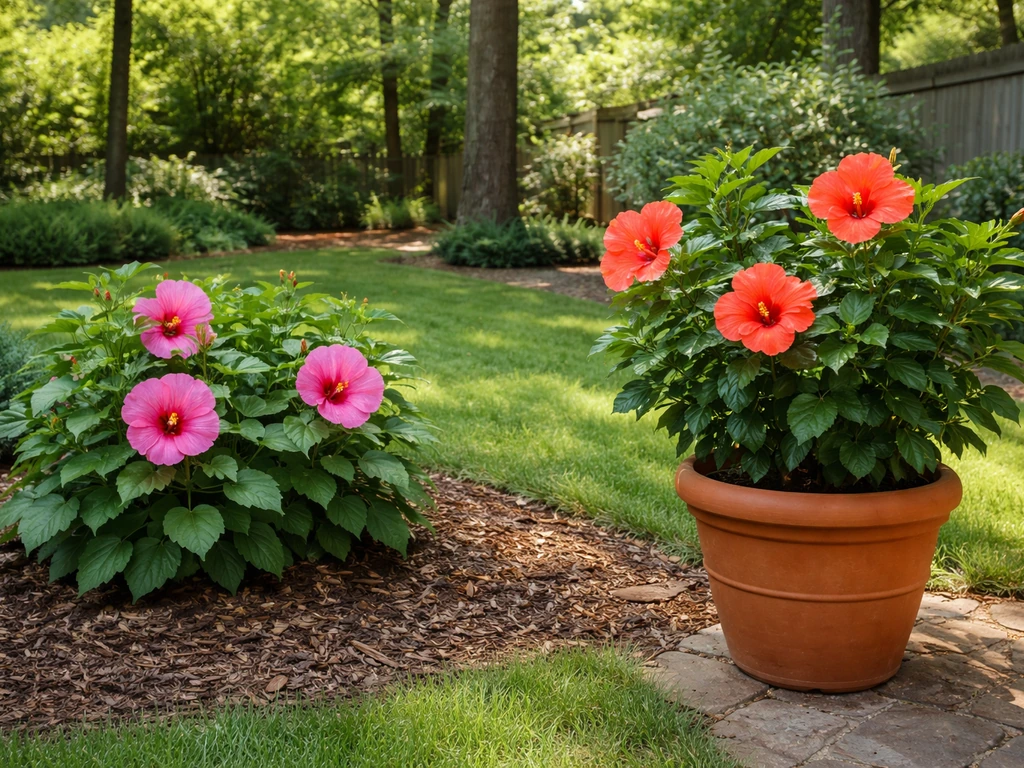
Yes, hibiscus can absolutely grow in Virginia, but the answer depends heavily on which type you plant. Hardy hibiscus (Hibiscus moscheutos, also called rose mallow) is a reliable, perennial choice across nearly the entire state, surviving winters from the Blue Ridge down to the coast. Tropical hibiscus (Hibiscus rosa-sinensis), the kind you see covered in huge, flashy blooms at garden centers, is a different story: it will thrive during Virginia summers but won't survive winter outdoors in almost any part of the state unless you bring it inside.
Can Hibiscus Grow in Virginia? Hardy vs Tropical Guide
Marcus Hartwell
24 Apr 2026
Quick verdict: hibiscus in Virginia by type
| Hibiscus Type | Virginia Hardy? | Overwinters Outdoors? | Best Use |
|---|---|---|---|
| Hardy hibiscus (Hibiscus moscheutos) | Yes, zones 5–9 | Yes, dies back and returns | In-ground perennial across all of Virginia |
| Rose of Sharon (Hibiscus syriacus) | Yes, zones 5–9 | Yes, deciduous shrub | In-ground shrub, note invasive potential |
| Tropical hibiscus (Hibiscus rosa-sinensis) | No (zones 9–12) | No, dies below ~28–32°F | Container plant, overwinter indoors |
The big gotcha for Virginia gardeners is buying a tropical hibiscus in spring thinking it's the same plant as the big-flowered perennial they saw come back in a neighbor's yard. They're not the same plant. Hardy hibiscus looks dead all winter and emerges late in spring, which tricks people into thinking it didn't survive. It did. It just takes its time.
Hardy vs tropical hibiscus: what actually makes it through a Virginia winter
Hardy hibiscus (Hibiscus moscheutos) is rated for USDA zones 5 through 9, which covers every corner of Virginia. The plant dies all the way back to the ground in late fall, and the crown goes dormant underground. That's normal. You're not losing the plant. Come late spring, it pushes back up and grows fast, producing dinner-plate-sized flowers all summer. The Master Gardeners of Northern Virginia recognize it as a tried-and-true perennial for the region, which should give you confidence anywhere from Fairfax County down to Roanoke and beyond.
Tropical hibiscus is a completely different situation. It's sensitive to temperatures below 50°F and starts showing stress well before a killing frost arrives. The plants are generally rated for zones 9 through 12, and most of Virginia sits in zones 5a through 8b. Even Hampton Roads, the warmest part of the state, regularly sees winter lows that will kill tropical hibiscus left outside. The plant simply cannot survive Virginia winters outdoors, full stop. If you want tropical hibiscus in Virginia, plan from day one to treat it as a container plant that comes indoors before nighttime temperatures regularly drop into the low 50s.
Rose of Sharon (Hibiscus syriacus) is a third option worth mentioning. It's a deciduous flowering shrub, hardy in zones 5 through 9, that does very well across Virginia as an in-ground permanent planting. One heads-up: in some Virginia counties it can spread aggressively, so look for sterile or low-seed cultivars like 'Lil' Kim' if you don't want seedlings popping up everywhere.
Virginia's growing zones and where hibiscus performs best
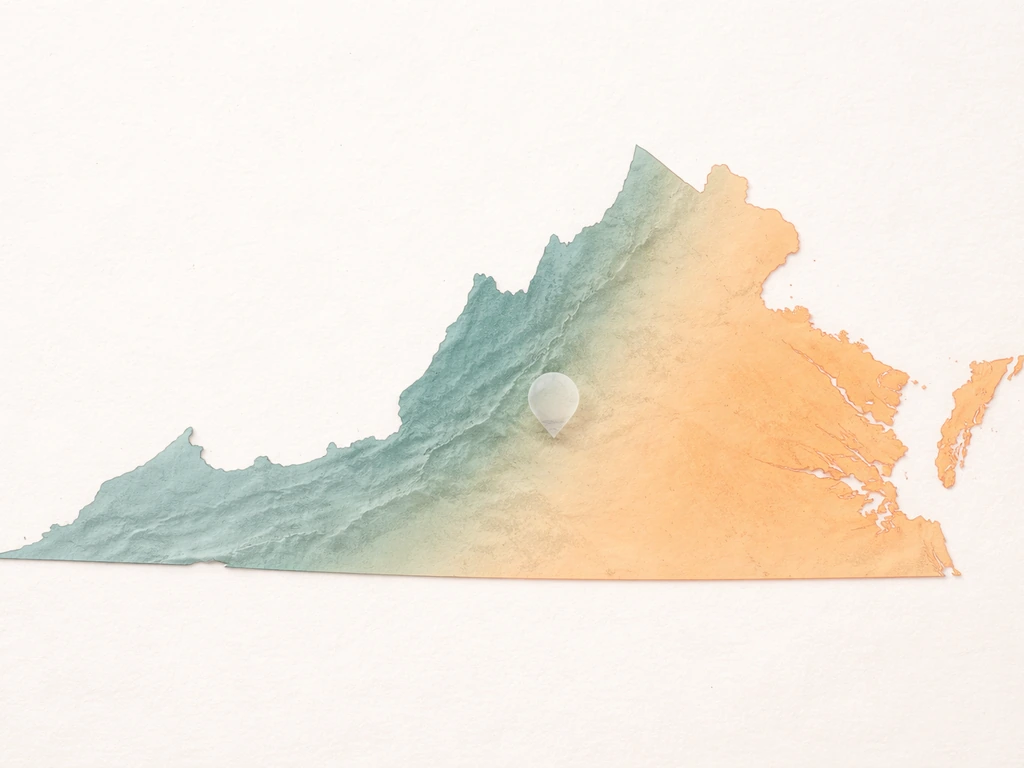
Virginia spans a surprisingly wide climate range. The western mountains, including areas around Highland County and parts of the Shenandoah Valley, fall in zones 5a and 5b, with winter lows that can drop to around -20°F to -10°F. The central Piedmont region, covering Richmond and Charlottesville, sits comfortably in zones 6b to 7a. Northern Virginia (Fairfax, Arlington) lands around zones 7a to 7b. Then the coastal Tidewater and Hampton Roads area, which includes Virginia Beach, Norfolk, and Hampton, reaches zones 8a and 8b, some of the warmest spots in the state.
For hardy hibiscus (rose mallow), all of these zones work well. It's rated through zone 5, so even mountain gardeners in the coldest parts of the state can grow it reliably as a perennial. The caveat is site conditions: it wants full sun (at least six hours a day) and consistently moist, slightly acidic soil. Virginia's coastal plain and areas near rivers and wetlands are natural fits. Inland gardens on drier, sandier, or more alkaline soils will need consistent watering or soil amendment to keep the plant happy.
For tropical hibiscus, the Hampton Roads region (zones 8a and 8b) is the closest thing Virginia has to tropical hibiscus-friendly outdoor conditions, but even there, winter cold snaps will kill the plant. You can push the season longer on the coast, but you still need a plan to bring it in. In zones 5 and 6, tropical hibiscus needs to come inside significantly earlier in fall, sometimes as soon as September nights get cool.
Coastal vs inland: the practical differences
- Coastal Virginia (zones 8a/8b): Longest outdoor season for container tropical hibiscus, milder winters for hardy hibiscus, high humidity suits the plant's moisture needs naturally
- Piedmont and Northern Virginia (zones 6b–7b): Hardy hibiscus thrives with consistent watering, tropical hibiscus containers need to come in by mid-October
- Mountain and western Virginia (zones 5a–6a): Hardy hibiscus is perfectly reliable, tropical hibiscus should come inside by late September, shorter summer season limits flower display time
Choosing the right hibiscus to buy
The most common mistake Virginia gardeners make is picking up whatever hibiscus looks showiest at a garden center without checking the tag. Here's how to sort it out before you spend money on the wrong plant.
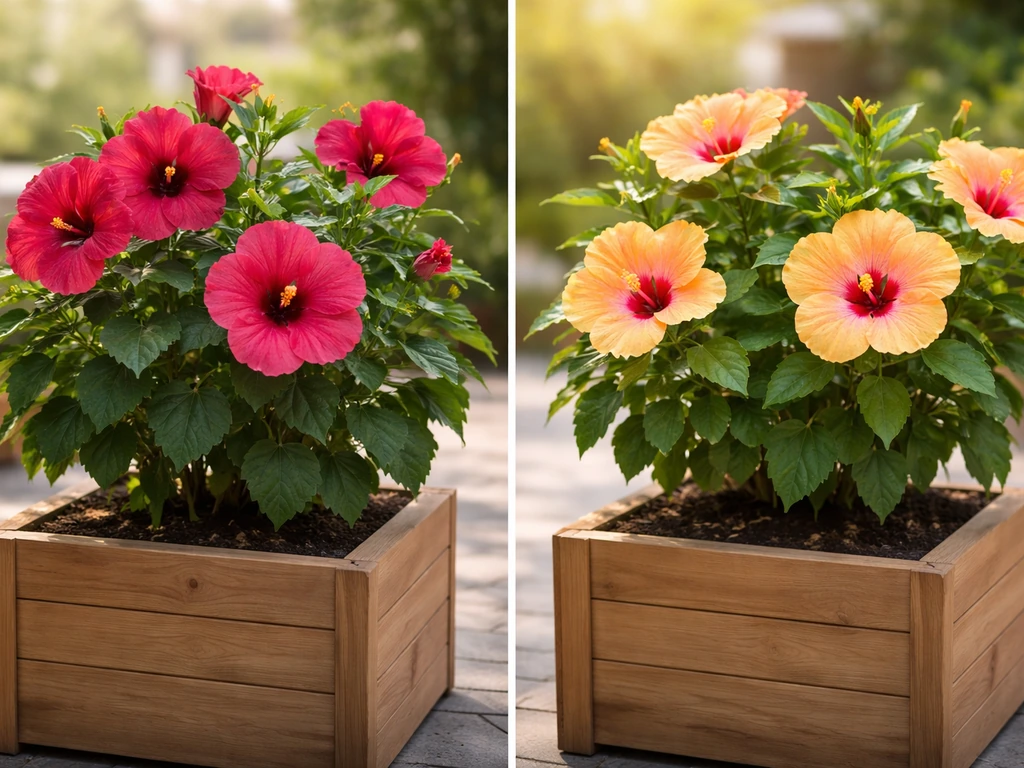
- Look for 'Hibiscus moscheutos' or 'hardy hibiscus' on the tag if you want a perennial that comes back every year in the ground. Popular cultivars like 'Lord Baltimore,' 'Kopper King,' and the Summerific series are well-suited to Virginia conditions.
- If the tag says 'Hibiscus rosa-sinensis' or 'tropical hibiscus,' you're buying an annual in Virginia unless you plan to overwinter it indoors. Beautiful plant, but go in with clear expectations.
- For an in-ground shrub that needs almost no intervention, look for Rose of Sharon (Hibiscus syriacus) in a sterile cultivar. It works from the mountains to the coast.
- Check the hardiness zone on the label against your local Virginia zone. If the plant is rated zone 9 and you're in zone 7, it won't survive your winter outdoors.
- Buy from a local nursery or Virginia-based grower when possible. They tend to stock cultivars proven in your region rather than generic inventory shipped from Florida.
If your priority is low maintenance and maximum return for the investment, hardy hibiscus (Hibiscus moscheutos) is the clear recommendation for Virginia. Plant it once, and it comes back bigger every year. The flowers are enormous, typically six to twelve inches across, and it blooms heavily from midsummer through early fall. You don't get that from a tropical hibiscus unless you're willing to commit to the container-and-overwinter routine.
Container vs in-ground: the right strategy for your situation
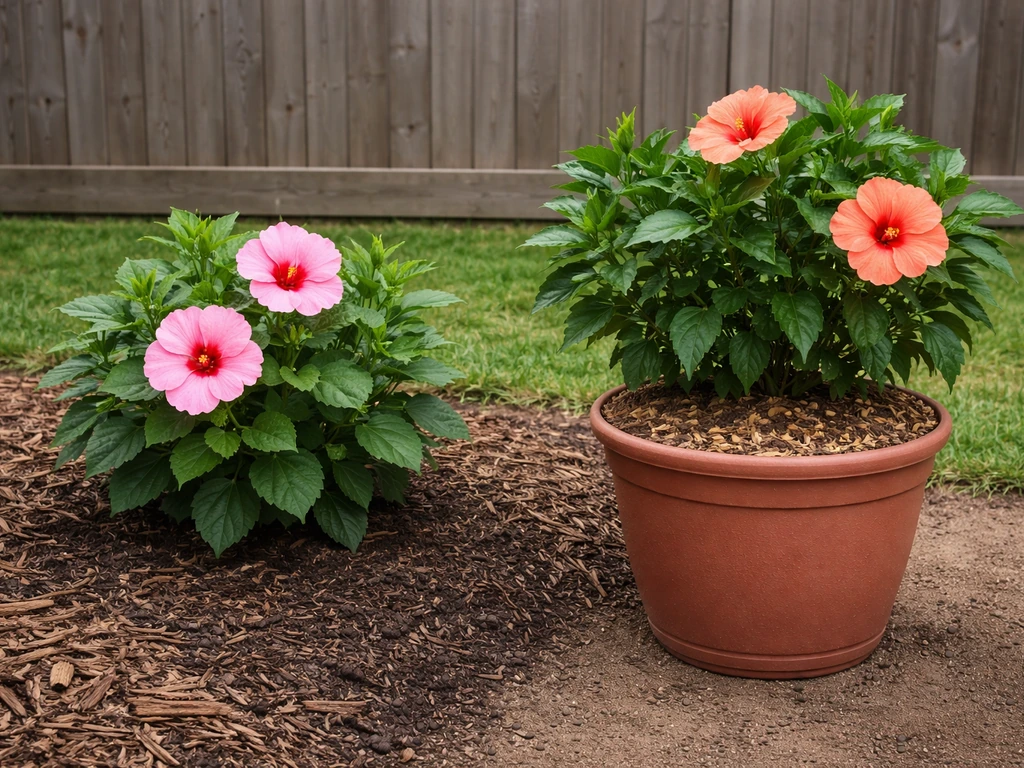
If you're growing hardy hibiscus, plant it in the ground. It's a perennial designed to establish a strong root system, and container growing actually limits its performance. Choose a spot with full sun and consistently moist, well-drained soil. Place the crown at or just slightly above soil level to prevent crown rot, especially in heavier clay soils common in parts of Northern Virginia and the Piedmont. It's a late riser in spring, often not showing growth until May, so don't panic and dig it up.
For tropical hibiscus, containers are your best friend in Virginia. Going the container route means you control the plant's environment year-round. Use a large pot (at least 12 to 14 inches in diameter) with good drainage, and place it in full sun for the summer. The key dates to know: bring it inside before nighttime temperatures are regularly falling into the mid-to-low 50s, which in most of Virginia means sometime in September or October depending on your location. In Hampton Roads you might stretch to late October. In the mountains, early September is safer.
Once inside, tropical hibiscus needs bright light and warmth. A south-facing window works, or supplement with a grow light. The plant will likely drop leaves and look unhappy during the transition, and that's normal. Keep it on the drier side indoors and resist the urge to over-fertilize. When spring arrives and minimum overnight temperatures are consistently above 50°F, you can move it back outside, but harden it off gradually rather than going from a warm living room straight to full outdoor sun.
Your next steps before you plant
Before you buy anything, confirm your specific hardiness zone using the USDA Plant Hardiness Zone Map with your zip code. Virginia's zones vary enough county by county that your neighborhood could differ from a nearby city. Elevation matters a lot in western Virginia especially, where a hilltop garden can be a full zone colder than a valley property a mile away.
Next, look up your local frost dates for 2026. The Old Farmer's Almanac offers a zip-code lookup that gives you last spring frost and first fall frost dates, which tell you exactly how long your outdoor growing window is. For tropical hibiscus, this directly determines when to move containers outside in spring and when to bring them in before fall. For hardy hibiscus, it tells you when it's safe to plant new starts from a nursery.
Finally, walk your planting site and assess three things: sunlight (six or more hours of direct sun daily is non-negotiable for flowering), soil moisture (does it dry out fast, or does it stay consistently moist?), and drainage (sitting water will rot the crown of hardy hibiscus). If your site is too dry, plan for regular irrigation or amend with organic matter to improve moisture retention. If it's too shady, pick a different spot, because hibiscus in part shade gets leggy and flowers poorly no matter what the zone says.
Virginia gardeners elsewhere in the region face similar decisions. Gardeners in North Carolina, Tennessee, and Oklahoma often ask the same hardy-vs-tropical question, and the calculus shifts a bit with each state's zone range. In Oklahoma, hardy hibiscus is usually the easiest choice, while tropical types need to be grown as container plants and overwintered indoors.
If you're wondering will hibiscus grow in North Carolina, the answer depends on whether you choose hardy or tropical varieties and how you handle winter. Tennessee gardeners can get similar results by choosing hardy hibiscus for in-ground growth or keeping tropical types as container plants that overwinter indoors will hibiscus grow in Tennessee.
In Virginia, the good news is that the state's climate is genuinely hospitable for hibiscus in one form or another, regardless of where you live in the Commonwealth. Hibiscus can also grow in Oregon, but success depends on choosing a hardy type and matching it to your local conditions and frost. Yes, you can hibiscus grow in Utah, but which type you choose and how you protect it from winter cold matters.
FAQ
Can I plant hibiscus in Virginia and expect it to survive without protection?
Yes, but the timing is critical. For hardy hibiscus, planting too early can leave it exposed to cold snaps, since it is a late riser and may not look alive until May. For tropical hibiscus, bare-root or in-ground planting is not reliable in Virginia, even in warm areas, because night temperatures below about 50°F typically trigger stress that can become fatal.
What’s the earliest I should bring a tropical hibiscus inside in Virginia?
If you buy a tropical hibiscus in spring, assume it is a container-only plant in most of Virginia. Even if it blooms for months, a cold, windy spell or early shoulder-season nights in the 40s can finish it. A practical rule, bring the plant indoors when nighttime temperatures fall into the mid-to-low 50s consistently, and do not wait for the first hard frost.
Can I overwinter tropical hibiscus in-ground in Virginia if I cover it?
You can, but be selective. Hardy hibiscus is usually fine left in the ground over winter because it dies back naturally and regrows from the crown. For tropical hibiscus, any overwintering method still requires bright light and warm conditions indoors, and good drainage in the pot, otherwise root issues and leaf drop become common.
Why is my hardy hibiscus rotting or not coming back after winter?
Crown rot risk is the biggest reason. For hardy hibiscus, keep the crown at or slightly above soil level, especially in clay-heavy yards, and ensure the site drains well so water does not pool in winter. Avoid deep mulching directly over the crown, and do not let irrigation create standing water.
My hardy hibiscus looks dead, should I replace it right away?
Expect it and don’t assume failure. Hardy hibiscus typically emerges late in spring, often weeks after other perennials, so a lack of shoots in early spring is normal. Wait until late spring before replanting, and if you want extra confirmation, gently scratch a small area near the crown to see if there is green tissue underneath.
Can I propagate hibiscus in Virginia (divide or cuttings) and still get success?
Yes, and it can make the plants establish faster, but match the method to the type. Hardy hibiscus can be divided or started from nursery material during the warmer part of the growing season once growth is underway, and it generally rewards sun and consistent moisture. Tropical hibiscus usually does best with cuttings or overwintered container plants, since in-ground attempts are unreliable outdoors in Virginia.
How should I fertilize hibiscus in Virginia, especially for container plants?
For hardy hibiscus, less is more indoors. Too much fertilizer during winter can lead to weak growth and more problems when light is limited. When indoors, keep it on the drier side and use a balanced, light feeding only once it is actively growing and has enough bright light, typically after spring acclimation.
Does hibiscus need full sun in Virginia, or will part shade work?
Wind and reflected heat matter. In Virginia, hibiscus often struggles when it is in full sun but also exposed to harsh drying winds, which can reduce bloom and increase stress. If your spot is sunniest but windy, consider a barrier or a location slightly sheltered while still keeping at least six hours of direct sun.
What if my yard has heavy clay or poor drainage, can hibiscus still work?
Yes, and it changes the plan. If your yard sits in a low spot where water lingers after rain, hardy hibiscus may not survive even within the right zone, because crown rot becomes the limiting factor. If drainage is poor, raising the planting area (slight mound or improved soil depth) and using organic matter can make the difference between survival and repeated loss.