
Yes, hibiscus can grow in Oregon, but the answer depends entirely on which type of hibiscus you're talking about and where in Oregon you live. Hardy hibiscus (like Hibiscus moscheutos, also called rose mallow) will grow reliably in the ground across most of Oregon without any special treatment. Tropical hibiscus can survive Oregon summers beautifully but will die in the ground over winter in nearly every part of the state unless you bring it indoors. Know which one you're buying before you spend a dime.
Can Hibiscus Grow in Oregon? Types, Zones, and Tips

Marcus Hartwell
27 Apr 2026
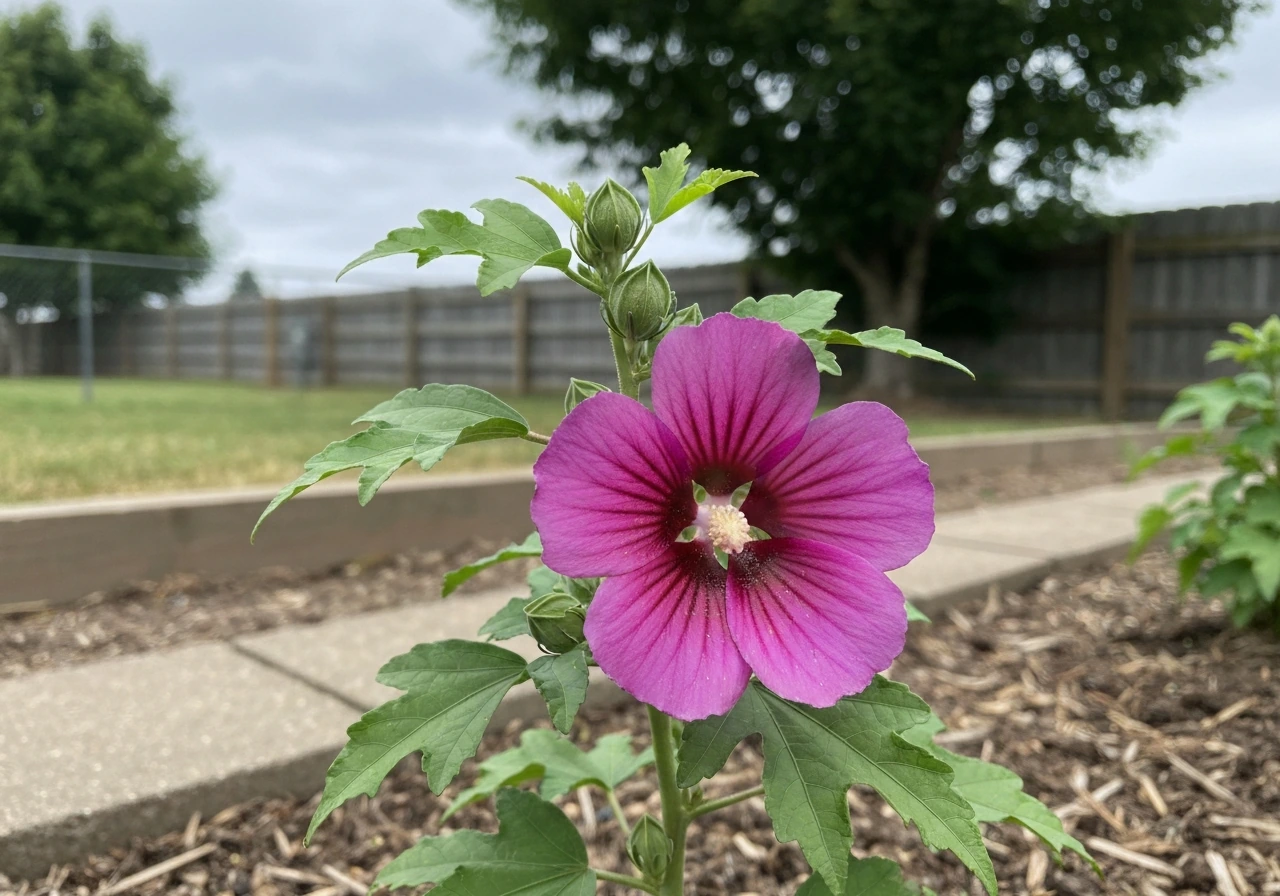
Oregon's climate reality check for hibiscus
Oregon is not a single climate. The state spans USDA hardiness zones roughly from 5a in the high Cascades and northeastern mountains all the way up to 9b and 10a along the southern coast and low-elevation valleys. That's an enormous range, and it matters enormously for hibiscus. The Willamette Valley, where most of Oregon's population lives, sits mostly in Zone 8. The coast is typically Zone 9. Inland southern Oregon towns like Medford and Grants Pass can hit Zone 8b or even 9a. Central and eastern Oregon? You're often in Zone 6 or 7, sometimes colder.
Portland's frost window closes fast in spring. NOAA’s National Weather Service uses long-term climate data to provide Portland’s “last killing frost” spring date as a frost-planning reference blank" rel="noopener noreferrer">Portland's frost window closes fast in spring.. The average last frost at 32°F in Portland is around early March, and by mid-April even nearby Willamette Valley cities like Wilsonville are statistically past their last frost. That's actually good news for hibiscus, which wants warm soil to really take off. The challenge in Oregon isn't usually spring, it's the wet, cool winters that can rot roots, and for tropical hibiscus, the consistent cold snaps that will kill the plant outright.
Oregon's west-side climate also brings heavy rainfall from October through April, often saturating soils. Hibiscus of any type hates sitting in waterlogged soil during dormancy. This is one of the underappreciated killers of in-ground hibiscus in Oregon, and it's something you need to plan around regardless of which type you grow.
Which hibiscus types can handle Oregon winters
There are three types most Oregon gardeners will encounter, and they behave very differently in this climate.
Hardy hibiscus (Hibiscus moscheutos and related species)
This is your best bet for in-ground success across most of Oregon. Hardy hibiscus is cold-tolerant down to Zone 4 or 5, which means it can handle serious freezes. Texas Tech University’s TTU Plant Database lists Hibiscus moscheutos with a USDA hardiness zone range of 5, 9 blank" rel="noopener noreferrer">Hibiscus moscheutos with a USDA hardiness zone range of 5–9. It dies back to the ground each winter and re-emerges in late spring. The flowers are enormous, often dinner-plate-sized in deep red, pink, or white. It blooms from mid-summer through fall, loves full sun, and once established, it's surprisingly tough. If you want hibiscus in your Oregon garden without babysitting it every winter, this is the one.
Tropical hibiscus (Hibiscus rosa-sinensis)
This is the showy, multi-colored hibiscus you see at every nursery and grocery store garden section. It's stunning, but it's a Zone 9 to 11 plant. That means it can overwinter in the ground only in the mildest, most frost-protected corners of coastal Oregon. Everywhere else in the state, if you plant it in the ground and leave it, a hard freeze will kill it. That said, it thrives in containers all summer long in Oregon and can be brought indoors before first frost, which makes it a realistic choice if you're willing to do that work.
Rose of Sharon (Hibiscus syriacus)
Often overlooked, Rose of Sharon is a shrubby, deciduous hibiscus that's cold-hardy to Zone 5. It grows well throughout the Willamette Valley and much of western Oregon, producing smaller blooms than rose mallow but with a long season and a tidy shrub form. If you want a permanent in-ground hibiscus shrub that you never have to dig up, Rose of Sharon is worth serious consideration.
| Hibiscus Type | Cold Hardiness | Oregon In-Ground Viability | Container Option |
|---|---|---|---|
| Hardy hibiscus (H. moscheutos) | Zone 4–5 | Yes, statewide in most zones | Yes, but not necessary |
| Rose of Sharon (H. syriacus) | Zone 5–6 | Yes, most of western Oregon | Yes |
| Tropical hibiscus (H. rosa-sinensis) | Zone 9–11 | Only mildest coastal spots | Yes, must overwinter indoors |
Zone-by-zone expectations across Oregon regions
Willamette Valley (Zone 8, Portland to Eugene)
This is the sweet spot for Oregon hibiscus growing. Hardy hibiscus and Rose of Sharon both perform well in the ground here. The summers are warm enough to get good bloom cycles, and winters are cold enough to kill tropical hibiscus but not the hardy species. Portland gardeners can expect hardy hibiscus to emerge in late May or early June (it's one of the last perennials to wake up) and bloom through September. Don't panic when it's still dormant in April. That's normal.
Oregon Coast (Zone 9)
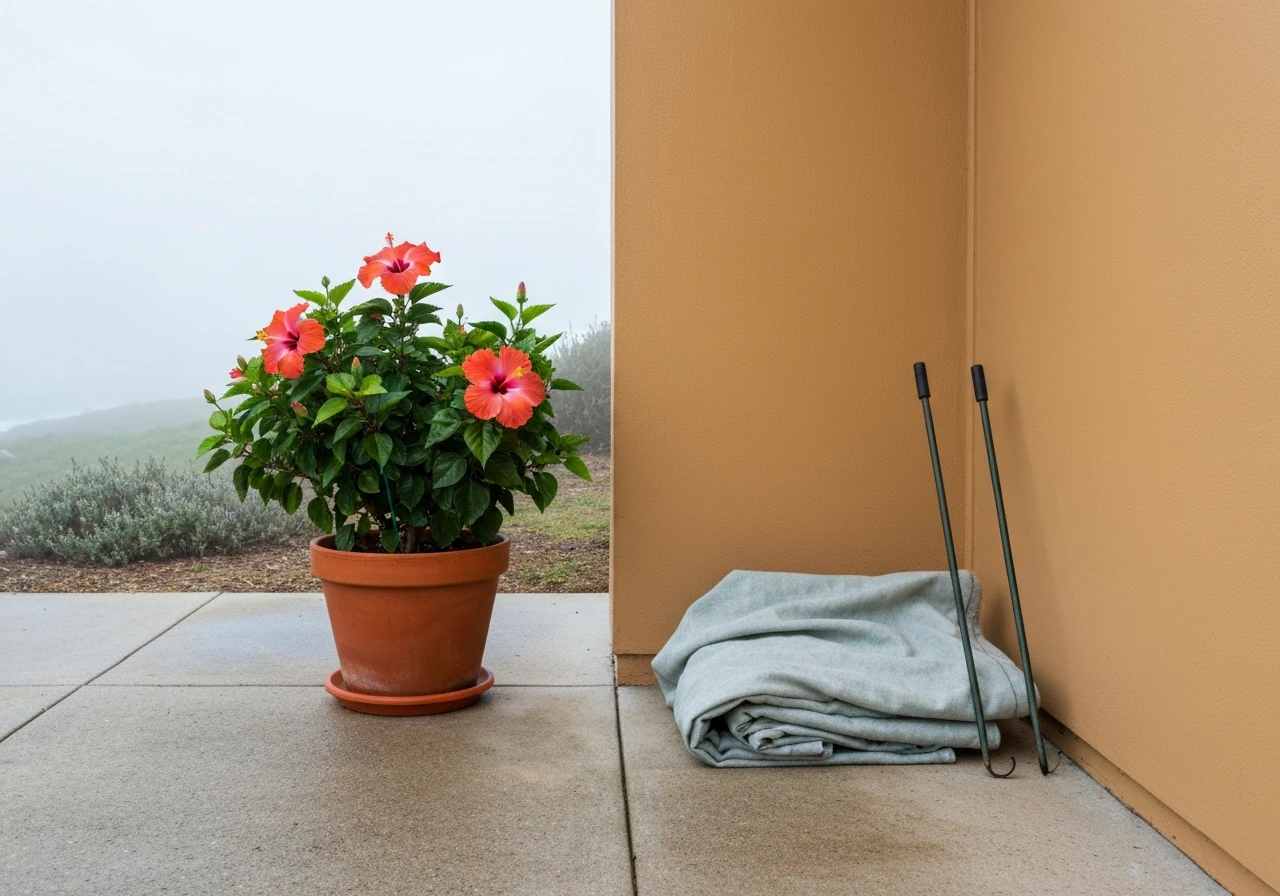
The coast has mild winters that rarely dip below 20°F, making it theoretically possible to overwinter tropical hibiscus in a sheltered spot. In practice, the cool, foggy summers are a bigger problem than winter cold. Tropical hibiscus wants heat and sun to bloom well, and coastal Oregon summers often don't deliver enough of either. Hardy hibiscus will grow on the coast, but bloom performance can be underwhelming in cool, overcast conditions. If you're on the coast, a sheltered south-facing spot against a wall is your best ally.
Southern Oregon (Medford, Grants Pass, Ashland, Zone 7b–9a)
Southern Oregon is actually the most hibiscus-friendly region in the state. Summers are genuinely hot, winters are mild compared to the mountains, and the growing season is long. Hardy hibiscus thrives here, often outperforming its Willamette Valley cousins. Tropical hibiscus in containers can spend more months outdoors before needing to come in. If you're gardening in the Rogue Valley, you have more options than almost anywhere else in Oregon.
Central and Eastern Oregon (Zone 5–7)
Bend, Pendleton, Baker City, and similar high-desert or mountain-adjacent areas can see winter lows that make even hardy hibiscus a gamble unless you choose the most cold-tolerant varieties rated to Zone 4 or 5. Tropical hibiscus in the ground is a non-starter. Hardy hibiscus and Rose of Sharon can work in Zone 6 and 7 areas with good drainage and some winter protection like a thick layer of mulch over the crown. Zone 5 areas are borderline. Stick with varieties explicitly rated to Zone 5 and protect the root zone aggressively.
Planting in-ground vs container and overwintering options
In-ground planting
For hardy hibiscus and Rose of Sharon in western Oregon, in-ground is the way to go. Plant in a spot that gets at least 6 hours of direct sun per day, preferably more. The most important site condition in Oregon is drainage. Do not plant hibiscus in a low spot where water pools after rain. Raised beds or slightly mounded planting areas are your friends. Amend heavy clay soils with compost before planting, and consider a layer of coarse gravel below the root zone if your drainage is particularly bad. Plant in late spring once soil has warmed, targeting late April through May in the Willamette Valley.
Container growing
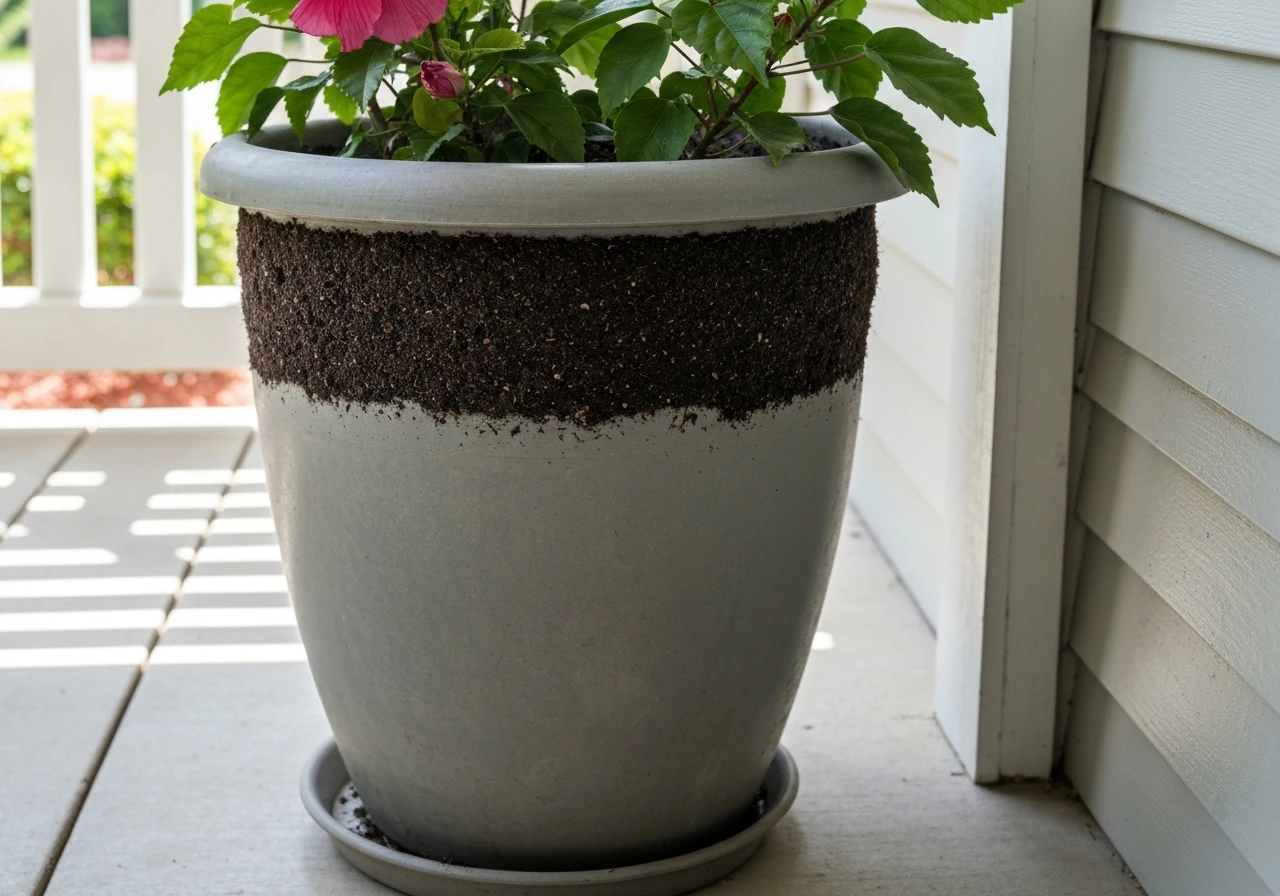
Containers are the right move for tropical hibiscus anywhere in Oregon. Use a large pot (15 gallons or bigger if you can manage it) with a well-draining tropical potting mix. Tropical hibiscus in containers will bloom prolifically from June through October in most Oregon climates if they get full sun and regular feeding. The trade-off is that you need to bring them inside before your first fall frost, typically late October in the Willamette Valley. A sunny south-facing window, a sunroom, or a heated greenhouse works well for overwintering. Cut back by about a third before bringing indoors, reduce watering significantly, and stop fertilizing until you move them back outside in late spring.
Overwintering hardy hibiscus in the ground
Hardy hibiscus and Rose of Sharon need very little overwintering help in Zones 7 and 8. After the plant dies back in fall, cut the stems to about 4 to 6 inches and cover the crown with 3 to 4 inches of mulch, shredded leaves, or straw. Remove the mulch in early spring once the worst freeze risk has passed. In Zone 5 and 6 areas of eastern Oregon, add extra mulch depth and consider wrapping the crown with burlap for added insurance.
Common failure points and quick fixes
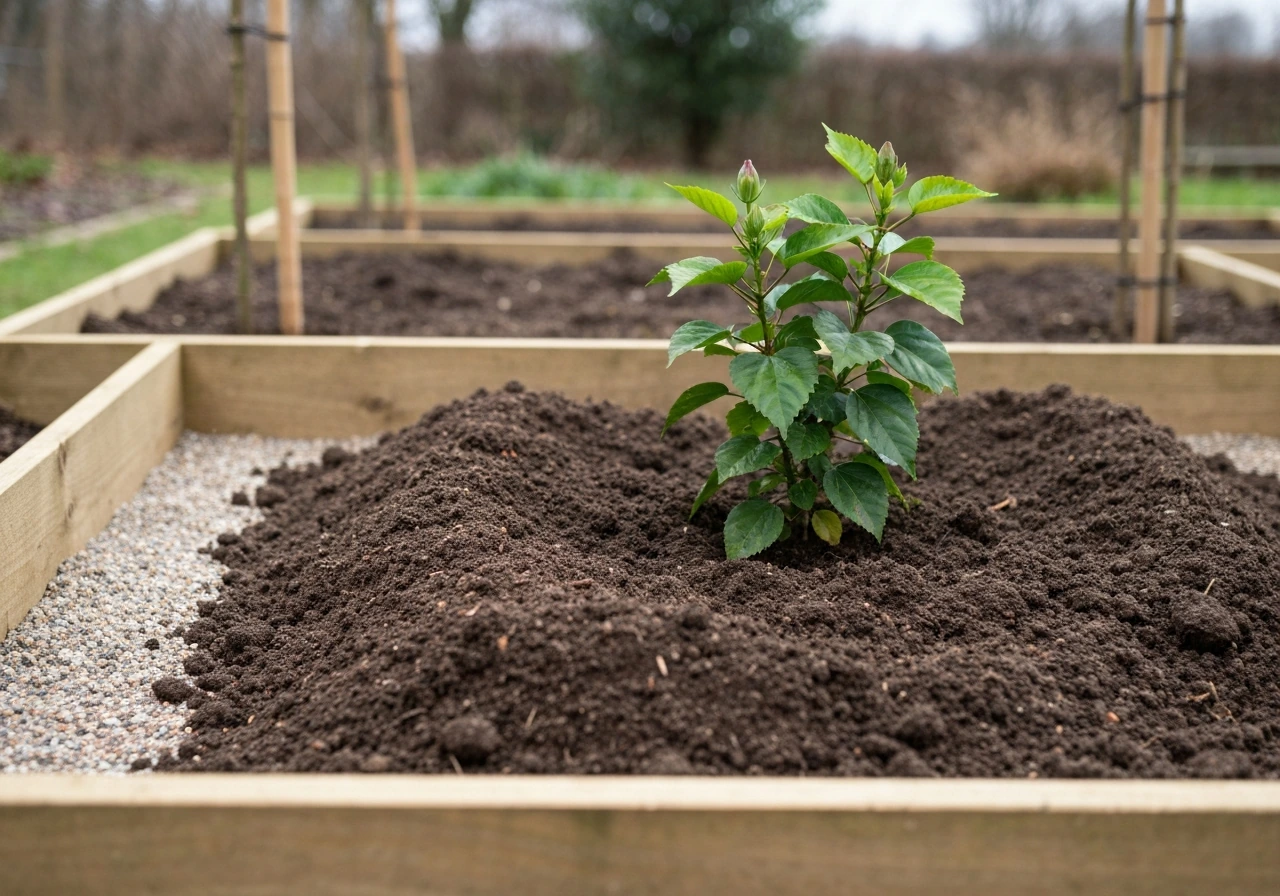
- Soggy winter soil: This kills more in-ground hibiscus in Oregon than cold does. Fix it with raised planting, amended soil, or a containerized approach entirely.
- Not enough sun: Hibiscus needs a minimum of 6 hours of direct sun. Oregon's frequent overcast days already limit this, so don't compound the problem with a shady planting spot. A south or west-facing exposure is ideal.
- Planting tropical hibiscus in the ground: It's tempting, especially after a mild winter, but one hard freeze will wipe it out. Keep tropical varieties in containers.
- Panicking when hardy hibiscus is slow to emerge: Hardy hibiscus is one of the latest perennials to show growth in spring, sometimes not appearing until late May or June in Oregon. It's not dead. Wait for it.
- Transplant shock from moving containerized plants: Tropical hibiscus can drop all its leaves when moved indoors in fall or back outside in spring. This is normal stress response. Keep it in consistent light and temperature, ease off water, and it will recover.
- Choosing the wrong variety for your zone: A tropical hibiscus labeled as 'hibiscus' at a big-box store is not cold-hardy. Always check the hardiness zone rating on the tag before buying.
How to choose the right hibiscus for your yard today
Start by confirming your USDA hardiness zone. If you're in Portland or the Willamette Valley, you're Zone 8. Coast, you're Zone 9. Southern Oregon valleys, Zone 8 to 9. Central or eastern Oregon, check your specific town because you could be anywhere from Zone 5 to 7.
- Zone 8 or colder and you want zero maintenance: Buy hardy hibiscus (Hibiscus moscheutos) or Rose of Sharon (Hibiscus syriacus). Plant in full sun with good drainage after your last frost date. Done.
- Any Oregon zone and you want tropical color: Buy tropical hibiscus in a container. Enjoy it outdoors all summer, then bring it in before first fall frost. Plan on a sunny indoor space for winter.
- Zone 9 coastal gardener: You can try a sheltered in-ground tropical hibiscus against a south-facing wall, but manage your expectations around blooming. Hardy hibiscus will be more reliable even if less exotic.
- Southern Oregon (Medford/Grants Pass area): You have the most flexibility. Hardy hibiscus in ground is a confident yes. Tropical in containers will thrive longer outdoors than anywhere else in the state.
- Eastern Oregon Zone 5 to 6: Stick with hardy hibiscus explicitly rated to Zone 4 or 5, plant in a protected spot, mulch heavily, and you have a reasonable shot. Tropical hibiscus in containers is still an option if you have indoor space to overwinter.
When you're at the nursery, always read the tag. If it says 'Hibiscus' without specifying the species and shows a hardy zone of 4 to 7, it's a hardy type. If the tag shows vibrant multi-color flowers and a hardiness range of 9 to 11, it's tropical. These two plants look nothing alike in the nursery, but they're frequently sold side by side with the same 'hibiscus' label. Knowing the difference is the single most important thing you can do before buying.
Oregon is actually a solid hibiscus state when you match the right plant to your region. If you're wondering can hibiscus grow in Oklahoma, the key is choosing a cold-hardy type and planning around your winters Oregon is actually a solid hibiscus state. The same idea applies outside Oregon, so if you're wondering can hibiscus grow in Virginia, you’ll want to choose a cold-hardy type and plan for your winter conditions. If you're wondering will hibiscus grow in Tennessee, start by matching the variety to Tennessee's USDA hardiness zone and planning for winter protection where needed. In North Carolina, you’ll still want to match the hibiscus type to your USDA hardiness zone and plan for winter conditions can hibiscus grow in North Carolina. Gardeners in states with more extreme cold, like Utah or states with different humidity patterns, face harder trade-offs. In most of Oregon's populated zones, you can get that big, dramatic hibiscus display in your garden. You just need to pick the right player for your conditions.
FAQ
What’s the safest hibiscus to buy if I just want it to live outdoors in most of Oregon?
Choose hardy hibiscus (rose mallow) or Rose of Sharon, and confirm the tag lists a hardy range that includes your USDA zone. These are the only hibiscus categories in the article that reliably handle Oregon’s wet winter conditions without being lifted or replanted.
Can I grow tropical hibiscus outdoors in Oregon during summer and still keep it alive year-round?
Yes, if it stays in a container and you move it indoors before your first fall frost. Cutting it back about one-third and reducing watering once temperatures drop helps it transition, but you still need a bright, warm indoor spot to avoid stalling.
Why did my in-ground hardy hibiscus die after looking fine in fall?
The most common cause in Oregon is crown and root rot from winter waterlogging in low spots. Even hardy types can fail if the soil stays saturated, so if water pools after rain, switch to a raised mound or improve drainage before trying again.
When should I plant hibiscus in Oregon to avoid winter damage?
For in-ground planting, wait until late spring when soil has warmed, typically late April through May in the Willamette Valley. Planting too early can leave young roots sitting in cool, wet soil during shoulder seasons.
How do I tell the difference between hardy and tropical hibiscus at the nursery if the label is unclear?
Look for the hardiness zone range on the tag. Hardy types should show a much lower hardiness range (often including zone 4 or 5), while tropical hibiscus typically shows a zone 9 to 11 range and has multi-colored, nursery-style blooms.
My hardy hibiscus is late to wake up in spring, is that normal?
Yes. In western Oregon, hardy hibiscus often emerges in late May or early June, so don’t mistake dormancy for death. If there are no shoots by early summer, then it’s worth investigating drainage and crown condition.
Does hibiscus need full sun in Oregon, or can it grow with less light?
It will tolerate part shade, but bloom performance drops quickly with less than 6 hours of direct sun. If you’re on the coast with frequent overcast weather, a sheltered south-facing wall spot improves both light exposure and warmth.
Can Rose of Sharon act like an evergreen in Oregon?
No. It’s deciduous, so it will drop leaves and go dormant in winter. The best timing for cutting stems back and mulching the crown is after it dies back in fall.
What’s the best overwintering mulch approach for hardy hibiscus in Zone 5 or 6?
Use a thicker mulch layer over the crown than you would in Zone 7 or 8, and consider additional protection like burlap wrapping in colder eastern Oregon areas. Remove some mulch in early spring once the worst freeze risk has passed to prevent excess moisture around the crown.
How much fertilizer should I use for tropical hibiscus in containers in Oregon?
Use regular feeding during the active outdoor growing period, but stop fertilizing after you cut back and bring the plant indoors. Also switch to reduced watering during indoor overwintering to avoid soft growth and rot.
If my container-grown tropical hibiscus drops leaves before I bring it inside, is it dying?
Leaf drop during cool nights can be normal as light and temperatures decline. The key is to bring it indoors before hard freezes, keep it in bright light, and reduce watering rather than continuing the same watering schedule from peak summer.
Can I plant hibiscus in a low area near a downspout where it receives runoff?
Avoid it. Hibiscus hates sitting in waterlogged soil during dormancy, so areas that collect runoff are high-risk. If that’s your only option, redirect runoff or create a raised, well-drained planting area.