
Yes, hibiscus can grow in Utah, but the honest answer depends entirely on which type you're planting. Tropical hibiscus will not survive a Utah winter in the ground, full stop. Hardy hibiscus, on the other hand, can absolutely thrive here if you give it the right spot and a little winter protection. That's the short version. Keep reading and I'll tell you exactly which varieties to buy, where to put them, and how to keep them alive through the cold months.
Can Hibiscus Grow in Utah? Varieties, Planting, and Care
Marcus Hartwell
21 Apr 2026
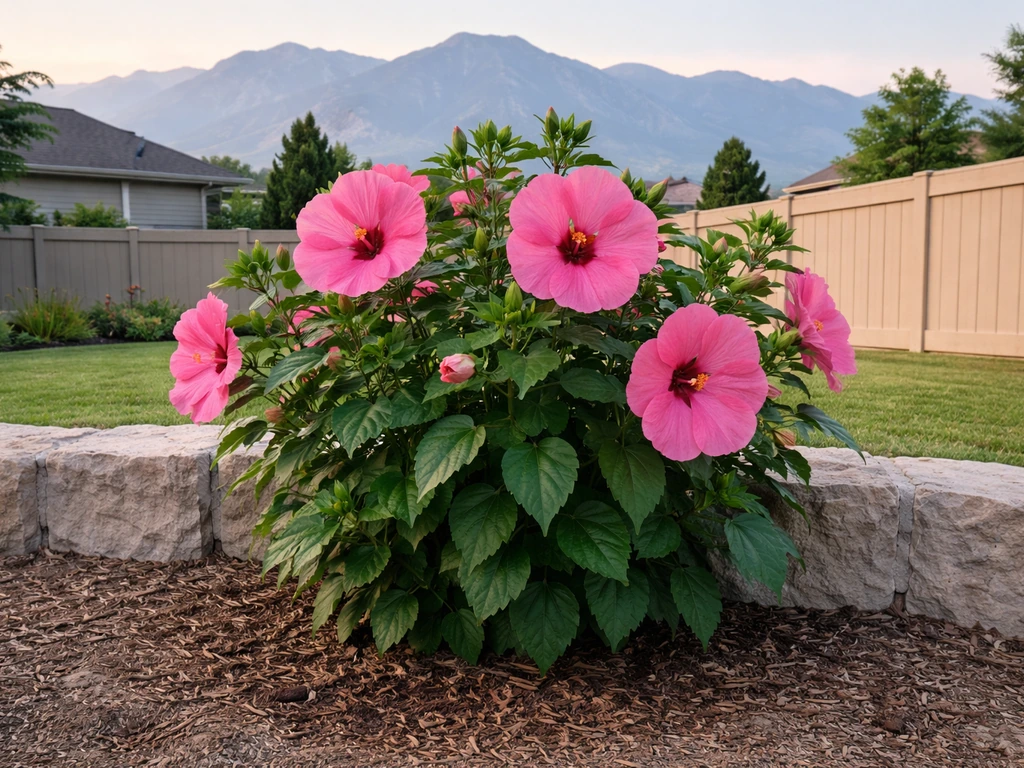
Tropical vs Hardy Hibiscus in Utah: The Quick Answer
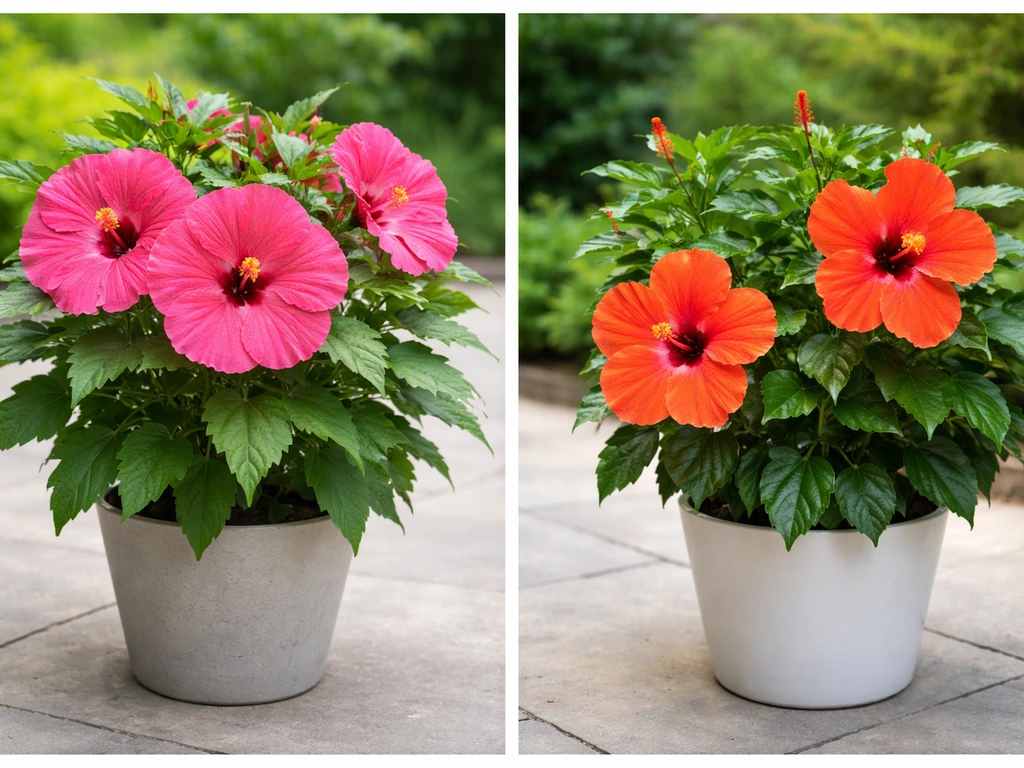
There are two completely different plants that get sold under the name 'hibiscus,' and confusing them is the number one reason Utah gardeners end up disappointed. Here's the plain breakdown:
| Type | Cold Hardiness | Utah Verdict | Best Use |
|---|---|---|---|
| Tropical Hibiscus (Hibiscus rosa-sinensis) | Zone 9-11 (down to about 25°F) | Will not survive Utah winters in the ground | Container plant only, bring indoors in fall |
| Hardy Hibiscus (Hibiscus moscheutos and relatives) | Zone 4-9 (down to -30°F depending on variety) | Yes, grows well across most of Utah | In-ground perennial, dies back and returns each spring |
| Rose of Sharon (Hibiscus syriacus) | Zone 5-9 (down to -20°F) | Yes, widely successful in Utah | In-ground shrub, cold-tolerant and low-maintenance |
Tropical hibiscus is what you see at big box stores in summer with those glossy leaves and vivid orange or red flowers. Beautiful plant, but it's native to tropical climates and will die the first time temperatures drop below about 25°F. Most of Utah drops well below that every single winter. If you want to grow tropical hibiscus here, you're signing up to treat it as a container plant and haul it inside before October. That's doable, but go in knowing that's the commitment. Hardy hibiscus, meanwhile, is a true perennial that dies back to the ground in winter and pushes up new growth each spring, even after serious cold. That's your realistic in-ground option for Utah.
Utah's Climate Reality: What the Zones Actually Mean for Hibiscus
Utah is not one climate. The state spans USDA hardiness zones roughly from 4a in the high mountain valleys up to 8a in the southern portion near St. George. The Wasatch Front, where most of the population lives, generally falls in zones 6a to 7b.
Salt Lake City sits in zone 7a, which means average annual extreme minimum temperatures around 0°F to 5°F. Ogden is similar. Logan and Cache Valley drop colder, landing in zone 5b or even 3b in certain exposed valley floor locations where cold air pools. USU Extension has documented this variability clearly, and it matters a lot when you're deciding whether a hardy hibiscus rated to zone 5 is going to make it through your specific winter.
Beyond cold hardiness zones, Utah throws two more curveballs at hibiscus growers: heat and wind. Salt Lake City summers regularly hit 95°F to 100°F, and some southern Utah locations see even more. Hibiscus actually loves heat and sun, so summer is rarely the problem. The problem is desiccating winds, which dry out leaves fast, and the brutal freeze-thaw cycles in early spring and late fall that can damage plants that have already broken dormancy or haven't fully hardened off yet.
Microclimates are your best friend in Utah gardening. A south or west-facing wall in Salt Lake City creates a noticeably warmer microclimate that can push your effective growing zone up by half a zone or more. I've seen hardy hibiscus planted against a brick wall in SLC's avenues neighborhood come back reliably every year, while the same variety planted in an exposed backyard a few miles away barely survived. Location within your yard matters as much as your city's zone.
One more thing to factor in: last frost dates vary significantly across the state. Salt Lake City's average last spring frost falls around April 26, while Ogden is around May 1 to 3, and Logan pushes to around May 14. That affects when you can safely plant and when you should start expecting new growth from your hardy hibiscus each spring.
Best Hibiscus Varieties for Utah and Where to Put Them
For in-ground growing in Utah, stick with hardy hibiscus (Hibiscus moscheutos) and Rose of Sharon (Hibiscus syriacus). These are the two categories that actually make sense here. Within those, here are the varieties that perform well in Utah conditions:
Hardy Hibiscus (Hibiscus moscheutos) Picks
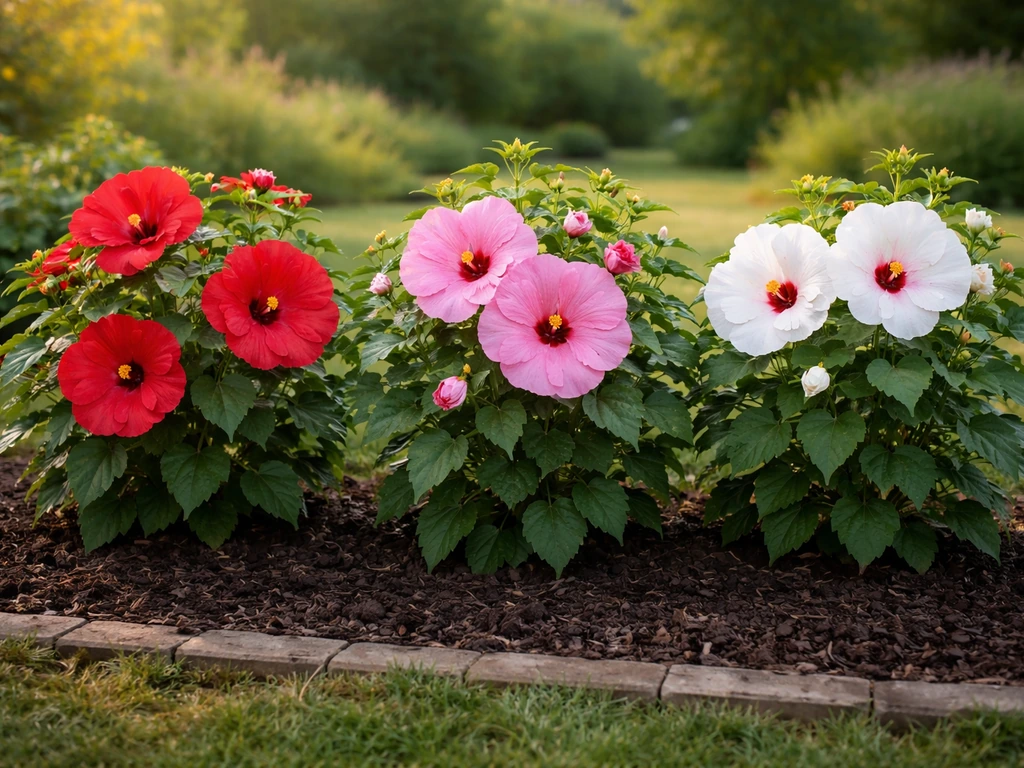
- Luna Series: Compact (2-3 feet tall), hardy to zone 4, large dinner-plate flowers in red, pink, and white. Excellent for Wasatch Front gardens.
- Disco Belle Series: Hardy to zone 4-5, produces massive blooms up to 9-12 inches across, handles heat well.
- Summerific Series: Newer introductions like 'Perfect Storm' and 'Holy Grail' are hardy to zone 4 and have been bred specifically for vigor and repeat blooming.
- Robert Fleming: Deep crimson flowers, zone 4 hardy, one of the most cold-tolerant options for Cache Valley and other colder Utah locations.
Rose of Sharon (Hibiscus syriacus) Picks
- Aphrodite: Pink flowers with a dark red eye, zone 5-9, grows 8-12 feet as a shrub, excellent wind resistance.
- Blue Satin: Rare lavender-blue color, zone 5-9, tolerates Utah's alkaline soils better than most.
- Diana: White single flowers, sterile (so no messy seedlings), zone 5-9.
- Minerva: Lavender-pink, another sterile cultivar that won't take over your garden.
For placement, think south or west-facing exposures with protection from strong prevailing winds. A spot near a masonry wall, fence, or building that absorbs and radiates heat is ideal. Avoid low-lying areas where cold air settles on still, clear nights, especially if you're in Logan, Provo, or other valley-floor locations prone to cold pooling. In St. George and southern Utah (zone 8a), you have more flexibility and can even push tropical hibiscus as a landscape plant with appropriate irrigation.
Planting Timing and Site Setup
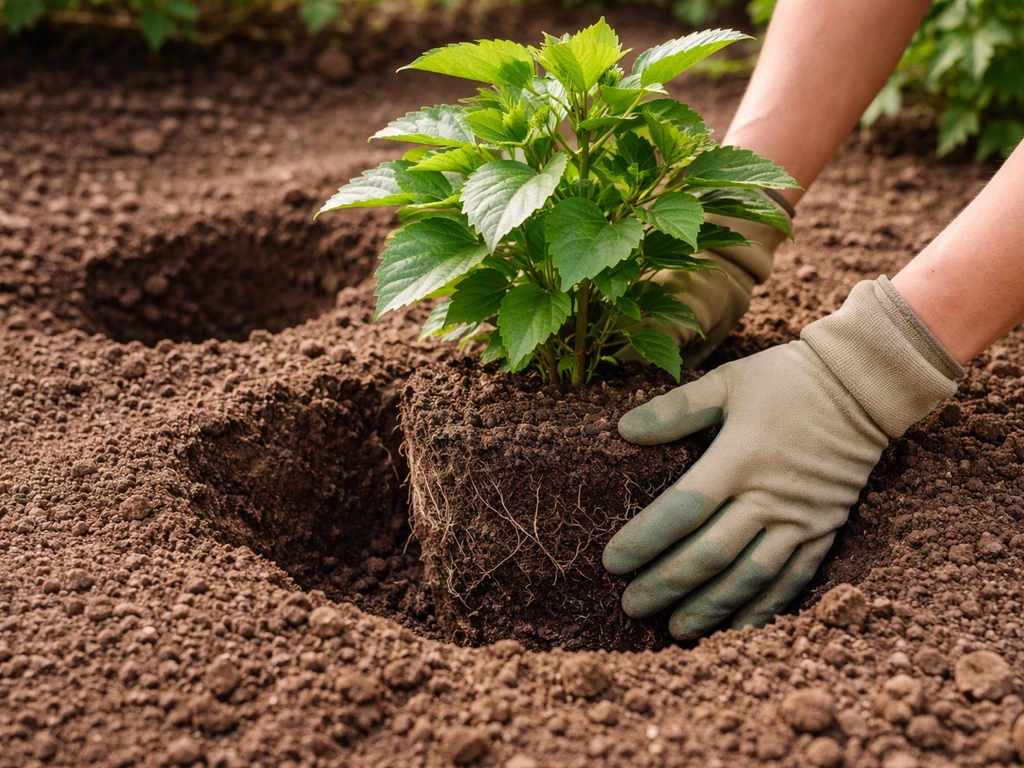
Timing your planting correctly is critical in Utah. Hardy hibiscus is best planted in late spring after your last frost date has passed and soil has warmed up. For Salt Lake City, that window opens around late April to early May. For Ogden, aim for early May. For Logan, wait until mid-May or later, since average last frost there runs around May 14. Planting too early into cold soil stresses the plant and slows establishment. Planting in established warm soil in May gives the roots time to settle in before summer heat hits.
Soil is where Utah gardeners often struggle with hibiscus. Utah soils are famously alkaline, often with pH in the 7. 5 to 8. 5 range, and many areas have clay or caliche layers that cause drainage problems.
Hardy hibiscus wants consistently moist but well-drained soil and prefers a slightly acidic to neutral pH (6. 0 to 7. 0). Before planting, amend your soil with compost to improve both drainage and organic matter content.
If you have heavy clay, raising the planting area by even 6 inches makes a meaningful difference. A soil test from USU Extension will tell you exactly what you're working with and whether you need to adjust pH with sulfur. Don't skip this step if you're in a suburban Wasatch Front neighborhood where soils often have construction fill, high pH, and poor structure.
Sun requirements are not negotiable: hibiscus wants full sun, meaning at least 6 to 8 hours of direct sunlight per day. The UC IPM Program notes that hibiscus does best in full sun and with regular amounts of water. Less than that and you'll get weak stems, minimal blooms, and a plant that's more vulnerable to stress and disease. Utah's intense summer sun is actually an asset here, not a problem, as long as the plant has adequate water.
Watering and Seasonal Care Through Utah's Heat
Water is the make-or-break factor for hibiscus in Utah. These are thirsty plants, especially during the hot, dry months of June through August when temperatures regularly exceed 95°F and humidity is very low. In the ground, established hardy hibiscus generally needs deep watering two to three times per week during peak summer heat. The goal is to keep the soil consistently moist 6 to 8 inches down without waterlogging the roots. A drip system or soaker hose at the base of the plant is far more effective than overhead sprinklers, which waste water to evaporation and can promote foliar disease in the afternoon heat.
Mulching is not optional in Utah, it's essential. Apply 3 to 4 inches of organic mulch (wood chips, shredded bark, or straw) around the base of the plant, keeping it a few inches away from the main stem. This does three things: slows moisture loss from the soil, moderates soil temperature during extreme heat, and will later act as insulation heading into winter. In Utah's semi-arid climate, mulch can cut your watering needs by 30 to 40 percent on a hot day.
For container-grown tropical hibiscus, Utah summers can actually be fantastic. The plants love the heat and will bloom prolifically from June through September if you keep up with watering (containers dry out fast in 100°F heat, sometimes needing water daily) and feed with a high-potassium fertilizer every two weeks during the growing season. When nighttime temperatures start dropping toward 50°F, usually in September for most of the Wasatch Front, that's your signal to start preparing to bring them inside.
Overwintering and Frost Protection: This Is the Key Part
This is where most Utah gardeners either succeed or lose their plants entirely, so pay attention here. Hardy hibiscus goes fully dormant in winter and looks completely dead. The stems turn brown and brittle, and there's no visible sign of life above ground. This is completely normal. The plant is alive underground, storing energy in its crown and roots. Your job is to protect that crown from the worst of Utah's cold.
In-Ground Hardy Hibiscus: Winter Steps
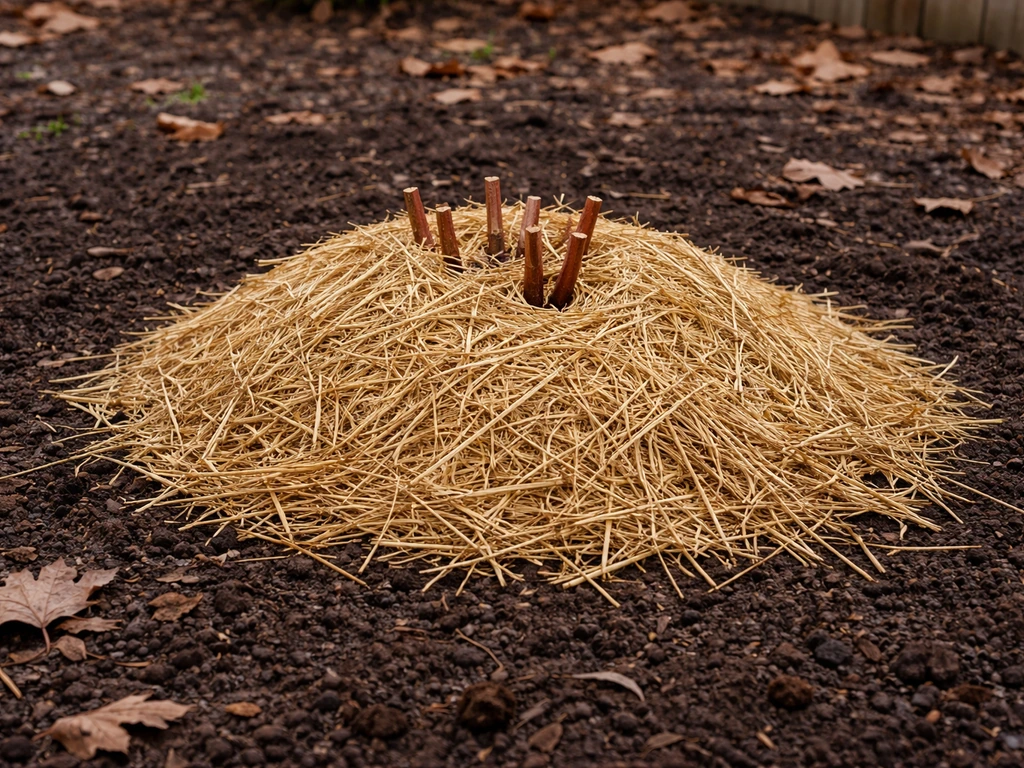
- After the first hard frost kills the foliage (usually October in SLC, earlier in Logan), cut stems back to about 6 inches above ground level.
- Pile 4 to 6 inches of mulch (straw or shredded leaves work great) over the crown and root zone to insulate against freeze-thaw cycles.
- In zone 5b areas like Logan or elevated Wasatch Front locations, consider placing a ring of chicken wire around the plant and filling it with straw for extra insulation.
- Leave the mulch in place through March, then pull it back gradually as temperatures consistently stay above freezing at night.
- Be patient: hardy hibiscus is notoriously late to emerge in spring. Don't assume it's dead until late May or even early June. New growth appears at the base, not on last year's stems.
Tropical Hibiscus: Bringing It Indoors
Tropical hibiscus in containers needs to come inside before temperatures drop to 50°F consistently at night, which means September in most of Utah. Before bringing it in, check carefully for pests (spider mites and whiteflies love to hitchhike inside on hibiscus). Treat with insecticidal soap spray a week before moving it. Inside, place it in the brightest window you have, ideally south-facing, and reduce watering significantly since the plant's water needs drop dramatically in lower indoor light.
Don't fertilize during winter. Expect some leaf drop as it adjusts to indoor conditions. It's not dying, just acclimating. In late March or early April, you can begin increasing water and light and start feeding again to encourage new growth before moving it back outside after your last frost date.
What to Expect After a Hard Winter
Even with good protection, an especially brutal Utah winter (think extended periods below 0°F, which do happen on the Wasatch Front) can kill a hardy hibiscus back further than normal. If your plant doesn't show any green by late June, scratch one of the stems near the base with your fingernail. If you see green underneath, it's alive. If the stem is brown all the way through, the crown may have been lost. In that case, the plant is gone and it's time to replant, ideally choosing a hardier variety or a more protected location.
Solving the Most Common Utah Hibiscus Problems
No Blooms or Weak Flowering
If your hardy hibiscus isn't blooming well, the most likely culprits in Utah are insufficient sun (less than 6 hours direct), too much nitrogen fertilizer (promotes leaves at the expense of flowers), or planting in a location that stays too cool. Hardy hibiscus also blooms on new wood, so if you didn't cut it back in fall or early spring, old dead stems can interfere. Too-alkaline soil that's locking out nutrients can also suppress blooming. A soil test and pH adjustment with sulfur often makes a noticeable difference within one growing season.
Leaf Drop and Yellow Leaves
Yellow leaves on hibiscus in Utah usually point to one of three things: overwatering combined with poor drainage (root stress), iron chlorosis caused by high-pH soils that lock out iron (you'll see yellowing between the leaf veins while veins stay green), or temperature stress in early spring when nights still dip cold. Iron chlorosis is especially common in Utah's alkaline soils. Treat it with chelated iron applied as a foliar spray or soil drench. This is one of the most frequently overlooked problems in Wasatch Front gardens.
Spider Mites
Spider mites thrive in hot, dry conditions, which means Utah summers are basically paradise for them and a nightmare for hibiscus growers. You'll notice fine webbing on leaf undersides and stippled, dull-looking leaves. The fix is consistent: knock them back with a strong jet of water every few days, follow up with insecticidal soap or neem oil spray in the evening (never in direct afternoon sun, which can cause leaf burn), and keep the plant well-watered since stressed, drought-affected plants attract mites far more than healthy, well-irrigated ones.
Aphids and Whiteflies
Both are common on hibiscus across Utah, particularly on container plants. Aphids cluster on new growth and under leaves. Whiteflies scatter in a cloud when you disturb the plant. Both respond well to insecticidal soap spray applied in the morning, repeated every 5 to 7 days for two to three weeks. If you're dealing with a persistent whitefly problem, yellow sticky traps near the plant help reduce populations without chemicals.
Winter Dieback That Looks Like Plant Death
This is the most common cause of panic among first-year hardy hibiscus growers in Utah. The stems look dead. They are brittle and brown. Nothing is happening above ground in April. This is almost always normal dormancy, not plant death. Hardy hibiscus is one of the last perennials to emerge in spring, often not showing green until late May or early June in colder parts of Utah. Give it time before you give up.
Your Decision Framework for Growing Hibiscus in Utah
Here's how to think about it simply. If you're in Salt Lake City, Provo, or the warmer parts of the Wasatch Front in zone 6b or 7a, hardy hibiscus is a solid, realistic choice for a permanent in-ground perennial. Choose a zone 4 or 5 rated variety, plant it in a sunny, sheltered spot with good drainage and amended soil, mulch it generously before winter, and you'll likely get reliable blooms every summer.
If you're in Logan, Cache Valley, or a higher elevation location in zone 5b or colder, it's still doable but needs more attention to winter protection and microclimate selection. If you're in St. George in zone 8a, you have the most flexibility of anyone in the state and can even push tropical hibiscus outdoors in the landscape with irrigation.
If you love the look of tropical hibiscus specifically, containers are a legitimate approach in Utah. You just have to commit to bringing them inside before October. Utah's sunny summers genuinely produce spectacular tropical hibiscus blooms, so the effort can absolutely be worth it.
Gardeners in neighboring states face similar decisions. If you are wondering whether will hibiscus grow in Tennessee, the answer depends on whether you choose hardy hibiscus or try tropical hibiscus as a container plant. If you are wondering whether will hibiscus grow in North Carolina, the same hardy-versus-tropical (container or in-ground) decision applies.
Hibiscus growers in Oregon often deal with more mild but wet winters, while those in Virginia and the Carolinas get warmer zones that make tropical hibiscus more feasible in-ground. Oklahoma's zone 7 climate is actually quite similar to Salt Lake City's in some respects, though with higher humidity. If you want the quick answer for can hibiscus grow in Oklahoma, it mostly comes down to choosing hardy types versus treating tropical hibiscus like a container plant Oklahoma's zone 7 climate.
Utah's combination of cold winters, dry air, and intense summer sun makes it a unique case, but not an impossible one. Stick with hardy hibiscus, pick the right spot, protect the crown each winter, and you'll have one of the most dramatic flowering perennials in the neighborhood.
FAQ
Can I grow hibiscus in Utah if I do not know whether it is hardy or tropical?
Check the label for the plant species. Hardy hibiscus is typically Hibiscus moscheutos, and it can regrow from the crown in spring. If it is labeled tropical hibiscus (often Hibiscus rosa-sinensis) or it only says “tropical,” plan on container growing and indoor overwintering, not in-ground planting.
Will hardy hibiscus come back if it looks completely dead in April?
Yes, often. In colder Utah areas, new shoots may not appear until late May or early June. Do a quick scratch test on stems near the base to see if there is green underneath, rather than removing the plant too early.
What temperature is the real danger for tropical hibiscus in Utah?
Tropical types usually die in-ground when temperatures drop to about 25°F or lower. For container plants, the practical trigger is bringing them indoors before nights dip to around 50°F consistently, because cold exposure and indoor acclimation stress can compound.
How much winter protection does hardy hibiscus need in the Wasatch Front?
Mulch helps a lot, but it does not replace crown protection during extended subzero stretches. If your yard is exposed or you are in a colder valley floor area, add a thicker mulch layer (and consider extra insulation like a light wrap or a temporary windbreak) to reduce freeze damage at the crown.
Can I plant hardy hibiscus earlier than late spring to get blooms sooner?
It is risky. Hardy hibiscus establishes best after the soil warms and after your last frost. Planting too early into cold soil can stall roots, increase winterkill later, and reduce blooms, even if the plant survives.
Why is my hardy hibiscus not flowering in Utah even though it grows leaves?
Common causes are not enough direct sun (aim for at least 6 to 8 hours), too much nitrogen fertilizer, and overly cool planting locations. Also confirm the plant is blooming on new wood by checking whether you cut back dead stems in late fall or early spring, since old growth can interfere.
My hibiscus leaves are yellow, what should I do first in Utah?
Start by considering drainage and pH. If yellowing looks like iron chlorosis (yellow between veins with veins staying greener), treat with chelated iron (foliar spray or soil drench) and prioritize correcting the high soil pH, since alkaline Utah soils often lock up iron.
How often should I water hibiscus in Utah if I use a drip system?
Aim for deep moisture 6 to 8 inches down, typically about two to three times per week during peak summer heat for established in-ground hardy hibiscus. Adjust based on how fast your specific soil dries, because clay or raised beds may need different schedules even within the same city.
Is overhead watering okay for hibiscus in Utah?
It is not ideal. Overhead watering wastes water to evaporation in hot, dry conditions and can leave foliage wet during warmer afternoons, which can increase disease pressure. Drip or soaker watering at the base is more efficient and usually healthier for the leaves.
Do I need to fertilize hibiscus in Utah, and what type?
If blooms are the goal, avoid heavy nitrogen. For hardy hibiscus, compost and correct pH often do most of the work, and for tropical hibiscus containers you can use a high-potassium fertilizer during the active growing season. Do not fertilize during winter indoors because growth will be weak and stress-prone.
What soil pH should I target for hibiscus in Utah?
For best results, aim for slightly acidic to near neutral (about 6.0 to 7.0). Utah soils are often higher pH and may require soil amendment or pH adjustment using products recommended after a soil test, otherwise nutrient deficiencies show up as chlorosis and poor flowering.
Can I grow hibiscus in a container in Utah year-round outdoors?
Generally no for tropical hibiscus, because it needs to come inside before extended cold. For hardy hibiscus, containers increase the risk that the root zone freezes solid during winter, so if you try it, you will still need serious winter protection or a non-freezing shelter to keep the crown viable.
How do I handle spider mites on hibiscus in Utah?
Treat early and consistently. Use a strong water spray to knock them back, then follow with insecticidal soap or neem in the evening to reduce leaf burn risk, and repeat every few days as needed. Keep watering steady, because drought-stressed plants attract and amplify mite problems.
When should I bring container tropical hibiscus back outside in spring?
Wait until after your last frost date for your exact location, not just “mid-spring.” Once nights are reliably warm, increase light and water gradually, since a sudden jump from indoor low light to intense sun and cooler nights can trigger leaf drop or stress.