
Yes, hibiscus can absolutely grow in Oklahoma, but the answer depends entirely on which type you're talking about. Hardy hibiscus (Hibiscus moscheutos, also called rose mallow) is a perennial that thrives across the state and comes back every spring without any fuss. Hardy hibiscus is also your best bet if you are wondering whether will hibiscus grow in Tennessee, since it can handle a wide range of conditions and returns each spring hibiscus in Tennessee.
Can Hibiscus Grow in Oklahoma? Hardy vs Tropical Tips
Marcus Hartwell
17 May 2026
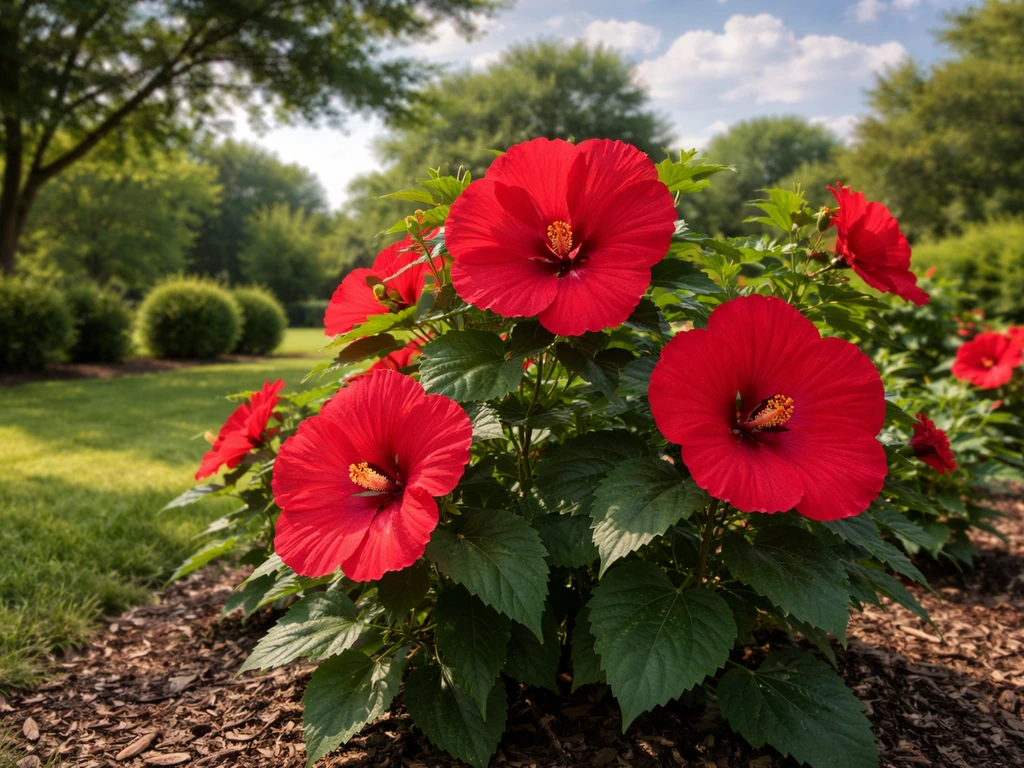
Tropical hibiscus (Hibiscus rosa-sinensis), the kind with those glossy leaves and jewel-bright flowers you see at garden centers every summer, will die the first time a hard frost hits unless you bring it indoors. Oklahoma gets both types at every nursery, and buying the wrong one for your goals is one of the most common and easily avoidable mistakes Oklahoma gardeners make.
Quick yes/no by hibiscus type
| Hibiscus Type | Grows in Oklahoma? | Survives Winter Outdoors? | Best Use |
|---|---|---|---|
| Hardy hibiscus (Hibiscus moscheutos) | Yes, statewide | Yes, reliably to zone 5 | Permanent landscape plant |
| Tropical hibiscus (Hibiscus rosa-sinensis) | Yes, as a seasonal plant | No, dies at frost | Patio container or annual |
If you want a hibiscus that you plant once and enjoy for years, hardy hibiscus is your answer. If you love the look of tropical hibiscus and are willing to either bring it inside each fall or replace it each spring, that works too. But going in with the wrong expectations is what leads to disappointment. If you’re wondering can hibiscus grow in Oregon, the answer depends on whether you choose hardy or tropical hibiscus and match it to your local winter conditions.
Hardy vs tropical hibiscus: who wins an Oklahoma winter
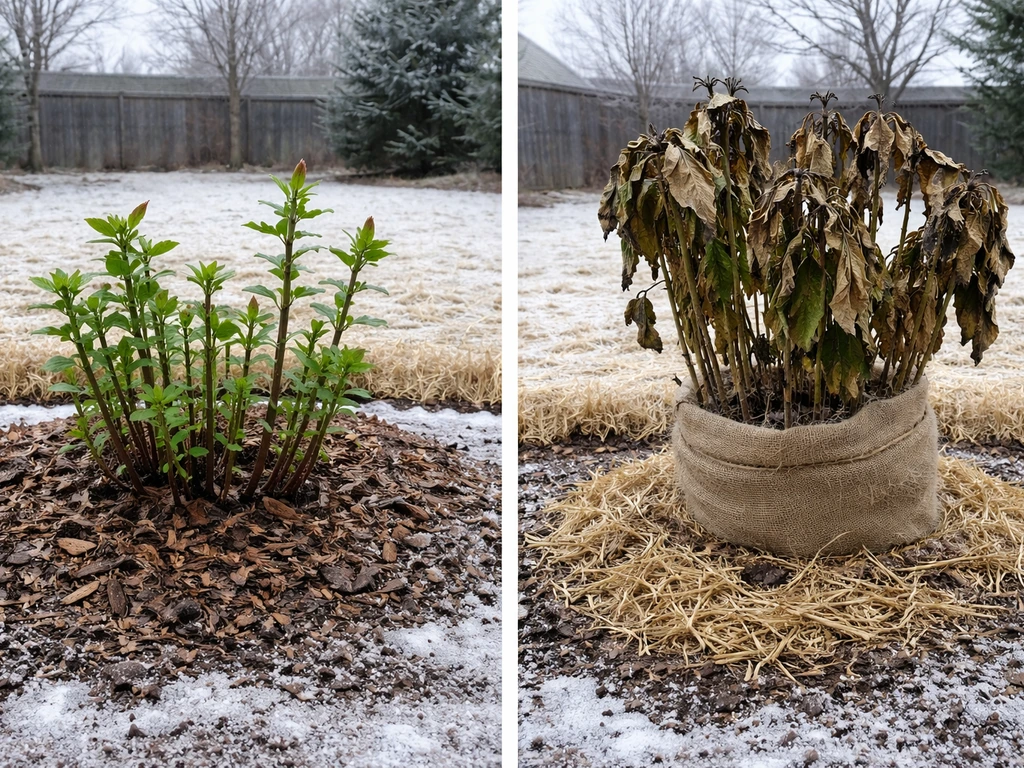
Oklahoma winters can be brutal in ways that catch people off guard. Oklahoma City has recorded a low of negative 17°F, Tulsa has hit negative 13°F, and Lawton dropped to negative 12°F as recently as February 2021 during that infamous winter storm. Even in a milder year, most of the state sees temperatures well below freezing for stretches at a time. Tropical hibiscus starts taking cold damage somewhere in the 20°F to 30°F range, which means it would be wiped out by a typical Oklahoma cold snap, let alone a record-breaking one.
Hardy hibiscus is a completely different story. It's rated for USDA zones 5 through 9, which covers every corner of Oklahoma. It handles those brutal temperature swings because it dies back to the ground each winter and re-emerges from the root system in spring. You'll think it's dead in March and want to pull it out, but give it until late April or even May and it'll show up right on schedule. K-State Extension sums it up perfectly: hardy hibiscus returns each spring, tropical hibiscus winterkills. That's the essential difference.
Matching your hibiscus choice to your Oklahoma zone
Oklahoma spans USDA hardiness zones 6a in the panhandle and far northwest up through 7b in the south-central and southeastern parts of the state. Cities like Norman and Lawton sit in zone 7b, which means average annual extreme minimum temperatures between negative 5°F and 10°F. The Panhandle dips into zone 6a, where lows can average in the negative 10°F to negative 5°F range. Hardy hibiscus is rated to zone 5, so it's well within its comfort zone no matter where in Oklahoma you garden.
To find your exact zone, plug your zip code into the 2023 USDA Plant Hardiness Zone Map at planthardiness.ars.usda.gov. It uses average annual extreme minimum winter temperatures, which is exactly the data point you need when deciding whether a plant will survive your local winters. Once you know your zone, matching plants to your yard becomes a lot less guesswork.
For variety selection, modern hardy hibiscus hybrids like the Summerific series (including 'Evening Rose') are excellent choices for Oklahoma gardens. These are bred specifically for garden performance, are reliably perennial in zones 4 through 9, and offer the big showy blooms that make hibiscus so appealing in the first place. OSU Extension even profiles Common Rose Mallow (Hibiscus moscheutos) as a plant suited for Oklahoma gardeners, so you've got local backing for this choice.
What to actually expect in your Oklahoma yard
Bloom time and season
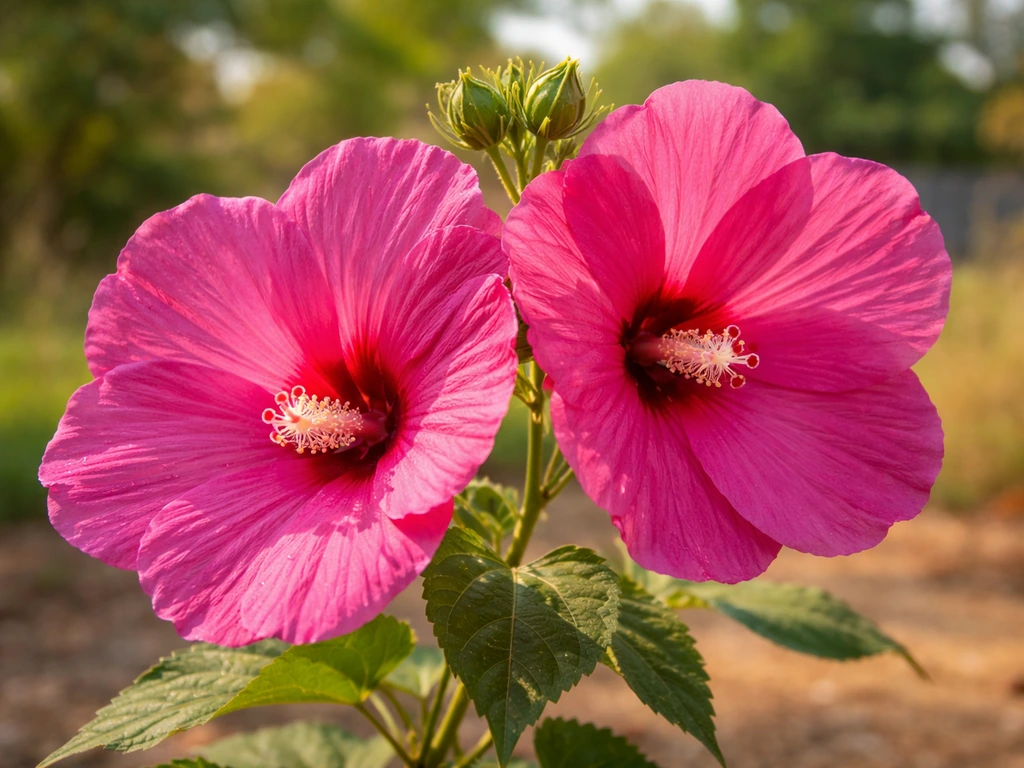
Hardy hibiscus blooms from midsummer through late summer, typically July through September in Oklahoma. That's actually ideal timing for the state, since the plants are hitting their stride during the hottest months when other perennials are struggling. The blooms themselves are massive, often dinner-plate sized at 10 to 12 inches across, and they come in whites, pinks, reds, and bicolors. Each individual flower lasts only a day, but a healthy plant produces so many buds that you get continuous color for weeks.
Size and space
Plan for a substantial plant. Hardy hibiscus typically reaches 3 to 8 feet tall (most settle around 5 feet) and spreads 2 to 5 feet wide. In Oklahoma's long growing season and summer heat, plants on the taller end of that range are common. Give them room and don't plant them where they'll crowd out smaller neighbors. They work beautifully as a back-of-border plant or a seasonal focal point near a fence or deck.
Sun and moisture
Hardy hibiscus wants full sun to partial shade and consistently moist soil. In Oklahoma's summer heat, that moisture piece matters. These plants are native to wetland edges and stream banks, so they appreciate extra water during the brutal July and August stretch. A spot near a downspout, rain garden, or low area of the yard where water collects is genuinely ideal. If your soil is on the dry, sandy side, you'll need to water more regularly or amend with organic material to hold moisture.
How to set up your hardy hibiscus for success in Oklahoma
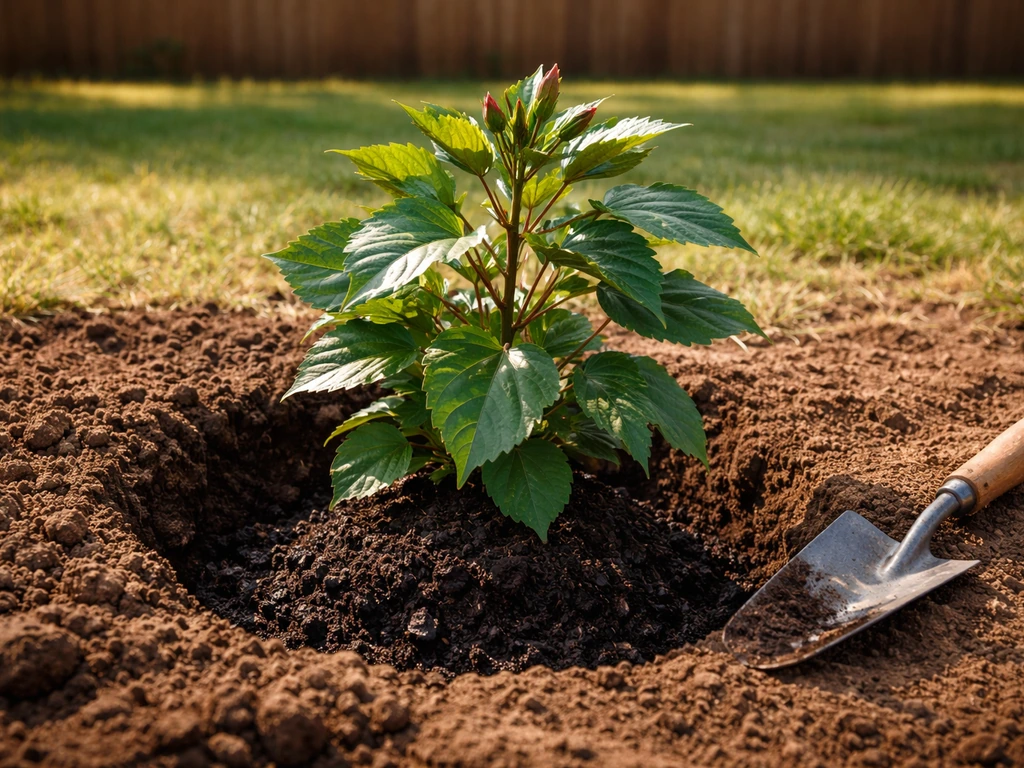
- Plant in full sun (at least 6 hours daily) with some afternoon shade acceptable in the hottest parts of southern Oklahoma.
- Amend heavy clay or sandy soils with compost before planting to improve drainage and moisture retention.
- Water deeply and consistently throughout summer, especially during heat waves. Soil should stay moist but not waterlogged.
- Mulch around the base with 2 to 3 inches of organic mulch to conserve soil moisture and protect roots through winter.
- Don't cut the plant down completely in fall. Leave the stems in place as a marker so you don't accidentally dig it up in spring when the ground looks bare.
- Wait until late April or May to see new growth emerge. Hardy hibiscus is a notoriously late riser and this is normal, not a sign that it died.
- Fertilize lightly in spring when new growth appears. Heavy fertilization pushes foliage at the expense of blooms.
- Check first killing frost timing for your area (OSU Extension notes late October to early November for most of Oklahoma) to time any seasonal cleanup.
If you really want tropical hibiscus: your indoor and overwintering options
Plenty of Oklahoma gardeners love tropical hibiscus for patio containers, and there's nothing wrong with that approach as long as you go in with a plan. The key is treating it like the tropical plant it is: it needs to come indoors before your first fall frost, which in most of Oklahoma means before late October.
Once inside, move it to your brightest window, ideally a south-facing one. Tropical hibiscus needs very bright light to stay healthy indoors, and inadequate light is the most common reason overwintered plants decline and fail to rebloom. Scale back watering significantly during winter and stop fertilizing entirely until late winter or early spring. University of Maryland Extension recommends this reduced-care approach for overwintering tropical plants: the goal is to keep the plant alive, not push growth during short winter days.
When temperatures outside reliably stay above 50°F in spring (typically late April to May in Oklahoma), gradually transition the plant back outdoors, starting with a shaded spot before moving it into full sun to avoid sunscald on leaves that adapted to indoor light. Resume regular watering and fertilizing and it should reward you with blooms by midsummer.
The other option is to simply treat tropical hibiscus as an annual, buy a fresh plant each spring, enjoy it through the season, and let it go when frost arrives. Illinois Extension advises placing tropical hibiscus outside only after frost, since cold can prevent it from surviving outdoors and overwintering place tropical hibiscus outside only after frost. For gardeners who don't want the hassle of overwintering, this is completely reasonable.
Common buying mistakes and what to do when your hibiscus struggles
Mistake 1: Buying tropical hibiscus expecting it to come back
This is by far the most common issue. Big box stores and garden centers sell both types side by side, and the labels aren't always clear. Tropical hibiscus typically has dark, glossy leaves and single or double blooms in vivid oranges, yellows, and pinks. Hardy hibiscus has duller, slightly rougher leaves and the blooms, while enormous, tend to come in softer pinks, reds, and whites. If the tag doesn't say 'Hibiscus moscheutos' or use the word 'hardy,' ask before you buy.
Mistake 2: Giving up on hardy hibiscus in spring
Hardy hibiscus is genuinely one of the last perennials to emerge in spring. If you planted it last year and the bed looks completely empty in April, that's normal. Scratch the soil near the base of the old stems and look for pink or red buds emerging at or just below the soil line. If you see them, it's alive. If you've pulled it out thinking it was dead, you're not alone, but now you know to wait.
Mistake 3: Planting in dry, hot spots without extra water
Hardy hibiscus is not a drought-tolerant plant. If you put it in a full-sun, south-facing bed with no irrigation plan and walk away, it'll struggle through Oklahoma summers. Either pair it with a drip line or soaker hose, or site it somewhere that naturally retains moisture. A wilting hibiscus in July isn't necessarily dying, but repeated drought stress will reduce bloom production and weaken the plant over time.
Mistake 4: Choosing the wrong type for your goals
If you want a permanent, low-maintenance landscape plant, go hardy hibiscus every time. If you want a showstopper patio container that you're happy to manage seasonally or replace annually, tropical hibiscus can be great. The mistake is buying one when you intended the other. Oklahoma gardeners who want to compare notes on hibiscus feasibility in neighboring states will find the situation is broadly similar across much of the mid-South: states like Tennessee and Virginia can grow both types with similar tradeoffs, while places with harsher winters or drier climates require even more careful variety selection.
The bottom line for Oklahoma: plant hardy hibiscus in a moist, sunny spot and you'll have a reliable, spectacular summer bloomer that returns year after year. Go tropical if you love the look and are committed to the overwintering routine. Either way, you now know exactly what you're getting into.
FAQ
How can I tell quickly whether the hibiscus I bought is hardy or tropical before planting it in Oklahoma?
Check the plant tag for Hibiscus moscheutos (hardy) versus Hibiscus rosa-sinensis (tropical). If the label is unclear, look at the leaves and bloom size, tropical typically has glossy dark leaves and small to medium vivid blooms, hardy has rougher, less glossy leaves and much larger, softer-toned flowers, often described as dinner-plate sized.
What’s the best planting time for hardy hibiscus in Oklahoma so it establishes before winter?
Aim for spring planting after the soil warms and the risk of a deep freeze has passed. Hardy hibiscus is slow to emerge, so planting in early spring is usually fine, but if you plant too late you may reduce summer bloom size, especially in cooler panhandle areas.
Why does my hardy hibiscus look dead in April, should I dig it up or add protection?
Do not remove it early. Hardy hibiscus often stays dormant longer than many perennials and can look “gone” through March and part of April. Wait at least until late April, then scratch the soil near the base to look for live buds or pink-red growth before deciding to replant.
Can I grow tropical hibiscus outdoors in Oklahoma summers and still overwinter it successfully?
Yes, but plan for a hard move indoors. Bring it inside before late October, and do not wait for the first frost to act because cold snaps can damage plants even before nights become consistently freezing. Keep it in a very bright window and reduce watering during the winter.
What happens if my tropical hibiscus gets a light frost, can I save it?
A light frost can cause stem and leaf damage. If only the foliage is affected, you can still overwinter it, but expect slower spring recovery. If stems turn black or mushy, trim back to healthy tissue before moving it into brighter indoor light.
Where in my yard should I plant hardy hibiscus if my soil is sandy or drains fast?
Choose a spot that stays consistently moist, a rain garden edge, low area, or near a downspout can work well. If your soil is dry, amend with organic matter and consider drip or soaker irrigation, hardy hibiscus is not drought tolerant and poor moisture can reduce blooms even if the plant survives.
Is hardy hibiscus drought tolerant once established in Oklahoma?
No. Even established plants benefit from regular irrigation during Oklahoma’s hottest stretches. Inconsistent watering often shows up as fewer buds and smaller blooms, while repeated drought stress can weaken the plant over time.
How much sun does hibiscus need in Oklahoma, and what if I only get afternoon shade?
Full sun to partial shade works for hardy hibiscus, but more sun generally means more blooms. If you only have afternoon shade, you can still succeed, just ensure the plant gets several hours of direct light and stays evenly moist during summer.
How big should I expect hardy hibiscus to get, and how far apart should I space plants?
Expect roughly 3 to 8 feet tall and 2 to 5 feet wide, with many settling near about 5 feet across. For multiple plants, space them at least 3 to 5 feet apart to reduce crowding and allow airflow for a healthier canopy.
Can hibiscus grow in Oklahoma if I plant it in a container instead of the ground?
Yes, especially hardy hibiscus, but containers dry out faster. Use a large pot with quality potting mix and a consistent watering plan, and remember that winter protection may be needed because containers experience colder root-zone temperatures than in-ground beds.
Should I fertilize hibiscus in Oklahoma, and when should I stop?
For hardy hibiscus, fertilize during the active growing season, then ease off as late-season growth slows. For tropical hibiscus overwintering indoors, stop fertilizing during winter and only resume after plants transition back outdoors in spring when daylight and temperatures increase.
My hibiscus blooms but flowers drop quickly, what could be wrong?
Common causes include uneven watering, too much heat stress, and lack of light for tropical plants overwintered indoors. For hardy hibiscus, maintain consistent moisture through bud formation, for tropical, ensure a very bright window since low light can lead to poor blooming and rapid flower drop.