
Yes, hibiscus will grow in North Carolina, but which type you choose makes all the difference between a plant that thrives for decades and one that dies the first cold snap. Hardy hibiscus (native species like Hibiscus moscheutos) survives outdoors year-round across virtually all of NC, including most mountain areas.
Will Hibiscus Grow in North Carolina? Hardy vs Tropical

Marcus Hartwell
29 May 2026
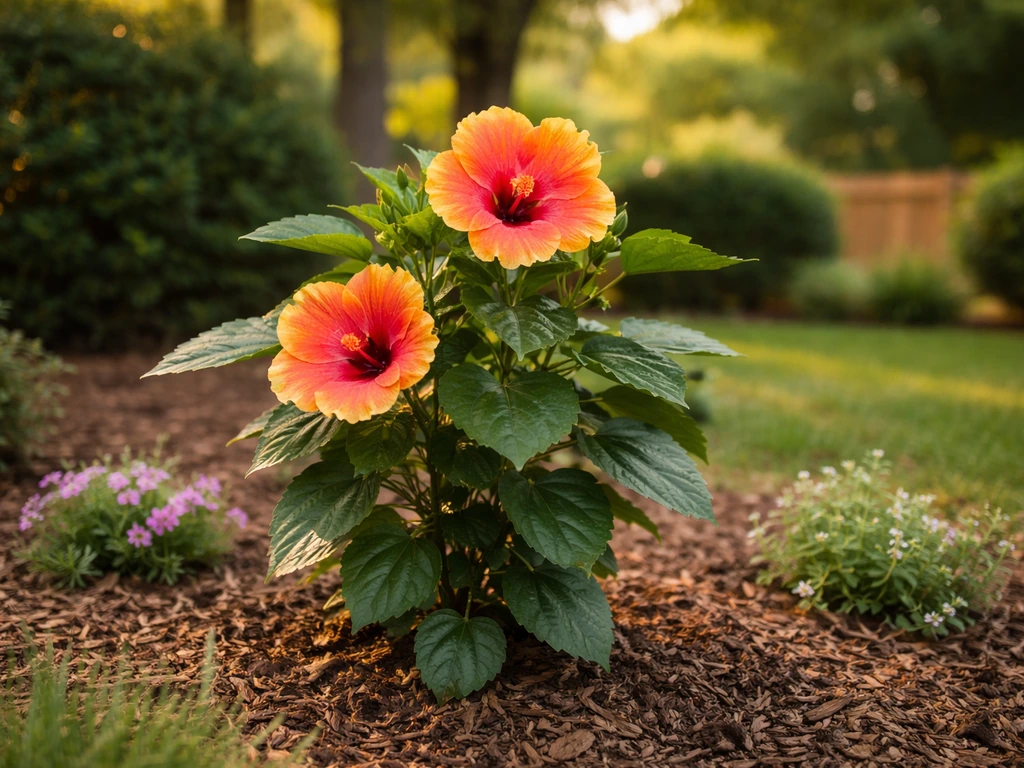
Tropical hibiscus (the bright, exotic-looking kind sold at big-box stores) will bloom beautifully through summer but needs to come indoors before temperatures drop, unless you're in the warmest coastal corners of the state. Pick the right type for your region, and you'll have no trouble growing hibiscus in North Carolina.
You can use the same approach to decide whether can hibiscus grow in Oklahoma, since success depends largely on choosing a hardier type for your winters hibiscus in North Carolina.
Which hibiscus can actually grow here: the short version
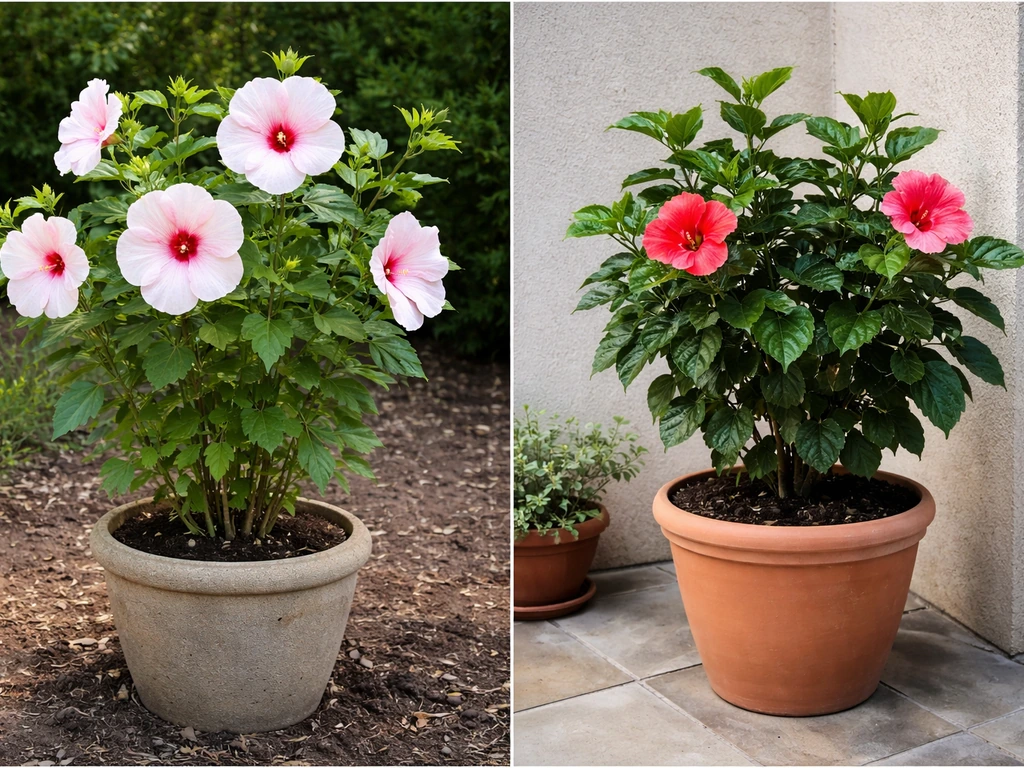
| Hibiscus Type | Survives NC Winters Outdoors? | Best for Which Region | Notes |
|---|---|---|---|
| Hardy hibiscus (H. moscheutos, H. coccineus) | Yes, zones 5–9 | All of NC including mountains | Dies back to ground in winter, returns in spring |
| Rose of Sharon (H. syriacus) | Yes, zones 5–8 | All of NC | Woody shrub, very cold-tolerant, slightly smaller flowers |
| Tropical hibiscus (H. rosa-sinensis) | Only in warmest coastal areas (zone 8b) | Outer Coastal Plain only | Needs container growing or overwintering indoors in most of NC |
| Confederate rose (H. mutabilis) | Marginal; root-hardy to zone 7 | Piedmont and coast | May die back but regrow from roots in warmer zones |
North Carolina's climate: coastal vs Piedmont vs mountains
North Carolina spans an unusually wide range of climates for a single state, and that variation matters a lot when you're picking a plant. According to USDA hardiness zone data, NC runs from Zone 5b in the highest mountain elevations all the way to Zone 8b along the outer Coastal Plain, with Zone 7 covering the largest chunk of the state, including most of the Piedmont. That's a 30-degree difference in average minimum winter temperatures across the state.
In practical terms: the Asheville area and surrounding mountains sit around Zone 7a, meaning winter lows regularly touch 5 to 10 degrees Fahrenheit. North Carolina spans multiple USDA Plant Hardiness Zones, including Zone 5b in higher-elevation mountains and Zone 8b in the outer Coastal Plain, with Zone 7 predominating across the state [around Zone 7a](https://files. nc. gov/ncdeq/Water%20Resources/files/planning/bmp/RegionallyAppropriateLandscaping.
pdf). Raleigh and Charlotte in the Piedmont land in Zone 7b, with lows typically between 5 and 15 degrees. Wilmington and the outer Coastal Plain sit in Zone 8a or 8b, with winter lows staying mostly above 15 to 20 degrees. That warmth near the coast is what makes a real difference for tropical plants like tropical hibiscus, which can be damaged or killed below 30 degrees.
Hardy hibiscus vs tropical hibiscus: what actually survives a NC winter
Hardy hibiscus: the reliable choice for most of NC
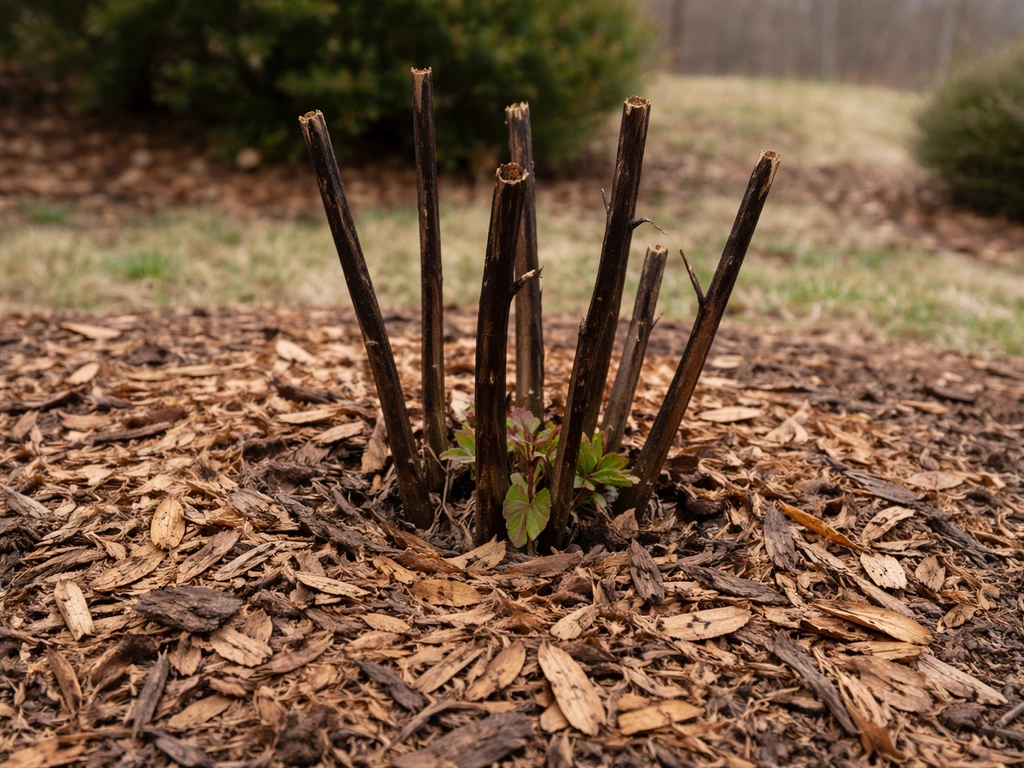
Hardy hibiscus is native to the eastern US and built for exactly the kind of climate most of North Carolina has. Hibiscus moscheutos (swamp rose mallow) and its cultivated varieties are rated cold-hardy to Zone 4 or 5, which means they handle even the harshest mountain winters without a problem. The trick with these is that they die all the way back to the ground each fall, disappearing completely, then re-emerge slowly in late spring. First-time growers often panic and dig them up, thinking they're dead. Don't. They come back reliably, and once established, a single plant can get huge, sometimes 4 to 6 feet tall and wide with flowers 10 to 12 inches across.
Tropical hibiscus: beautiful, but high maintenance outside the coast
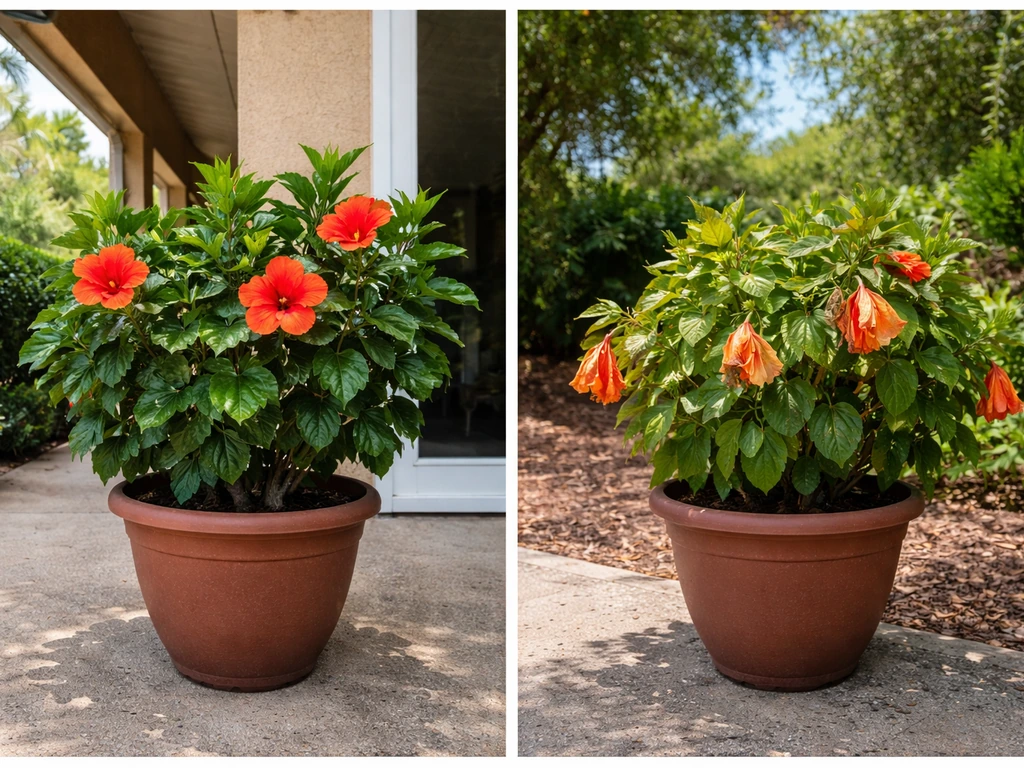
Tropical hibiscus (Hibiscus rosa-sinensis) is what most people picture when they see hibiscus at a nursery or in a vacation photo: glossy leaves, single or double flowers in hot pink, orange, yellow, or red. It loves NC summers, which give it the heat and humidity it wants. The problem is that it's only reliably winter-hardy in Zone 9 and above, which North Carolina simply doesn't have. Even in Zone 8b near the coast, an unusual cold snap can damage or kill a tropical hibiscus planted in the ground. For most of the Piedmont and mountains, if you leave a tropical hibiscus outside, it will die by late fall.
Rose of Sharon: the underrated option
Rose of Sharon (Hibiscus syriacus) deserves a mention because it's often overlooked. It's a woody, deciduous shrub that stays in the ground year-round across all of NC, blooms from midsummer through fall, and handles both mountain cold and coastal heat. It won't give you the dinner-plate blooms of hardy hibiscus, but it's nearly bulletproof in most NC gardens and requires very little management.
How to read plant labels so you buy the right one
The single most useful thing you can do before buying a hibiscus is check the hardiness zone label on the tag. Most nursery plants list a zone range like "Zones 5-9" or "Zones 9-11." If your area's zone falls inside that range, the plant should survive your winters. If it doesn't, you're buying an annual or a container plant, whether the tag says so or not.
- If the tag says Zones 5-9 or Zones 4-9, that's a hardy hibiscus and it will survive outdoors in virtually all of NC.
- If the tag says Zones 9-11, that's a tropical hibiscus. Treat it as a container plant or plan to bring it in for winter.
- If you see 'USDA Zone 7' on the label, check your specific location. Mountains may be Zone 7a (borderline), while Piedmont cities are solidly Zone 7b.
- Look for cultivar names like 'Summerific' or 'Cranberry Crush' on hardy hibiscus, which are bred for reliable cold hardiness and bigger flowers.
- Rose of Sharon tags typically list Zones 5-8 or 5-9, confirming it's safe throughout NC.
If you're shopping at a local independent nursery in NC, the staff usually know which plants are sold as true perennials for your area versus tender tropicals being sold for summer color. Ask directly: 'Will this come back next year if I plant it in the ground here?' That question cuts through ambiguous labeling fast.
Best planting conditions for hibiscus in North Carolina
Whatever type you're planting, hibiscus has a few consistent preferences that really matter in an NC setting.
- Full sun is non-negotiable. Hibiscus wants 6 to 8 hours of direct sun daily. Less than that and you'll get sparse flowering and weak stems. In NC's hot Piedmont summers, afternoon shade won't hurt, but morning sun is essential.
- Drainage matters more than soil type. Hardy hibiscus can handle moist to wet soil (it's native to wetlands), but tropical hibiscus needs well-drained soil and will rot in standing water. Raised beds or slightly elevated planting spots work well for tropicals.
- Wind protection helps. Strong winter winds can desiccate marginally hardy plants in Piedmont and mountain areas. Planting near a south-facing wall or fence provides both warmth and shelter, which can push a zone-7 plant through winters it might otherwise not survive.
- Coastal gardeners: salt spray tolerance varies. Hardy hibiscus handles coastal conditions reasonably well. Tropical hibiscus is more sensitive to salt-laden winds, so keep it slightly inland if you're near the oceanfront.
- Soil pH between 6.0 and 7.0 suits most hibiscus. NC soils tend toward acidity in many areas, so a simple soil test is worth doing before you plant.
When winters are too cold: containers, mulch, and bringing plants indoors
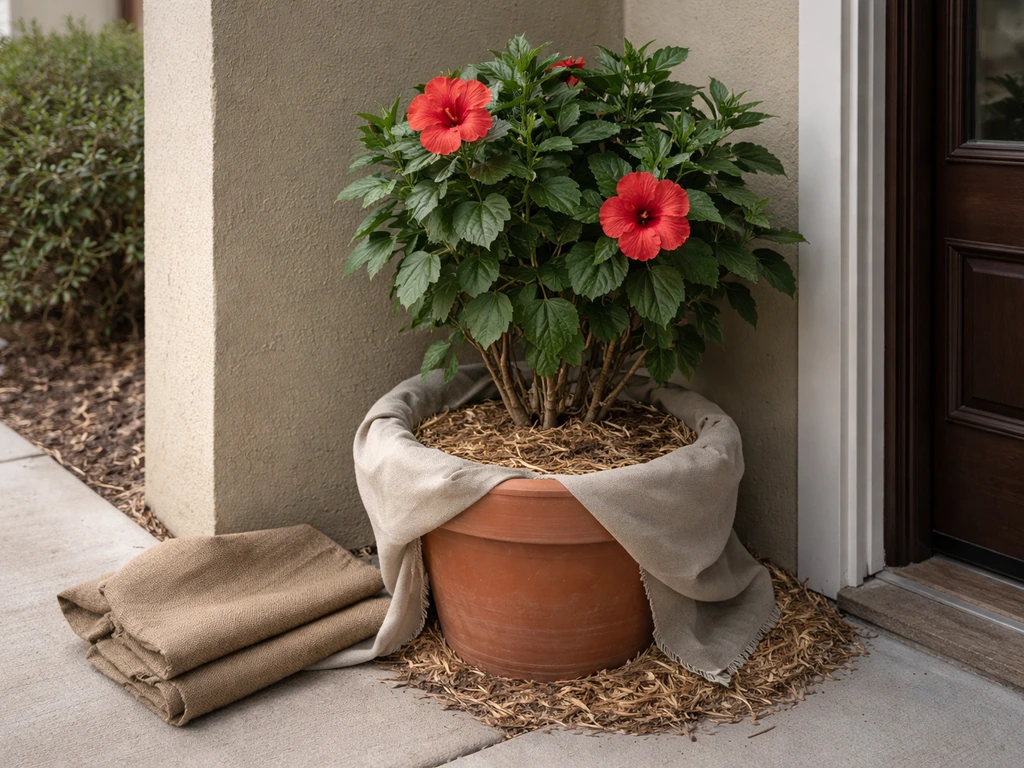
If you're in the mountains or upper Piedmont and you've fallen in love with a tropical hibiscus, you have real options. You just have to plan for them before the first frost, which in the NC mountains can come as early as mid-October.
- Grow tropical hibiscus in a large container (at least 12 to 15 inches in diameter). This makes the seasonal move inside and outside much simpler and doesn't stress the roots as much as repeated digging and replanting.
- Bring the container indoors when overnight lows approach 50 degrees Fahrenheit. Tropical hibiscus starts dropping leaves and goes into stress well before a hard freeze. A sunny indoor window or a greenhouse is ideal.
- Cut it back by about one-third before moving it inside to reduce water demands and make it more manageable. Water sparingly through winter, just enough to keep the soil from completely drying out.
- For in-ground hardy hibiscus in colder zones, apply 3 to 4 inches of mulch over the root zone after the ground cools in late fall. This insulates the crown and root system through hard freezes.
- In Zone 7a mountain areas, young or newly planted hardy hibiscus benefits from a frost cloth or burlap cover during extreme cold snaps in the first winter or two, until the root system is fully established.
- Confederate rose (H. mutabilis) in Zone 7 Piedmont areas often dies back to the ground like a herbaceous perennial and regrows from the roots. Mulch heavily and be patient. It may return even when the above-ground plant looks completely dead.
What to expect: blooming, size, and common problems in NC
When will it bloom?
Hardy hibiscus in NC typically blooms from late June through September, with peak color in July and August. Because the plant dies back completely and re-emerges late in spring (often not showing above ground until late April or May even in the Piedmont), new gardeners routinely think it's dead and fill the spot with something else. Mark the location. The plant will come back, and it will be bigger than the year before. Tropical hibiscus blooms almost continuously through the warm season, typically from May or June until the first frost.
How big will it get?
Hardy hibiscus gets large quickly. Expect 4 to 8 feet tall and wide at maturity, depending on the cultivar. Give it space. Some compact cultivars in the Summerific series stay closer to 3 to 4 feet, which works better for smaller yards. Rose of Sharon grows as a shrub, typically 8 to 12 feet tall if left unpruned, or can be maintained smaller with annual pruning. Tropical hibiscus in containers stays more contained, usually 2 to 4 feet depending on pot size.
Common setbacks to watch for
- Late emergence: Hardy hibiscus is one of the last perennials to wake up in spring. Don't assume it's dead in April or even early May. It often doesn't show until soil temperatures warm consistently.
- Japanese beetles: These hit hardy hibiscus hard in the NC Piedmont from June through August. They're a real problem and can strip leaves fast. Hand-picking or targeted sprays are the main controls.
- Whiteflies on tropical hibiscus: Especially when plants are kept indoors over winter, whitefly populations can explode. Check the undersides of leaves regularly.
- Unexpected late freezes: A late April freeze in the NC mountains can damage emerging hardy hibiscus shoots. Keep mulch in place until your last frost date, which in the mountains is typically late April to mid-May.
- Poor drainage in clay soils: Many NC Piedmont soils are heavy clay. Tropical hibiscus will rot in poorly drained clay. Amend the soil or plant in raised beds if drainage is a concern.
How NC compares to neighboring states
If you're curious how NC stacks up against its neighbors for growing hibiscus, the short answer is that NC is roughly in the middle of the regional spectrum. Yes, hibiscus can grow in Oregon too, but the best choice depends heavily on whether you select a cold-hardy type and match it to your local temperatures can hibiscus grow in Oregon.
Virginia (just to the north) has similar zone ranges but with colder mountain areas, making hardy hibiscus and Rose of Sharon the go-to options there too. Tennessee, which shares climate similarities with western NC, also leans on hardy hibiscus for reliable year-round performance. If you're wondering will hibiscus grow in Tennessee, the answer depends mostly on whether you choose hardy types or a more cold-sensitive variety.
The warmer southern and Gulf Coast states have a bigger advantage for tropical hibiscus, giving them a longer season and less need for winter protection. North Carolina's coast, though, puts it squarely in the running for that tropical look, at least in the warmest corners of the state.
Your practical next steps right now
If you're ready to pick and plant, here's how to move forward based on where you live in NC. If you are wondering, can hibiscus grow in Utah, the answer depends heavily on whether you pick a hardy type and protect it through winter. Coastal Plain gardeners can try tropical hibiscus in the ground with some confidence, but still keep tender cultivars in containers as insurance against an unusual cold winter.
Piedmont gardeners should default to hardy hibiscus for a permanent landscape plant and treat tropical hibiscus as a seasonal container plant. If you’re wondering will hibiscus grow in Tennessee, the same idea applies: choose a hardy type that matches your local winter conditions. Mountain gardeners should stick with hardy hibiscus or Rose of Sharon for reliable perennial performance, and enjoy tropical hibiscus in pots on the porch through summer. In all cases, check the zone label before you buy, give the plant full sun and decent drainage, and plan your winter strategy before the plant is already in the ground.
Do those three things and hibiscus will reward you with some of the most dramatic flowers in the NC summer garden.
FAQ
If I buy a tropical hibiscus for a North Carolina summer, can I keep it outside all winter with protection (like a blanket or cover)?
Usually no for most of the Piedmont and mountains. Light covers might prevent leaf damage but they often cannot stop root-killing cold during an unexpected hard freeze. If you want tropical hibiscus in NC, the most reliable approach is to grow it in a container and move it indoors before lows drop, or treat it as a seasonal plant unless you are in the warmest coastal microclimates and you still accept some risk.
What temperature should I treat as the cutoff for bringing tropical hibiscus indoors in NC?
A practical rule is to bring it in when nighttime lows start hovering around 30 degrees Fahrenheit. Even short drops below that can damage or kill tender plants, and different cultivars vary in tolerance. Start monitoring your forecast once fall nights consistently dip toward that range, rather than waiting for a first frost date.
Do hardy hibiscus need special winter care in North Carolina?
In most NC gardens, hardy hibiscus needs less protection than you might expect because it naturally dies back to the ground. What matters most is not disturbing the roots in fall, and avoiding waterlogged soil over winter. In spring, be patient if you do not see shoots until late April or May, especially in the mountains and upper Piedmont.
My hardy hibiscus disappeared in fall, but I’m worried it died. How can I tell if it will come back?
Look for signs at the right time rather than digging early. After the surface dies back, the plant should re-emerge slowly in late spring. If you gently scratch the soil near the crown in late April or early May and see healthy green tissue under the top growth, it is likely alive. Avoid removing or transplanting it once it has gone dormant.
How much space should I plan for hardy hibiscus in a typical North Carolina yard?
Plan for a wide, fast-growing clump. Many cultivars reach about 4 to 8 feet tall and wide, so crowding reduces airflow and can lead to fewer blooms. If you want a tighter footprint, choose a compact cultivar (like smaller Summerific-type varieties) rather than trying to prune a large one down aggressively.
Will hibiscus grow if my soil stays wet or drains poorly?
Most hibiscus dislikes standing water, even if it is tolerant once established. For hardy hibiscus, poor drainage increases the odds of winter crown rot, and for tropical types it raises root problems in containers too. If you have heavy clay, amend with compost and ensure you have good runoff, or plant slightly mounded so water drains away from the crown.
Can I grow hardy hibiscus from seed or cuttings in North Carolina, and will it still be perennial?
Yes, but how you start it affects reliability. Seed-grown plants may not match the exact flower size and color of the parent cultivar, while cuttings or purchased cultivars preserve traits and generally perform as expected for hardy hibiscus. If you want dependable “every year” results, purchase a hardy cultivar suited to your zone, and keep notes on bloom timing the first season.
Does hibiscus need full sun in North Carolina, or will part shade work?
Full sun is the safest bet for maximum blooms. Part shade can reduce flowering, and it also slows growth enough that a tropical plant might not get as established before cold weather. If you are in the hottest coastal areas, brief afternoon shade may be acceptable, but avoid deep shade that limits daily sun.
Is Rose of Sharon a good substitute if I want hardy hibiscus-like flowers but more reliability?
Rose of Sharon can be a strong alternative because it stays in place year-round and handles both mountain cold and coastal heat. It flowers reliably from midsummer into fall, and it is usually easier to maintain than hardy hibiscus. If you specifically want oversized, dinner-plate blooms, expect a different look, but overall it is one of the lowest-risk hibiscus relatives for NC landscapes.
How do I decide between planting tropical hibiscus in-ground versus using a container in NC?
Make the decision based on your risk tolerance and your local winter pattern. In the mountains and upper Piedmont, treat tropical hibiscus as a container plant so you can move it indoors. In the coastal plain, in-ground planting can work for some seasons, but keep containers as insurance if you buy tender cultivars, because a single unusual cold winter can wipe out plants.