
Yes, hibiscus can absolutely grow in Maryland, but the answer depends almost entirely on which type you're planting. Hardy hibiscus (Hibiscus moscheutos, also called rose mallow) thrives outdoors across most of the state, dies back each winter, and comes roaring back every spring. Tropical hibiscus, the kind with glossy leaves and neon blooms you see at garden centers, will not survive a Maryland winter in the ground. Get that distinction right before you buy anything, and you'll save yourself a lot of frustration.
Can Hibiscus Grow in Maryland? Hardy vs Tropical Guide
Marcus Hartwell
7 Jun 2026
Maryland's climate and hardiness zones
Maryland is a surprisingly diverse state when it comes to climate. According to the 2023 USDA Plant Hardiness Zone Map, Maryland spans roughly zones 5b through 8a. The western panhandle and mountainous areas around Garrett County sit in the colder zones (5b to 6a), where winter lows can drop to -15°F in the harshest years. Central Maryland, the Baltimore suburbs, and the DC metro area fall in zones 6b to 7a.
The Eastern Shore and areas near the Chesapeake Bay get milder winters, and parts of the far southeastern coast push into zone 7b to 8a. If you want to know your exact zone, punch your ZIP code into the USDA's interactive map. To find your USDA hardiness zone for planting decisions, use the USDA ARS 2023 Plant Hardiness Zone Map interactive ZIP-code lookup [USDA's interactive map](https://phzm-prod. ars.
usda. gov/). It matters more than any general state-level guide.
Why does this matter for hibiscus? Because the two main types of hibiscus you'll encounter have completely different cold tolerances, and Maryland's zone range puts you right in the sweet spot for one of them while making the other a non-starter for outdoor planting.
Hardy vs. tropical hibiscus: which one is for you
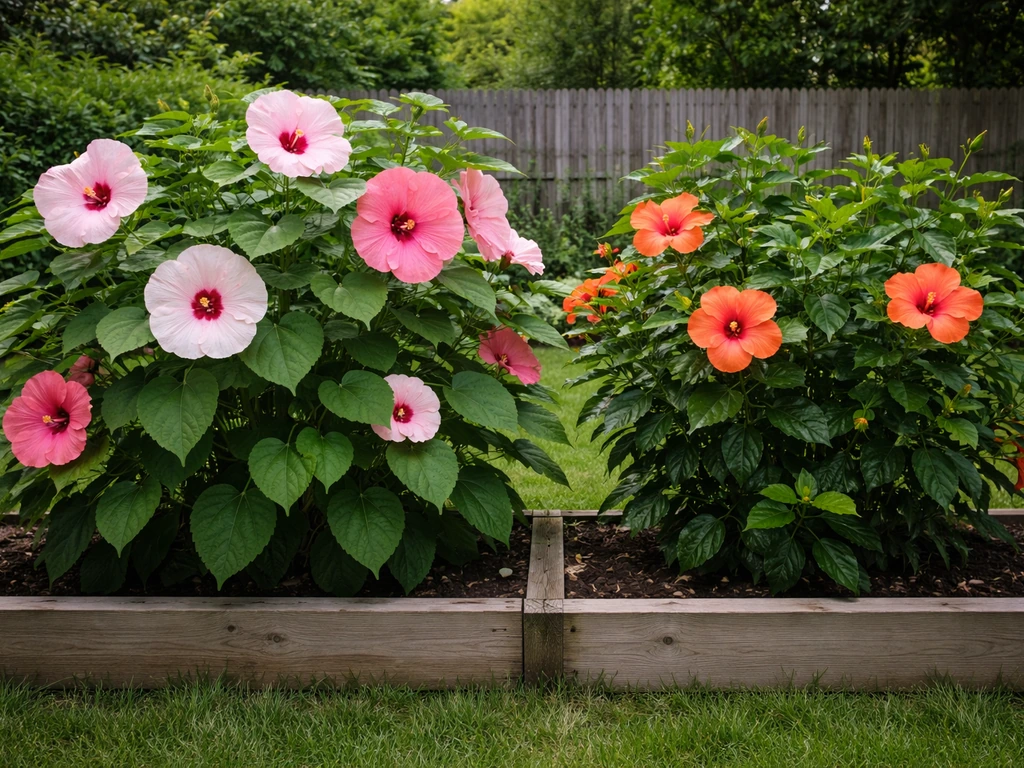
Hardy hibiscus (Hibiscus moscheutos) is rated for USDA zones 5 through 9, which covers every corner of Maryland. Yes, can hibiscus grow in Canada, but it depends on whether you choose hardy hibiscus and match it to your local winter conditions. It's actually native to the Mid-Atlantic region, found naturally in marshes and wet meadows along the Chesapeake. The University of Maryland Extension highlights it as a garden-worthy native that blooms July through September with dinner-plate-sized flowers.
It's the one you want if you're planting in the ground and walking away. Tropical hibiscus (Hibiscus rosa-sinensis) is rated for zones 10 through 12, with cold damage beginning well before Maryland's typical winter lows. It simply will not survive in the ground here, full stop.
| Feature | Hardy Hibiscus (Hibiscus moscheutos) | Tropical Hibiscus (Hibiscus rosa-sinensis) |
|---|---|---|
| USDA zones | 5–9 | 10–12 (zone 9 with frost-free conditions) |
| Survives Maryland winter outdoors | Yes, dies back and resprouts | No, will be killed by frost |
| Leaf appearance | Soft, matte, heart-shaped | Glossy, dark green |
| Bloom season in Maryland | July–September | Year-round in tropics; only while warm here |
| Best use in Maryland | In-ground perennial | Container plant, brought indoors in fall |
| Native to Mid-Atlantic | Yes | No |
If you love the look of tropical hibiscus and want to grow it in Maryland, you can do it in a container on a sunny deck. Just plan to bring it indoors before the first frost, typically mid-October in central Maryland, and keep it in a bright, warm room through winter. It's doable, but it's a commitment. For most Maryland homeowners who want something they can plant and trust, hardy hibiscus is the obvious choice.
Where to put it: sun, site, and wind protection
Hardy hibiscus needs full sun to flower well, and that means a genuine six to eight hours of direct sun per day. Part sun can work, but you'll get fewer blooms and a more open, floppy plant. In Maryland's hot, humid summers, a south or west-facing spot with good air circulation is ideal. Don't tuck it against a fence with no airflow; that kind of humid stagnation invites fungal issues.
Wind is worth thinking about too. Hardy hibiscus grows anywhere from three to seven feet tall depending on the cultivar, and the big dinner-plate flowers catch wind like a sail. If you're in the more exposed parts of Maryland, like the open fields of the Eastern Shore or a hilltop property in the western mountains, a spot with some natural windbreak behind it (a fence, shrubs, or a building) will keep stems from snapping. For gardeners in zones 5b and 6a in western Maryland, choosing a south-facing microclimate near a wall or structure that holds heat can make the difference between a plant that barely survives and one that genuinely thrives.
Getting through winter in Maryland
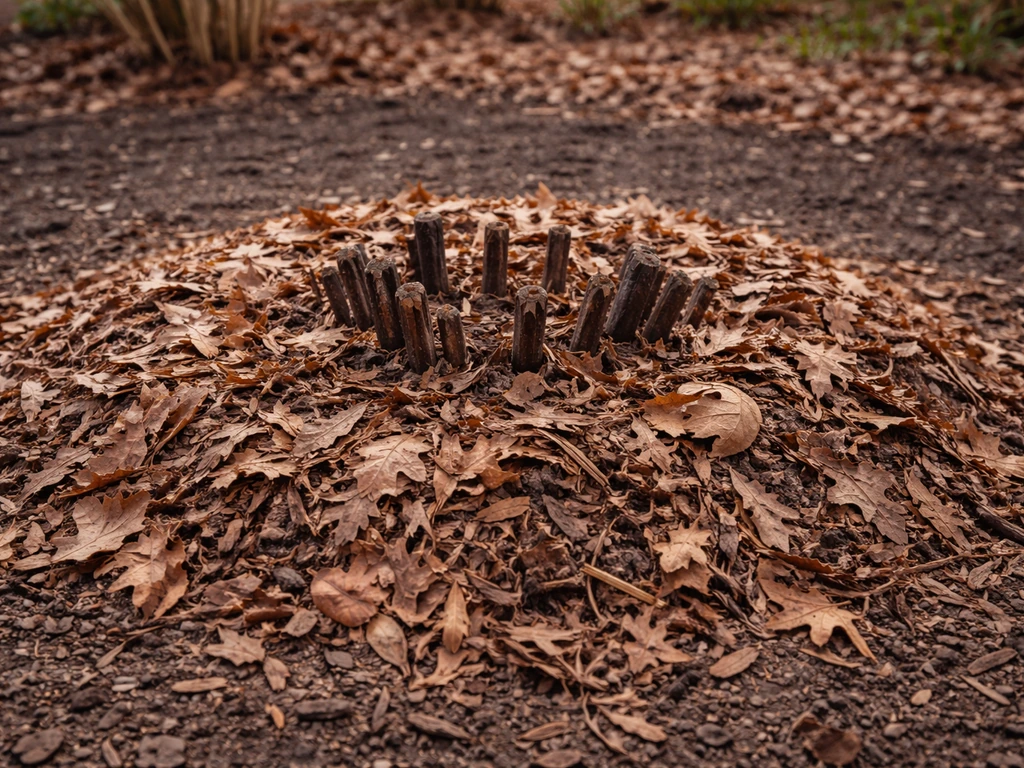
Here's what happens every year with hardy hibiscus in Maryland: the stems die back completely to the ground after the first hard frost. That's normal. It's not dead, it's just dormant. The crown survives underground, and in spring the plant will resprout. The catch is that hardy hibiscus is notoriously late to emerge. While your neighbors' hostas and daylilies are already leafing out, your hibiscus will look like a bunch of dead sticks well into May. Don't panic, and definitely don't dig it up. It's coming.
To help the roots survive winter in colder parts of the state, apply a 2 to 3 inch layer of mulch over the crown after the first hard frost in fall. This is especially worth doing in zones 5b and 6a in western Maryland. Leave the old stems standing through winter if you want; they provide some insulation and also give birds a place to perch. Then in late winter or early spring, cut the old stems back to 3 to 6 inches above ground level. Some Maryland gardeners prefer to wait until they see new growth emerging at the base in late spring before trimming, which gives the crown a little extra protection. Either approach works.
When to plant, what soil it needs, and how much to water
Plant hardy hibiscus in spring after the last frost date, which runs from late April in coastal and central Maryland to mid-May in the western mountains. Planting in spring gives the root system a full growing season to establish before its first Maryland winter. Fall planting is possible but riskier because the plant won't have time to build a strong root system before the ground freezes.
Hibiscus moscheutos is native to wet habitats, so it likes moist soil. That said, it performs best in moist, well-drained soil rather than constantly waterlogged conditions. A soil pH between 5.5 and 7.5 works fine, which covers most Maryland garden soils without amendment. If you have heavy clay (common in the Piedmont and Baltimore-area suburbs), work in compost to improve drainage. If your soil drains extremely fast, like sandy soils on the Eastern Shore, adding organic matter will help it hold moisture. Water freely during the growing season, especially during dry stretches in July and August when it's actively flowering. A 2 to 3 inch layer of mulch around the base helps keep moisture in and roots cool.
What to expect when it blooms and why it sometimes fails
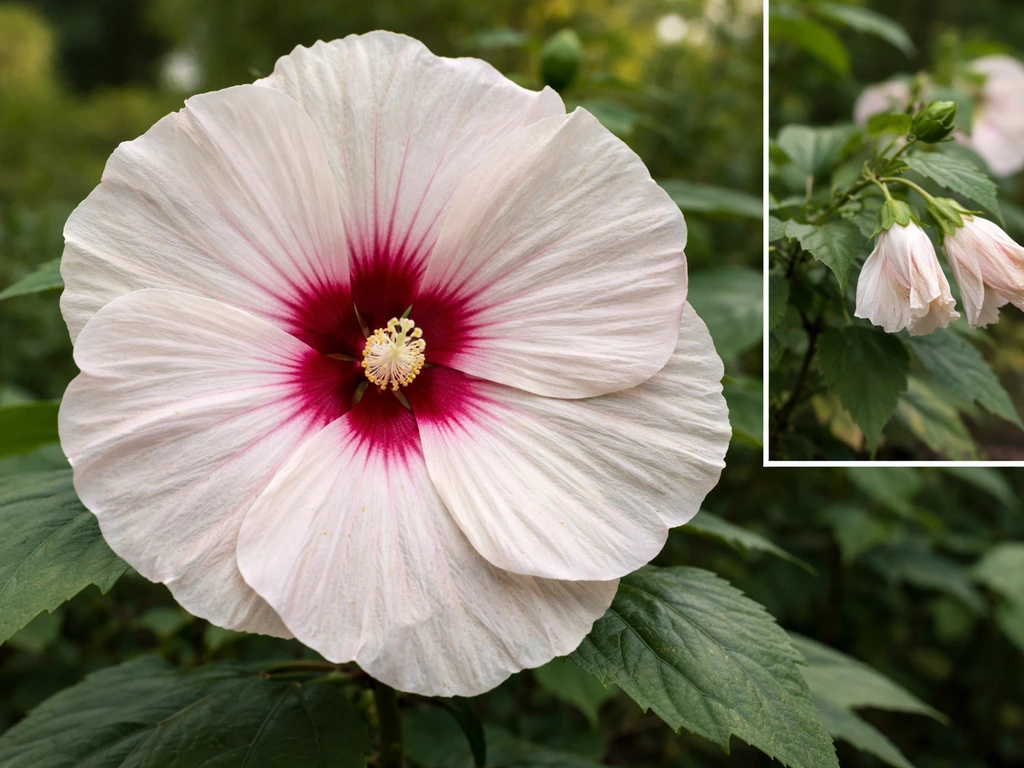
In Maryland, hardy hibiscus blooms from July through September. The flowers are enormous, sometimes reaching 10 to 12 inches across on modern cultivars, and they come in white, pink, red, and bicolor combinations. The one thing that surprises people is that each individual bloom only lasts a day or two. But a healthy plant produces buds continuously through the season, so the overall display runs for two months or more. If you only see a flower here and there and think something is wrong, check whether your plant just needs more sun or water.
The most common reasons hibiscus fails in Maryland gardens come down to a predictable short list:
- Not enough sun: less than six hours of direct sun and flowering drops dramatically
- Poor drainage: crown rot over winter is a real risk in waterlogged soil
- Mistaking dormancy for death: gardeners dig up perfectly healthy plants in May thinking they didn't survive winter
- Cold damage in zone 5b or 6a without mulching: bare crowns in the coldest western Maryland winters can winterkill without protection
- Planting tropical hibiscus in the ground: this is a complete loss after the first frost, every time
- Underwatering in midsummer: during hot, dry July weather, inadequate moisture will cause bud drop before flowers open
One more thing worth knowing: hardy hibiscus is a very late bloomer in terms of its spring emergence compared to other perennials. If you plant it next to something that peaks in May or June, you'll have a gap. Plan around it, or use it as a back-of-border plant where summer and fall color is the point.
Where to buy and what to look for
Your best bet is a local Maryland nursery or garden center that sources regionally grown plants. Plants that have been propagated and grown in the Mid-Atlantic climate are already hardened to Maryland conditions in a way that a plant shipped from a warm-climate greenhouse isn't. Look for Hibiscus moscheutos on the label, not just 'hibiscus.' Common cultivar series like 'Dinner Plate,' 'Luna,' and 'Summerific' are widely available and perform reliably in Maryland climates.
When you're at the nursery, check the hardiness zone listed on the tag. You want something rated to at least zone 6, preferably zone 5, to cover all of Maryland including the colder western areas. Avoid buying tropical hibiscus (Hibiscus rosa-sinensis) unless you specifically want a container plant and are prepared to bring it indoors each fall.
The two types often sit next to each other on the same bench at big-box stores without much distinction, so read the tag carefully. The Maryland Native Plant Society and University of Maryland Extension are also good resources for finding native-source hibiscus and locally adapted varieties. If you're in western Maryland near Pennsylvania or on the Eastern Shore near the Delaware border, the same guidance applies across those borders since the zones are comparable.
Gardeners in nearby states like Pennsylvania face very similar decisions about hardy versus tropical types, making this a regional compatibility issue rather than a Maryland-specific quirk. Gardeners in Pennsylvania face very similar decisions about which type of hibiscus to plant for reliable outdoor growth hibiscus in Pennsylvania.
Bottom line: plant hardy hibiscus (Hibiscus moscheutos) in a sunny, well-drained spot with good moisture, mulch the crown before winter, and don't give up on it in late spring when it looks dead. Hibiscus can absolutely grow in Massachusetts too, as long as you stick with hardy varieties and give them the right conditions can hibiscus grow in Massachusetts. Do those three things and you'll have one of the most dramatic flowering plants in your Maryland garden blooming reliably every summer.
FAQ
Can I grow tropical hibiscus outdoors in Maryland if I protect it with frost cloth or a wall?
Yes, but only if you’re growing hardy hibiscus (Hibiscus moscheutos). In-ground tropical hibiscus (Hibiscus rosa-sinensis) will typically die back or die outright over Maryland winters. If you want tropical hibiscus for the same bed, plan on treating it as a seasonal or container plant you move indoors before frost.
My hardy hibiscus looks dead in April, how do I tell if it’s actually gone?
Hibiscus moscheutos can look dead for weeks after winter. A good check is to wait until late spring and lightly scratch a lower stem near the soil line, healthy tissue should look green. If you see no green growth by early June, then investigate roots for rot or winter kill.
If I want hibiscus on a patio, what’s the best way to grow it in a container in Maryland?
For container growing, use a pot large enough for vigorous roots, and do not rely on a small nursery size pot for the full season. In Maryland, expect to bring the plant indoors around mid-October in central areas, and keep it in bright light with steady warmth. Also, use a potting mix that drains well so you avoid soggy roots.
My yard stays wet in spring. Will hardy hibiscus still work, or will it rot?
Hardy hibiscus can take wet soil, but it does not like being constantly waterlogged. If your yard floods or your planting hole holds water for days, improve drainage with compost and consider raised beds. Constantly saturated crowns are one of the fastest ways to lose plants in heavy clay.
Can I plant hardy hibiscus near a fence or wall to get extra warmth, and will it still bloom well?
Yes, but aim for a sunny microclimate and give it airflow. A spot with six or more hours of direct sun helps flowering, and standing right against a solid fence that blocks breeze can increase humidity around the plant. If you have limited space, use a breathable placement and keep the crown from being buried.
When is the best time to cut back hardy hibiscus in Maryland, and is it okay to leave stems over winter?
Cut it back only after dormancy and when you’re done with winter weather, many gardeners do it in late winter or early spring. Leaving stems through winter can offer a bit of natural insulation, then trimming to about 3 to 6 inches helps new growth start cleanly. Avoid cutting too early during mid-winter thaws, which can confuse emergence.
How should I mulch hardy hibiscus in Maryland so I protect it without causing crown problems?
Mulch should cover the crown, not choke it. Use a 2 to 3 inch layer after the first hard frost, then pull it back slightly if the crown area stays wet or you see signs of rot. In very wet areas, consider monitoring mulch thickness closely rather than piling it higher.
My hardy hibiscus grows but barely flowers in Maryland. What are the most likely reasons?
If it doesn’t bloom, the usual causes are insufficient sun, inconsistent moisture during bud set, or too much nitrogen that drives leafy growth. Check that the plant is getting at least 6 hours of direct sun, water during July and August dry spells, and avoid high-nitrogen feeding late in the season.
Can I propagate hardy hibiscus in Maryland, and when should I divide or take cuttings?
Propagation from cuttings is possible but is less reliable than dividing established clumps for hardy hibiscus. Dividing works best in spring when new growth is starting, and you should keep divisions evenly moist while they establish. If you’re trying to keep the same cultivar, confirm your plant’s identity first.