
Yes, hibiscus can grow in New England, but which type you choose makes all the difference. Because Minnesota’s winters can be harsh, blank" rel="noopener noreferrer">hardy hibiscus is usually the best bet, while tropical hibiscus typically needs overwintering indoors hibiscus can grow in New England. If you're wondering can hibiscus grow in Pennsylvania, the answer depends mainly on whether you choose hardy hibiscus for winter survival or keep tropical hibiscus as a container plant hibiscus can grow in New England.
Can Hibiscus Grow in New England? Hardy vs Tropical Guide

Marcus Hartwell
16 May 2026
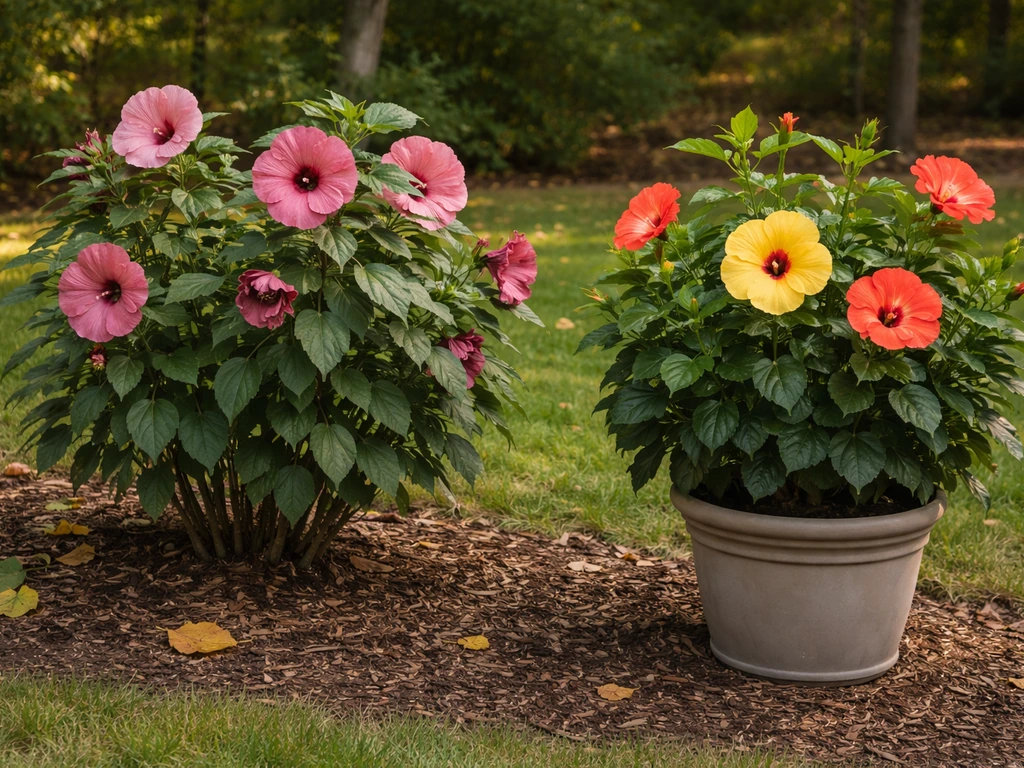
Hardy perennial hibiscus (Hibiscus moscheutos) will come back every year in the ground across most of New England. Tropical hibiscus (Hibiscus rosa-sinensis) will not survive a New England winter outdoors, full stop, but it works beautifully as a container plant if you're willing to bring it inside when temperatures drop. The short version: plant hardy hibiscus in the ground, grow tropical hibiscus in pots.
Which hibiscus type can you actually grow here?
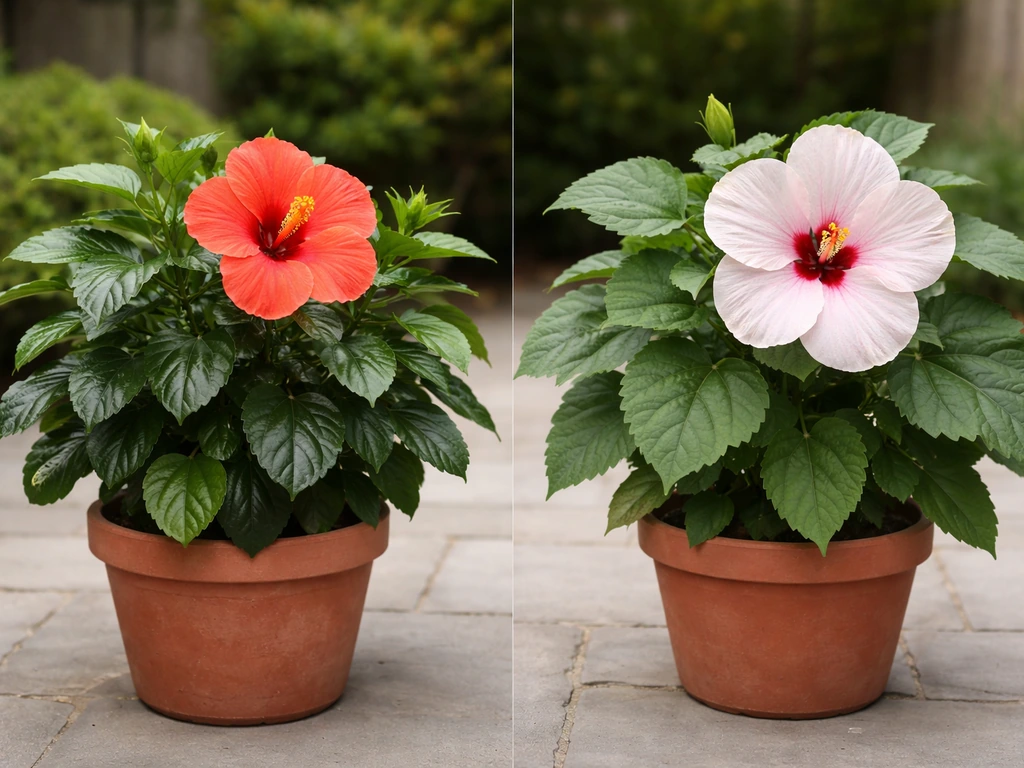
Most people searching for hibiscus are picturing one of two very different plants. The tropical hibiscus, Hibiscus rosa-sinensis, is the one with glossy leaves and those bold, dinner-plate blooms you see at garden centers every summer. The other is hardy perennial hibiscus, Hibiscus moscheutos (also called rose mallow), which looks similar but is built for cold climates. Getting these two straight before you buy anything is the most important step.
| Type | Botanical Name | Hardiness Zones | New England Verdict |
|---|---|---|---|
| Hardy/Perennial Hibiscus | Hibiscus moscheutos | Zones 4–9 (some cultivars to Zone 3) | Yes, grows in-ground across most of New England |
| Tropical Hibiscus | Hibiscus rosa-sinensis | Zones 8–11 | No in-ground survival; container only with winter indoor storage |
New England's climate and what it means for hibiscus
New England spans USDA hardiness zones 4 through 7, depending on where exactly you are. Northern Maine sits firmly in Zone 4, with winters regularly hitting -20°F to -30°F. Coastal Connecticut and Rhode Island can reach Zone 7a or 7b, where temperatures rarely drop below 0°F. The Boston area is generally Zone 6b. Most of Vermont, New Hampshire, and inland Maine falls in Zones 4 to 5. That range matters enormously for what can survive in the ground year-round.
Beyond the cold, New England's summers are relatively short, humid, and warm enough that hibiscus (both types) will bloom vigorously during the growing season. The problem is never summer performance. It's always winter survival. The first and last frost dates also compress the growing window significantly, especially north of Boston, which means late-emerging perennials like hardy hibiscus need a full season to establish before they can shrug off their first hard freeze.
Cold hardiness: in-ground versus container, and how to overwinter each
Hardy hibiscus in the ground
Hardy hibiscus (Hibiscus moscheutos) is rated for Zones 5 to 9 by NC State Extension, and some cultivars like 'Lord Baltimore' push hardiness down to Zone 4. NC State Extension) rates hardy hibiscus (Hibiscus moscheutos) for Zones 5 to 9, with some cultivars reaching Zone 4. That means in-ground planting is realistic across essentially all of New England except the coldest pockets of northern Maine. The plant dies back to the ground every fall, and that is completely normal.
Do not dig it up thinking it's dead. The roots are what matter, and they're insulated underground all winter. In spring, new growth emerges late, often not until May or June, which frequently startles gardeners into thinking the plant didn't make it. Give it time.
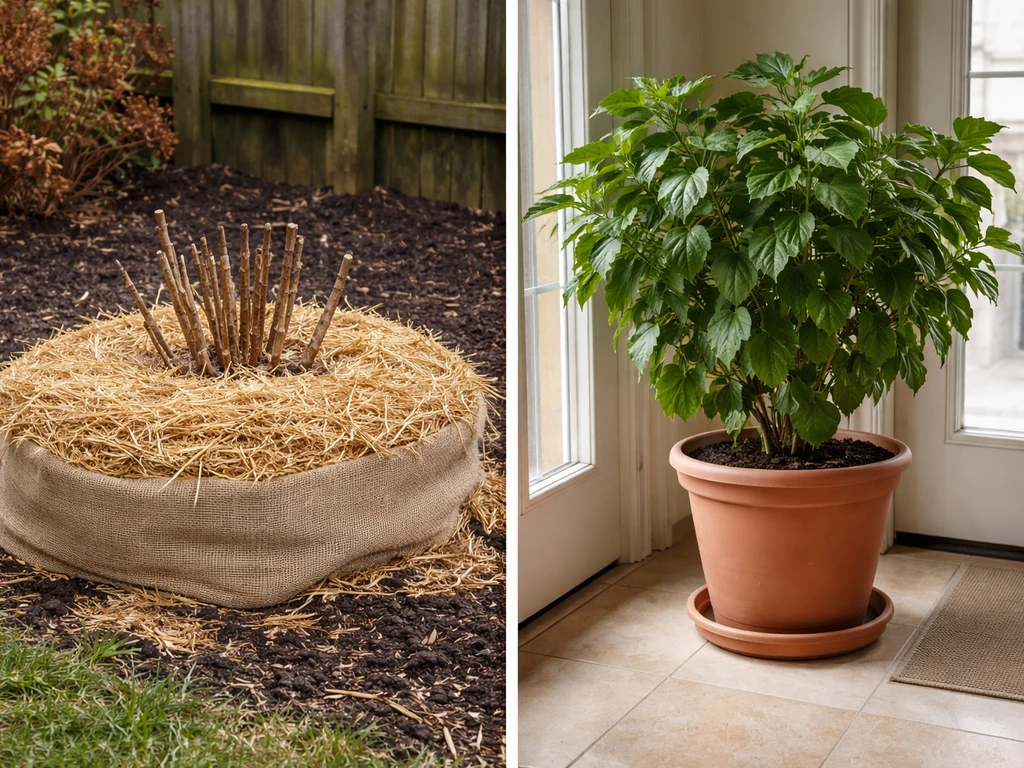
To give in-ground hardy hibiscus the best chance through a New England winter, mulch the crown with 4 to 6 inches of straw or shredded leaves after the ground freezes in late fall. This buffers the roots from the freeze-thaw cycles that do the most damage. In Zone 4 or colder spots in Zone 5, choose only the hardiest cultivars and consider planting near a south-facing wall or fence for added warmth.
Tropical hibiscus in containers
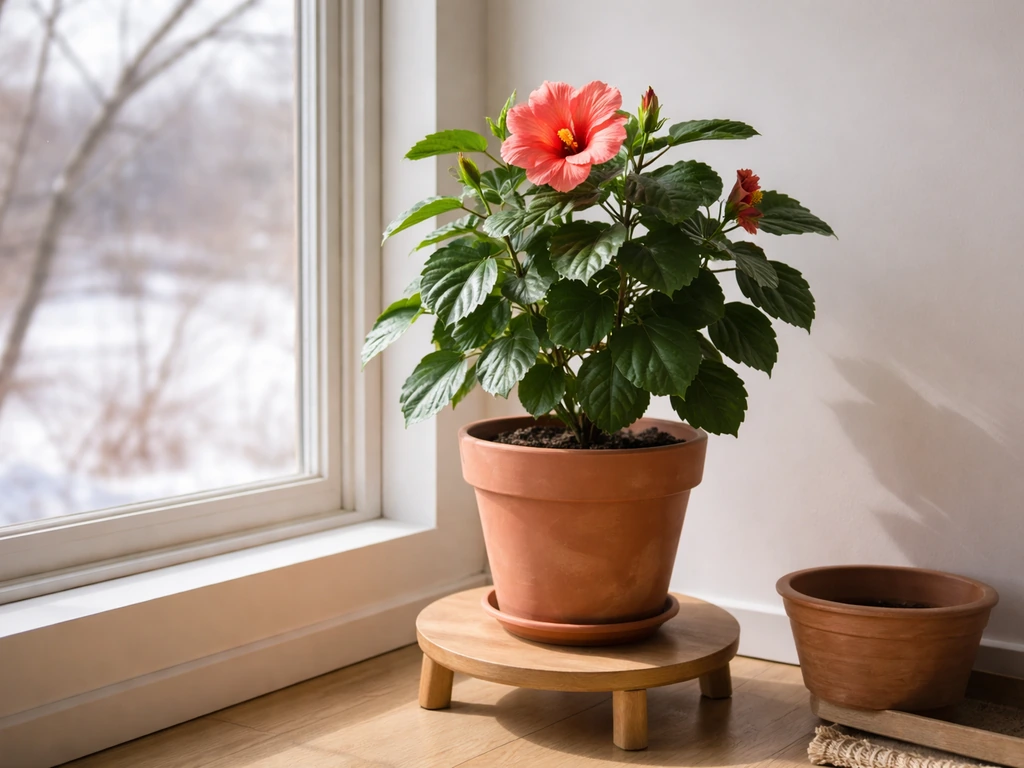
Tropical hibiscus (Hibiscus rosa-sinensis) is hardy only in Zones 9 to 11, which is Florida and Hawaii territory. In New England, the moment temperatures drop below about 50°F consistently, this plant starts struggling. Below freezing, it dies. The only workable strategy here is container growing, which actually works quite well. Grow it outdoors from late May through September, then bring it inside before the first frost, typically around mid-October in southern New England and earlier further north.
Indoors, tropical hibiscus needs a bright south or west-facing window and temperatures above 55°F. It will likely drop most of its leaves when you bring it in because of the light change, but it usually recovers once it adjusts. Cut it back by about a third before bringing it in, reduce watering, and stop fertilizing until late winter. Then start coaxing it back to life in February or March with warmth and gradually increasing water. By the time it goes outside again in late May, it should be ready to put on a show all summer.
Best varieties to try in New England
For in-ground planting, stick with proven hardy hibiscus cultivars. These are the varieties most likely to survive and thrive in New England winters without heroic effort.
- 'Lord Baltimore': Deep red blooms, one of the hardiest options available, rated to Zone 4 by some sources. A dependable choice for northern New England.
- 'Kopper King': Huge pale pink or white flowers with a red eye, striking bronze-purple foliage. Zones 4–9.
- 'Luna' series: Compact plants (2 to 3 feet) with large flowers in red, pink, white, and bicolors. Good for smaller yards and reliably hardy to Zone 5.
- 'Summerific' series: Bred specifically for cold-climate performance, with rich colors and strong stems. Zones 4–9.
- 'Blue River II': White flowers up to 10 inches across, vigorous grower, Zone 5 hardy.
For container tropical hibiscus, almost any cultivar works since you're bringing it indoors anyway. Standard single-flowered types are a bit easier to manage than double-flowered ones. Look for compact varieties if you're short on indoor storage space, since large plants become challenging to overwinter in a typical home.
Site and microclimate tips that actually make a difference
Where you plant hardy hibiscus matters almost as much as which variety you choose. A south or southeast-facing spot that gets full sun (at least 6 hours) and is sheltered from prevailing northwest winter winds gives roots a warmer microclimate and extends the effective growing season by a couple of weeks on each end. Planting near a masonry wall, a stone patio, or the south side of your house creates a heat sink that can effectively bump your microzone up by half a zone or more.
Drainage is the other factor that kills more hibiscus than cold ever does. Hardy hibiscus tolerates moist soil but hates waterlogged roots, especially going into winter. Avoid low spots where water pools. If your soil is clay-heavy (common in much of New England), amend the planting area with compost and consider raising the bed slightly to ensure water moves away from the crown. In coastal areas of Connecticut or Rhode Island, you're working with a more forgiving climate overall, and you may find tropical hibiscus in containers makes it through winter indoors more easily due to milder autumn temperatures.
Gardeners in similar cold-winter states face the same tradeoffs: Massachusetts residents often deal with the same Zone 5 to 6 range that shapes most of New England's hibiscus potential, and the strategies that work there translate directly across the region. Maryland typically falls into USDA hardiness zones 6 to 8, which means hardy hibiscus is usually a good fit if you choose the right spot and protect it in winter can hibiscus grow in maryland. For more details on whether you can hibiscus grow in Massachusetts, focus on choosing hardy varieties for in-ground planting or plan on overwintering tropical hibiscus indoors.
When to buy, when to plant, and what to do first
For hardy hibiscus, plant in spring after your last frost date, which ranges from mid-April in coastal Connecticut to late May in much of Vermont and Maine. Buying locally from a New England garden center means the plants have already been hardened off for your climate. If you're ordering online, request bare-root plants or potted plants in spring, not fall. Hardy hibiscus establishes its root system during the first summer, which is what carries it through the first winter, so the earlier in the season you get it in the ground (after frost risk passes), the better.
For tropical hibiscus in containers, you can buy them starting in April or May when garden centers stock them, but wait until late May or early June to put them outside. One cold night below 45°F sets them back significantly. Start them in a warm, sunny spot indoors or on a protected porch for a couple of weeks to harden off before full outdoor exposure.
- Choose hardy hibiscus (Hibiscus moscheutos) for in-ground planting; choose tropical hibiscus (Hibiscus rosa-sinensis) only if you're committed to container growing and indoor overwintering.
- Pick a planting site with full sun, good drainage, and wind protection, ideally on the south or southeast side of a structure.
- Plant hardy hibiscus after last frost, mulch the crown in late fall with 4 to 6 inches of straw or shredded leaves, and be patient in spring when it's slow to emerge.
- Bring tropical hibiscus indoors before the first frost, cut it back, reduce water, and give it the brightest window you have.
- For Zone 4 gardens in northern New England, prioritize the hardiest cultivars like 'Lord Baltimore' or the 'Summerific' series and give extra winter mulch protection.
FAQ
If I plant hardy hibiscus in New England, will it survive even if it dies back to the ground each fall?
Yes. Dieback to the soil level is normal for hardy hibiscus, the crown and roots are what survive the winter. The main tell is new shoots emerging late in spring, often not until May or June. Avoid digging it up, and wait to prune until you see live growth.
How do I tell whether my hibiscus is a truly hardy variety or a mislabeled tropical one?
Check the scientific name and cultivar. Hardy perennial hibiscus is Hibiscus moscheutos (rose mallow). Tropical hibiscus is Hibiscus rosa-sinensis (often sold with glossy leaves and very large, showy blooms). If the label says only “hibiscus” with no species, ask the seller for the exact variety before buying.
What is the biggest mistake people make with hardy hibiscus in New England?
Overwatering or planting in a low, water-retentive spot. Hibiscus can tolerate moisture in the growing season, but waterlogged roots going into winter are a common failure. Improve drainage with compost, consider raising the bed, and keep the crown area from staying soggy after rains.
Do I need to protect hardy hibiscus with mulch before the ground freezes or after?
After the ground freezes is best, 4 to 6 inches of straw or shredded leaves over the crown helps buffer freeze-thaw swings. Putting thick mulch on too early can keep the crown too warm and wet, which may increase rot risk.
Can I grow tropical hibiscus outdoors during summer in New England if I bring it inside before frost?
Yes, as long as you treat it as a warm-season container plant. The critical threshold is consistent cool weather, once nights start dropping into the 40s or below it can struggle. Use a sheltered spot, and move it indoors when temperatures threaten, not just on the first frost date.
Should I keep tropical hibiscus in a large pot or a smaller one for easier overwintering?
Either can work, but large pots are harder to store and can stay wet too long indoors. A moderately sized container with good drainage usually overwinters more predictably. If you use a very large pot, prioritize a fast-draining mix and ensure the pot does not sit in runoff water.
How much light does an overwintering tropical hibiscus need indoors?
Expect it to do best with a bright south or west window and steady light. If leaf drop happens after moving it inside, that’s common during the light shift. It usually recovers when light and warmth improve, but dark locations often lead to prolonged decline.
What temperature should I aim for when tropical hibiscus is inside for winter?
Keep it above about 55°F. Colder indoor temperatures make leaf drop worse and slow recovery. If your home has cooler rooms, choose a warmer spot near the brightest window and avoid drafts from doors or leaky vents.
Can I prune hardy hibiscus or tropical hibiscus before winter?
For hardy hibiscus, avoid heavy pruning late in the season, since you want the plant to naturally go dormant. For tropical hibiscus, the article recommends a cutback before bringing it indoors (about a third) to reduce stress and manage space, then delay fertilizing until late winter.
When can I expect blooms from hardy hibiscus in New England, and why might they be late the first year?
Blooms often come later than you expect because hardy hibiscus is slow to emerge, especially in colder zones. In the first growing season, it also prioritizes establishing a root system, so the earliest growth may not look promising. Give it time before assuming it failed, and ensure full sun and proper drainage.
Where exactly should I plant hardy hibiscus if my yard has clay soil?
Avoid planting in pooling areas and consider a raised bed or mound so water drains away from the crown. Mix in compost to loosen the planting area and improve water movement. Even with mulch, clay-heavy ground that stays wet increases the odds of winter root problems.