
Yes, hibiscus can grow in Massachusetts, but the answer depends almost entirely on which type you buy. Can hibiscus grow in Pennsylvania? Yes, but it depends on whether you choose hardy or tropical hibiscus. Get the right one and you'll have a stunning, reliable plant that comes back every year. Hardy hibiscus is the type most likely to grow in Canada, but success still depends on your specific winter zone and how much protection you provide. Get the wrong one and you'll be puzzling over a dead stick in May wondering what went wrong. The short version: hardy hibiscus is a genuine perennial in Massachusetts and will survive your winters. Tropical hibiscus is not winter-hardy here and needs to come indoors or be treated as an annual. Let's break that down so you know exactly what you're working with.
Can Hibiscus Grow in Massachusetts? Hardy, Tropical, Tips

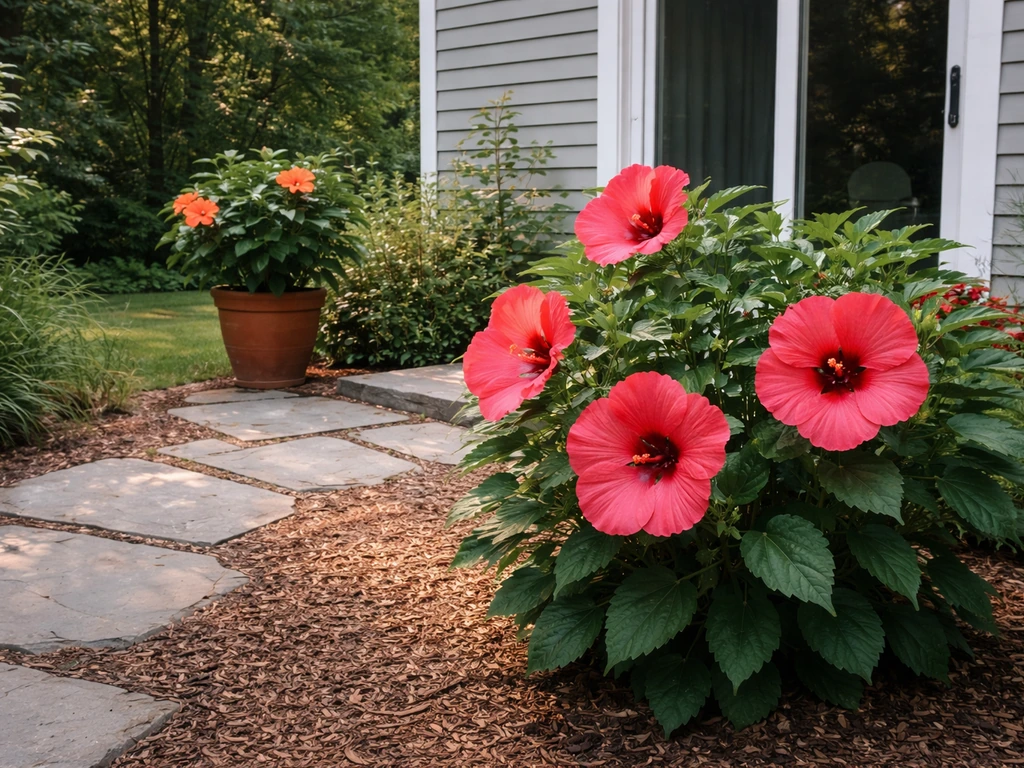
Hardy vs. Tropical Hibiscus: The Answer Depends on Which One You Have
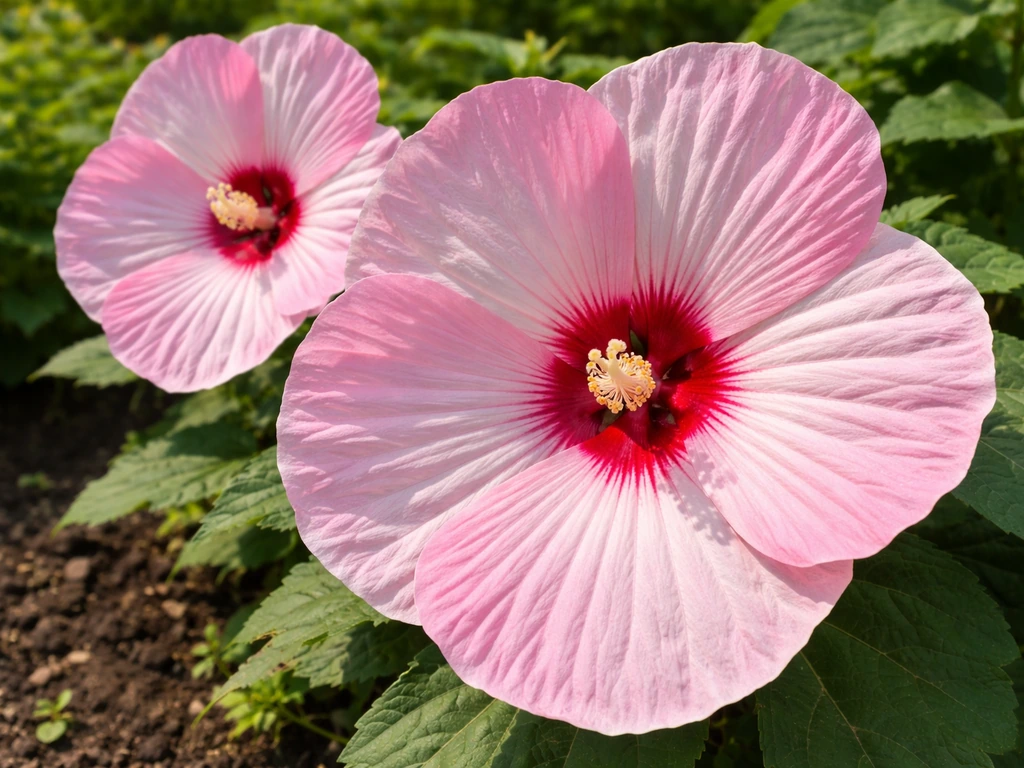
Hardy hibiscus (Hibiscus moscheutos, also called rose mallow or swamp rose mallow) is rated for blank" rel="noopener noreferrer">USDA Zones 4 to 9. Massachusetts spans roughly Zone 5a in the Berkshires up to Zone 7b on Cape Cod and the coastal southeast, so hardy hibiscus fits comfortably across the entire state. USDA explains how to interpret the zone map, including that zone numbers like 7a and 7b reflect 5°F increments within the broader zone group blank" rel="noopener noreferrer">interpret the zone map (7a and 7b reflect 5°F increments). It's a true perennial here. It dies back to the ground in winter, sits dormant until late spring, and then pushes up fresh growth and blooms from July through September. Plate-sized flowers are common. This is the one you want if you're planning a permanent landscape planting.
Tropical hibiscus (Hibiscus rosa-sinensis) is a different story. It's rated for Zones 9 to 11 only, which means it cannot survive a Massachusetts winter outdoors under any circumstances. You'll see it sold everywhere in summer as a container plant or patio specimen, and it's beautiful. But once temperatures drop below freezing it's in serious trouble, and Massachusetts winters regularly see lows well below that. If you want tropical hibiscus, plan to bring it indoors before the first frost or treat it as a seasonal annual and replace it each year.
| Type | Scientific Name | USDA Zones | Winter-Hardy in MA? | Best Use in MA |
|---|---|---|---|---|
| Hardy Hibiscus | Hibiscus moscheutos | 4–9 | Yes, statewide | Permanent landscape perennial |
| Tropical Hibiscus | Hibiscus rosa-sinensis | 9–11 | No | Container/annual or overwinter indoors |
| Rose-of-Sharon | Hibiscus syriacus | 5–9 | Yes, statewide | Shrub alternative, very reliable in MA |
What Massachusetts Climate Actually Means for Hibiscus
Massachusetts isn't one uniform climate. The Berkshires in the west run Zone 5a, with average winter lows around -20°F to -15°F at the colder end. Central Massachusetts, including Worcester, sits around Zone 6a to 6b. Boston and the eastern suburbs are Zone 6b to 7a. Cape Cod and the Islands push into Zone 7a to 7b, the mildest zone in the state. Hardy hibiscus handles all of these zones without issue.
Frost timing matters too, especially for tropical hibiscus in containers. Boston's average last spring frost falls around April 10, with the first fall frost arriving around November 3. Worcester's last frost window runs a little later, typically April 21 to 30. That gives you a reliable outdoor growing season of roughly six months in most of the state, which is plenty of time for hardy hibiscus to establish, grow, and bloom. It's also enough time to enjoy tropical hibiscus on a patio through the warm months if you're willing to manage the indoor transition each fall.
One thing Massachusetts has going for it with hardy hibiscus is summer humidity and moisture. Hibiscus moscheutos naturally grows in wet meadows and along stream banks, and it loves the kind of warm, humid summers Massachusetts delivers. If you pick a good site, this plant thrives here.
Picking the Right Spot in Your Yard
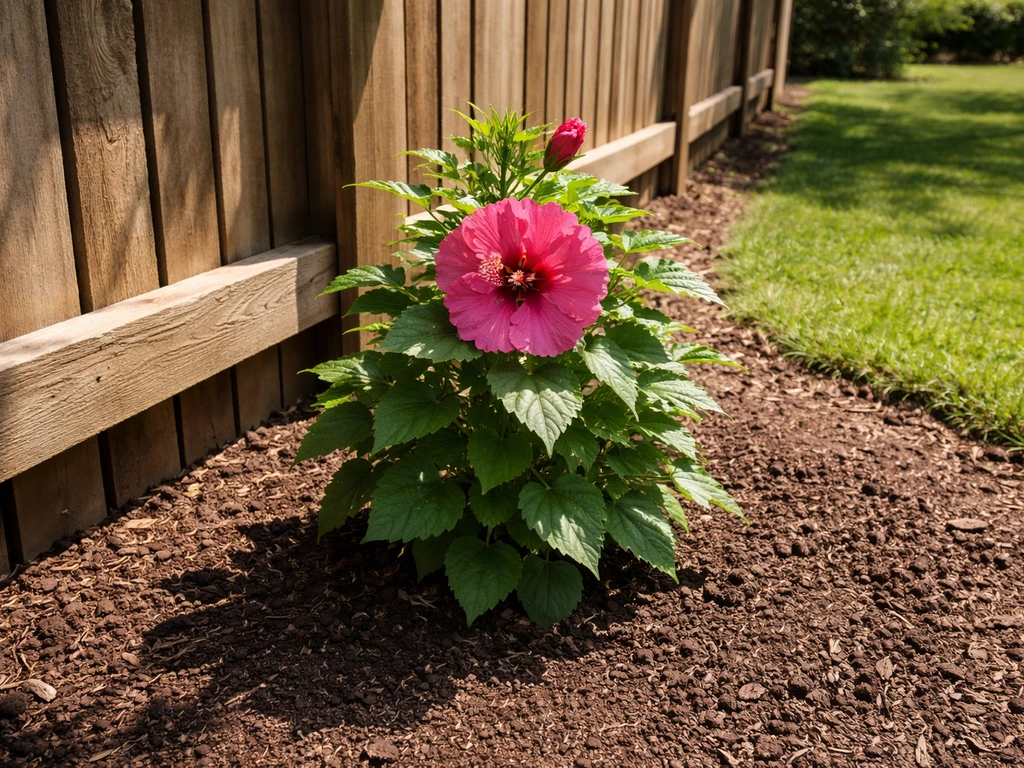
Sun is the biggest factor. Hardy hibiscus wants full sun, meaning at least 6 hours of direct sunlight daily. Plants in partial shade will grow but will bloom weakly and stay smaller than they should. If you're putting this in a spot that gets morning sun and afternoon shade, expect a disappointing show. A south or west-facing bed with no tree canopy overhead is the ideal setup.
Wind protection matters more than most people realize. Hardy hibiscus grows tall, often reaching 3 to 7 feet, and those big stems can catch wind hard. Site it near a fence, wall, or established shrubs that block prevailing winds, but make sure air can still circulate around the plant to reduce disease pressure. A dead-air corner against a building isn't ideal either.
Soil and drainage deserve real attention. Hibiscus moscheutos prefers moist, consistently watered soil with a slightly acidic pH. It will tolerate wet conditions better than most ornamental perennials. What it won't tolerate is high soil pH. Alkaline soil causes chlorosis, where leaves turn yellow between the veins and the plant looks sick all season. If your soil is on the alkaline side, amend it or grow in raised beds or containers where you control the pH. Test your soil before planting if you're not sure. Standard Massachusetts garden soil tends toward slightly acidic, which works in your favor.
Getting Hibiscus Through a Massachusetts Winter
Hardy Hibiscus in the Ground
Hardy hibiscus dies back to the ground every fall and regrows from the root system each spring. Your job in fall is simple: cut the stems back after frost kills the foliage, and apply a 3 to 4 inch layer of mulch over the crown. Shredded bark, straw, or leaf litter all work well. In Zone 5 Berkshire locations, pile the mulch a bit thicker. Pull it back in spring once the soil starts warming. Don't panic if nothing appears until late May or even early June. Hardy hibiscus is one of the last perennials to emerge in spring, and many gardeners have pulled up what they thought was a dead plant only to see new buds pushing from the roots two weeks later.
Tropical Hibiscus in Containers
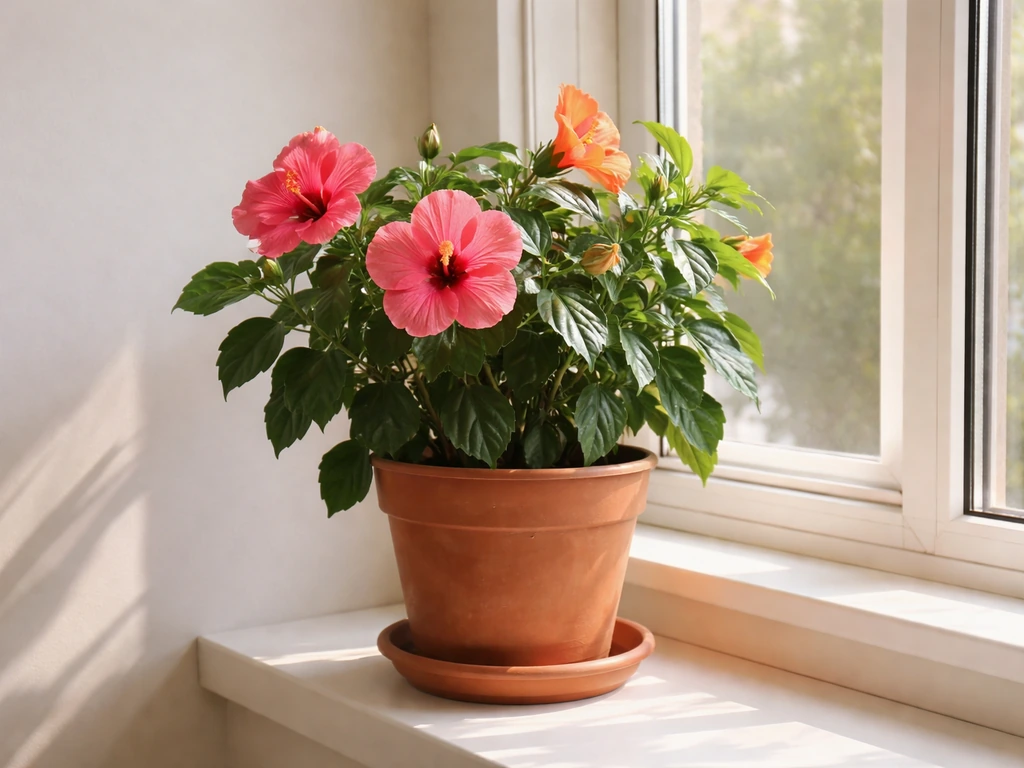
Bring tropical hibiscus indoors before the first hard frost, which in Boston means before early November and in Worcester by late October to be safe. Give it the brightest window you have, ideally a south-facing window or under supplemental grow lights. Reduce watering significantly during winter since the plant is in a low-light, slow-growth phase, but don't let the roots dry out completely. Hold off on fertilizing until you see new growth in late winter or early spring. When you start seeing active growth, increase water and resume a balanced fertilizer. Before bringing the plant inside, inspect it carefully for pests, especially spider mites and scale, which can spread to other houseplants.
Come April, once nighttime temperatures are reliably above 50°F, you can start transitioning tropical hibiscus back outside. Harden it off gradually over one to two weeks rather than moving it straight from indoors to full sun. The shock of direct outdoor sun after a winter inside can scorch leaves quickly.
How to Buy the Right Hibiscus in Massachusetts
The biggest trap at the nursery is the word 'hibiscus' on the label, full stop. Both hardy and tropical hibiscus get sold under that name, sometimes right next to each other on the same bench. The label check you need to do is look for the species name. If it says Hibiscus moscheutos or carries words like 'hardy hibiscus,' 'rose mallow,' or 'perennial hibiscus,' you have the winter-hardy type. If the tag says Hibiscus rosa-sinensis or just shows glossy leaves and a Zone 9 or 10 rating, that's tropical.
Hardy hibiscus is widely available at Massachusetts garden centers and big-box stores from late spring onward. Look for cultivar names like 'Luna,' 'Disco Belle,' 'Lord Baltimore,' or 'Kopper King.' These are all Hibiscus moscheutos selections with proven performance and are commonly found in New England nurseries. Buy plants that look stocky and healthy rather than tall and leggy, and plant them after your last frost date, which for most of the state means mid-April to mid-May depending on your location.
If you specifically want tropical hibiscus for summer color in pots, that's a perfectly reasonable choice too. Just buy it knowing you're either replacing it annually or committing to indoor overwintering. Pick a compact cultivar if you're growing in containers, since some tropical hibiscus plants can get quite large and become difficult to move.
Why Hibiscus Fails in Massachusetts (And What to Do About It)
The most common failure with hardy hibiscus is thinking the plant died over winter when it's actually just slow to emerge. Hardy hibiscus comes up very late compared to most perennials. If your hostas, daylilies, and coneflowers are all leafing out and there's still no sign of your hibiscus in mid-May, wait. It can push growth as late as early June. Scratch the stem near the soil to check if the tissue is green inside. If it is, the plant is alive. If it's completely brown and hollow throughout, then it didn't make it.
Actual winter kill in hardy hibiscus is uncommon in most of Massachusetts but can happen in Zone 5 locations during severe winters without adequate mulch. Plants in their first winter are most vulnerable because the root system hasn't fully established. Mulch generously in year one.
Poor flowering is almost always a sun problem. Hardy hibiscus planted in too much shade will grow leaves but produce few or small blooms. Move the plant to a sunnier location if you have that option, or cut back overhanging branches. Nutrient-poor or highly alkaline soil can also reduce flowering. A soil test will tell you if pH is the issue.
With tropical hibiscus kept indoors over winter, the two most common failure modes are overwatering (which causes root rot) and insufficient light (which causes bud drop and bare, weak stems). If your indoor hibiscus is dropping buds and leaves, it almost certainly needs more light or warmer temperatures. If it's yellowing and mushy at the base, overwatering is the likely culprit. Reduce water immediately and check that the pot has good drainage.
What to Grow Instead If Hibiscus Isn't Working for Your Yard
If your yard doesn't have the sun, moisture retention, or soil conditions that hibiscus needs, there are several alternatives that deliver a similar visual impact in Massachusetts without the fuss.
- Rose-of-Sharon (Hibiscus syriacus): A closely related shrub that's fully winter-hardy in Zones 5 to 9, so it covers the entire state. It blooms in late summer with flowers that look like smaller versions of hibiscus blooms. It's drought-tolerant once established and far less demanding about soil moisture than Hibiscus moscheutos. Very reliable in Massachusetts.
- Swamp Rose (Rosa palustris): A native shrub that tolerates wet soil and delivers attractive pink blooms in summer. Good choice if your site is too wet even for hibiscus.
- Phlox paniculata (Garden Phlox): Large late-summer flower heads, full sun performer, Zone 4 to 8, and a staple of New England gardens. Doesn't have the dinner-plate blooms but provides bold summer color reliably.
- Canna: Not a perennial in Massachusetts but widely used as a summer annual for tropical, bold foliage and flowers. Grow it in containers alongside tropical hibiscus for a cohesive summer patio look.
- Bee Balm (Monarda): A native perennial that loves the same moist, sunny conditions as hardy hibiscus and blooms mid-to-late summer with showy flowers that attract pollinators. Extremely reliable in New England.
If your interest in hibiscus is specifically about late-summer, bold-flowered perennials for a Massachusetts landscape, hardy hibiscus and rose-of-Sharon are genuinely the most practical first choices. They're not difficult, they're just specific about sun and moisture. Get those two things right and you'll have a showstopping plant. If you're exploring hibiscus in other nearby states or New England regions, the zone considerations shift slightly, with southern neighbors like Maryland offering slightly more flexibility for borderline-hardy types, while northern areas face the same late-spring emergence and overwintering calculus you'll manage here in Massachusetts. If you are wondering about New England specifically, focus on hardy hibiscus and match it to your zone and winter protection needs. With the slightly milder conditions in Maryland, hardy hibiscus is often a workable choice, especially if you match the plant to the right zone can hibiscus grow in maryland.
FAQ
When should I cut back hardy hibiscus in Massachusetts, and how much mulch is enough?
Hardy hibiscus can be cut back to about 6 to 12 inches after the first killing frost, but wait until the foliage has fully blackened, so the plant can finish sending energy back into the roots. For winter, the key is mulch thickness over the crown, not just stem trimming. In Cape Cod and the Islands, you can usually use the standard mulch layer, but in colder Berkshire pockets you should go thicker to buffer extreme temperature swings.
Can hardy hibiscus grow in pots in Massachusetts, and will it survive winter in the container?
Yes, but hardy hibiscus will take longer to establish in a container, and it needs consistent moisture, not drought cycles. Use a pot with excellent drainage, keep it in full sun, and plan on more frequent watering than in-ground plants during summer. For winter, containers generally need extra insulation, such as wrapping the pot and keeping it sheltered from freeze-thaw wind, otherwise the root mass can be vulnerable even though the plant is zone-rated.
What’s the most common reason hardy hibiscus blooms poorly in Massachusetts, and how should I fertilize?
If you want hibiscus to bloom reliably, feed based on what the plant is telling you, not a calendar. In Massachusetts, many gardeners get fewer blooms from either too much shade or overly rich, nitrogen-heavy soil that encourages leaves over flowers. Use a balanced fertilizer sparingly in spring and switch to a lower-nitrogen approach once buds form, and if your soil runs alkaline, focus on correcting pH rather than adding more fertilizer.
Can I propagate hardy hibiscus, and is division or seed better for Massachusetts?
You can propagate hardy hibiscus, but the easiest method for most home gardeners is dividing established clumps in spring, after you can clearly see new shoots. Avoid dividing late in the season, because new divisions may not root in time for Massachusetts winters. Seeds are possible but can take longer to reach bloom size and may not match the exact cultivar.
How much spacing and airflow does hardy hibiscus need when planting in a Massachusetts garden?
For hardy hibiscus, aim for spacing that allows airflow because disease is more likely when plants are crowded, especially in humid summers. In general, give each plant enough room to reach its mature width without touching neighboring stems, which is often more space than people think. If you’re planting multiple clumps, keep them far enough apart that you can reach the crown for mulching and inspection.
Why does my indoor tropical hibiscus drop buds in winter, and what should I adjust first?
Tropical hibiscus can be overwintered indoors, but bud drop is commonly caused by light loss after you bring it inside. Another frequent issue is moving it too quickly from bright windows or outdoors into a dim room, or keeping temperatures too cool at night. The practical fix is to start with the brightest window you have, reduce watering slightly once growth slows, and only increase water and fertilizer after you see active growth.
How do I tell if the problem is drainage or watering, especially for container tropical hibiscus?
Poor drainage can silently ruin both types, but it shows up differently. Hardy hibiscus tolerates wet soil better than most perennials, but soggy, compacted ground still increases root stress. Tropical hibiscus in containers is more sensitive, and root rot risk rises fast when water collects in the saucer or the pot mix stays wet for too long. If leaves yellow and the base feels mushy, stop watering immediately and check drainage.
What pests should I look for before bringing tropical hibiscus indoors?
Pests are possible on hibiscus, but spider mites and scale are the two most worth watching when tropical hibiscus moves indoors. Inspect the undersides of leaves and stems before bringing plants inside, then again every couple of weeks during winter. If you see tiny stippling or cottony or hard bumps on stems, isolate the plant and treat promptly so the infestation does not spread to other houseplants.