
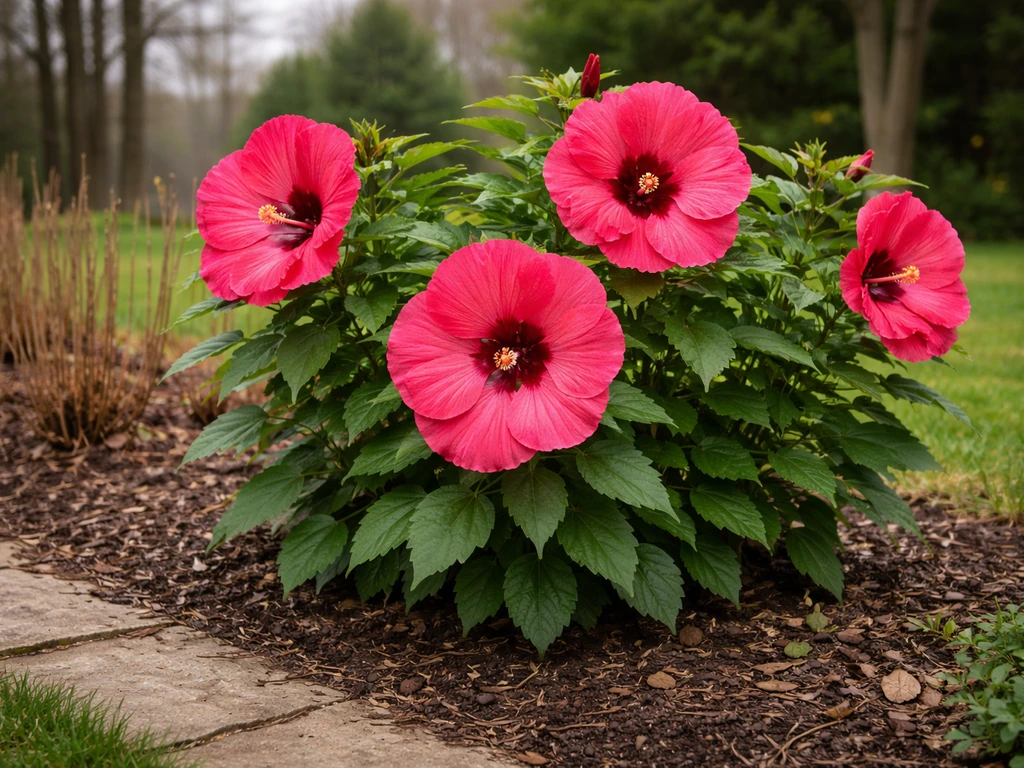
Yes, hibiscus can grow in Pennsylvania, but which type you plant makes all the difference. If you're also wondering can hibiscus grow in new England, focus on hardy hibiscus varieties and treat winter exposure as the deciding factor. The same general idea applies in colder regions, so you can hibiscus grow in Canada if you choose the right variety and plan for winter. Hardy hibiscus (Hibiscus moscheutos and related species) are true perennials in most of the state and will come back every year on their own. Tropical hibiscus, the kind with the glossy leaves and vivid blooms you see at garden centers, won't survive a Pennsylvania winter in the ground. You can grow them as summer patio plants and bring them inside before frost, but treating them as perennials isn't realistic without a solid overwintering plan. Buy the right type first and you'll save yourself real frustration.
Can Hibiscus Grow in Pennsylvania? Hardy vs Tropical Guide

Quick answer by hibiscus type
| Hibiscus Type | Common Name | Hardy Zones | PA Viability | Notes |
|---|---|---|---|---|
| Hibiscus moscheutos | Hardy hibiscus / Rose mallow | Zones 4–9 | Excellent across most of PA | Dies back in winter, re-emerges late spring; easiest choice |
| Hibiscus coccineus | Scarlet rosemallow | Zones 6–9 | Good in southern and southeastern PA | Less suited to PA's colder northern zones |
| Hibiscus rosa-sinensis | Tropical hibiscus | Zones 9–12 | Summer annual or container only | Must come indoors before temps drop near 50°F at night |
| Hibiscus syriacus | Rose of Sharon (shrub hibiscus) | Zones 5–9 | Excellent across most of PA | Deciduous woody shrub; very winter-tough and low maintenance |
Pennsylvania's climate and what the USDA zones actually mean for you
Pennsylvania is a big, climatically varied state. It spans roughly USDA Zones 3b to 7a, depending on where you live. Philadelphia and the southeastern corner sit in Zone 6b to 7a, which is mild enough that many plants typically written off as borderline actually do fine there. Move north and west into the Pocono Mountains or the northern tier and you're in Zone 5a or colder, where winters regularly hit single digits. Central Pennsylvania, including the State College area, lands around Zone 5b to 6a. The short version: most of Pennsylvania is Zone 5 to 6, and that's your working frame for deciding what survives.
From a frost standpoint, spring freezes can linger into late April or even early May in central and northern PA, and first fall frosts often arrive in late September to mid-October. For tropical hibiscus, that growing window is tight. For hardy hibiscus, it's plenty of time to put on a spectacular show.
Hardy hibiscus vs tropical hibiscus: what actually survives winter
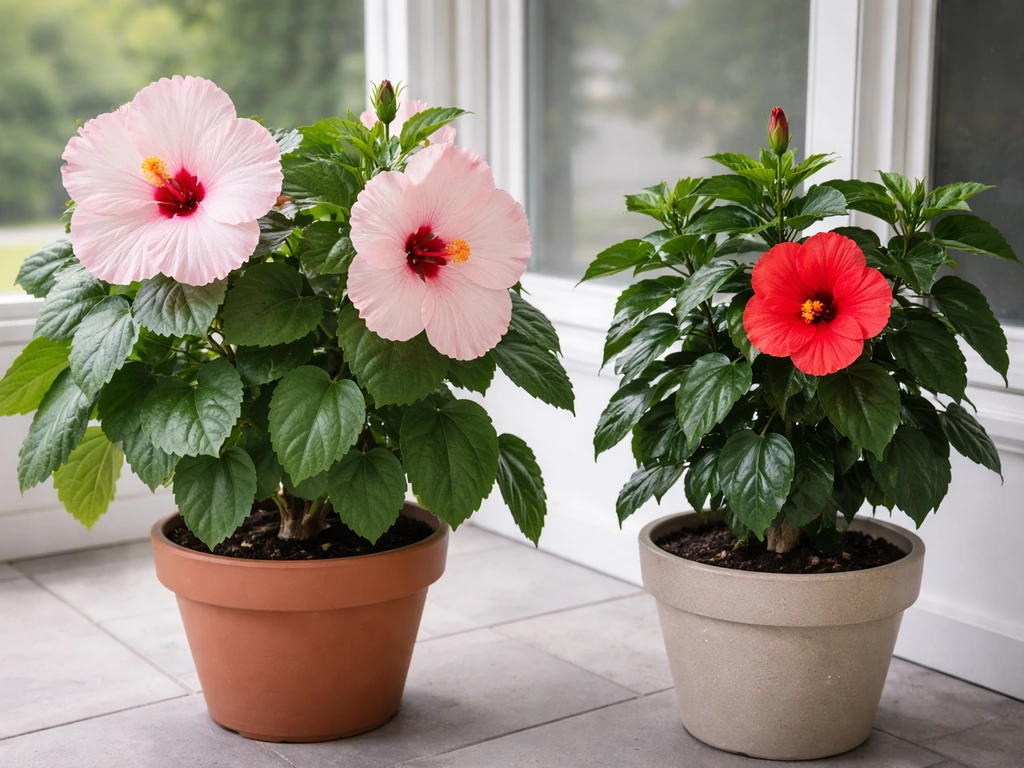
This is the most important thing to get straight before you buy anything. Hardy hibiscus (primarily Hibiscus moscheutos, the dinner plate hibiscus) is a herbaceous perennial. It dies all the way back to the ground in winter, which can look alarming the first time you see it, but the root system is alive underground and comes roaring back in late spring. It's cold hardy to Zone 4 or 5 depending on the cultivar, which covers the overwhelming majority of Pennsylvania. Plant it once, and it should return for years.
Tropical hibiscus (Hibiscus rosa-sinensis) is a completely different plant. It's native to warm climates, doesn't tolerate freezing temperatures at all, and will die if left in the ground over a Pennsylvania winter. Once nighttime temps start dipping below about 50°F, it's already under stress. Below freezing, it's gone. You can absolutely grow tropical hibiscus in Pennsylvania, but you need to treat it as a seasonal container plant, not a landscape perennial. If you want something that goes in the ground and comes back on its own, stick with hardy hibiscus or Rose of Sharon (Hibiscus syriacus), which is arguably the most no-fuss hibiscus option in the state.
If you're comparing Pennsylvania to a nearby state, the situation here is quite similar to Maryland, where Zone 6 and 7 conditions let hardy varieties thrive but tropical types still need shelter. Maryland is similar to Pennsylvania in that hardy hibiscus usually thrives, while tropical hibiscus needs extra shelter or container growing can hibiscus grow in maryland. Gardeners in states like Minnesota face even harsher constraints with hibiscus, while those gardening in the warmer pockets of Massachusetts deal with conditions close to what southeastern PA sees. Gardeners in colder climates like Minnesota often need to choose hardy hibiscus or protect tropical types as containers. In Massachusetts, hardy hibiscus is the type that can handle winter better, while tropical hibiscus needs container and indoor protection hibiscus in the warmer pockets of Massachusetts.
Where to plant for your best odds
Sun exposure
Hibiscus is a full-sun plant. Hardy hibiscus needs at least 6 hours of direct sun daily to bloom well, and more is better. In shadier spots you'll get leggy growth and far fewer flowers. Choose your sunniest bed, ideally one that gets morning sun and is shielded from harsh afternoon wind.
Shelter from wind and cold
A south or southeast-facing location next to a wall, fence, or building is ideal in Pennsylvania, especially in Zone 5 areas. The reflected heat and wind protection can push your effective microclimate a half-zone warmer. In northern PA or any exposed hilltop site, this kind of placement is less a luxury and more a necessity for borderline varieties.
Soil
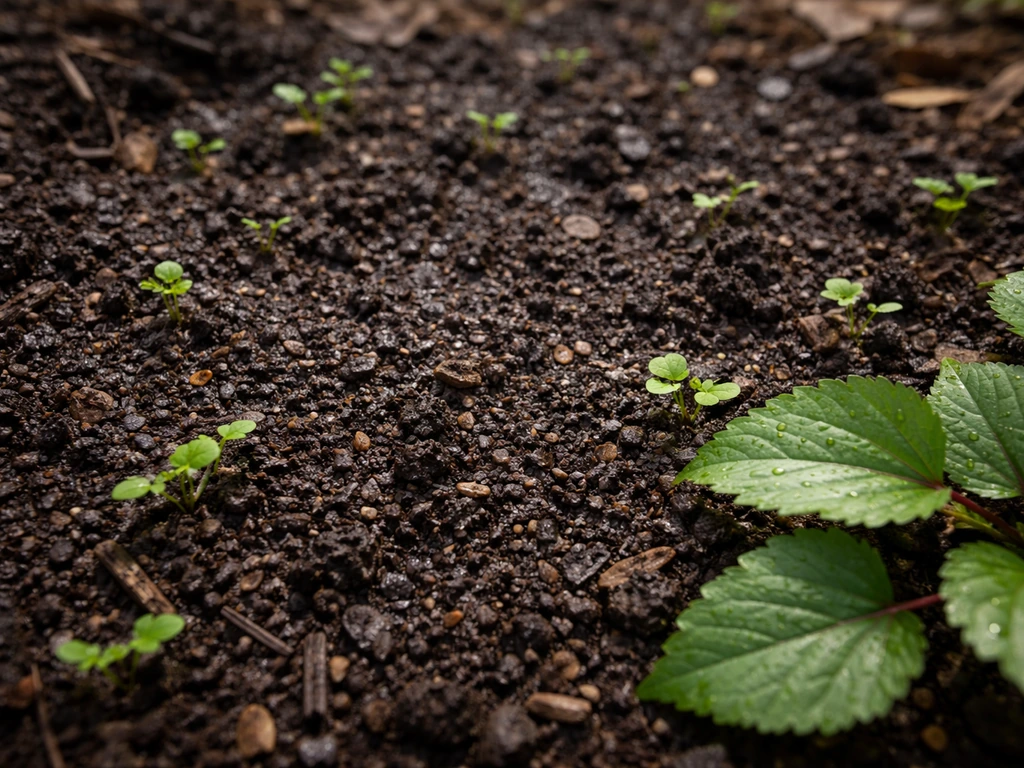
Hardy hibiscus earned its common name 'swamp rose mallow' for a reason. It tolerates and actually likes consistently moist soil. If you have a low-lying spot that tends to stay damp, this is one of the few showy perennials that won't sulk there. That said, it also grows fine in average garden soil as long as you water it regularly during dry stretches. It won't thrive in compacted, dry, or sandy soil without amendment. Work in compost before planting and you'll be starting in a good place.
Seasonal care timeline for Pennsylvania
- Early spring (March to April): Don't panic if nothing appears. Hardy hibiscus is one of the last perennials to emerge in spring and can stay dormant until late May, especially in cooler parts of PA. Mark the spot with a stake the previous fall so you don't accidentally dig it up. Avoid planting anything over it just because it looks bare.
- Late spring (May): Once night temps stabilize above freezing, the plant will push new growth from the base. For container tropical hibiscus you've overwintered indoors, this is when you can begin transitioning them back outside slowly, starting with a sheltered, partly shaded spot before full sun exposure.
- Early summer (June): Hardy hibiscus grows fast now. Give it deep, consistent watering during dry spells. This is also when Japanese beetles become a real issue in Pennsylvania. They can skeletonize leaves and flowers quickly, so start checking plants daily and hand-pick beetles in the morning when they're sluggish, or use targeted treatments.
- Midsummer (July to August): Peak bloom time for hardy hibiscus. Flowers are massive, often 10 to 12 inches across. Keep soil moisture consistent. Continue Japanese beetle monitoring.
- Early fall (September): Start watching nighttime lows. For tropical hibiscus in containers, bring them in before temps drop near 50°F at night. Don't wait for a frost warning, that's too late for a tropical plant already stressed by cold.
- Late fall (October to November): After a hard frost kills back the stems of hardy hibiscus, you can cut the stems down to a few inches above the ground. Apply a generous layer of mulch around the base, keeping it away from the crown itself to avoid rot. The plant is now set for winter.
Overwintering and the container strategy
Hardy hibiscus in the ground
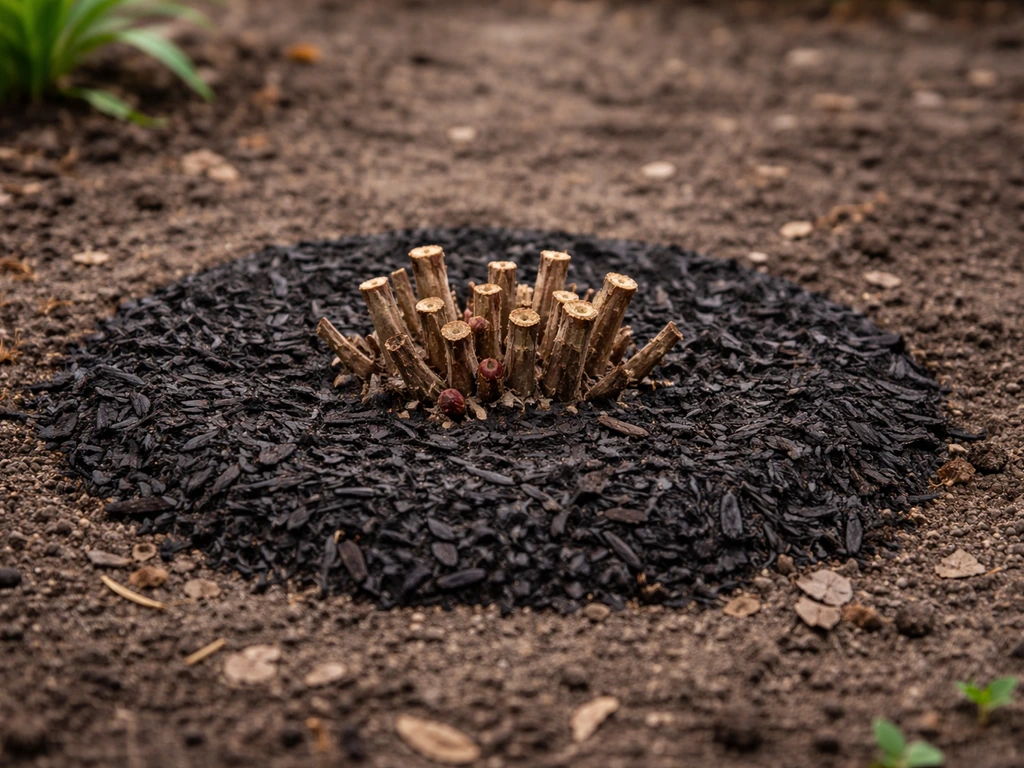
Once established, hardy hibiscus in the ground needs minimal winter intervention. Cut it back after frost, apply 2 to 4 inches of mulch spread in a radius around the base (not piled up against the crown), and leave it alone. The root system handles the rest. In Zone 5 areas of northern PA, a slightly thicker mulch layer adds good insurance. Don't be tempted to cut it back in early fall before frost, let it finish the season and harden off naturally.
Tropical hibiscus in containers
This is where most Pennsylvania gardeners run into trouble: they wait too long. Tropical hibiscus should come indoors well before the first fall frost, ideally when nighttime temps are consistently dropping into the low 50s. Bring it into a bright room or sunroom where temperatures stay above 55°F. It will likely drop some leaves during the transition and that's normal. Cut back watering significantly over winter, the plant goes into a semi-dormant state and doesn't need much. Hold off on fertilizer until late winter when you want to encourage new growth before moving it back out in spring.
The rescue plan if you're caught off guard
If a frost snuck up on you and your tropical hibiscus took a hit, bring it in immediately and cut off any blackened or damaged material. Move it to the warmest spot you have. It may drop all its leaves and look dead, but if the stems are still green and firm, the plant has a chance. Hold off on watering heavily until you see new growth signals. It's a gamble, but not always a lost cause if the cold was brief.
Common pitfalls and how to fix them
- Planting tropical hibiscus in the ground and expecting it to overwinter: It won't. If you want an in-ground hibiscus that comes back, buy hardy hibiscus or Rose of Sharon instead.
- Giving up on hardy hibiscus in spring: It's one of the slowest perennials to wake up, often not showing any growth until late May in central PA. Stake the location in fall so you remember where it is and don't write it off too early.
- Japanese beetle damage: This is a legitimate problem in Pennsylvania. Beetles can shred leaves and flowers fast. Early morning hand-picking, row covers for young plants, and appropriate insecticides (spinosad, neem oil, or carbaryl as a last resort) all help. Don't assume yellowing or lacy leaves are a disease issue before checking for beetles.
- Overwatering tropical hibiscus indoors in winter: Once inside, the plant's water needs drop dramatically. Soggy soil over winter leads to root rot. Water only when the top inch or two of soil is dry.
- Too much shade: Hibiscus in a shady spot will grow but barely bloom. If your plant is putting out lots of leaves and few flowers, insufficient sun is almost always the reason in Pennsylvania gardens.
- Planting too early in spring: Rushing tender hibiscus plants out in April when nights are still dipping to the 30s is a common mistake. Wait until after your last frost date for your specific PA location, late April in the southeast, mid-May in central and northern areas.
FAQ
If I buy a hibiscus from a nursery, how do I tell if it can actually live through a Pennsylvania winter?
In Pennsylvania, the safest bet is hardy hibiscus varieties, especially Hibiscus moscheutos. Tropical hibiscus can survive only as a container plant with indoor overwintering, because it struggles once nights drop into the 40s and it will not live through a freezing ground winter.
Can I plant tropical hibiscus in the ground for the summer and then save it for winter?
Yes, you can start tropical hibiscus in the ground as a “trial” during summer, but plan to lift or protect it well before the first frost. For most of Pennsylvania, bringing it indoors is the more reliable option than trying to overwinter it in place, even with heavy mulch.
When should I cut back hardy hibiscus in Pennsylvania?
Cut back hardy hibiscus after frost, when the top has died down naturally. Avoid cutting in early fall, because leaving the plant intact longer helps it harden off, and it also makes it easier to spot where to tidy up before new spring growth.
What’s the best way to overwinter tropical hibiscus indoors in Pennsylvania?
If you want tropical hibiscus to have a better chance indoors, choose the brightest window or sunroom you have and keep temperatures steady. A plant that sits in a dim room will drop more leaves and can stall, even if it is warm enough.
How do watering needs differ for hardy versus tropical hibiscus in Pennsylvania?
For hardy hibiscus, water deeply and consistently during establishment and dry spells, because it is happiest with evenly moist soil. For tropical hibiscus in containers, water just enough to keep the root ball from drying out completely, then reduce water over winter since growth slows.
How much mulch should I use for hardy hibiscus, and where should I place it?
For hardy hibiscus in the ground, mulch depth of about 2 to 4 inches is usually enough, and you should not pile it against the crown. In colder northern areas, slightly more mulch can help, but excessive piling can trap moisture and encourage crown issues.
Can I grow hardy hibiscus in containers instead of in the ground in Pennsylvania?
You can, as long as the container is large enough for a stable root system and you treat it as seasonal. Hardy hibiscus will still die back outdoors in winter, so containerizing it does not remove the need for cold-season management.
What should I check on the plant label so I don’t buy the wrong hibiscus?
Look for the label or tags that list the species or variety. Hardy types are typically labeled as Hibiscus moscheutos (often “swamp rose mallow” or “dinner plate hibiscus”), while tropical types are usually Hibiscus rosa-sinensis. If the plant is not identified, it is safer to assume it is tropical until proven otherwise.
Why isn’t my hibiscus blooming well, even though it seems to be alive?
In shadier Pennsylvania gardens, hardy hibiscus may survive but often blooms poorly and can get leggy. If you can only provide partial sun, consider moving it to the sunniest spot (morning sun is especially helpful) rather than trying to force blooms with fertilizer.
What should I do if a surprise frost damages my tropical hibiscus?
If a frost hit your tropical hibiscus, remove damaged tissue and bring it indoors immediately, then wait to resume stronger watering. The plant may drop leaves, but if stems remain green and firm, you can often nurse it through by keeping it warm and bright and watering conservatively until you see new growth.