
Yes, hibiscus can grow in Minnesota, but the type you choose makes all the difference. Hardy perennial hibiscus (Hibiscus moscheutos, also called rose mallow) and rose of Sharon (Hibiscus syriacus) are both rated for Minnesota's hardiness zones and can survive winters in the ground. Tropical hibiscus, the kind you see covered in big showy blooms at garden centers, is a Zone 9–11 plant and will die the first hard frost if left outside. Knowing which category you're buying before you spend any money is the single most important thing you can do.
Can Hibiscus Grow in Minnesota? Varieties and Winter Care

Marcus Hartwell
26 Apr 2026
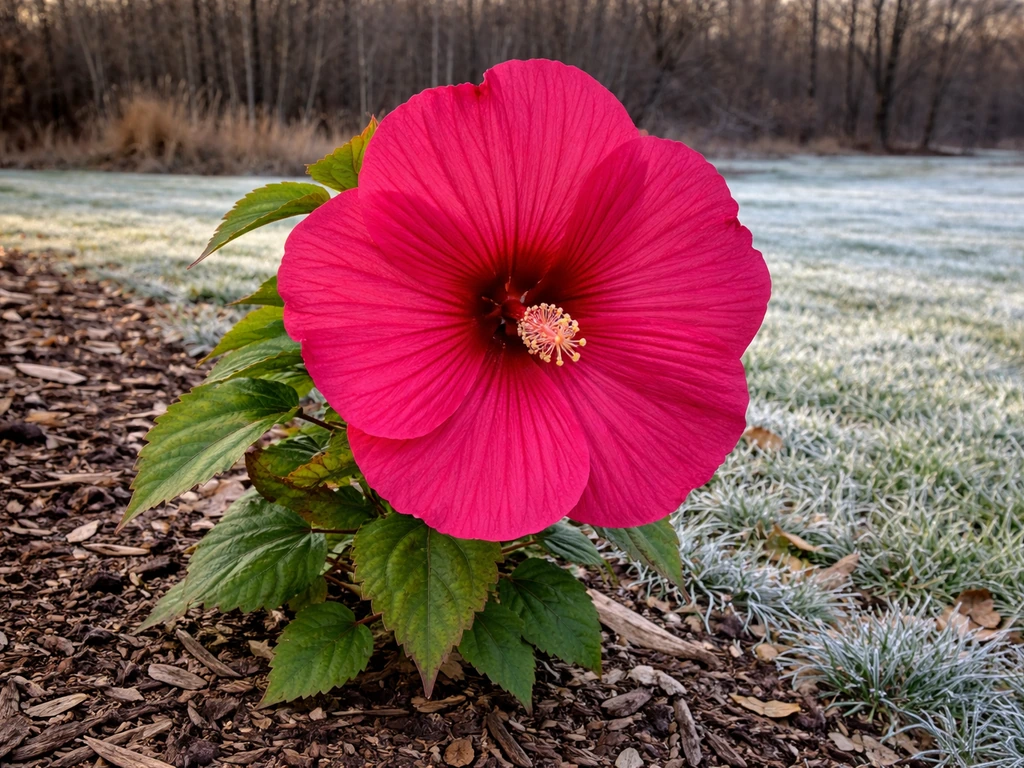
The three types of hibiscus, and which ones actually belong in Minnesota
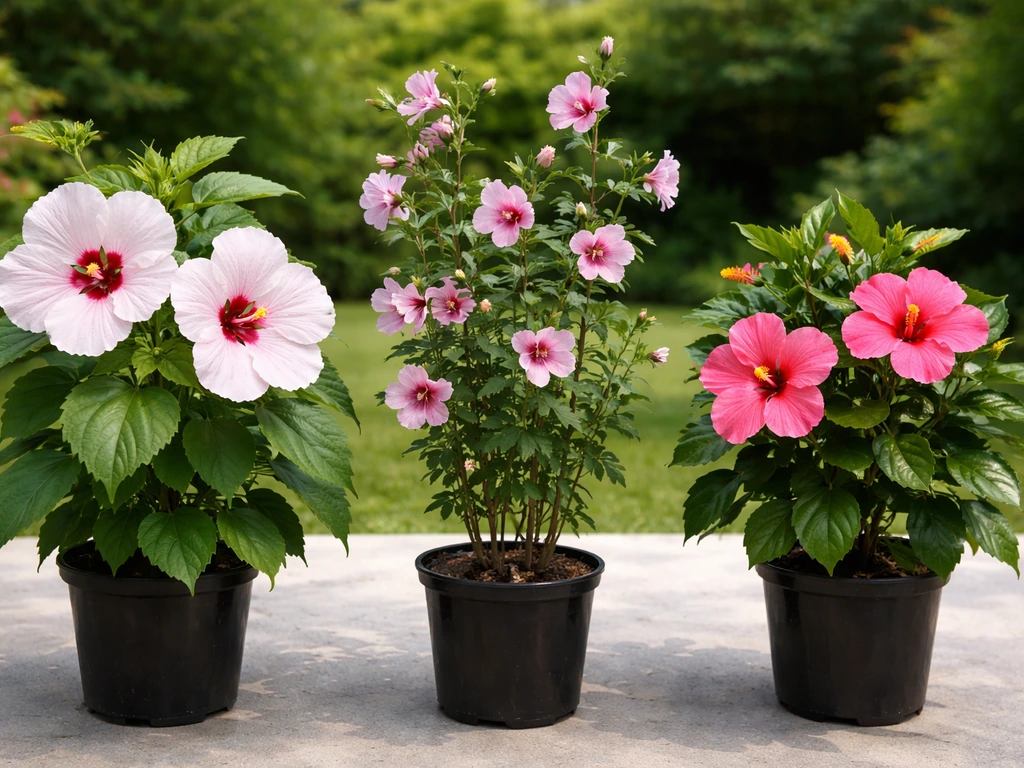
When people say 'hibiscus,' they're usually thinking of one of three plants. They look related, but they behave very differently in cold climates.
| Type | Species | Hardy Zones | Minnesota Verdict |
|---|---|---|---|
| Hardy perennial hibiscus | Hibiscus moscheutos (rose mallow) | Zones 5–9 | Yes, grows in-ground year-round |
| Rose of Sharon | Hibiscus syriacus | Zones 5–8 | Yes, grows as a woody shrub |
| Tropical hibiscus | Hibiscus rosa-sinensis | Zones 9–11 | No, container/summer use only |
Most of Minnesota sits in USDA Zones 3b through 5b, with the Twin Cities metro area landing around Zone 5a. That means hardy hibiscus and rose of Sharon are realistic choices for most of the state. Tropical hibiscus is only viable if you bring it indoors before temperatures drop near freezing in fall, and you're committed to keeping it alive inside all winter. That's doable, but it's a project, not a passive garden plant.
What Minnesota's hardiness zones actually mean for hibiscus
USDA hardiness zones are based on average annual minimum temperatures. Zone 5a means your coldest nights average between -20°F and -15°F. Zone 4b means -25°F to -20°F. Northern Minnesota (think Duluth, Bemidji, International Falls) can dip into Zones 3b and 4a, which is colder than what even the hardiest rose of Sharon can reliably survive without protection.
The zone number on a plant tag is just the starting point. What actually kills hibiscus in Minnesota is often not the average low but the freak cold snap in late April or an early October freeze before the plant has hardened off. Wind chill doesn't factor into zone ratings either, and Minnesota's exposed winters can cause significant desiccation on woody plants like rose of Sharon. Think of the zone as the minimum bar, not a guarantee.
If you're in the Twin Cities or the southern third of the state (roughly south of Interstate 94), you're in the most favorable part of Minnesota for hibiscus. The farther north you go, the more you're pushing up against the hardiness ceiling, and you'll want to lean heavily on cold-hardy cultivars and smart siting.
Where in Minnesota hibiscus has the best shot
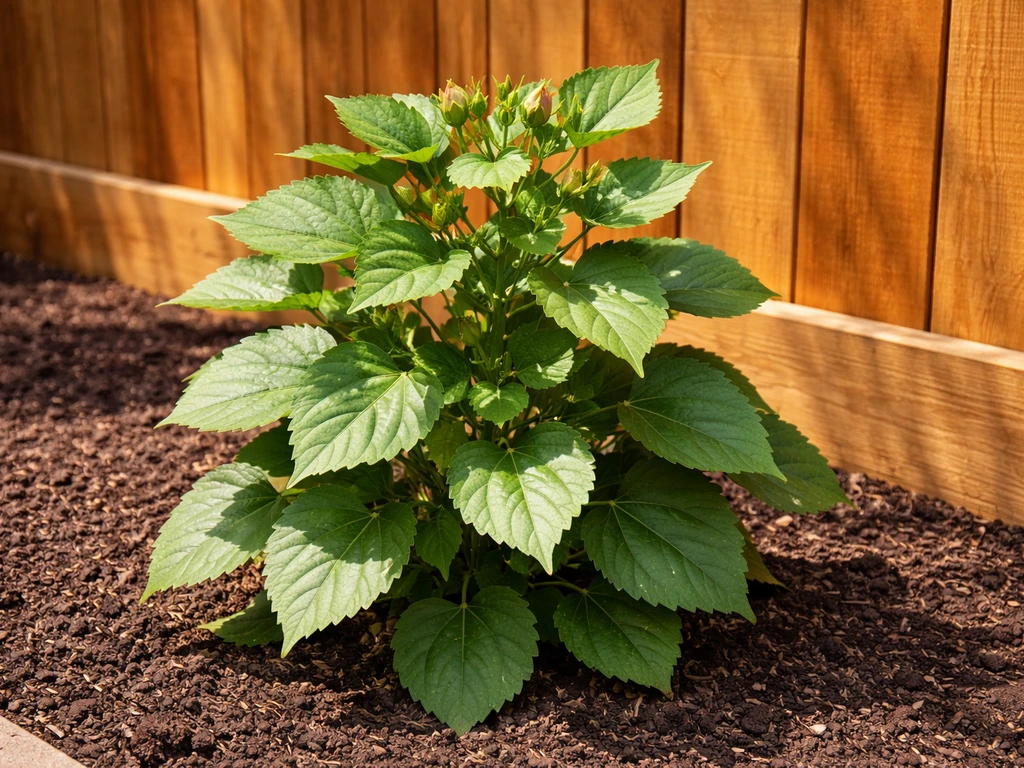
Even within the same zip code, site choice matters enormously. Hibiscus wants full sun, at least 6 hours a day, and it needs warmth to actually flower well. In Minnesota's short growing season, a shadier spot doesn't just slow growth, it can mean you get leaves but almost no blooms before the cold shuts the plant down.
The best spots for in-ground hibiscus in Minnesota are south- or east-facing beds that get morning sun and are sheltered from prevailing northwest winds. A location near a south-facing brick or stone wall is ideal: the masonry absorbs heat during the day and radiates it at night, creating a microclimate that can effectively bump you up half a hardiness zone. Low spots or areas with standing water in spring are the worst choices because hibiscus roots don't tolerate waterlogged soil, and wet roots plus a late frost is a reliable recipe for crown rot and plant death.
- South- or southeast-facing slopes and beds warm up fastest in spring
- Walls, fences, or evergreen windbreaks on the north and west side reduce wind desiccation on rose of Sharon
- Urban gardens in Minneapolis, St. Paul, and surrounding suburbs benefit from the heat island effect, giving you a slightly longer growing window
- Raised beds drain better and warm earlier, both big advantages for late-emerging hardy hibiscus
- Avoid frost pockets (low-lying areas where cold air settles) even if they're technically in a milder zone
Getting hibiscus through a Minnesota winter
For in-ground hardy hibiscus and rose of Sharon
Hardy hibiscus (H. moscheutos) is a die-back perennial in Minnesota. The top growth will be killed by frost, usually in October, and that's completely normal. The crown and roots survive underground. The critical mistake people make is cutting it back too early or assuming it's dead when it doesn't show growth in spring. Hardy hibiscus is genuinely one of the last perennials to break dormancy, often not emerging until late May or even early June. Mark it so you don't accidentally dig it up.
After the first hard frost in fall, cut stems back to about 4–6 inches, then mulch the crown generously with 4–6 inches of shredded leaves or straw. This insulates the crown against Minnesota's brutal temperature swings. Remove the mulch gradually in late April once you're confident the worst cold has passed. In Zones 4 and colder (northern Minnesota), look for cultivars rated to Zone 4 and give them the most protected spot you have.
Rose of Sharon (H. syriacus) is a woody shrub, so it doesn't die back to the ground. In Zones 5 and above it's reliably winter-hardy with no special treatment needed. In Zone 4 areas, wrap young plants in burlap their first two winters until they're established, and pick a wind-sheltered location.
For tropical hibiscus as a container plant
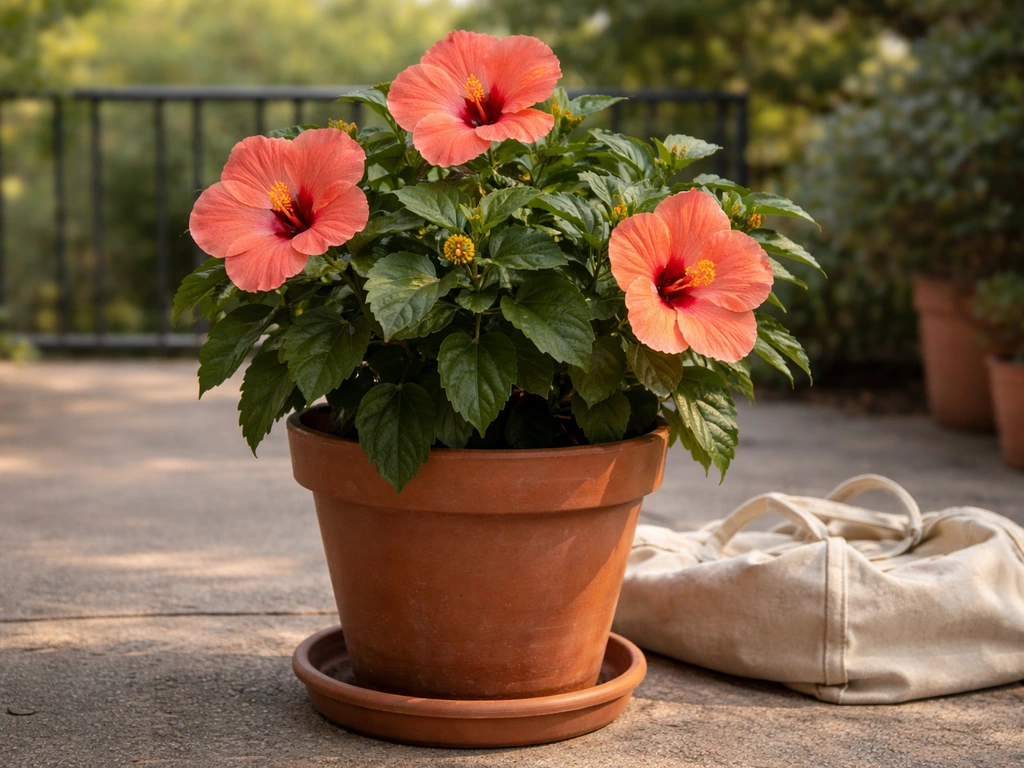
If you want tropical hibiscus for the summer patio, grow it in a large container (at least 12–14 inches diameter) and bring it inside before nighttime temps consistently drop below 50°F, which in Minnesota is usually sometime in September. Keep it in a bright window or under grow lights through winter at temperatures above 55°F. Cut back watering significantly in winter; overwatering a dormant tropical hibiscus indoors is one of the most common ways people lose them. Bring it back outside gradually in late May after any frost risk has passed, hardening it off over one to two weeks.
Best varieties for Minnesota and what to skip
With hardy hibiscus (H. moscheutos), the Proven Winners 'Summerific' series has become a go-to for cold climates. Varieties like 'Summerific Berry Awesome' and 'Summerific Perfect Storm' are consistently rated Zone 4–9, which gives you a real buffer in Minnesota. The Luna series (Luna Red, Luna White, Luna Pink Swirl) is rated Zone 5–9 and is widely available at Minnesota garden centers. Plate-sized blooms, 3–4 feet tall, and genuinely cold-tolerant crowns make these excellent choices.
For rose of Sharon, look for sterile cultivars like 'Diana' (white), 'Helene' (white with a red eye), or 'Minerva' (lavender-pink). A USNA/USDA shrub poster lists Hibiscus syriacus cultivars such as ‘Diana’ and shows hardiness ranges including USDA Zones 5, 8 sterile cultivars like 'Diana'. Sterile varieties don't self-seed aggressively, which is a real benefit since non-sterile rose of Sharon can become weedy in some yards. All of these are rated Zones 5–8 and perform well in the Twin Cities area.
What to avoid: any hibiscus sold without a hardiness zone label, any tropical hibiscus presented as an outdoor perennial (it isn't in Minnesota), and unnamed seedling varieties from discount stores that may not have been selected for cold hardiness. Also skip planting rose of Sharon in Zone 4 or colder without extra protection, since its cold hardiness ceiling is lower than H. moscheutos.
Planting setup and seasonal care in Minnesota
Plant in-ground hibiscus in late spring, after your last frost date. For the Twin Cities area, that's around May 15. For northern Minnesota, wait until early June. Hibiscus wants well-drained, fertile soil with a pH between 6.0 and 7.0. Amend heavy clay soil with compost before planting; clay holds too much moisture and stays cold longer, both of which work against you.
- Plant after last frost: mid-May for southern MN, early June for the north
- Choose full sun with at least 6 hours of direct light daily
- Work 2–3 inches of compost into the planting hole and surrounding area
- Water deeply after planting, then regularly until established (about 1 inch per week)
- Fertilize monthly through summer with a balanced fertilizer; too much nitrogen gives foliage at the expense of flowers
- Don't panic if hardy hibiscus is slow to emerge in spring. Wait until June before assuming it's dead
- Cut back dead top growth after hard frost in fall, mulch the crown heavily
- Remove winter mulch gradually in late April to avoid shocking early new growth with a sudden late frost
One thing that trips up a lot of Minnesota gardeners: because hardy hibiscus emerges so late, it can look like empty dirt in a bed full of spring flowers. Plant it among early-season perennials like hostas or daylilies that will fill the space while the hibiscus is still underground. By July, the hibiscus will take center stage and nobody will know the difference.
Common Minnesota problems and how to handle them
Winterkill on hardy hibiscus
This is the most common complaint. Usually the cause is one of three things: the wrong zone (an unlabeled or Zone 6+ variety planted in Zone 4), a wet crown over winter (poor drainage), or an exposed, windy location that desiccates the root zone. Solve it with variety selection first, drainage second, siting third. Mulching the crown is your insurance policy but it doesn't fix underlying drainage or variety problems.
No flowers or late flowering
Hardy hibiscus blooms in mid to late summer (July through September), so if you planted it this spring, don't expect much the first year. A well-established plant that still isn't blooming usually has a sun problem. Less than 6 hours of direct sun dramatically reduces flower production. Move it or address what's shading it. Also, too much high-nitrogen fertilizer (like lawn fertilizer drifting into beds) pushes lush green growth at the expense of blooms.
Late spring cold snaps killing new growth
Minnesota's May weather is notoriously unpredictable. If new shoots emerge and a frost hits, the tips may get nipped. This looks alarming but is rarely fatal. Hardy hibiscus will push new growth from lower on the stem or from the crown. Just cut back the damaged tips and wait. Don't rush to remove all mulch in early April; keep it over the crown until mid to late April.
Japanese beetles
Hardy hibiscus is a magnet for Japanese beetles in Minnesota, especially in July and August. Hand-pick early in the morning when beetles are slow, knock them into soapy water, and repeat daily when pressure is high. Neem oil sprays applied in early morning can reduce feeding. Avoid beetle traps near your hibiscus, they attract more beetles than they catch. Rose of Sharon also attracts Japanese beetles but typically shows less severe damage.
Container tropical hibiscus dying indoors over winter
The two biggest killers are overwatering and insufficient light. Indoor air in Minnesota winters is dry and heating systems cause rapid moisture loss, but hibiscus roots still rot easily in wet potting mix without strong light to fuel the plant. Keep the soil barely moist, give it the brightest window you have (south-facing), or supplement with a grow light. Watch for spider mites, which thrive in dry indoor conditions. A weekly misting and inspection of the undersides of leaves goes a long way.
How Minnesota compares to nearby states
If you've looked into hibiscus growing in nearby cold-climate states, the Minnesota situation is similar to other northern or Great Lakes regions but generally more challenging than mid-Atlantic states. If you’re aiming for hibiscus in New England, prioritize hardy varieties and plan for winter protection based on your exact location and microclimate hibiscus growing in nearby cold-climate states. Gardeners in Pennsylvania or Maryland, for example, have milder winters and longer growing seasons that make both hardy and tropical hibiscus easier to manage. If you are wondering can hibiscus grow in canada, the key is choosing a cold-hardy type and giving it the most protected, well-drained spot you can. Gardeners often ask can hibiscus grow in Maryland, and the milder winters there usually make it easier than in much of Minnesota. If you are wondering can hibiscus grow in Pennsylvania, the milder winters there often make the process easier than in much of Minnesota hibiscus in Pennsylvania. Even Massachusetts and New England gardeners along the coast have some moderating influences Minnesota doesn't get. That doesn't mean hibiscus won't work here, it just means your variety selection and winter prep matter more in Minnesota than almost anywhere else in the continental US. Hibiscus can also grow in Massachusetts, but the same hardiness and winter-prep factors apply can hibiscus grow in Massachusetts.
The bottom line: plant a Zone 4-rated hardy hibiscus like a Summerific variety in a south-facing, well-drained spot in the southern two-thirds of Minnesota, mulch the crown in fall, and you have a genuinely great perennial that rewards patience with enormous flowers every summer. That's a realistic goal, not a wishful one.
FAQ
My hardy hibiscus has not come up yet in spring, is it dead?
If you do not see any shoots by late May, do not assume the plant is dead. Wait at least into early June, check the crown for firmness and green tissue by gently scraping mulch away, and only dig if the crown feels hollow or dry. Mark the spot in fall so you do not disturb roots during that long dormancy.
Can I propagate hibiscus in Minnesota to avoid buying new plants?
Yes, but only for hardy hibiscus (H. moscheutos) in Minnesota, and spring is better than fall for most gardeners. Take divisions when new growth appears, keep divisions watered until they root, and expect delayed flowering this year. Tropical hibiscus in containers can be propagated indoors, but it is not a reliable way to overwinter as an outdoor plant in Minnesota.
What fertilizer schedule works best for hibiscus in Minnesota?
For in-ground hardy hibiscus, use a slow-release fertilizer or compost, then stop nitrogen-heavy feeding by early summer. A practical rule is to aim for flowering, so if you see tall, leafy growth with few buds, back off fertilizer and confirm you have at least 6 hours of sun. Too much nitrogen is a common reason for “big plant, no flowers.”
When should I prune rose of Sharon hibiscus in Minnesota?
Rose of Sharon usually tolerates pruning, but do it thoughtfully. For best flowering, prune in late winter to early spring before active growth, and avoid heavy summer pruning because it can reduce next season’s bloom. If you are growing it for a tidy hedge, shape lightly rather than cutting back hard every year.
What should I do if my yard has heavy clay or wet spots in spring?
Hardy hibiscus can handle brief, seasonal wetness but not standing water around the crown. If your soil stays soggy into late spring, raise the planting height with composted soil or use a berm, and improve drainage before planting. This prevents crown rot, which is one of the most frequent “it died over winter” causes.
How do I water and protect tropical hibiscus overwintering indoors?
Do not skip container drainage if you grow tropical hibiscus indoors. Use a pot with multiple drainage holes, a well-draining mix (not dense, moisture-retentive potting soil), and water only when the top inch feels dry. Overwatering plus low winter light causes root rot and spider mite outbreaks.
Japanese beetles are destroying my hibiscus, what is the most effective first response?
If Japanese beetles are active, timing matters. Hand-pick in early morning, repeat daily for a week during peak pressure, and inspect leaf undersides because that is where feeding damage often starts. Also remove nearby traps if you are using them, since they can pull beetles closer to your plants.
What winter care should I provide for each type of hibiscus I can grow in Minnesota?
Overwintering differs by type. Hardy hibiscus, mulch the crown and leave the plant alone until late April. Rose of Sharon needs protection mainly in Zone 4 and colder for the first two winters, using burlap and a sheltered site. Tropical hibiscus must overwinter indoors with bright light and cool not-freezing conditions, it cannot be treated like an in-ground perennial.
Can I move tropical hibiscus outside in spring, and when should I start hardening it off?
Yes, but only if you do it gradually and time it after frost risk. Move the plant outdoors in late May, increase sun exposure over 1 to 2 weeks, and watch night temperatures. Sudden sun plus cold nights can shock leaves, even if the plant ultimately survives.
My hardy hibiscus has leaves but no flowers yet, how do I troubleshoot quickly?
If hardy hibiscus bloom is weak, start with sun and then check fertilizer and siting. Less than 6 hours of direct sun is the most reliable reason for no flowers, wet crown areas can also reduce bloom, and nitrogen-heavy fertilizer can delay flowering. A quick test is to observe bud formation after a full week of bright, direct sun.