
Yes, hibiscus can grow in Canada, but which type you choose makes all the difference. Yes, hibiscus can grow in Canada, but which type you choose makes all the difference can hibiscus grow in maryland. Hardy hibiscus (Hibiscus moscheutos and related species) survives Canadian winters in the milder zones and comes back every year from the roots. Yes, hibiscus can grow in Minnesota too, as long as you choose the right type and pay attention to your hardiness zone and winter conditions hibiscus in Minnesota. Tropical hibiscus (Hibiscus rosa-sinensis) cannot survive a Canadian winter outdoors, full stop, but it works beautifully as a container plant you bring inside before frost. UMN Extension notes that tropical hibiscus is not winter-hardy and should be brought in before fall frost when grown indoors bring it inside before frost. If you're in southern Ontario, coastal British Columbia, or another relatively mild Canadian region, you have real options for outdoor success. If you're in Alberta, Manitoba, or northern Quebec, container growing and overwintering is your path forward.
Can Hibiscus Grow in Canada? Hardy vs Tropical Guide

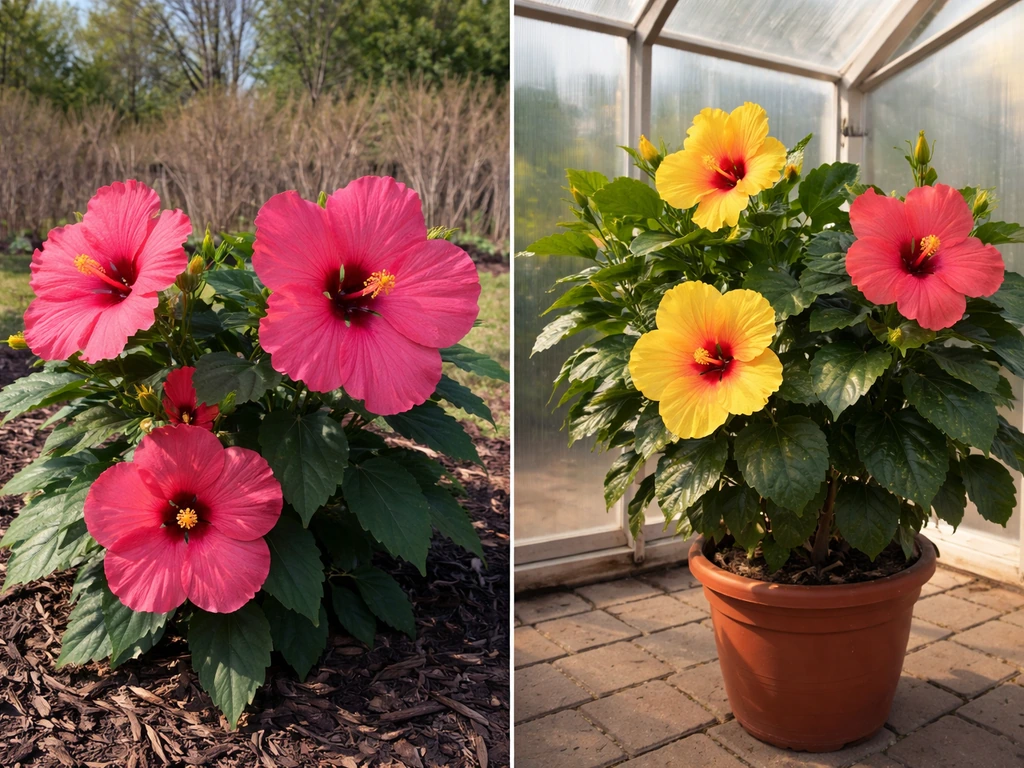
Hardy vs. tropical hibiscus: which one are you actually talking about?
This is the question that trips up most Canadian gardeners, and it's worth sorting out before you buy anything. Garden centres, seed catalogues, and online shops often just say 'hibiscus' without being specific, and the two main types behave completely differently in cold climates.
Hardy hibiscus (most commonly Hibiscus moscheutos, also called rose mallow or swamp rose mallow) is a true perennial. It dies back to the ground every winter, then pushes up new shoots from the root system each spring. Hibiscus ‘Lord Baltimore’ is a herbaceous perennial that dies back to the ground in winter and regrows from the root system dies back to the ground every winter, then pushes up new shoots from the root system each spring.. The blooms are enormous, often dinner-plate-sized, in shades of red, pink, white, and bicolors. Varieties like 'Lord Baltimore' and 'Luna' are well-known examples. This is the type that can survive outdoors in Canada in the right zone.
Tropical hibiscus (Hibiscus rosa-sinensis) is the showy, woody shrub you see at garden centres with glossy leaves and flowers in vivid orange, yellow, coral, and red. It's native to warm climates and has zero cold hardiness. Even a light frost will damage it. In Canada, it's strictly a warm-season patio plant or indoor plant, not a permanent outdoor garden addition.
| Feature | Hardy Hibiscus (H. moscheutos) | Tropical Hibiscus (H. rosa-sinensis) |
|---|---|---|
| Hardiness zones | Zones 4 to 9 | Zones 9 to 11 (outdoors year-round) |
| Winter survival in Canada | Yes, in zones 4 and warmer | No, must come indoors before frost |
| Growth habit | Herbaceous perennial, dies to ground each winter | Woody shrub, evergreen in frost-free climates |
| Bloom size | Very large, up to 12 inches across | Smaller, typically 4 to 6 inches |
| Best use in Canada | Outdoor garden perennial in milder zones | Container plant, patio or indoors |
| Spring emergence | Slow, often late May to June | Continuous bloomer in warm conditions |
Canada's climate and hardiness zones: the numbers you need to know
Canada uses its own Plant Hardiness Zone system, rated 0 to 9 (with 9 being the warmest), though many gardeners and seed companies also reference the USDA scale. For hibiscus purposes, the key number is whether your zone reaches the minimum winter temperature that hardy hibiscus can survive, which is roughly USDA zone 4 (Canadian zone 4 to 5, with average annual minimum temperatures around -29°C to -18°C on the USDA scale).
Canada's climate varies enormously from coast to coast. Coastal BC sits in Canadian hardiness zones 7 to 8 in its mildest pockets, southern Ontario typically ranges from zones 5 to 7, Quebec's St. Lawrence corridor sits around zones 4 to 5 in its most temperate areas, and the Prairie provinces (Alberta, Saskatchewan, Manitoba) are largely zones 2 to 4 with brutal wind chill and dramatic temperature swings that make even zone 4 plants marginal. Atlantic Canada ranges from zones 5 to 6 in Nova Scotia and PEI to zone 4 in parts of New Brunswick and Newfoundland.
The critical challenge for hibiscus in Canada isn't just the minimum winter temperature. It's also the late spring emergence. Hardy hibiscus is one of the last perennials to wake up in spring, often not showing leaves until late May or early June even in zone 5 climates. If you're in a short-season zone, you need to be patient and not assume the plant is dead when your neighbours' gardens are already filling in.
Where hibiscus can actually survive outdoors in Canada, by region
British Columbia (zones 5 to 8)
Coastal BC, particularly the Lower Mainland, Vancouver Island, and the Gulf Islands, is the most hibiscus-friendly part of Canada. Canadian zones 7 to 8 here mean mild winters, relatively long growing seasons, and summer warmth that hibiscus loves. Hardy hibiscus thrives with minimal effort, and some gardeners even push tropical hibiscus as a semi-permanent outdoor shrub in the most sheltered spots of greater Vancouver. The Okanagan Valley (zones 5 to 6) supports hardy hibiscus reliably. Interior BC above zone 5 gets trickier.
Ontario (zones 4 to 7)
Southern Ontario from Windsor to Toronto sits in zones 6 to 7, making it very workable for hardy hibiscus. These plants perform beautifully here, often producing massive blooms from mid-July through September. The Niagara region and areas along Lake Ontario benefit from lake-effect moderation that nudges zone ratings up. Central Ontario around Ottawa is zone 5, still within range for reliable hardy hibiscus with some mulching. Northern Ontario drops to zones 3 to 4, where hardy hibiscus becomes a gamble rather than a sure thing.
Quebec (zones 3 to 6)
Montreal and the St. Lawrence Lowlands sit around zones 5 to 6, where hardy hibiscus can work with proper site selection and winter mulching. Quebec City drops to zone 4 and colder, pushing hardy hibiscus into marginal territory. The further north you go in Quebec, the more you're looking at containers and overwintering rather than permanent outdoor planting.
Atlantic Canada (zones 4 to 6)
Nova Scotia's South Shore and Cape Breton, PEI, and the Saint John River valley in New Brunswick reach zones 5 to 6 in their mildest areas. Hardy hibiscus can work here, especially in sheltered spots. The maritime climate brings moisture and moderates extremes somewhat. Newfoundland is largely zones 3 to 5, with hibiscus being much more difficult and requiring significant protection.
Prairie provinces: Alberta, Saskatchewan, Manitoba (zones 2 to 5)
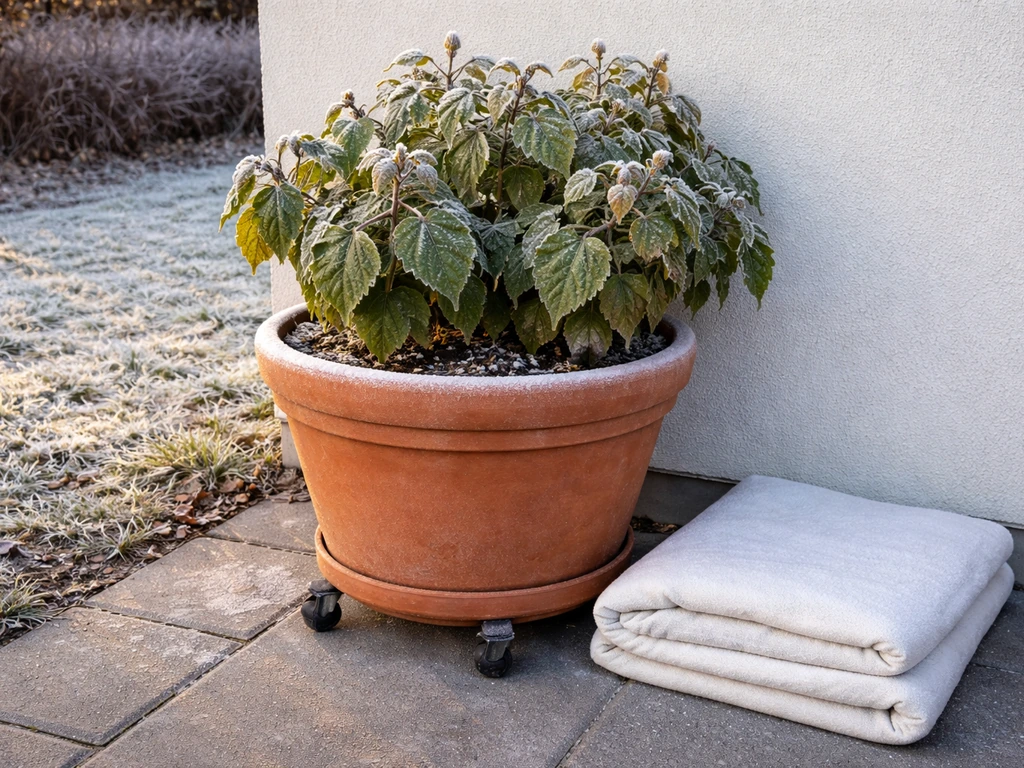
This is the hardest part of Canada for hibiscus. Calgary is roughly zone 4 but experiences temperature swings and chinooks that can fool plants into early growth before a killing cold snap. Winnipeg and Saskatoon are zones 3 to 4 with reliable deep freezes and little snow cover for insulation. Hardy hibiscus varieties bred for zone 4 are worth trying in Calgary and southern Manitoba with heavy mulching, but the short growing season (hibiscus being a late starter) means you may only get blooms in August and September before frost hits. Most Prairie gardeners will have better luck with container hibiscus they overwinter indoors.
What to do if your zone is too cold: containers, overwintering, and protection
If you're in zone 3 or 4 with iffy winters, or you want to grow tropical hibiscus anywhere in Canada, containers are your best friend. Growing hibiscus in a large pot gives you full control: you move it outside after your last frost date (late May to early June in most Canadian zones), let it enjoy the summer, then bring it back in before your first fall frost, typically September to October depending on your location.
Overwintering tropical hibiscus indoors
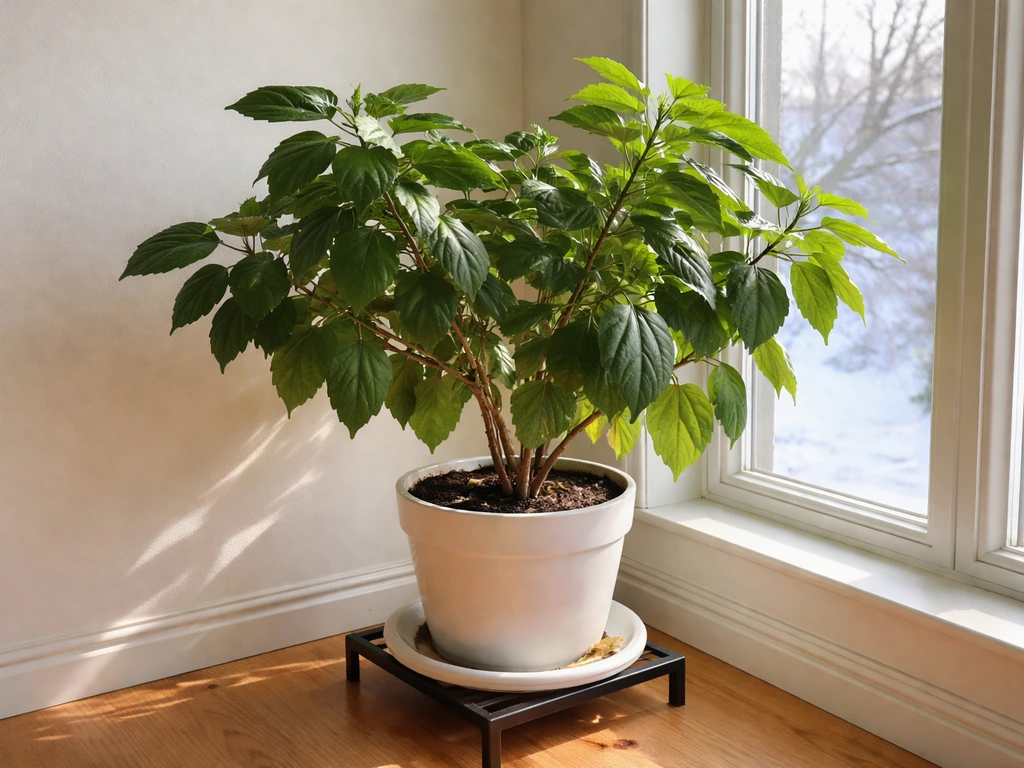
Tropical hibiscus overwinters well indoors as long as you give it a bright location. A south-facing window is ideal. The plant will drop some leaves when it first comes in due to the light change, but it usually stabilizes. Keep watering reduced during winter since it's not actively growing, and hold off on fertilizing until late winter when you start seeing new growth. In February or March, you can prune it back by about a third to encourage bushy new growth for the coming season.
Protecting hardy hibiscus in marginal zones
For hardy hibiscus planted in the ground in zone 4 or borderline zone 5 areas, give the root zone a fighting chance by mulching heavily after the first hard frost. Apply 10 to 15 cm (4 to 6 inches) of straw or shredded leaves over the crown. Do not cut the dead stems back until spring, as they help mark where the plant is and provide a tiny bit of extra insulation. In spring, wait until you see green growth emerging before removing the mulch gradually. The plant may not emerge until late May or even June, which is completely normal.
Microclimates: finding warm pockets in cold regions
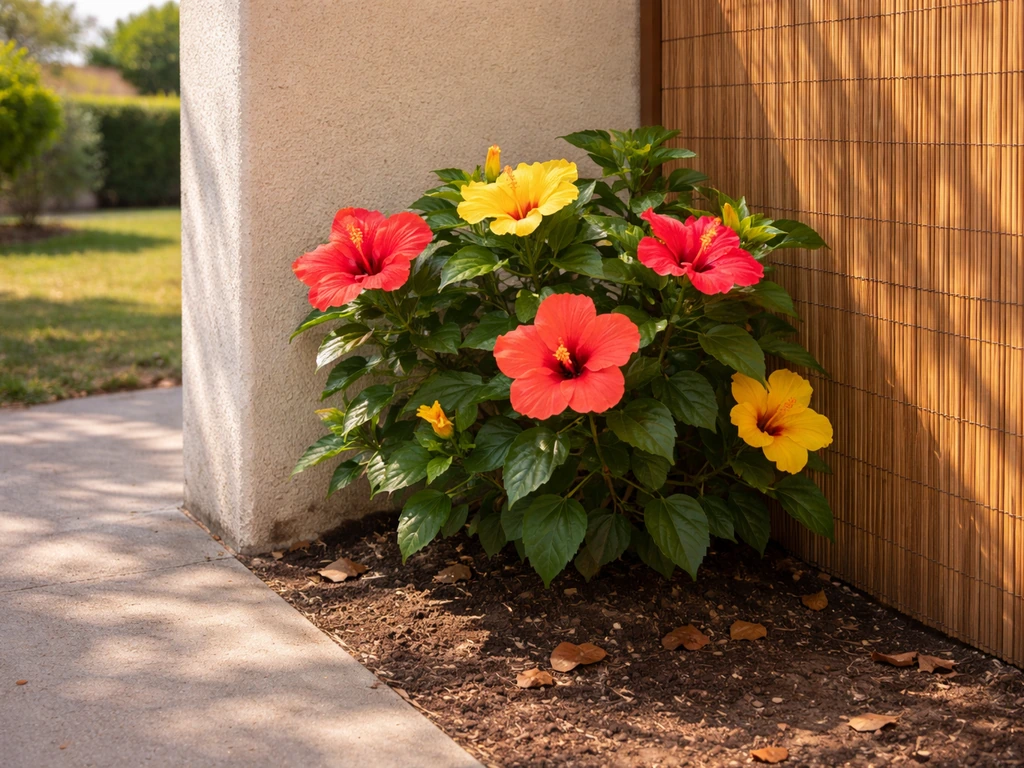
Even in a zone 4 city, there are warmer spots: south-facing walls that absorb and radiate heat, areas sheltered from north and northwest winds, spots near concrete or pavement that hold warmth. If you're determined to push hardy hibiscus in a colder zone, plant it in the warmest microclimate you can find. A south or southeast exposure against a brick wall in Calgary or Montreal can easily add half a zone of effective warmth.
Picking the right variety and site conditions
Hardy hibiscus varieties worth growing in Canada
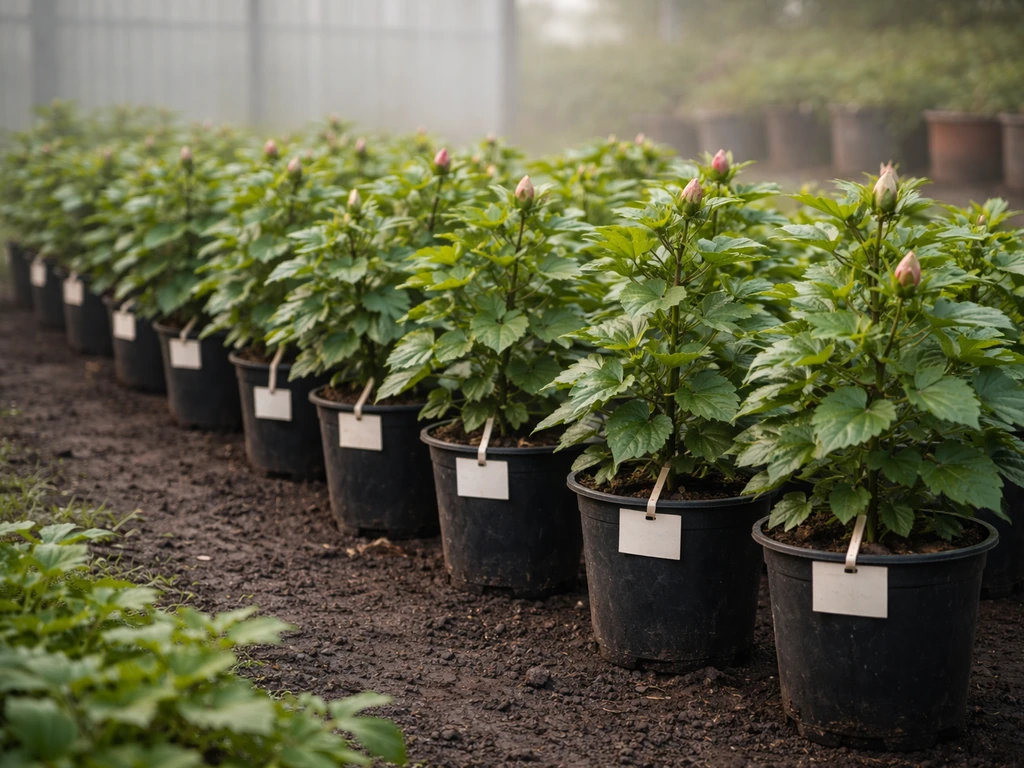
Not all hardy hibiscus varieties have the same cold tolerance, so variety selection matters. For Canadian gardens in zones 4 to 5, look specifically for varieties rated to zone 4. The Luna series, Summerific series (including 'Cranberry Crush,' 'Holy Grail,' and 'Spinderella'), and older standards like 'Lord Baltimore' and 'Lady Baltimore' are proven performers. The Summerific series in particular has been bred for compact size and improved hardiness, making it a smart pick for marginal Canadian climates.
If you want to grow hibiscus in zone 3 and you're genuinely committed, look at Hibiscus 'Kopper King' (zone 4, sometimes survives zone 3 with protection) and consider treating it as a container plant rather than counting on outdoor overwintering.
Sun, soil, and site: what hibiscus actually needs
- Full sun is non-negotiable: hibiscus needs at least 6 hours of direct sun per day, and 8 is better. Shadier spots mean fewer flowers and weaker plants.
- Moist, well-drained soil: hardy hibiscus is native to wet meadows and swamp edges, so it tolerates moist conditions better than most perennials. It does not like dry, sandy soil.
- Shelter from wind: strong winds batter the large flowers and can break stems. A sheltered spot also moderates cold in winter.
- Good drainage despite moisture preference: sitting in waterlogged frozen soil over winter is fatal. Amended, slightly raised beds help in heavy clay areas.
- Avoid shady north-facing walls: these reduce summer heat accumulation and shorten the already-limited Canadian growing season for hibiscus.
Gardeners in similar cool-climate regions, whether in New England states or the northern US border zones, face many of the same decisions as Canadians. So, can hibiscus grow in New England? Yes, especially hardy hibiscus in the warmer zones, with attention to late frosts and winter protection. In Pennsylvania, you can use the same hardy-hibiscus zone logic to decide whether it will survive outdoors or needs container overwintering can hibiscus grow in pennsylvania. Massachusetts can have cool winters, so the same hardy hibiscus zone guidance used for New England and northern border states applies to deciding whether to plant in the ground or use containers New England states. The variety and site guidance that works for zone 4 to 5 growing in those areas applies directly to Canadian gardens at the same zone rating.
Your checklist: decide and buy with confidence today
- Find your Canadian hardiness zone: look up your postal code using the Agriculture Canada plant hardiness map online or check with your local nursery.
- Decide which hibiscus type fits your situation: hardy hibiscus if you're in zone 4 or warmer and want it in the ground; tropical hibiscus if you're in any zone and okay with container growing and bringing it indoors each fall.
- If you're in zones 5 to 8 (southern Ontario, coastal BC, parts of Atlantic Canada): buy a hardy hibiscus variety rated to zone 4 or 5, pick a full-sun sheltered spot, and plant it. Mulch the crown well in late fall for the first couple of winters.
- If you're in zones 3 to 4 (Prairies, northern Quebec, interior regions): choose a container strategy with tropical hibiscus, or try a zone 4-rated hardy variety in the warmest microclimate you have with heavy mulching. Have realistic expectations and a backup plan.
- Select a proven variety: Summerific series, Luna series, 'Lord Baltimore,' or 'Lady Baltimore' for in-ground hardy hibiscus. For tropical containers, any healthy specimen from a reputable nursery works.
- Buy from a local Canadian nursery when possible: they're more likely to stock varieties suited to your actual zone and can confirm hardiness ratings for your region.
- Plant after your last frost date: for most of Canada that's late May to early June. Hardy hibiscus looks dead well into spring, so don't panic and don't replant over it before you see new growth.
FAQ
Can I grow hibiscus from seed in Canada?
Yes, but only if you treat it as a hardy-hibiscus problem, not a tropical one. From seed, many plants will not match the parent’s bloom size or hardiness, so for Canadian gardens the safer approach is buying a named hardy variety (rated to zone 4). Plan on extra winters protection for seed-grown plants, and expect slower establishment and smaller first-season blooms.
How should I water hibiscus in Canada, especially during spring when it’s still dormant?
For hardy hibiscus in the ground, don’t water “because it’s warm enough,” water according to leaf stage and soil drainage. While the plant is still dormant, avoid frequent watering that keeps the crown wet. Once shoots appear, deep watering helps, but use fast-draining soil and stop regular watering once late-season growth slows, so roots can harden before frost.
My hardy hibiscus has no leaves yet, is it dead or just late?
If your hardy hibiscus looks dead in April or early May, don’t dig it up right away. In zone 4 and parts of zone 5, it can stay leafless until late May or early June. Wait for green emergence before concluding it failed. If there is truly no sign of life by early July, then check by gently scratching the stem near the crown for green tissue and assess root health.
Can mulch help or hurt hibiscus overwintering in cold Canadian climates?
They can be, but it depends on the winter pattern. In-ground overwintering works best when you add mulch after a hard frost, then leave it until spring regrowth starts. If you apply mulch too early or keep the crown too wet during freeze-thaw cycles, you can increase crown rot. For marginal zones, use straw or shredded leaves, keep the crown from being packed down, and remove gradually in spring rather than all at once.
Is it better to transplant hardy hibiscus instead of planting it in the ground right away in Canada?
Yes, moving a hardy hibiscus can improve odds in tricky sites, but timing is crucial. Transplant in spring after you see new growth start, not in fall, and choose the warmest microclimate possible. Keep soil evenly moist during establishment, and understand it may produce fewer or smaller blooms the first year because the root system is recovering.
Can I overwinter tropical hibiscus outdoors in Canada with a frost blanket?
No for tropical hibiscus outdoors. Tropical hibiscus needs consistently warm conditions and will be damaged by even light frost, so any plan that relies on “just covering it” is unreliable in Canada. The practical solution is a container, bring it inside before frost, and keep it in a bright window area with reduced winter watering.
What dates should I use in Canada for moving hibiscus in and out?
Measure risk by your first fall frost date, not just your last spring frost. For containers, bring tropical hibiscus indoors before the first fall frost (often September to October depending on location), and for hardy hibiscus, don’t rush spring mulch removal before you see growth. A common mistake is timing everything to spring warmth and forgetting that early frosts can arrive before hibiscus finishes hardening off.
Would container growing be better than in-ground planting for hibiscus in very short Canadian summers?
Yes, if your goal is blooms in a short season and you’re in zones 3 to 4 or borderline zone 5. Containers let you control soil warmth and drainage, and you can keep the plant in place until it establishes, then shift it to the sunniest protected spot. Harden off gradually outdoors after your last frost so it doesn’t shock in cool nights.
How do I fertilize hibiscus in Canada without reducing winter survival or flowering?
Yes, but only with the right fertilizer timing. For hardy hibiscus, avoid heavy feeding late in the season because it can encourage tender growth before winter. For tropical hibiscus indoors, resume fertilizer only when you see active new growth in late winter, and keep nitrogen moderate so you get flowers rather than only leaf growth.