
Yes, gardenias can grow in Oregon, but whether they survive year-round in your yard depends almost entirely on where in Oregon you live. If you want to know about another state, check whether can gardenias grow in tennessee based on its typical winter lows and your willingness to use a container. In general, the same USDA zone and winter-protection considerations determine whether gardenias can grow in Ohio.
Can Gardenias Grow in Oregon? Zones, Cold Limits, Tips
Marcus Hartwell
20 May 2026
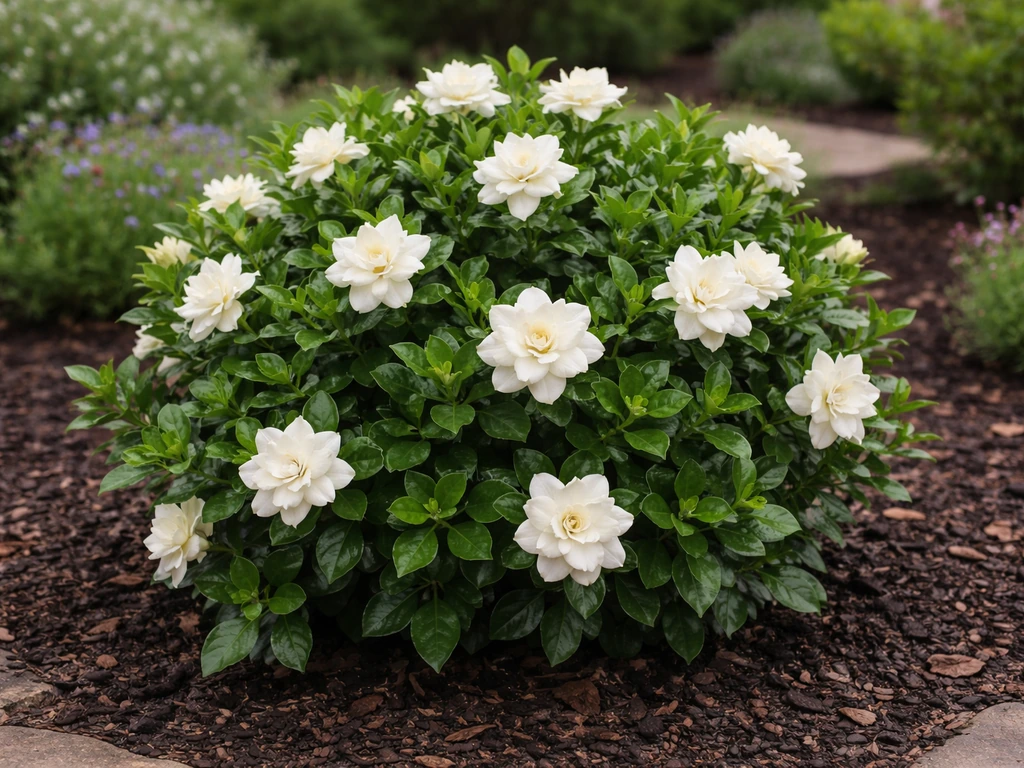
In Portland, the Willamette Valley, and along the coast, the right cultivar planted in the right spot has a realistic shot at surviving winters in the ground. In Bend, La Grande, or anywhere east of the Cascades, outdoor gardenias will almost certainly die without protection. The key variables are your hardiness zone, which cultivar you choose, and whether you're willing to grow in a container if your zone is borderline.
Quick answer by Oregon region and zone
Oregon's climate varies more dramatically than most states, so a single yes or no doesn't cover everyone. Here's how the main regions shake out according to the 2023 USDA Plant Hardiness Zone Map.
| Region / City | USDA Zone (2023) | Winter Low | In-Ground Feasibility |
|---|---|---|---|
| Portland | 9a | 20°F to 25°F | Good with hardy cultivars |
| Willamette Valley (Eugene, Corvallis) | 8b | 15°F to 20°F | Possible with hardy cultivars, some risk |
| Medford / Southern Oregon | 8b | 15°F to 20°F | Possible, summer heat stress is also a factor |
| Oregon Coast (Astoria) | 8b–9a | 15°F to 25°F | Reasonable in mild spots, watch wind and humidity |
| Bend / Central Oregon | 6b | -5°F to 0°F | Not feasible in-ground; container only |
| La Grande / Eastern Oregon | 6b | -5°F to 0°F | Not feasible in-ground; container only |
| Klamath Falls | 7a | 0°F to 5°F | Very risky in-ground; container strongly recommended |
Most standard gardenia varieties are reliably hardy only in USDA zones 8 and warmer. Cold-hardy cultivars like 'Chuck Hayes' push that down to zones 7 or even 6b under ideal conditions, but east of the Cascades those zones see genuine subzero temperatures and that's simply too cold for outdoor gardenias to survive without serious winter protection.
What gardenias actually need to thrive
Gardenias (Gardenia jasminoides) are subtropical shrubs with a fairly specific wish list. Understanding these requirements upfront is what separates a gardenia that blooms beautifully from one that drops all its buds or dies back to the roots.
- Cold tolerance: Most cultivars handle down to about 15°F to 20°F. Hardy types like 'Chuck Hayes' can reportedly tolerate lows around 5°F to 10°F, making them suitable for zone 7 and, with protection, zone 6b.
- Soil pH: Gardenias need acidic soil, ideally below pH 6.0 and preferably closer to 5.0–5.5. OSU Extension recommends this same pH range for azaleas and rhododendrons, which grow in similar soil conditions.
- Humidity: Low indoor humidity is one of the top reasons gardenia buds drop before opening. This matters a lot if you're overwintering a container plant inside.
- Drainage: Gardenias hate soggy roots, especially in winter. Good drainage is non-negotiable in Oregon's wet winters.
- Light: Morning sun with afternoon shade or bright filtered light is the sweet spot. Full afternoon sun in hotter inland locations can cause stress.
- Temperature stability: Rapid temperature swings, cold drafts, or moving plants abruptly between warm and cold spaces triggers bud drop and leaf loss.
Where gardenias succeed and struggle in Oregon
Portland and the northern Willamette Valley
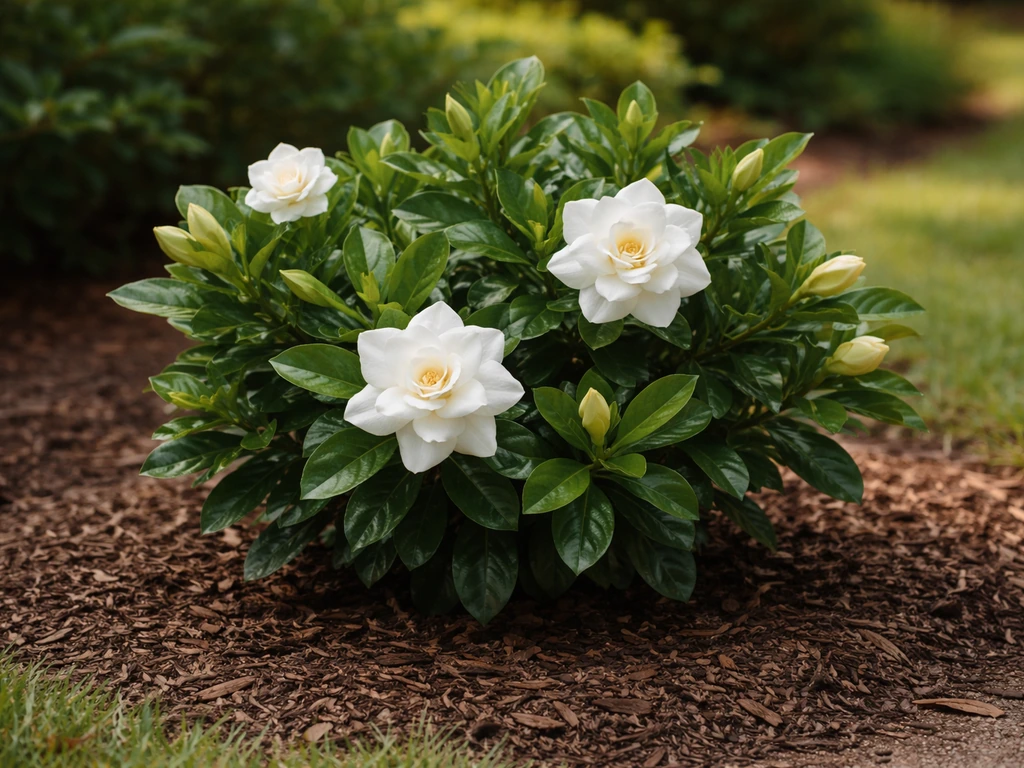
Portland shifted to zone 9a in the 2023 USDA update, which puts it firmly in gardenia territory when you pick the right cultivar. Portland Nursery, one of the most knowledgeable local sources on this topic, has been carrying hardy gardenia cultivars like 'Kleim's Hardy', 'Frost-Proof', and 'Chuck Hayes' specifically because those plants have proven more reliable for Northwest conditions. They even note that in the last decade or so, genuinely hardy types have changed what's possible for Portland gardeners. Plant near a south- or west-facing wall for reflected warmth, make sure drainage is excellent, and a hardy cultivar has a good shot at coming back each year.
Willamette Valley (Eugene, Corvallis) and Southern Oregon (Medford)
Eugene, Roseburg, and Corvallis sit at zone 8b, where winter lows can reach 15°F to 20°F. That's manageable for hardy cultivars, but not entirely risk-free. Medford is also zone 8b now, but Medford adds a summer heat challenge: gardenias can suffer bud drop when temperatures spike above the mid-80s°F, which is common in the Rogue Valley. You'll want afternoon shade in Medford more than you would in Portland. The Willamette Valley's 150 to 250 frost-free days per year gives gardenias plenty of time to grow and bloom, which is encouraging.
The Oregon Coast
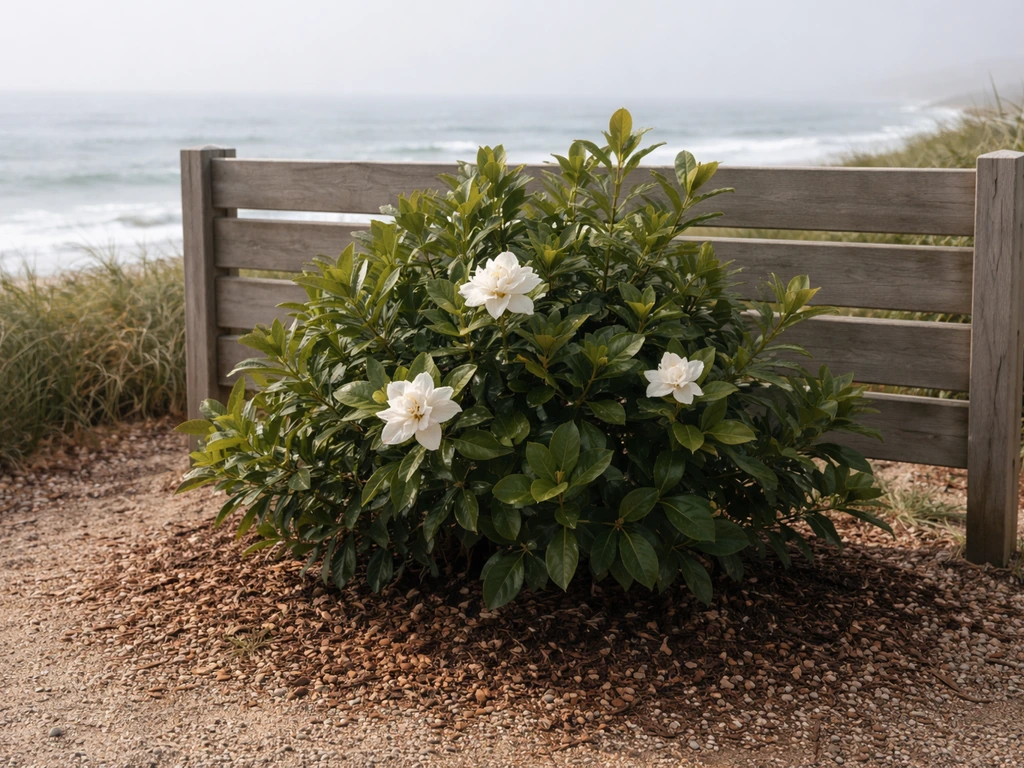
The coast is interesting. Temperatures rarely drop as hard as inland zones, and Astoria ranges from 8b to 9a. The challenge isn't usually cold, it's wind and salt exposure. Gardenias don't love constant ocean wind, so a sheltered coastal garden with mild temps can actually work quite well. Look for spots protected from prevailing westerly winds and you may find the coast surprisingly gardenia-friendly.
Central and Eastern Oregon
Bend and La Grande are zone 6b, which means winter lows of negative 5°F to 0°F. Even the hardiest gardenia cultivars aren't reliable at those temperatures in open ground. Central Oregon also gets as few as 80 frost-free days in some areas, which limits the outdoor growing window significantly. In-ground gardenias are not a practical choice here. Container growing with indoor overwintering is the only realistic path if you're determined to have one.
Making gardenias work: containers and overwintering
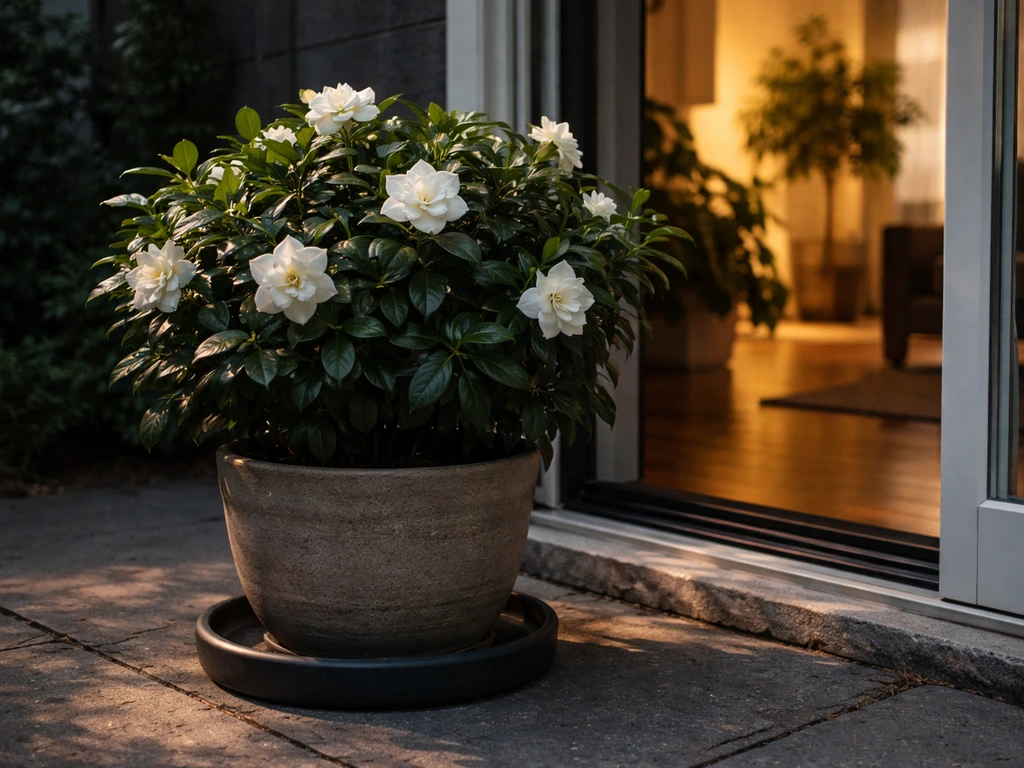
If you're in a colder Oregon zone or just want insurance, growing in a container is genuinely effective. The strategy is to enjoy your gardenia outside during the frost-free months, then bring it in before the first hard frost in fall and move it back out after the last frost in spring. Gardenfine notes that inadequate winter protection can cause gardenias to die back or suffer frost damage bring it in before the first hard frost in fall and move it back out after the last frost in spring. Here's what makes that work well:
- Acclimate slowly when moving between outdoors and indoors. Bring the plant in over 7 to 14 days by gradually increasing indoor time. Sudden moves trigger leaf drop and bud failure.
- Find a bright, cool indoor spot. A room that stays around 55°F to 65°F with as much natural light as possible is ideal for winter.
- Boost humidity. Gardenias in typical heated homes will drop buds if the air is too dry. A humidity tray with pebbles and water, or a small humidifier nearby, helps significantly.
- Water carefully in winter. Let the top layer of soil dry before watering again. Overwatering in winter is a common way to lose a container gardenia.
- Avoid cold drafts. Keep the pot away from frequently opened doors, cold windows, or heating vents that blow directly on the plant.
- Mulch or insulate the container. If you're leaving a container in a protected outdoor space like a garage, sinking a smaller pot into the ground or mulching up to the container rim reduces temperature swings at the root zone.
Container growing adds work, but it genuinely opens gardenias up to gardeners in Bend, Klamath Falls, and other colder areas who would otherwise have no shot at growing them.
Picking the right gardenia cultivar for Oregon
This is probably the single most important decision you'll make. Walk into a nursery and buy a random gardenia and you may be getting a tropical cultivar bred for Florida conditions. For Oregon, you want varieties that have been specifically tested or recommended for cold hardiness. Portland Nursery's guidance is the most locally relevant source here, and they point to three cultivars as the hardy options for the Northwest.
| Cultivar | Cold Hardiness | Notable Traits | Best For |
|---|---|---|---|
| Chuck Hayes | Zones 7–11, reportedly to ~5–10°F | Double fragrant blooms, thick evergreen foliage, heat tolerant | Best all-around choice for Oregon; most cold-tolerant widely available option |
| Kleim's Hardy | Zone 7 | Compact, single fragrant blooms, profuse flowering | Smaller spaces, containers, zone 7–8b areas |
| Frost-Proof | Zone 7b–8 | Upright growth, double flowers, good cold tolerance | Willamette Valley and Portland in-ground planting |
| August Beauty | Zone 8 | Large double fragrant blooms, long bloom season | Mild Oregon locations; Portland 9a with good siting |
| First Love / Kleim's Hardy types | Zone 7–8 | Compact forms, single or semi-double blooms | Western Oregon with some winter protection |
For most Oregon gardeners, 'Chuck Hayes' is the place to start. It's the most cold-tolerant of the commonly available options, it's heat-tolerant enough to handle Medford summers, and it's what knowledgeable local nurseries stock precisely because it has a track record in Northwest conditions. If you're in Portland or the mild coast and want larger, showier blooms, 'August Beauty' is worth considering, but understand you're trading a bit of hardiness for the flower size.
Should you plant in-ground or use a container? A decision checklist
Before you buy anything, run through this quick checklist. It'll tell you in two minutes whether in-ground planting is realistic or whether you should plan for a container strategy instead.
- Find your exact USDA zone first. Use the 2023 USDA Plant Hardiness Zone Map with your zip code, not a general guess based on your city.
- Zone 9a (Portland area): In-ground planting with a hardy cultivar is realistic. Choose 'Chuck Hayes', 'Frost-Proof', or 'August Beauty' and plant in spring so roots establish before winter.
- Zone 8b (Willamette Valley, Medford, Coast): In-ground is possible with hardy cultivars, but add winter mulch around the root zone and site the plant against a sheltered wall. Have a backup plan for unusual cold snaps.
- Zone 7a (Klamath Falls): In-ground is high risk. Container growing with indoor overwintering is strongly recommended unless you're in a very protected microclimate.
- Zone 6b (Bend, La Grande, Eastern Oregon): Do not plant in-ground. Container only. Bring inside before first frost, every year.
- Check your soil pH before planting. Gardenias need pH below 6.0, ideally 5.0–5.5. Get a simple soil test and amend with sulfur if needed, following OSU Extension guidance for acid-loving plants.
- Pick a sheltered planting site. South- or west-facing walls, protection from wind, and morning sun with afternoon shade in hotter areas are your best allies.
- Be honest about container commitment. Container growing works but requires real effort each fall and spring. If you're not up for it, a more cold-hardy alternative might serve you better.
If gardenias are too risky for your situation
If you're in a colder part of Oregon and really just want that fragrant, evergreen flowering shrub experience, camellias are the closest alternative that actually thrives in Oregon winters, especially in zones 7b and warmer. Rhododendrons and azaleas also give you that similar acid-soil, evergreen flowering shrub feel with far more reliable cold hardiness across most of the state. Gardenias grown in colder climates like Michigan or Indiana face the same container-or-nothing calculus that eastern Oregon gardeners deal with, so you're not alone in weighing whether the effort is worth it.
If you're in Portland or the Willamette Valley, though, there's genuinely no reason to talk yourself out of a gardenia. The zone conditions are there, the right cultivars are stocked at local nurseries, and with good siting and a bit of preparation, you can have that incredible fragrance blooming in your yard. If you’re wondering will gardenias grow in Phoenix, AZ, the key will be picking a heat-tolerant cultivar and protecting the plant from afternoon sun and dry stress.
In Indiana, gardenias face similar cold-hardy and hardiness-zone considerations, so many gardeners need to plan for winter protection or container growth gardenias in Indiana. Just buy the hardy cultivar, plant it in spring, give it well-drained acidic soil, and you're well on your way. OSU Extension explains that rhododendrons, azaleas, and other acid-loving ornamentals generally need strongly acidic soil and provides guidance on how to manage soil pH toward appropriate targets [well-drained acidic soil](https://www. extension.
oregonstate. edu/news/rhododendrons-azaleas-need-strong-acidic-soil).
FAQ
What’s the safest time to plant a gardenia in Oregon so it survives winter?
Plant in spring after the soil has warmed and the worst cold snaps have passed. This lets the roots establish before winter, especially in zone 8b where lows can still hit the 15°F to 20°F range.
Can I grow a gardenia outdoors year-round in Oregon if I mulch heavily?
Mulch helps, but it usually does not fully replace real winter protection when temperatures drop below the cultivar’s limit. In colder Oregon zones (around 6b), expect meaningful winter dieback unless you also use wind shielding and container overwintering or substantial cover.
Which Oregon siting matters more, sun or wind protection?
For Oregon, sun and reflected warmth help, but wind protection is a major driver on the coast and in exposed sites. Choose a sheltered location and prioritize afternoon shade where summers are hot, such as Medford, to reduce bud drop.
How do I prevent bud drop in Oregon summers?
Use afternoon shade and keep the soil evenly moist but not soggy. Bud drop is more likely when temperatures spike into the mid-80s°F range, so reducing heat stress matters as much as winter hardiness.
Do gardenias need acidic soil in Oregon, and what pH target should I aim for?
Yes. Gardenias typically perform best in acidic soil, and if your site is more neutral or alkaline you may need regular amendments (like sulfur-based products) and monitoring. If you do not correct pH, you may see poor growth or yellowing even when temperatures are suitable.
What container size and drainage setup works best if I’m overwintering indoors?
Use a larger pot to reduce temperature swings (a smaller container freezes faster). Make sure drainage is excellent, with multiple drainage holes and a saucer you empty, because gardenias dislike sitting in water during indoor overwintering.
How should I overwinter a container gardenia in Oregon without shocking it?
Move it indoors before the first hard frost, then keep it in the brightest spot you have, with moderate temperatures and steady watering. When spring returns, harden it off by gradually increasing time outdoors to avoid sudden sun and temperature changes.
Is frost protection like frost cloth or burlap enough for Portland or the Willamette Valley?
Light cover can buy time during brief cold snaps, particularly in zone 8b near the edge of hardiness. But if a cold event is prolonged, the cultivar’s actual limit and wind exposure will still determine survival.
Can I propagate a gardenia that survived Oregon winters from cuttings?
You can, but success is not guaranteed, and cold-hardy performance is tied to the specific cultivar. If you want reliably Oregon-suited plants, start with cultivars known to do well locally rather than relying on propagation from one survivor.
If my gardenia freezes back, should I cut it down right away?
Wait until after the danger of late frost passes and new growth starts. Prune dead material based on what actually re-sprouts, since cutting too early can remove buds that would have recovered.
What are the closest alternatives if I want the same vibe but less risk than gardenias?
Camellias are often the most straightforward substitute in Oregon winters, especially in zones 7b and warmer. Rhododendrons and azaleas can also deliver a similar evergreen shrub and abundant bloom look with generally more dependable cold tolerance across a wider range of Oregon.