
Gardenias can grow in Ohio, but only under specific conditions and with realistic expectations about winter survival. Most of Ohio falls in USDA zones 5b to 6b, and standard gardenias are only reliably hardy to zone 7 or warmer. That gap matters a lot. Your best shot at success is choosing one of the cold-hardier cultivars like 'Frost Proof' or 'Kleim's Hardy,' planting in a sheltered microclimate, and being ready to either protect them aggressively in winter or grow them in containers you can bring indoors. It's doable, but you need to go in with a plan.
Can Gardenias Grow in Ohio? Types, Zones, and Tips

Marcus Hartwell
28 Apr 2026
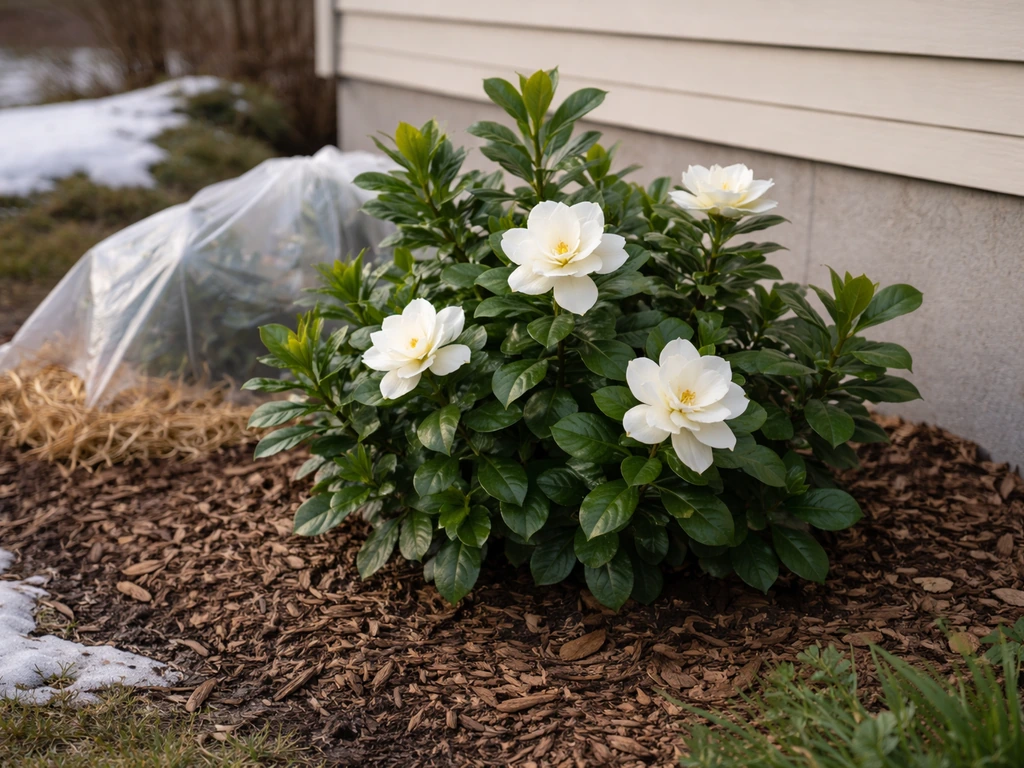
Ohio's Growing Zones and What Gardenias Actually Need to Survive
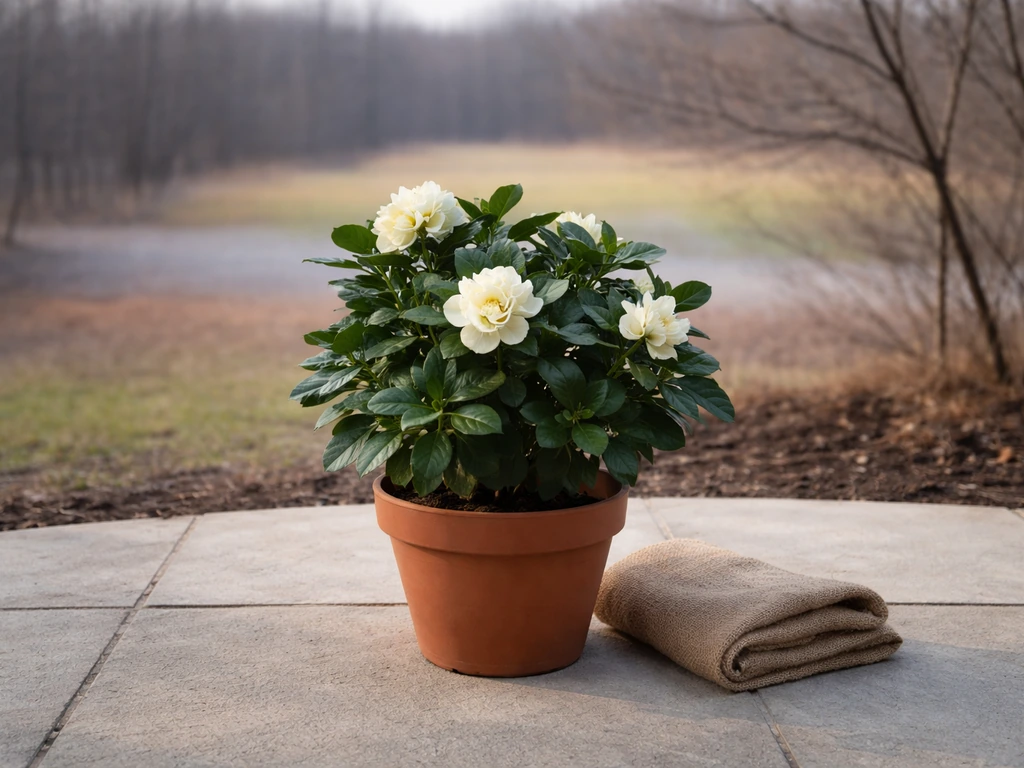
Ohio spans USDA hardiness zones 5b in the northwest and northeast corners to 6b in the southern and Lake Erie-influenced areas around Columbus, Cincinnati, and the Lake Erie shoreline. A handful of microclimates in the southwest near Cincinnati push into zone 7a, but those are the exception. When you look at a standard Gardenia jasminoides, blank" rel="noopener noreferrer">it's rated reliably hardy to zone 7, meaning it can handle winter lows around 0°F to 10°F. Ohio's zone 5b and 6a locations regularly see temps of -10°F to 0°F. That's a significant mismatch, and it's why most Ohio gardeners lose gardenias to winter kill when they try the typical varieties you see at big-box stores.
Gardenias also want acidic soil in the pH range of 4.5 to 5.5. Ohio's native soils tend toward neutral to mildly acidic, so you'll likely need to amend. Beyond cold and soil pH, gardenias are sensitive to drainage: roots sitting in wet, cold soil over winter is essentially a death sentence. Ohio's clay-heavy soils in many regions can hold too much moisture, compounding the winter cold stress. If you're in central or northern Ohio, you're fighting on two fronts.
So Can You Actually Grow Gardenias in Ohio? Here's the Honest Answer
Yes, with caveats. If you're in the southern third of Ohio, particularly in zone 6b pockets around Cincinnati or the southern Columbus suburbs, growing a cold-tolerant cultivar in a protected spot gives you a reasonable shot at year-round outdoor survival. If you're in central Ohio (zone 6a) or further north, in-ground gardenias are a high-risk gamble. A mild winter, they might come through. A harsh one, they won't. The realistic answer for most of Ohio is: treat gardenias as container plants you overwinter indoors or in an unheated garage, or plant the most cold-hardy cultivar available in the warmest spot in your yard and accept that some winters will set you back hard.
Compared to neighboring states, Ohio's situation is similar to Michigan (which is even tougher for gardenias) and slightly more favorable than Indiana's northern regions, though Indiana's southern zones overlap with Ohio's southernmost areas. Michigan winters are even tougher for gardenias, so the same cultivar and protection strategy matters even more. If you're close to the Ohio-Kentucky or Ohio-West Virginia border, your zone is closer to Tennessee-like conditions where gardenias have a much better track record outdoors.
The Best Gardenia Types to Buy for Ohio
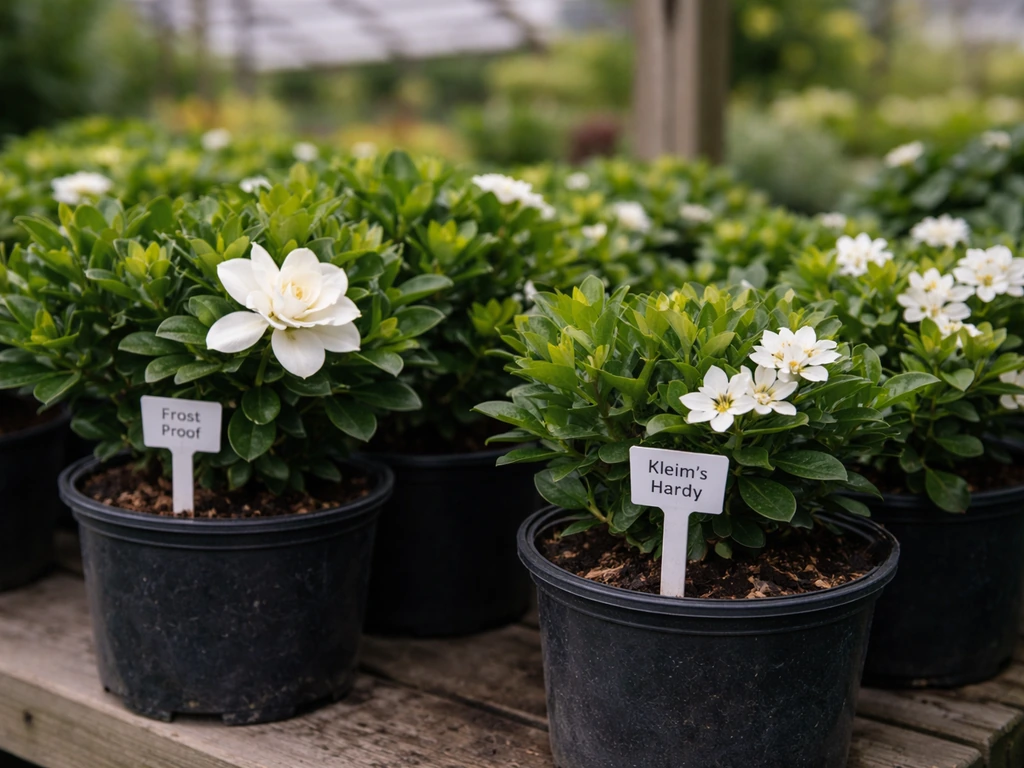
This is where most people go wrong. They pick up a beautiful gardenia at a garden center, assume it'll work, and don't look at the cultivar. The standard Gardenia jasminoides sold in generic pots is often a zone 8 plant in disguise. For Ohio, you want to specifically seek out cultivars that are marketed for zone 7 or, ideally, zone 6 tolerance. Right now, there are two standouts worth knowing.
| Cultivar | Claimed Hardiness | Size | Best Use in Ohio |
|---|---|---|---|
| 'Frost Proof' | Zone 7a to 7b (down to ~5°F); some sources say zone 6 with protection | 4–6 ft tall, upright | Southern Ohio in-ground or container statewide |
| 'Kleim's Hardy' | Zone 7 (reliably); zone 6b with protection | 2–3 ft, compact | Southern Ohio in-ground, container in central/north Ohio |
| Standard Gardenia jasminoides | Zone 8–10 | Varies | Container only, bring indoors for winter |
'Frost Proof' is the cultivar most worth your time in Ohio. It's described as hardy to USDA zone 7a, handling lows around 0°F to 5°F, and some nurseries claim it survives into zone 6 with protection. The Columbus Botanical Garden has listed it as a viable hardy shrub, which is about as locally relevant a reference as you'll find. 'Kleim's Hardy' is rated to zone 7 by the Missouri Botanical Garden and is compact enough to make container growing practical. Both produce fragrant white flowers, which is the whole point of growing gardenias in the first place.
One important warning: cold hardiness ratings from nurseries and retailers can be optimistic. A zone 7 rating assumes ideal conditions. In Ohio, you should mentally subtract a half zone from any cultivar claim and plan accordingly. 'Frost Proof' rated at 7a? Plan for it to survive reliably in zone 7a, struggle in zone 6b, and need serious protection in zone 6a.
Finding the Right Spot in Your Ohio Yard
Microclimate selection can effectively bump your garden up by a half zone, and that half zone can make the difference between a gardenia that survives Ohio winters and one that doesn't. Look for spots on the south or southeast side of your house where the wall reflects warmth and blocks north winds. Corners formed by brick or stone structures are particularly good because masonry absorbs heat during the day and releases it overnight, buffering temperature extremes.
Drainage is non-negotiable. If you're planting in Ohio clay soil, raise the planting area or build a berm to ensure water moves away from roots. A gardenia sitting in wet soil going into a cold Ohio winter is going to suffer root rot before the freeze even gets a chance to do its damage. UF/IFAS research confirms that poor drainage leads directly to yellowing, poor growth, and plant failure in gardenias. Amend your soil with pine bark fines or acidic organic matter, and aim for that pH sweet spot of 4.5 to 5.5. Test your soil first since Ohio soils vary, and you don't want to over-acidify.
Light requirements in Ohio are a bit counterintuitive. Gardenias prefer bright indirect light or morning sun with afternoon shade. In the South, they need afternoon shade protection. In Ohio, you actually want more sun exposure, especially morning sun, to help the plant get enough warmth and energy during the shorter, cooler growing season. Just avoid harsh western afternoon exposure that can stress the plant in summer heat spikes.
Container vs. In-Ground: Which Makes More Sense for Ohio?
For most of Ohio (zones 5b through 6b), container growing is the safer and more reliable strategy. Here's the trade-off spelled out clearly.
| Factor | Container | In-Ground |
|---|---|---|
| Winter survival | Manageable if moved to protection | High risk in zones 5b–6a; moderate risk in 6b |
| Root cold exposure | Higher risk (roots exposed to air temps) | Lower risk (ground insulates roots) |
| Soil control | Full control over pH and drainage | Requires amendment and testing |
| Flexibility | Move to best microclimate or indoors | Fixed location |
| Long-term size | Limited by pot | Can reach full 4–6 ft in favorable conditions |
| Setup effort | Lower initial effort | Higher initial soil prep |
The biggest container risk in Ohio winters is that roots in pots get as cold as the air temperature around them, unlike in-ground roots that benefit from soil insulation. Penn State Extension specifically flags this and recommends using larger pots (more soil mass means more thermal buffer), watering the root ball well before the soil freezes so it goes into winter with moisture, and considering moving the plant to an unheated garage or protected structure when temperatures drop hard. An unheated garage in most Ohio locations stays well above 0°F even in brutal winters, which is often enough to protect a 'Frost Proof' gardenia.
If you do go in-ground, southern Ohio zone 6b locations with a strong protective microclimate are the only places I'd call reasonable. And even then, be ready to mulch heavily (4 to 6 inches of wood chip mulch over the root zone) and wrap or cover the plant during polar vortex events.
Season-by-Season Plan for Ohio Gardenia Growers
Spring (April through May)
Don't rush. Ohio's last frost dates range from mid-April in the south to late May in the north. Wait until nighttime temperatures are consistently above 50°F before moving container gardenias outside or planting in-ground. A late frost on a gardenia that's already broken dormancy can set the plant back significantly. Mid to late May is the target for most of Ohio.
Summer (June through August)
This is Ohio gardenia season. Gardenias bloom in summer heat, and Ohio's warm humid summers are actually reasonably well-suited to the plant's flowering preferences. Keep soil consistently moist but not waterlogged. If growing in a container, check moisture more frequently since pots dry out faster. This is also the time to fertilize with an acid-formula fertilizer to support healthy growth and bloom production.
Fall (September through October)
This is your transition window and it matters a lot for overwintering success. Stop fertilizing by early September so the plant can harden off rather than pushing new tender growth that will be killed by cold. For container plants, start gradually reducing watering and begin the process of acclimating the plant to lower light conditions if you're moving it to a garage or basement. Water the root ball thoroughly in late October before the first hard freeze.
Winter (November through March)
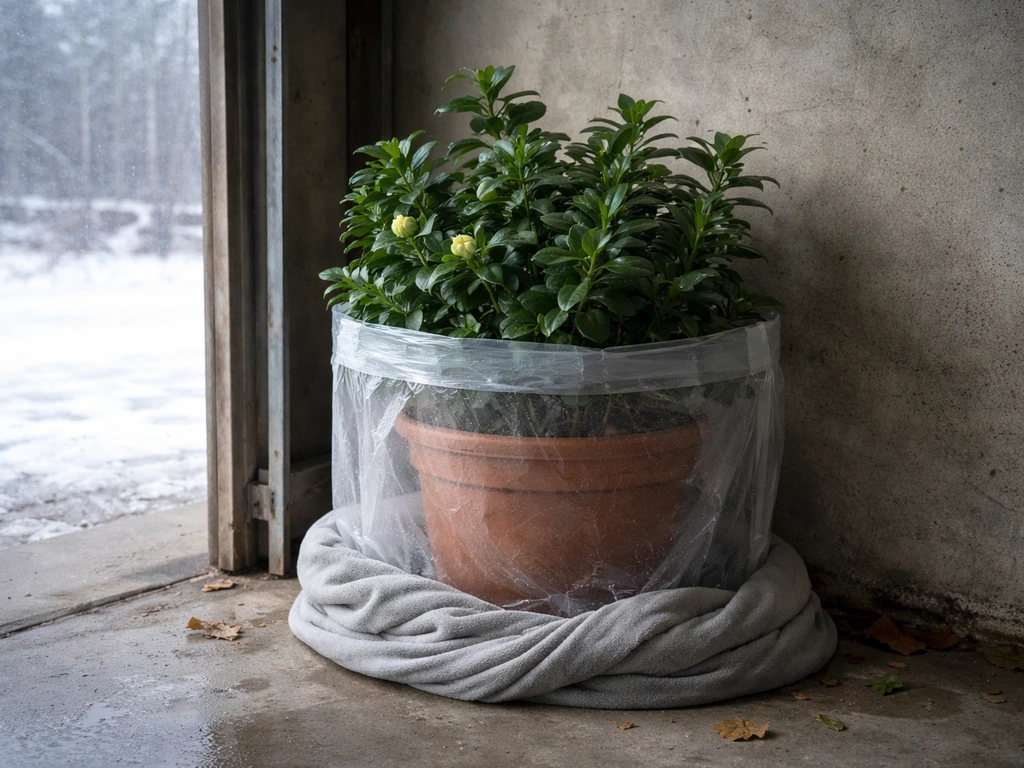
Container gardenias should be in a protected structure by the time Ohio temperatures regularly drop below 20°F. An unheated garage works well for 'Frost Proof' or 'Kleim's Hardy.' The plant will go semi-dormant and lose some leaves, which is normal. Keep the soil barely moist, not dry, through winter. Don't let it sit bone dry for months. For in-ground plantings in southern Ohio, apply a 4 to 6 inch mulch layer over the root zone before hard freezes arrive, and consider wrapping the plant with burlap in zone 6a locations during the coldest stretches.
Your Next Steps Right Now
If you're ready to move forward, here's what to do today rather than getting lost in research loops.
- Check your exact USDA hardiness zone using the USDA Plant Hardiness Zone Map online. Enter your zip code to get your specific zone, not just a general Ohio estimate.
- If you're in zone 6b or warmer, search specifically for 'Frost Proof' gardenia or 'Kleim's Hardy' at local nurseries or reputable online retailers. Don't buy a generic gardenia without a named cultivar and a confirmed zone rating.
- Test your soil pH before planting. Your local OSU Extension office offers soil testing for a modest fee. You're aiming for 4.5 to 5.5.
- Decide now whether you're going container or in-ground. If you're in zone 6a or colder, choose container. If you're in zone 6b with a south-facing sheltered wall, in-ground with 'Frost Proof' is worth trying.
- Plan your overwintering setup before summer ends. Know where the plant will go (garage, basement, shed) and have mulch on hand for in-ground plants.
Gardenias aren't the easiest plant to grow in Ohio, but they're not impossible either. If you are asking will gardenias grow in Phoenix, AZ, the challenge shifts from winter cold to heat stress and watering. In Tennessee, the key is matching the cultivar to your specific USDA zone and protecting gardenias from winter cold, especially during freezes Gardenias aren't the easiest plant to grow in Ohio. If you are wondering can gardenias grow in Oregon, the same basics like cold protection, proper cultivar choice, and excellent drainage will matter, but your local climate is the deciding factor Gardenias aren't the easiest plant to grow in Ohio. The people who succeed with them here are the ones who pick the right cultivar, put it in the right spot, and have a winter plan. The people who fail are usually the ones who bought whatever was blooming at the garden center in June without checking the zone rating. Start with the right variety, give it good drainage and acidic soil, and Ohio can surprise you.
FAQ
If I buy a gardenia that’s blooming at a garden center, will it survive my Ohio winter?
Not reliably outdoors in most of Ohio. If you want year-round survival, treat gardenias as container plants you overwinter indoors or in an unheated garage, unless you are in a warm southern pocket (around zone 6b) with a strong microclimate and a protection routine. Even hardy cultivars can be set back hard by a single extreme low or a cold, wet winter.
How can I tell whether the cultivar I’m buying is truly cold-hardy enough for Ohio?
Look for specific cultivar claims, not just the plant being sold as “hardy.” A common mistake is trusting generic nursery labels that assume ideal conditions, which can be optimistic for Ohio. As a rule of thumb, mentally plan for about half a zone less hardiness than the marketing rating, then choose the warmest, most sheltered spot you have.
Can I grow gardenias in containers in Ohio instead of planting in the ground?
Yes, but you still need a winter strategy. Pots can freeze around the roots, even if the plant looks fine aboveground. Use a larger container (more soil mass), water the root ball thoroughly before freezes, and move it into an unheated garage or other protected structure when temperatures are consistently dropping below about 20°F.
What sun exposure works best for gardenias in Ohio summers and winters?
Use morning sun with afternoon shade or protection. Ohio gardeners often overdo western afternoon heat, which can stress leaves and trigger bud problems in summer heat spikes. A south or southeast exposure near a wall or corner is usually the best balance of warmth and wind protection.
What’s the right way to manage soil acidity for gardenias in Ohio?
Test before you amend, because Ohio soils vary a lot by region. You’re aiming for acidic pH (about 4.5 to 5.5), but over-acidifying can hurt growth. If your pH is near neutral, adjust gradually with acidic amendments and retest rather than dumping in aggressive products all at once.
My yard has heavy clay, what drainage approach is best for in-ground gardenias?
Drainage is the deciding factor in many Ohio gardens, especially in winter. If you have clay that stays wet, raise the planting bed or build a berm so water flows away from the root zone. In ground, avoid areas where meltwater or irrigation puddles after rains, even if the spot gets good sun.
Is it normal for gardenias to lose leaves in winter, and how do I know if something is wrong?
Expect some leaf drop when gardenias slow down or enter semi-dormancy indoors or in a garage. It’s more concerning if stems die back from the base or the plant repeatedly turns yellow while soil stays wet. Check that the root zone is only barely moist in winter, and ensure the plant is not sitting in cold, saturated soil.
When should I fertilize (and stop fertilizing) my Ohio gardenia?
Do not fertilize late in the season. Stop by early September so the plant can harden off, then resume after overwintering with an acid-formula fertilizer during active growth. Over-fertilizing in fall often leads to tender new growth that gets damaged during Ohio freezes.
When is the safest time to move container gardenias outdoors after winter in Ohio?
Don’t rush outdoor exposure after the last frost. A good practice is to wait until nighttime temperatures are consistently above about 50°F, then acclimate gradually if the plant has been indoors. Moving it outside too early can cause bud and leaf damage by cold snaps.
How should I water and provide light for container gardenias while overwintering in an unheated garage?
Overwinter lighting and watering matter. Keep containers in a protected place and aim for barely moist soil, not bone-dry, through winter. If you keep the plant in a dark garage, reduce watering a bit more, but still check periodically so the root ball does not fully dry out.
If I want to try planting in the ground in southern Ohio, what protection steps should I plan for before winter?
For in-ground attempts, prioritize microclimates and protection, even with hardy cultivars. Use heavy mulch (around 4 to 6 inches) over the root zone and consider wrapping with burlap during the coldest stretches in zone 6a or during polar-vortex-style lows. Still, plan for setbacks, because Ohio winters can be unpredictable.