
Yes, gardenias can grow in Tennessee, but your odds depend heavily on where in the state you live. In Memphis and the warm western lowlands (Zone 8a), in-ground gardenias are a realistic choice. In Nashville and most of Middle Tennessee (Zones 7a–7b), they're doable with the right site and soil. In the higher elevations of East Tennessee and the mountains (Zones 6a–6b), winter cold makes in-ground survival unreliable, and containers with winter protection are your better bet. The short version: West Tennessee gardeners can go for it, Middle Tennessee gardeners can succeed with some care, and East Tennessee mountain gardeners should either grow them in pots or look at hardier alternatives.
Can Gardenias Grow in Tennessee? Zones, Conditions, and Tips
Marcus Hartwell
5 May 2026
Tennessee's climate and what gardenias actually need
Tennessee spans USDA Plant Hardiness Zones 6a through 8a, which is a surprisingly wide range for one state. That spread matters because gardenias (Gardenia jasminoides) are subtropical shrubs that prefer mild winters and struggle when temperatures dip hard below 15°F. In Oregon, the climate and winter lows are the main factors that determine whether can gardenias grow in oregon successfully in the ground or only in containers Gardenia jasminoides. The state's hot, humid summers are actually a good fit for gardenias in one sense, but the flip side is that Tennessee summers also accelerate spider mite populations and scale insects, both of which love gardenias. So you're working with a climate that gives gardenias what they want in summer while potentially punishing them in winter.
Beyond temperature, gardenias have a non-negotiable soil requirement: they need acidic conditions with a pH between 5.0 and 6.5. Once soil pH climbs above 6.5, iron, manganese, copper, and zinc become less available to the plant, and you'll see the classic yellowing leaves (iron chlorosis) that frustrates so many Tennessee gardeners. Tennessee soils vary quite a bit by region, and many areas trend toward neutral or slightly alkaline pH, especially in yards where concrete, limestone, or construction fill has altered the soil. A soil test before you plant is not optional here.
Where in Tennessee gardenias are most likely to succeed
Think of the state in three broad bands when it comes to gardenia feasibility.
West Tennessee and Memphis area (Zone 8a)
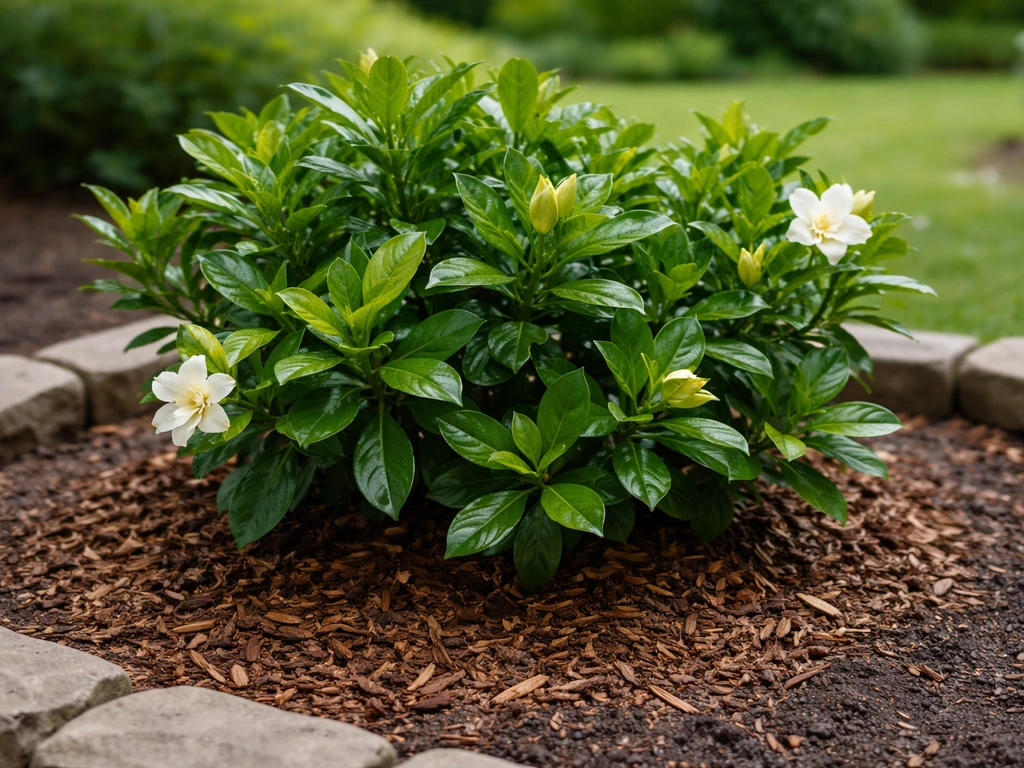
Memphis sits in Zone 8a, and this is where in-ground gardenias have the best track record in the state. Winters here are mild enough that an established gardenia shrub can survive without special protection in most years. Cold snaps can still happen, and a rare hard freeze will cause dieback, but plants typically recover. If you're in the Memphis metro or the western lowland areas, gardenias are a reasonable landscape investment.
Middle Tennessee and Nashville (Zones 7a–7b)
Nashville falls in Zones 7a to 7b, and this is where things get interesting. Gardenias can survive here, but you need to pick a sheltered microclimate: a south-facing wall, a spot protected from north winds, morning sun with afternoon shade. In a typical winter, an established plant in a good microclimate will come through fine. In a rough winter with sustained temperatures in the single digits or an ice storm, you may lose the plant or see heavy dieback. The soil pH challenge is also more variable in Middle Tennessee, so testing and amending is especially important here.
East Tennessee and the mountains (Zones 6a–7a)
The higher elevations of East Tennessee, especially in the Appalachians, can drop into Zone 6a territory, where winter lows can reach -10°F. That's well outside what a standard gardenia can handle in the ground. If you're in Knoxville proper (typically Zone 7b), you have a fighting chance with microclimate selection, similar to Nashville. But if you're up in the foothills or at higher elevation, in-ground gardenias are a gamble you'll likely lose in a bad winter. Containers that can come inside or into a garage are the practical solution here.
The four main barriers that trip up Tennessee gardeners
| Barrier | What happens | How to address it |
|---|---|---|
| Winter cold snaps | Stems die back or plant is killed at roots below ~10–15°F | Choose a sheltered microclimate; mulch heavily; use containers in Zone 6–7a |
| Soil pH too high | Yellowing leaves (iron chlorosis) from nutrient lockout above pH 6.5 | Soil test first; amend with pine bark, peat moss, or elemental sulfur |
| Summer heat and pests | Spider mite populations double rapidly above 95°F; scale and whiteflies follow | Monitor regularly; ensure good airflow; treat early with insecticidal soap or horticultural oil |
| Root disturbance | Gardenias resent being moved or repotted frequently; stress slows establishment | Plant once in the right spot; minimize transplanting |
Iron chlorosis deserves extra attention because it's the most common reason a gardenia in Tennessee looks terrible even when it technically survived the winter. The fix is not simply adding iron fertilizer. Long-term, you need to lower the soil pH so the iron already in your soil becomes available again. Pine bark mulch, peat moss, and elemental sulfur are the standard tools. Get a soil test from your local UT Extension office before you start adding amendments, because you need to know your actual baseline before adjusting.
Best gardenia varieties for Tennessee and what to try instead
'Chuck Hayes' is the variety most commonly recommended for Tennessee and similar climates. It's specifically bred for improved heat tolerance and cold hardiness compared to standard Gardenia jasminoides, and it stays compact (around 3 to 4 feet), which makes it a better candidate for containers in colder zones. 'Kleim's Hardy' is another compact, cold-tolerant selection worth looking for. For Middle and West Tennessee gardeners wanting a larger landscape shrub, 'August Beauty' and 'Mystery' are popular choices, but they need Zone 7b or warmer to reliably overwinter. Avoid large, old-fashioned varieties if you're in Zone 7a or colder.
If gardenias feel like too much of a gamble for your specific zone or soil situation, there are excellent alternatives that give you a similar look or fragrance with less drama. Oakleaf hydrangea is native to the Southeast and thrives across all of Tennessee. Camellia (especially cold-hardy varieties like 'April Snow' or the Survivor series) offers the same glossy evergreen look and is reliably hardy into Zone 6b. Fragrant native azaleas deliver spring fragrance without the soil-pH anxiety. Sweet bay magnolia gives you that tropical-looking evergreen foliage in a plant that handles Tennessee winters with ease.
Quick checklist: can you grow gardenias where you live in Tennessee?
- Look up your ZIP code's USDA hardiness zone. Zone 8a (Memphis area): green light for in-ground. Zone 7b (Nashville, Knoxville): proceed with microclimate selection. Zone 7a and below (higher elevations, mountain areas): plan for containers or choose alternatives.
- Get a soil test. Your pH needs to be between 5.0 and 6.5. If it's above 6.5, plan to amend with pine bark, peat moss, or sulfur before planting.
- Identify a sheltered microclimate if you're in Zone 7 or colder. South-facing walls, protection from north winds, and morning sun with afternoon shade all help.
- Decide: in-ground or container? In-ground works best in Zone 7b and warmer. Containers work anywhere but need to come inside or into a protected space when temperatures drop below about 20°F.
- Choose the right variety. 'Chuck Hayes' or 'Kleim's Hardy' for colder zones and containers. Larger shrub varieties for Zone 7b–8a in-ground planting.
- Plan for pest monitoring. Tennessee summers will bring spider mites, whiteflies, and scale. Build in a regular check-in from June through September.
Buying, placing, and overwintering your gardenia in Tennessee
Buy locally if you can. A gardenia that's been grown in a Tennessee nursery or one in a nearby climate has already acclimated better than one shipped from a Florida greenhouse. Look for plants at local independent nurseries in spring (April through May) or early fall (September). Fall planting gives the roots time to establish before summer heat stress, but avoid planting within six weeks of the first frost if you're in Zone 7 or colder.
For placement, the Clemson Extension guidance is solid: morning sun with afternoon shade. In Tennessee's summers, full afternoon sun will stress the plant and supercharge pest problems. A spot on the east side of your house, or under the filtered light of a high-canopy tree, is often ideal. Keep in mind that too much shade reduces flowering, so you want bright indirect light for most of the day, not deep shade.
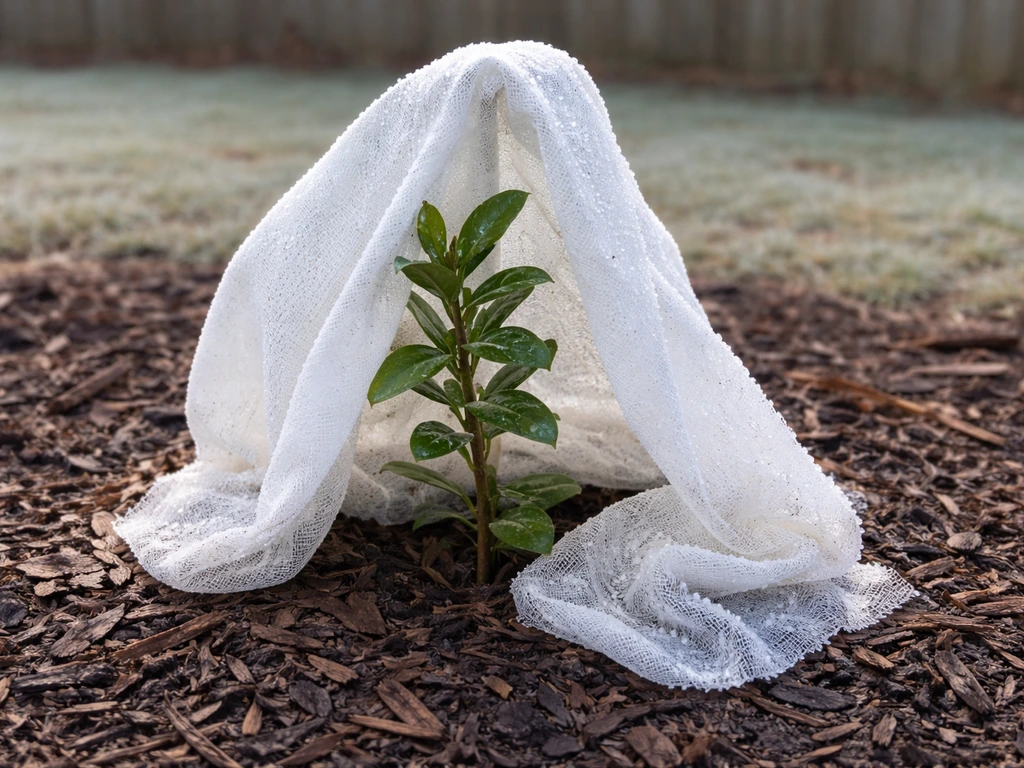
For overwintering in-ground plants in Zone 7, pile 3 to 4 inches of pine-straw mulch around the base before the first freeze. This protects the roots more than the stems, and the roots are what you want to save. The stems may die back to the ground in a hard winter, but a plant with a living root system can often recover by summer. Do not use water from a home water softener on gardenias because softened water contains elevated salts that gardenias cannot tolerate.
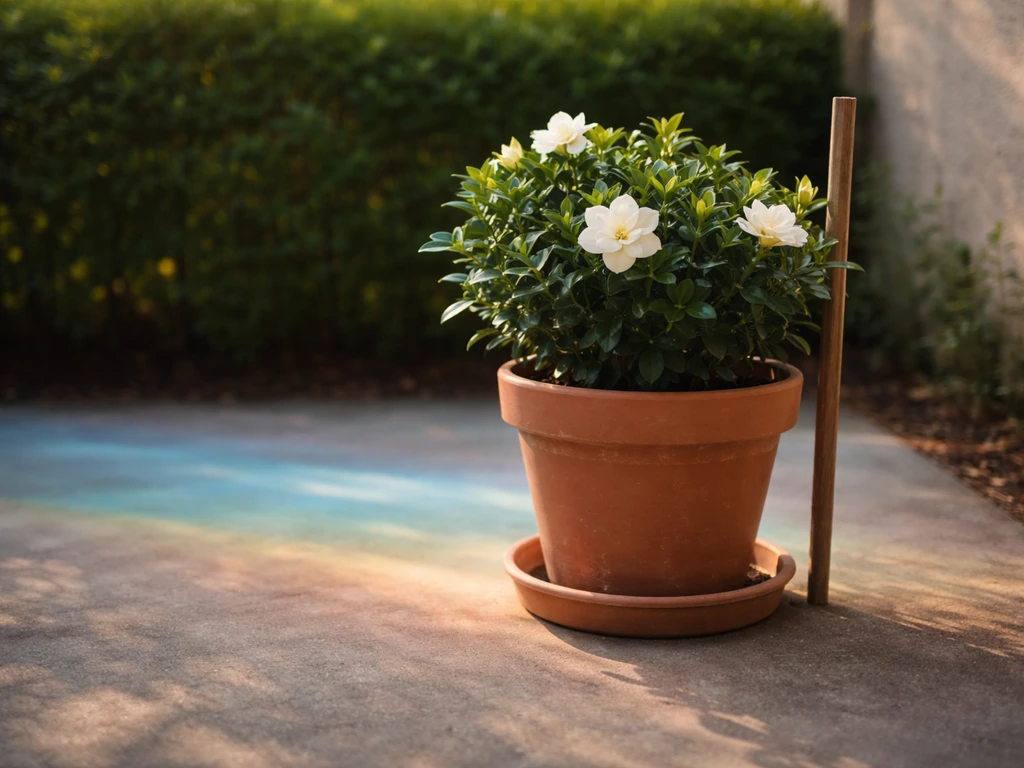
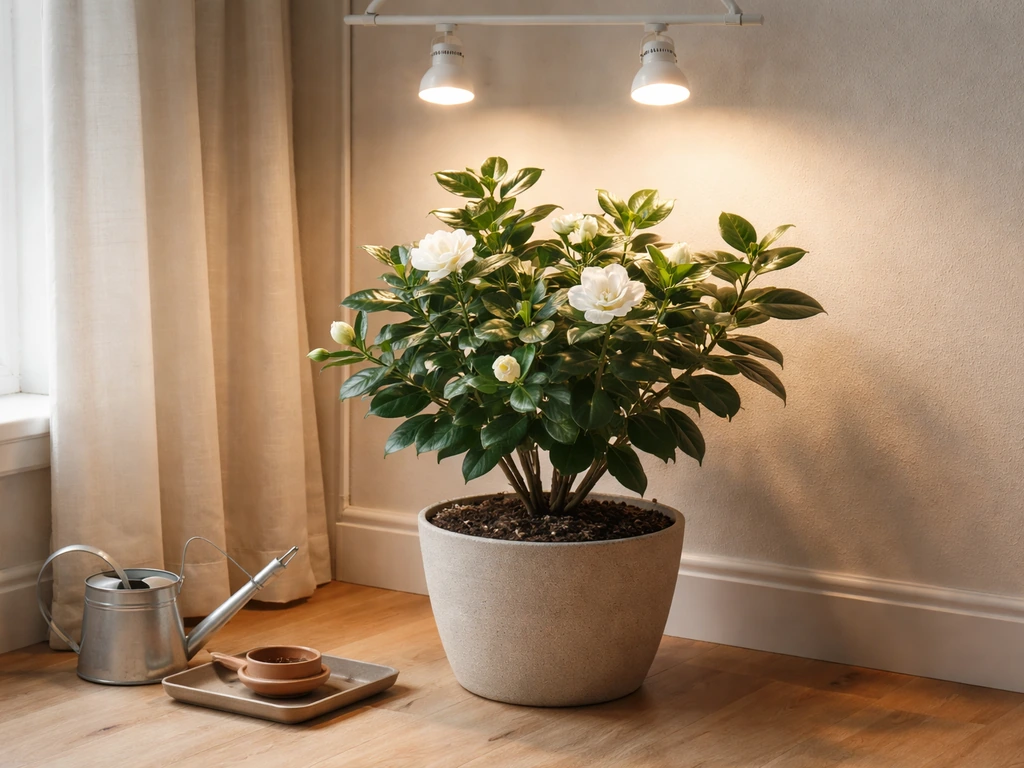
For container gardenias in colder zones, plan to move them to a garage, basement, or enclosed porch once nighttime temperatures consistently drop below 40°F. The roots of a containerized plant are fully exposed to ambient air temperature, making them far more vulnerable than the same plant in the ground. A container gardenia that gets left outside through a Tennessee cold snap in Zone 6 is almost certainly not coming back. Once inside, cut back on water (but don't let it completely dry out) and keep it in the brightest spot you can find until you move it back outside in mid-April.
Tennessee's climate puts you in an interesting middle ground compared to states like Michigan or Indiana, where gardenias are really only container plants, or a place like Phoenix, where heat is the challenge rather than cold. If you're in the warmer parts of Tennessee, you're actually in one of the better-positioned states in the mid-South for growing gardenias with some confidence. The effort you put into getting the soil pH right and picking the right spot will pay off more than anything else you do. Gardenias in Phoenix, AZ have different challenges because Arizona’s heat and dryness affect watering and soil needs, so the timing and care approach matters a lot. Whether can gardenias grow in Ohio depends on your local microclimate and how you protect them during winter cold. If you’re wondering will gardenias grow in Indiana, the key is whether you can match gardenia-friendly winter temperatures and provide container protection when cold snaps hit.
FAQ
Can I grow gardenias in Tennessee if I have alkaline soil or limestone yard fill?
Yes, but only if you can control two things, winter exposure and soil acidity. In-ground, gardenias need dependable acidic soil and consistent temperatures above their survival threshold. If your backyard tends toward neutral or alkaline pH, a large container with a dedicated acidic mix plus regular soil testing of any ground amendments is usually more reliable than trying to “fix” the native soil late in the season.
What actually fixes yellow leaves (iron chlorosis) on gardenias in Tennessee?
The quickest way to reduce iron chlorosis is to lower soil pH and keep it steady, not just to add iron. Use your soil-test results to choose amendments, then recheck pH after changes. If you mulch with pine bark or add peat moss regularly, you are often supporting long-term acidity, which helps prevent recurring yellowing on Tennessee’s tendency toward neutral to alkaline soils.
Is it okay to water gardenias with water from my home water softener?
If you use softened water, skip it for gardenias. Home softeners add sodium and raise the salt load, which gardenias tolerate poorly and can lead to leaf problems that look similar to nutrient or pH issues. If you suspect salt stress, switch to rainwater or untreated water and monitor new growth over the next few weeks.
In Middle Tennessee, how do I choose the right spot for my gardenia?
Most people with the best results treat gardenias as a “microclimate plant.” In Nashville and Middle Tennessee, a south-facing wall spot that gives morning sun and some afternoon shade helps buffer cold and reduces stress. Avoid areas that collect cold air, like low spots or open north-facing yards, because sustained cold is what causes major dieback.
Will pine-straw mulching protect an in-ground gardenia through a bad winter?
For in-ground plants in Zone 7, mulch helps you save the roots, but it does not guarantee survival during a severe cold snap. A 3 to 4 inch layer of pine straw before the first freeze is the baseline, and you still need a good microclimate location to minimize stem loss and improve recovery. Expect possible dieback above ground, but look for spring leafing from the base.
When should I move a container gardenia indoors in Tennessee, and how should I water it?
Overwintering indoors usually works best when nighttime temperatures are consistently below 40°F. Start bringing the pot in before a sudden snap, and keep the plant in the brightest available location indoors. Cut water back to slow growth, but do not allow the root ball to dry out completely, because container roots dry faster than ground roots.
When is the best time to plant gardenias in Tennessee if I want them to establish reliably?
Avoid planting too late in colder parts of Tennessee. In Zone 7 or colder, give roots time to establish by planting earlier fall, but do not plant within six weeks of the first frost date for your area. Spring planting can also work, especially with careful watering, but late-season planting is where failures often happen due to cold stress before roots fully knit.
Can I grow gardenias in East Tennessee if I cannot bring the pot inside every winter?
Yes, but only with the right expectations. In colder East Tennessee elevations (around Zone 6a), in-ground planting is a gamble, while containers offer a workable plan. If you cannot realistically move the pot to a garage or enclosed porch during cold snaps, it is usually better to choose a hardier fragrance option rather than risk losing the plant every winter.
Should I prune my Tennessee gardenia after winter dieback?
Yes. If you already have a gardenia that survived but lost branches, prune conservatively in spring after you see new growth, rather than cutting everything back immediately after cold damage. Gardenias often recover from surviving living tissue near the base, and aggressive pruning too early can remove the parts most likely to bounce back.
How can I reduce spider mites and scale on gardenias in Tennessee?
Companion plants and placement matter. Gardenias do best with bright indirect light and good airflow, which helps with pests like spider mites and scale in Tennessee’s hot, humid summers. Avoid planting them against walls with dense shade or where air is trapped, and do not crowd them with heavy foliage that blocks drying after rains.