Gardenias can grow in Phoenix, but it's a real fight. So, if you are wondering whether can gardenias grow in Oregon, the answer depends on your local hardiness zone and winter protection as well. The short version: Phoenix's brutal summer heat, bone-dry air, and alkaline soil all work against gardenias in a big way. You can make it work with the right variety, the right spot in your yard, and consistent attention to watering and soil chemistry. But if you just drop a gardenia in the ground and walk away, it will likely disappoint you. Here's how to know whether your yard can actually pull it off, and what to do if you'd rather just plant something that thrives here without the drama. In Ohio, you will also need to watch winter lows and pick a cold-tolerant gardenia variety if you want any chance of success gardenias in Ohio.
Will Gardenias Grow in Phoenix AZ? Conditions and Tips
Phoenix climate vs. what gardenias actually need
Phoenix sits mostly in USDA Hardiness Zones 9b to 10a, which means winter lows typically fall between 20°F and 30°F depending on your exact neighborhood. On the surface, that sounds fine for gardenias, which are generally rated hardy in Zones 8 through 10. But hardiness zone is only part of the story. The bigger problems are summer heat, desert humidity (or lack of it), and alkaline soil.
Gardenias want consistent warmth, not punishing heat. They set buds and bloom within a fairly narrow temperature window, and when temperatures spike into triple digits, they drop buds and go into stress mode. Phoenix summers regularly hit 110°F or higher, and the air is nothing like the humid southeast where gardenias are a backyard staple. Low humidity combined with extreme heat causes rapid moisture loss from leaves, leading to scorch, bud blast, and general misery for the plant.
Winter cold is a secondary concern but still real. Phoenix's average first frost hits around December 12 in central Phoenix, but outlying areas like Buckeye can see frost as early as late November. Historically, Phoenix has recorded lows around 21°F in January, which can damage even moderately cold-hardy gardenias if they're in an exposed spot. So the challenge in Phoenix isn't just one season. It's a brutal summer followed by occasional surprise cold snaps in winter.
How your specific yard changes the math
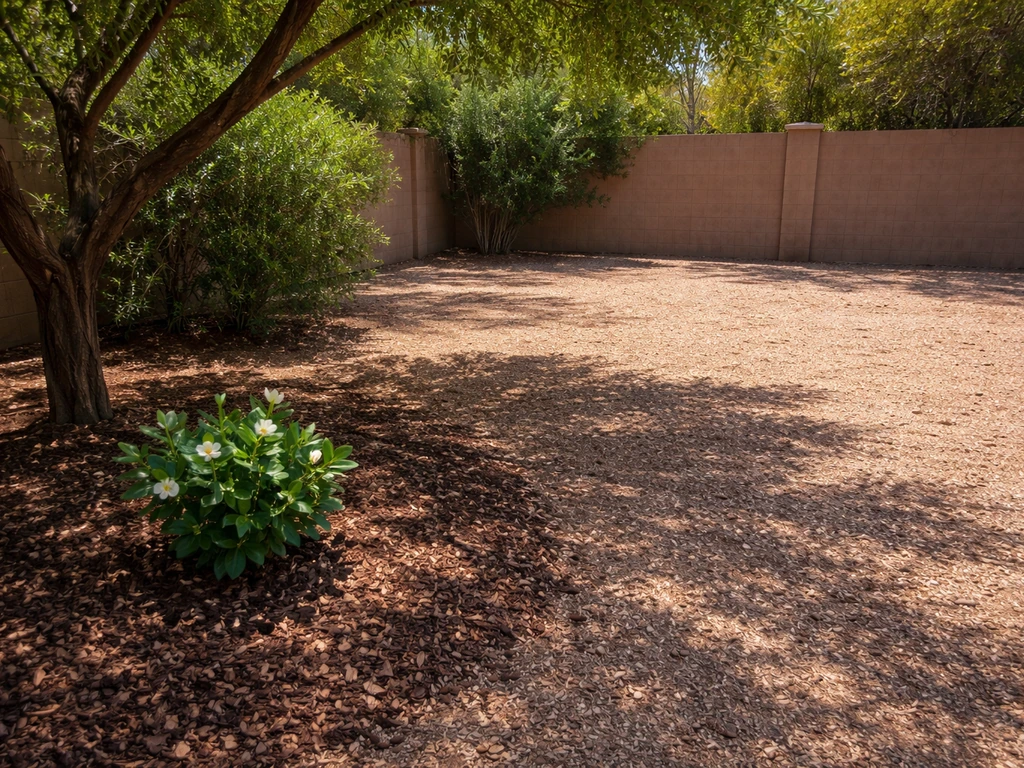
Microclimates in Phoenix can make or break a gardenia. The same neighborhood can have spots that stay 10 to 15 degrees cooler in summer because of mature shade trees, a north-facing wall, or a covered patio. Before you write gardenias off entirely, do an honest assessment of your yard using these factors.
- Afternoon shade availability: This is the single biggest factor. A spot that gets morning sun but is shaded from about noon onward gives gardenias a fighting chance. Full western or southern exposure in Phoenix is a no-go.
- Reflected heat from walls and pavement: Gardenias planted near south- or west-facing block walls, or close to asphalt driveways, will take on significantly more heat stress than the air temperature suggests. UA Cooperative Extension specifically calls out plants near reflective surfaces as being at much higher risk for heat damage.
- Wind exposure: Phoenix has dry, desiccating winds that pull moisture out of leaves fast. A location sheltered from prevailing wind helps gardenias hold onto humidity near the foliage.
- Frost pocket or frost-protected spot: Low-lying areas of your yard can collect cold air on winter nights. A spot near the house, particularly under an overhang or a south-facing wall, stays a few degrees warmer and reduces frost risk.
- Irrigation access: Gardenias need consistent soil moisture. If a spot in your yard is hard to water on a regular schedule, it's not the right spot.
If your yard has a shaded courtyard, a north-facing planting bed, or a protected nook under a patio cover, gardenias become significantly more feasible. If your entire yard is open, south-facing, or surrounded by concrete and masonry, you're stacking the odds against yourself.
Varieties that give you the best shot in warm-desert climates
Not all gardenias are created equal when it comes to heat and cold tolerance. Standard Gardenia jasminoides is workable in Phoenix with good placement, but two varieties come up most often when gardeners are pushing the limits of warm or cold conditions.
| Variety | Cold Hardiness | Heat/Stress Notes | Best Use in Phoenix |
|---|---|---|---|
| Gardenia jasminoides (standard) | Zones 8–10 | Sensitive to extreme heat; needs significant shade protection in summer | Protected courtyard or north-facing bed with afternoon shade |
| 'Chuck Hayes' | Zones 7b–10 | Improved cold hardiness and reportedly better heat tolerance; more forgiving overall | Best all-around choice for Phoenix; handles occasional cold snaps better |
| 'Frostproof' | Zones 7b–10 | More cold-tolerant than standard; less heat-tested but a reasonable candidate | Good for yards with more winter cold risk (outlying Phoenix suburbs) |
'Chuck Hayes' is the variety I'd recommend first for a Phoenix gardener. It's described as having improved cold hardiness with age and better overall climate resilience than standard gardenias. That extra toughness matters when you're asking a plant to survive both summer extremes and an occasional January cold snap.
What you have to get right if you try gardenias in Phoenix
Placement and shade
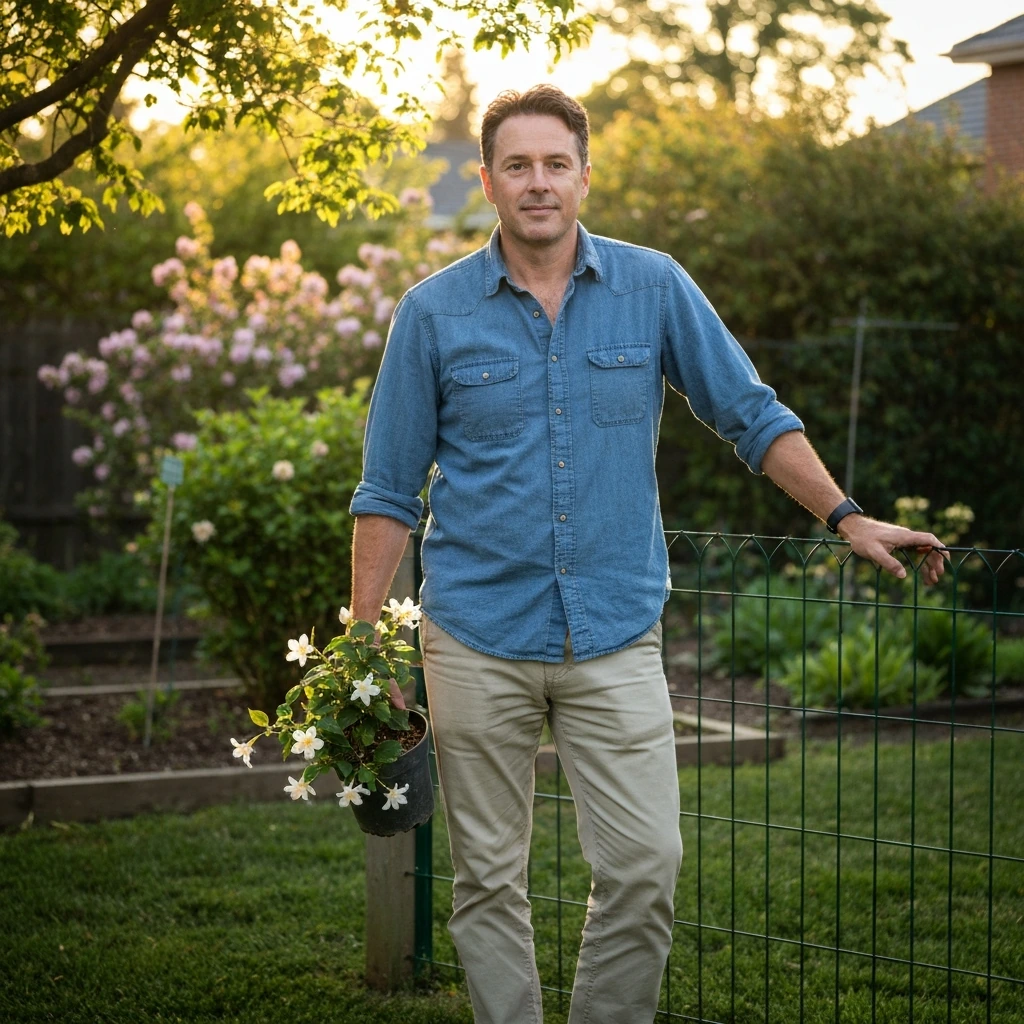
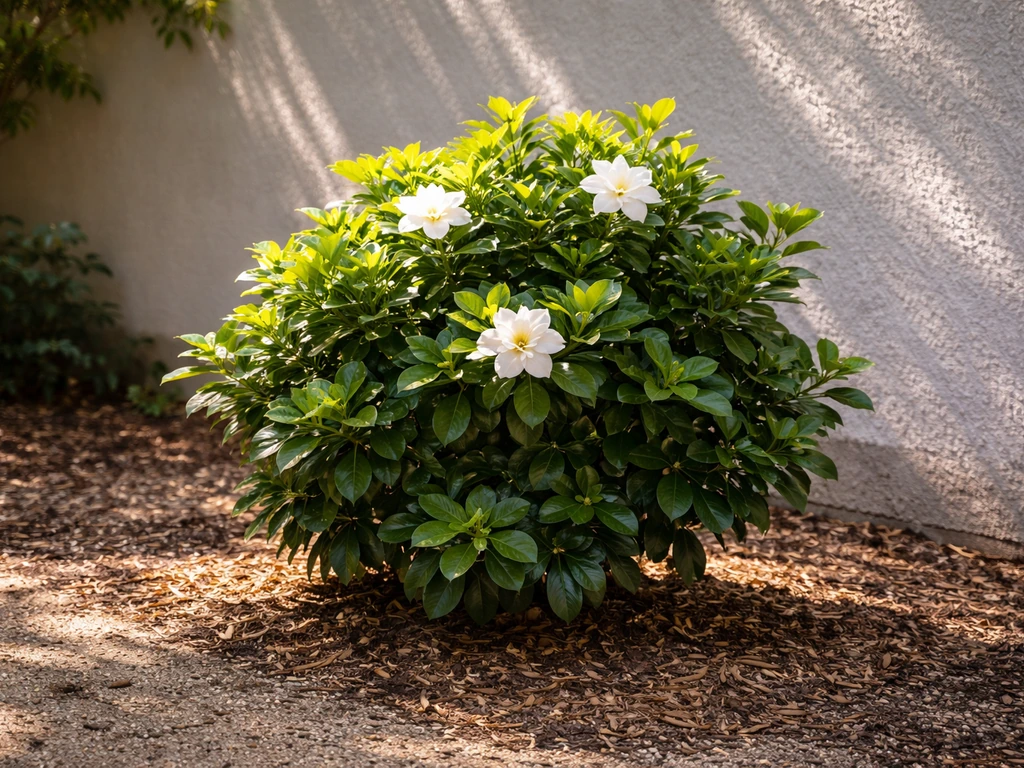
Give gardenias about 4 to 6 hours of morning sun and protect them from afternoon sun completely. In Phoenix, afternoon sun in summer is not just intense, it's genuinely damaging to plants that aren't built for it. A spot under a shade tree or on the east side of a block wall is ideal. Avoid the west side of any structure where reflected heat compounds the direct sun load.
Watering and moisture stability
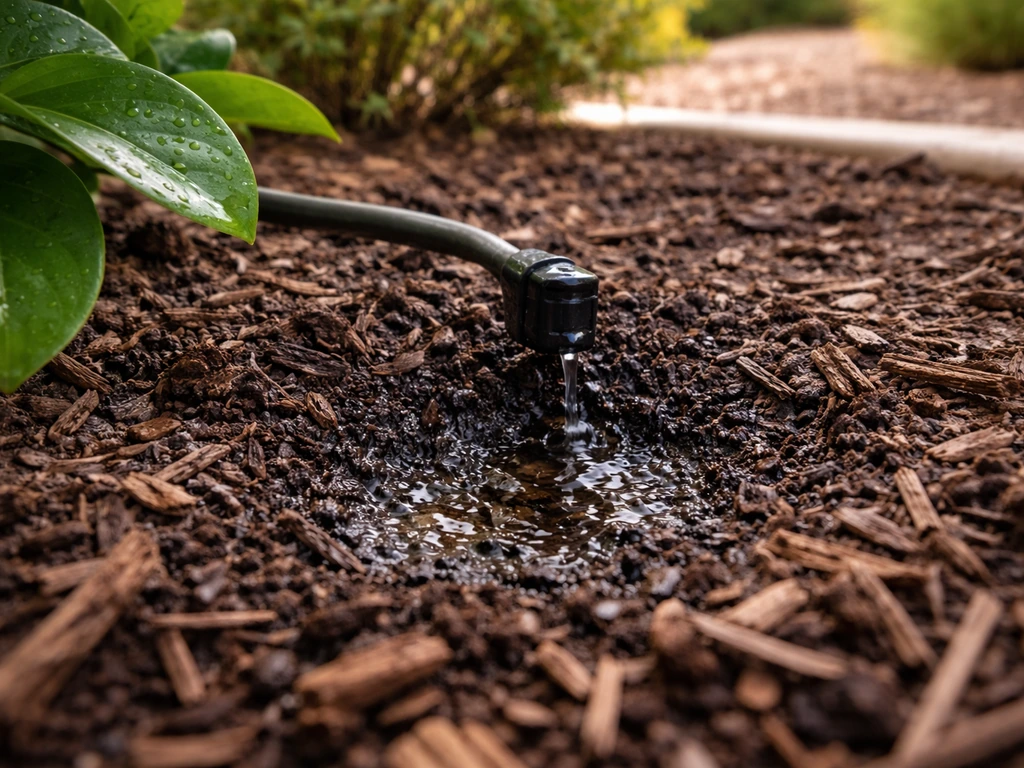
Gardenias are notoriously sensitive to moisture swings. Letting the soil dry out too much, or conversely keeping it soggy, triggers bud and leaf drop. In Phoenix's dry heat, the soil dries out fast, so consistent watering on a regular schedule is critical, especially through summer. Set up drip irrigation if you can. A 2 to 3 inch layer of organic mulch spread around the base of the plant (not heaped against the trunk) helps stabilize soil moisture and keeps root-zone temperatures from spiking.
Soil and pH management
This is where a lot of Phoenix gardeners run into a wall they didn't see coming. Phoenix soil is typically alkaline, often with a pH well above 7.5. Gardenias are acid-loving plants that want a soil pH closer to 5. Can gardenias grow in Tennessee? Yes, they can do well there when you provide consistent moisture and a more acidic soil pH Gardenias are acid-loving plants. 0 to 6.5. In alkaline soil, iron becomes unavailable to the plant even if iron is technically present, leading to iron chlorosis: yellowing leaves with green veins. It's one of the most common ways gardenias fail in the Southwest. To get ahead of this, amend your planting area with sulfur and organic matter to lower pH before planting. If chlorosis appears, chelated iron applications can correct the deficiency, but you're better off preventing the problem by addressing soil pH from the start. USU Extension notes that responses to iron-chlorosis treatments vary, and in highly buffered, alkaline soils many products do not work well, so chelated iron compounds or ferrous sulfate may be applied as foliar sprays Chelated iron applications can correct the deficiency.
Winter cold protection
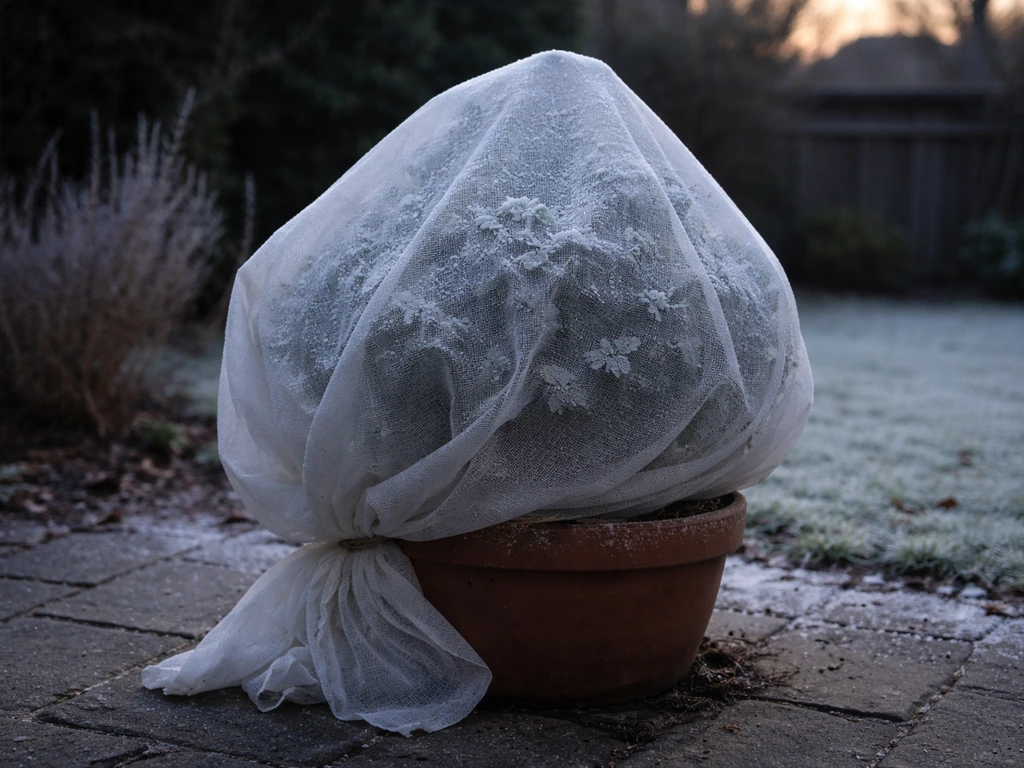
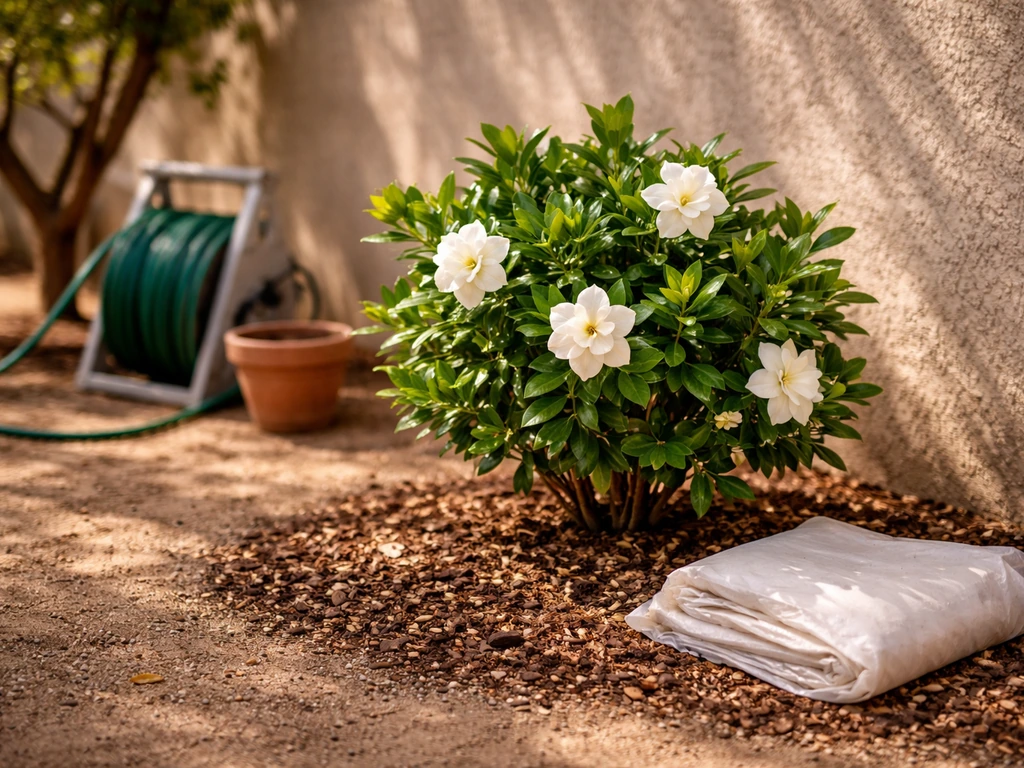
When a frost is forecast, cover your gardenias with cloth or paper, not plastic. Plastic can actually concentrate cold and heat in damaging ways. UA Cooperative Extension recommends temporary covers for frost events rather than leaving plants covered all winter, which can cause its own problems. In central Phoenix, frost events are infrequent enough that this is usually manageable. In outlying areas like Buckeye or Mesa, frost risk is higher and you'll need to be more attentive from late November onward.
A quick note on the rest of Arizona
The advice above is focused on the Phoenix metro, but conditions vary across Arizona. The low desert valleys (Yuma, Tucson, Casa Grande) share similar heat and alkalinity challenges to Phoenix. Tucson is slightly cooler, which actually reduces the peak summer stress problem a little, though alkaline soil is still a hurdle. Move up in elevation toward Prescott, Flagstaff, or the White Mountains and the heat stress drops, but cold hardiness becomes the limiting factor instead. At elevations where winters bring hard, sustained freezes, gardenias become impractical without serious winter protection. Gardeners in cooler Arizona climates that parallel places like Indiana or Ohio will find gardenias just as challenging for the opposite reason, since cold is the limiting factor rather than heat.
If you'd rather not fight for it, grow these instead
Gardenias are worth trying if you have the right microclimate and the patience to manage their quirks. But if you want an evergreen, fragrant, or visually similar shrub that doesn't require you to constantly manage soil pH, shield it from summer sun, and cover it in winter, here are plants that actually thrive in Phoenix and deliver comparable appeal.
- Angel's Trumpet (Brugmansia): Fragrant, dramatic blooms, loves the heat, can be grown as a large shrub or small tree in Phoenix.
- Cape Plumbago (Plumbago auriculata): Not fragrant, but evergreen, low-maintenance, and produces lovely blue or white flowers all through the warm season. Handles Phoenix summers with almost no fuss.
- Star Jasmine (Trachelospermum jasminoides): Fragrant white flowers, evergreen, thrives in Zones 8 to 10, and handles Phoenix heat well with some afternoon shade. One of the best fragrance substitutes for gardenia in the desert.
- Oleander (Nerium oleander): Heat-tolerant, evergreen, and easy in Phoenix. Not fragrant like a gardenia but delivers the evergreen screening effect with very little effort.
- Confederated Jasmine or Arabian Jasmine (Jasminum sambac): Fragrant and a better heat-tolerance profile than gardenias. Does well in warm desert climates with regular watering.
- Desert Rose (Adenium obesum): Striking tropical-looking blooms, extremely heat-tolerant, and genuinely suited for Phoenix conditions.
Star jasmine is probably the closest practical swap for someone who specifically wants that sweet, heady fragrance in a Phoenix garden. It handles the heat better than gardenias, has similar evergreen foliage, and once established it's a much lower-maintenance plant in this climate. If fragrance is the goal, start there.
Bottom line: gardenias can survive and even bloom in Phoenix, but only in the right microclimate with active management of shade, soil pH, watering consistency, and occasional frost protection. If you're wondering can gardenias grow in Michigan, the limiting factor is usually winter cold rather than summer heat, so you need to choose hardy options and plan for protection gardenias can survive and even bloom in Phoenix. If your yard has a shaded, protected spot and you're up for the challenge, go with 'Chuck Hayes' and treat the soil before you plant. If you want something that just grows, pick star jasmine or cape plumbago and enjoy your garden instead of worrying about it.
FAQ
What planting depth and spacing should I use for gardenias in Phoenix AZ?
If your gardenia is planted too deep, it can worsen moisture and nutrient stress, especially in Phoenix. Aim to set the root ball level with or just slightly above the surrounding native soil, then keep mulch from touching the trunk. If you’re amending for pH, consider building a wider planting area so you are not relying on a narrow ring of treated soil.
Can I grow gardenias in Phoenix AZ in a pot instead of the ground?
For Phoenix, container growing can be a useful “control knob” for both irrigation and soil pH. Use a pot with drainage holes, a high-quality acidic mix (not plain desert potting mix), and plan for more frequent watering in summer. The tradeoff is that containers freeze faster during rare cold snaps, so you’ll need a protected location or temporary covering.
When is the best time to plant a gardenia in Phoenix?
Yes, timing matters more than most people expect. Plant in the cooler months so roots establish before peak heat, typically fall through early winter. Avoid planting in midsummer, because even with good watering, newly planted plants are more likely to scorch and drop buds when temperatures spike.
What should I do if my Phoenix gardenia starts showing yellow leaves (iron chlorosis)?
Budget for both chlorosis prevention and quick correction. If your soil pH is high, use sulfur and organic matter before planting, then monitor leaf color. If you see yellowing with green veins, apply chelated iron according to label directions and also recheck irrigation consistency, because drought stress can mimic or worsen nutrient deficiency symptoms.
How often should I water gardenias in Phoenix, and is drip irrigation required?
Drip is usually better than overhead sprinklers in Phoenix because it reduces leaf wetting and helps keep root-zone moisture steady. A practical target is regular deep watering cycles that keep the root zone evenly moist, not constantly wet. If you’re unsure, check soil 2 to 3 inches down, then adjust run times so it doesn’t swing between bone dry and soggy.
My gardenia gets morning sun and still drops buds, what’s the most common cause?
Gardenias often fail in Phoenix because they get the wrong sun exposure, then the wrong irrigation response. If the plant gets afternoon sun, scorch and bud blast can happen even when watering is “on schedule.” The fix is to relocate to east or morning sun, add shade (like a temporary shade cloth during heat spikes), and only then fine-tune watering and soil amendments.
How should I cover gardenias for frost in Phoenix without causing more harm?
When temperatures are forecast to dip near damaging levels, use a breathable fabric cover like frost cloth and secure it so it doesn’t touch foliage. Remove it during the day when temperatures rise, and do not leave plastic in place, since it can create harmful heat and cold trapping effects.
Are there specific gardenia varieties that handle Phoenix summers better than standard types?
Before buying, ask whether the variety has proven performance in warm-season heat plus occasional cold snaps, not just broad zone ratings. 'Chuck Hayes' is often chosen for Phoenix due to improved resilience, but your site still matters. If your yard is more exposed, prioritize a more tolerant selection and plan for shade and winter protection from day one.