
Gardenias can grow in Michigan, but only a small slice of the state gives them a real shot in the ground, and even there you're pushing your luck most winters. The honest answer for most Michigan gardeners is: grow them in containers, bring them inside before frost, and treat them like the southern plants they are. If you're in the warmest pockets of southwestern or southeastern Michigan (zone 6a or 6b), and you pick a cold-tolerant cultivar, you have a slim but real chance at keeping one in the ground with protection. Everyone else should plan on containers from the start.
Can Gardenias Grow in Michigan? Conditions for Success

Marcus Hartwell
23 Apr 2026
Why Michigan is genuinely hard on gardenias
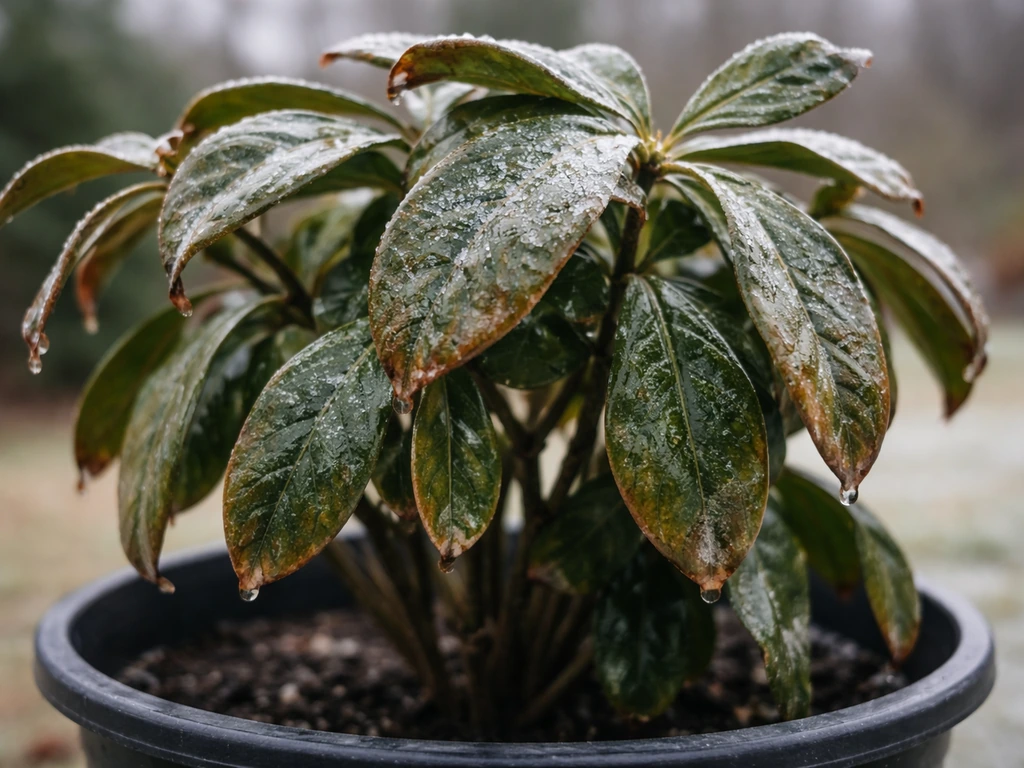
Gardenias (Gardenia jasminoides) are native to subtropical Asia and thrive in warm, humid climates. Most standard cultivars are only reliably hardy in USDA zones 8 through 10, which translates to places like coastal Georgia, the Gulf Coast, and Southern California. Michigan's winters are a completely different world. The state runs from roughly zone 4a in the Upper Peninsula all the way to zone 6b in its warmest southern stretches near the Indiana and Ohio borders. Even zone 6b regularly sees winter lows around -5°F to 0°F, which is well outside the survival range for most gardenias.
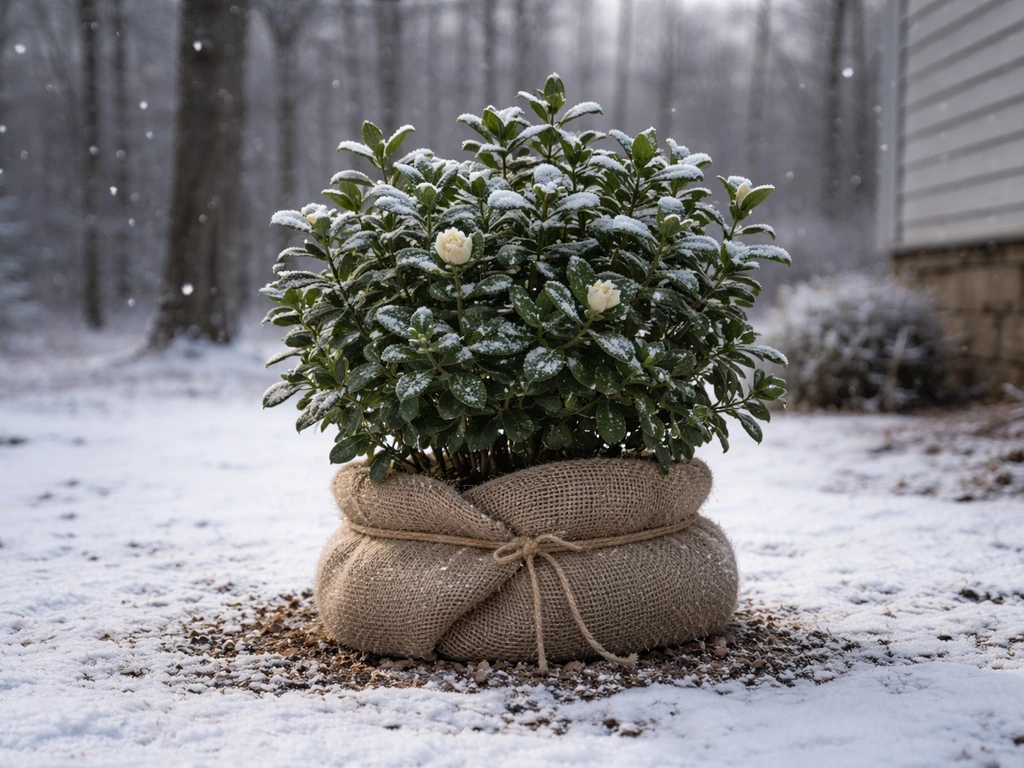
Cold alone is only part of the problem. Gardenias also struggle with Michigan's freeze-thaw cycles. MSU Extension points out that blank" rel="noopener noreferrer">hardiness zones only reflect average annual extreme low temperatures, not the temperature swings that happen throughout winter. USDA hardiness zones are based on average minimum winter temperatures, which reflect cold hardiness rather than how temperatures fluctuate during winter. When a brief warm spell in January or February nudges a gardenia out of dormancy, then temperatures plunge again, the plant suffers a type of damage called dehardening injury that can kill it even if the actual low never technically exceeded what the zone rating says it can handle. That combination of deep cold and unpredictable swings is what makes Michigan so difficult.
Michigan's USDA zones and where gardenias have any chance
Michigan spans USDA hardiness zones 4a through 6b on the 2023 USDA Plant Hardiness Zone Map. You can look up your exact zone by address at Plantmaps.com, which has an interactive layer for Michigan showing the updated 2023 zones down to a granular level. Here's how the zones break down for gardenia feasibility:
| Michigan Zone | Typical Winter Low | Gardenia Feasibility |
|---|---|---|
| Zone 4a–4b (Upper Peninsula, far north) | -25°F to -20°F | Not feasible in-ground; containers only with indoor overwintering |
| Zone 5a–5b (Central Michigan, Traverse City area) | -15°F to -10°F | Not feasible in-ground; containers only |
| Zone 6a (Southern Michigan, Grand Rapids area) | -10°F to -5°F | Very marginal in-ground; cold-hardy cultivars with heavy protection only |
| Zone 6b (Warmest corners: SW and SE Michigan) | -5°F to 0°F | Slim chance in-ground with cold-hardy cultivars and microclimate placement; containers recommended |
The most cold-tolerant gardenias, like 'Kleim's Hardy' and 'Frostproof', are rated for zones 7 through 11. That still leaves zone 6b about one full zone short of their stated lower limit, which means even in the warmest parts of Michigan, you're asking them to push past what's guaranteed. Think of it as a calculated gamble rather than a safe bet.
By comparison, states like Indiana, Ohio, and Tennessee have warmer southern zones that give gardenias a noticeably better footing, especially in their southernmost counties where zone 7 territory begins. If you're specifically asking whether gardenias can grow in Tennessee, the warmer zones there usually make it much easier to keep them thriving states like Indiana, Ohio, and Tennessee have warmer southern zones. If you're wondering can gardenias grow in Ohio, the odds are usually better than in Michigan thanks to warmer southern zones. If you’re wondering will gardenias grow in Phoenix, AZ, the warmer desert climate can actually be tricky unless you manage heat and humidity will gardenias grow in Ohio. If you’re wondering will gardenias grow in Indiana, the better odds usually come from planting in the warmer southern areas and protecting them during colder snaps states like Indiana. Michigan simply doesn't get warm enough in a large enough portion of the state to make in-ground gardenias a standard practice.
How to improve your odds if you want to try in-ground
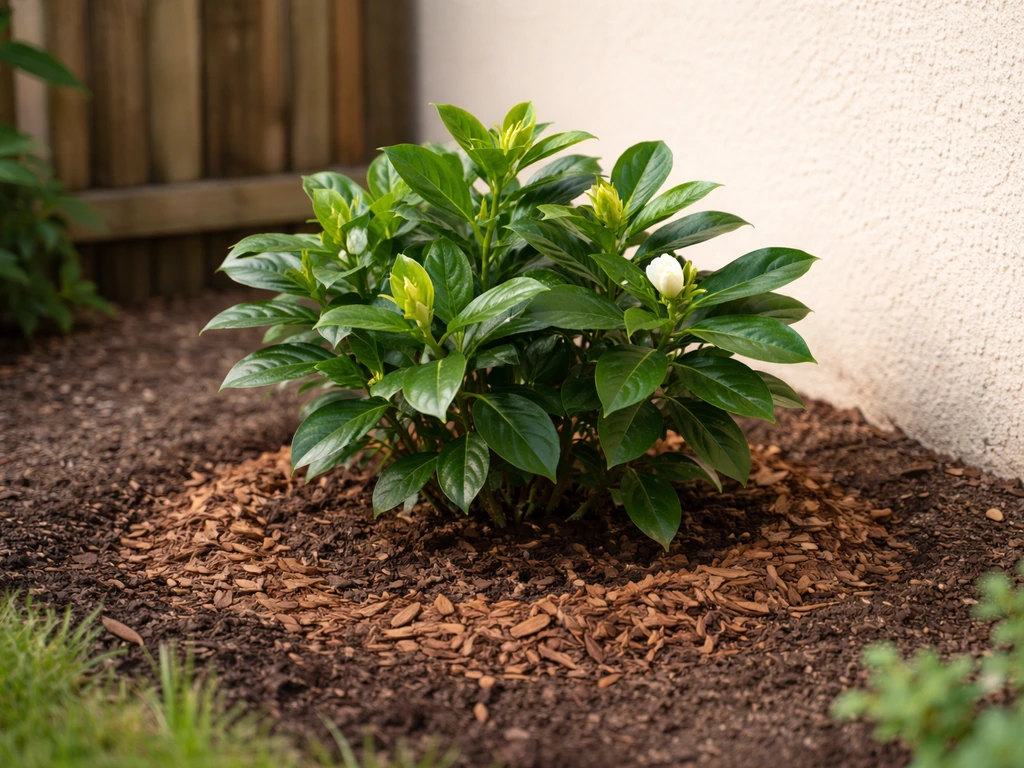
If you're in zone 6a or 6b and committed to trying gardenias in the ground, your best tool is a microclimate. A microclimate is a small area where conditions are consistently warmer than the surrounding landscape, and they can make a meaningful difference. The south or southwest side of a brick or masonry wall is a classic example: the wall absorbs heat during the day and radiates it back at night, buffering the plant from the worst lows. Spots protected from north and west winds, under roof overhangs, or in urban settings where buildings trap heat all work similarly.
Site conditions matter too. Plant in well-drained, acidic soil (gardenias want a pH around 5.0 to 6.0) and avoid low-lying areas where cold air settles overnight. Raised beds near a south-facing wall can combine good drainage with microclimate warmth in one spot.
Before the first hard frost, apply a thick layer of mulch (3 to 4 inches) around the base to insulate the roots. Some gardeners in zone 6 also wrap the shrub loosely in burlap for the coldest months. Neither trick guarantees survival, but they reduce the risk of a single brutal cold snap finishing off a plant that otherwise might have made it.
Choose the right cultivar
If you're planting in-ground, don't buy whatever generic gardenia is sitting at the big-box store. Go specifically for 'Kleim's Hardy' or 'Frostproof', the two cultivars most frequently cited as reaching into zone 7. They're still not rated for zone 6, but they're as close as you'll get. Avoid large-flowered standard gardenias (often labeled simply Gardenia jasminoides) since those are typically only reliable from zone 8 up.
The smarter play: containers and overwintering indoors
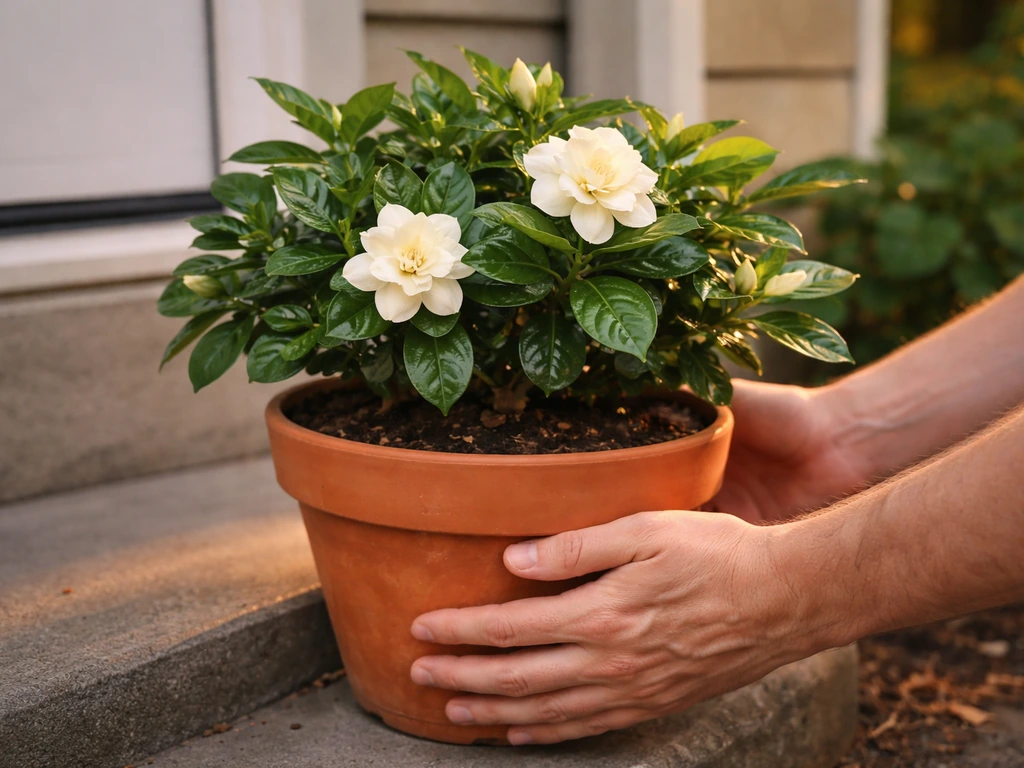
For most of Michigan, containers are the practical path. Growing gardenias in pots gives you full control: you enjoy them outside from late spring through early fall, then bring them in before frost arrives. This works anywhere in the state, regardless of your zone.
The tricky part is keeping them healthy once they're inside, because gardenias are fussy houseplants. The ideal indoor overwintering temperature is between 55 and 65°F. A cool spare room, a bright enclosed porch, or a greenhouse fits that range better than a warm living room does. Keep them away from heat vents and radiators, and away from cold drafts near exterior doors or poorly sealed windows. Both extremes trigger bud and leaf drop.
Low humidity is the other indoor killer. Michigan winters are dry indoors, and gardenias want high humidity. Set the pot on a tray filled with pebbles and water (the water level should sit just below the bottom of the pot), and mist the foliage with room-temperature water. The New York Botanical Garden recommends this approach specifically for maintaining the humidity gardenias need when they're kept as houseplants. Grow lights or a south-facing window can help with the light requirement during the short winter days.
When spring arrives, don't rush the transition back outside. Gardenias coming out of a cool indoor winter are sensitive to temperature swings. Wait until nighttime lows are consistently above 55°F, then move the pot to a shaded spot first before gradually introducing more sun. In most of Michigan, that means late May or early June.
Container and overwintering quick checklist
- Bring containers indoors before the first frost (typically early to mid-October across southern Michigan)
- Keep indoor temps between 55 and 65°F; avoid heat vents, radiators, and cold drafts
- Use a pebble tray with water or a humidifier nearby to maintain moisture in the air
- Place near the brightest window available or supplement with a grow light
- Water when the top inch of soil is dry; never let roots sit in standing water
- Move back outside only after nighttime temps hold reliably above 55°F
Your action plan before buying
Before you spend money on a gardenia, take these three steps in order.
- Check your exact USDA zone. Look up your address on the interactive Michigan hardiness zone map at Plantmaps.com using the 2023 zone layer. Don't guess based on your city name alone, since zones can vary within the same county depending on proximity to Lake Michigan, urban heat, or elevation.
- Decide on your strategy based on your zone. Zone 6a or 6b with a favorable microclimate: you can try 'Kleim's Hardy' or 'Frostproof' in-ground with protective mulch and wind protection, accepting moderate risk of loss in a harsh winter. Zone 5 or colder, or anywhere without a strong microclimate: skip the in-ground gamble entirely and plan for container growing with indoor overwintering from day one.
- Buy accordingly. For in-ground attempts, source specifically named cold-hardy cultivars from a reputable nursery, not unlabeled gardenias. For container growing, any healthy Gardenia jasminoides will work, since it will spend winters indoors anyway. Either way, buy in spring so the plant has a full warm season to establish before facing Michigan conditions.
The bottom line: gardenias are not the right plant if you want something low-maintenance and naturally suited to Michigan. But they're absolutely doable as container plants that you treat as seasonal outdoor guests, and a handful of zone 6b gardeners in the warmest corners of the state have pulled off in-ground success with the right cultivar and the right spot. If you are comparing regions, the same container-first mindset that helps Michigan gardeners can also guide your expectations when you ask can gardenias grow in Oregon. Go in with realistic expectations, pick the right strategy for your zone, and gardenias can absolutely be part of your Michigan garden.
FAQ
Can gardenias grow in Michigan if I use a greenhouse or sunroom?
Yes, but only as long as you can control temperature and humidity consistently. A basement, garage, or spare room is fine if it stays roughly 55 to 65°F, has bright light, and is not near heat sources or cold exterior leaks. If your winter indoor temps swing above 70°F or you get very dry air, expect bud drop and spider mites.
What soil and drainage setup should I use for a Michigan gardenia in a pot?
For containers, use a potting mix that drains fast (often an acidic mix plus perlite), and make sure the pot has drainage holes. Gardenias hate soggy roots, especially indoors, so do not use cachepots without emptying excess water after watering.
Should I fertilize my gardenia during Michigan winter while it is indoors?
Fertilize lightly and only during active growth. In winter indoors, slow growth usually means reduced fertilizer needs, so stop or cut back dramatically once days shorten. Resume feeding in spring once the plant is back outside and producing new growth.
My Michigan gardenia drops buds after I bring it inside, what should I check first?
If you see buds turning brown or dropping, the usual causes are dry air, heat near vents, or sudden drafty cold near windows or doors. Fix the environment first (humidity tray, away from vents, stable cool temperature), then wait several weeks for new buds to set rather than repotting or pruning immediately.
When is the best time to repot a gardenia in Michigan?
It depends on your goal and how well you can overwinter. Repot only if the plant is root-bound and water runs straight through or the mix has broken down. Choose repotting time in late spring or early summer, when it can recover outdoors, and avoid disturbing it during the coldest indoor stretch.
How should I transition my Michigan gardenia back outdoors in spring?
If you keep it as an indoor overwinter container plant, move it out only after nighttime lows stay above about 55°F, then harden it off gradually. Start with a shaded porch or gentle morning sun for several days, then increase sun exposure slowly to prevent leaf scorch and additional drop.
What pests should I watch for when overwintering gardenias indoors in Michigan?
For most Michigan gardeners, yes, pests are a real issue indoors. Common problems are spider mites (dryness) and scale or mealybugs. Check the undersides of leaves weekly, and if you use insecticidal soap or horticultural oil, test a small area first and avoid treatments during the hottest part of the day.
Does burlap wrapping and mulch guarantee an in-ground gardenia survives a Michigan winter?
In-ground only makes sense if you can create consistent winter protection beyond a single mulch layer. Even with wrapping and mulch, freeze-thaw cycles can cause dehardening injury, so treat in-ground success as uncertain and plan for backup removal or container fallback if the plant weakens.
When should I prune my Michigan gardenia?
Start pruning after the main flush of bloom is done, not during winter dormancy. Light shaping is best, and avoid heavy pruning right before moving indoors, since reducing foliage can stress a plant already adapting to lower light.
Can I overwinter a gardenia on an enclosed porch in Michigan instead of indoors?
Yes, but only if your nights are cool and stable and humidity is still adequate. For example, a bright enclosed porch can work, but if it dips into the low 40s or swings rapidly, damage is still possible. The key is maintaining a steady cool range and avoiding drafts.