
Hibiscus plants grow across a surprisingly wide range of climates, but which type of hibiscus and how it survives winter depends entirely on where you live. The short answer: tropical hibiscus thrives outdoors year-round only in USDA Zones 9–11 (think southern Florida, coastal California, Hawaii, and south Texas), while hardy hibiscus varieties can survive winters as far north as Zones 4 and 5, meaning most of the continental U.S. can grow some form of hibiscus. The key is knowing which species fits your zone before you buy.
Where Do Hibiscus Plants Grow Best and Thrive by Zone
Marcus Hartwell
24 Mar 2026
Where hibiscus actually comes from
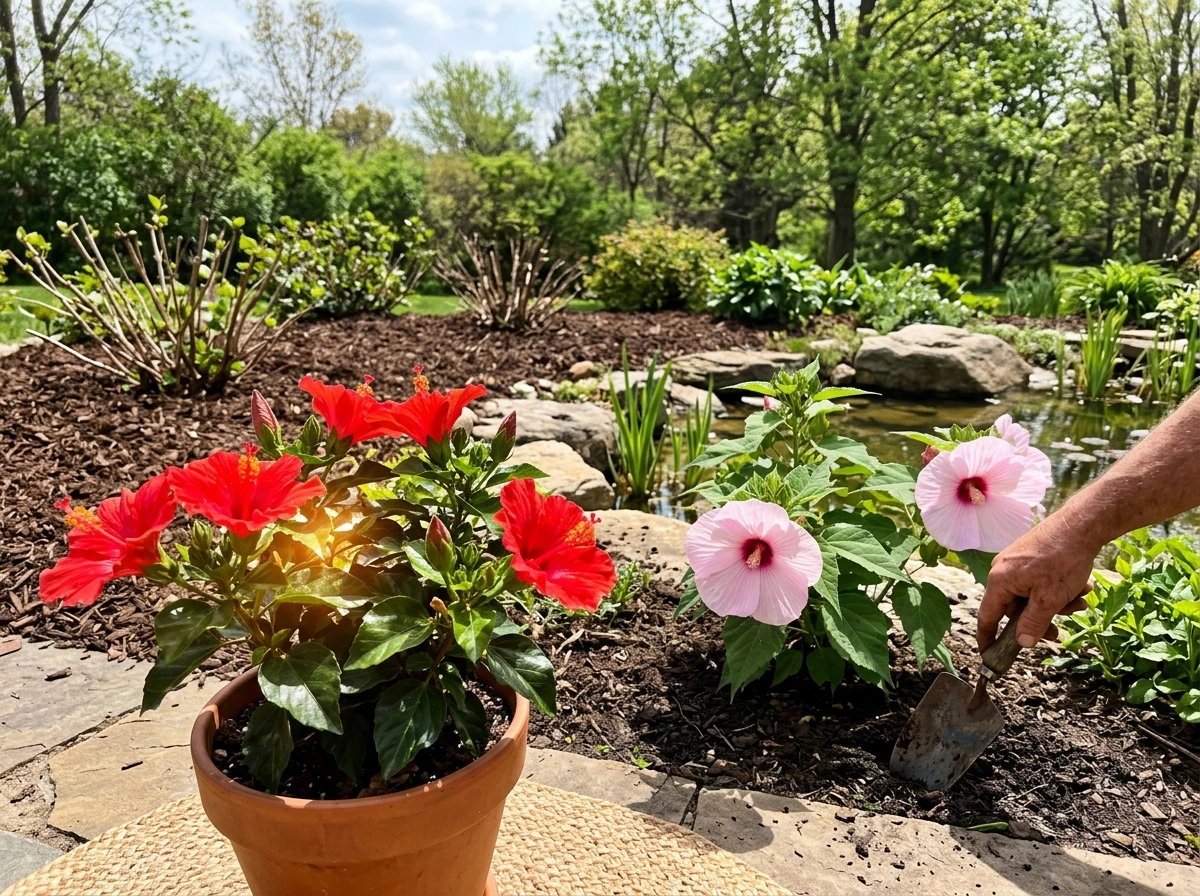
The three hibiscus types you'll most commonly encounter in U.S. gardens each come from different parts of the world. Tropical hibiscus (Hibiscus rosa-sinensis), the one with the big glossy leaves and showy single or double flowers in fiery reds, oranges, and pinks, is native to tropical Asia. Rose of Sharon (Hibiscus syriacus) originates from southern China and Taiwan and has been cultivated so widely that many people assume it's a North American native. It's not, but it's naturalized so thoroughly across the Eastern U.S. that it feels like one.
Then there's swamp rose-mallow (Hibiscus moscheutos), and this one actually is a true U.S. native. The U.S. Fish and Wildlife Service describes it as a native wetland wildflower, and in the wild you'll find it growing in open swamps, marshes, and along the edges of ponds, lakes, and rivers. If you've ever driven past a marshy roadside in the Southeast or mid-Atlantic and seen enormous dinner-plate blooms on a shrubby plant in late summer, that was almost certainly a moscheutos or one of its many modern cultivars. Modern hardy hibiscus sold at garden centers are typically cultivars of Hibiscus moscheutos bred specifically to tolerate colder temperatures than the species would naturally handle.
USDA hardiness zones: what they actually mean for hibiscus
Zone guidance is the fastest way to figure out whether a hibiscus will make it through your winters. Here's how each main type maps to the USDA zone system:
| Hibiscus Type | USDA Zones (Outdoors Year-Round) | Winter Behavior |
|---|---|---|
| Tropical hibiscus (H. rosa-sinensis) | Zones 9–11 | Evergreen shrub; damaged or killed below ~28°F |
| Rose of Sharon (H. syriacus) | Zones 5–9 (some cultivars 7b–9) | Deciduous; stems may die back but regrows on new wood |
| Hardy hibiscus / swamp rose-mallow (H. moscheutos hybrids) | Zones 4–5 through 9 | Herbaceous perennial; dies back to ground, regrows each spring |
Tropical hibiscus is a non-starter for outdoor year-round growing in most of the U.S. If you're in Zone 8 or colder, it either needs to come inside before the first fall frost or you treat it as an annual. University of Minnesota Extension is blunt about this: tropical hibiscus is not winter hardy and must be brought in before the first fall frost. If you're in Minneapolis, Chicago, or Denver, this means a container plant that lives on your patio in summer and by a sunny window in winter. Hardy hibiscus and rose of Sharon, on the other hand, give gardeners in the Midwest and Northeast a legitimate outdoor option. hibiscus requirements to grow
The conditions that actually determine success
Sun
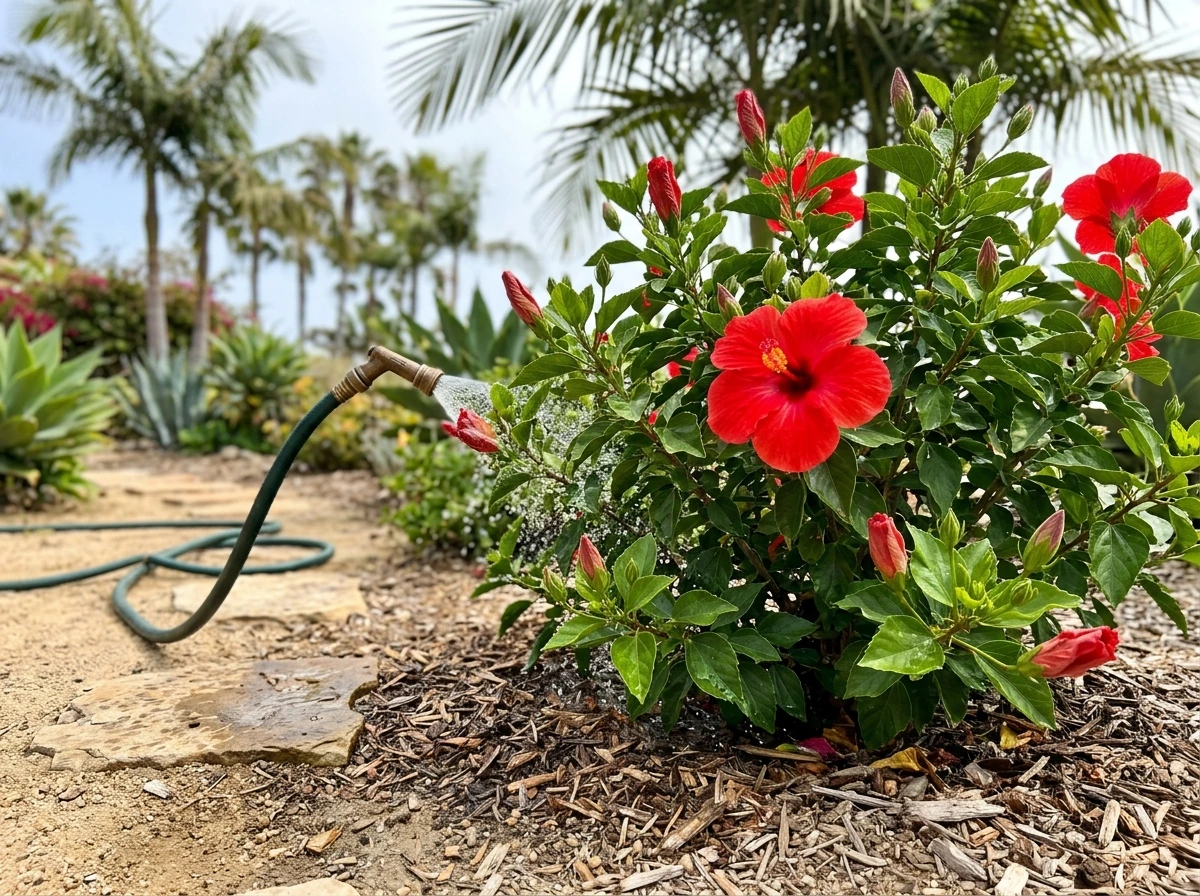
All hibiscus types want full sun, meaning at least 6 hours of direct sun per day. Swamp rose-mallow in its natural wetland habitat gets full to partial sun, and that flexibility carries over to garden cultivation. But if you push tropical hibiscus into part shade, you'll get weaker growth and far fewer flowers. More sun equals more blooms, full stop.
Soil and drainage
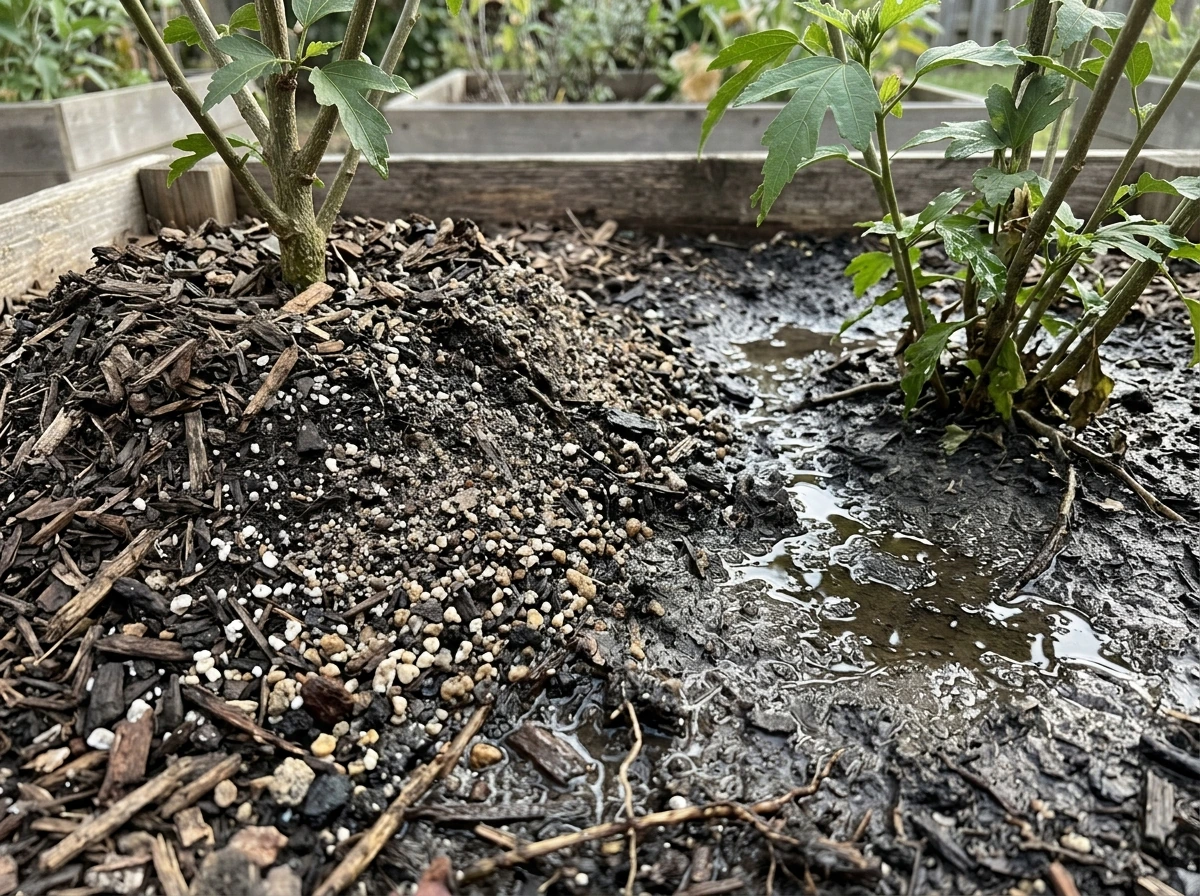
Hardy hibiscus and swamp rose-mallow are the exceptions to the usual 'good drainage' rule. In the wild, they grow in wet soil in swamps and along waterways, so they genuinely tolerate moist to wet conditions and won't complain about a low spot in your yard that other plants hate. Tropical hibiscus prefers consistently moist but well-drained soil. For pH, hibiscus generally does best in slightly acidic to acid conditions, roughly 4.5 to 6.5. If your soil is heavily alkaline (common in the Southwest and parts of the Midwest), you may see yellowing leaves from nutrient lock-up and will need to amend before planting.
Temperature and cold sensitivity
This is the make-or-break factor. Tropical hibiscus is extremely cold-sensitive; even a light frost will damage leaves and stems, and a hard freeze can kill the plant outright. Hardy hibiscus handles cold completely differently: the entire above-ground plant dies back in autumn, but the root system survives underground through Zone 4 winters and pushes up new growth the following spring. Rose of Sharon falls in the middle. Its stems may be killed back in a harsh winter, but because it blooms on new growth, even significant winter dieback doesn't reduce flowering.
Moisture and watering
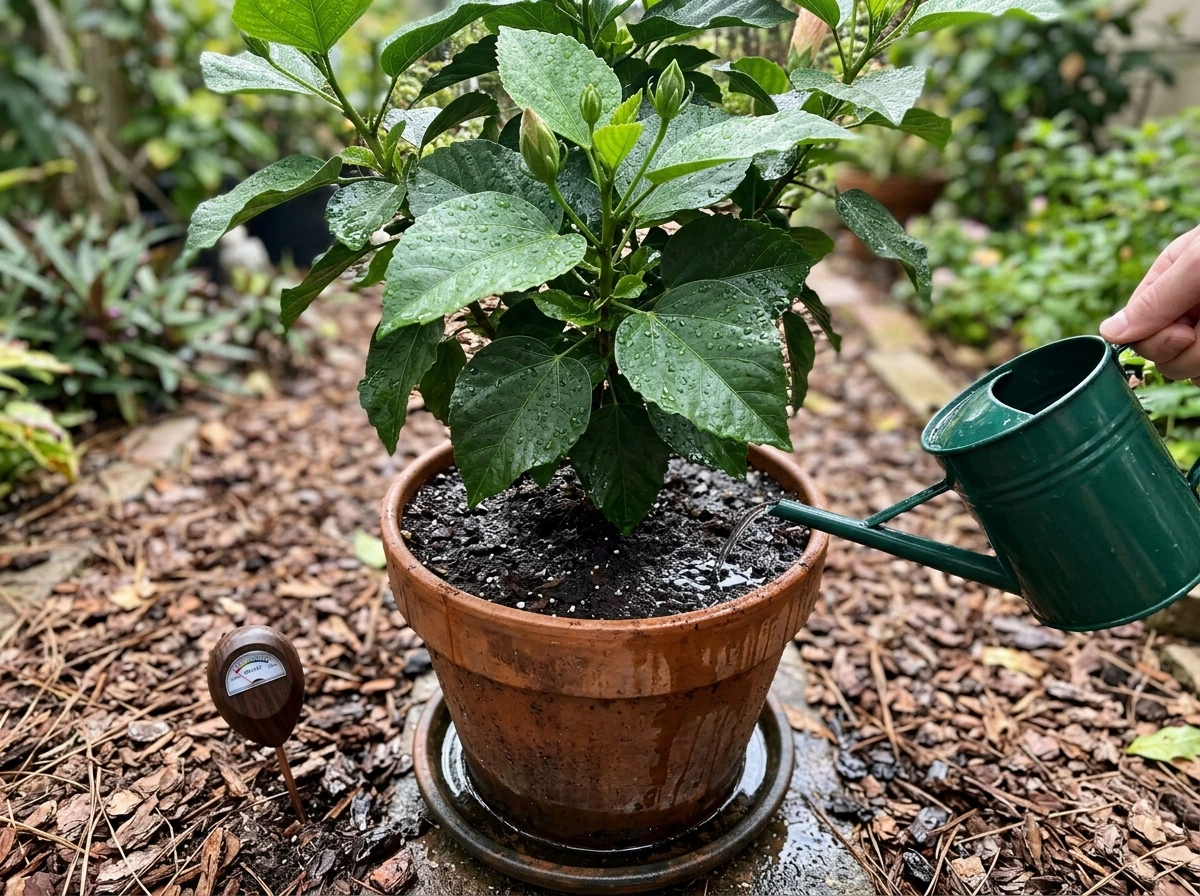
Hibiscus is thirsty. Tropical hibiscus in containers needs frequent watering, sometimes daily in summer heat. In-ground hardy hibiscus is more forgiving once established, but it still wants consistent moisture, especially during its bloom push in late summer. In drought-prone climates or sandy soils, plan to irrigate. In the humid Southeast and mid-Atlantic, established plants often need little supplemental water once their root systems are settled.
Where hibiscus grows best by region
Here's a practical breakdown by region so you can quickly find where you fall:
- Florida, Hawaii, coastal Southern California, south Texas (Zones 9–11): This is tropical hibiscus territory. Hibiscus rosa-sinensis grows as a landscape shrub here, blooming nearly year-round. Hardy hibiscus also grows fine but is rarely necessary given what the tropical types offer.
- Gulf Coast states, Georgia, South Carolina, the Desert Southwest (Zones 8–9): Tropical hibiscus thrives here outdoors and is often sold as a landscape shrub. Hardy hibiscus also performs well. Rose of Sharon grows reliably across much of this region.
- Virginia, North Carolina, Tennessee, Arkansas, lower Midwest (Zones 6–7): Hardy hibiscus is an excellent, reliable choice. Rose of Sharon is a staple landscape shrub. Tropical hibiscus needs to be potted and brought inside for winter.
- Ohio, Pennsylvania, New York, New England, northern Midwest (Zones 5–6): Hardy hibiscus is your primary outdoor option and performs beautifully here. Tropical hibiscus requires indoor overwintering. Rose of Sharon does well in Zone 6 and borderline in Zone 5 depending on cultivar.
- Minnesota, Wisconsin, Michigan, upstate New York, mountain West (Zones 4–5): Hardy hibiscus is the go-to choice and is specifically bred for these conditions. Tropical hibiscus lives indoors most of the year with summers outside. Rose of Sharon becomes unreliable in Zone 4.
- Colorado, Montana, northern Plains, high-altitude areas (Zones 3–5 depending on elevation): Hardy hibiscus can work in the warmer pockets of these zones, but wind protection matters a lot. Tropical hibiscus is strictly a container/indoor plant here.
When hibiscus starts growing, blooms, and comes back
One of the most common frustrations with hardy hibiscus is that it's one of the last perennials to show life in spring. If you're in Zone 5 or 6 and everything else in your garden is growing in April, don't panic when your hibiscus still looks like a collection of dead sticks in May. It's normal. Hardy hibiscus waits until the soil is genuinely warm before sending up new shoots, and it can stay dormant well into late May or even early June in northern zones. If you're impatient, scratch the base of a stem with your fingernail; green tissue underneath means it's alive and just taking its time.
Once it gets going, the bloom window is long. Hardy hibiscus and swamp rose-mallow typically flower from mid-summer through early fall, with peak blooming roughly in the second week of August in many regions. University of Maryland Extension lists the bloom window for rosemallow as July through September. The Chicago Botanic Garden's records for Hibiscus moscheutos stretch that window from July into October. Individual flowers last only a single day, but the plant produces successive buds continuously, so it appears to be in bloom for weeks. In some climates, flowering continues right up to the first frost.
In autumn, the approach depends on your hibiscus type. For hardy hibiscus, North Carolina Extension recommends cutting stems back to approximately 3 to 4 inches in late autumn after the plant has died back. This tidies the garden and makes it easy to see where the plant is in spring. For rose of Sharon, you can leave stems in place or prune for shape. Tropical hibiscus in containers needs to come inside before the first frost and should be kept somewhere bright and above freezing through winter.
Rose of Sharon has its own interesting timing quirk. Because it flowers on new growth, even if a harsh winter kills back its stems, the regrowth that emerges in spring will still bloom. Purdue Arboretum specifically notes that stems may be killed back in winter without reducing flowering, which is reassuring if you live in a zone where its hardiness is borderline.
Hardy vs. tropical hibiscus: choosing for your location
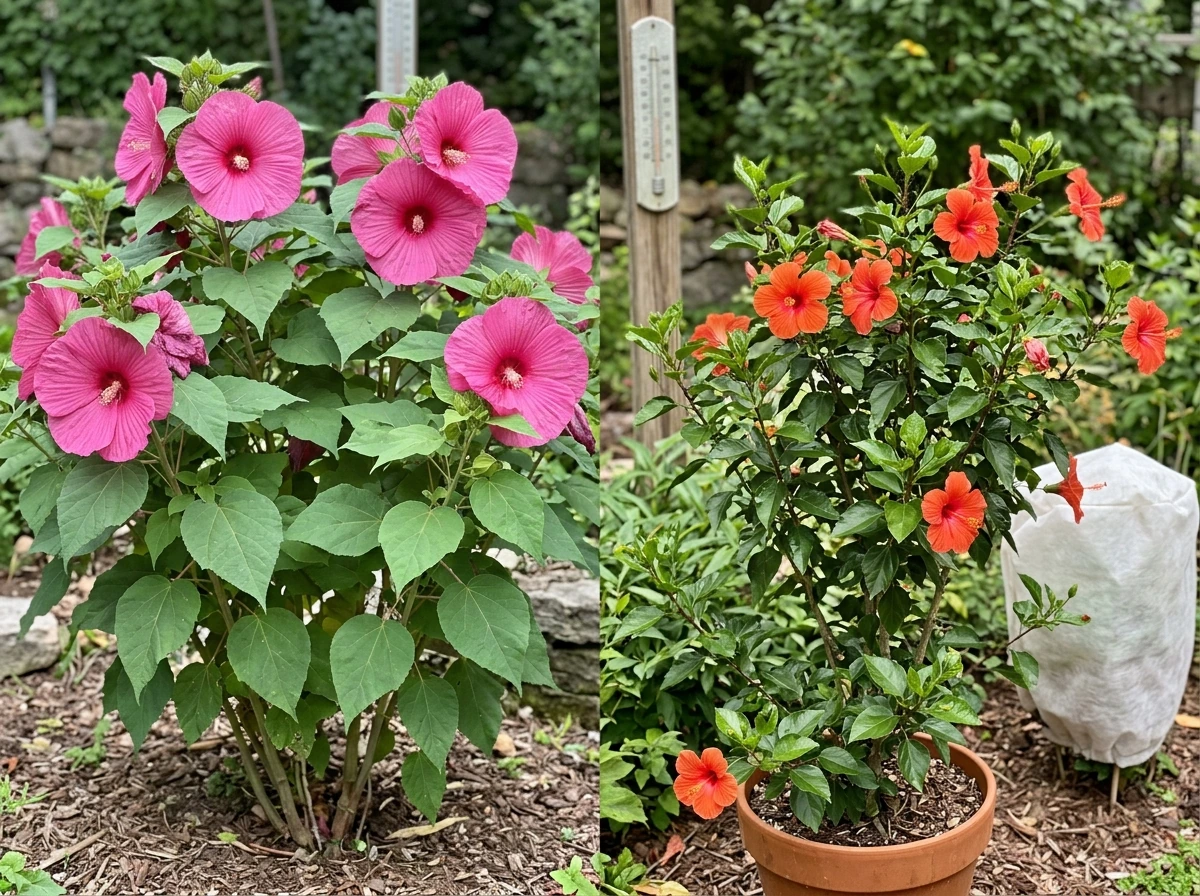
This is the core decision for most gardeners outside the Deep South and Southwest. Here's a side-by-side look to help you decide:
| Factor | Hardy Hibiscus (H. moscheutos hybrids) | Tropical Hibiscus (H. rosa-sinensis) |
|---|---|---|
| USDA zones (outdoors year-round) | Zones 4–9 | Zones 9–11 only |
| Winter survival | Dies back to roots, regrows in spring | Must be brought indoors or treated as annual |
| Bloom season | Mid-summer to early fall (July–September/October) | Nearly year-round in warm zones; summer only in containers |
| Flower size | Very large (up to 12 inches across) | Smaller but extremely colorful and diverse |
| Soil preference | Moist to wet soil tolerated | Moist, well-drained |
| Best landscape use | Perennial border, low spots, rain gardens | Containers, patios, tropical garden beds in warm zones |
| Cold tolerance | Roots survive to Zone 4 | Damaged or killed by frost |
If you're in Zone 8 or warmer and want a true landscape shrub with year-round presence, tropical hibiscus is the better pick. If you're anywhere from Zone 4 through 7 and want hibiscus that comes back on its own every year without you lifting a finger, hardy hibiscus is the clear choice. Rose of Sharon splits the difference nicely for Zones 5 through 8: it's a deciduous woody shrub with a long bloom window and much less drama than either of the others.
How to confirm hibiscus will work in your yard before you buy
Before you load up a cart with hibiscus plants, run through this quick checklist. It takes five minutes and saves a lot of disappointment:
- Find your USDA hardiness zone using your zip code. This single number tells you which hibiscus type is even worth considering.
- If you're in Zone 8 or colder, rule out tropical hibiscus for year-round outdoor growing unless you're willing to manage it as a container plant.
- Check your planting spot for sun. If it gets fewer than 6 hours of direct sun daily, hibiscus of any type will underperform.
- If your yard has a consistently wet or low-lying area, hardy hibiscus and swamp rose-mallow are genuinely perfect for it rather than a compromise.
- Check your soil pH if you're in the Southwest, the Mountain West, or anywhere with known alkaline soil. Hibiscus wants 4.5 to 6.5, and alkaline soils will need amendment.
- Set realistic timing expectations: in northern zones, don't expect to see hardy hibiscus push new growth until late May or June. Give it time before declaring it dead.
- If you want to explore growing tropical hibiscus indoors during winter months, that's a completely viable approach covered in more detail for indoor hibiscus care.
The bottom line is that hibiscus is far more geographically flexible than most people realize, as long as you match the species to your zone. Hardy hibiscus gives gardeners in Zones 4 through 9 a reliable, low-maintenance perennial with some of the showiest flowers in the summer garden. Tropical hibiscus rewards gardeners in warm climates with near-constant color and works anywhere as a container plant. Know your zone, pick the right type, give it full sun and moisture, and hibiscus will deliver. can hibiscus grow outdoors If you want to enjoy hibiscus year-round indoors, you can still grow it in a bright spot with the right care can hibiscus grow inside.
FAQ
Where do hibiscus plants grow if I want them outdoors year-round?
It depends on the hibiscus type. Tropical hibiscus only reliably stays outdoors year-round in USDA Zones 9 to 11. If you are in Zones 4 to 8, choose hardy hibiscus or rose of Sharon for true outdoors-in-winter growth, since they tolerate cold by dying back above ground (hardy) or blooming on new wood (rose of Sharon).
Can hibiscus grow in my area even if my winter is colder than the label says?
Sometimes, but you need the right survival strategy. For borderline zones, hardy hibiscus can handle colder winters because the roots persist, but you still need to avoid wet, freezing-thaw cycles that can heave soil. For tropical hibiscus, you generally must treat it as a summer plant, moving it indoors before the first fall frost.
What’s the safest hibiscus to buy if I’m unsure of my USDA zone?
If you are unsure, hardy hibiscus is usually the most forgiving choice because it can come back from the roots after winter dieback across a wide range of northern areas. Rose of Sharon is also a strong option for Zones 5 to 8, but it is more woody-shrub focused, and flowering timing can be affected by winter stem loss.
Do hibiscus need to grow in swampy soil to thrive?
Not always. Swamp rose-mallow tolerates wet conditions and performs well in consistently moist areas, but it can also do fine in normal garden beds if soil is not extreme. The one to watch is tropical hibiscus, which likes moisture but still needs drainage, so avoid planting it in a spot that stays soggy after rain.
If I plant tropical hibiscus outdoors in a warm summer, will it survive my first light frost?
Usually not. Even a light frost can damage tropical hibiscus leaves and stems, and a hard freeze can kill the plant outright. If you want it to live through the season, plan to bring it indoors when frost threatens, and protect it in a bright location above freezing during winter.
Why is my hardy hibiscus not growing yet, even though spring has started?
Hardy hibiscus is often one of the last perennials to break dormancy. Wait until the soil warms, and don’t judge by bare stems in April or early May. A quick check helps: scrape the base of a stem, if you see green tissue, it is alive and likely just delayed.
Does more sun always mean more hibiscus flowers?
For hibiscus, yes, with one nuance. All common hibiscus types want at least about 6 hours of direct sun for strong flowering. Tropical hibiscus in part shade often grows but produces noticeably fewer blooms, so maximize direct sun to avoid a “lush but flower-poor” plant.
How can I improve hibiscus growth if my soil is very alkaline?
If your soil is high pH, hibiscus can develop yellowing leaves from nutrient lock-up. The practical fix is to amend before planting with materials that lower effective pH, then keep organic matter up to support roots. Container-grown tropical hibiscus also benefits from an acidic potting mix and consistent feeding during the growing season.
Where do hibiscus plants grow best in containers versus in the ground?
Tropical hibiscus is the one that most often works anywhere as a container plant, because you can move it indoors during cold snaps. In-ground hardy hibiscus and rose of Sharon generally handle landscape planting better long term, but they still need consistent moisture during establishment and bloom push.
Will rose of Sharon bloom if winter kills my stems?
Usually yes. Rose of Sharon flowers on new growth, so if stems die back during a harsh winter, regrowth in spring can still produce blooms. This makes it a better “borderline zone” choice than many perennials that bloom on last year’s growth.
What’s a common mistake that makes hibiscus fail in the wrong growing area?
Matching the wrong type to the climate. The fastest failure is planting tropical hibiscus expecting it to survive winter outdoors in Zones 8 and colder. The second most common issue is inconsistent moisture (especially for tropical hibiscus in containers) or planting in a spot that stays waterlogged when the type actually needs drainage.