
Yes, hibiscus can absolutely grow outdoors, but whether it survives year-round in your yard depends almost entirely on where you live and which type of hibiscus you're planting, including the hibiscus requirements to grow. Get those two things right and you'll have enormous, jaw-dropping blooms every summer. Get those two things right and you'll have enormous, jaw-dropping blooms every summer. Get them wrong and you'll be replacing a dead plant every spring. Let's figure out which situation applies to you.
Can Hibiscus Grow Outdoors? Zones, Types, and Winter Survival
Marcus Hartwell
24 Mar 2026
Where hibiscus can actually grow outside (by growing zone)
The USDA Plant Hardiness Zone Map is your starting point. Hibiscus is not one plant with one answer. There are two main types gardeners deal with: tropical hibiscus (Hibiscus rosa-sinensis) and hardy hibiscus (primarily Hibiscus moscheutos, the swamp rose mallow, plus Hibiscus syriacus, rose-of-sharon). Each one has a completely different outdoor range.
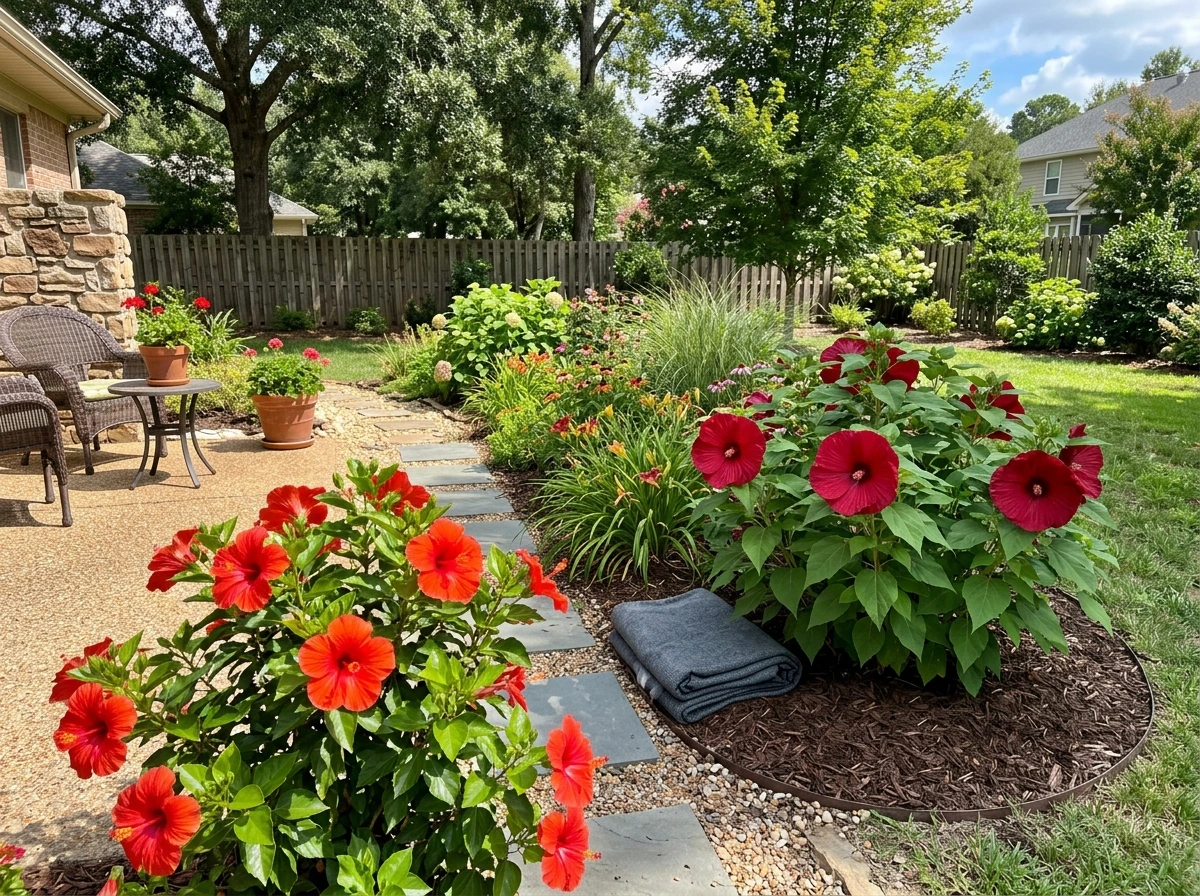
Tropical hibiscus thrives outdoors year-round in Zones 9 through 11, which covers south Florida, coastal and southern California, Hawaii, and the southernmost parts of Texas and Arizona. Texas A&M AgriLife Extension notes that tropical hibiscus is marginally hardy in Zone 9, where winter lows can dip to the 20s and 30s Fahrenheit. In Zones 7 and 8, you can grow tropical hibiscus outdoors as a seasonal plant or manage it in containers you bring in before frost. In Zone 6 and colder, tropical hibiscus simply won't survive a winter in the ground.
Hardy hibiscus is a different story. Hibiscus moscheutos is rated for Zones 4 through 10, meaning gardeners from Minnesota to Mississippi can grow it in the ground and expect it to return every year. Rose-of-sharon (Hibiscus syriacus) is similarly tough, surviving reliably in Zones 5 through 9. If you're in a cold-winter state like Michigan, Ohio, or Pennsylvania and you want hibiscus growing outside permanently, a hardy variety is your answer.
Tropical vs. hardy hibiscus: which one suits your yard?
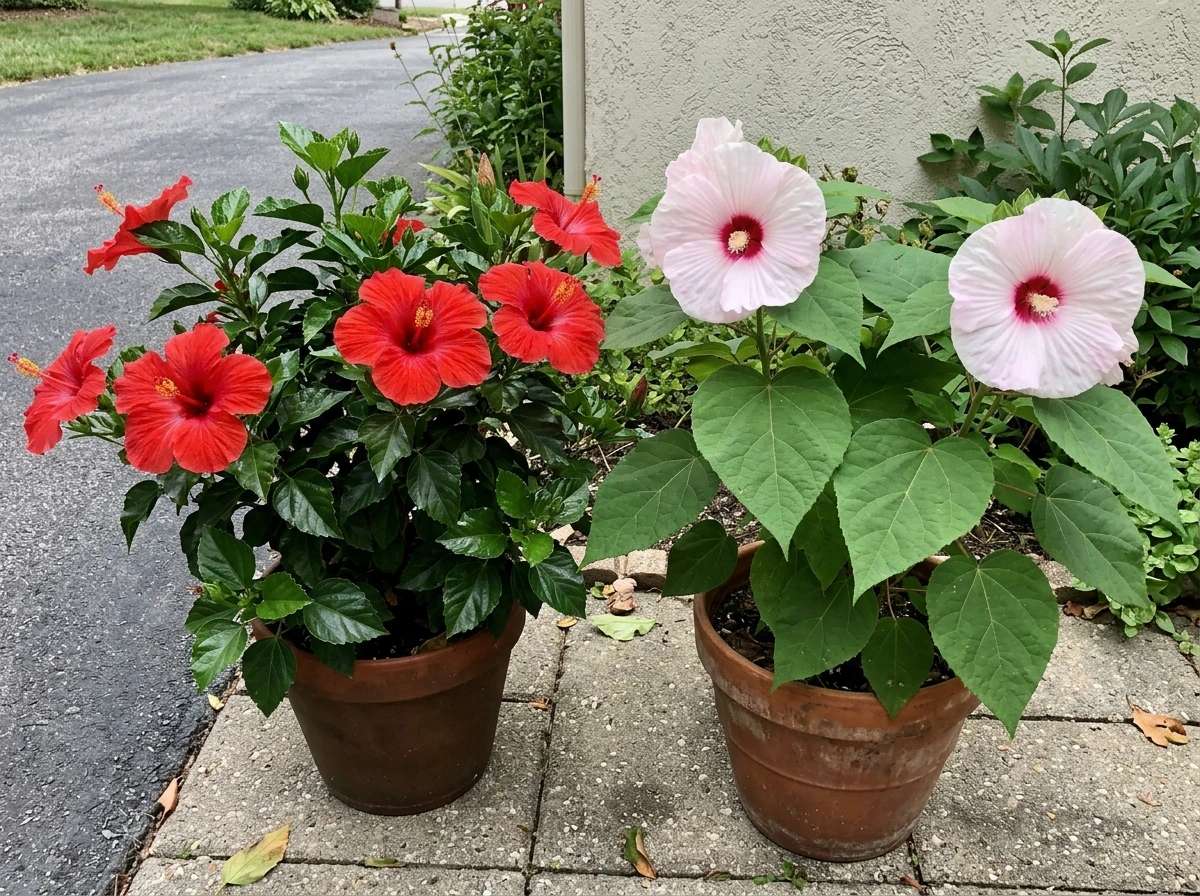
The single most important decision you'll make is choosing the right type. Here's a plain-language breakdown of both so you can match them to your situation.
| Feature | Tropical Hibiscus (H. rosa-sinensis) | Hardy Hibiscus (H. moscheutos / H. syriacus) |
|---|---|---|
| Best outdoor zones | 9–11 year-round; 7–8 seasonal | 4–10 (moscheutos); 5–9 (syriacus) |
| Winter survival | Damaged below 27°F; killed by hard freeze | Dies back to ground, regrows in spring |
| Bloom size | 3–6 inches, wide color range | Up to 12 inches (moscheutos); smaller (syriacus) |
| Plant form | Shrubby, evergreen in warm climates | Herbaceous perennial or deciduous shrub |
| Soil preference | Well-drained, slightly acidic | Consistently moist, slightly acidic |
| Best for | South, Southwest, coastal zones | Most of the continental US |
If you're in the Southeast or Southwest and your winters are mild, tropical hibiscus gives you that classic glossy-leafed, show-stopping look year-round. If you're anywhere with real winters, hardy hibiscus is the smarter buy. Hibiscus moscheutos blooms so big that neighbors will ask what that plant is every single year, even if it looks dead from November through April.
Cold tolerance and what winter actually looks like for each type
Cold is where most hibiscus mistakes happen. Tropical hibiscus starts showing damage when temperatures drop to around 27°F to 23°F, according to Louisiana Extension cold-protection data. UF/IFAS Extension confirms that even a cold snap well above freezing can cause lower leaves to yellow and drop off. Tropical hibiscus also dislikes big temperature swings, not just hard freezes. If you're in Zone 8 and you get an unusual cold snap to 25°F, a tropical hibiscus in the ground may survive but it will look rough.
Hardy hibiscus handles cold completely differently. Hibiscus moscheutos dies back to the soil line each fall and pushes up new growth in late spring. Don't panic if it looks dead in April; it's one of the last perennials to wake up. Rose-of-sharon keeps its woody structure through winter and leafs out in late spring as well. Neither needs any special cold protection once they're established in the right zone.
Frost protection if you're in a borderline zone
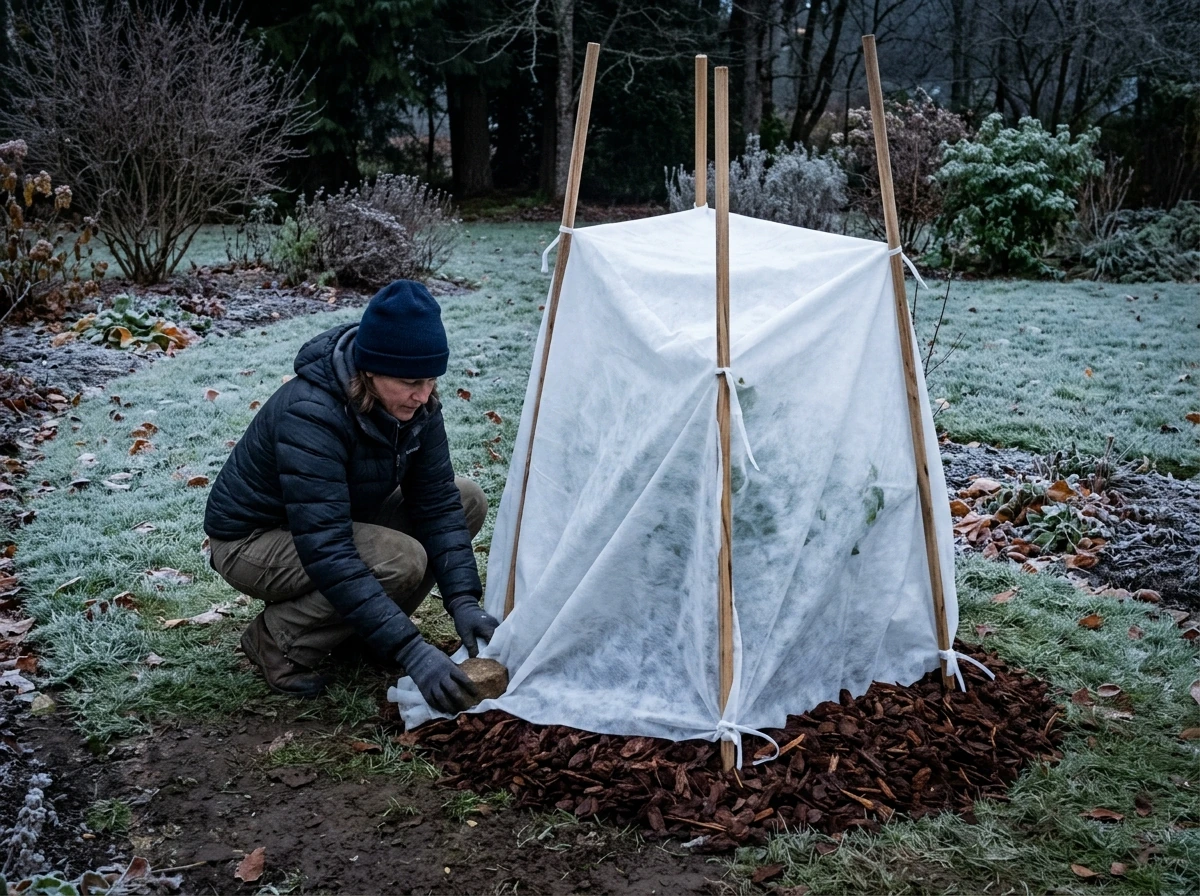
If you're in Zone 8 or the warmer end of Zone 7 and you want to push tropical hibiscus in the ground, a few frost-protection basics can make the difference. Cover plants with a breathable frost cloth when temperatures are expected to drop below 30°F. Mulch the root zone heavily with 3 to 4 inches of wood chips going into winter to protect roots even if the top growth takes damage. If the plant freezes back, don't cut it immediately. Wait until you're sure new growth is pushing from the base before pruning away the dead wood.
Planting hibiscus outdoors: sun, soil, spacing, and water
Regardless of type, hibiscus has some consistent preferences outdoors. Getting these basics right is what separates a plant that sulks from one that actually blooms.
Sun
All hibiscus types want plenty of sun. Tropical hibiscus performs best in full sun (six or more hours per day). Hardy hibiscus does well in sun to part shade, but the Old Farmer's Almanac notes that partial shade can reduce flowering noticeably in rose-of-sharon. If you're planting for blooms, put it where it gets the most light your yard offers.
Soil
Tropical hibiscus needs well-drained soil with a slightly acidic pH. Sitting in wet soil is a quick way to kill it. Hardy hibiscus (moscheutos) is the opposite: it comes from wetlands and riverbanks in the eastern US, so it actually thrives in consistently moist soil and handles low-lying spots in the yard where other plants fail. Rose-of-sharon is the most flexible, tolerating a wide range of soil pH according to Virginia Tech Extension.
Spacing and watering
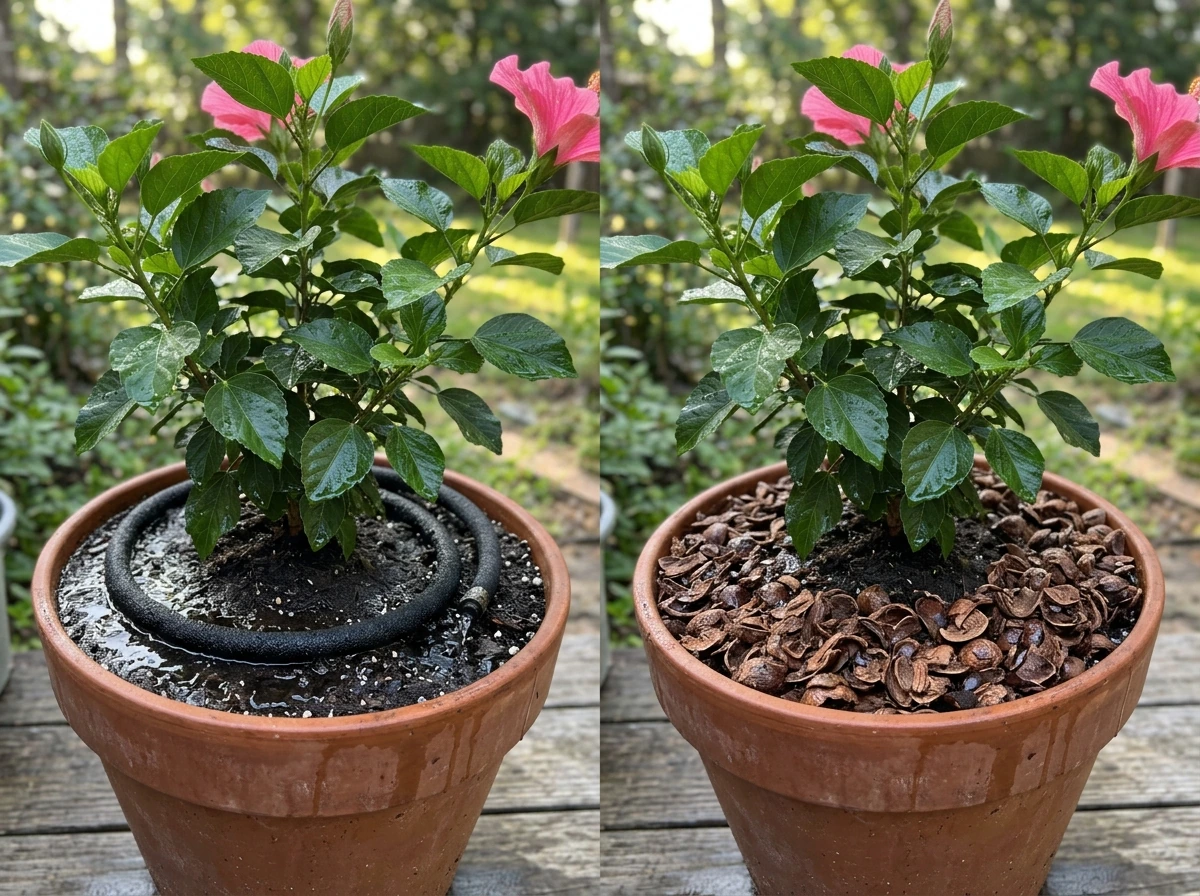
Give tropical hibiscus shrubs at least 3 to 5 feet between plants since they can grow large in warm climates. Hibiscus moscheutos clumps typically spread 2 to 4 feet, so space them accordingly. For watering, keep in mind that Smithsonian Gardens specifically flags water stress as a contributor to leaf drop and other problems in tropical hibiscus. Consistent watering matters more than heavy, infrequent drenching. For hardy hibiscus, keep the soil evenly moist, especially during hot summers.
Picking the right variety for your state or region
Variety selection is where you can really set yourself up for success. Here's how to think about it by region.
- Florida, Hawaii, coastal Southern California (Zones 9b–11): Any tropical hibiscus variety works here year-round. Look for named cultivars with disease resistance since humidity can be an issue. Single-flower types tend to perform better than heavily doubled ones in high-heat conditions.
- Gulf Coast states, central Texas, inland Southern California (Zones 8b–9a): Tropical hibiscus works with some risk in cold years. Go with established cold-tolerant cultivars and have a plan for frost. Hardy hibiscus varieties like 'Moy Grande' or 'Lord Baltimore' give you a no-worry option with massive blooms.
- Mid-Atlantic, Southeast, Midwest, and Plains (Zones 5–8): Hardy hibiscus is your outdoor answer. Hibiscus moscheutos series like Summerific or Luna are bred for garden performance and are widely available. Each flower lasts only one day, but the plant produces so many buds that the display runs for weeks.
- Upper Midwest, Northeast, Mountain West (Zones 4–5): Stick with the hardiest Hibiscus moscheutos varieties rated to Zone 4. Rose-of-sharon is another solid pick for Zones 5 and up, especially if you want a shrubby form that doesn't die back to the ground each year.
- Pacific Northwest (Zones 7–9 depending on location): Hardy hibiscus works well. Tropical hibiscus can be grown seasonally or in containers brought out in summer.
The key buying tip: always check the zone rating on the plant tag before you leave the garden center. A tropical hibiscus labeled 'Zone 10+' will not survive a Zone 7 winter in the ground, no matter how optimistic you feel in May.
Container hibiscus vs. planting in the ground (especially for borderline zones)
If you're in a borderline zone, like Zone 7 or the cooler end of Zone 8, containers give you the best of both worlds for tropical hibiscus. You can set the pot outdoors once nighttime temperatures are reliably above 50°F (tropical hibiscus needs temps above that threshold to stay comfortable, per Smithsonian Gardens), enjoy the blooms all summer, and then bring it inside or into a garage before the first frost.
In-ground planting makes the most sense when you're in a zone where the plant can genuinely overwinter without help. For tropical hibiscus, that's Zone 9 and warmer. For hardy hibiscus, you can plant in-ground across a much wider range (Zones 4–10) and leave it alone. In-ground plants develop deeper root systems and generally bloom more heavily after a year or two of establishment, so if your zone supports it, in-ground is the better long-term setup.
| Growing Method | Best For | Pros | Cons |
|---|---|---|---|
| In-ground, year-round | Tropical: Zones 9–11 / Hardy: Zones 4–10 | Established roots, bigger plants, less maintenance | No flexibility if a bad winter hits |
| In-ground with frost protection | Tropical in Zones 7b–8 | Can work most years | Risk of loss in severe winters |
| Container outdoors (summer only) | Tropical in Zones 6–8 | Full flexibility, no winter loss risk | Requires bringing in before frost, root space limits size |
Quick troubleshooting for outdoor hibiscus problems
Even when you have the right plant in the right place, a few common issues show up. Here's what's usually going on and what to do about it.
No blooms
This is the most common complaint. Hibiscus needs daytime temperatures around 65°F to 75°F to set buds, according to UMN Extension data. If your summers are short or cool, bud development gets delayed. Too much shade is the other big culprit. Move the plant to a sunnier spot or wait until your daytime temps consistently hit that range. Hardy hibiscus also tends to bloom later than people expect, often not starting until mid to late summer.
Yellowing or dropping leaves
On tropical hibiscus, yellow leaves that drop are almost always a sign of either cold stress or inconsistent watering. UF/IFAS Extension specifically notes that even a single cold wave can trigger lower leaf yellowing and drop. Smithsonian Gardens echoes this, pointing to water stress and temperature swings as the main contributors. Check your watering consistency first, then consider whether recent temperatures dipped below 50°F.
Slow or stunted growth
If your hibiscus is just sitting there doing nothing, it's usually a soil or nutrition issue. Make sure you're in well-drained soil for tropical types. For any hibiscus in nutrient-poor soil, the Old Farmer's Almanac recommends a slow-release fertilizer applied twice yearly. Avoid high-phosphorus fertilizers; hibiscus does better with a balanced or slightly high-nitrogen formula during the growing season.
Hardy hibiscus not coming back in spring
Be patient. Hibiscus moscheutos is one of the last perennials to emerge in spring. If it's May and there's no sign of life, scratch the crown gently with a fingernail. If you see green tissue, it's alive and just slow. Mark the spot in fall so you don't accidentally dig it up in spring before it shows.
Your next steps for getting hibiscus outside and thriving
Here's the practical sequence to follow right now. First, look up your USDA hardiness zone using the official USDA map if you don't already know it. It takes 30 seconds and it's the single most useful piece of information for this decision. Second, match your zone to the type above: if you're in Zone 8 or colder, lean toward hardy hibiscus for an in-ground, no-stress setup.
If you're in Zone 9 or warmer, tropical hibiscus is your year-round outdoor option. Third, buy from a local nursery if you can. Plants sold regionally are often already acclimated and the staff can confirm what survives winters in your specific area. Finally, if you're in a borderline zone and you love the look of tropical hibiscus, start with a container plant this season.
... and decide next year if you want to risk putting it in the ground. can hibiscus grow inside. do hibiscus grow on trees.
The bottom line: hibiscus is one of the most rewarding outdoor flowering plants in the US when it's matched to the right climate. The mistake is treating it as a single plant with a single answer. Pick the right type for your zone, give it sun and consistent water, and you'll understand why gardeners from Alabama to Minnesota are obsessed with it.
FAQ
If I live in a borderline zone, can I keep tropical hibiscus outdoors year-round in a container?
If your hibiscus is in a container, it still counts as “outdoors” for survival, but you control the winter risk. For tropical hibiscus in borderline areas, bring the pot inside or to an unheated garage before nights dip into the low 50s, and keep it near a bright window so it does not go from warm sun to cold, dark conditions all at once.
Can hibiscus survive a surprise cold snap even if the zone isn’t ideal? (What happens after the freeze?)
Yes, but only for established plants. Tropical hibiscus can survive a brief cold spell better than a prolonged freeze, however buds and leaves will suffer and recovery can be slow. If you get a snap around the low-to-mid 20s, treat it as a “container-level” risk: protect the plant overnight, and be ready for leaf loss and a rough spring.
When should I prune hibiscus if it dies back in winter?
Pruning timing matters. For tropical hibiscus, wait until after you see active growth again before removing dead stems, and avoid heavy pruning right before cold weather because it reduces insulation from remaining foliage. For hardy hibiscus, don’t cut it back in fall, let it naturally die back, then prune only once new shoots are clearly starting in spring.
My hibiscus leaves are turning yellow and dropping, is it pests or something else?
Most hibiscus issues that look like “bugs” are actually stress symptoms. Yellowing and dropping leaves after a cold wave or inconsistent watering are common, especially with tropical types. Before you use insect spray, check the soil moisture (wet soil is dangerous for tropical hibiscus, overly dry is a problem for both), and confirm the plant is in adequate sun.
Why isn’t my hibiscus blooming yet, even though it survived the winter?
Hibiscus can bloom less the first year even in the right zone, because it is still building roots. If you planted hardy hibiscus and it looks dead early in spring, scratch the crown lightly to see if it is still alive, then wait, hardy moscheutos often starts later than many perennials. For tropical hibiscus, slow bud development is usually linked to cooler daytime temperatures, shade, or low fertility.
Can I move my hibiscus to a better spot for more sun or drainage?
You can, but it is usually easiest to do in-ground only if the plant is already in the right type for your zone. If you must move it for sun or drainage, do it after the worst cold has passed (late spring), then keep watering consistent for a few weeks. Tropical hibiscus also dislikes root disturbance in winter, so avoid moving it during that season.
If I have a wet yard or low spot, will hibiscus still grow outdoors?
Yes, but the strategy differs by type. Hardy hibiscus (moscheutos) generally performs best with evenly moist soil and can tolerate soggy areas better than tropical. Tropical hibiscus needs well-drained soil and can rot if the bed stays wet, so do not assume “more water” is always better for both types.
How do I know if my soil is right for outdoor hibiscus (drainage vs moisture)?
You can improve results with a simple soil check. For tropical hibiscus, aim for soil that drains quickly after watering, and consider raised beds or amending with coarse material if water pools. For hardy hibiscus, prioritize moisture retention and avoid overly sandy, fast-drying soil, especially during heat waves when leaf drop becomes more likely.