
Here's the short answer: most hibiscus you'll find at a garden center, including Rose of Sharon (Hibiscus syriacus) and hardy hibiscus (Hibiscus moscheutos), bloom on new wood, meaning the current season's growth. That's actually good news for pruning. You can cut them back in late winter or early spring without sacrificing the flowers, because the buds haven't formed yet. But there are nuances depending on the specific type you have, and if you prune at the wrong time or confuse your hibiscus with an old-wood bloomer, you could end up with a beautifully shaped plant and zero flowers. Let's sort all of this out.
Do Hibiscus Grow on Old Wood? Pruning for Blooms

Marcus Hartwell
24 Mar 2026
What 'old wood' actually means in the garden
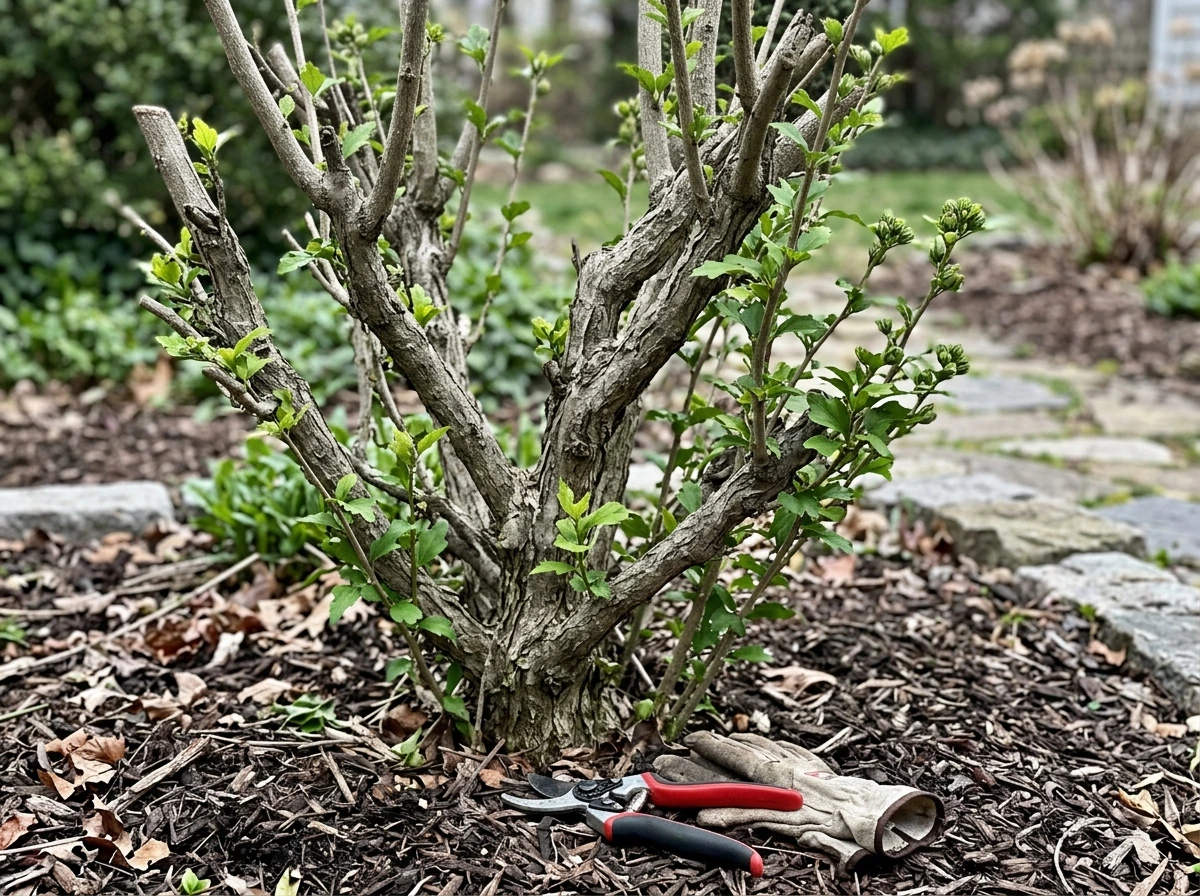
When horticulturalists talk about old wood versus new wood, they mean something pretty simple. Old wood is any stem or branch that grew during a previous season. New wood is what your plant pushes out in the current growing season. The distinction matters enormously for pruning because some plants set their flower buds on last year's branches before winter arrives. If you prune those off in early spring, the buds go with them, and you get leaves but no blooms. Classic examples of old-wood bloomers are spring-flowering shrubs like lilacs, forsythia, and azaleas. Prune those after they bloom in spring, and you're fine. Prune them in March, and you've already removed the flowers.
New-wood bloomers work the opposite way. The plant wakes up in spring, pushes fresh stems, and sets buds on that brand-new growth, usually blooming from midsummer onward. Pruning in late winter or early spring doesn't touch any future buds because those buds don't exist yet. In fact, pruning at the right time can encourage more vigorous new growth, which means more flowering stems, not fewer.
Which hibiscus blooms on old wood, which on new wood
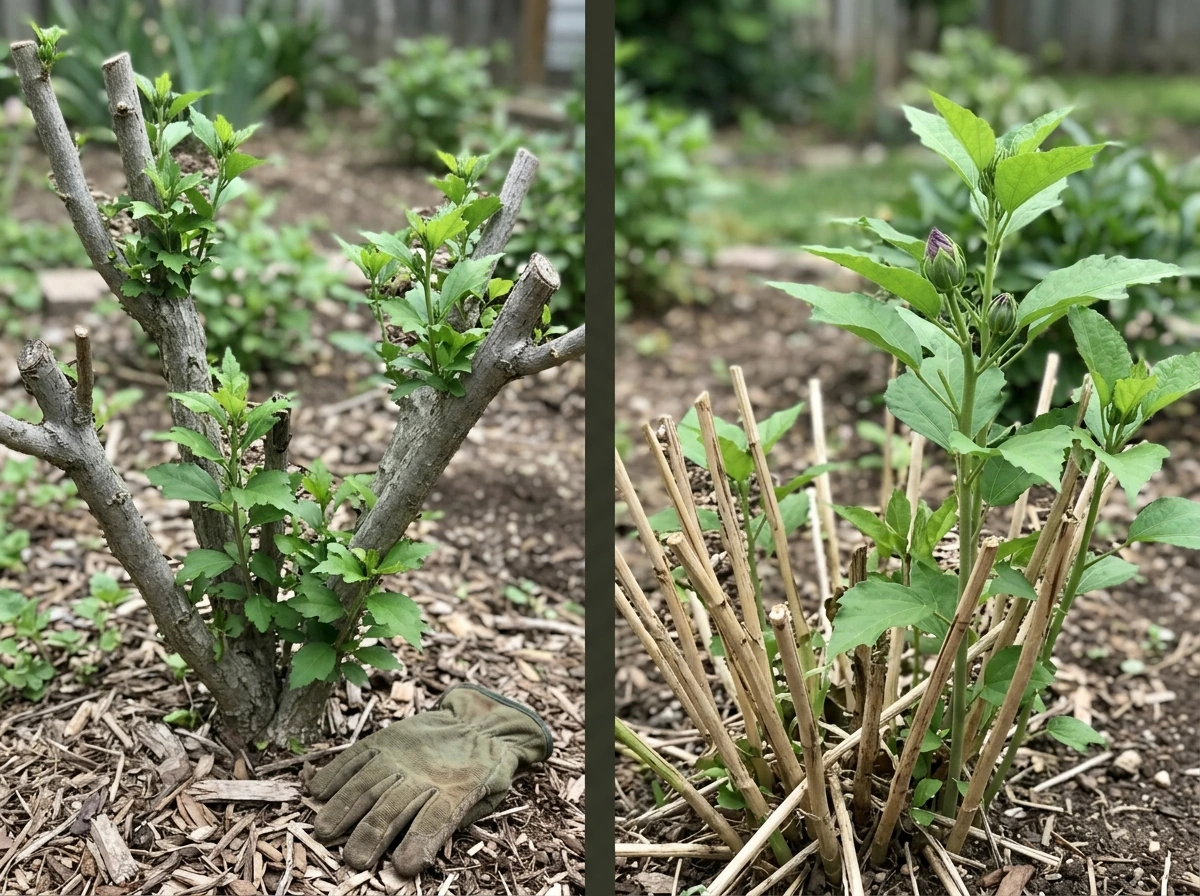
Penn State Extension is pretty clear on this: both Rose of Sharon (Hibiscus syriacus) and hardy hibiscus (Hibiscus moscheutos) bloom on new wood. These are the two hibiscus types most homeowners in temperate climates are actually growing in their yards, so for the majority of readers, the answer is new wood, and late-winter pruning is safe and often beneficial.
That said, the University of Wisconsin Extension flags Hibiscus syriacus as a plant that can bloom on new wood and in some cases also on old wood, which tells you the biology isn't completely black and white. Think of it as primarily a new-wood bloomer with some flexibility. Tropical hibiscus (Hibiscus rosa-sinensis), which is what you'd typically grow as a houseplant or bring indoors over winter in colder zones, behaves a bit differently. It can set buds on both old and new stems. If you're growing tropical hibiscus outdoors only in warm climates like Florida, Southern California, or coastal Texas, pruning guidance shifts somewhat, because cutting back older woody stems too aggressively can reduce flowering until new growth matures.
| Hibiscus Type | Blooms On | Safe Pruning Window | Common Growing Zones |
|---|---|---|---|
| Rose of Sharon (H. syriacus) | New wood (primarily) | Late winter to early spring | Zones 5–9 |
| Hardy hibiscus (H. moscheutos) | New wood | Late winter to early spring | Zones 4–9 |
| Tropical hibiscus (H. rosa-sinensis) | New and old wood | After last frost; light pruning year-round in tropics | Zones 9–12 outdoors |
How to figure out which type you actually have
This matters more than people realize, and it's worth taking five minutes to get it right before you pick up the pruning shears. Here's what to look for:
- Rose of Sharon grows as an upright, multi-stemmed shrub or small tree, often reaching 8 to 12 feet tall. The leaves are roughly three-lobed, and flowers appear from mid-to-late summer into fall. It's deciduous, losing its leaves in winter. If it's been in your yard for years and handles frost just fine, this is almost certainly what you have.
- Hardy hibiscus (also called swamp hibiscus or dinner plate hibiscus) dies back to the ground in winter, even in its hardiness zone. It looks dead right up until late spring, then shoots up 3 to 6 feet and produces enormous plate-sized flowers in red, pink, or white from midsummer to frost. If your hibiscus vanishes completely each winter, this is your plant.
- Tropical hibiscus stays evergreen in warm zones and has glossy, deep green leaves with flowers in vivid orange, yellow, coral, or red. If you're bringing it inside for winter or you live in a frost-free climate, you're dealing with tropical hibiscus.
Why does this matter for pruning? Because if you have hardy hibiscus and you're worried about cutting back dead-looking stems in March, don't be. You're not removing old wood that holds flower buds. You're cleaning up last year's dead stalks, and the new growth will emerge from the crown below soil level.
Rose of Sharon is the one where timing matters most, because it does retain some bud potential on older wood in addition to its primary new-wood flowering.
Colorado State University Extension notes that for Rose of Sharon (Hibiscus syriacus), fall or winter pruning removes wood that may contain flower buds, which can reduce blooms the following spring Rose of Sharon is the one where timing matters most, because it does retain some bud potential on older wood in addition to its primary new-wood flowering. .
Still, late-winter pruning is the standard recommendation, and it works well in practice. The Purdue Arboretum Explorer also notes that [flowering on new growth is not reduced even if stems are killed back in winter](https://www. arboretum. purdue.
edu/explorer/plant_classification/syriacus/).
Pruning timing and technique to protect your blooms
Rose of Sharon
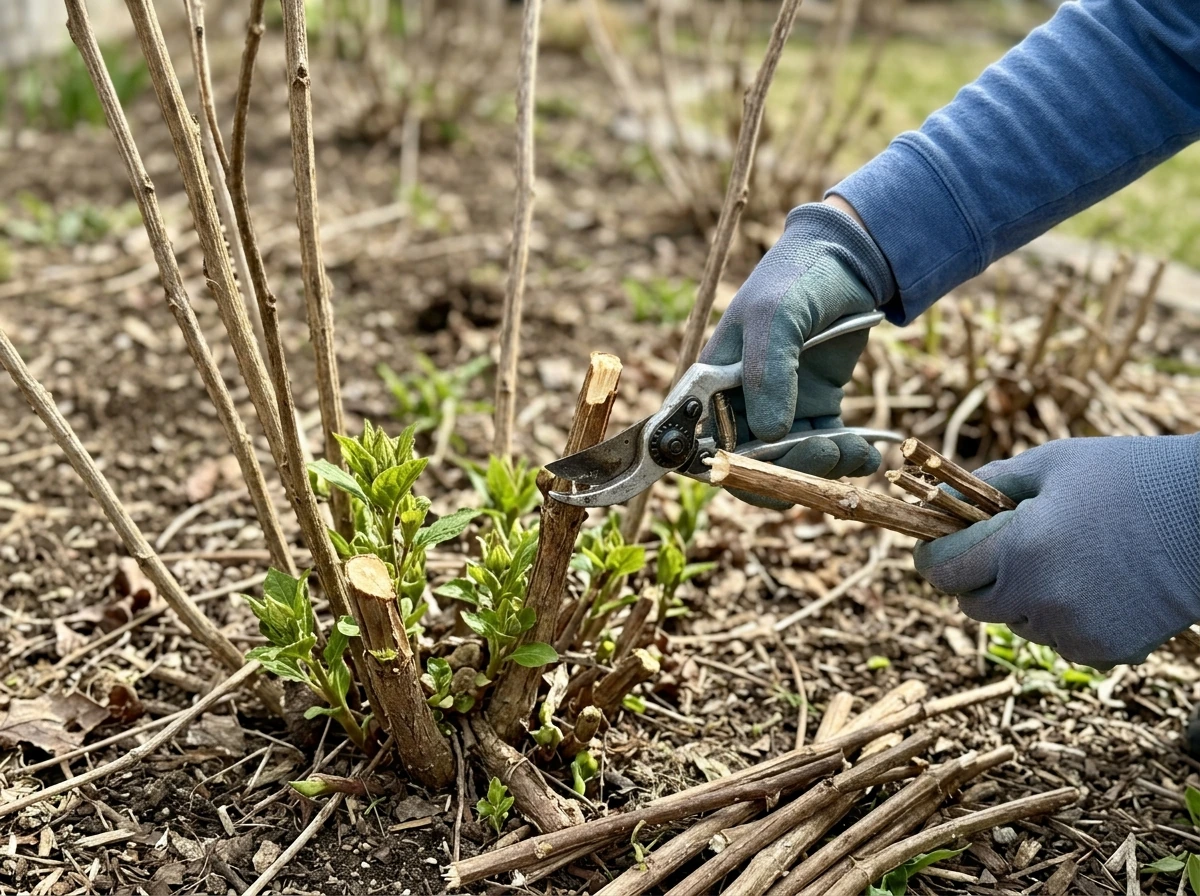
Prune in late winter to early spring, before new growth begins. This is the window where you can shape the plant, remove crossing or dead branches, and cut back leggy stems without any risk to this season's flowers. If you wait until summer or fall, you risk removing stems where buds may be developing or that carry some carryover bud potential. Keep pruning moderate: removing about one-third of the oldest stems each year keeps the plant productive and manageable without shocking it. If your Rose of Sharon is severely overgrown, you can do a hard renovation cut, but expect a reduced flower show the following season while it redirects energy.
Hardy hibiscus
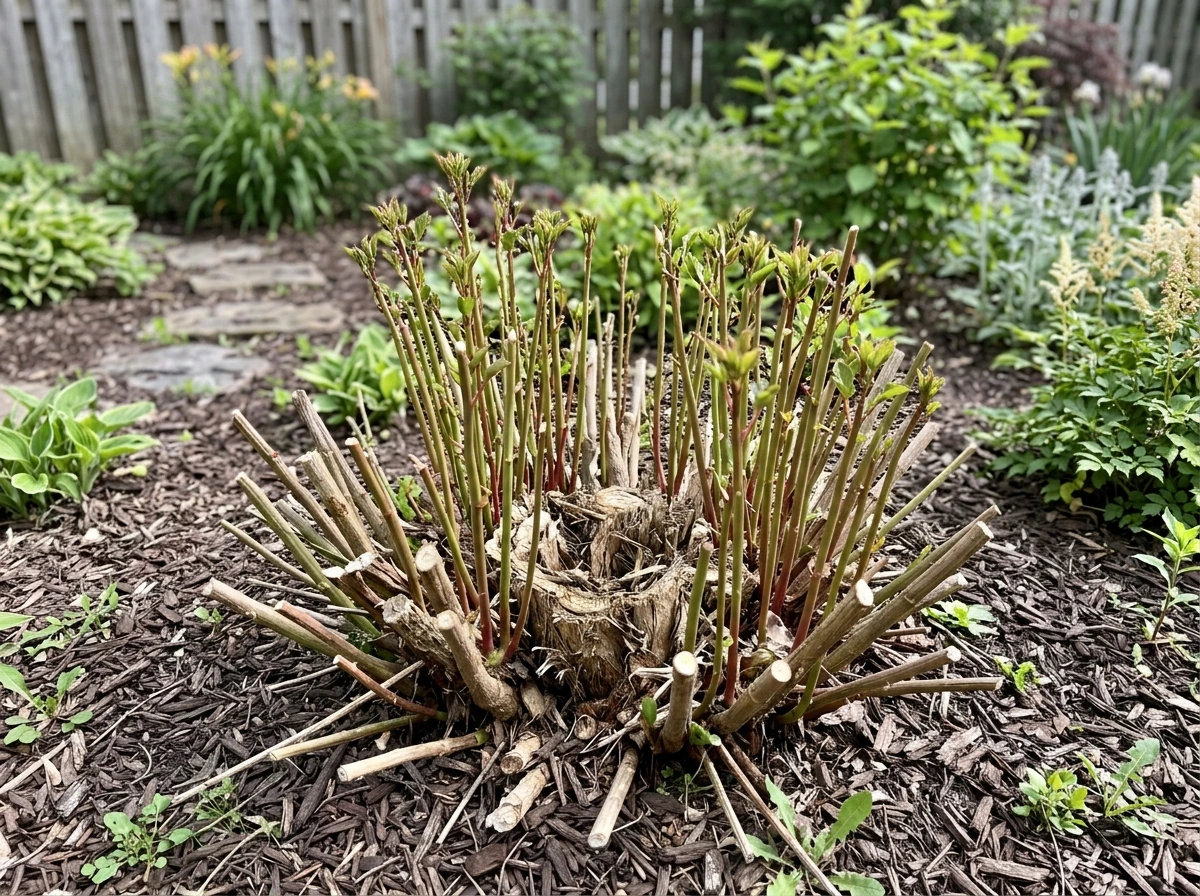
Cut back the dead stalks from the previous season in late winter, typically February through early March depending on your zone. Because this plant blooms entirely on new-season growth emerging from the crown, there's no risk of removing flower buds at this stage. Once you see the first signs of new growth at the base in spring, avoid cutting into those emerging stems. If you want to encourage bushier growth and more flowering stems, you can pinch back new growth once or twice in late spring when stems reach about 6 to 12 inches long, stopping pinching by early June so the plant has time to set buds for midsummer blooms.
Tropical hibiscus
In frost-free zones, light pruning year-round is fine and actually keeps the plant producing fresh flowering stems. For a harder cut to reshape a leggy plant, aim for early spring. Avoid heavy pruning in late summer or fall in areas where the plant is borderline hardy (Zone 9), because you want mature, hardened stems heading into the cooler months. For gardeners in colder climates who grow tropical hibiscus in pots and bring them inside for winter, do any significant pruning before bringing them indoors or in late winter before you move them back outside.
Troubleshooting: no flowers, buds dropping, or all leaves and no blooms
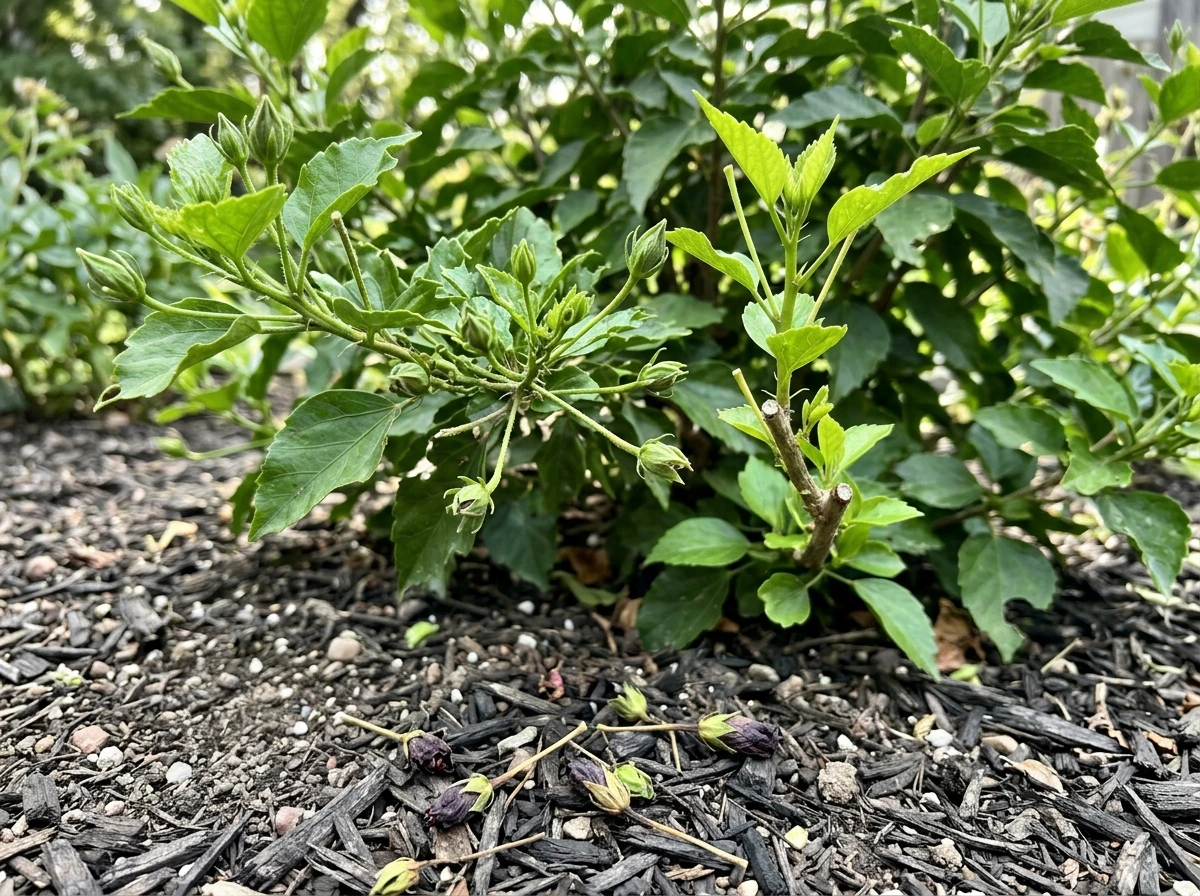
If your hibiscus is healthy but not flowering, pruning at the wrong time is one of the most common culprits, but it's not the only one. Here's what else to check:
- Pruned at the wrong time: If you trimmed Rose of Sharon in late summer or fall and saw no flowers the following year, that's likely why. The plant may have had some bud potential on those stems. Shift your pruning to late winter going forward.
- Too much nitrogen: Heavy feeding with a high-nitrogen fertilizer pushes lush green growth at the expense of flowers. Switch to a balanced fertilizer or one higher in phosphorus during the growing season.
- Not enough sun: Hibiscus wants full sun, at least 6 hours of direct light per day. Shade from a neighboring tree that's grown in over the years is a sneaky reason for declining blooms.
- Bud drop: If buds are forming but dropping before they open, the most common causes are inconsistent watering (let the soil dry out too much and then overwater), sudden temperature swings, or pest pressure from thrips or spider mites. Check the undersides of leaves.
- Too much foliage, no flowers: If you have a very vigorous, leafy plant that just won't bloom, it may be getting too much water and nitrogen. Dial back feeding and let the soil dry out slightly between waterings to nudge the plant into reproductive mode.
How your climate and growing zone affect all of this
Zone matters here in ways that go beyond just whether a hibiscus survives winter. Zone matters here in ways that go beyond just whether a hibiscus survives winter where do hibiscus plants grow. It affects when your safe pruning window actually opens and how the plant's wood behaves. In Zone 9 and 10 climates like Southern California, central Florida, or coastal Texas, Rose of Sharon and especially tropical hibiscus can hold onto semi-evergreen growth through winter. The line between old wood and new wood gets blurry. Pruning timing shifts later, and you may find that older woody stems still contribute to flowering in ways they wouldn't in a Zone 5 or 6 garden where the plant goes fully dormant.
In colder zones, Zone 4 through 6, hardy hibiscus (H. moscheutos) is often the better choice precisely because it's a clean-slate, new-wood bloomer. It dies back hard every winter and regrows completely from the crown, which actually simplifies the pruning question: there's no confusion about old versus new wood, because old wood is gone. Rose of Sharon in these zones goes fully deciduous, making the late-winter pruning window obvious. In warmer zones, the lines are blurrier and you need to be more careful about aggressive pruning at the wrong time.
If you're still figuring out whether hibiscus is even the right plant for where you live, it's worth thinking through the broader growing requirements alongside pruning mechanics. The geographic range for the most common types is wide but not unlimited, and which type is right for your yard depends heavily on your zone. That question of where hibiscus actually grows and what conditions it needs ties closely into what the rest of this site covers, including hibiscus requirements to grow and where hibiscus plants grow by region. You can narrow down the best match by looking at where do hibiscus plants grow naturally for your climate and USDA zone.
What to do this week to get more blooms
Here's a practical checklist based on what you should actually do this week:
- Identify your hibiscus type: Is it Rose of Sharon, hardy hibiscus, or tropical? Check the leaf shape, whether the plant died back to the ground over winter, and the flower color and size from last year.
- For hardy hibiscus: Cut down all the dead stalks from last season to within a few inches of the ground if you haven't already. The crown is where this season's growth comes from.
- For Rose of Sharon: If you haven't pruned yet, do it now before new buds break. Remove dead or crossing branches first, then cut back long stems by up to one-third. Don't wait until summer.
- For tropical hibiscus in warm zones: Do a light shaping now to encourage fresh growth. Hold off on any hard renovation cuts until you're confident nighttime temperatures are staying above 50°F.
- Check your soil and feeding plan: Hold off on high-nitrogen fertilizer. Once new growth is 3 to 4 inches long, feed with a balanced fertilizer or one with a higher middle number (phosphorus) to support flowering.
- Look for pests now: Spider mites and aphids can get established early and stress the plant right when it's setting growth. Check the undersides of any emerging leaves.
- Make a note of where the plant is sited: If it's getting less than 6 hours of direct sun because of a tree or structure that's grown in, that's worth addressing this season before you invest more time in the plant.
FAQ
If my hibiscus looks dead above ground, should I still prune it in early spring?
For most hardy hibiscus and Rose of Sharon, the best “dead wood” removal is a cleanup cut in late winter or early spring, when the plant is still dormant and before new shoots show. If you see green buds or fresh shoots emerging from the crown, stop pruning at that point so you do not accidentally cut off the new flowering stems.
Can I prune for shape during the summer if I’m worried about losing flowers?
Yes, but only for “housekeeping” cuts. Remove clearly dead or crossing stems, but avoid major reductions (especially on older woody stems) right before your expected bloom period if you have Rose of Sharon or tropical hibiscus in a warm zone. If you want to do a stronger reshape, schedule it for early spring instead.
Why might my hibiscus not flower even after I pruned correctly for new wood?
If the plant is blooming poorly, first confirm the type. Hardy hibiscus (H. moscheutos) and most garden hibiscus you prune in late winter are new-wood bloomers, so missed timing usually means you pruned too late. For tropical hibiscus, buds may form on both old and new stems, so heavy pruning or removing older woody growth can reduce blooms for a while until new shoots mature.
Is it okay to remove a lot of older stems at once, or should I spread pruning over years?
In general, yes, but it depends on where the new growth is. For Rose of Sharon and hardy hibiscus, cutting back about one-third of the oldest stems each year helps avoid a shock response that delays flowering. For tropical hibiscus, the safest approach is lighter pruning when you see new growth, rather than cutting back large woody portions late in the season.
What should I do after pruning to encourage blooms, not just leaves?
After pruning, hibiscus commonly flushes new stems when conditions are supportive. The most important practical step is to avoid letting the plant dry out during early new growth, and to use a balanced fertilizer regimen that does not overdo nitrogen. If you push lots of leafy growth without supporting flowering, you can end up with fewer blooms even when pruning timing was correct.
How do I tell the difference between dead stems and partially alive old wood before cutting?
If you truly have dead stems, cutting them back to living tissue is fine, but “brown but not dead” stems are the common mistake. Look for signs of life near the base (green/bud swell at nodes or new shoots from the crown). If you cut higher than necessary, you can delay flowering by removing potential new stems.
When should I stop pruning in spring so I do not remove the future flower buds?
Most ibiscus types benefit from stopping significant pruning once the plant has formed its midsummer bloom buds, which is why early spring is the standard. For many gardeners, that means avoiding late-spring to early-summer heavy cuts, unless the pruning is just removing damaged tips or very small amounts.
What changes about pruning in warm zones where hibiscus doesn’t fully go dormant?
Yes, especially in warm climates where older growth can persist and the old versus new wood distinction blurs. In those zones, label your plant and be conservative: remove only dead, damaged, or obviously spent stems in fall or winter, and save major cuts for early spring to reduce the chance of knocking off bud-producing sections.
Should I prune tropical hibiscus before bringing it inside for winter, or after it’s indoors?
For potted tropical hibiscus you move indoors, do any major pruning before bringing it inside, or do only light cleanup while transitioning. Once indoors, keep disturbance minimal because sudden pruning plus a location change can slow growth and delay bud set until it re-acclimates outdoors.
My hibiscus has small shoots at the base already, can I prune those taller stems now?
A good rule is to avoid pruning into emerging shoots. If you have new growth at the crown, wait and let the plant establish first, then do shaping later with small corrective cuts. When in doubt, focus on removing obvious dead material and postpone major reductions until late winter or early spring.