
Hibiscus can absolutely be one of the most rewarding plants you grow, but only if you match the right type to your climate. Get that wrong and you are either watching a tropical hibiscus die in a frost or waiting forever for a hardy hibiscus to hit its stride in the wrong soil. Here is how to figure out which type fits your zone and exactly what it needs to thrive.
Hibiscus Requirements to Grow: Climate Fit Guide
Marcus Hartwell
24 Mar 2026
Which hibiscus can actually grow where you live
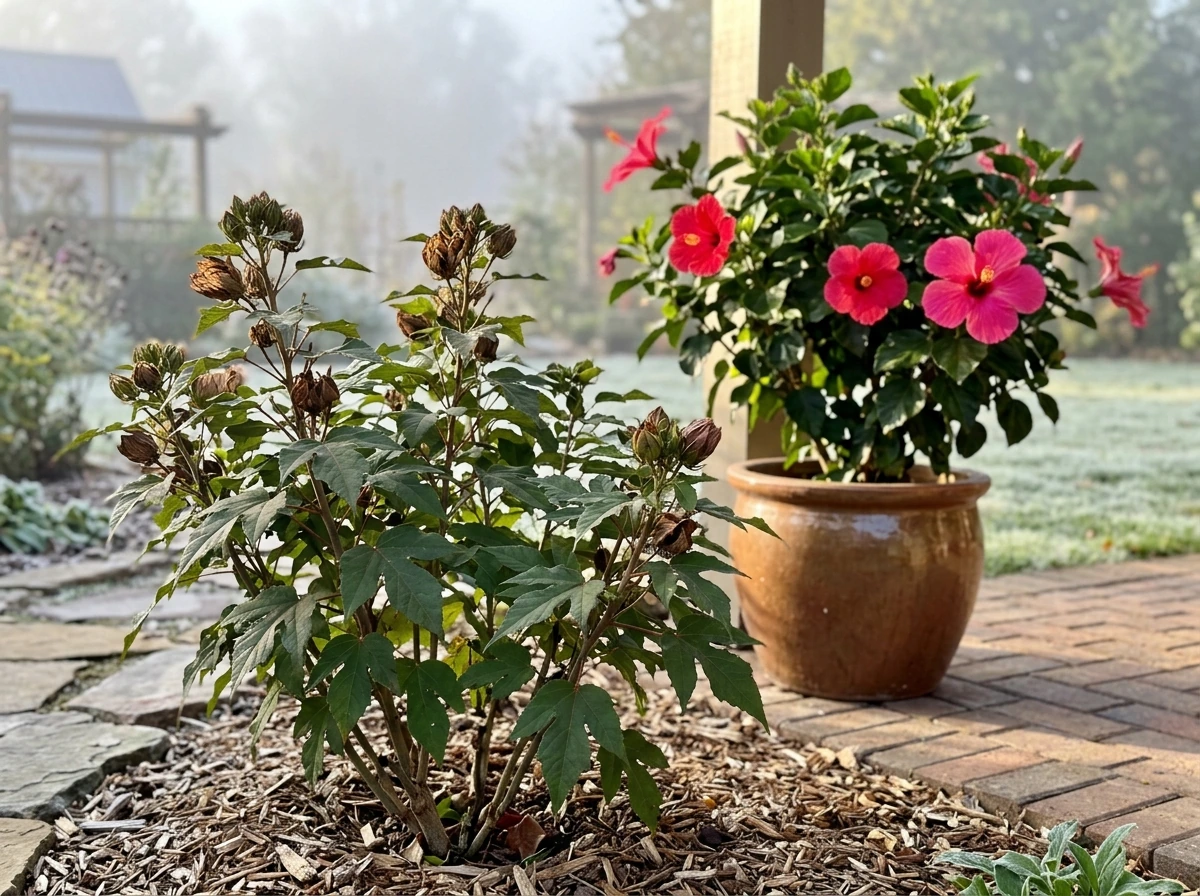
There are two hibiscus types most gardeners are working with, and they have very different geographic comfort zones. Tropical hibiscus (Hibiscus rosa-sinensis) is at home in USDA zones 9 through 11, meaning places like South Florida, coastal Southern California, Hawaii, and the Gulf Coast., meaning places like South Florida, coastal Southern California, Hawaii, and the Gulf Coast. If you live in those zones, you can grow tropical hibiscus in the ground year-round and it will reward you with blooms for most of the year. If you are outside that range, tropical hibiscus is essentially a container plant or a houseplant that needs to come inside before temperatures drop.
Hardy hibiscus (most commonly Hibiscus moscheutos hybrids) is the one for the rest of the country. It survives USDA zones 4 through 9, which covers most of the continental United States including the Midwest, Mid-Atlantic, Southeast, and much of the South. Gardeners in zones 5 through 10 especially love it for its reliability and the fact that it comes back every year without any fuss.
If you are in the Upper Midwest, New England, or a high-altitude zone 4 area, hardy hibiscus is your path to those big dinner-plate flowers without the annual replanting cost. If you are still unsure which zone you fall in, think of it this way: if your winters routinely drop below freezing for weeks at a time, you want hardy hibiscus in the ground.
Geography also matters beyond just frost. Hibiscus of both types perform best with warm summers and decent humidity. In very dry, arid zones (like the low desert Southwest), tropical hibiscus can struggle with heat stress and spider mites even when the zone numbers technically line up. Supplemental water and afternoon shade help there. For more on where these plants naturally show up across regions, the article on where do hibiscus plants grow goes deeper into geographic distribution.
Hardy vs tropical: what each one needs to survive winter
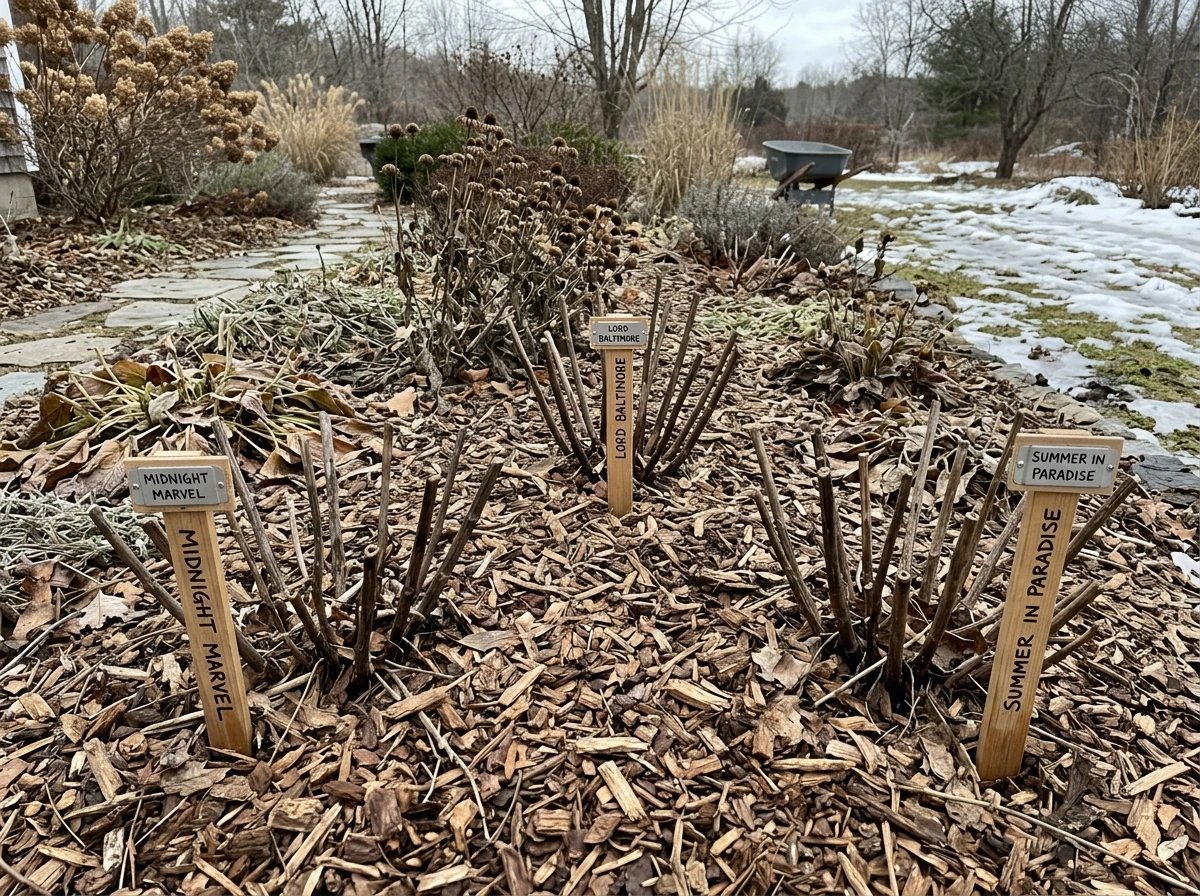
Hardy hibiscus is a true perennial. It dies back to the ground in fall and re-emerges in late spring, sometimes so late that new gardeners think it is dead and dig it up in April. Leave it alone. The crown is alive underground. In winter, cut the stems back to a few inches above the ground and mulch the crown generously if you are in zone 5 or colder. That mulch layer is your insurance against a hard freeze killing the root system. By June you will have vigorous new growth pushing up, and by July or August the blooms will be enormous.
Tropical hibiscus has essentially no cold tolerance. Even a light cold snap, something that dips into the low 40s Fahrenheit for a night, can cause the lower leaves to yellow and drop. Texas A&M AgriLife Extension notes that tropical hibiscus can suffer cold damage and may require protection during colder periods even if you are near the upper end of its growing zones [cold damage during colder periods](https://txmg. org/galveston/files/2024/02/GC-365-Hibiscus-Tropical.
pdf). A frost will kill the plant outright if it is in the ground. In zones 8 and colder, treat tropical hibiscus as a container plant you bring indoors before the first frost date. In zones 9 through 11 you can leave it outside year-round, but even there an unusual cold wave can cause leaf drop.
If that happens, do not panic, the plant usually recovers once temperatures normalize. University of Minnesota Extension recommends tropical hibiscus specifically as a northern houseplant, which tells you everything you need to know about its cold sensitivity.
| Feature | Tropical Hibiscus (H. rosa-sinensis) | Hardy Hibiscus (H. moscheutos) |
|---|---|---|
| USDA Zones (in-ground) | 9 to 11 | 4 to 9 |
| Winter behavior | Evergreen; dies with frost | Dies back to ground; re-emerges in spring |
| Cold tolerance | Very low; damaged near 40°F | High; survives hard freezes with mulch |
| Bloom season | Nearly year-round in warm zones | Summer (July to September) |
| Best for northern gardeners | Container/houseplant only | Yes, in-ground perennial |
| Flower size | Medium (3 to 5 inches typical) | Very large (up to 12 inches) |
Sun and heat: what hibiscus actually needs to bloom
Both types want full sun, and that means a genuine six to eight hours of direct sunlight per day. This is not negotiable if you want flowers. Hibiscus planted in partial shade will grow leaves just fine but blooms will be sparse to nonexistent. I have seen gardeners blame the soil or the fertilizer when the real problem is Both types want full sun, and that means a genuine six to eight hours of direct sunlight per day.
This is not negotiable if you want flowers. Hibiscus planted in partial shade will grow leaves just fine but blooms will be sparse to nonexistent. I have seen gardeners blame the soil or the fertilizer when the real problem is a nearby tree that crept into the light path over a few seasons.
Tropical hibiscus also needs warmth to trigger and sustain flowering. It is built for hot, humid climates, so even in zone 9 a cool, cloudy spring can slow bud production noticeably. In northern areas where people grow it as a container plant, the best placement in summer is the sunniest, most sheltered spot in the yard, often against a south-facing wall that holds radiant heat. Bring it out after your last frost date and move it back in before nighttime temperatures consistently drop below 50°F in fall.
Soil, pH, and watering: getting the foundation right
Hibiscus is adaptable to a reasonably wide pH range. As a general landscape plant, hibiscus tolerates soil pH from about 6.0 to 8.0. However, tropical hibiscus grown in containers or production settings tends to perform best with a slightly more acidic substrate, around 5.5 to 6.0. Hardy hibiscus (H. moscheutos) naturally occurs in moist, somewhat acidic sites, and if your soil pH climbs too high, you can run into iron chlorosis, where the leaves turn yellow between the veins. If you are in the Southeast or Mid-Atlantic and your soil tends alkaline, a soil test before planting is worth the few dollars it costs. Amend with sulfur or use an acidifying fertilizer if needed.
Drainage matters just as much as pH. Hardy hibiscus naturally grows in moist, even boggy sites, so it tolerates wet feet better than most ornamentals. It is actually a good choice near rain gardens or low spots in the yard. Tropical hibiscus wants consistent moisture too but is more sensitive to waterlogged roots, so make sure containers have drainage holes and garden beds do not pool after rain.
For watering frequency, both types need regular moisture through the growing season. In hot, dry summers, that can mean watering deeply two to three times a week in sandy soils, or once a week in heavy clay. Inconsistent watering is one of the main triggers for bud drop in tropical hibiscus. The plant will abort buds when it experiences drought stress, even briefly. A layer of mulch around the base, kept a few inches away from the stem, goes a long way toward holding soil moisture and moderating root temperature.
Planting in the ground vs growing in containers
In-ground planting
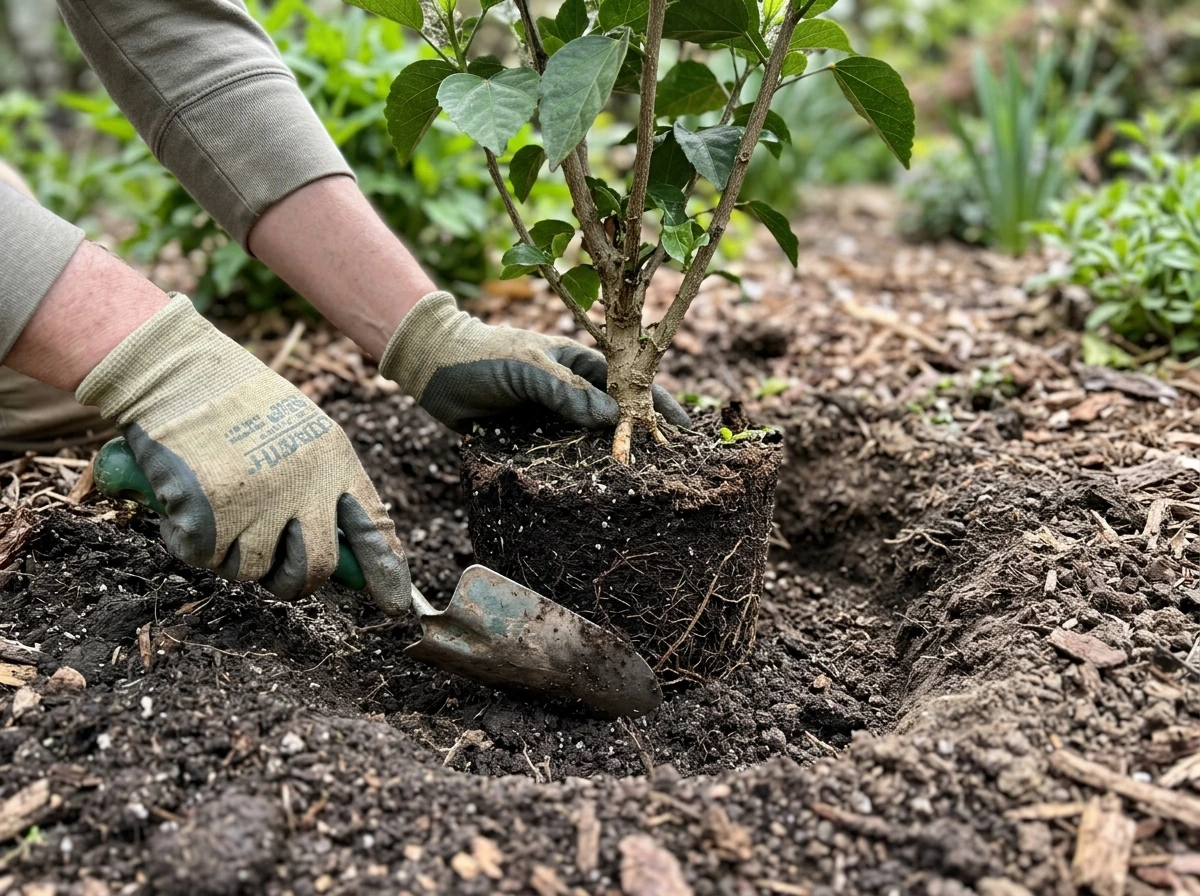
When planting hibiscus in the ground, set it at the same depth it was growing in the nursery container. Planting too deep can cause stem rot and slow establishment. For hardy hibiscus, space plants about 3 to 4 feet apart; they get large by midsummer and need air circulation. For tropical hibiscus planted in-ground in zone 9 to 11, spacing around 4 to 6 feet is appropriate since mature shrubs can reach 8 feet tall and wide.
Container growing and overwintering
If you are in zone 8 or colder and want tropical hibiscus, a container is the only practical path. Choose a pot that is at least 12 to 14 inches in diameter with good drainage, and use a well-draining potting mix. Before the first frost, move the plant to a bright, sunny indoor spot, a south-facing window is ideal. Indoors over winter, the plant goes into a low-energy mode: water it sparingly, about once every 10 to 14 days, and hold off on fertilizer until you move it back outside in spring.
You may see leaf drop when you first bring the plant inside. That is a stress response to the light and humidity change, not necessarily a death sentence. Keep it in the brightest spot possible and resist the urge to overwater a plant that is dropping leaves. By February or March, prune it back by about one-third and resume light watering, and it should start pushing new growth before you move it back out in late spring. If you are curious whether hibiscus can genuinely thrive as a long-term indoor plant, that topic gets a full treatment in the article on whether hibiscus can grow inside.
Feeding and pruning to keep the flowers coming
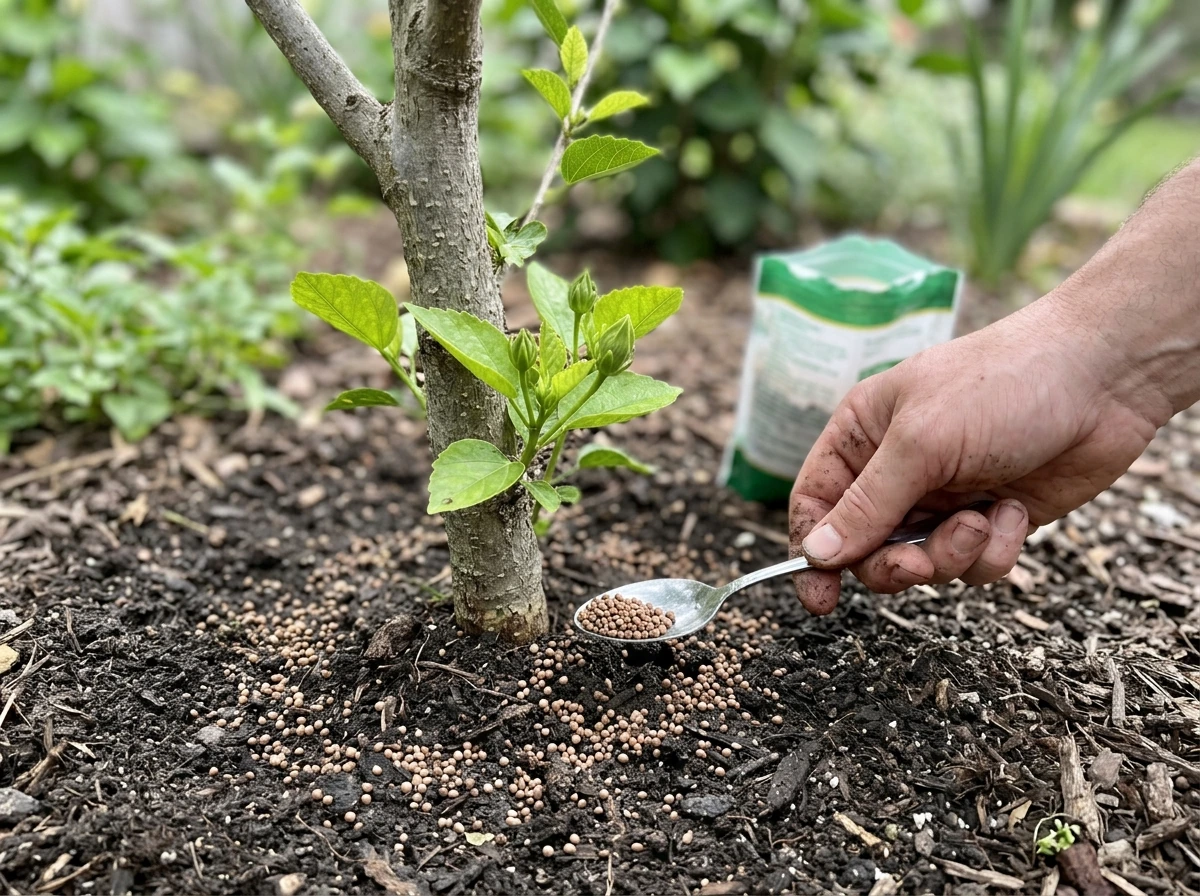
Hibiscus is a heavy feeder during the growing season. A balanced fertilizer like 10-10-10 or 20-20-20 applied every two to four weeks from late spring through early fall will keep blooms coming. For in-ground hardy hibiscus, a slow-release granular fertilizer at planting and again mid-season often works fine. For container tropical hibiscus, liquid fertilizer on a regular schedule gives you more control and faster uptake.
Hibiscus flowers on new wood, which is great news for pruning. You can cut it back without worrying about sacrificing next year's bloom sites. For hardy hibiscus, cut the stems all the way back to a few inches above ground in late fall or early winter. Some gardeners prefer to wait until late winter so the dead stems serve as a marker showing where the plant is. Either way works fine. For tropical hibiscus, prune in late winter before new growth surges to encourage a bushier, more compact shape. A leggy plant that has been limping along indoors all winter benefits a lot from a hard cutback at this point.
What goes wrong by climate (and how to fix it)
Cold climates (zones 4 to 6)
The biggest frustration in cold zones is hardy hibiscus emerging so late in spring that gardeners assume it died. It did not. It is just one of the last perennials to wake up. Mark its location in fall so you do not accidentally dig into the crown. Bud production happens on that summer's new growth, so as long as the crown survived winter, blooms will follow. If you are growing tropical hibiscus as a container plant in these zones and it drops leaves when you bring it inside, focus on maximum light and resist overwatering until it stabilizes.
Mild and transitional climates (zones 7 to 8)
Zone 7 and 8 gardeners can grow hardy hibiscus reliably in the ground and can sometimes overwinter tropical hibiscus in sheltered spots with heavy mulching, though that is a gamble in colder zone 7 winters. The more common problem here is bud drop on tropical hibiscus during temperature swings in early fall. If the plant is setting buds and nighttime temperatures start dipping into the 50s, move a container plant inside promptly. Bud drop is almost always triggered by cold stress, drought stress, or a sudden light change, so try to maintain consistent conditions when buds are forming.
Hot and humid climates (zones 9 to 11)
In the Deep South and South Florida, tropical hibiscus thrives but can face leaf yellowing after an unusual cold snap. As noted, even temperatures in the low 40s can cause lower leaves to drop. This usually resolves on its own once warmth returns. A bigger ongoing concern in these zones is pest pressure, specifically spider mites, aphids, and whiteflies. Spider mites tend to flare up during hot, dry spells. Keeping plants well-watered and occasionally rinsing foliage with water helps prevent heavy infestations. In humid Gulf Coast climates, watch for fungal issues like leaf spot if plants are crowded and airflow is poor.
Dry or arid climates (zones 9 to 10 desert regions)
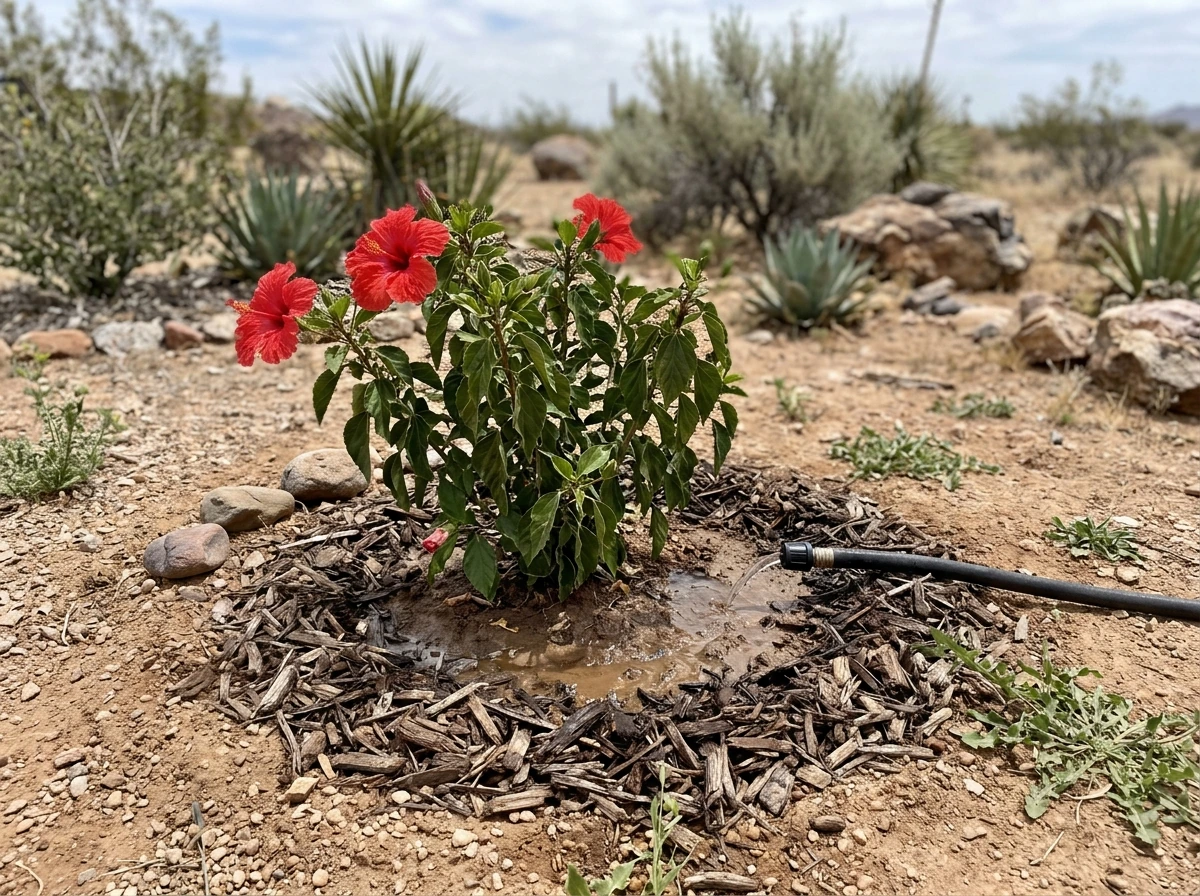
In low-desert zones like Phoenix or Las Vegas, tropical hibiscus can technically survive zone-wise but struggles with intense dry heat and low humidity. Plants need regular deep watering, protection from the harshest afternoon sun in summer, and vigilance against spider mites. If your hibiscus is not blooming in a hot-dry climate, check for mite damage (fine webbing on leaf undersides) first, then evaluate whether afternoon shade might actually help rather than hurt in your specific situation. The counterintuitive move in low-desert heat is sometimes to give the plant a bit of afternoon shade rather than maximizing full sun all day.
Quick troubleshooting checklist
- Not blooming: Check sun first (six-plus hours required), then check fertilizer schedule (are you feeding during the growing season?)
- Bud drop on tropical hibiscus: Usually cold stress, drought stress, or sudden light change. Stabilize conditions and water consistently.
- Yellow leaves after a cold snap: Normal response in tropical hibiscus. Plant should recover once temperatures warm.
- Hardy hibiscus not emerging in spring: Be patient until late May or early June before assuming it is dead.
- Yellow leaves with green veins (chlorosis): Likely high soil pH. Test the soil and acidify if needed, especially for H. moscheutos.
- Fine webbing on leaves: Spider mites. Rinse plant with water and treat with insecticidal soap if infestation is heavy.
- Leggy, sparse plant: Prune back in late winter and increase fertilizer frequency through summer.
FAQ
My hibiscus gets a lot of light, but it barely blooms. How can I tell if it is not really getting full sun?
For hibiscus, “full sun” is about direct light reaching the plant for most of the day, not just bright yard conditions. If you notice lots of leaves but few blooms, check whether nearby structures or taller plants are shading it during the hours when sun angles change. A quick test is to observe for 2 to 3 days and confirm the plant is getting roughly 6 to 8 hours of direct sunlight.
Why do my hibiscus buds fall off before they open?
Both types can drop buds after stress, but drought stress is the most common trigger for tropical hibiscus bud drop, even when temperatures feel “warm enough.” Make sure you water deeply enough to wet the root zone, then keep moisture consistent through the week, especially during hot spells. For containers, letting the pot dry out too far between waterings is a frequent cause.
Can I repot tropical hibiscus while it is flowering or about to bloom?
Repotting can be stressful because it disturbs fine roots and can shift moisture conditions. For tropical hibiscus grown in containers, avoid repotting right before or during bud production. If you need to refresh the mix, do it in late winter or early spring when you are preparing to move it outside and you can give it stable, high light.
How should I use mulch on hibiscus without causing rot?
Yes, but you need to choose the right approach. Mulch helps with moisture consistency, but do not pile it directly against the stem or crown, especially for hardy hibiscus where you are protecting the crown from freeze. Keep mulch a few inches away from the base and use it as a moisture buffer and winter insulation layer rather than a thick mound touching stems.
What is the safest way to tell if my hardy hibiscus is actually dead or just late to sprout?
If hardy hibiscus “wakes up” late, the crown is likely alive, but you can still cause damage by digging to check it. Instead, leave the plant alone after cutting stems back and just mark the spot in fall. If you must check, wait until late spring, and only do a shallow inspection around the edge rather than disturbing the center of the crown.
My tropical hibiscus drops leaves after I bring it indoors. How should I troubleshoot it?
For tropical hibiscus indoors, leaf drop is often a light and humidity adjustment issue, not necessarily overwatering or disease. The practical fix is to increase light first (brighter window or strong supplemental light if needed) and water only when the top layer of mix starts to dry. Avoid turning up fertilizer or water frequency while it is still shedding leaves.
Should I fertilize tropical hibiscus during winter while it is indoors?
Indoor winter feeding is usually where people go wrong. Tropical hibiscus should not be treated like an active outdoor bloomer in winter, so you should hold off on fertilizer until you move it back outside and growth resumes. If you fertilize too early, you can get weak, leggy growth that later struggles outdoors.
Could improper spacing reduce flowering or increase disease risk in hardy hibiscus?
Yes. Hardy hibiscus needs air circulation because it gets large, so crowding can reduce airflow and increase the risk of fungal leaf issues. Stick to the spacing guidance, and if the plant is in a dense cluster, thin nearby vegetation rather than trying to force it with extra fertilizer.
My leaves are turning yellow. How do I know if it is a pH issue (chlorosis) versus a watering issue?
Soil pH problems show up differently. Yellow leaves with greener veins often point to iron chlorosis, especially in alkaline soils. A soil test before planting is the best decision tool, then correct pH with amendments or an acidifying fertilizer rather than guessing with multiple random nutrient products.
What should I do if I suspect spider mites on my tropical hibiscus in a hot, dry climate?
If tropical hibiscus is showing spider mites, the first step is rinsing foliage and improving moisture consistency, then improving the growing environment so it is not staying overly dry or dusty. Check leaf undersides for fine webbing and consider increasing humidity around the plant. In very hot dry weather, afternoon shade can reduce stress and mite flare-ups.