
Hollyhocks can grow in parts of the tropics, but only under fairly specific conditions. In true lowland tropics (think coastal Southeast Asia, the Caribbean coast, or equatorial Africa), they struggle badly and rarely bloom reliably. In highland tropical areas, subtropical zones, or places with a distinct dry-cool season, you have a real shot with the right setup. The single biggest limiting factors are not heat alone but a combination of insufficient long days to trigger flowering, relentless humidity that fuels fungal disease, and waterlogged soil during monsoon-season rains.
Can Hollyhocks Grow in the Tropics? Conditions and Tips
Marcus Hartwell
4 Jun 2026
What hollyhocks actually need to survive and bloom
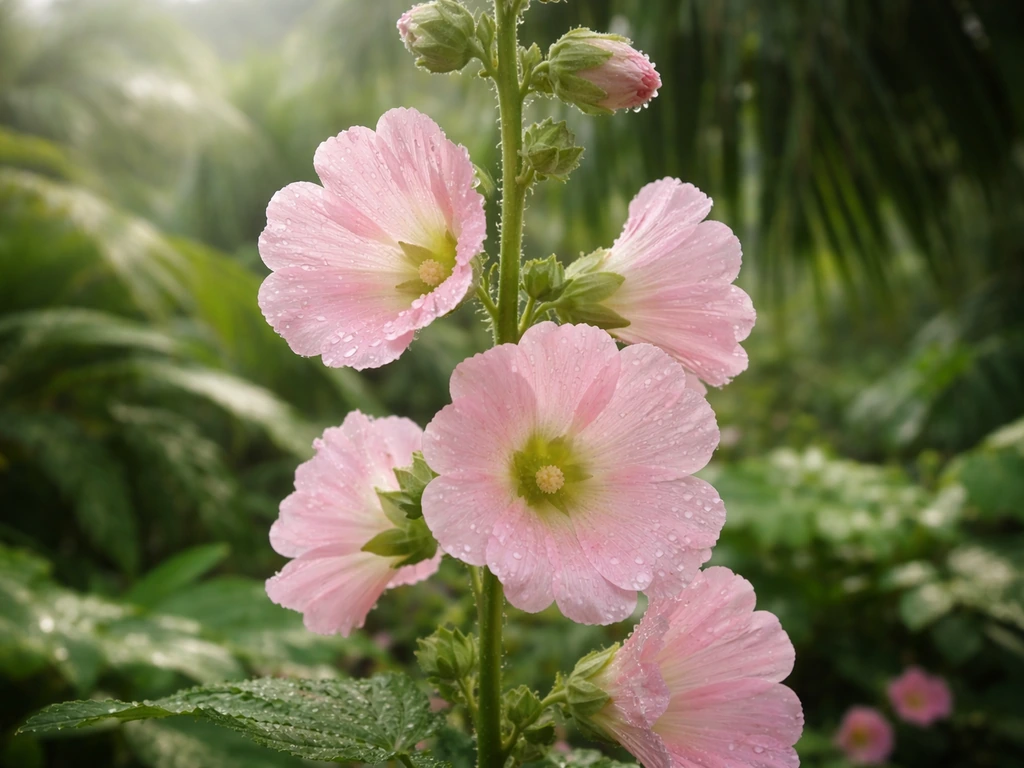
Hollyhocks (Alcea rosea) are fundamentally cool-temperate plants. They thrive in full sun with well-drained, moderately rich soil at a pH of about 6.0 to 7.5. Germination is best when soil temperatures are between 60 and 70°F, and the seeds need light to sprout well, so you barely cover them. All of that is manageable in many tropical settings. The harder problem is their day-length requirement.
Hollyhocks are obligate long-day plants. Research confirms they will not flower until daylengths exceed roughly 14 hours. In the tropics, daylength stays close to 12 hours all year with very little seasonal variation. That means a hollyhock grown at, say, 5 degrees north of the equator may produce a healthy rosette of leaves and then simply refuse to bloom because the days never get long enough to flip the flowering switch. This is the core biological obstacle in equatorial regions, and no amount of good soil or careful watering works around it.
Beyond day-length, hollyhocks are notorious for diseases like rust (caused by Puccinia malvacearum), leaf spot, and anthracnose. All three explode in humid conditions. They also collapse quickly in waterlogged soil: root and crown rot become near-certain failures in heavy soils or low spots that collect water during heavy rains. This guide also notes that Alcea rosea fails catastrophically in waterlogged soil. In a tropical monsoon climate, both problems peak at the same time.
Lowland tropics vs highland and subtropical tropics
Not all tropical climates are the same, and where you sit on the map makes a huge difference to your chances with hollyhocks.
Lowland tropics (0 to roughly 1,000 m elevation, close to equator)
If you are in a coastal or inland lowland zone within about 15 degrees of the equator, the honest answer is that hollyhocks are not a reliable garden plant for you. Daylengths barely move from 12 hours, night temperatures rarely drop below 70°F, and humidity stays high enough that rust and leaf spot will hit almost every planting. You might keep a plant alive, but flowering is unlikely and disease pressure will be exhausting. Your energy is better spent on alternatives (listed at the end of this article).
Highland tropics (above roughly 1,500 m elevation)
Highland areas in tropical countries, such as the central highlands of Kenya, the mountains of Java, or high-elevation regions in Colombia or Guatemala, can be a completely different story. Temperatures are cooler, nights can drop into the 50s°F, and the climate mimics what a temperate gardener would recognize as mild Mediterranean or even sub-alpine conditions. The day-length problem still applies near the equator, but at 20 to 25 degrees latitude with some elevation you get closer to the 14-hour days hollyhocks need at least during a portion of the year. Many highland tropical gardeners report successfully growing hollyhocks, especially if they time planting to align with the longest days of the year.
Subtropical fringes and tropical margins
If you are in a location that sits at the edge of the tropics, roughly 20 to 30 degrees latitude, like southern Florida, the northern tip of Australia, parts of southern China, or areas of Hawaii at low elevation, you are in a subtropical climate rather than true tropics. Here, hollyhocks are much more feasible. Daylengths can approach 14 hours in summer, winters bring at least a brief cooler period, and the plant can complete more of its natural cycle. This is the sweet spot for tropical-adjacent hollyhock growing.
Site and care adjustments to give hollyhocks the best chance
If your climate lands in the highland or subtropical category, the following adjustments make a meaningful difference between a thriving planting and a diseased, non-blooming disappointment.
- Full sun is non-negotiable. Hollyhocks need at least 6 to 8 hours of direct sun. In humid tropical settings, shading makes disease pressure far worse by slowing leaf dry-off after rain.
- Drainage above everything else. Raised beds or mounded planting rows are often the best call in areas with heavy seasonal rain. Hollyhocks fail catastrophically in waterlogged soil, and root rot in a rainy tropical season can kill an otherwise healthy plant in days.
- Airflow around the plants. Space plants at least 18 to 24 inches apart and avoid planting near walls, fences, or dense shrubs that trap humid air. Good airflow is your primary tool against rust and leaf spot.
- Water at the base only. Use drip irrigation or a soaker hose rather than overhead watering. Rust spores need water on leaf surfaces to germinate, so keeping the foliage dry reduces infection significantly.
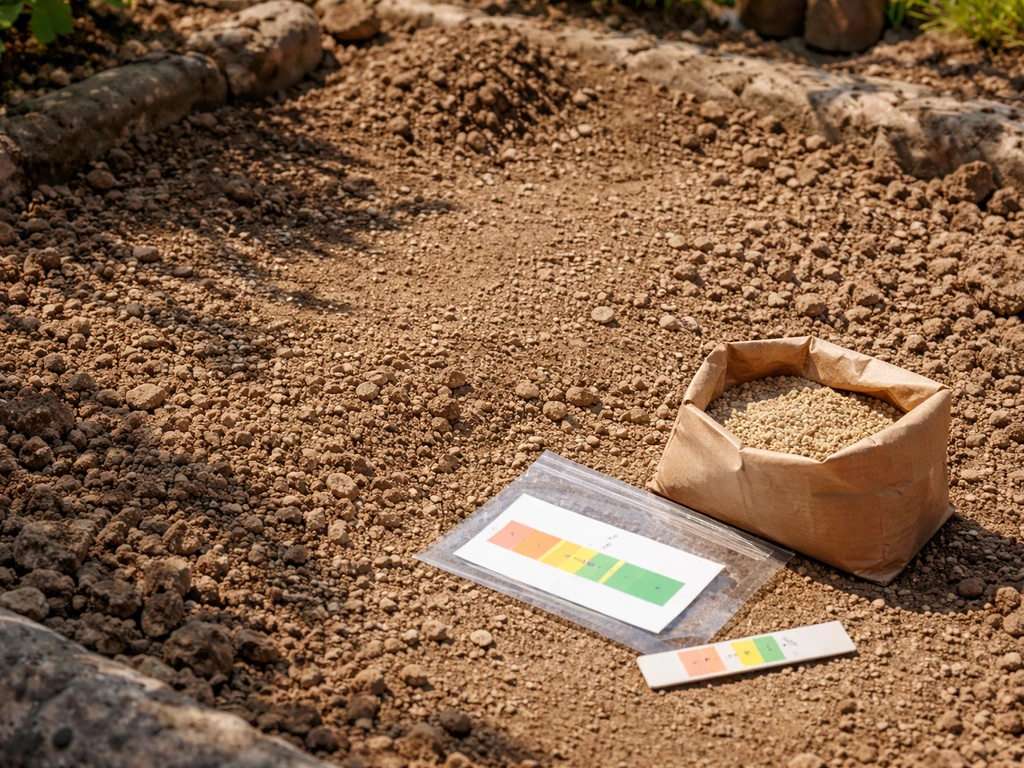
- Check soil pH. Aim for 6.0 to 7.5. In many tropical highland soils, pH can drift acidic, so a simple soil test and lime amendment are worth the effort.
- Choose resistant species when possible. Alcea rugosa (Russian hollyhock) and A. ficifolia (figleaf hollyhock) show better rust resistance than common A. rosea. If you can source either, they are a smarter starting point in high-humidity environments.
Planting timing and starting seeds in year-round warm climates
In temperate climates, hollyhocks are typically biennial: they sprout and form a leafy rosette the first year, then flower the second year after experiencing cold. In a year-round warm tropical climate there is no natural cold period to reset that cycle, so you need to manage timing deliberately to maximize your odds.
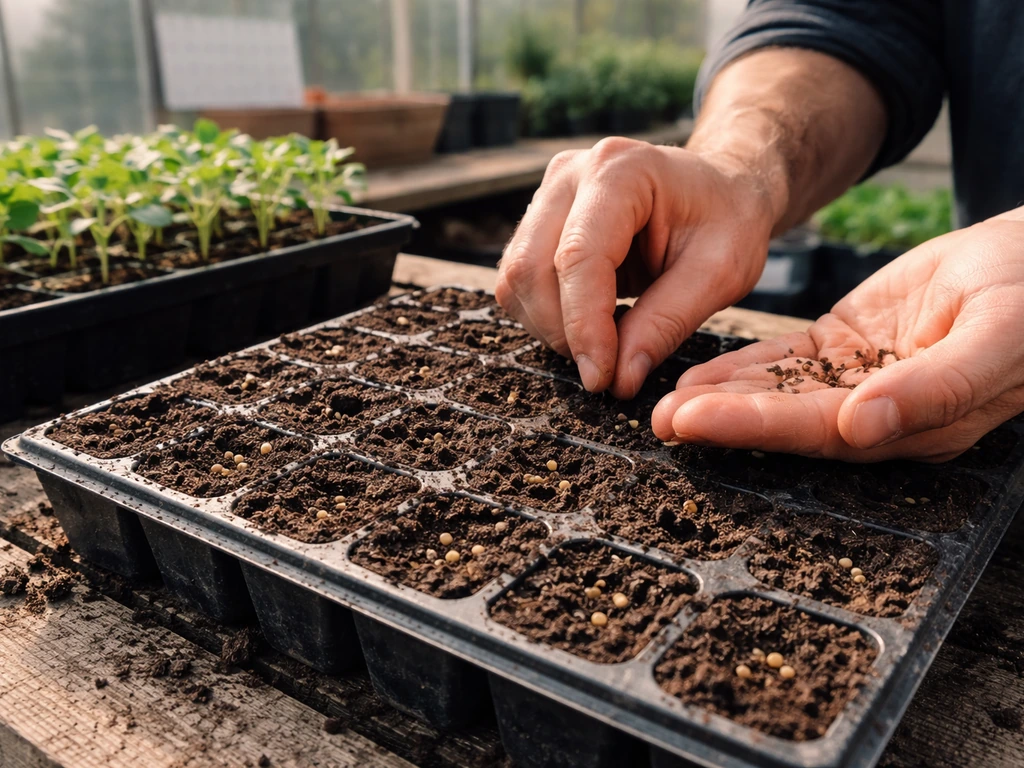
The best approach in subtropical or highland tropical settings is to sow seeds at the beginning of your coolest, driest season. This gives the young plants a relatively stress-free establishment period before heat and rain intensity peaks. Sow seeds barely covered in a well-draining seed-starting mix at soil temperatures between 60 and 70°F. At the cooler end of that range, seeds still germinate but may take up to 3 weeks. Light aids germination, so do not bury them deep.
Because hollyhocks need long days to flower, in subtropical locations try to time planting so that actively growing plants are in the ground when days approach their longest, typically around the June solstice. This means starting seeds indoors about 8 to 10 weeks before that window. In true highland tropical areas close to the equator where days never reach 14 hours, some gardeners have experimented with supplemental artificial lighting to extend day length and trigger flowering, though this is only practical for container-grown plants or small greenhouse setups.
Hollyhocks grown as annuals (sown fresh each season) are a reasonable strategy in warm climates where the biennial cycle does not complete naturally. Treat them as short-lived plants and plan to reseed or replace rather than expecting multi-year perennial performance.
Common problems you will face in tropical settings
Rust and fungal diseases
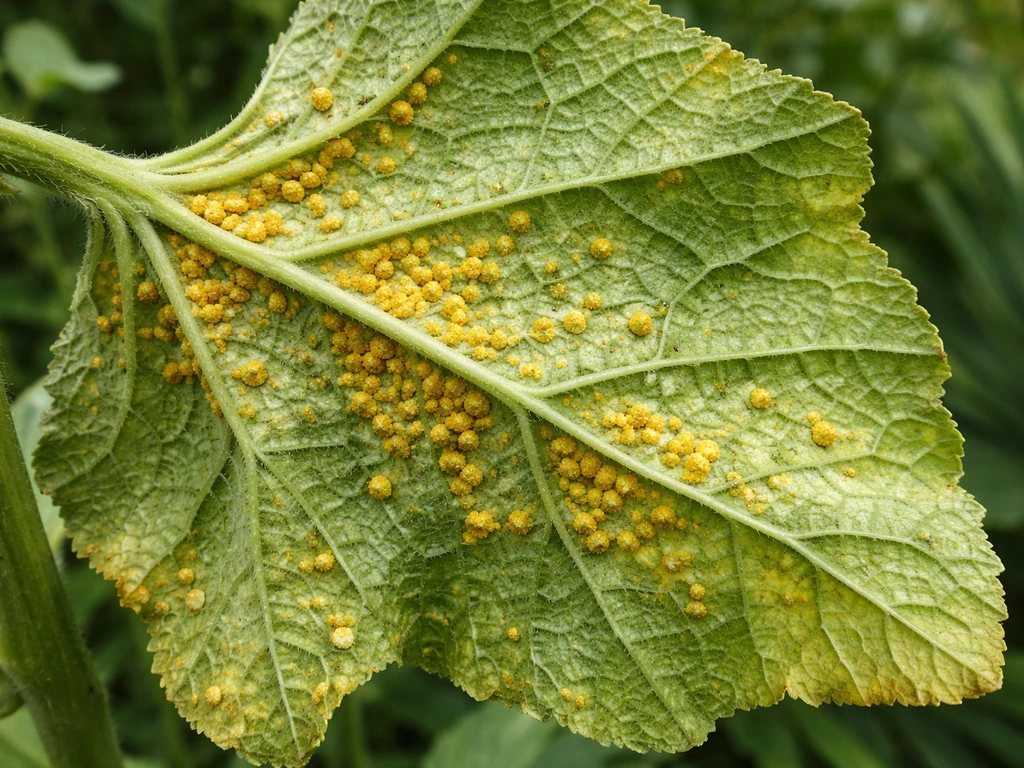
Hollyhock rust is the single most destructive problem in humid tropical environments. Orange-yellow pustules appear on leaf undersides, leaves yellow and drop, and infected plants look ragged within weeks. Once symptoms appear, control becomes very difficult, especially in persistently wet or humid conditions. The fungus overwinters in plant debris and basal leaves, so removing infected material promptly and cleaning up spent plants thoroughly reduces the cycle. Fungicide applications help only when combined with cultural controls: they are not a substitute for good spacing, base watering, and debris removal.
Crown and root rot
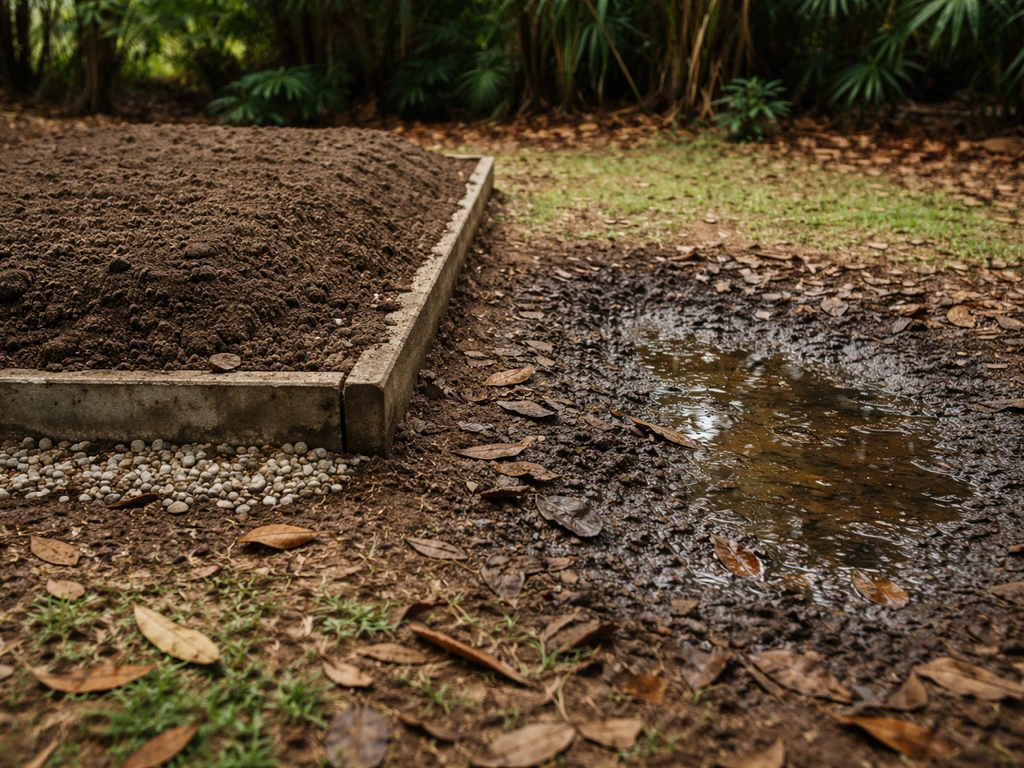
In any tropical area with a monsoon or heavy-rain season, waterlogged soil around the crown is a death sentence for hollyhocks. Raised planting, excellent drainage, and avoiding low-lying areas of the garden are your only real defenses. Anthracnose (a fungal disease causing dark lesions on stems and leaves) is also common in warm, wet conditions and tends to strike plants that are already stressed by heat or waterlogging.
Heat stress and failure to bloom
In lowland tropical settings, prolonged temperatures above 90°F combined with high humidity cause heat stress even in full sun. Plants may bolt, fail to set flower buds, or drop buds before they open. The combination of heat stress and the day-length problem means that in hot lowland areas, even a technically alive hollyhock plant rarely performs the way it would in a temperate garden.
Pests
The hollyhock weevil is a common pest that lays eggs in seed pods. Larvae develop inside the pods, and small pinhole emergence holes in the pods are the telltale sign. While the damage to the plant itself is usually minor, it can affect seed saving. In tropical settings with year-round growing conditions, pest populations can cycle without the winter die-off that limits populations in temperate zones, so monitoring is ongoing rather than seasonal.
Quick checklist: should you try hollyhocks in your location?
Run through this honestly before you buy seeds or transplants. The more questions you can answer yes to, the better your chances. In parts of Arizona with hot summers and strong day-length patterns, hollyhocks can be tricky to get to bloom reliably do hollyhocks grow in arizona.
- Is your location above roughly 1,500 m elevation, or at least 20 to 25 degrees latitude from the equator? If yes, proceed. If no, reconsider.
- Do you have a seasonal dry period or a distinctly cooler few months (even if temperatures only drop to the mid-60s°F at night)? If yes, proceed.
- Do days in your area approach 13 to 14 hours at any point in the year? Check a sunrise/sunset calendar for your city. If yes, proceed. If no, flowering is unlikely without intervention.
- Can you provide a raised or well-drained planting bed? If no, soil drainage must be fixed before planting.
- Can you water at the base and avoid wetting leaves, especially during the rainy season? If no, rust will almost certainly destroy the planting.
- Are you willing to treat hollyhocks as annuals or short-lived biennials rather than long-term perennials? Realistic expectations save a lot of frustration.
If you answered yes to most of these, go ahead and try hollyhocks with the site and timing strategies above. If you hit two or more hard no answers, particularly the day-length question and the drainage question, your time and money are better spent on alternatives.
Better alternatives if hollyhocks won't work where you live
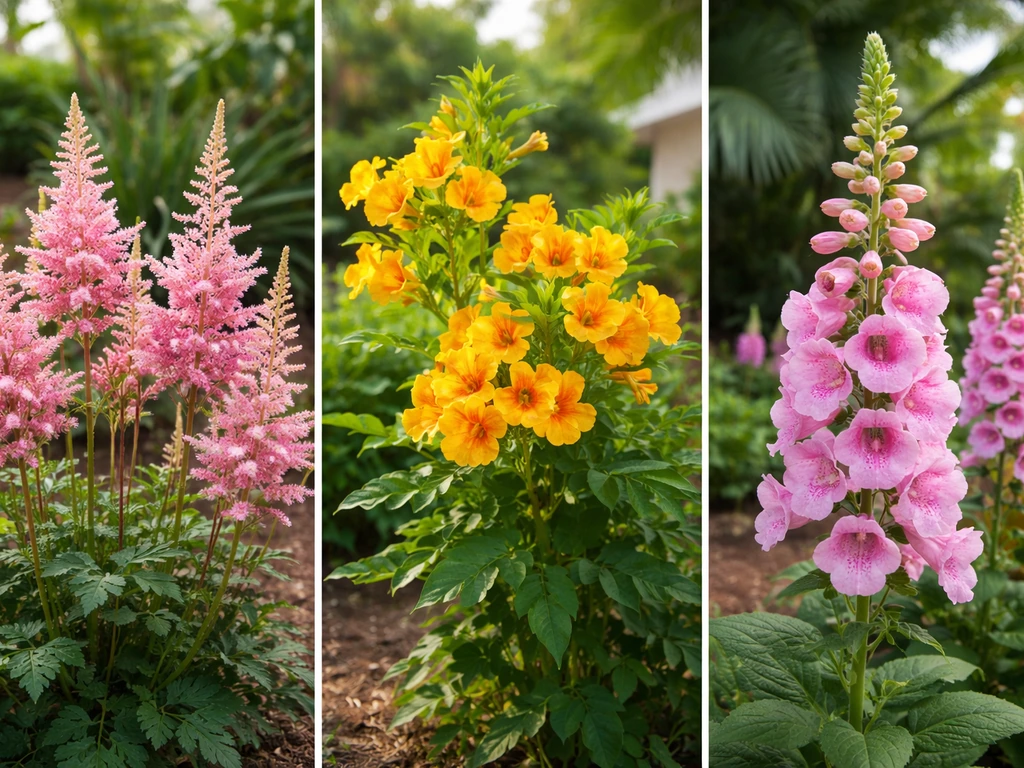
If your tropical climate is genuinely unsuited to hollyhocks, the good news is that there are several tall, showy flowering plants that deliver a similar vertical drama and cottage-garden feel but are actually built for tropical heat and humidity. If you are considering marigolds instead, you may wonder can marigolds grow in hanging baskets, and the answer depends on container size and consistent watering.
| Plant | Why it works in the tropics | Key similarities to hollyhock |
|---|---|---|
| Tropical hibiscus (Hibiscus rosa-sinensis) | Thrives in heat and humidity, blooms year-round in tropical zones | Large, showy flowers on tall shrubs; same Malvaceae family as hollyhock |
| Portulaca (Portulaca grandiflora) | Loves heat, drought-tolerant once established, blooms in full sun | Cheerful open flowers, good for sunny borders |
| Cleome (Spider flower) | Self-seeds easily in warm climates, tall vertical accent | Similar tall, airy cottage-garden look; single-season annual |
| Torch ginger (Etlingera elatior) | True tropical, thrives in highland and lowland settings | Bold vertical presence, dramatic flowerheads |
| Salvia splendens or tropical salvias | Very heat and humidity tolerant, long bloom season in tropics | Tall spikes of color, works in the back of a border like hollyhock |
| Alcea rugosa (Russian hollyhock) | More disease-resistant than common hollyhock; better for subtropical edges | Nearly identical look to common hollyhock, pale yellow flowers |
Tropical hibiscus deserves special mention because it is in the same plant family (Malvaceae) as hollyhocks, produces a similarly large and striking flower, and is completely at home in humid tropical conditions where hollyhocks would rot and rust. If you want the hollyhock look without the hollyhock heartbreak, hibiscus is the move.
Readers exploring hollyhocks in other challenging climates, including dry heat zones like Arizona or high-altitude conditions like Colorado, face different but equally real compatibility questions. If you are wondering do hollyhocks grow in colorado, the key is matching the long-day requirement with good drainage and the right season high-altitude conditions like Colorado. Do he llebores grow in texas?
The answer depends on your local winter chill and soil drainage just like with many temperate ornamentals do hellebores grow in texas. The same core approach applies: start with the honest climate check before buying plants, then adjust your site and timing to work with what your region actually provides.
If you are wondering about do hollyhocks grow in arizona, the same quick climate-and-timing checklist will tell you whether they are worth the effort there Do he llebores grow in texas?. For Texans wondering whether hollyhocks can work there, the key issues are long-day flowering requirements and drainage do hollyhocks grow in texas. If you are a Texan wondering about do hollyhocks grow in texas, keep an eye on both the long-day flowering requirement and whether your soil stays well-drained.
FAQ
If I grow hollyhocks in containers in a tropical climate, will that solve the problem?
Yes, but only if you can create long days. In true equatorial lowlands, moving pots off the ground does not change day length, so flowering can still stall. A practical compromise is to place containers in a bright, unobstructed spot and keep them dry at the base during the wet season, while treating day length as the primary limiter.
How should I time sowing in the tropics when rains and day length don’t match up?
For the crop to even consider flowering, aim for planting so the active growth phase overlaps the sunniest, longest-day stretch. Use the year’s local solstice dates, not holidays or rainfall peaks, and only shift the sowing date if your driest-coolest window aligns with long-day conditions.
Can artificial grow lights make hollyhocks flower near the equator?
Light schedules can help, but they must be long enough and consistent. For container plants or a small greenhouse, supplemental lighting can extend the photoperiod beyond the roughly 14-hour threshold, but it is best treated like an experiment with close monitoring (bud set, leaf health) because heat and fungal pressure can still undermine results.
What’s the most common mistake when starting hollyhocks from seed in humid tropical weather?
Avoid burying seeds deep. Start with a shallow sowing (barely covered) and keep the seed mix evenly moist, not saturated. If crusting happens, gently loosen the surface instead of adding more water, since waterlogging right after sowing increases rot risk in humid tropics.
What should I do when rust starts showing on hollyhocks in the tropics?
Use pruning and sanitation. Remove yellowing lower leaves early, improve airflow, and promptly discard rust-infected leaves rather than leaving them to dry in place. Because the fungus persists in debris and basal tissue, weekly cleanup during wet seasons can matter as much as any spray.
Is wider spacing enough to prevent fungal disease in tropical climates?
Not necessarily. Spacing only works if you also prevent wetting at the base and keep crowns from staying soggy. If you water from above or let runoff pool around the stem base, spacing alone will not stop rust and leaf spot outbreaks.
Should hollyhocks be treated as annuals in tropical or warm subtropical climates?
Plan for annual-style turnover. In warm, year-round conditions, hollyhocks may not naturally complete a biennial cycle, so instead of expecting a second-year show, treat the first flowering attempt as the goal and reseed for the next bloom window.
How does soil temperature affect germination and early survival in the tropics?
Expect slower germination when soil sits at the cooler end of the recommended range, and avoid guessing. Use a soil thermometer if possible, since tropical beds can be warm enough to speed germination but still be too humid for seedlings to survive the first weeks.
How can I save hollyhock seed in tropical climates where the weevil stays active year-round?
Take seed saving seriously because weevil damage often shows as tiny emergence holes in pods. If you plan to save seed, monitor pods closely, harvest promptly when pods are mature, and remove damaged pods before insects can complete their cycle.
How do I know if my garden drainage is good enough for hollyhocks in a monsoon region?
Use raised beds or mounds and confirm drainage before planting. A simple test is to water the bed thoroughly and observe how quickly standing water disappears; if it lingers through the next day or two, that area is high-risk for crown and root rot.