
Yes, marigolds can absolutely grow in hanging baskets, and they can look fantastic doing it. The catch is that not every marigold type is a good fit, and how well they perform has a lot to do with where you live. A gardener in coastal Oregon has a pretty different experience than someone hanging baskets on a Phoenix patio in July. If you live in Arizona and want to try hollyhocks too, check whether they can handle your specific heat and sunlight conditions Phoenix patio. The good news is that once you pick the right variety and nail the setup, marigolds are one of the most rewarding flowers you can grow in a basket.
Can Marigolds Grow in Hanging Baskets? How to Succeed
Marcus Hartwell
20 Apr 2026
The quick answer
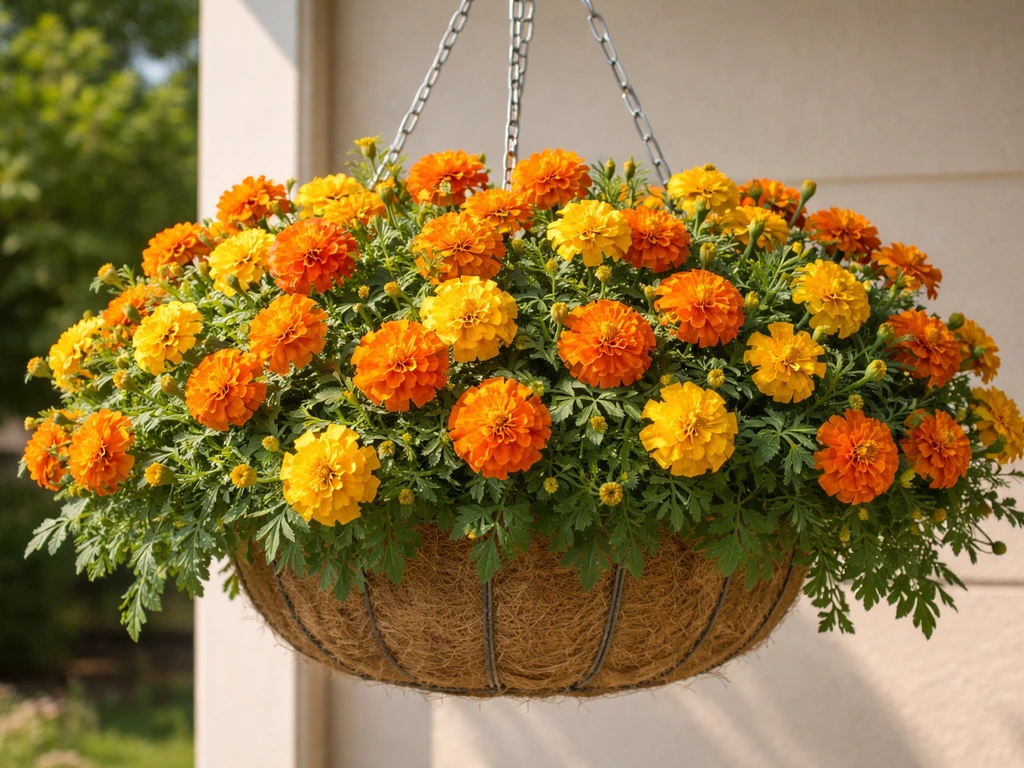
Compact and dwarf French marigolds (Tagetes patula) are the best choice for hanging baskets, full stop. They stay short (typically 8 to 12 inches tall), bloom heavily, and tolerate the slightly drier conditions that hanging baskets create. Tall African marigolds are not ideal for baskets because their root systems and height need more space and volume than a hanging container can realistically provide. Stick with French marigolds, give them at least 6 hours of direct sun per day, keep the potting mix well-drained, and water consistently. That combination works in most climates across USDA zones 2 through 11, since marigolds are treated as warm-season annuals almost everywhere in North America.
Which marigold varieties actually work in baskets
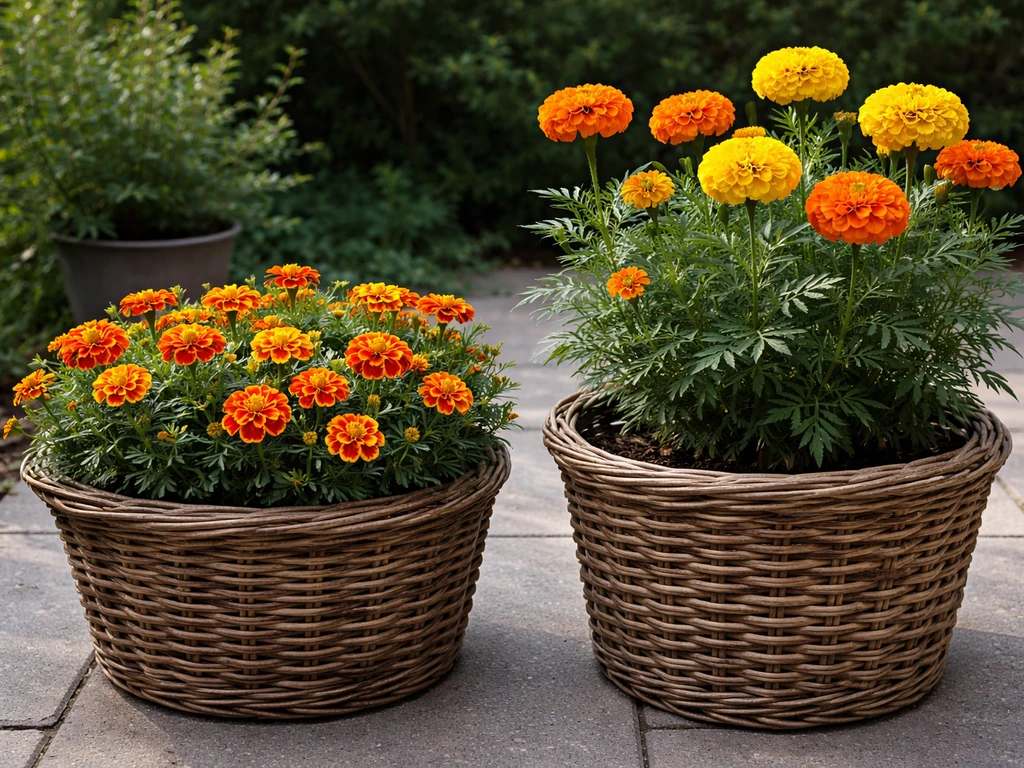
The variety choice matters more than most people expect. Shorter French marigold types were practically made for container work. Two specific types worth knowing about are the French Marigold Petite Mix, which tops out around 8 to 10 inches and blooms for a long season, and the 'Hot Pak Mix', an extra-dwarf series that stays around 6 to 7 inches and was specifically bred for extreme heat and humidity. That second one is worth noting if you're in a hot, humid climate like the Gulf Coast, Florida, or parts of the Southwest, where standard marigolds can sulk in midsummer.
African marigolds can technically go into a large (10-inch) container if you have a deep-enough basket, but they're not great candidates for hanging. Their roots and top weight create problems in suspended containers, and the visual payoff isn't worth the hassle when French marigolds do the job better. If someone nearby is asking whether certain heat-loving annuals work in their region (the way zinnias and hollyhocks come up for gardeners in Arizona, Texas, or Colorado), the same logic applies here: match the variety to your climate first, then worry about the container. If you're also wondering do hellebores grow in Texas, that’s a different plant with different light and temperature needs, but the same regional matching approach applies. If you want a regional comparison, do zinnias grow in Arizona under similar warm-season conditions zinnias and hollyhocks. In Colorado, many gardeners grow hollyhocks as well, but success depends on the local sun, temperature, and moisture they can provide zinnias and hollyhocks. If you're wondering whether can hollyhocks grow in the tropics, the answer depends on how much warmth, light, and consistent moisture you can provide.
| Marigold Type | Height | Best Container Size | Basket Suitability | Notes |
|---|---|---|---|---|
| French Marigold (standard) | 10–14 inches | 6-inch pot / small basket | Excellent | Most popular basket choice; long bloom season |
| French Marigold Petite Mix | 8–10 inches | 6-inch pot / small basket | Excellent | Dwarf size, long-blooming, widely available |
| Hot Pak Mix (dwarf French) | 6–7 inches | 6-inch pot / small basket | Excellent | Best for hot, humid climates; continuous blooms |
| African Marigold | 18–36 inches | 10-inch pot minimum | Poor to Fair | Too tall/heavy for most hanging baskets |
Setting up your basket: size, soil, and drainage
Container size matters more than most beginner guides admit. For French marigolds, a 6-inch pot is right for a single plant. If you're using a larger 10- to 12-inch hanging basket (which is more typical for decorative displays), you can fit 2 to 3 plants comfortably. Gardening Know How also recommends growing two to three compact French marigolds in a 12-inch pot or container 2 to 3 plants comfortably. A 12-inch basket supports up to 3 plants without crowding. Don't push it beyond that. Overcrowding cuts down on air circulation, which invites fungal problems and makes every plant in the basket perform worse.
For the potting mix, skip anything labeled 'garden soil' or 'topsoil.' Use a quality all-purpose potting mix that contains perlite or vermiculite. Those materials are what keeps drainage fast and roots healthy in a container. Marigolds want evenly moist, well-drained soil, and they absolutely cannot sit in soggy conditions. A common mistake is placing a layer of gravel or a barrier at the bottom of a basket thinking it improves drainage. It doesn't. It actually creates a perched water table that holds moisture right where the roots sit. Fill the basket with your potting mix to within about half an inch of the rim.
Before you plant, mix a slow-release, balanced fertilizer directly into your potting mix according to the package directions for your container size. This gives the plants a steady nutrient supply for the first few weeks without you having to think about it. Make sure the basket has drainage holes. If it doesn't, water will pool and roots will rot, and no amount of good care recovers a drowned marigold quickly.
Where to hang them: sun, heat, and your climate zone
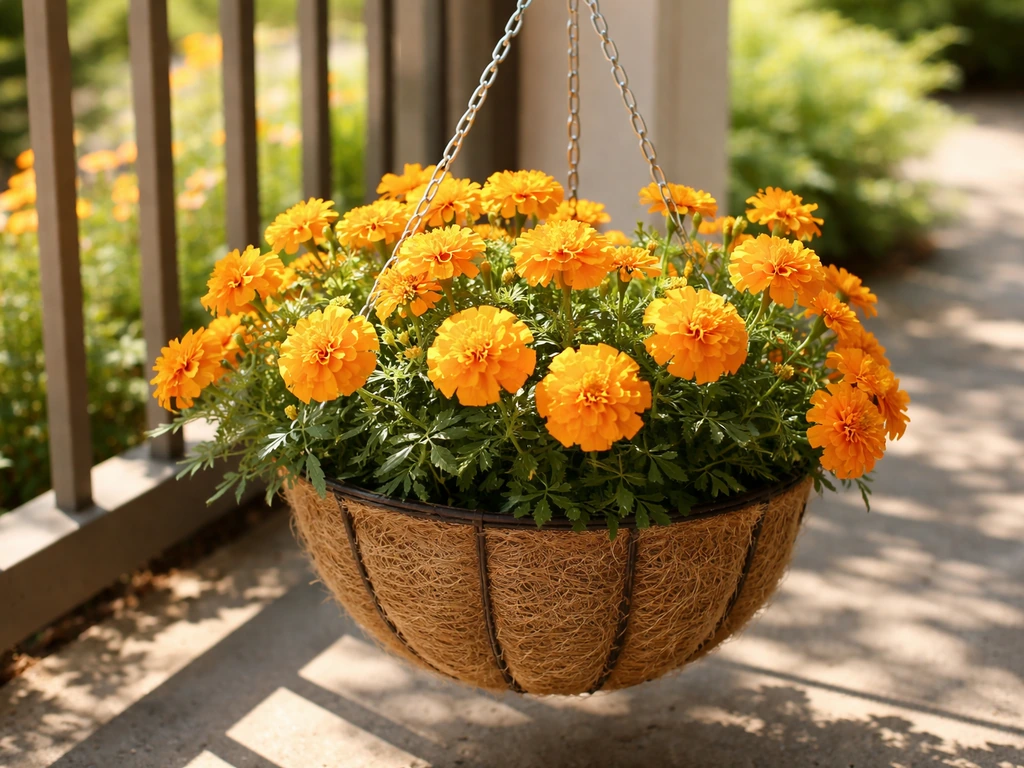
Marigolds need full sun, meaning at least 6 hours of direct sunlight per day. This is non-negotiable for good bloom production. French marigolds will tolerate a bit of partial shade, but you'll get noticeably fewer flowers and stretchier plants if the light isn't strong enough. Hang them on a south- or west-facing porch, fence, or overhang where they'll catch the most sun through the day.
Climate zone affects your timing more than your success rate, since marigolds are grown as warm-season annuals everywhere. In cooler northern zones (3 to 5), wait until after your last frost date to hang baskets outside, and expect a shorter season that ends with the first fall frost. In mild zones (8 to 9) along the Pacific Coast or mid-Atlantic, you can often start earlier in spring and keep baskets going deep into fall. In the hottest zones (9 to 11), including parts of California, Arizona, Texas, and Florida, you may actually get the best performance in spring and fall, with a midsummer lull. That's when heat-tolerant varieties like 'Hot Pak Mix' really earn their keep.
One thing hanging baskets do differently from ground planting: they dry out much faster, especially in hot or windy conditions. A basket hanging in direct sun on a 95°F afternoon in Texas or Arizona can lose moisture in a matter of hours. Factor that into where you position them. Afternoon shade in extreme-heat climates isn't giving up on sun, it's protecting the plant from heat stress during the most brutal hours of the day.
Watering and feeding: what actually works in a hanging basket
Watering is where most people either over-correct or under-commit with hanging baskets. The general rule: check moisture daily during warm weather and water when the top inch of soil feels dry. In peak summer heat, that can mean watering every day, sometimes twice a day if your basket is small or the heat is intense. In cooler spring or fall conditions, every 2 to 3 days is more typical. Always water at the base of the plant or at the soil level rather than overhead. Wet foliage invites fungal disease, which is a real problem for marigolds in humid climates.
For feeding, if you mixed slow-release fertilizer into the potting mix at planting time, you have some coverage for the first 4 to 6 weeks. After that, switch to a liquid fertilizer about once every two weeks. A bloom-boosting formula (one with higher phosphorus) encourages flower production over leafy growth. Scotts recommends starting liquid feeding about a month after planting specifically to support heavier blooming. Don't overfeed with nitrogen: too much and you'll get big, bushy plants with very few flowers.
Deadheading, pruning, and keeping pests in check
Deadheading (removing spent flowers) is the single most effective thing you can do to keep marigolds blooming all season. When a flower starts to fade, pinch or snip it off right at the base of the bloom. This redirects the plant's energy from seed production back into making new flowers. Do this every few days and the basket stays full and colorful for months.
Pinching the growing tips early in the season also helps. When plants are young and have 3 to 4 sets of leaves, pinching the top encourages branching. More branches means more flower stems, and the plant fills the basket more naturally instead of growing in a single leggy column. This small step makes a noticeable difference in how full and bushy the basket looks by midsummer.
For pests, the usual suspects in hanging baskets are aphids, spider mites, and whiteflies. Check the undersides of leaves regularly. A strong spray of water knocks aphids off, and insecticidal soap handles most infestations without harming the plant. Spider mites tend to flare up in hot, dry conditions, which is another reason consistent watering matters. For disease, powdery mildew and Pythium root rot are the main risks. Powdery mildew shows up as white powder on leaves and is most common where days are warm and nights are cool and humid. Root rot happens when soil stays waterlogged, which goes back to the drainage setup at planting time. Avoid overhead watering and make sure your basket drains freely after every watering.
When things go wrong: leggy plants, poor blooms, and heat stress
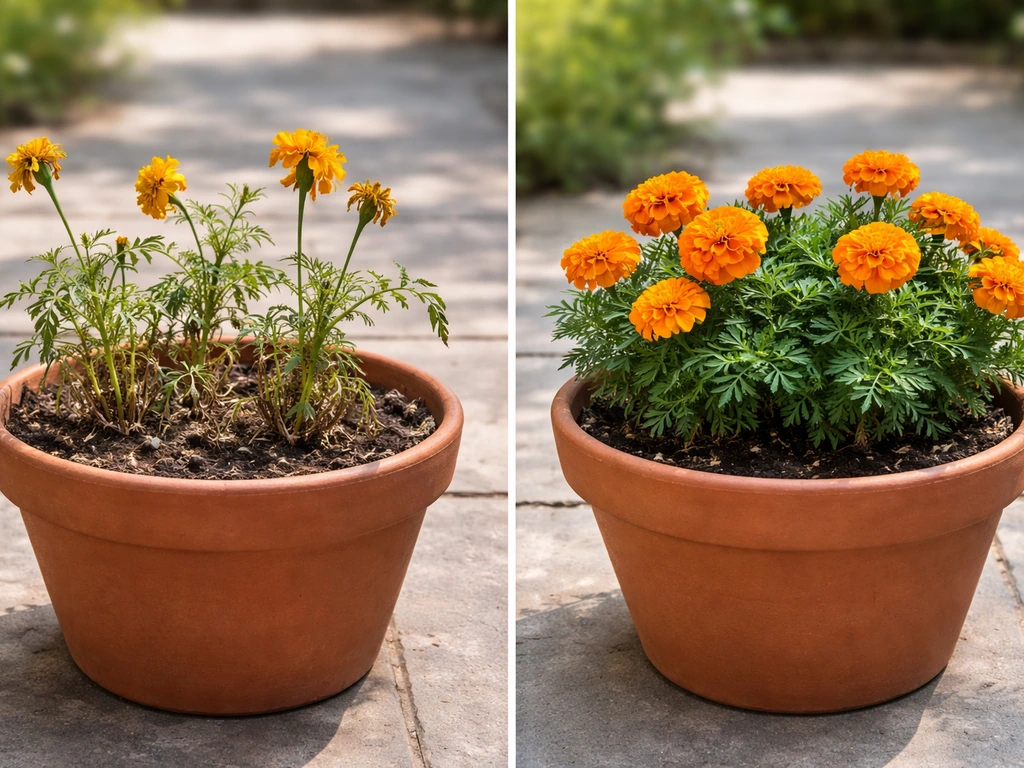
Leggy, stretched growth almost always means the basket isn't getting enough light. Move it somewhere sunnier. If the location is fixed and you're in partial shade, switch to a French marigold variety that's listed as tolerant of partial shade. Pinching the tips back hard will also help reset a leggy plant and encourage it to bush out.
Poor or sparse blooms have a few possible causes. Not enough sun is the most common. Too much nitrogen fertilizer is the second most common: it pushes vegetative growth at the expense of flowers. Skipping deadheading lets the plant focus on seeds instead of new blooms. Run through those three first before assuming something else is wrong.
Heat stress looks like wilting even when the soil is moist, bleached or faded flower color, and overall bloom slowdown during the hottest weeks. In zones 9 to 11, this is almost a given in July and August. The fix isn't complicated: move the basket to a spot with afternoon shade, water more frequently, and if you're in the planning stage, choose 'Hot Pak Mix' or another heat-engineered variety from the start. Standard French marigolds often bounce back once temperatures drop below 90°F, so don't pull them out at the first sign of stress. Give them a few weeks and they usually recover with some consistent watering and light deadheading.
- Leggy growth: move basket to more sun; pinch tips hard to encourage branching
- Poor blooms: check light levels, reduce nitrogen feeding, deadhead consistently
- Heat stress (zones 9 to 11): provide afternoon shade, increase watering frequency, choose heat-tolerant varieties like 'Hot Pak Mix'
- Powdery mildew: improve air circulation, avoid wetting foliage, remove affected leaves
- Root rot: confirm basket drains freely; reduce watering frequency; never let basket sit in standing water
- Aphids or spider mites: inspect leaf undersides weekly; treat with water spray or insecticidal soap early
The bottom line: marigolds are genuinely one of the better flowers for hanging baskets when you match the right variety to your climate, give them honest sun, and stay on top of watering and deadheading. If you're in a hot southern or southwestern zone, pick a heat-tolerant dwarf variety and position the basket thoughtfully. If you're in a cooler northern zone, time your planting after the last frost and enjoy a long season of color right up until fall. Either way, the setup is straightforward and the payoff is real.
FAQ
Can I grow marigolds in a hanging basket without daily watering? If so, what setup works best?
Yes, but only if you can keep the soil from drying out completely between waterings. In a hanging basket, marigolds dry faster than in-ground plants, so extreme heat can shut down flowering even for French marigolds. If you try self-watering planters or reservoir baskets, confirm there is a real drainage path and you do not let roots sit in water, then check the moisture level daily during hot weather.
What is the best direction to hang the basket if I’m trying to maximize blooms?
Aim for a front-to-back placement where the plants get the strongest daily sun, usually south or west. If your porch only gets morning sun, you can sometimes compensate by choosing a tighter, bushier French marigold and using a darker, heat-tolerant potting mix, but expect fewer blooms. The most reliable move is relocation when you notice stretching or sparse flowering.
Can I combine different marigold varieties in one hanging basket?
Typically you should not mix multiple marigold types in the same basket unless they have similar mature heights and watering needs. Even with French marigolds, different series can differ slightly in vigor, which can lead to one variety crowding the other. If you do mix, keep to 2 to 3 plants per 10 to 12 inch basket and stop adding new plants once you reach that spacing.
My marigolds look wilted in summer even though I water, what should I check first?
French marigolds in containers usually start slowing after heavy midsummer stress rather than dying immediately. If plants wilt but soil is still moist, that points more toward heat stress or insufficient light than a watering issue. Try afternoon shade plus more frequent watering, then reassess after 1 to 2 weeks before replacing the basket.
What should I do if my hanging basket doesn’t drain well?
If your basket has no drainage holes, do not rely on clever additions like gravel layers to fix it. Instead, choose a basket model with holes or transfer the marigolds to one that drains. Over time, trapped moisture can cause root rot (including Pythium), and marigolds generally cannot recover once rot takes hold.
How do I tell if I’m fertilizing too much or choosing the wrong fertilizer for marigold blooms?
For marigolds in hanging baskets, the most common fertilizer rhythm is slow-release at planting plus liquid feeding about every two weeks afterward. If leaves are getting darker and bushier but flowers lag, cut back and switch to a more bloom-focused (higher phosphorus) liquid. Avoid frequent nitrogen-heavy feedings because they reduce flowering.
Is deadheading just removing the flower, or can I cut back more aggressively?
Yes, but only for short periods. Remove spent blooms by pinching or snipping at the base of the flower, but keep the plant’s stems intact. Do not strip large sections of foliage, because marigolds still need leaves to recover and to fuel new flowering in a container.
How can I prevent powdery mildew and other leaf problems in a hanging basket?
Powdery mildew and other leaf issues are more likely when foliage stays wet or when air can’t circulate. Keep watering at the soil level, avoid wetting leaves, and do not overcrowd plants in the basket. If mildew appears, improve airflow (including relocating to brighter sun) and reduce any overhead-watering habits immediately.
Do marigolds always bloom continuously in summer, or is a midsummer lull normal?
In hot climates, it’s normal for marigolds to pause during peak afternoon heat, especially in July and August. Give them afternoon shade, and expect the best recovery when temperatures drop. Instead of replacing immediately, keep consistent watering and deadheading, then evaluate after a few cooler weeks.
Can I start marigolds earlier indoors or outside in cool weather and still grow them in a hanging basket?
Usually yes, as long as the container stays warm-season. In cooler zones, marigolds can be planted after the last frost, but the basket will still be at risk from unexpected cold snaps. If temperatures dip, bring the basket under cover or protect it overnight to prevent stunting, then return it to full sun.