
Yes, hollyhocks (Alcea rosea) grow beautifully in Colorado. Yes, hollyhocks can also grow in Texas, especially in areas with plenty of sun and well-drained soil do hollyhocks grow in texas. They are hardy in USDA zones 3 through 8, and Colorado's Front Range, Western Slope, and most populated valleys fall squarely inside that range. What trips people up isn't the winter cold, it's poor soil drainage, hollyhock rust, and planting at the wrong time for Colorado's short growing season. Get those three things right and hollyhocks will reward you with 6-foot spikes of blooms every summer from July through September.
Do Hollyhocks Grow in Colorado? Conditions to Succeed
Marcus Hartwell
1 May 2026
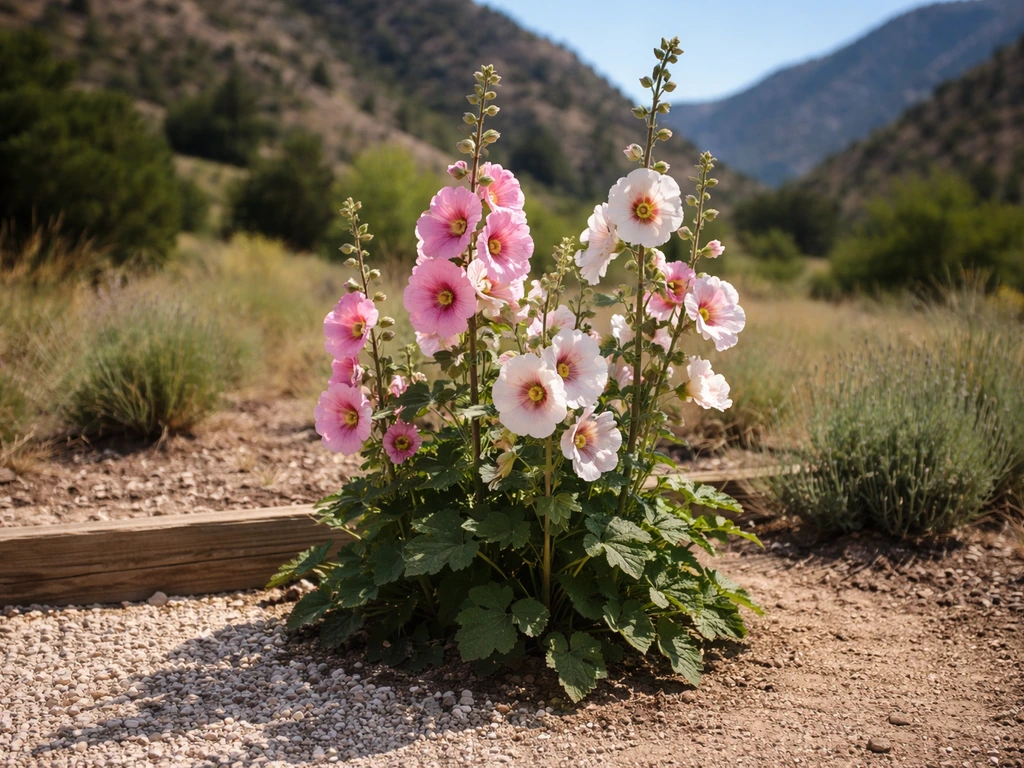
Quick yes or no: hollyhocks in Colorado
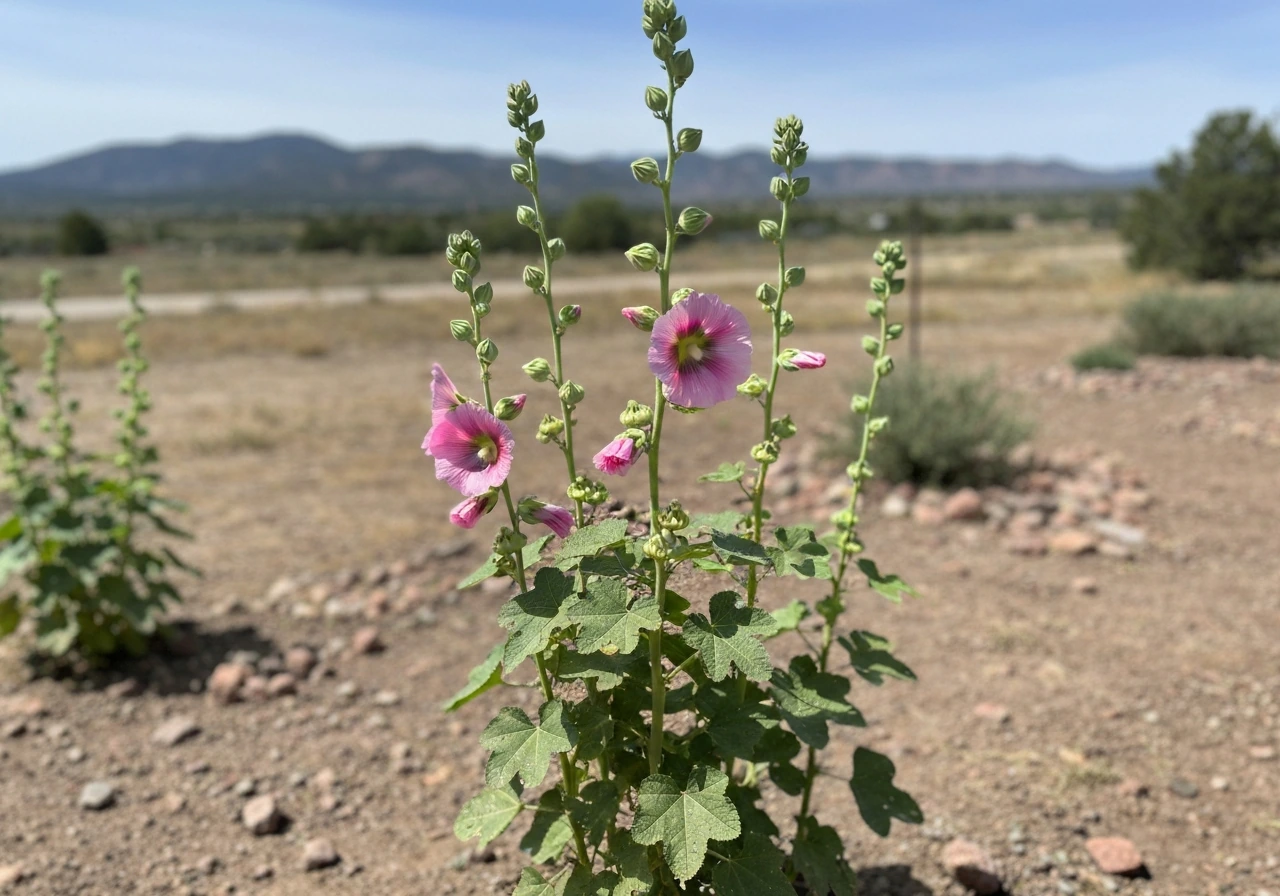
Hollyhocks are a solid choice for Colorado. They handle cold winters, tolerate dry spells, and Colorado State University Extension even includes them on its xeriscape perennial plant list. That's a genuine endorsement for a state that gets an average of only about 17 inches of rain per year statewide, and far less in places like the Arkansas Valley. The bloom window from July to September lines up well with Colorado's summers, and the plants can establish even in the High Plains and high-elevation valleys where other ornamentals struggle.
Colorado climate and what hollyhocks actually need
Hollyhocks want plenty of sun, medium water, and well-drained, moist soil. Colorado's climate actually checks most of those boxes naturally. The state gets abundant sunshine year-round, and the low humidity that tends to make other plants wilt keeps hollyhocks reasonably comfortable. The real wild card is temperature swings. Colorado is famous for dramatic day-to-day weather changes, and while hollyhocks can handle cold winters just fine (they're hardy down to zone 3, meaning they survive temperatures as low as -40°F in extreme cases), late spring freezes after new growth has emerged can damage young plants.
The one climate factor that genuinely threatens hollyhocks in Colorado is wet winters on the Western Slope and mountain-adjacent areas, where the greatest monthly precipitation actually falls during winter. Hollyhocks sitting in waterlogged or saturated soil through a wet Colorado winter are at serious risk of root rot and crown rot. That's not a Colorado-specific plant weakness, it's just the plant's core requirement for well-drained soil hitting a real regional risk.
Where in Colorado they grow best
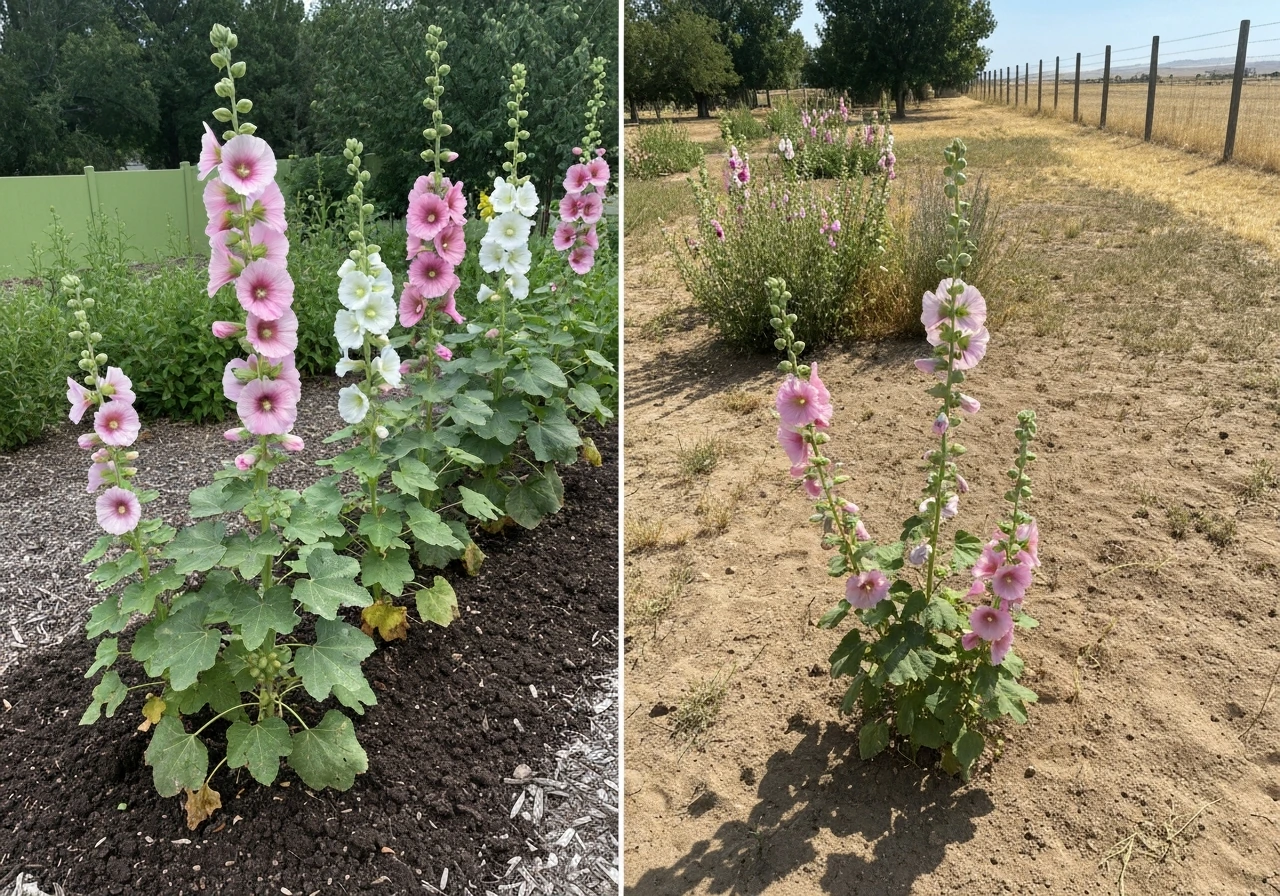
The Front Range is the sweet spot. Cities like Denver, Fort Collins, Colorado Springs, Pueblo, and Arvada (which sits in zone 6a) all fall into zones 5b through 6b, and hollyhocks thrive in all of those. The slightly longer growing season in the southern Front Range near Pueblo gives plants more time to establish before winter sets in, which is a genuine advantage.
The Western Slope, including Grand Junction and the surrounding valleys, runs warmer and drier than the mountains and often lands in zone 6a to 7a, which is excellent hollyhock territory. The issue there is managing that winter wet period, good drainage matters more on the Western Slope than almost anywhere else in the state.
Mountain valleys and higher elevation towns are trickier. Places like Aspen, Telluride, or any town above 8,000 feet tend to sit in zone 4 or even zone 3b. Hollyhocks can technically survive there, but the growing season gets compressed to the point where biennials (plants that bloom in their second year) may struggle to put on a reliable show before frost returns. If you're gardening above 7,500 feet, treat hollyhocks as a fun experiment rather than a guaranteed performer.
Microclimates matter enormously in Colorado. A garden bed against a south-facing brick wall in Denver might behave like it's a full zone warmer than the broader neighborhood. Conversely, a low spot where cold air pools on calm nights can experience frost events weeks later than a slightly higher spot just yards away. The USDA explicitly flags this in its hardiness zone guidance, and it's especially relevant in Colorado where terrain changes so abruptly.
How to confirm your specific spot will work
Before you buy seeds or transplants, run through this quick checklist for your exact garden location:
- Find your USDA hardiness zone using the USDA Plant Hardiness Zone Map with your zip code. If you're in zones 4 through 7, you're in good shape for hollyhocks.
- Count your full-sun hours. Hollyhocks need at least 6 hours of direct sun daily. Less than that and they'll get leggy and bloom poorly.
- Check your soil drainage. Dig a hole about 12 inches deep, fill it with water, and time how fast it drains. If water is still sitting after 2 to 3 hours, you have drainage problems that will kill hollyhocks over winter. Amend with compost or consider raised beds.
- Identify frost dates for your town, not just your region. Colorado microclimates can shift freeze events by days or even weeks compared to regional averages. Your local CSU Extension office is a reliable source for town-specific last and first frost dates.
- Look for wind exposure. High Plains and foothills locations often get brutal winds that desiccate tall plants. A fence, wall, or hedge on the windward side helps hollyhocks stay upright and healthy.
When to plant hollyhocks in Colorado
Hollyhocks are biennials at heart, meaning they typically grow foliage in year one and bloom in year two. Can marigolds grow in hanging baskets, too? Yes, marigolds can thrive in hanging planters when you use a fast-draining potting mix and keep up with regular watering. That biology shapes your planting timing. You have two good windows in Colorado:
- Early spring, after your last frost date: Direct sow seeds outdoors or transplant seedlings once nighttime temperatures are reliably above freezing. Seeds germinate best between 65°F and 70°F, which usually aligns with late April to mid-May on the Front Range.
- Late summer to early fall: Sow seeds at least 6 to 8 weeks before your first expected fall frost. This lets plants establish a root system before winter and often produces stronger plants the following year. For most Front Range locations, that means sowing in late July through mid-August.
One important note on transplanting: hollyhocks develop long taproots and really dislike being moved once established. If you start seeds indoors, use deep biodegradable pots you can plant directly in the ground without disturbing the roots, and time your transplant carefully around Colorado's last frost date.
Basic care after planting
Hollyhocks don't need coddling once established, but the first season is critical. Water consistently during the first growing season to keep soil moist but never soggy. Once plants are established they tolerate dry periods well, which suits Colorado's low-precipitation summers. Avoid overhead watering whenever possible, and never water in the evening, wet foliage overnight is an open invitation to rust fungus, which is Colorado's biggest hollyhock headache.
Peer-reviewed research on hollyhock rust biology notes that hollyhock (Alcea rosea) is a host associated with rust fungi, and understanding the rust life cycle can help explain why good sanitation and cultural controls matter [wet foliage overnight is an open invitation to rust fungus](https://pmc. ncbi. nlm. nih.
gov/articles/PMC4681263/). Wisconsin Extension also advises avoiding overhead watering and wetting the leaves, instead using soaker or drip irrigation to keep moisture on the soil [Avoid overhead watering](https://hort. extension. wisc.
edu/articles/hollyhock-rust/). Stake tall plants in exposed or windy spots, because 6-foot hollyhocks in a Colorado foothills wind can topple quickly.
Common problems in Colorado and what to do about them
| Problem | Why it happens in Colorado | What to do |
|---|---|---|
| Hollyhock rust | Colorado's warm days and cool nights during summer create conditions where rust spores spread easily; older plants are most vulnerable | Rake up and remove all fallen plant debris by early spring before spores reactivate; water at the base only; improve air circulation by spacing plants 18 to 24 inches apart |
| Root rot and crown rot | Poorly drained soil saturated during wet winters (especially on the Western Slope and mountain-adjacent areas) | Plant in raised beds or amend soil deeply with compost before planting; ensure no water pools around crowns after rain or snowmelt |
| Winter dieback | Late spring freezes catch new growth after warm spells, which are common in Colorado | Avoid overprotecting plants in fall — let them harden off naturally; mulch lightly around crowns after hard freeze but don't pile mulch against stems |
| Spider mites | Colorado's hot, dry summer conditions favor mite populations | Blast plants with a strong stream of water in the morning; severe infestations may need insecticidal soap |
| Hollyhock weevil | A persistent pest that can thin patches over time; larvae feed on plant tissues | Knock or shake adult weevils off flower stalks into a bucket of soapy water; repeat regularly during bloom season |
| Poor blooming in year one | Biennial nature means most plants don't flower until their second year | Plant in consecutive years to have blooms every season; look for annual hollyhock varieties if you want first-year flowers |
Rust is by far the most reported problem for Colorado hollyhock growers, and CSU's own PlantTalk resource covers it specifically. The reassuring news is that plants rarely die from rust alone, it causes yellowing and early leaf drop but usually doesn't kill an otherwise healthy hollyhock. The fix is mostly cultural: good spacing, base watering, and cleaning up debris in early spring before the spores get a head start.
Bottom line for Colorado gardeners
Hollyhocks are genuinely well-suited to most of Colorado. Do hollyhocks grow in Arizona? Yes, if you can give them well-drained soil, enough sun, and protection from winter wet and late spring freezes. They handle cold winters, tolerate dry summers, produce striking blooms from July to September, and even make it onto CSU's xeriscape plant list.
Your main jobs are choosing a well-drained site, timing your planting around local frost dates, and staying ahead of rust with good sanitation. If you're in a mountain town above 8,000 feet, manage your expectations, it can work but the compressed season makes it less reliable. For everyone else on the Front Range, Western Slope valleys, and Eastern Plains, these are a classic cottage garden plant that Colorado's climate actually supports quite well. If you’re wondering about other states too, check whether your specific Texas conditions match the drainage and sun hollyhocks need do hellebores grow in texas.
If you're curious how hollyhocks perform in other demanding climates, their behavior in places like Arizona and Texas follows similar logic about drainage and heat stress. In Texas, you still need to prioritize drainage and manage heat stress to help hollyhocks perform well Arizona and Texas. If you want to know whether can hollyhocks grow in the tropics, focus on drainage and how heat and humidity affect rust risk places like Arizona and Texas.
If you’re wondering do hollyhocks grow in Texas, the answer is yes in the right spot where drainage is good and the plants get enough sun Arizona and Texas.
FAQ
When should I plant hollyhocks in Colorado if I want blooms during the same summer?
Most hollyhocks bloom in their second year. In Colorado, you can sometimes get earlier color by starting transplants soon after your last frost and giving them full sun and consistent moisture the first season, but expect a more reliable bloom pattern in year two than in year one.
Do hollyhocks count as annual or perennial in Colorado?
They are biennials, so they act more like short-lived perennials in practice. After the first year of foliage, they typically bloom the next summer, then many plants decline. Plan for re-seeding or replacing plants if you want repeated spikes each year.
What’s the best way to improve drainage for hollyhocks on the Western Slope or in wet winters?
Avoid planting in low spots and consider raised beds or mounded rows. Amend heavy clay with compost only to the extent it improves structure, then focus on creating a site where water clears quickly, because winter sogginess is a bigger threat than summer dryness.
How close should I space hollyhocks to reduce rust problems?
Give each plant enough room for airflow, spacing them far enough that leaves do not stay wet against neighboring plants. In practice, wider spacing plus routine cleanup of fallen leaves helps rust spread less effectively.
Should I water hollyhocks from above during Colorado summers?
Try to avoid overhead watering. Use a soaker hose or water at the base, and water earlier in the day so foliage has time to dry. Evening watering increases overnight leaf wetness, which favors rust.
Can I grow hollyhocks from seed directly in the ground in Colorado?
Yes, but germination and establishment depend on timing. Direct sowing can work, yet since seedlings face late spring freezes and need time to grow before winter, starting them in deep biodegradable containers (so roots are not disturbed) often improves success in colder or higher-elevation areas.
What do I do if late spring freezes damage new hollyhock growth?
Don’t remove everything immediately. Wait and see what regrows from the crown, then tidy dead tissue once you can identify living growth. A consistent first season and avoiding soggy soil will help the plant recover.
Why are my hollyhocks dropping leaves early even though they aren’t dying?
Early yellowing and leaf drop is common with rust, and the plant often survives even if it looks unsightly. Focus on sanitation in early spring, spacing for airflow, and base watering rather than assuming you need to replace the plant right away.
Are there companion plants that work well with hollyhocks in Colorado cottage gardens?
Choose companions that also tolerate dry spells and full sun, because hollyhocks prefer medium water but well-drained soil. Groundcovers that stay too wet or plants that crowd the crown area can increase rust pressure.
Will staking be necessary for hollyhocks in Colorado, and when should I stake them?
If you’re in windy foothill areas or near buildings with turbulence, staking is usually worth doing early. Stake before the spikes get tall so you do not injure roots or bend stems after the plant is already in full growth.
Can I grow hollyhocks in containers on patios in Colorado?
You can, but pick a large container with excellent drainage and use a potting mix that does not stay wet. Containers dry out faster, yet they can also trap winter moisture if they sit on impermeable surfaces, so elevate the pot and manage winter watering carefully.
What’s the single biggest mistake Colorado gardeners make with hollyhocks?
Overlooking drainage and planting in the wrong micro-sit e for your plot. Even if your zone is ideal, a spot that stays saturated during winter or a yard low point where cold air settles can undermine the crop, causing rot or failure to establish.