What Texas Climate Actually Does to Hollyhocks
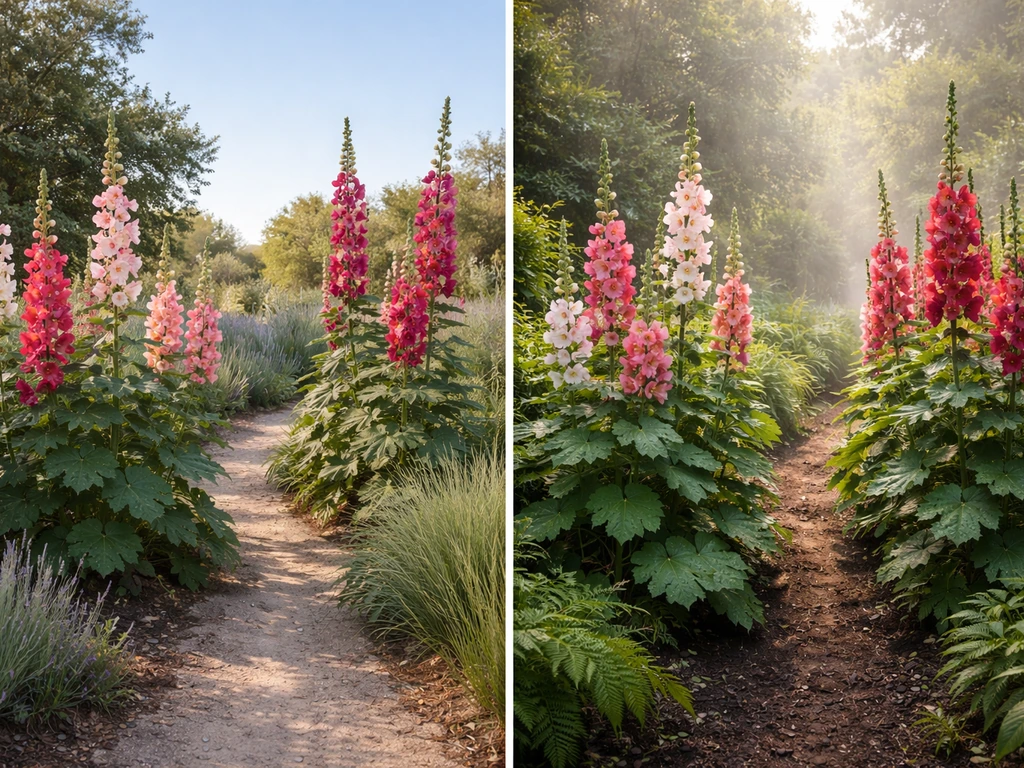
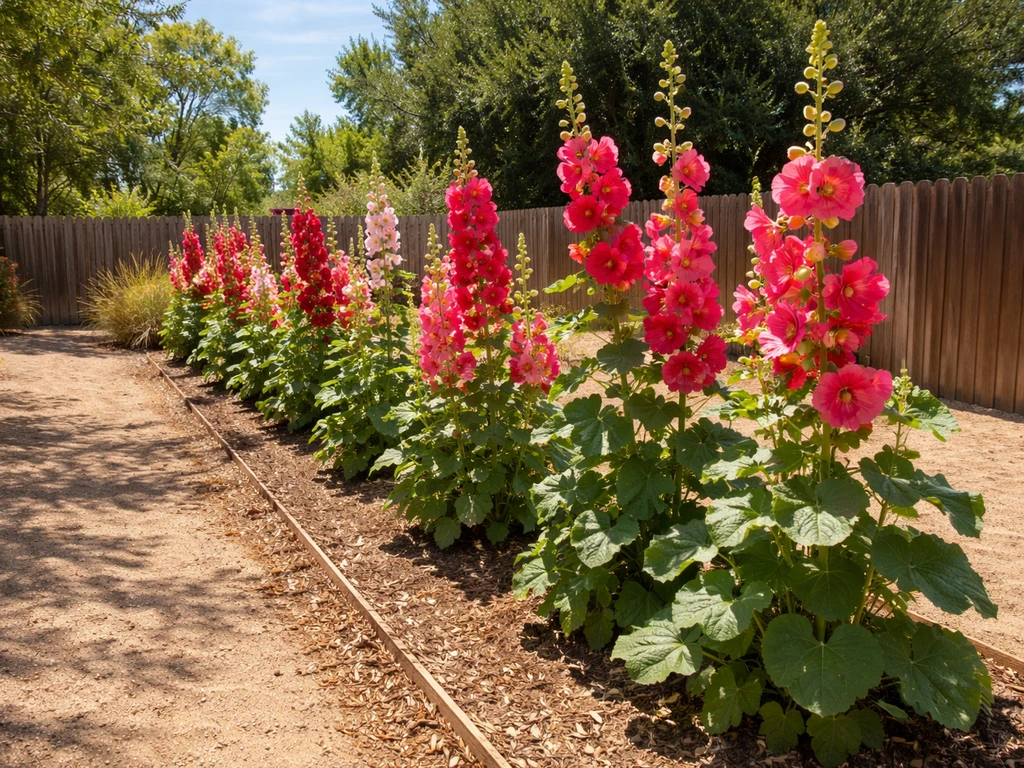
Texas spans USDA hardiness zones 6a (Panhandle) through 9b (Lower Rio Grande Valley and Gulf Coast), so the climate experience varies dramatically. Hollyhocks are rated hardy through zones 3 to 9, which means every region of Texas technically falls within their hardiness range. The challenge isn't winter cold, it's summer heat and humidity. Hollyhocks are cool-season bloomers by nature. They push up their tall flower spikes in late spring to early summer, then struggle once temperatures consistently hit the 90s and 100s that Texas summers are famous for. By July and August, most hollyhock plants in Central and South Texas look tired, diseased, or simply dead. That's normal.
In East Texas and along the Gulf Coast (zones 8b to 9b), humidity compounds the problem by creating ideal conditions for fungal disease. In the Panhandle and West Texas (zones 6a to 7b), the drier air and cooler summer nights give hollyhocks a noticeably better run. North Texas (zones 7a to 8a, think Dallas-Fort Worth) is the sweet spot: cold enough winters to support biennial behavior, warm enough springs for a long bloom window, and dry enough air to keep disease pressure manageable. If you're gardening in the Hill Country or around Austin and San Antonio (zones 8a to 8b), you can grow hollyhocks successfully but need to treat them more as annuals or short-lived biennials rather than reliable perennials.
Where and How to Plant Hollyhocks in Texas
Choosing the right spot
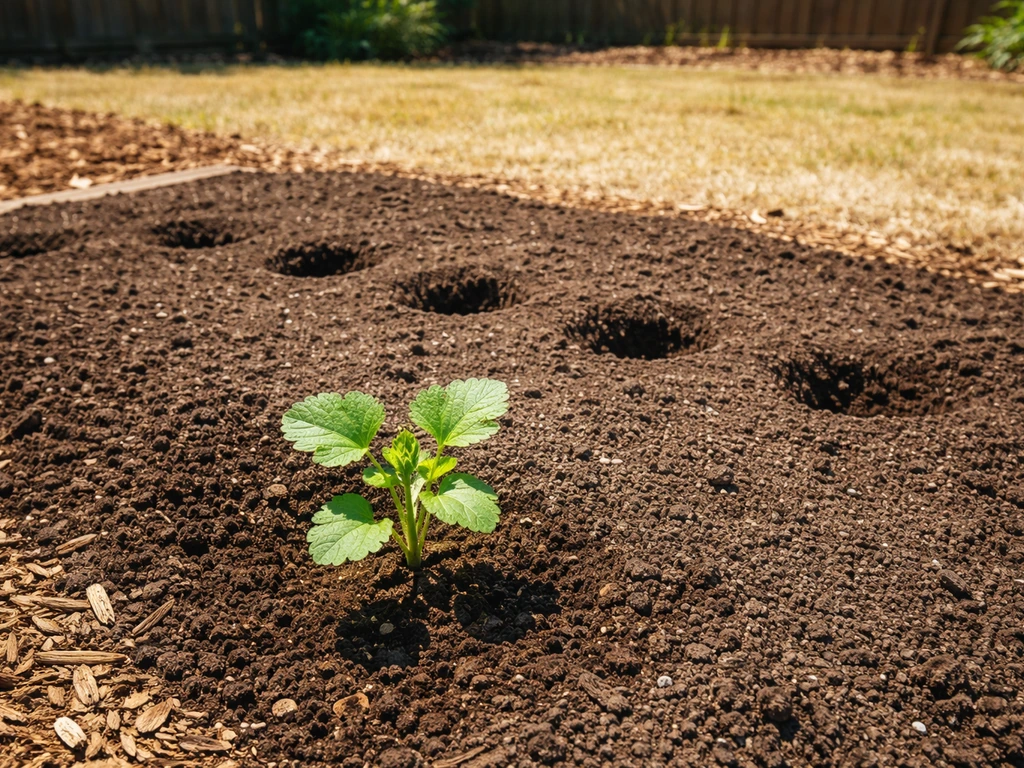
Site selection is the single biggest factor in getting hollyhocks to thrive in Texas. They need full sun, at least 6 hours of direct sunlight per day. In the hotter parts of Texas (San Antonio southward), afternoon shade from a fence or tree actually helps extend their bloom period by shielding them from the most brutal 3 to 6 pm heat. A spot along a south or east-facing fence is ideal in most parts of Texas: they get morning sun, some wind protection, and the fence gives their tall stems support without needing staking. Hollyhocks grow 5 to 8 feet tall, so wind exposure matters. They will flop and snap in an open, exposed bed without support.
Soil requirements
Hollyhocks prefer moist, well-drained sandy to clay loams rich in organic matter, with a soil pH between 6. 0 and 7. 5. This is where Texas can cause problems.
Many Texas soils, particularly in Central and West Texas, are alkaline (pH 7. 5 to 8. 5), which sits just outside the ideal range. If your soil pH is higher than 7.
5, hollyhocks will show yellowing leaves and stunted growth from nutrient lockout. Get a simple soil test before planting. If you need to lower pH, work elemental sulfur into the bed a few months before planting. Compost helps here too, both improving drainage in clay-heavy soils and nudging pH slightly downward over time.
In sandy East Texas soils, the drainage is usually fine but organic matter will be low, so amending with compost is equally important.
Spacing and planting depth
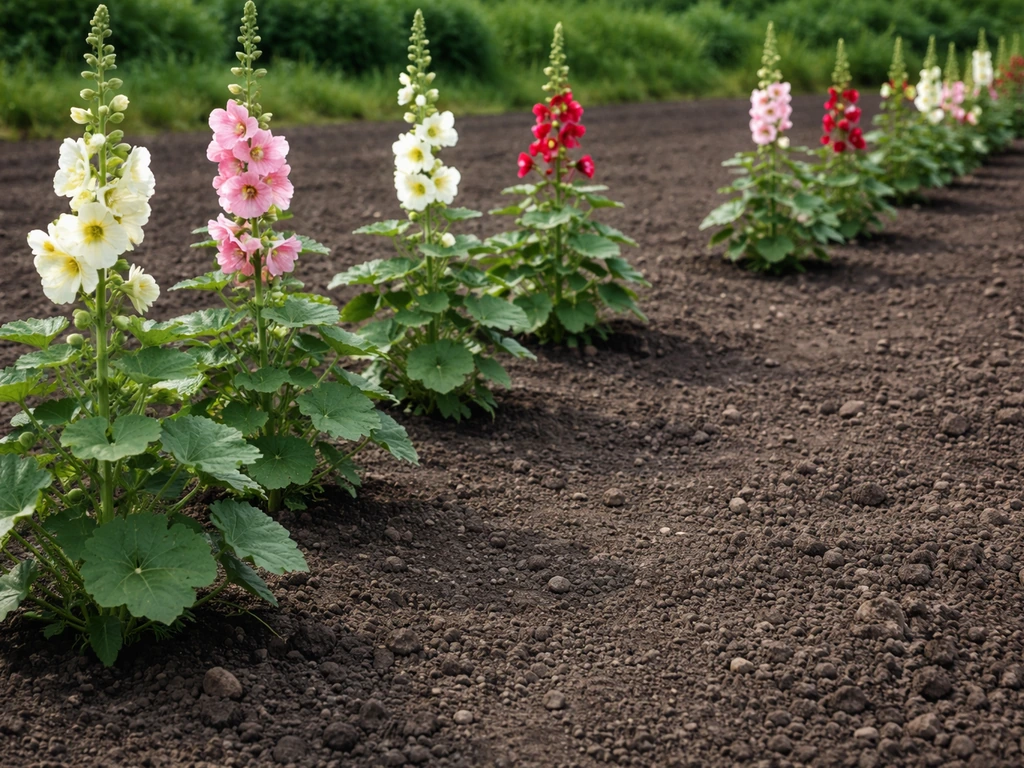
Space hollyhock plants 24 to 36 inches apart. This might feel generous when you're planting, but good airflow between plants is one of the best defenses against the rust fungus that thrives in humid Texas conditions. Crowding them is one of the most common mistakes Texas gardeners make. For transplants, plant at the depth of the root ball. If you're planting bare-root hollyhocks with a visible taproot, set the taproot 2 to 3 inches deep. Seeds can be direct sown on the soil surface or barely covered. Hollyhocks develop a deep taproot and do not like being moved once established, so choose your spot carefully from the start.
When to Plant Hollyhocks in Texas by Region
Timing is where a lot of Texas gardeners go wrong. Because hollyhocks are biennials or short-lived perennials, they have an unusual cycle: seeds started in late summer or fall grow into leafy rosettes that overwinter, then bloom the following spring. That's the cycle you want to follow in Texas.
| Texas Region | Hardiness Zones | Best Planting Window | Expected Bloom Time |
|---|
| Panhandle / West Texas | 6a – 7a | Late summer (Aug–Sep) or early spring (Mar) | May – June |
| North Texas (DFW area) | 7a – 8a | Late summer to early fall (Aug–Oct) | April – June |
| Central Texas (Austin / Hill Country) | 8a – 8b | Early to mid-fall (Sep–Oct) | March – May |
| East Texas | 7b – 8b | Late summer to fall (Aug–Oct) | April – May |
| South Texas / Gulf Coast | 8b – 9b | Fall (Oct–Nov) | February – April |
If you miss the fall planting window, an early spring planting (February to March) is possible in North and Central Texas, but those plants may not bloom until their second year since they need time to mature. In South Texas and the Gulf Coast, spring-planted hollyhocks often bolt quickly in the heat without producing a satisfying bloom. Fall is really your best bet across most of the state.
Keeping Hollyhocks Alive: Watering, Fertilizing, and Mulch
Watering
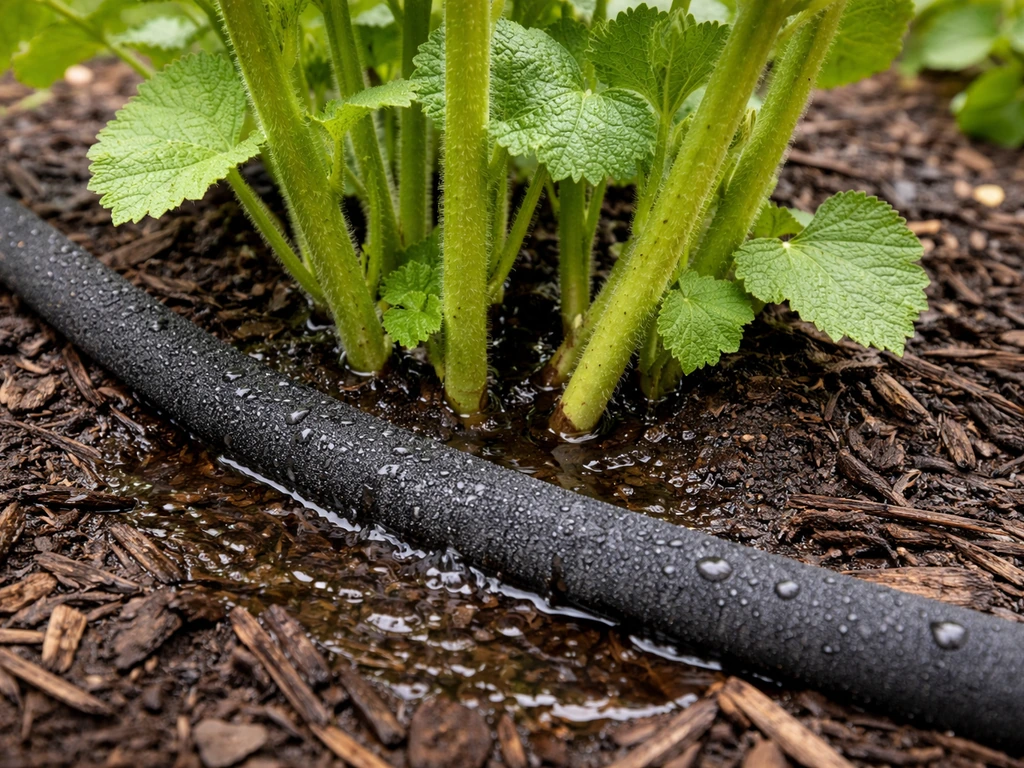
Hollyhocks want consistent moisture but hate sitting in waterlogged soil. In Texas, that means deep, infrequent watering rather than shallow daily sprinkles. Water at the base of the plant, not overhead. Overhead watering in humid Texas conditions is practically an invitation for rust and other fungal diseases to take hold. During the bloom period in spring, aim to keep the soil evenly moist. Once summer heat arrives and the plants start to decline, you can back off watering. Overwatering a struggling hollyhock in August heat does more harm than good.
Fertilizing
Hollyhocks are not heavy feeders. A light application of balanced slow-release fertilizer worked into the soil at planting time is usually enough. You can give them a follow-up dose of low-nitrogen fertilizer as they start to set buds in spring, but avoid pushing too much nitrogen, which will produce lush green growth at the expense of flowers and also makes plants more attractive to pests. If your soil is already organically rich from compost amendments, you may not need to fertilize at all beyond the initial planting.
Mulching
Mulch is non-negotiable for hollyhocks in Texas. Apply 2 to 3 inches of wood chips or straw around the base of the plants, keeping it a few inches away from the stem. This does two critical things in a Texas garden: it retains soil moisture during dry spells and it reduces soil temperature during the brutal summer months. Cooler roots mean the plants last longer into the season and are more likely to survive for a second-year bloom. Mulching is standard practice in Texas ornamental beds for good reason, and hollyhocks benefit from it as much as any plant in your yard.
Pests, Diseases, and Texas-Specific Problems
Hollyhock rust: your biggest enemy in Texas
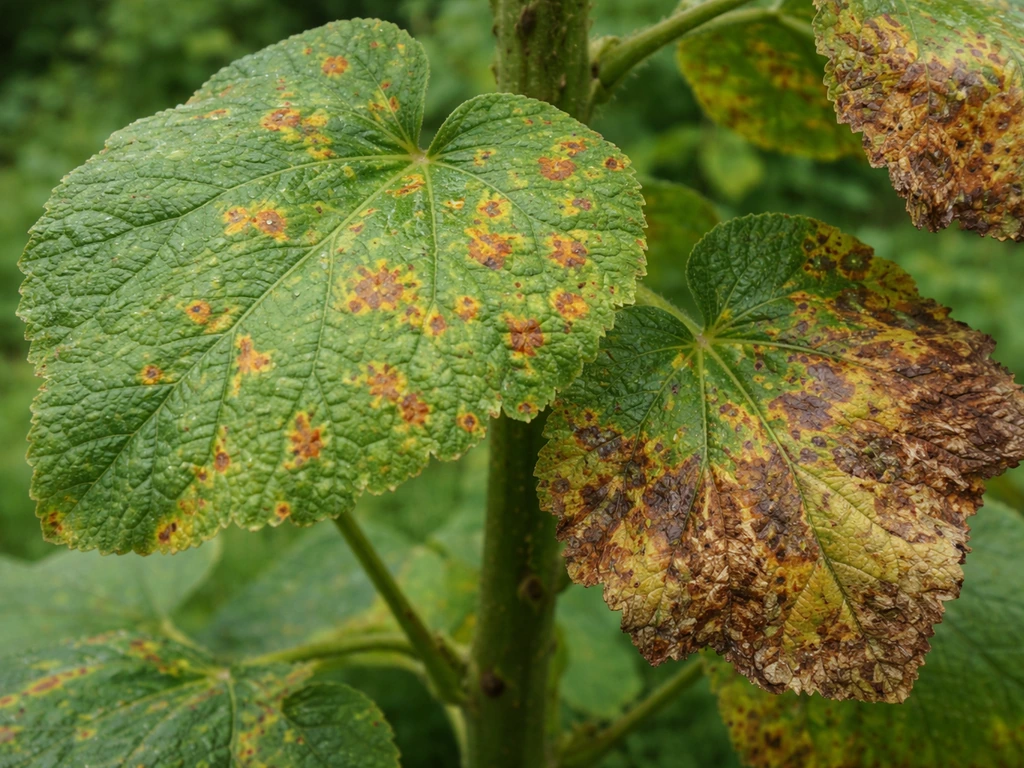
According to Texas A&M AgriLife's Texas Plant Disease Handbook, hollyhock rust is the most prevalent disease on hollyhocks in Texas, and all parts of the plant are subject to infection. The rust is caused by the fungus Puccinia malvacearum and shows up as orange-yellow pustules on leaf undersides with corresponding brown or yellow spots on the upper surface. In humid regions of Texas, particularly East Texas and the Gulf Coast, rust can appear early in the season and spread fast.
The recommended management from Texas A&M is to remove and destroy infected plant material promptly and apply fungicide on a regular schedule. Preventive fungicide applications starting in early spring, before you see symptoms, are more effective than trying to cure an already-infected plant.
Look for fungicides labeled for rust on ornamentals (copper-based or chlorothalonil-based products are commonly used).
Rust isn't only a Texas problem, but Texas conditions accelerate it. Spores travel on wind, water, and even garden tools, so good sanitation practices matter a lot. Clean up fallen leaves and debris at the end of the season rather than leaving them in the bed. If your hollyhocks get hammered by rust every year and you're in a humid part of Texas, it's worth considering whether the location has enough airflow or whether you'd be better off focusing on more rust-resistant plants for that particular spot.
Other pests and problems
- Spider mites: Common in hot, dry Texas summers. Look for fine webbing and stippled, grayish leaves. A strong spray of water or insecticidal soap knocks them back.
- Japanese beetles and caterpillars: Can chew irregular holes in leaves. Hand-pick when populations are low, or use Bt (Bacillus thuringiensis) for caterpillars.
- Aphids: Cluster on new growth and buds. Knock off with water or treat with neem oil.
- Poor blooming: Often caused by planting in too much shade, soil pH outside 6.0–7.5, or planting too late (first-year plants from a spring planting may not bloom until the following year).
- Flopping and snapping: Caused by wind exposure or insufficient staking. Plant near a fence or use stakes early before stems are tall.
Varieties, Bloom Expectations, and Overwintering in Texas
Biennial vs. perennial behavior in Texas
Hollyhocks are variously described as biennials, annuals, or short-lived perennials depending on conditions, and in Texas you'll see all three behaviors depending on your region. In North Texas, plants started in fall often behave like true biennials: they overwinter as rosettes and bloom the following spring, sometimes returning for a third year if conditions are kind. In South Texas and the Gulf Coast, the heat and humidity mean many hollyhocks essentially behave as annuals, completing their cycle in a single year. The good news is that hollyhocks self-seed readily, which means even if the parent plant dies, you may find volunteer seedlings popping up nearby to carry the show the following season.
Typical bloom time is mid to late summer in cooler climates, but in Texas the heat pushes blooming earlier. Most Texas hollyhocks put on their best show from March through June, depending on the region. South Texas gardeners can see blooms as early as February. That earlier bloom window is actually a real advantage: you get the gorgeous 5- to 8-foot flower spikes before the worst of the summer heat kicks in.
Varieties worth trying in Texas
Single-flowered varieties generally show better disease resistance than doubles in humid conditions, which is worth keeping in mind for East Texas and Gulf Coast gardeners. 'Halo' series varieties and the single-flowering 'Indian Spring' are popular choices that tend to perform reasonably well under Texas pressure. Double-flowered types like 'Double Pink' are showier but more rust-susceptible. If you're growing hollyhocks in a drier part of Texas (the Panhandle or West Texas), doubles are more viable because fungal pressure is lower. Stick to singles or semi-doubles if you're in the eastern half of the state.
Overwintering and reseeding strategies
In North and West Texas (zones 6a to 7b), hollyhock rosettes will overwinter just fine without any special protection. A light layer of mulch over the crown is enough insurance. In Central Texas (zone 8), winter cold is rarely the issue, summer survival is. The best strategy in those zones is to rely on self-seeding.
Let a few seed heads go to seed at the end of the season and allow volunteer seedlings to emerge in fall. Those volunteers will bloom the following spring and keep your hollyhock patch going without you having to replant every year. This is how experienced Texas gardeners maintain a reliable hollyhock display year after year, not by babying the parent plants through summer, but by letting the plant do what it naturally wants to do and reseed itself.
If you're curious how hollyhocks perform in climates that push the boundaries even further, it's worth knowing that hollyhocks in tropical conditions face even steeper challenges than Texas, with year-round heat and no dormancy period making them nearly impractical in true tropical zones. Texas, by comparison, is genuinely workable.
How Texas Compares to Neighboring States for Growing Hollyhocks
If you've ever wondered why your Colorado cousin seems to grow hollyhocks effortlessly, there's a real reason for that. Gardeners curious about hollyhocks growing in Colorado will find the cooler, drier climate there is actually closer to hollyhocks' ideal environment, which makes the Colorado experience noticeably easier than what Texas gardeners deal with. Similarly, hollyhocks in Arizona face a different version of the heat challenge: intense dry heat rather than humid heat, which actually reduces rust pressure considerably even if it shortens the bloom window in other ways.
What Else to Grow Alongside Hollyhocks in Texas
Hollyhocks pair well with other cottage-style plants that can handle Texas conditions. Zinnias are an excellent companion because they bloom after hollyhocks fade and keep color going through summer. If you've ever considered growing zinnias in the Southwest heat, they're one of the most heat-tolerant annuals you can pair with hollyhocks to keep your bed looking full from spring through fall. For a different texture, hellebores in Texas make a great shade-side companion in North Texas gardens, blooming in late winter just before the hollyhocks take off and tolerating the alkaline soils common across the state.
If you want to add vertical interest to containers or raised structures near your hollyhock bed, it's worth knowing that marigolds in hanging baskets add a cheerful pop of color at a different height and are practically bulletproof in Texas heat, providing a nice contrast to the tall, structural presence of hollyhock spikes along a fence.
Your Next Steps if You're Ready to Plant
Here's the practical takeaway for Texas gardeners. If you're in North Texas or the Panhandle, start hollyhock seeds in late summer (August to September) directly in a prepared, well-drained bed with amended soil and full sun. Let them overwinter as rosettes and expect blooms in April through June. If you're in Central Texas or the Hill Country, plant in early fall (September to October) and lean on self-seeding to keep your patch going rather than counting on perennial return. If you're on the Gulf Coast or in South Texas, plant in October to November, choose single-flower varieties for better rust resistance, and treat them essentially as annuals that will reseed if you allow it.
Get a soil test before planting anywhere in Texas, especially if you're in Central or West Texas where alkaline soils are the norm. Amend for a pH of 6.0 to 7.5, add compost, space plants 24 to 36 inches apart, mulch with 2 to 3 inches of straw or wood chips, and water at the base, not overhead. Start a preventive fungicide routine in early spring and remove any rust-infected leaves immediately. Do those things consistently, and hollyhocks in Texas go from a gamble to a genuinely reliable part of your spring garden.