
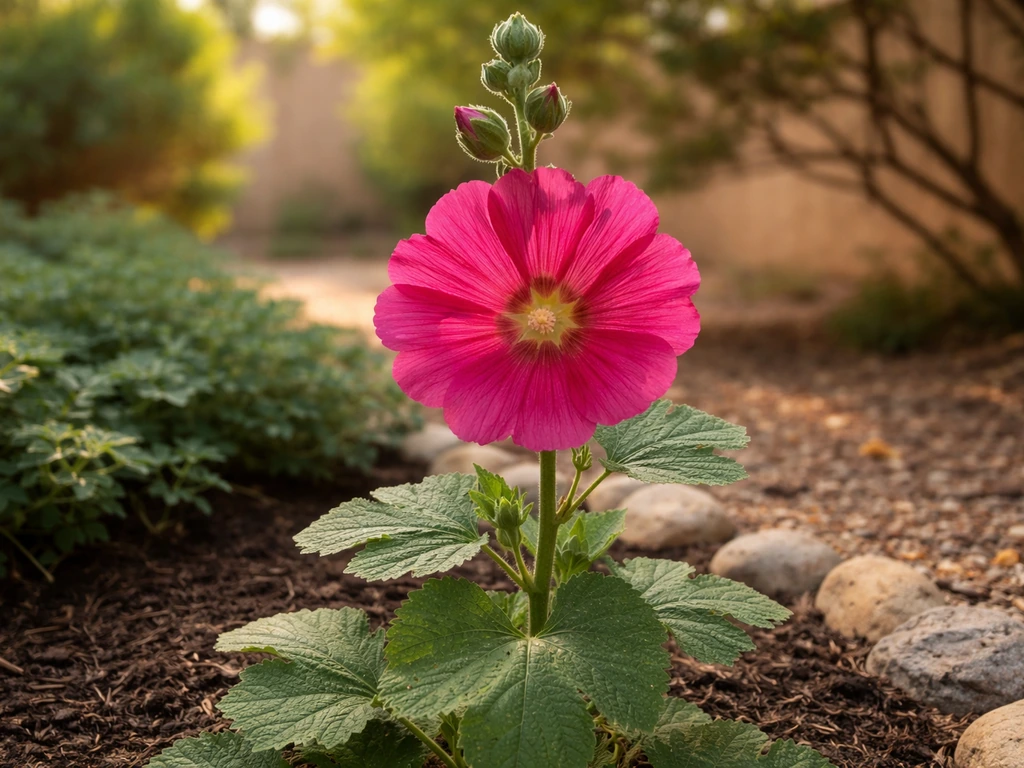
Yes, hollyhocks can grow in Arizona, but whether they thrive depends heavily on where in the state you live. In northern Arizona (think Flagstaff, Prescott, and the higher elevations), hollyhocks are genuinely at home and can behave as true perennials or biennials. In the low desert valleys of Phoenix and Tucson, you can still grow them, but you have to treat them as a cool-season plant and work with the climate rather than against it. Get the timing and placement right, and you'll have those tall, cottage-garden spires. Get it wrong, and they'll bake out by May.
Do Hollyhocks Grow in Arizona? Conditions to Succeed

Marcus Hartwell
15 May 2026
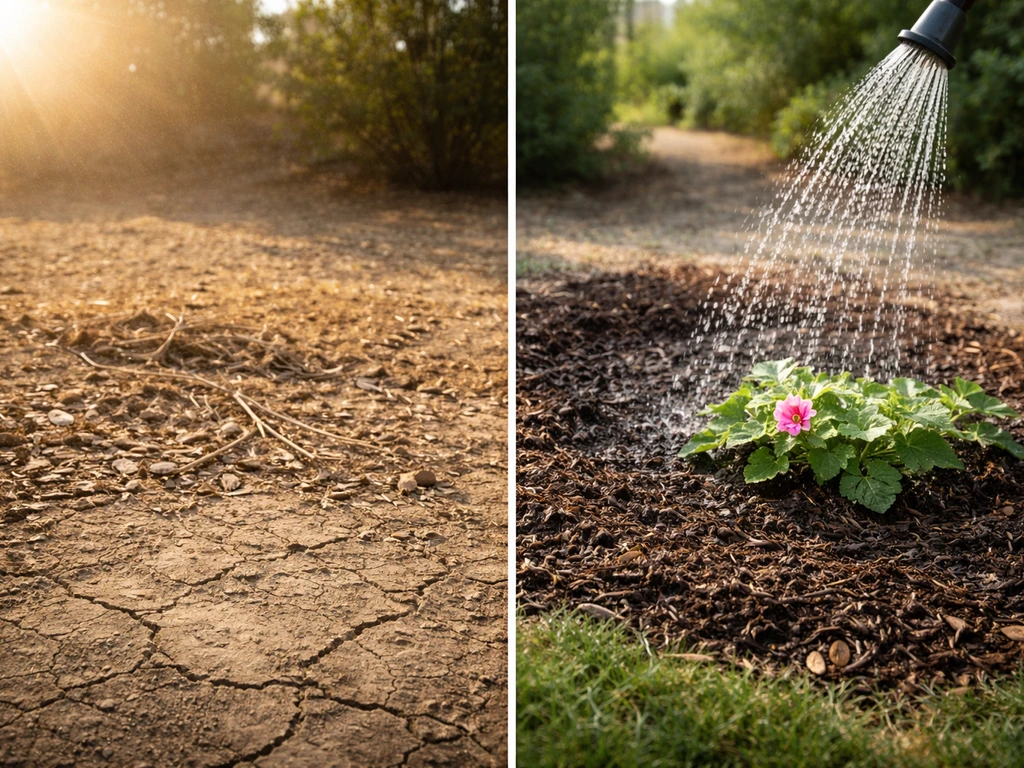
Arizona's heat and drought vs. what hollyhocks actually need
Hollyhocks (Alcea rosea) are rated hardy in USDA zones 3 through 10, which technically covers almost all of Arizona. But hardiness zones only tell you about winter cold, not summer heat. And summer heat is where Arizona gets complicated.
Hollyhocks are listed as having medium heat tolerance, which is a polite way of saying they don't love the kind of sustained 110°F punishment Phoenix dishes out in July and August. They can handle heat, but not extreme desert heat with no relief. On the water side, they're described as medium water users that become drought-tolerant once established. That's actually useful in Arizona, because once they're rooted in and past their spring bloom, they can coast through drier periods better than a lot of other flowering plants.
The other thing worth knowing is that hollyhocks have a vernalization requirement: they need 6 to 8 weeks of temperatures at or below 40°F to trigger flowering. In northern Arizona that happens naturally. In the low desert, winters are mild enough that this can be a limiting factor, which is one reason timing your planting around cooler months is so important down there.
Zone-by-zone reality check across Arizona
Arizona isn't one climate. It stacks from alpine to desert, and hollyhocks behave very differently across that range.
Northern Arizona (Flagstaff, Prescott, Show Low area)
This is the sweet spot for hollyhocks in Arizona. Flagstaff sits in USDA zone 6a, where winter lows drop to -10°F to -5°F. That's more than cold enough to satisfy vernalization requirements and let hollyhocks overwinter as true biennials or short-lived perennials. The cooler summers, lower humidity, and elevation make this region genuinely hospitable. Plant them in spring or early fall and expect them to bloom the following year if starting from seed. These are the conditions where hollyhocks perform most like they do in the classic cottage garden photos.
Central Arizona (Phoenix metro, Scottsdale, Mesa)
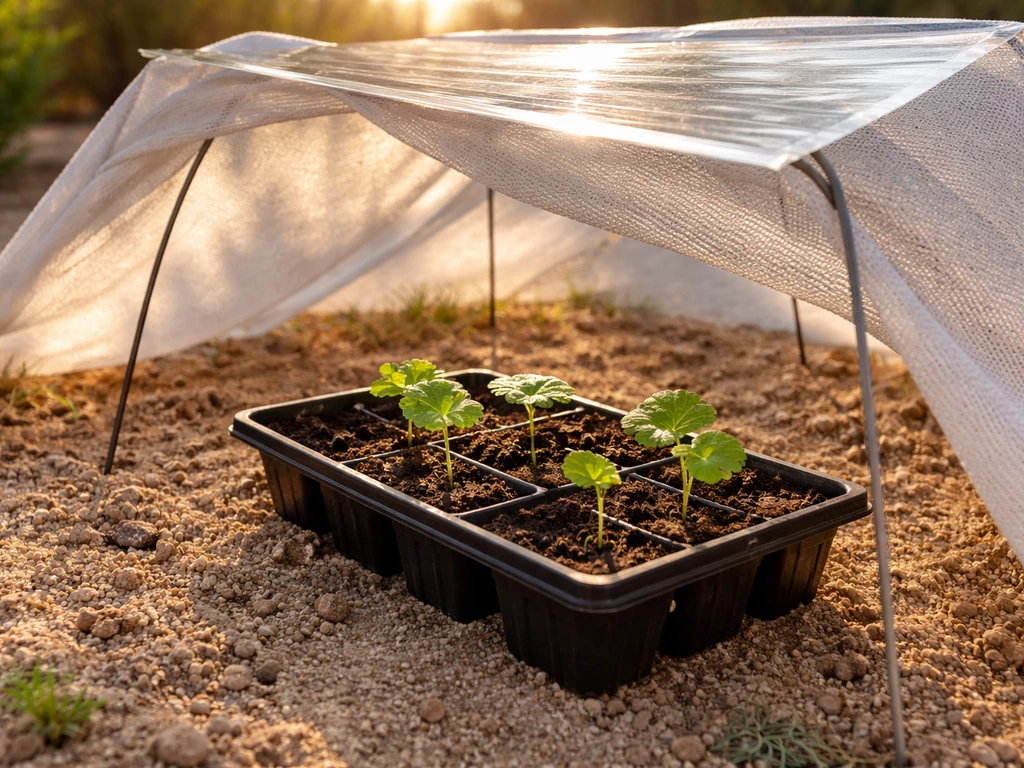
This is where you have to get clever. The low desert doesn't give hollyhocks a natural cool-season dormancy that extends long enough, and the summers are brutal. In tropical climates, the combination of limited cool-season chilling and intense year-round heat usually makes hollyhocks difficult to grow reliably without special conditions. The strategy that actually works here is blank" rel="noopener noreferrer">planting seeds in August or September so they establish through fall and winter, then bloom in spring before the heat arrives. Think of hollyhocks as a cool-season flowering annual in this zone rather than a perennial. Once temperatures climb hard in May and June, the plants will likely decline. That's okay. You got the bloom, which is the whole point.
Southern Arizona (Tucson, Yuma, Casa Grande)
Tucson is a middle ground. Winters are mild but not entirely frost-free, and summers are intense. The same fall-planting strategy used in Phoenix applies here, though Tucson's slightly higher elevation and cooler winter nights give hollyhocks a marginally better chance of experiencing adequate vernalization. Yuma is the hardest case in the state because winters barely cool down enough to satisfy the plant's chilling requirement. If you're in Yuma or the extreme southwest corner of the state, temper your expectations and consider them a seasonal experiment rather than a reliable recurring plant.
| Region | USDA Zone | Hollyhock Viability | Best Strategy |
|---|---|---|---|
| Northern AZ (Flagstaff, Prescott) | 5b–6b | Excellent, true biennial/perennial behavior | Plant spring or fall, let overwinter naturally |
| Central AZ (Phoenix metro) | 9b–10a | Possible as cool-season annual | Plant seeds Aug–Sep for spring bloom |
| Southern AZ (Tucson) | 8b–9a | Fair, treat as cool-season annual | Fall planting, spring bloom, expect summer decline |
| SW Arizona (Yuma) | 10a–10b | Difficult, marginal vernalization | Experiment only, limited reliable results |
When to plant and where to put them
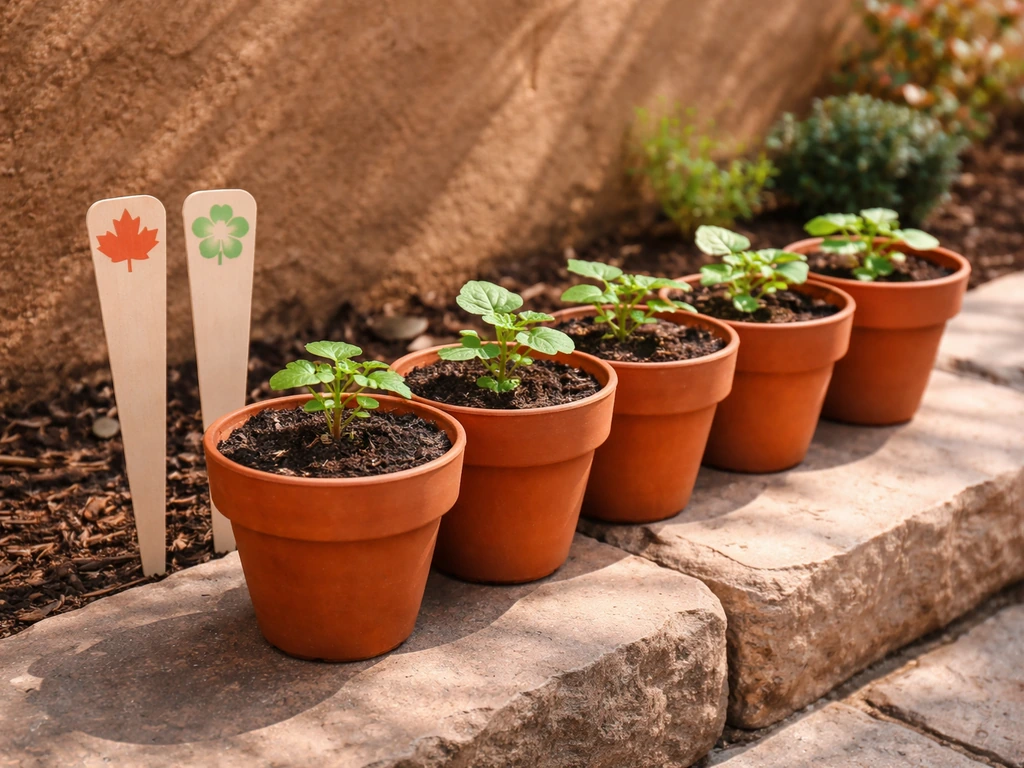
In northern Arizona, you can plant hollyhock seeds in spring once soil temperatures reach 60 to 70°F, or start them in late summer for next year's bloom. In the central and southern low desert, planting in August or September is the move. That window lets seeds germinate in warm-but-not-scorching soil, establish through the mild Arizona winter, and bloom in March through May before the real heat arrives.
Placement matters enormously in Arizona. In the low desert especially, skip the full-sun south or west-facing exposures. A spot that gets full morning sun but is shielded from direct afternoon sun, particularly from the brutal 2 to 6 p.m. hours, will keep hollyhocks happier and extend the bloom window by weeks. An east-facing wall or the shadow cast by a fence in the afternoon is genuinely useful here.
Speaking of fences, hollyhocks grow tall, often 5 to 8 feet, and their stalks will snap in strong wind. blank" rel="noopener noreferrer">Planting near a wall or fence gives them both wind protection and a natural backdrop. If you also want a planter-friendly option, you may be wondering whether can marigolds grow in hanging baskets. It's one of those tips that applies everywhere but especially matters in Arizona where gusty spring winds can roll through right when hollyhocks are in full flower.
Why hollyhocks fail in Arizona (and how to avoid it)
The most common reason hollyhocks fail in Arizona isn't the cold, it's one of these four things:
- Planting at the wrong time: Starting seeds in spring in the low desert means they'll hit summer heat while still young and vulnerable. The fall planting window is critical in Phoenix and Tucson.
- Too much afternoon sun: A full-sun location in Phoenix doesn't mean what it means in Vermont. Afternoon shade is not optional in the low desert.
- Inconsistent watering during establishment: Hollyhocks are medium water users and can be drought-tolerant once mature, but young plants need consistent moisture to root in. Letting seedlings dry out repeatedly stalls growth and weakens the plant.
- Rust disease: Hollyhock rust is the most common disease on these plants and shows up as orange to yellow spots on lower leaves, starting at about 1/8 to 1/4 inch in diameter. In humid microclimates or with overhead irrigation, it spreads fast. Arizona's dry air helps reduce it, but poor watering habits can bring it on even here.
A note on disease: rust thrives when foliage stays wet. Never water overhead if you can help it, and if you do, water early enough in the morning that leaves dry completely before nightfall. Drip irrigation at the base of the plant is the cleanest option in Arizona and keeps foliage dry.
How to water and care for hollyhocks in Arizona's climate
During establishment, water deeply and regularly, roughly every 2 to 3 days for seedlings in fall if rains aren't providing moisture. The goal is getting roots down deep before winter. Once the plant is established, back off to deep, infrequent watering. Deep watering encourages roots to chase moisture downward, which makes the plant more drought-resilient as temperatures rise in spring.
In terms of sun exposure, northern Arizona plants can handle full sun just fine. In central and southern Arizona, aim for 6 hours of direct sun with afternoon shade as the goal. If you notice scorched leaf edges or wilting that doesn't recover by morning, the plant is telling you it needs more shade protection or more water, often both.
Hollyhocks planted from seed are typically biennial, meaning they won't flower until the second year. In the low desert where you're treating them as cool-season annuals, you sidestep this by planting seeds early enough in fall that the plant can establish, get its cold exposure through the mild winter, and bloom in spring. Starting from established transplants (if you can find them) is another way to get blooms in the first season.
Where to start and what to buy
If you're in northern Arizona, any reputable hollyhock variety will work. Look for disease-resistant cultivars if rust is a concern in your garden. Common series like 'Chater's Double' and 'Summer Carnival' are widely available and reliable. Summer Carnival germinates well with soil temperatures in the 60 to 70°F range, which aligns perfectly with a northern Arizona spring planting.
In the low desert, buy seeds rather than transplants, since you'll be doing an August or September sowing. Seeds are cheaper, widely available at local garden centers and online, and easier to time correctly. Pick up a disease-resistant variety if possible and plan to plant along a fence line or east-facing wall.
Check local nurseries in the Phoenix and Tucson area in late summer, around August, when they sometimes stock fall-blooming and fall-planting selections. You can also order seeds online well ahead of your planting window. Starting a small test batch of 6 to 12 plants in your first year is a low-cost way to find the best microclimate in your yard before committing to a full fence line.
If hollyhocks end up being too much of a battle in your specific corner of the low desert, zinnias are another tall, colorful option worth exploring for Arizona gardens and handle summer heat more aggressively than hollyhocks do. And if you're comparing notes with gardeners in neighboring states, the timing and zone considerations for hollyhocks in Arizona share some overlap with what gardeners in Texas and Colorado deal with, though each state has its own wrinkles. In Colorado, hollyhocks can grow in many areas, but success depends on matching their cold-chilling and cool-season needs to your local conditions do hollyhocks grow in colorado. If you’re wondering do hellebores grow in Texas, the best answer depends on whether your area can provide the right winter chill and the right shade in hot months gardeners in Texas. In Texas, hollyhocks can grow, but you will need to choose the right season and manage heat and chilling needs carefully gardeners in neighboring states.
FAQ
If I plant hollyhocks in Arizona in spring, will they still bloom?
They might, but in many low-desert yards spring sowing often fails because the plants may not get enough time to establish and then complete the needed cool-chilling before the heat spikes. In northern Arizona, spring planting works better, since winters reliably provide the chilling trigger.
Do hollyhocks need winter protection in Arizona?
Usually no in northern Arizona, where cold is part of the flowering process. In the low desert, extra frost protection is only helpful if your plants are young and you want survival, but it should not trap warmth all winter (over-covering can reduce the cold exposure needed for blooming).
What’s the fastest way to get flowers in the low desert?
Treat them as cool-season performers by starting with seeds sown in August or September, then aim for a tight window where seedlings establish before winter. If you start with transplants, expect more first-year blooms, but they still need to experience enough cool temperatures to trigger flowering.
How do I tell whether my hollyhocks failed due to heat stress or missing chilling?
Heat stress shows up as rapid decline when warm weather arrives, often with leaf scorch and wilting that improves with cooler nights. Missing chilling tends to show up as poor or no flowering later, even if the plants look green for a while.
Will container-grown hollyhocks work in Phoenix or Tucson?
Yes, but containers change the water and temperature picture, and roots can overheat faster than in-ground beds. Use a deep pot, provide afternoon shade (especially near walls or patios), and keep watering consistent during establishment, then water more deeply but less often once rooted.
How much shade is enough in central and southern Arizona?
A practical target is full morning sun with afternoon shade during peak heat hours. If you see scorched leaf edges or persistent wilting that does not rebound by the next morning, increase afternoon protection or adjust irrigation.
What’s the best way to prevent hollyhock rust in Arizona?
Avoid wetting the foliage. Use drip irrigation aimed at the base, water earlier in the day if you must use other methods, and improve airflow by spacing plants so leaves do not stay damp or crowded after irrigation.
Do hollyhocks attract pests in Arizona?
They can, especially for leaf-eating insects and sap feeders when plants are stressed by heat or inconsistent watering. The best preventive step is healthy establishment with steady moisture early, plus prompt removal of heavily damaged leaves to keep problems from spreading.
Can I grow hollyhocks in Yuma or the extreme southwest if I try harder?
You can try, but success is inherently less predictable because winters may not provide enough chilling. If you attempt it, use fall sowing and strongly prioritize afternoon shade and wind protection, but plan your planting like a trial rather than a guaranteed repeat-year perennial.
How should I water hollyhocks after the first spring bloom?
Once established and especially after flowering, move to deep, infrequent watering rather than frequent light watering. This encourages deeper roots and helps the plant ride out late spring and early summer when it naturally starts to decline in many low-desert gardens.
Should I deadhead hollyhocks to get more blooms?
Often, deadheading can prolong the display by reducing seed set, but it does not replace the need for correct seasonal timing and chilling. In the low desert, prioritizing the initial spring bloom window usually matters more than trying to force repeat flowering through May and June heat.
What spacing should I use for tall hollyhocks near a fence?
Give them room for airflow and reduce rust risk, while still using the fence for wind buffering. In practice, avoid crowding so mature stalks do not tangle and shade each other, and ensure there is enough space for drip lines and maintenance access.